September 28, 2026 3 min read
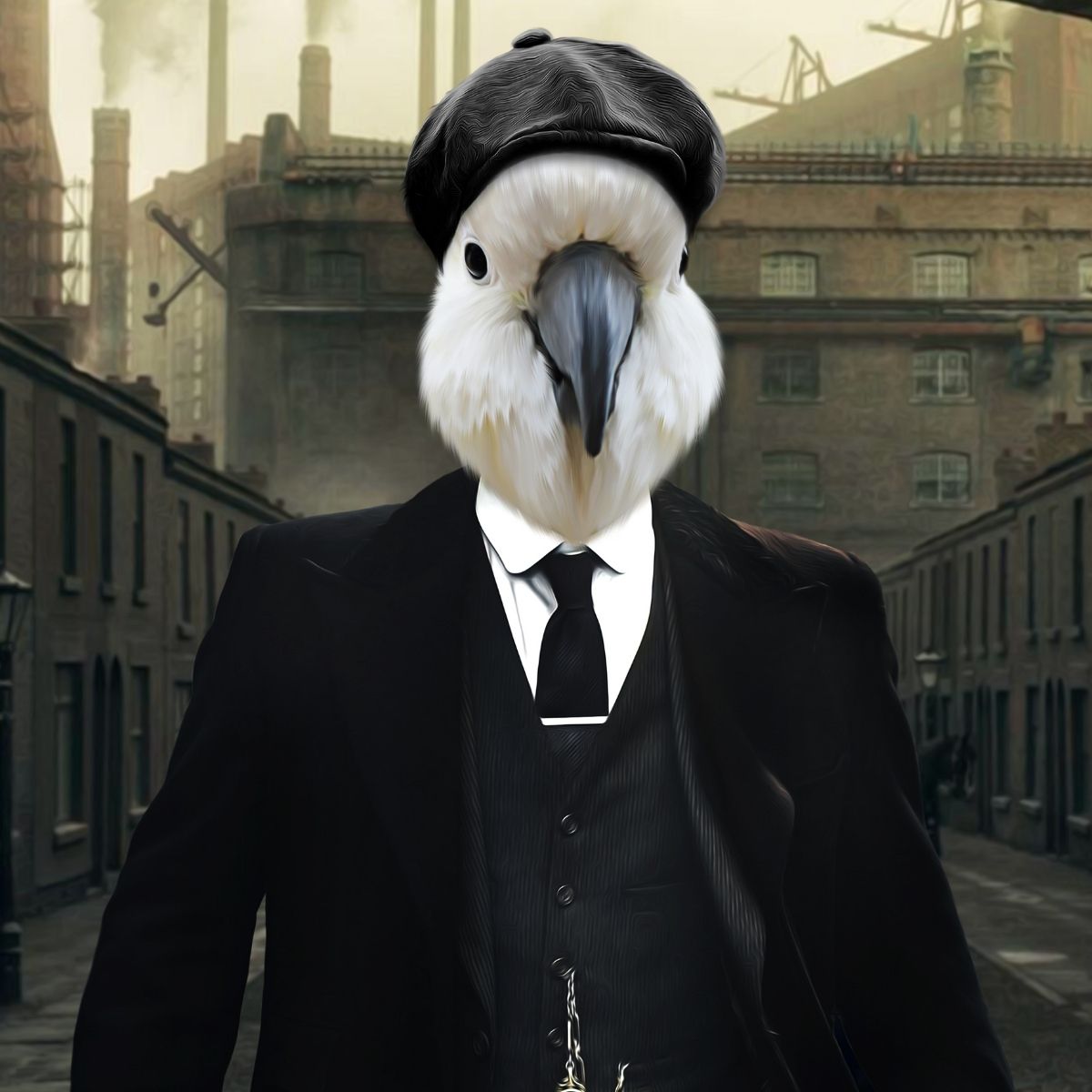
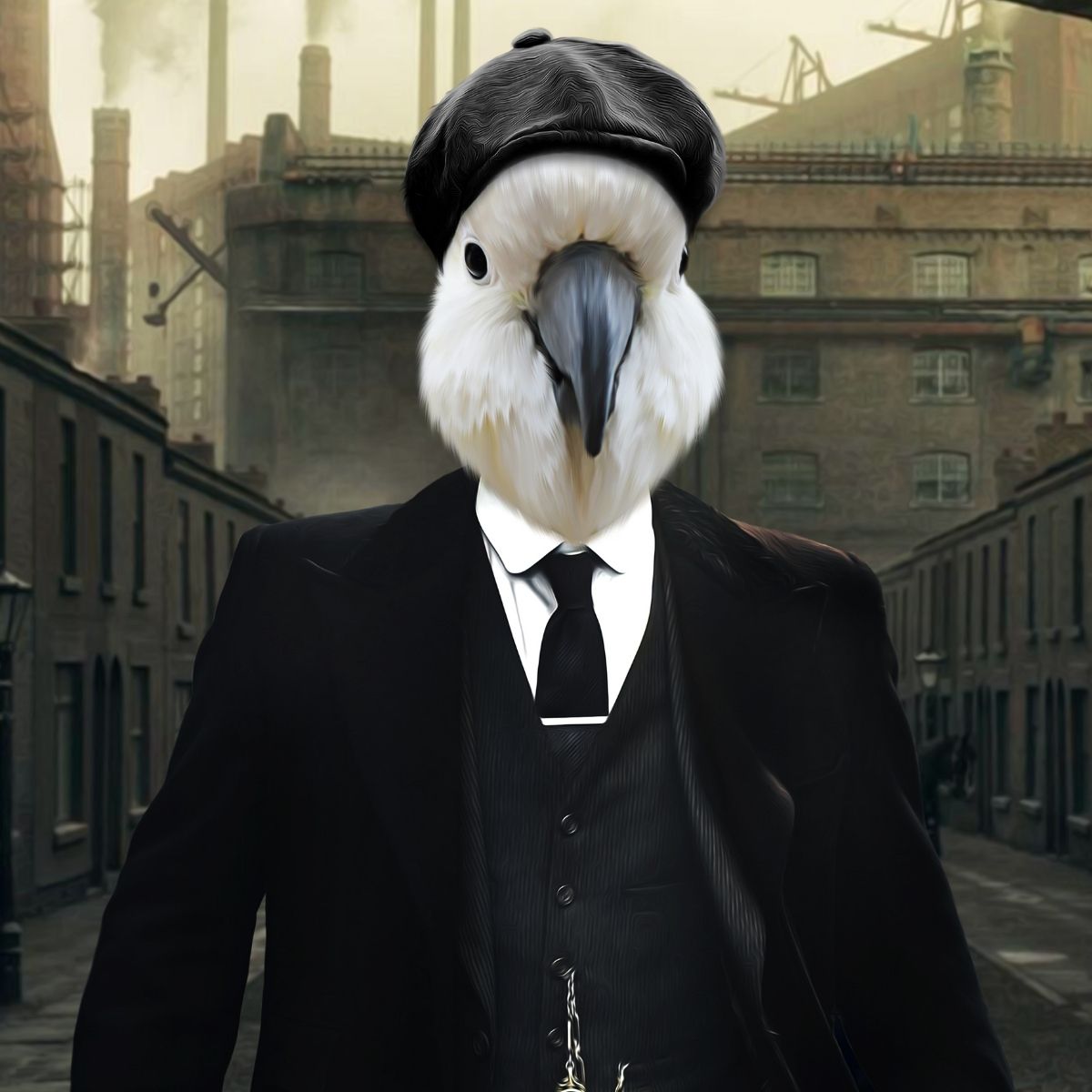
A parrot, budgie or other pet bird can be turned into a custom portrait, and the best reference image clearly shows the eye, beak, feather colours and the posture you recognise as your bird. You do not need a studio photograph. You do need enough detail for the artwork team to understand the face and plumage without guessing.
Birds add one complication that dogs rarely manage: they can be both tiny and extremely busy at the same time.
Use a sharp image taken close enough to show the head and feather pattern clearly. Focus on the eye, keep the beak unobstructed and avoid strong backlighting from a window.
For parrots and larger birds, a head-and-shoulders image can work very well. For budgies, canaries and smaller species, make sure the pet occupies enough of the frame that fine facial and feather details remain visible.
Use whichever setting is safe and normal for the bird. Do not change handling routines or force the bird into an unfamiliar position for a portrait photo.
If photographing through cage bars, move the camera close enough that the bars are less dominant, but never compromise safety or open an enclosure unnecessarily. A clear photo taken in a familiar perch area is more useful than a stressful attempt at a perfect background.
Not nearly as much as the bird. A plain or contrasting background can help separate the feather outline, but artwork can often focus on the subject and remove visual clutter. Prioritise a clear face and natural posture.
Use soft, even light. Harsh direct sunlight can create blown highlights or shift colour, while dim indoor lighting can make blues, greens and reds look muddy. Natural daylight near a window can work well if the bird is not silhouetted against it.
Do not rely on heavy filters to intensify colour. The portrait should be based on the bird you know, not a saturation slider having a crisis.
Expose for feather detail rather than the bright background. Make sure the eye does not disappear into the plumage. A lighter or mid-tone background can help the edge of the head and body remain visible.
Supporting images can be helpful for wing colours, tail markings or the side of the face that is not clear in the main reference. Keep one image as the main pose so the artwork has a clear direction.
Many custom pet portrait designs support multiple pets, but the live product options should confirm how many animals and what layouts are available. Separate photos can often be useful if the birds were not sitting together.
Yes. A modern phone can capture excellent bird reference images if there is enough light and the bird is relatively still. Use burst mode or record a short video if the bird moves constantly, then choose the sharpest authentic frame. Original files are preferable to screenshots.
Yes. Paw & Glory provides an Artwork Preview before print. Standard first artwork is normally ready within 1–3 working days, and small revisions can be requested before approval. Use the proof to check eye colour, beak shape, feather markings and overall likeness.
It can be particularly thoughtful because bird owners are often poorly served by generic “pet” gifting, which appears to assume the animal must either bark or knock a glass off a table. A portrait based on the recipient's actual bird is much more specific.
For a bird portrait, use a sharp, close photograph with a clear eye, beak and natural feather colour. Photograph in a safe familiar setting, avoid harsh backlight and provide extra reference images when distinctive plumage is not fully visible in the main photo.
Comments will be approved before showing up.
September 27, 2026 3 min read
September 26, 2026 3 min read
WELCOME TO PAW & GLORY
Get up to 30% off
Join 30,000+ pet owners turning perfectly ordinary photos into gloriously over-the-top works of art.
★★★★★ 2,200+ Five-Star Reviews
Real Artists · Proof Before Print · Unlimited Artwork Revisions