August 13, 2023 5 min read
When someone loses a pet, a sympathy card does not need to explain grief or find a perfect phrase. A short, sincere acknowledgement of the animal and the relationship they shared is usually enough.
If you know the pet's name, use it. If you have a genuine memory, include it. And if you do not know what to say, simple is considerably safer than reaching for a dramatic quote assembled by a stranger on the internet.
A useful message usually does three things: acknowledges the loss, recognises that the pet mattered and offers support without telling the person how they should feel.
You can keep the card to one or two sentences. There is no prize for filling every square centimetre of paper.
If you are also looking for a remembrance gift, our dog memorial gifts guide covers portraits, favourite photographs, memory books and other thoughtful options.
For remembrance ideas, see our cat memorial gifts guide.
A text can be even simpler than a card: “I'm so sorry about [Pet's Name]. I know how much they meant to you. No need to reply, but I'm thinking of you.”
Adding “no need to reply” can remove the small social obligation people often feel when they are receiving many messages at once.
Usually, yes. Using the pet's name acknowledges that the person lost an individual they knew, rather than an interchangeable category called “a pet”. If you are unsure of the spelling, check before writing it permanently in a card.
Avoid phrases that minimise the relationship, rush the grieving process or suggest the animal can simply be replaced.
Even well-meant “at least” statements can turn somebody's grief into a problem they are expected to reframe for your comfort.
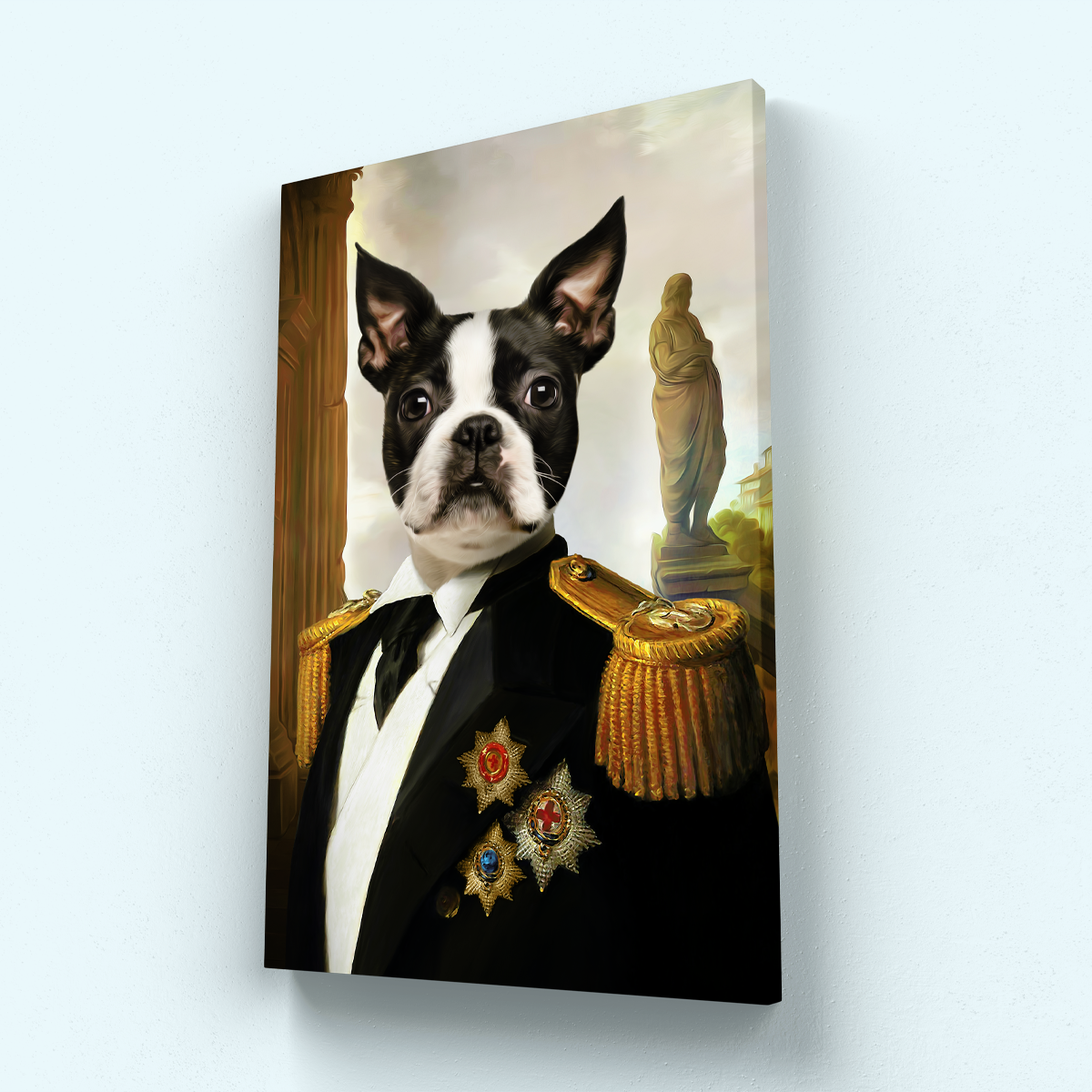
You can, but it is not required. A favourite printed photograph, memory book, donation or pet memorial portrait may be meaningful for some people. Others may prefer only a card and quiet support.
Our pet loss gifts guide compares several remembrance ideas, while the pet memorial portraits UK guide explains what to consider before commissioning artwork.
Add one specific memory if you have it. “I'll always remember the way Max waited by the kitchen door whenever anyone opened the cheese” is more personal than several paragraphs of generic sympathy language because it proves the animal existed in other people's memories too.
Support often arrives immediately after a loss and then becomes quiet. A short message a week or two later can be meaningful: “I was thinking about you and [Pet's Name] today. No need to reply.”
One or two sincere sentences can be enough. A longer message is useful only when you have a genuine memory or something personal to add.
Yes, when that reflects how the owner viewed the relationship. Many pets are woven into daily family routines for years.
Focus on the owner: “I'm so sorry. I know from the way you talked about [Pet's Name] how much they meant to you.” Do not invent a relationship you did not have.
No. A future animal does not replace the individual who died, and the owner can decide if or when they want another pet.
The most comforting pet sympathy message is usually the least performative one. Name the loss, recognise the relationship and leave room for the person to grieve in their own way.
Comments will be approved before showing up.
September 09, 2026 5 min read
WELCOME TO PAW & GLORY
Get up to 30% off
Join 30,000+ pet owners turning perfectly ordinary photos into gloriously over-the-top works of art.
★★★★★ 2,200+ Five-Star Reviews
Real Artists · Proof Before Print · Unlimited Artwork Revisions