June 21, 2026 4 min read
A pet memorial portrait is one of the most meaningful things you can commission after losing a pet. It takes a photo — one that captures them as they were — and turns it into something you can keep on the wall rather than buried in a camera roll. This guide covers how to commission one well, including the decisions that matter most and the mistakes worth avoiding.
A pet memorial portrait is a custom artwork created from a photo of a pet that has passed away. The process is the same as any custom portrait — you upload a photo, an artist creates the artwork, you receive a proof before printing — but the context is different. The goal is to create something dignified, accurate, and lasting.
There's no wrong time, but there are better times. The period immediately after losing a pet can feel overwhelming, and making decisions about artwork may not feel like a priority. Many people find it easier to commission a memorial portrait a few weeks or months later, when the initial grief has settled and the desire to have something lasting becomes clearer.
That said, don't wait too long to gather the photos. Go through your camera roll while the memories are fresh and save the best images somewhere you can find them.
The photo is the foundation of the portrait. For a memorial piece, you may have limited options — particularly if the pet was elderly or unwell in their final months. Use the clearest, most recent photo that shows them at their best.
What to look for:
We regularly work with photos that aren't technically perfect — slightly older images, phone photos taken in ordinary moments. The artist will do their best with what's available. But the clearer the photo, the more accurately the portrait will capture your pet as you remember them.
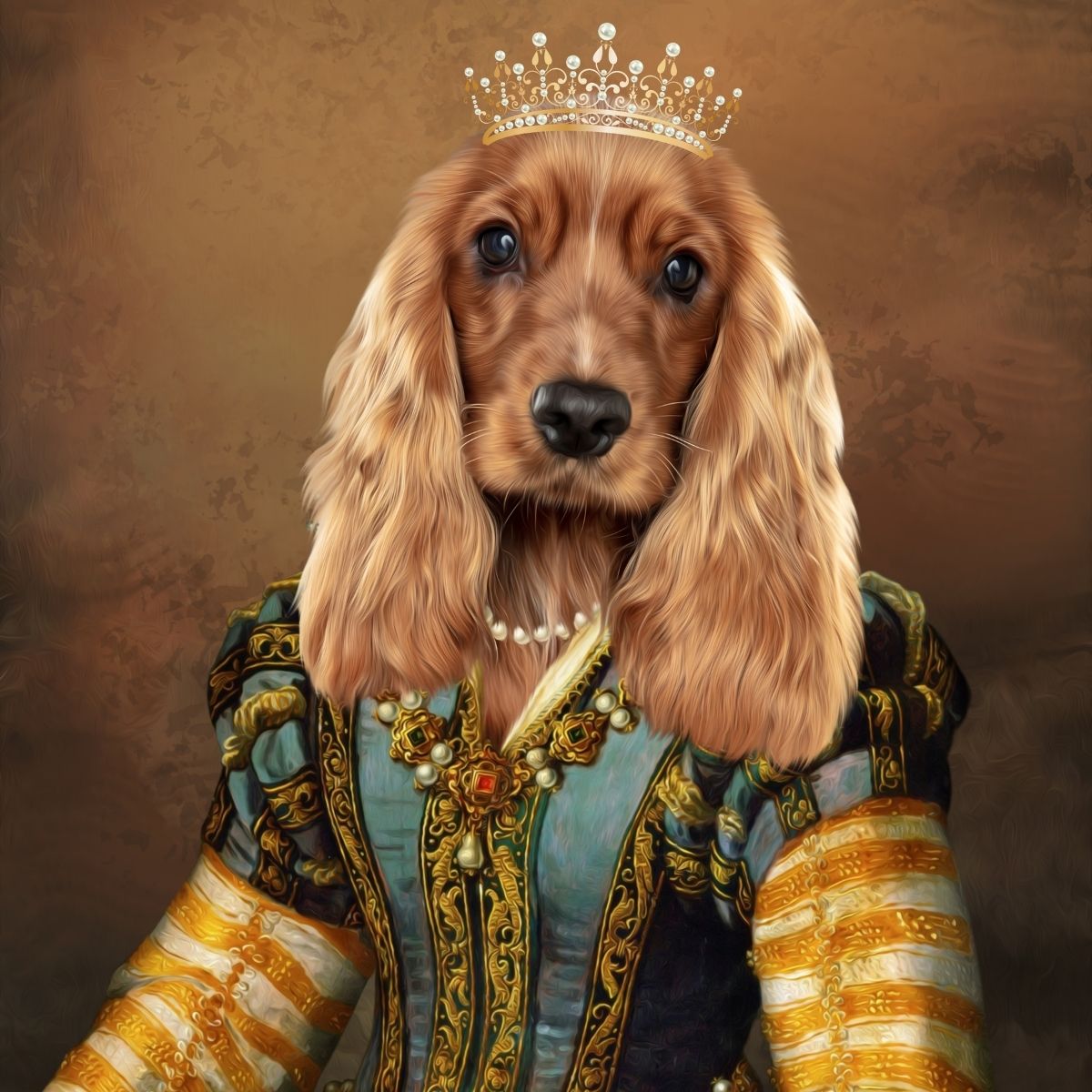
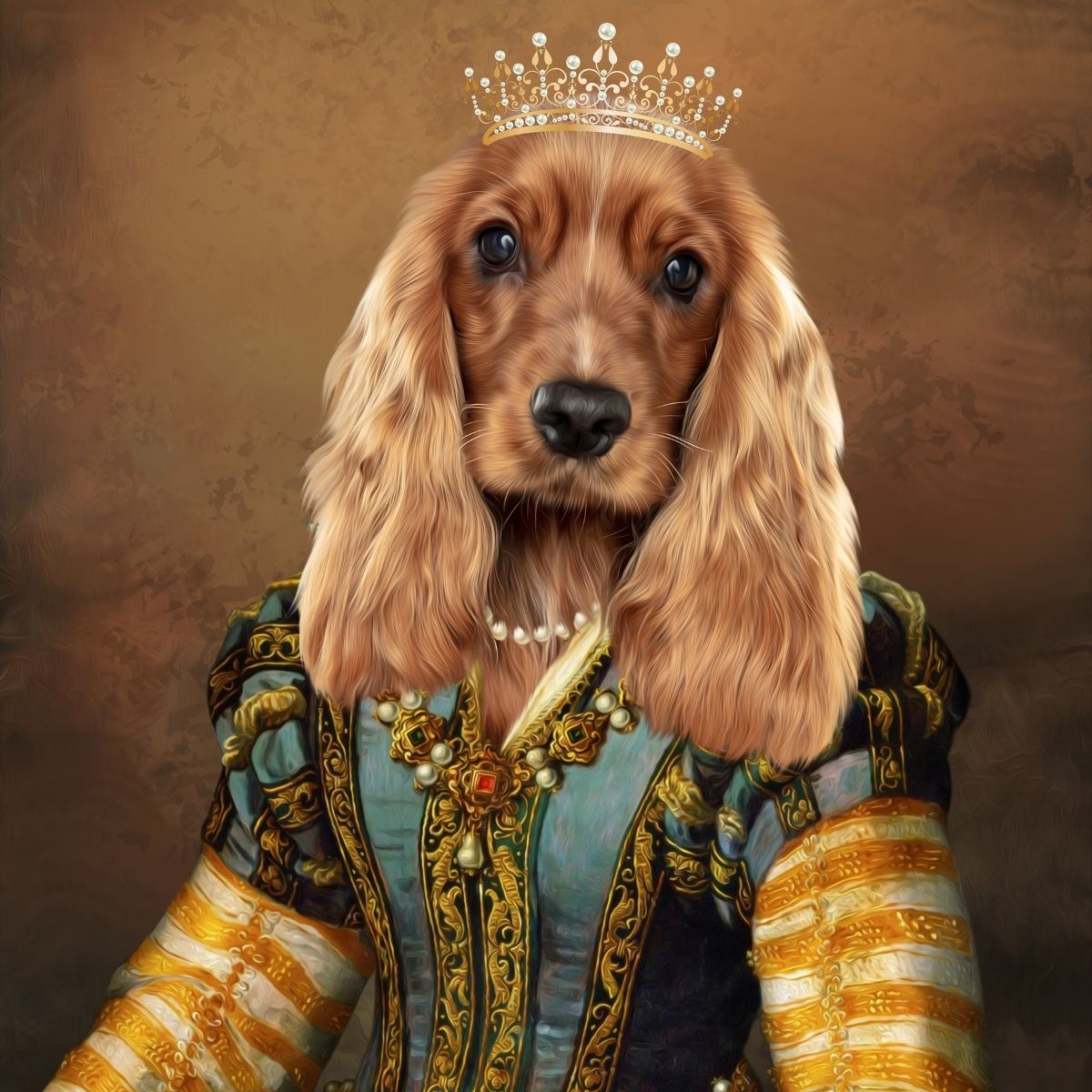
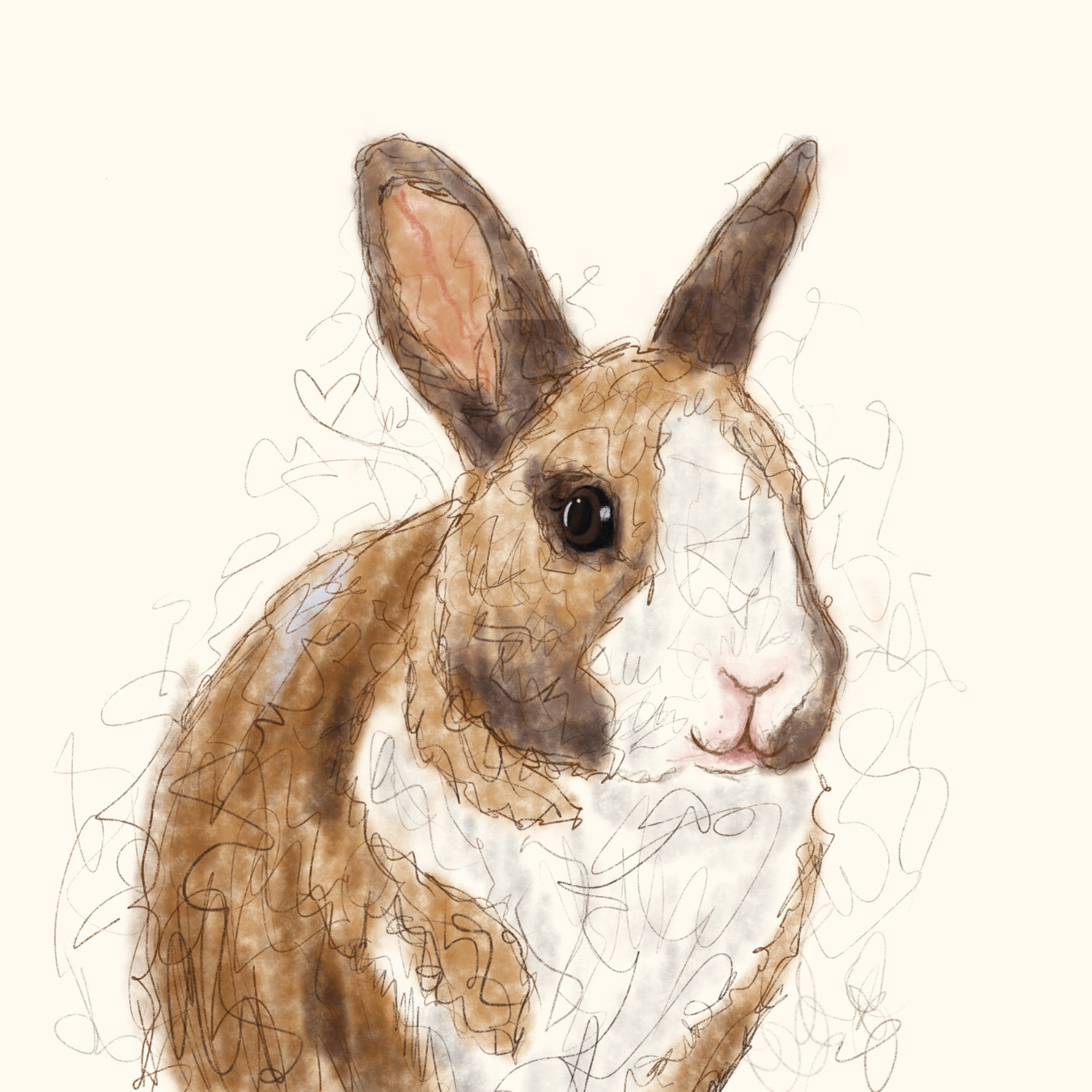
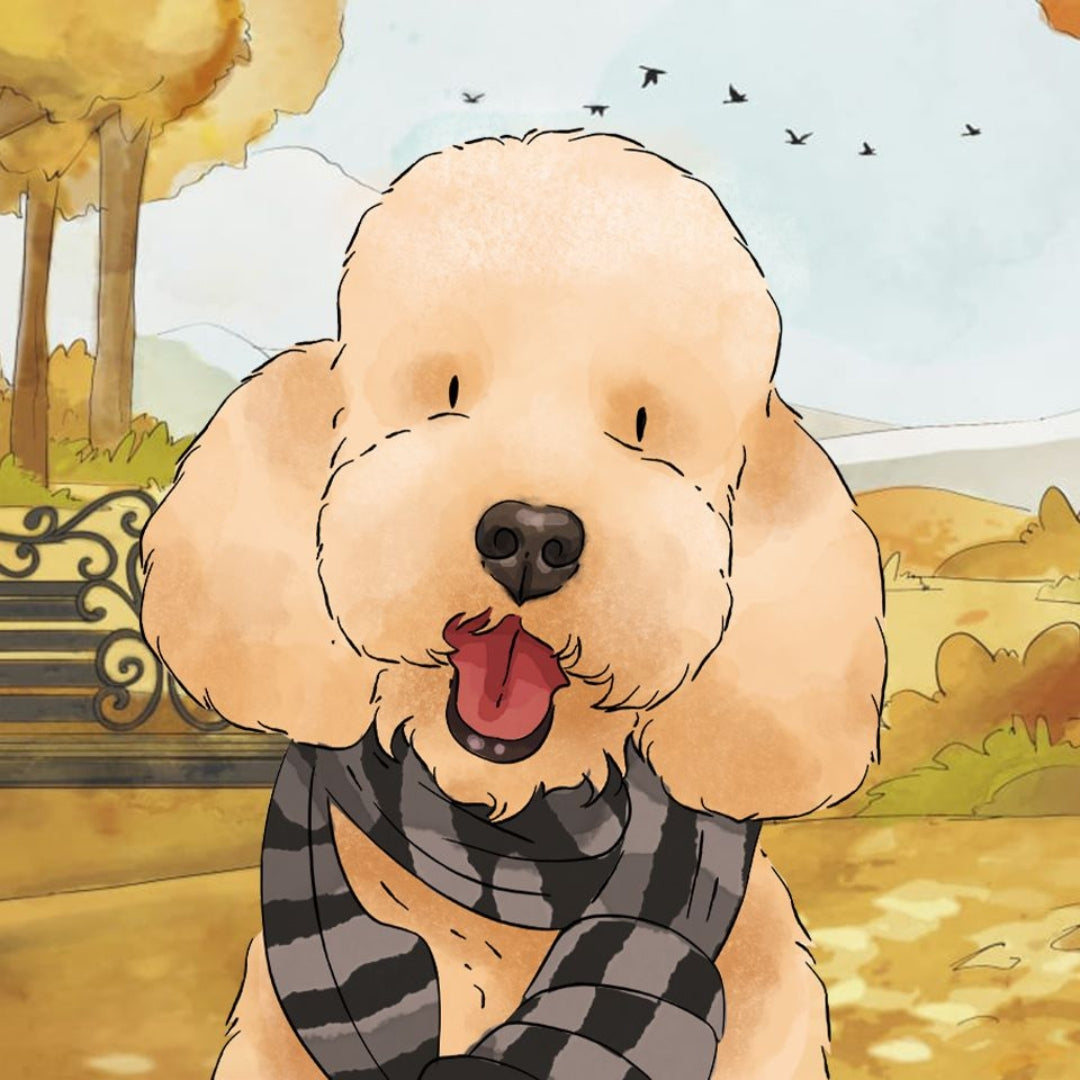
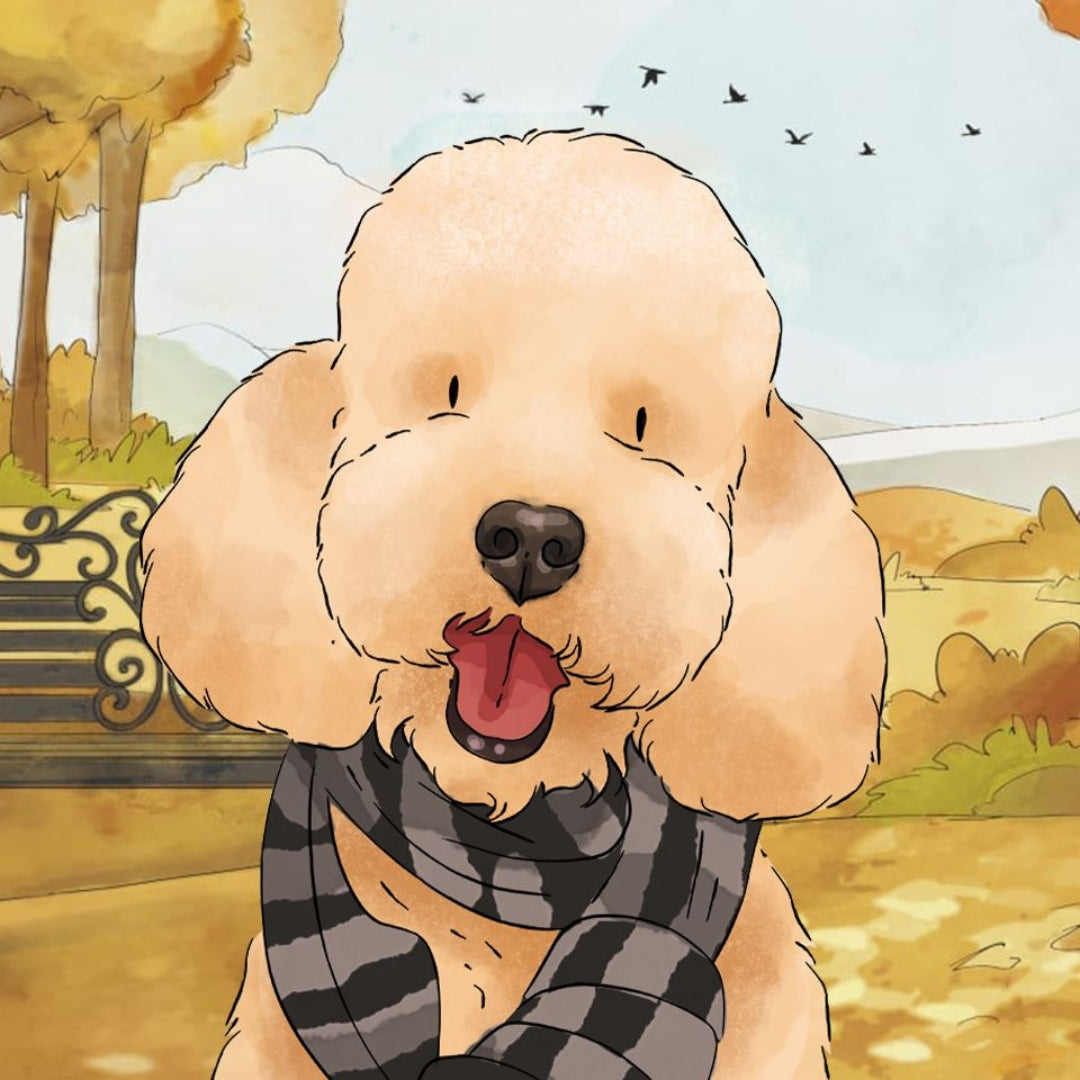
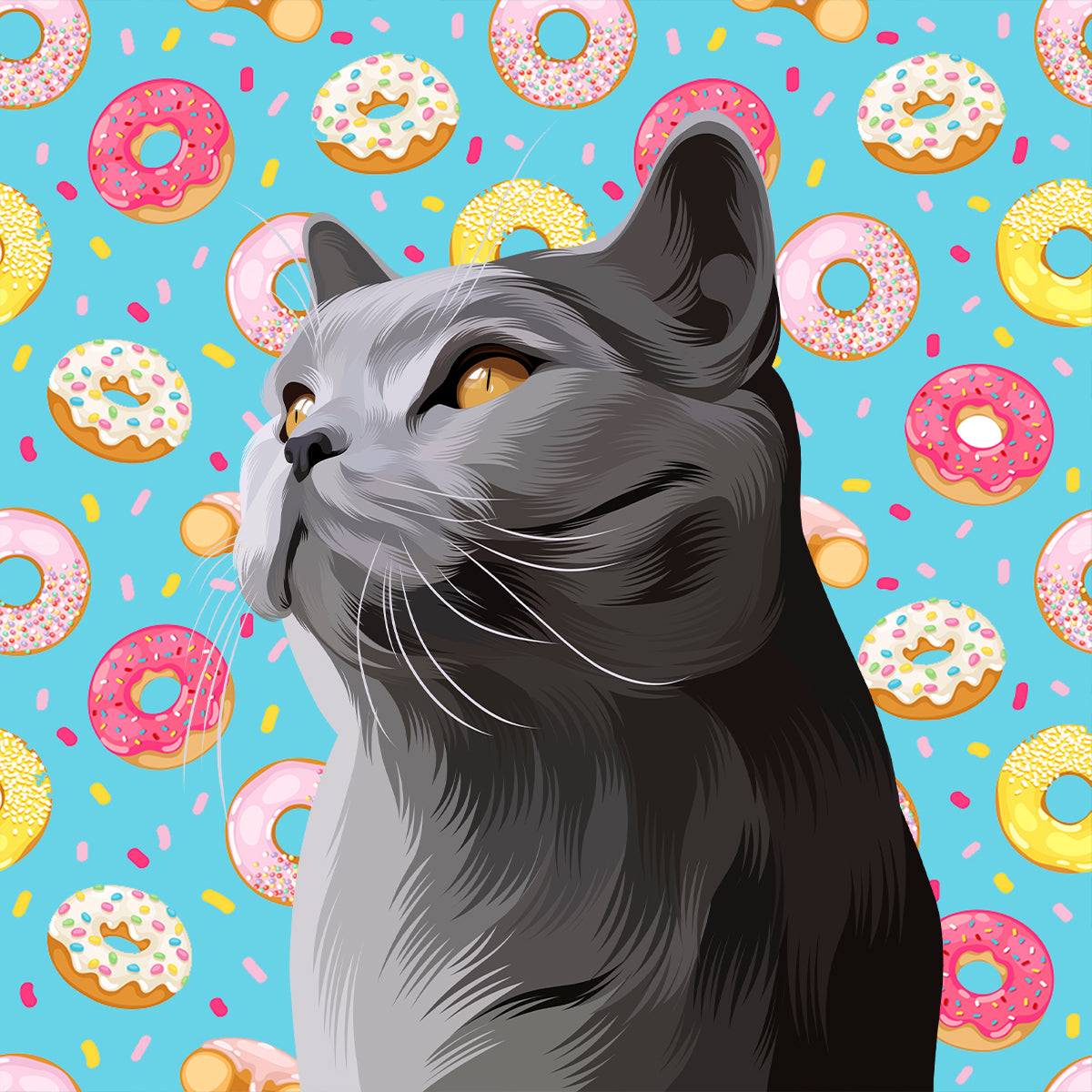
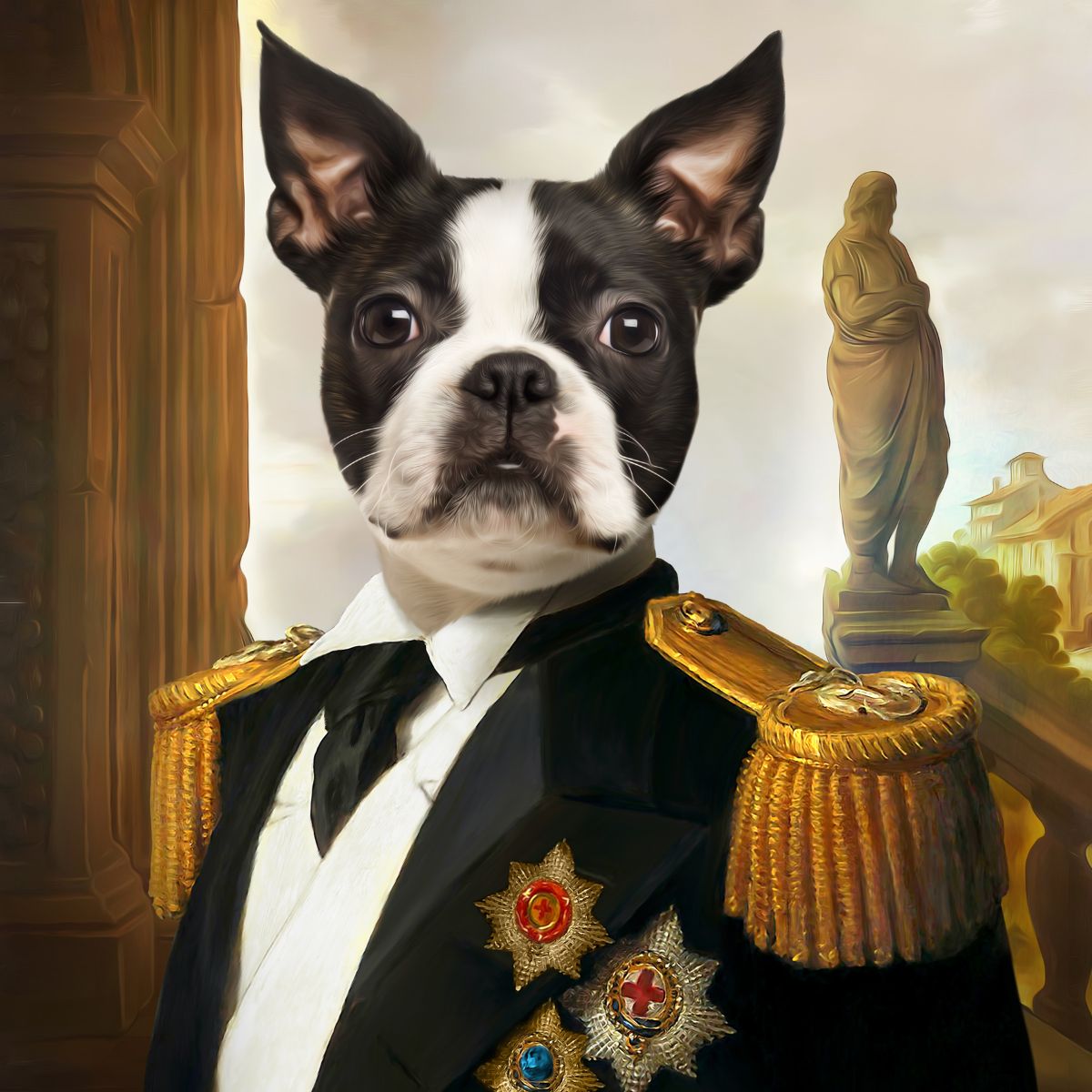
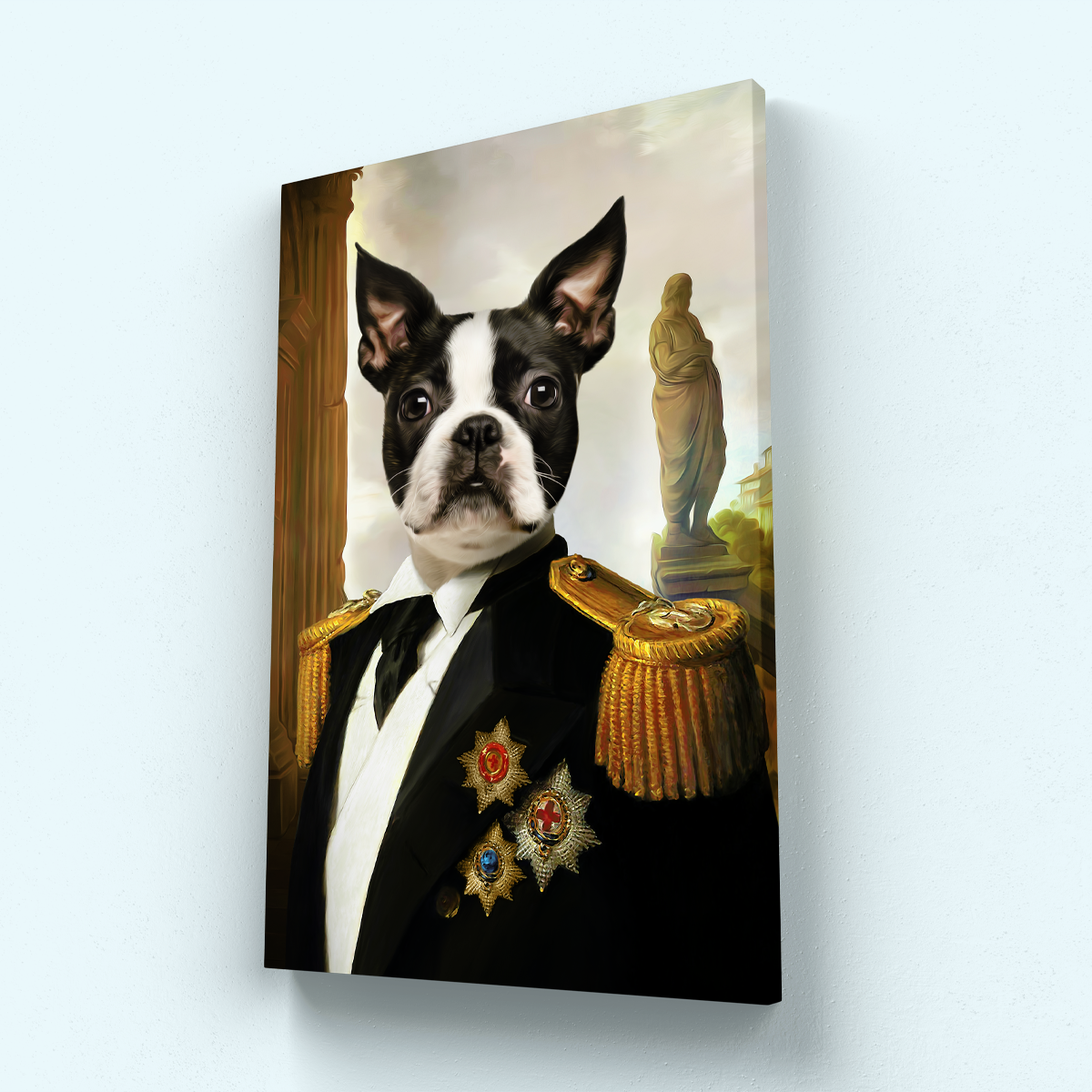
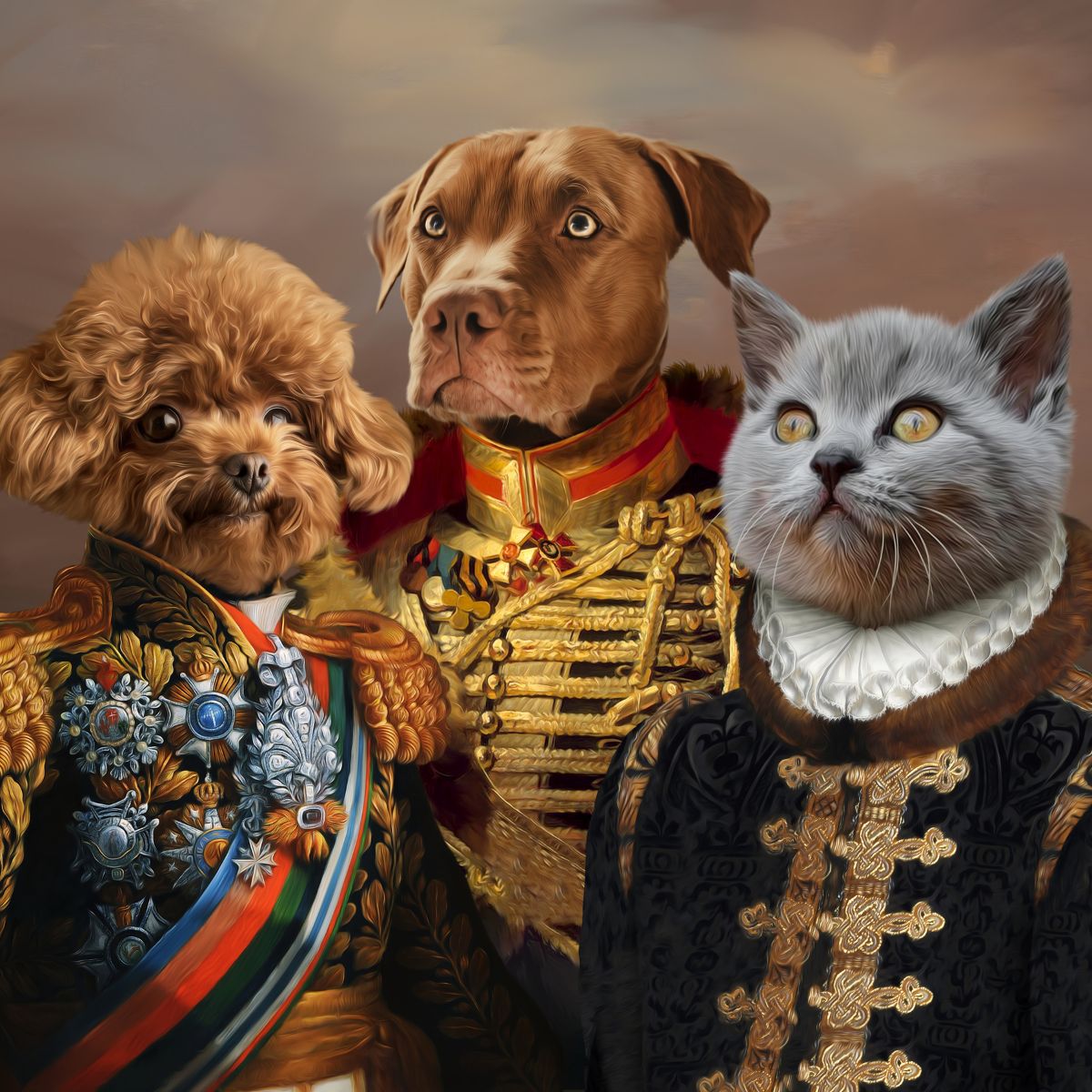
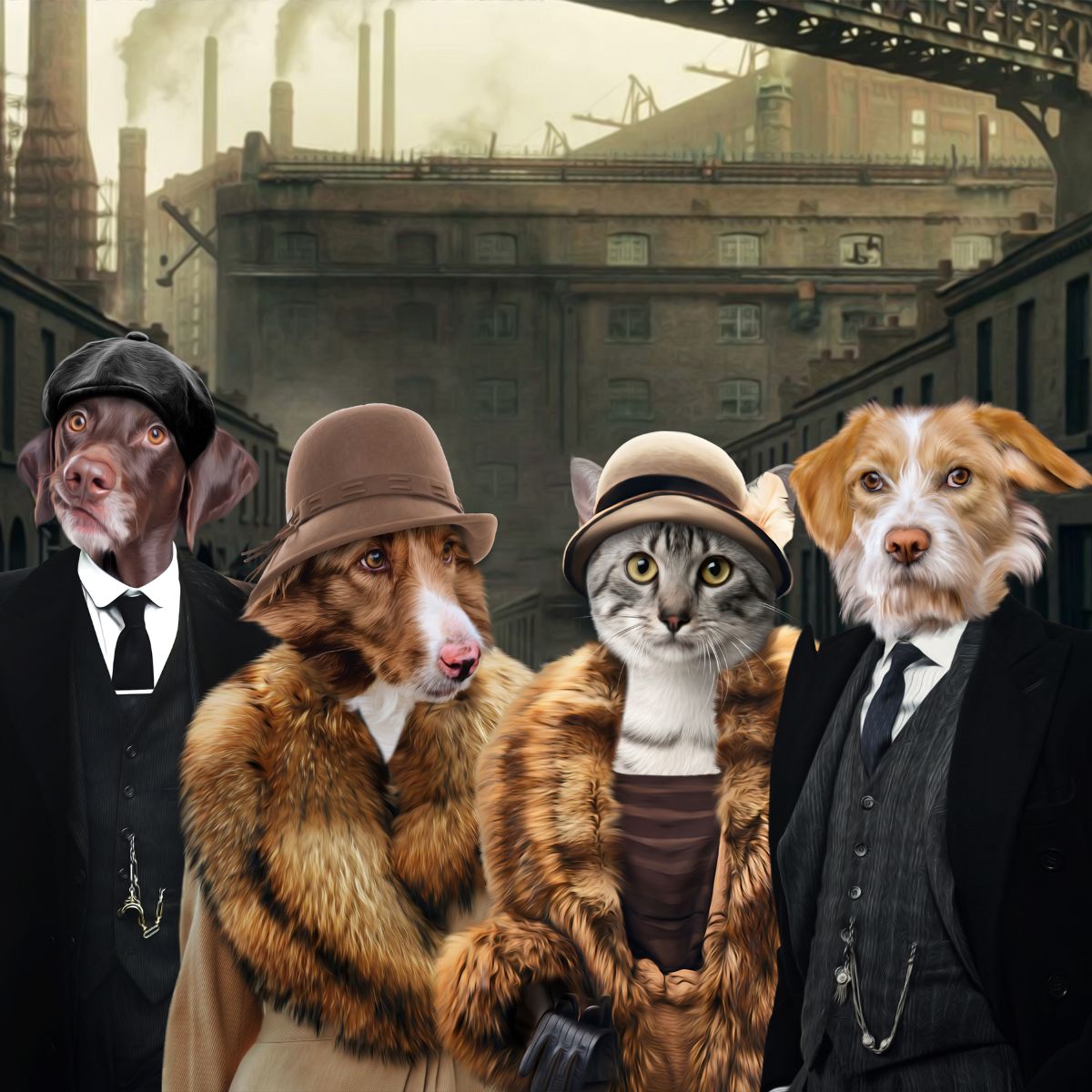
For a memorial portrait, a classic style is almost always the right choice. The goal is to capture the pet as they were — their expression, their colouring, their character — not to place them in costume or create a comedic piece.
If you're commissioning a memorial portrait as a gift for someone else, classic is the safest and most universally appropriate choice.
A memorial portrait deserves a prominent position. Not tucked away in a spare room — somewhere it can be seen and appreciated daily. Consider the main living space, a hallway, or a bedroom.
For size: go larger than you think you need. A memorial portrait that's too small for its wall can feel like an afterthought. For format: framed portraits work particularly well for memorial pieces — the frame gives the artwork a sense of occasion and completion.
Waiting too long to save the photos. Go through your camera roll now and save the best images. Don't rely on being able to find them later.
Using a photo from when the pet was unwell. If possible, use a photo from when they were healthy and alert. The portrait should capture them at their best.
Ordering too small. A memorial portrait should have presence. Size up.
Choosing a style that doesn't feel right. If you're unsure, classic is always appropriate. You can always commission a more characterful piece later.
Yes. Older photos can work well provided they're reasonably clear and the face is visible. The artist will work with what's available.
Check current turnaround times at checkout. Production begins after you approve the digital proof.
It's one of the most thoughtful gifts you can give. Ask the owner for the best photo they have of their pet before ordering.
Classic illustrated or watercolour. Dignified, timeless, and appropriate for any home.
Personalisation options vary by style. Check the product page for available options.
A pet memorial portrait is one of the most lasting ways to honour a pet that mattered. The process is gentle — a photo, a style choice, a proof to review. The result is something that keeps them present in the home in a way that a photo album or a camera roll simply can't. Take your time choosing the photo. The rest is handled with care.
Comments will be approved before showing up.