August 25, 2026 2 min read
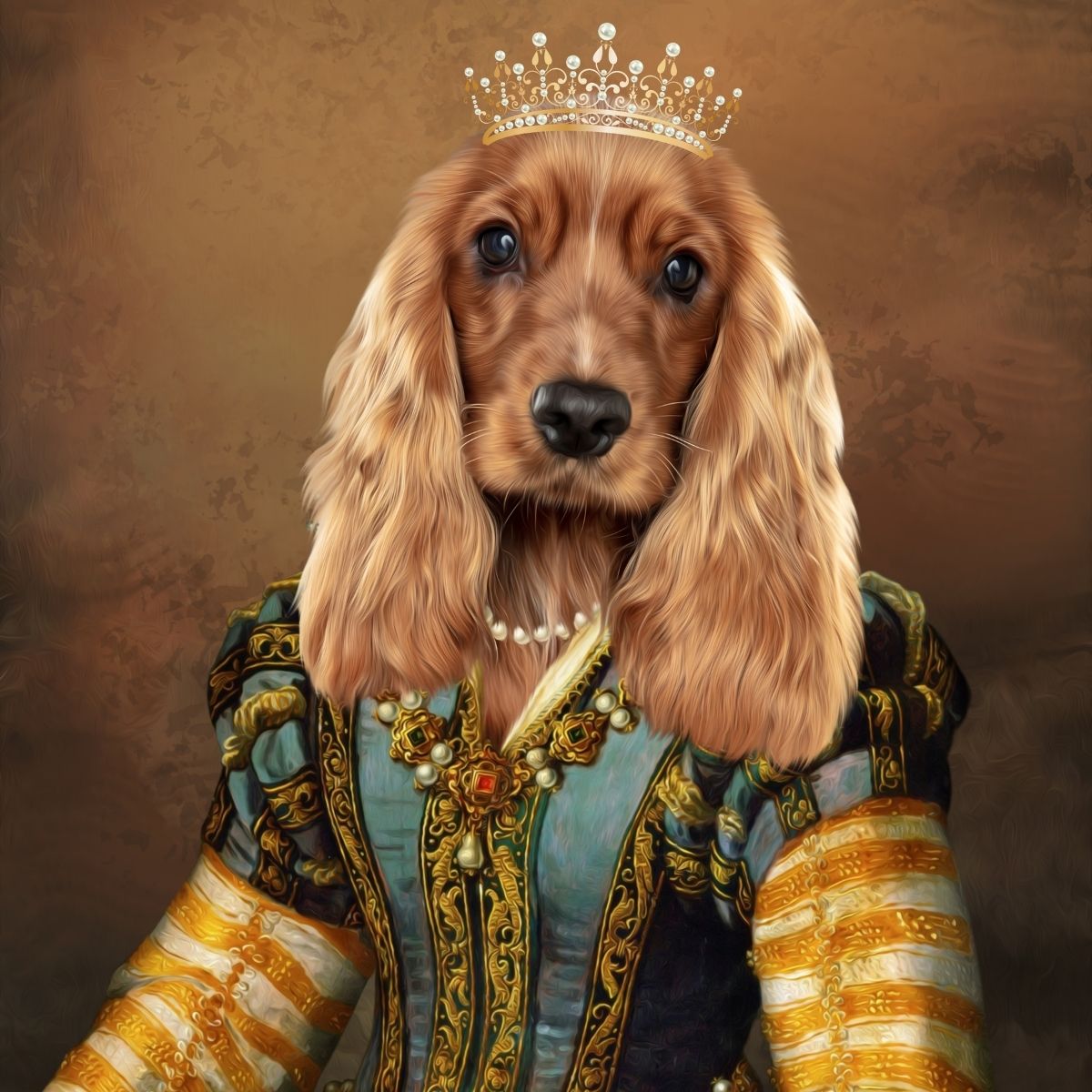
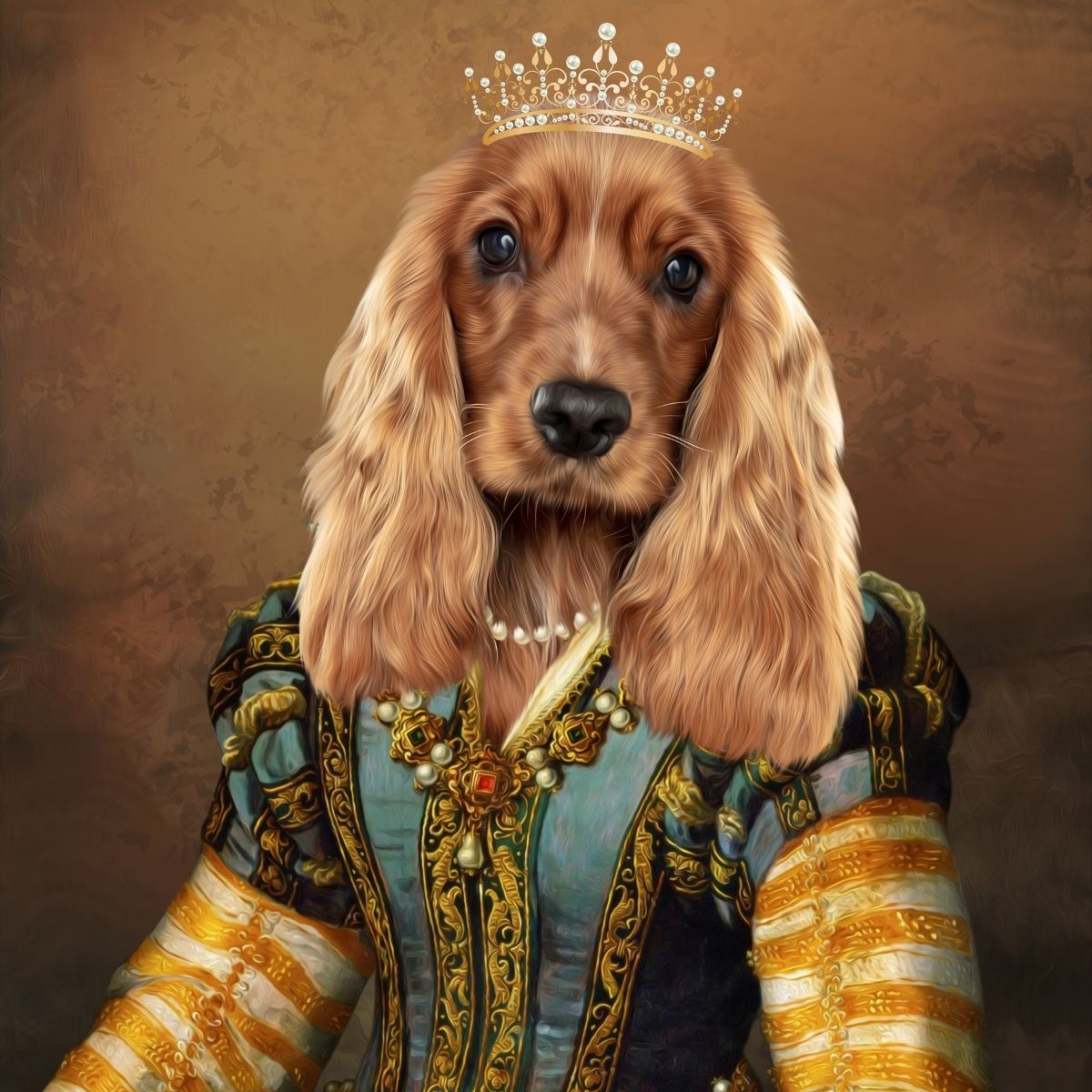
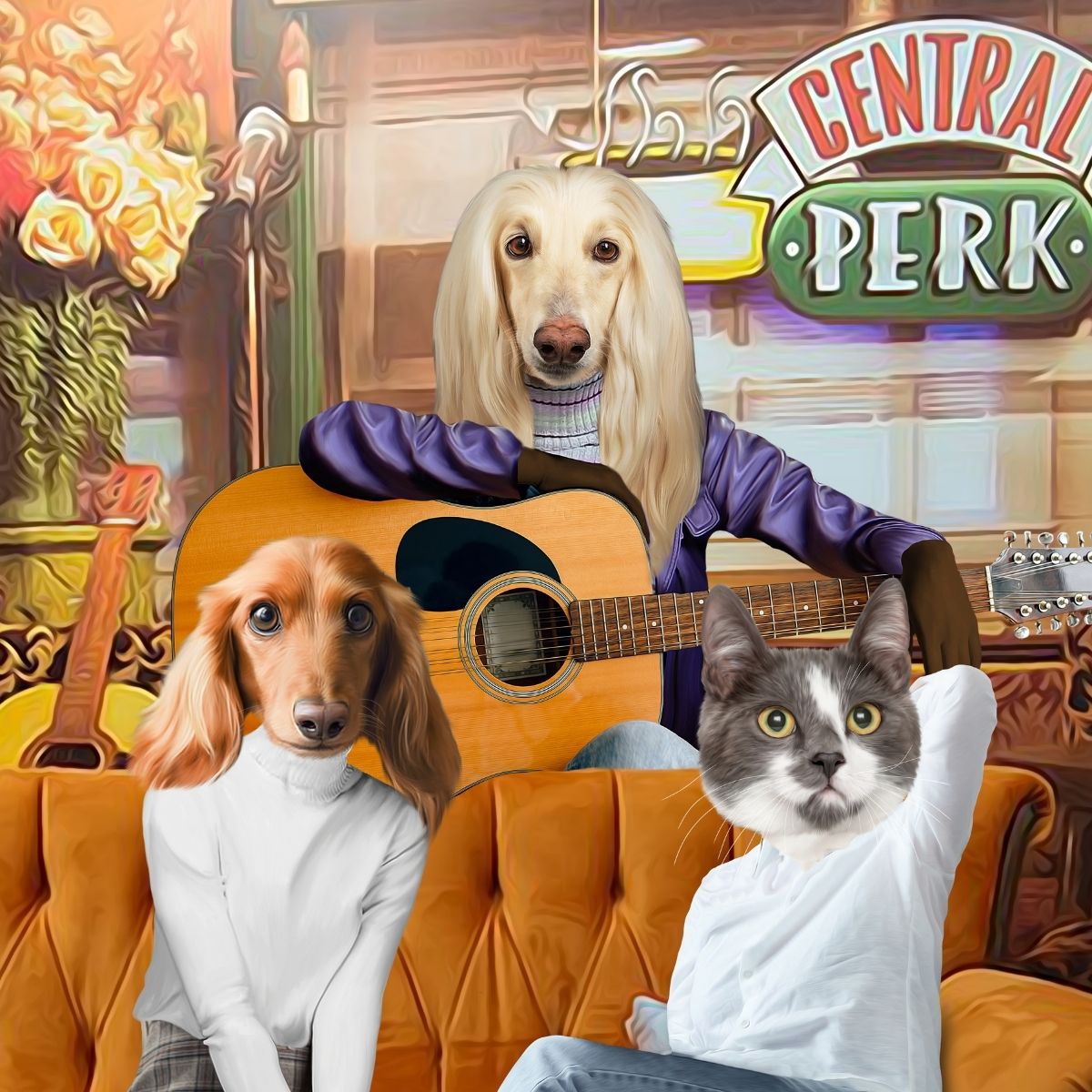
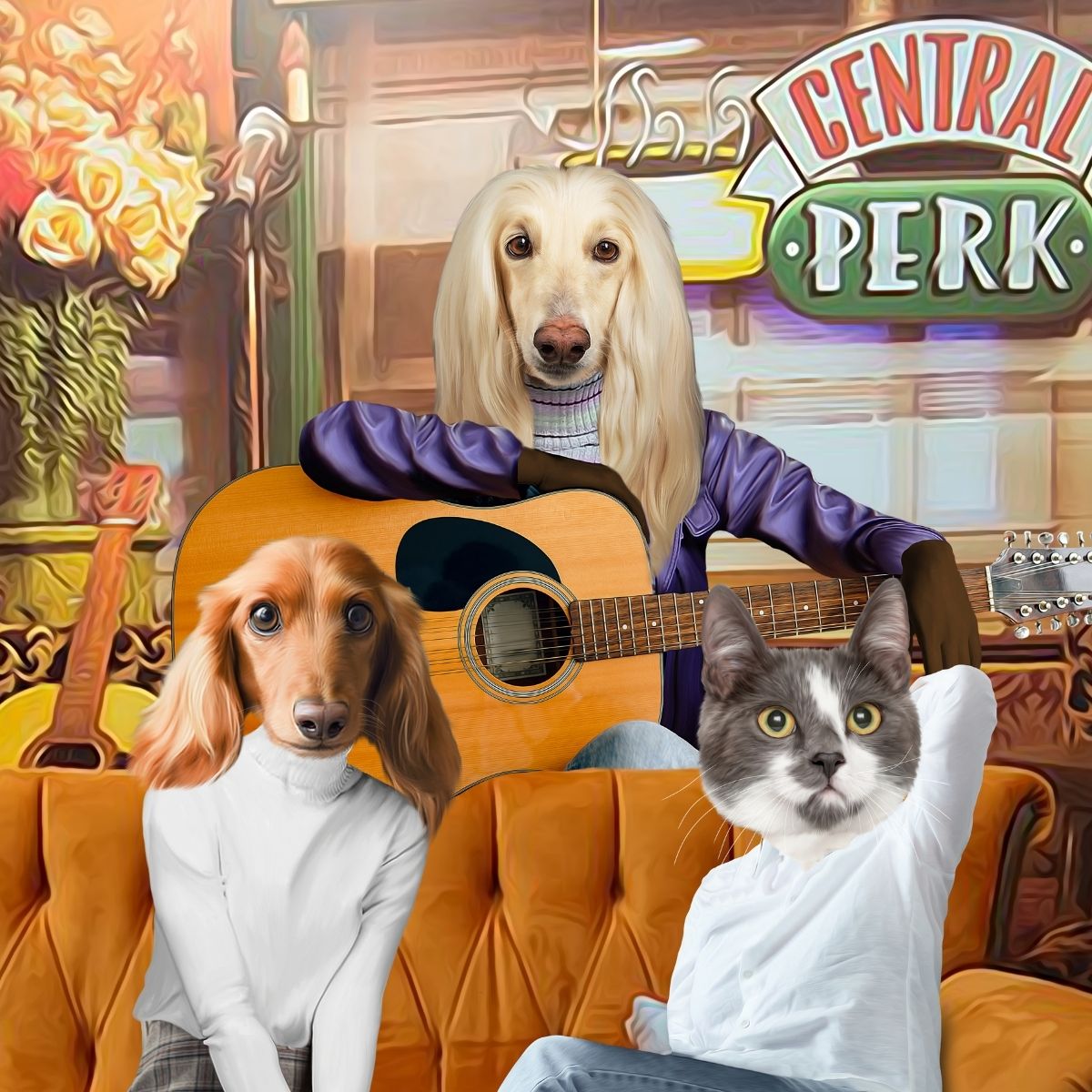
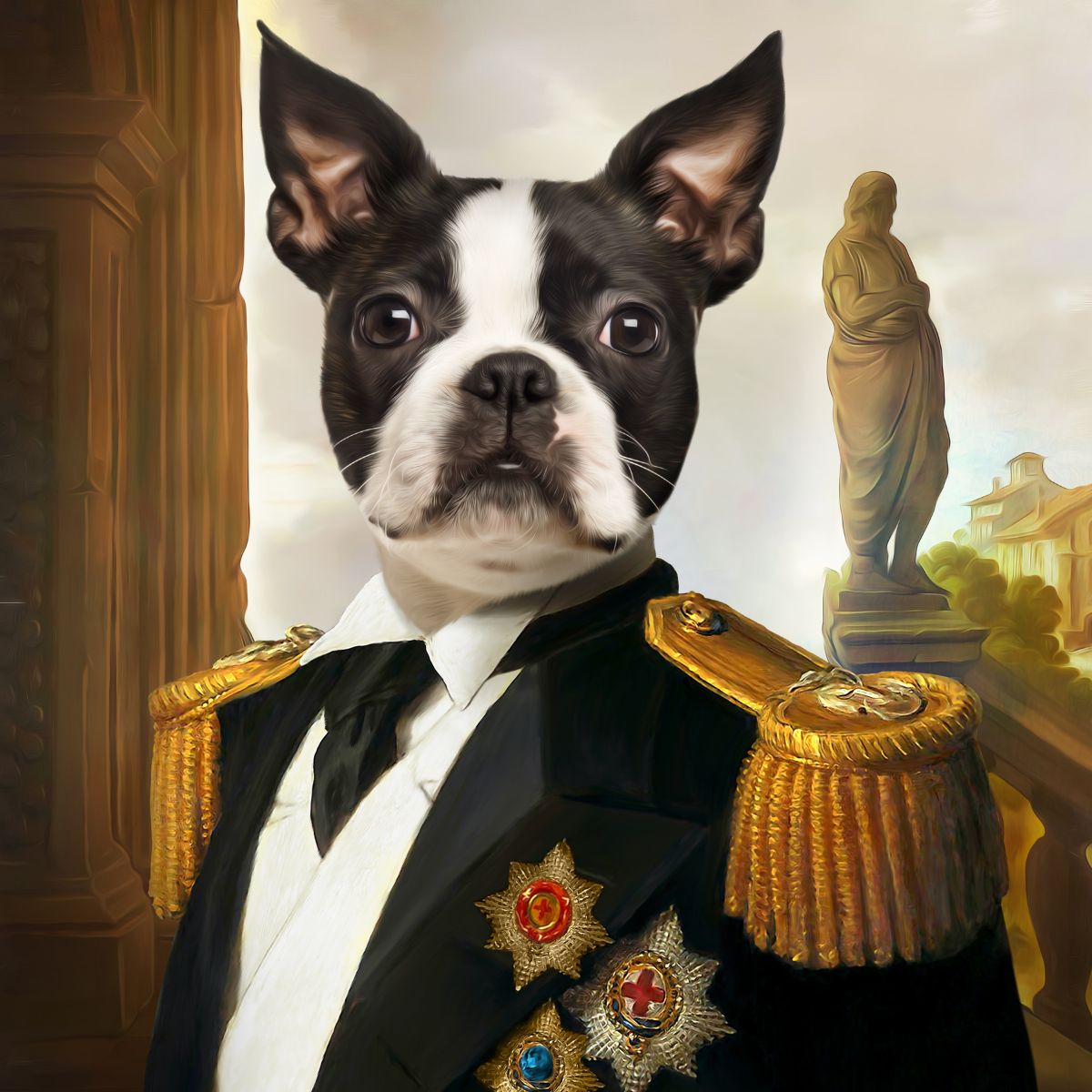
In a home with pets, good pet portrait placement is partly about interior design and partly about acknowledging that tails, paws, water bowls and enthusiastic zoomies exist. Choose a position where the artwork can be seen without sitting directly in the path of everyday pet chaos.
Leaning framed artwork on the floor can look stylish in photographs, but it is less convincing when a dog regularly launches toys across the room. Use stable, appropriate display positions for your household.
Pet bowls create splashes and regular cleaning. A portrait does not need to participate in either activity.
Narrow halls and entrances can be bumped by people, bags and leads. If a large piece projects into a route everyone uses, another wall may be more practical.
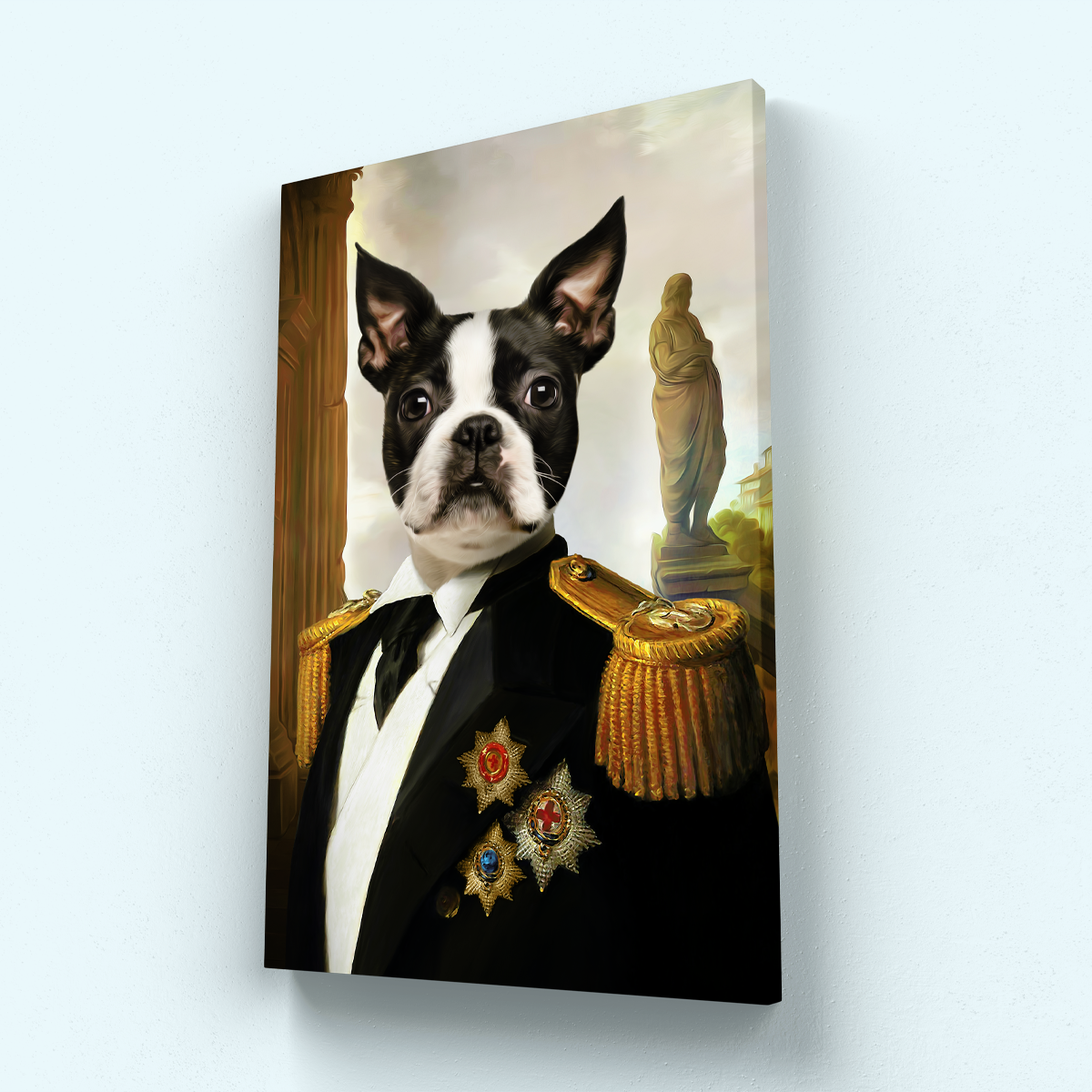
A portrait often feels more natural in a living room, hallway, office or bedroom than in a space chosen purely because one blank wall existed. Think about where family life happens.
Small artwork needs a closer viewing position. Larger pieces can work across a room. Match scale to the wall rather than assuming larger is automatically better.
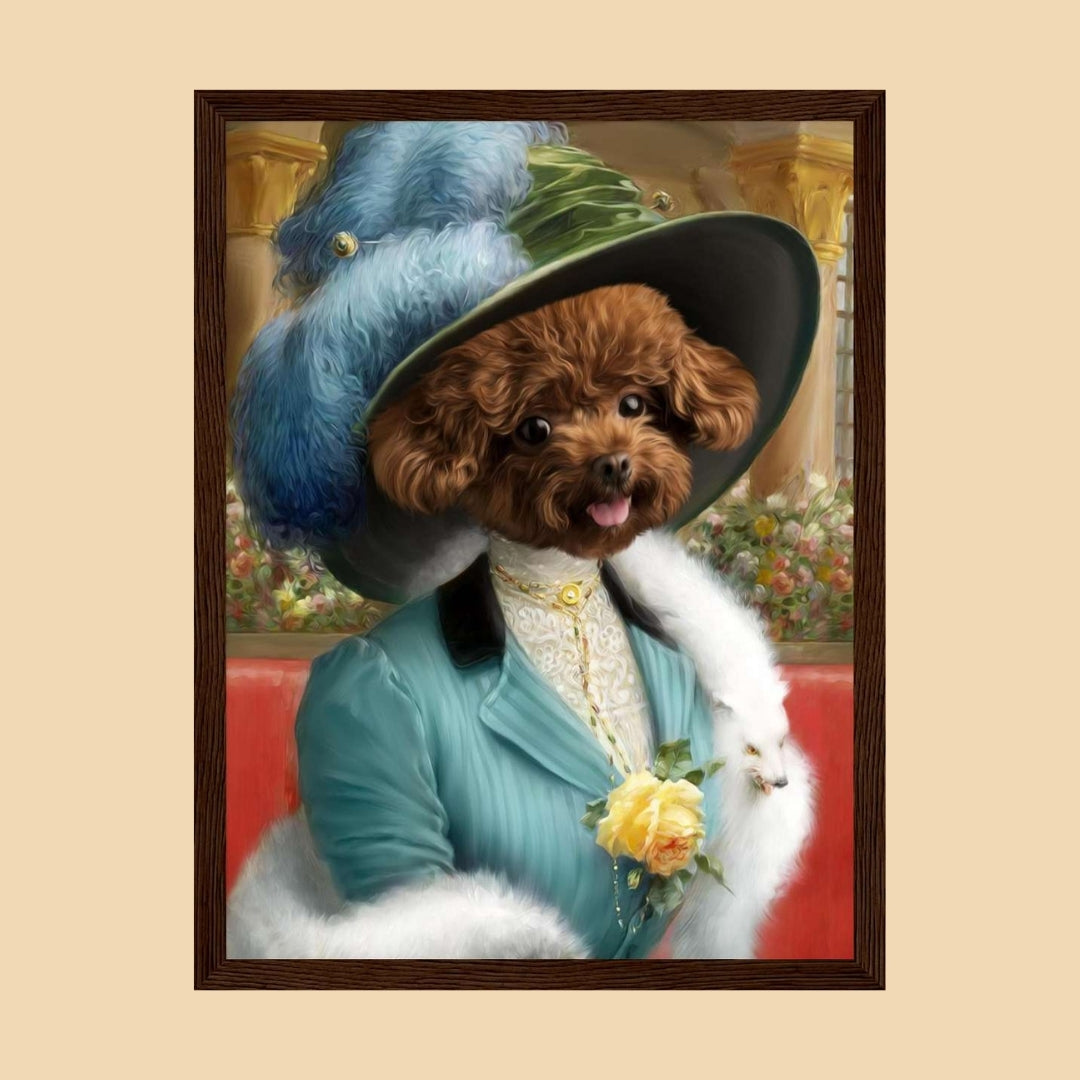
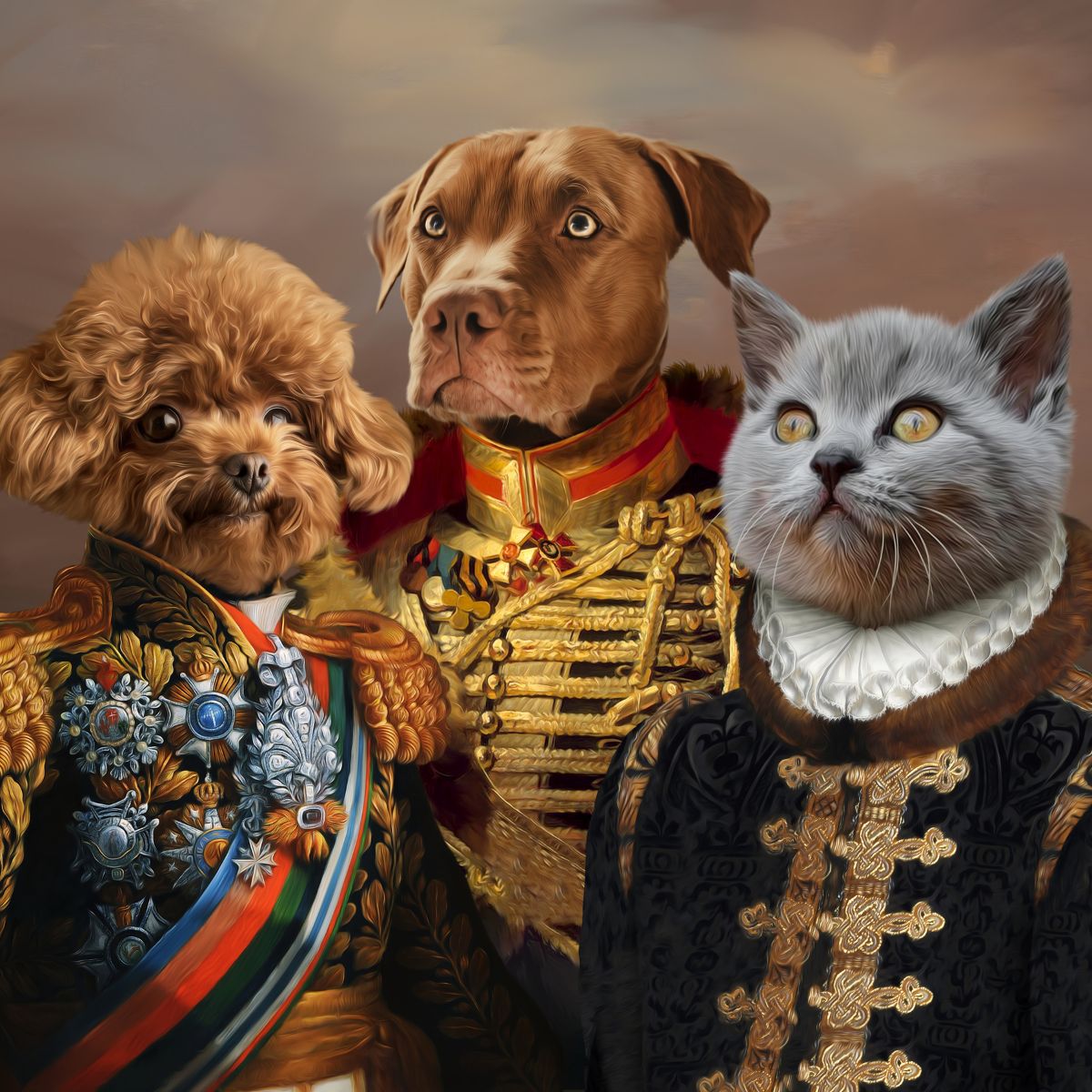
You do not need every frame to match. Repeating one material, colour or spacing rule can make a pet portrait feel intentional alongside family photographs and other art.
If you are starting a gallery wall, avoid filling every centimetre immediately. Pets have an unfortunate habit of multiplying, as do photographs of them.
See our room-by-room pet portrait placement guide and pet portrait gallery wall guide.
Comments will be approved before showing up.
August 28, 2026 3 min read
August 27, 2026 3 min read
WELCOME TO PAW & GLORY
Get 15% off your first order
Join 30,000+ pet owners turning perfectly ordinary photos into gloriously over-the-top works of art.
★★★★★ 2,200+ Five-Star Reviews
Real Artists · Proof Before Print · Unlimited Artwork Revisions