December 12, 2020 2 min read
A shy pet does not need to become temporarily extroverted for a good photograph. The aim is to work around their comfort and capture a familiar expression, not turn the session into an obedience test with a camera attached.
Photograph where the pet already chooses to relax. A favourite bed, quiet room or familiar garden can be easier than moving them into an unfamiliar setting.
Do not crowd the animal. Start farther away and use the normal camera view rather than repeatedly moving a phone towards their face.
Use soft daylight where possible and turn off unnecessary sounds or bright flash if they make the pet uneasy.
Direct eye contact with the camera is not essential. A side profile, relaxed downward glance or natural look towards a familiar person can still show expression and markings clearly.
Have somebody the pet trusts sit nearby, or photograph during an ordinary calm part of the day. Do not introduce a pile of new props purely for the picture.
Use burst or live-photo features if they can operate without disturbing the pet. Small movements between frames can produce a much better expression without asking the animal to hold still.
If the pet hides, freezes, repeatedly moves away or shows signs of stress, end the session. You can try another day. A portrait reference is not worth making an animal uncomfortable.
If your favourite relaxed photograph is slightly soft, retain other images that show coat colour, ears and markings. Multiple references can be more useful than forcing one “perfect” photograph.
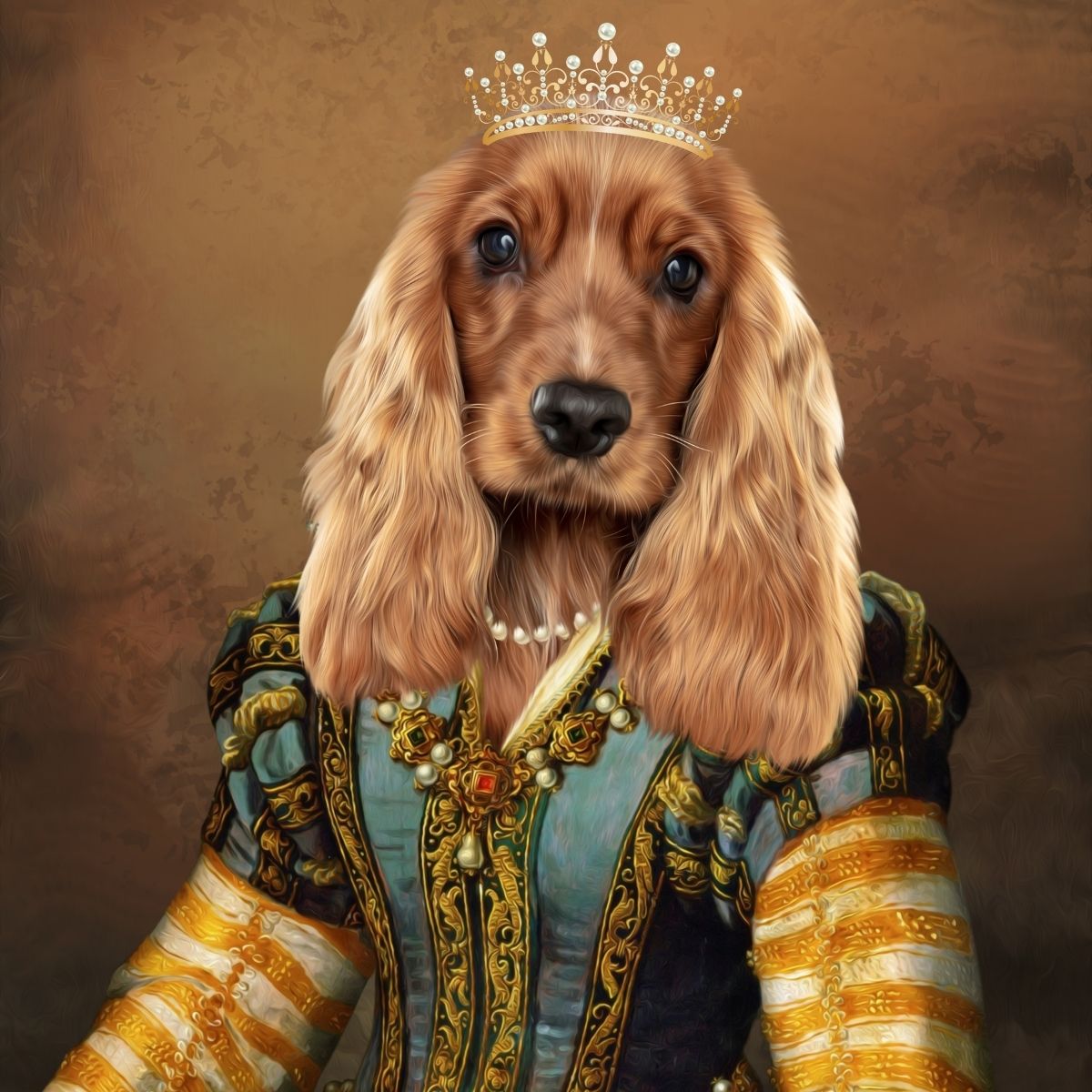
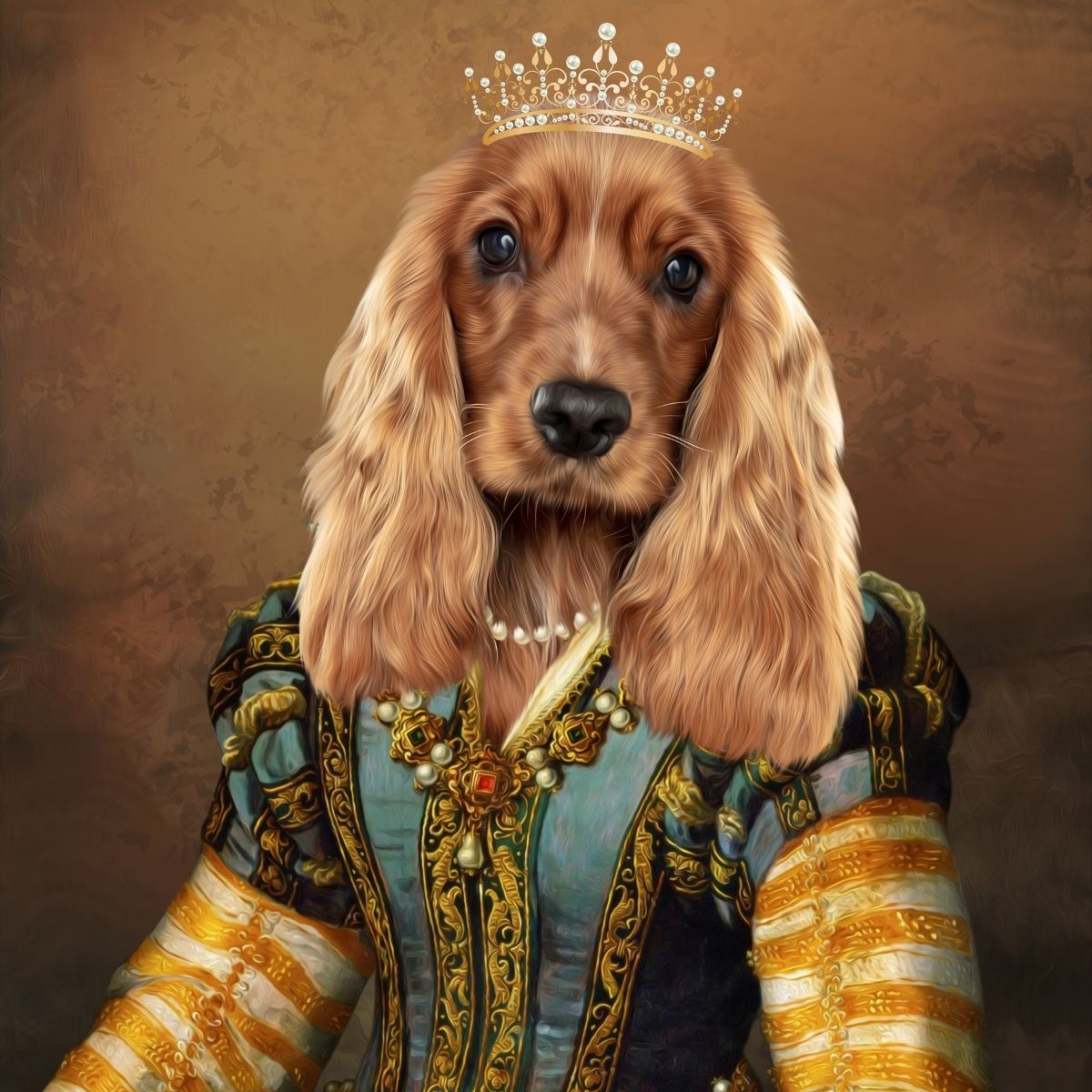
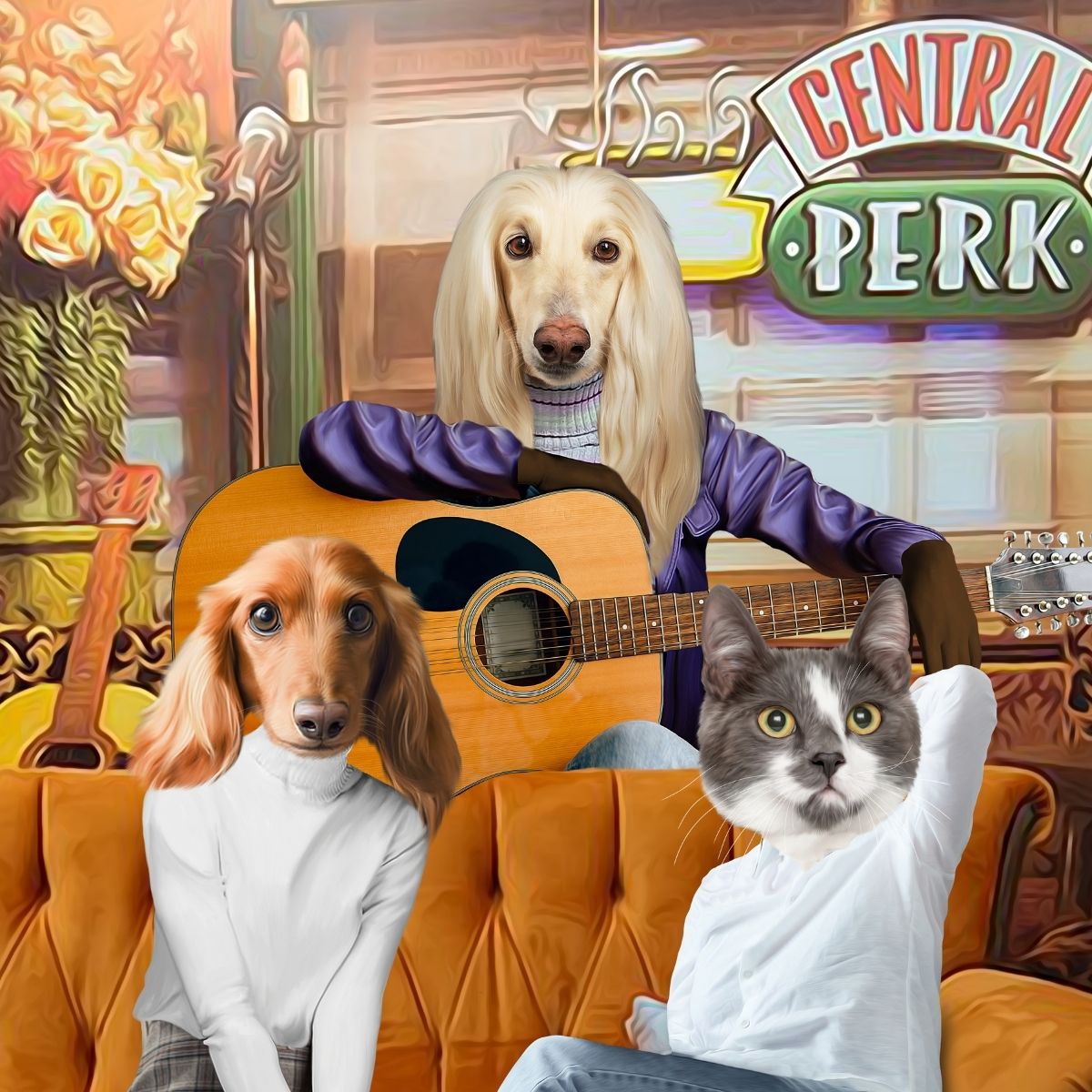
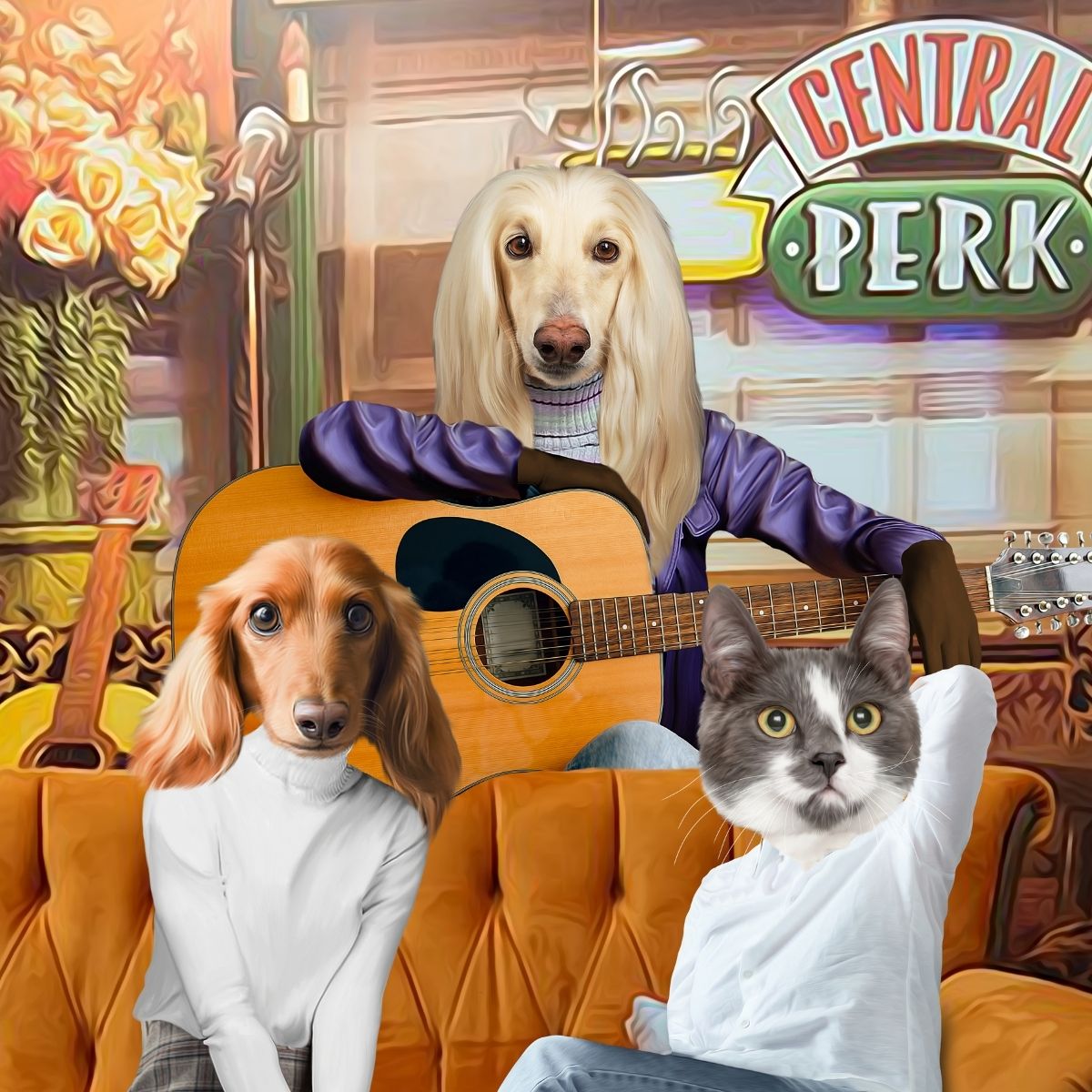
When you have a photo that feels like the pet, compare it with custom pet portrait styles rather than chasing a more formal pose.
October 18, 2021 2 min read
September 19, 2021 2 min read
WELCOME TO PAW & GLORY
Get 15% off your first order
Join 30,000+ pet owners turning perfectly ordinary photos into gloriously over-the-top works of art.
★★★★★ 2,200+ Five-Star Reviews
Real Artists · Proof Before Print · Unlimited Artwork Revisions