December 16, 2022 2 min read
A recognisable pet portrait depends on more than coat colour and breed. Owners know the tiny expressions, head tilts and habits that make one animal unmistakably itself, so the source photo should preserve some of that character.
Do not automatically choose the sharpest photograph if it shows an unusual expression. A slightly less polished image that captures the pet's familiar look may be the better starting point.
Check the ears, eyes, muzzle, coat markings and any feature friends immediately notice. Keep backup references if the favourite photograph hides part of the face.
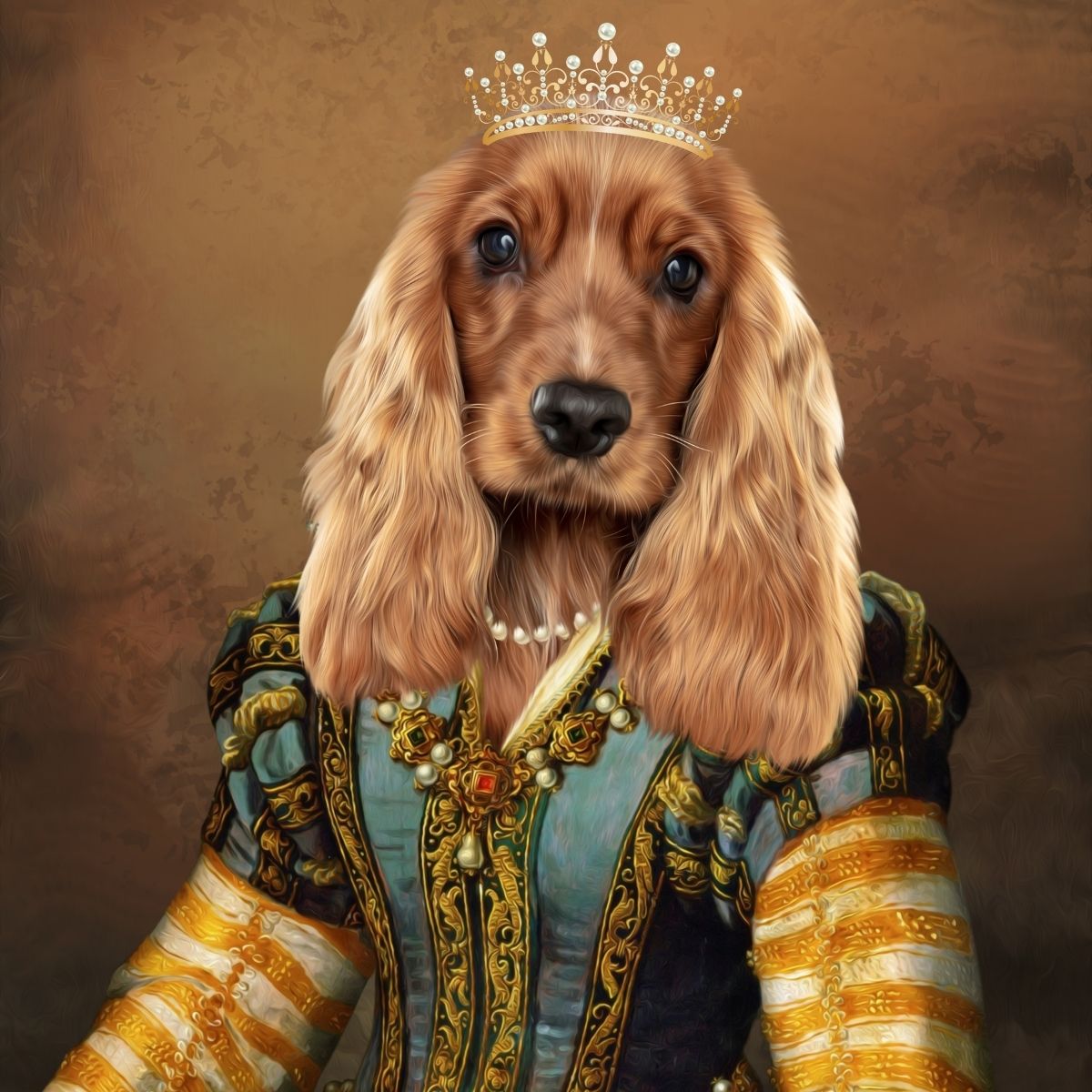
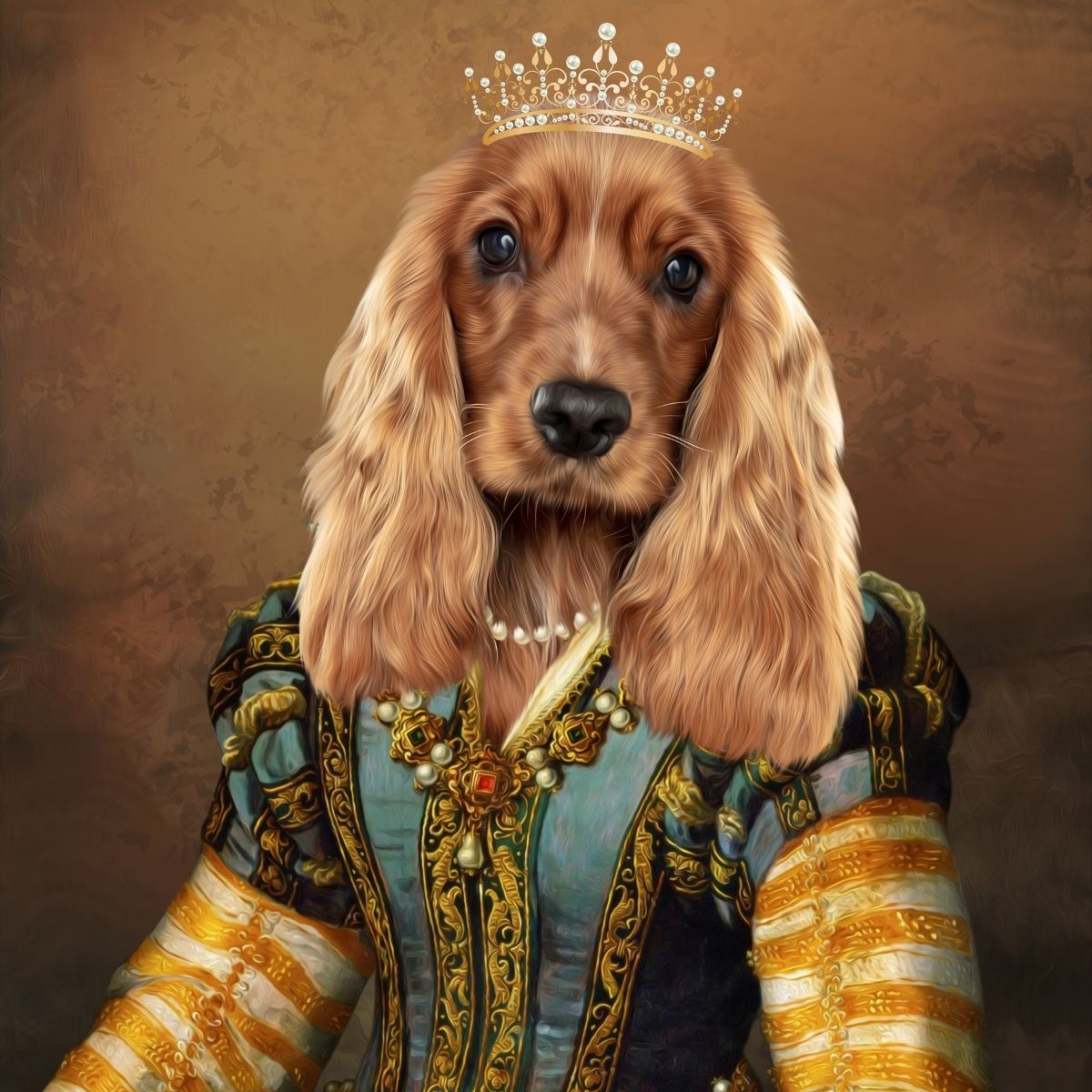
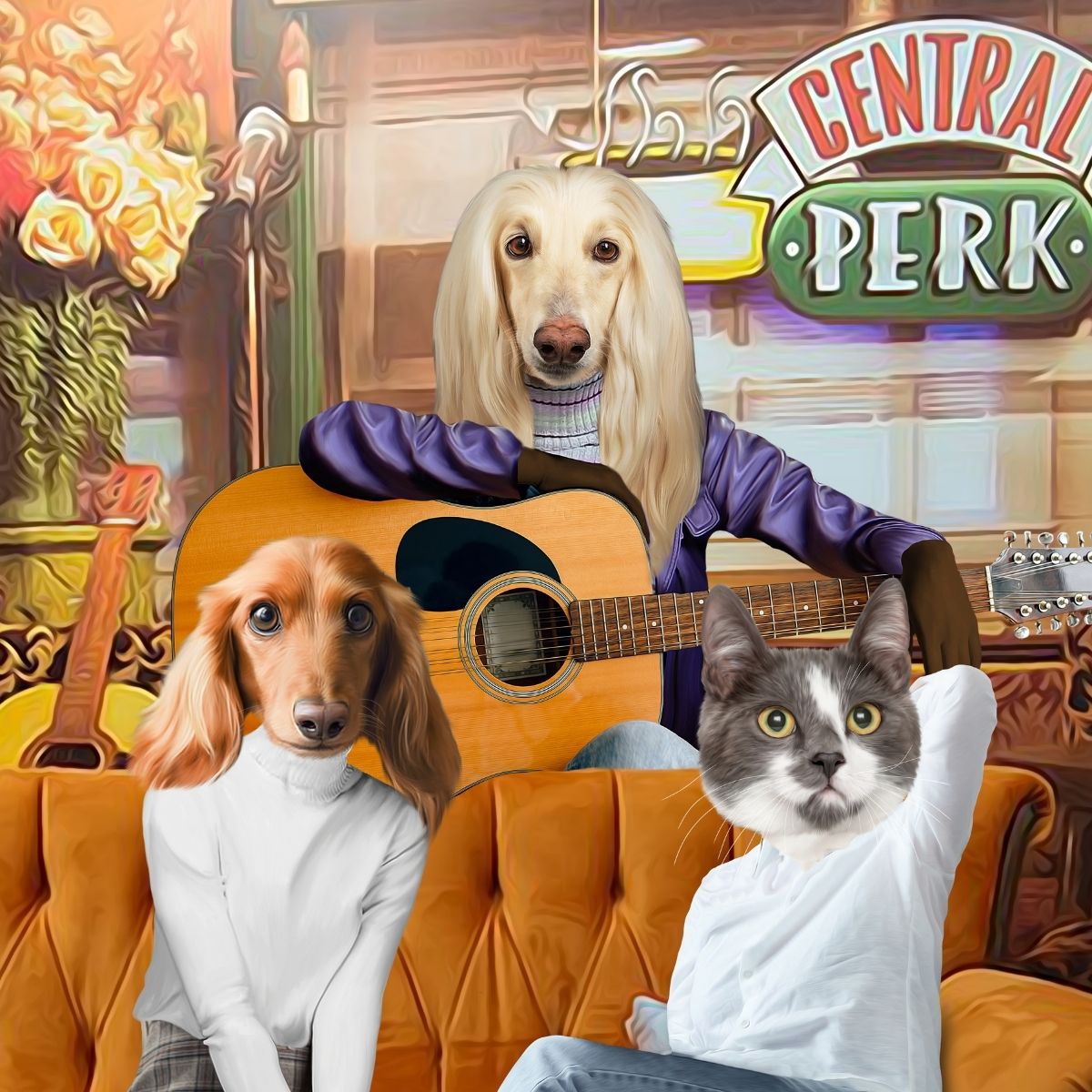
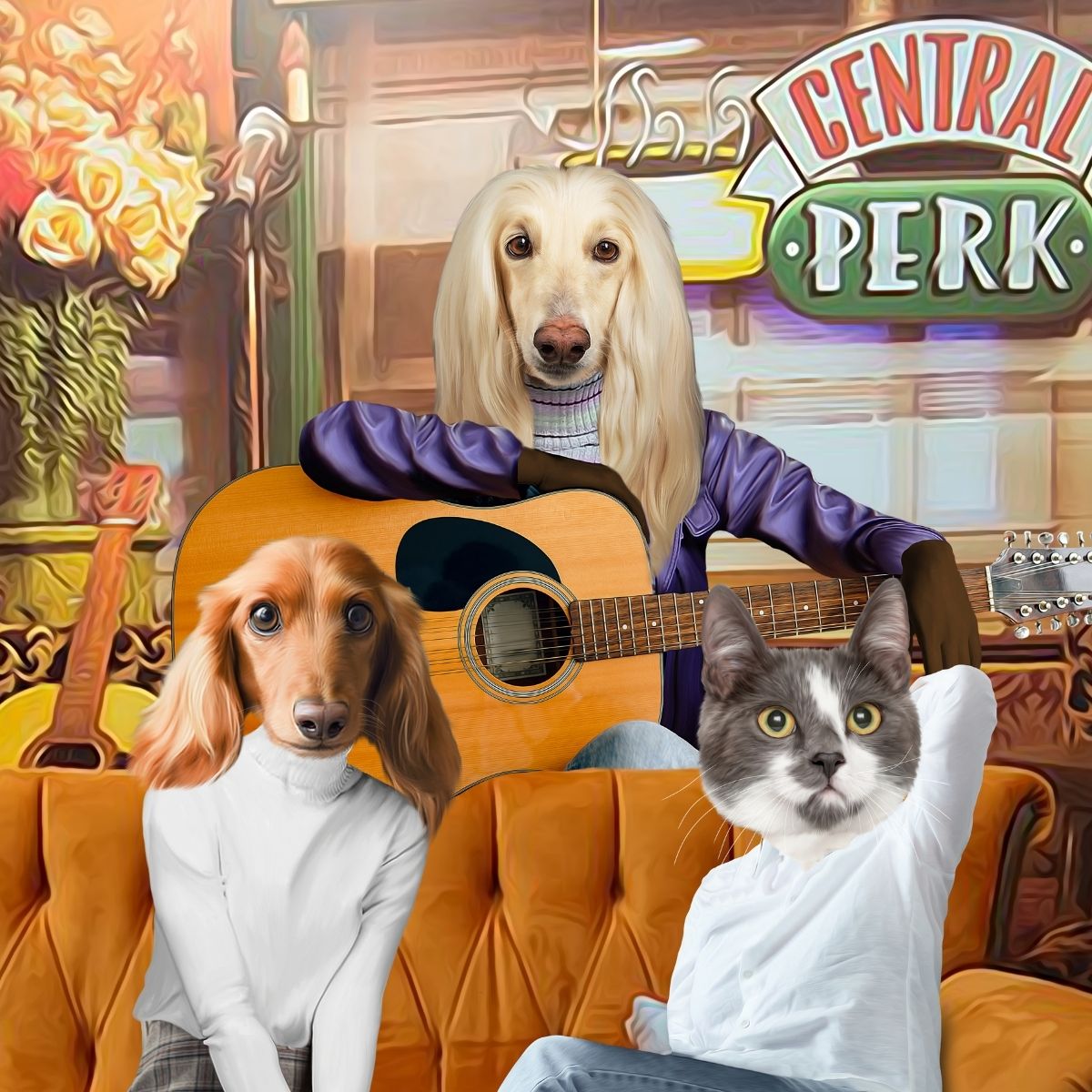
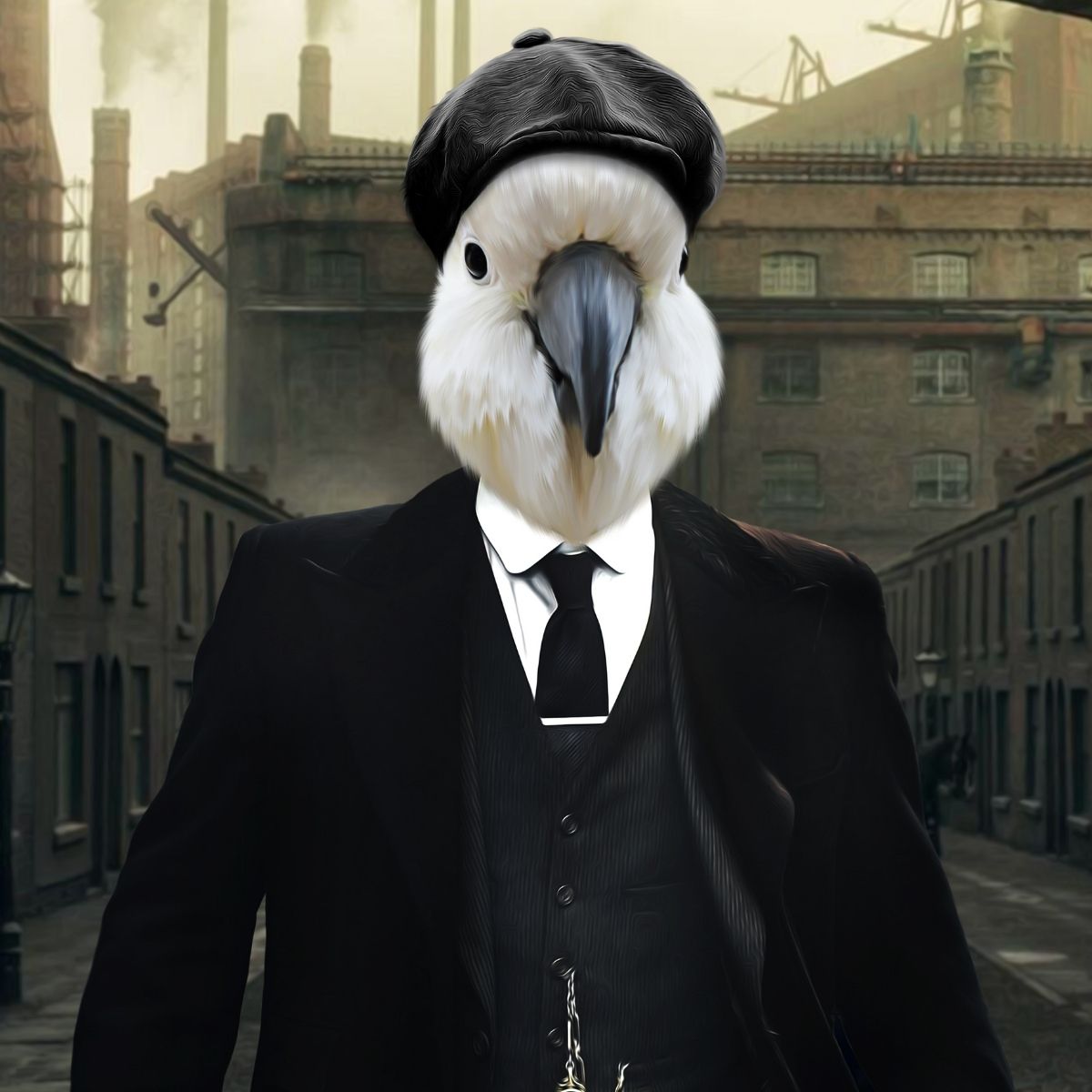
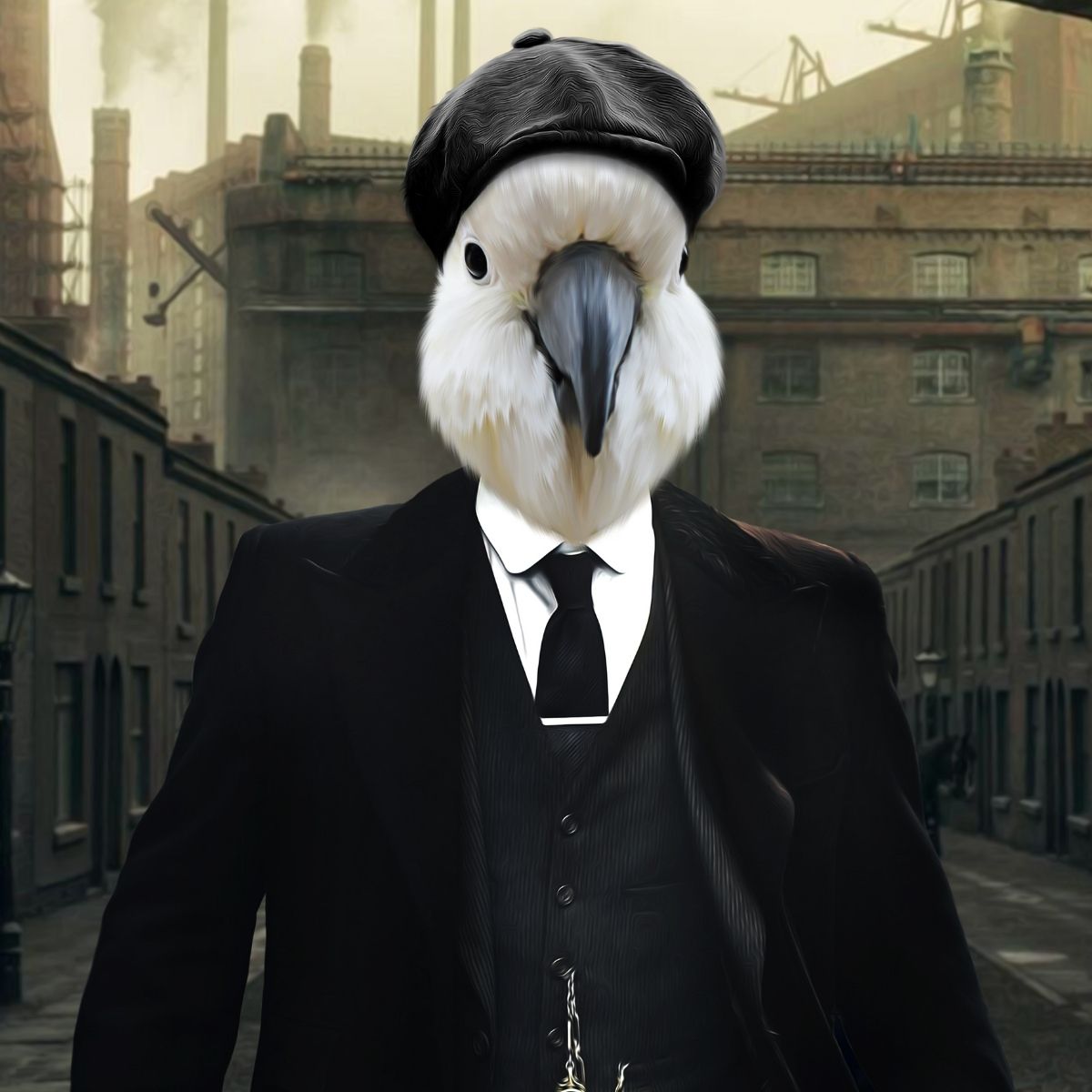
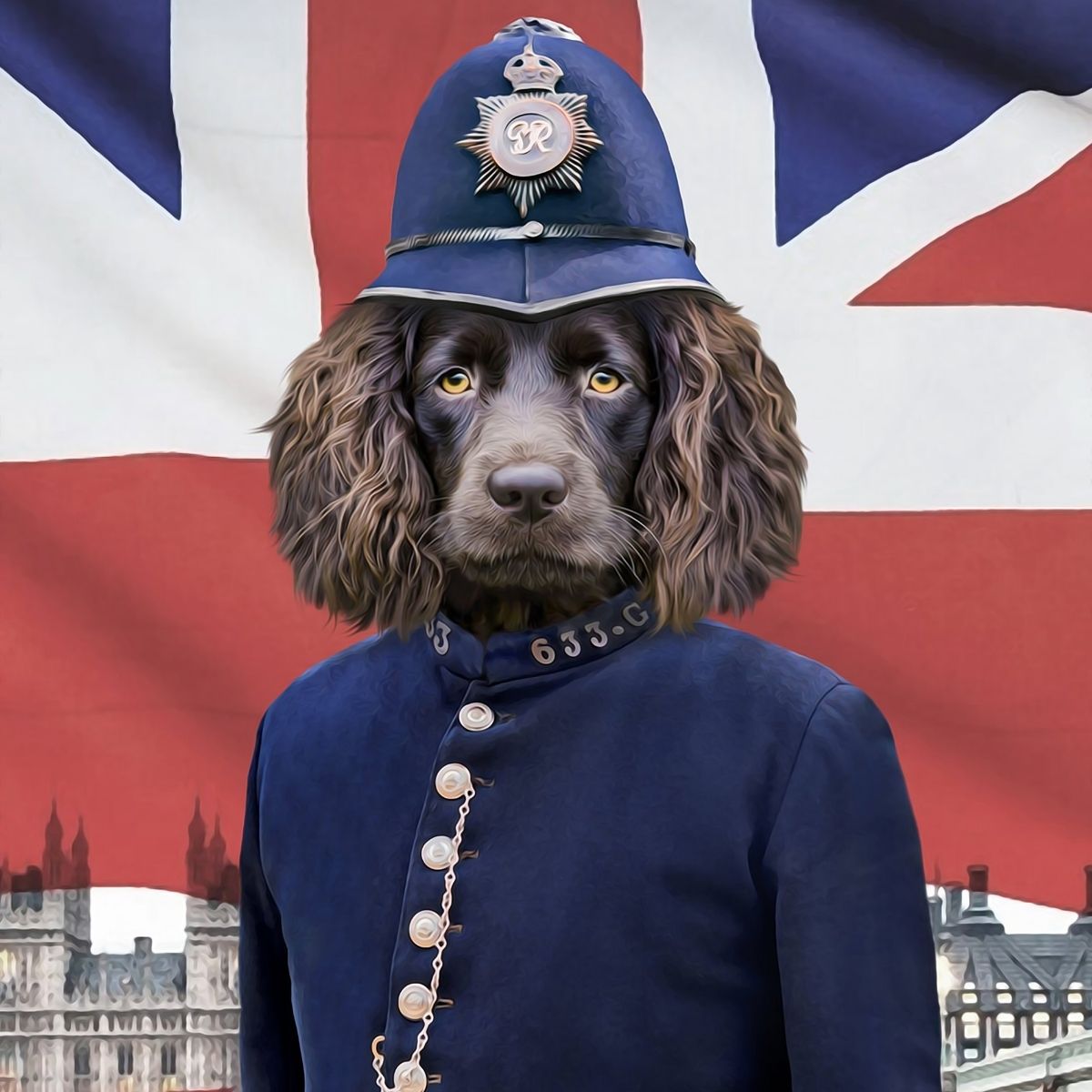
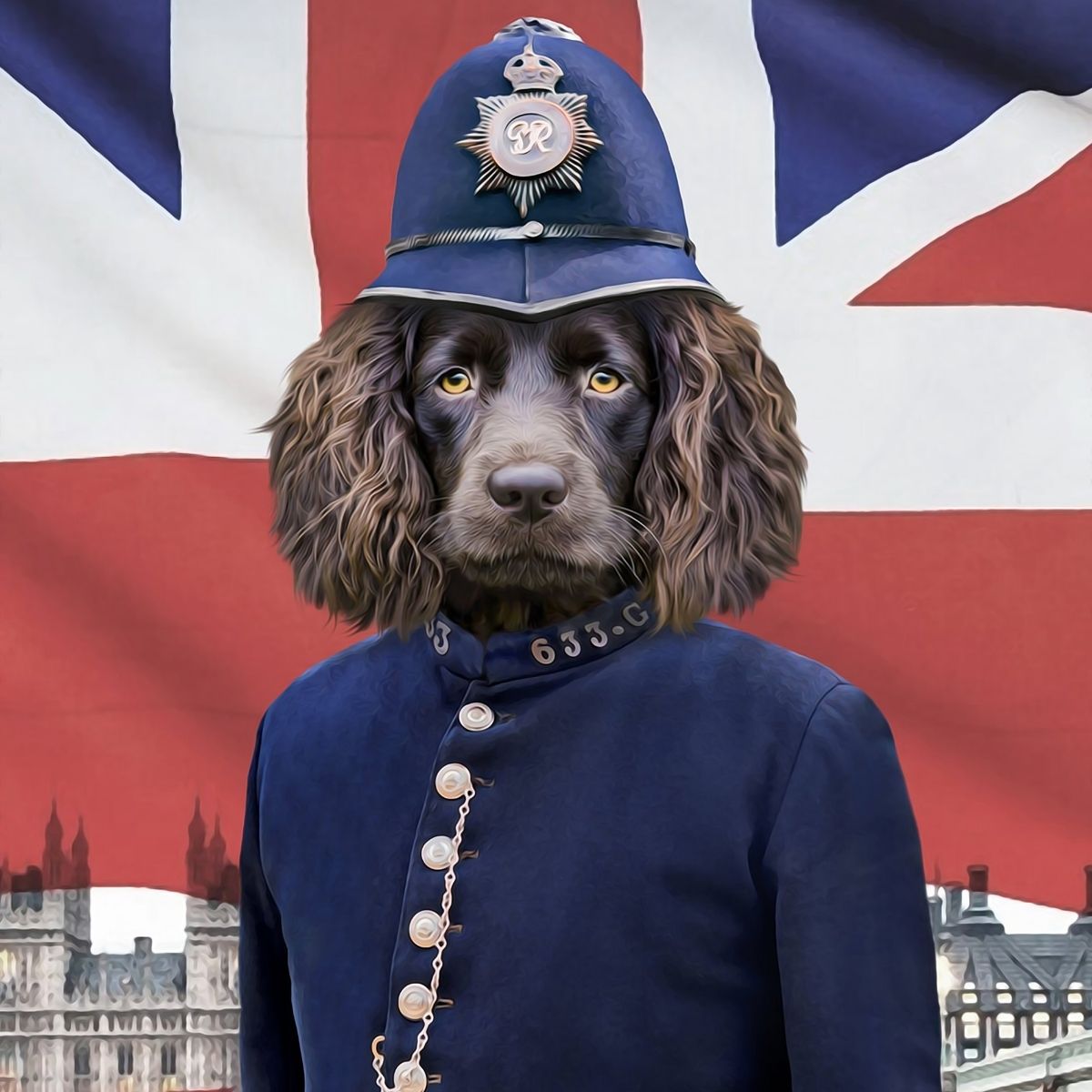
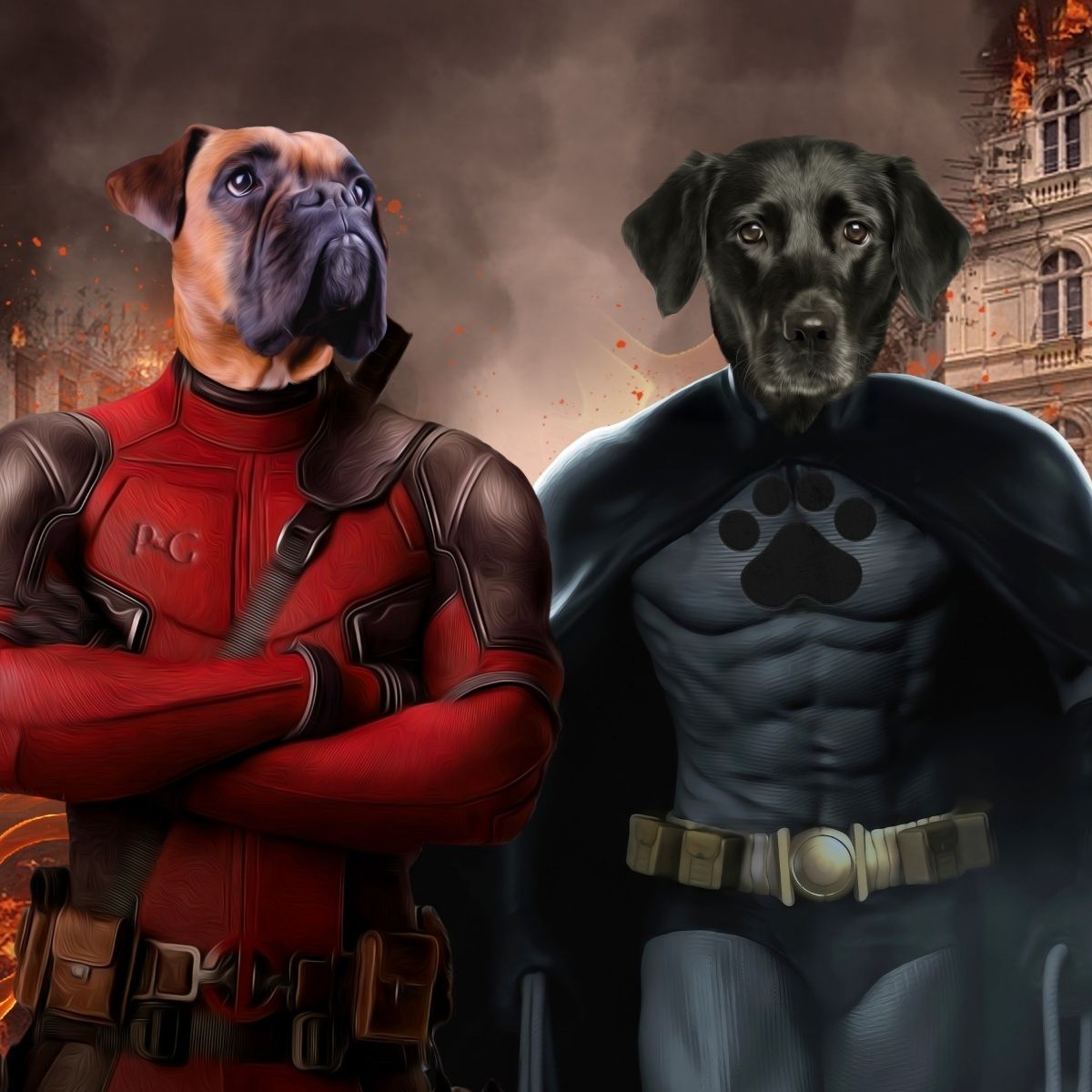
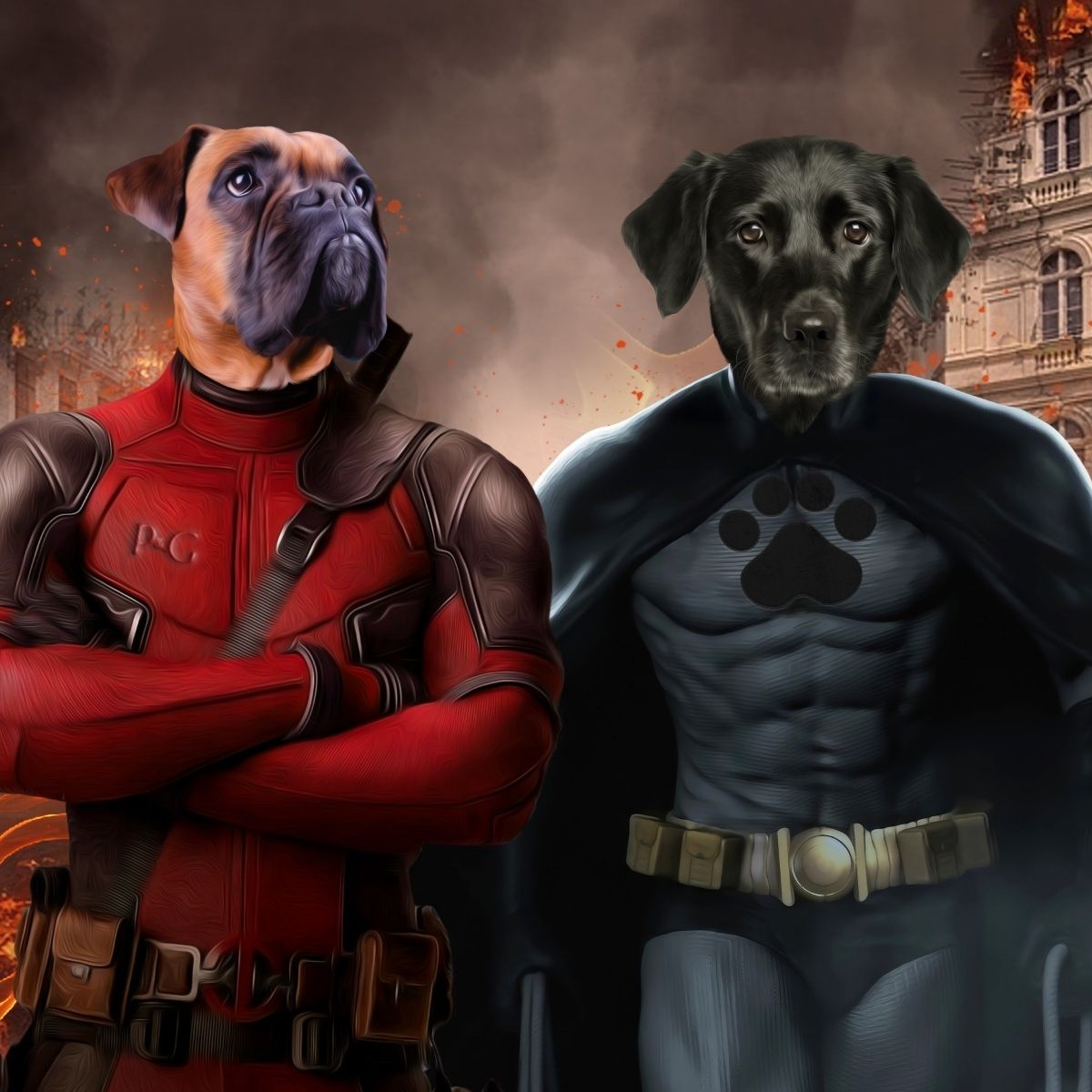
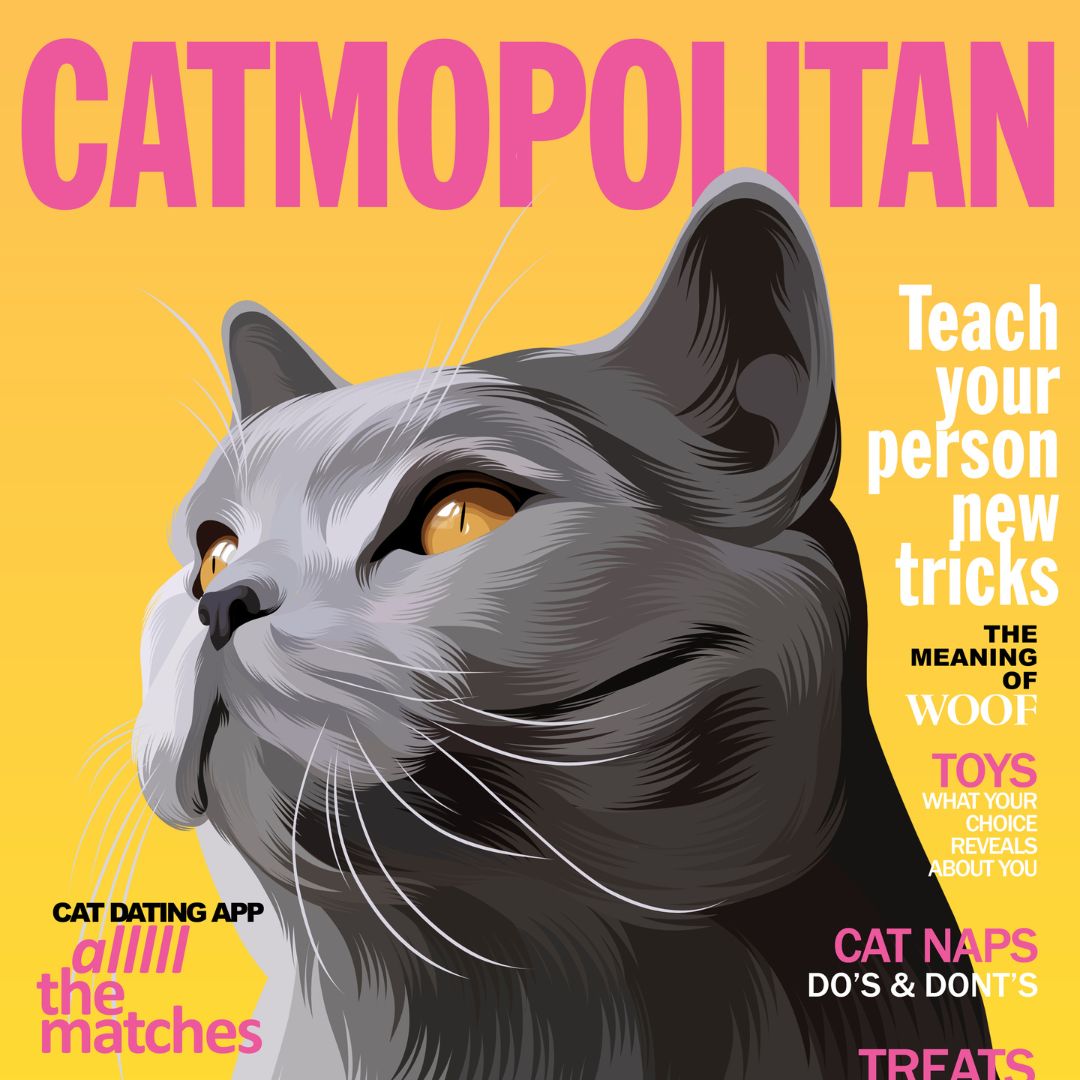
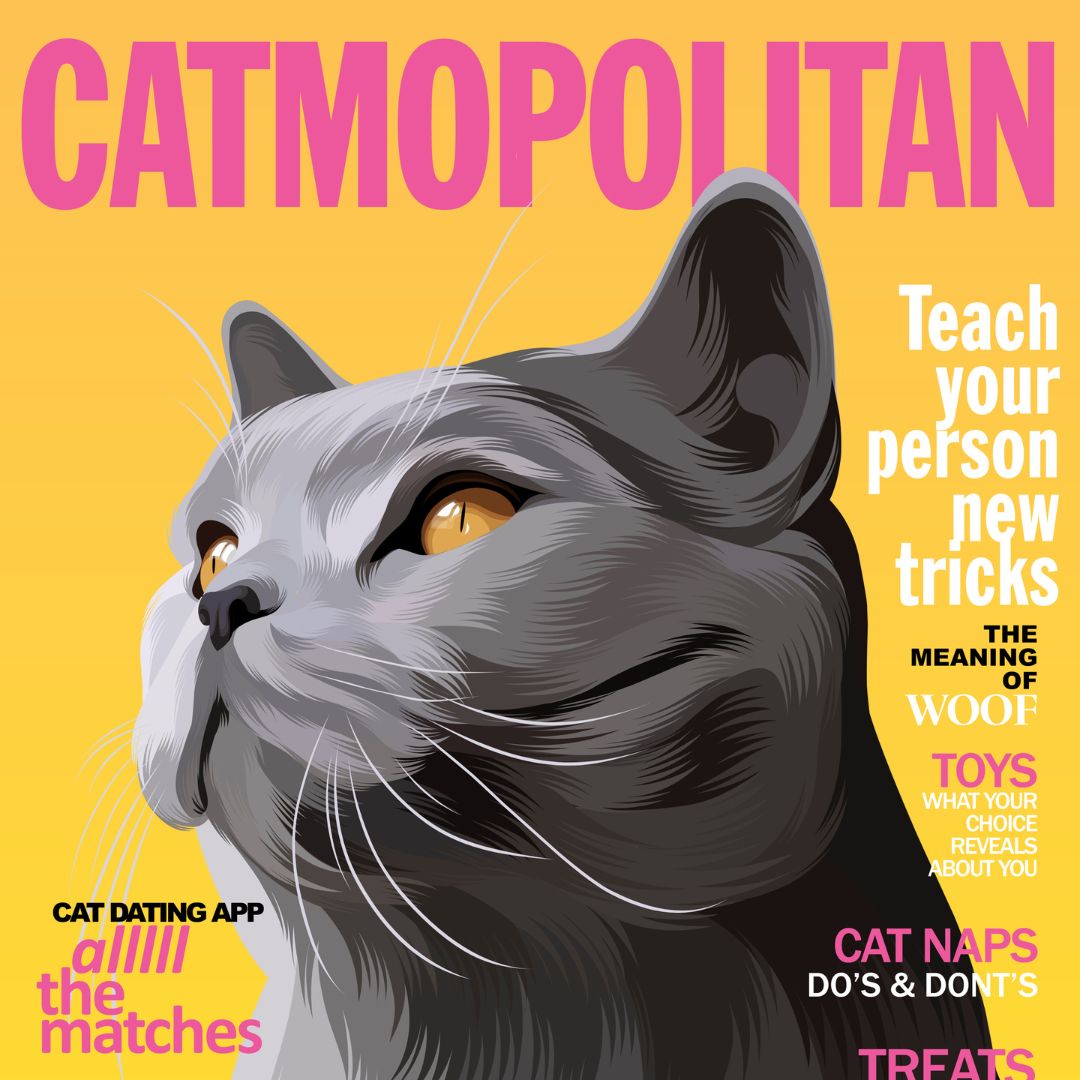
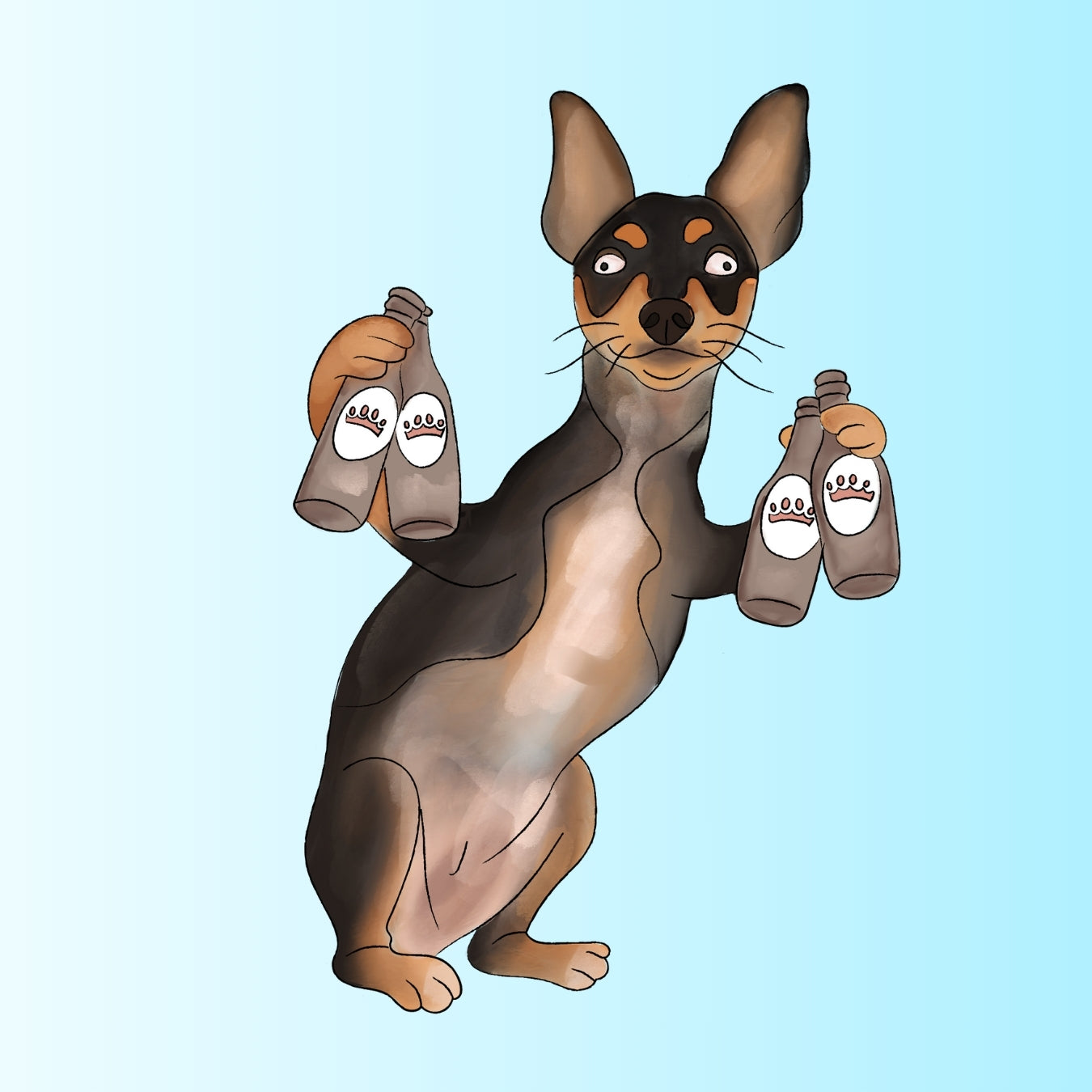
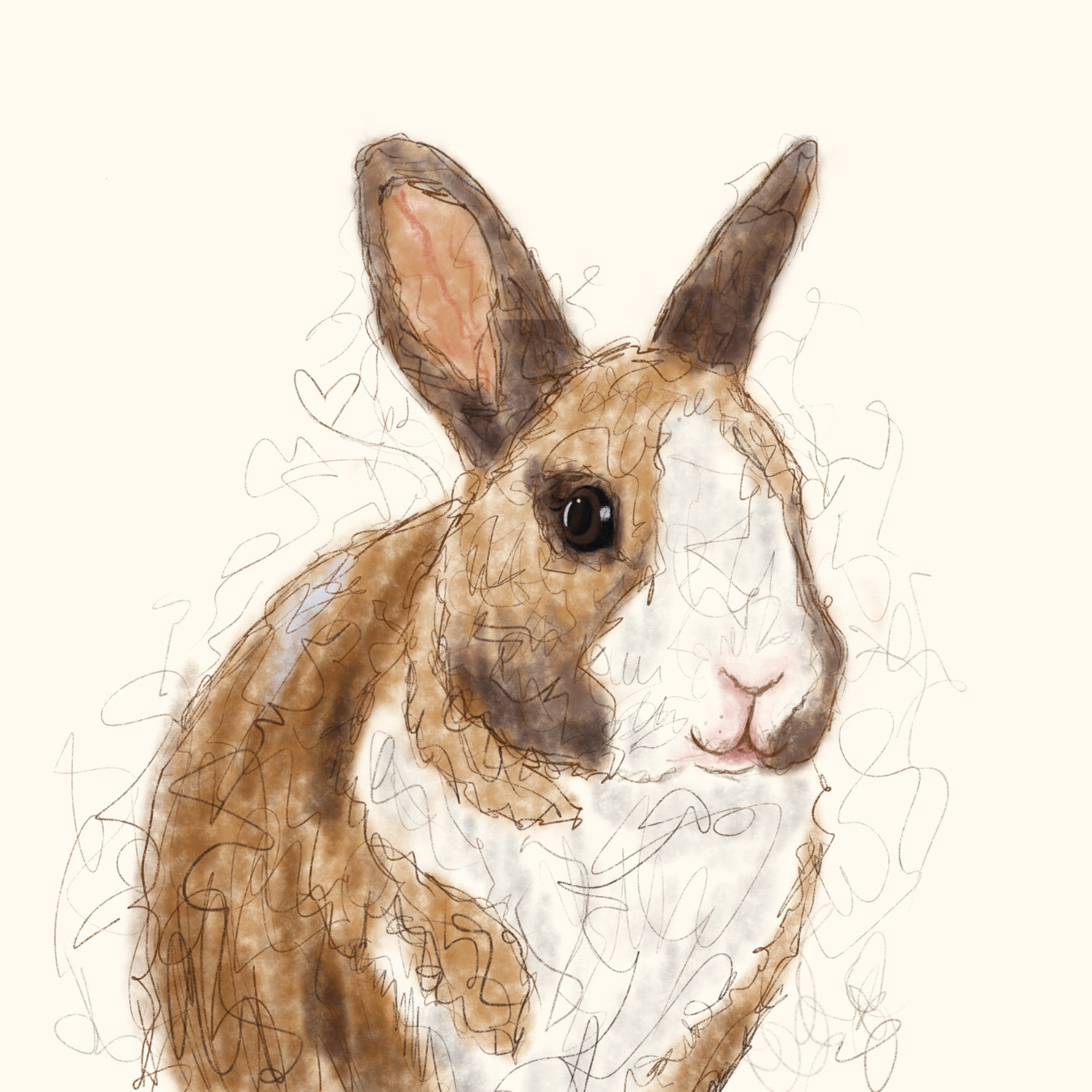
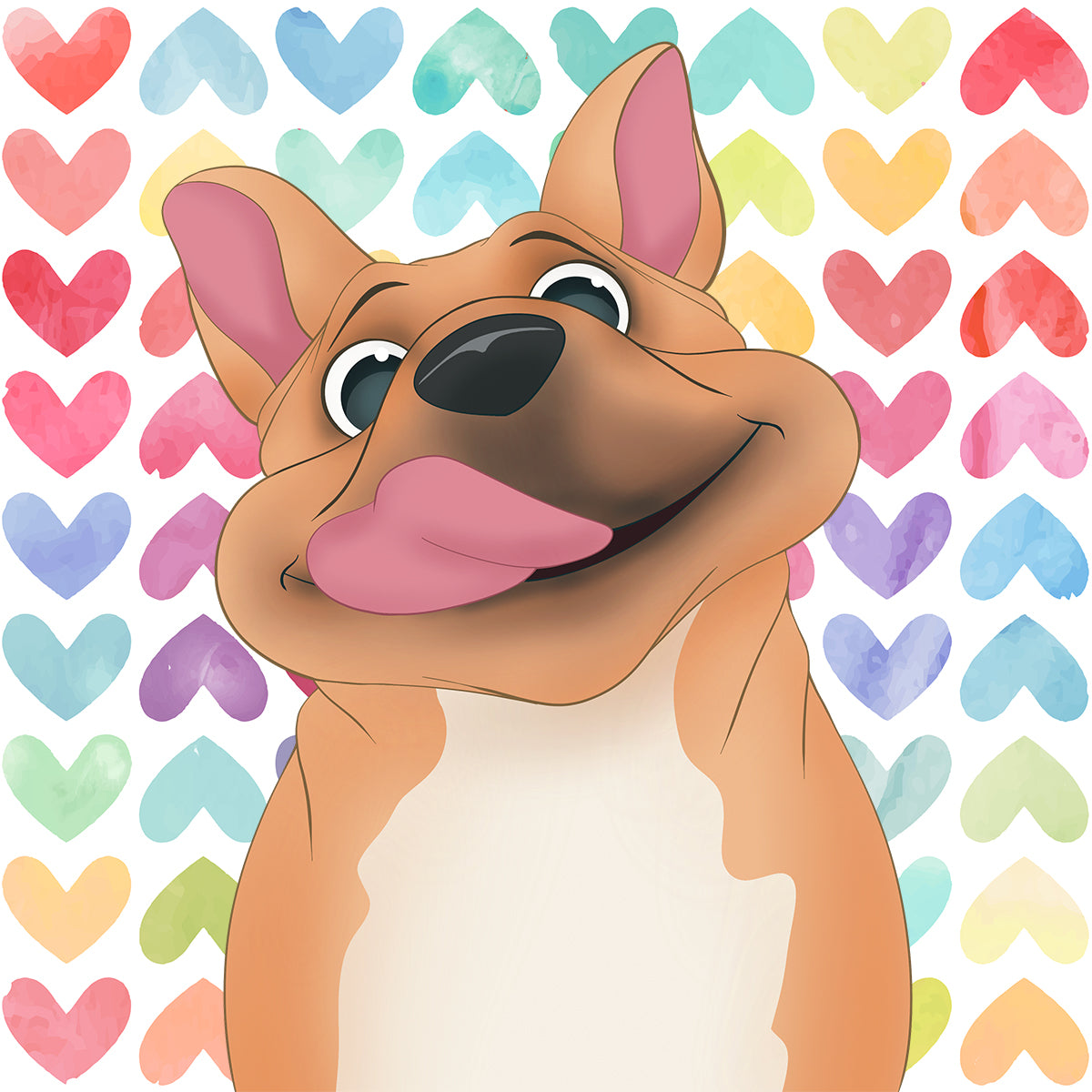
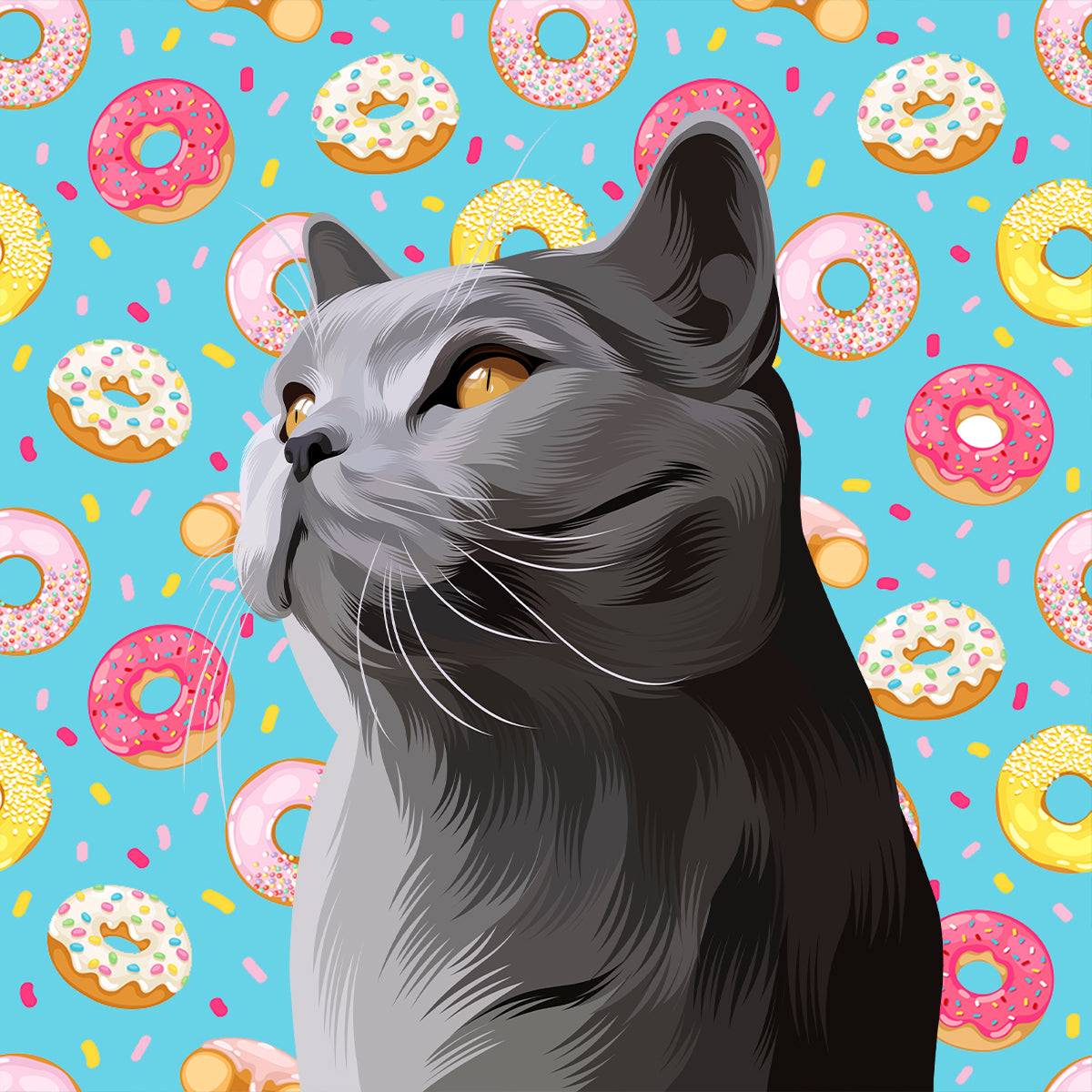
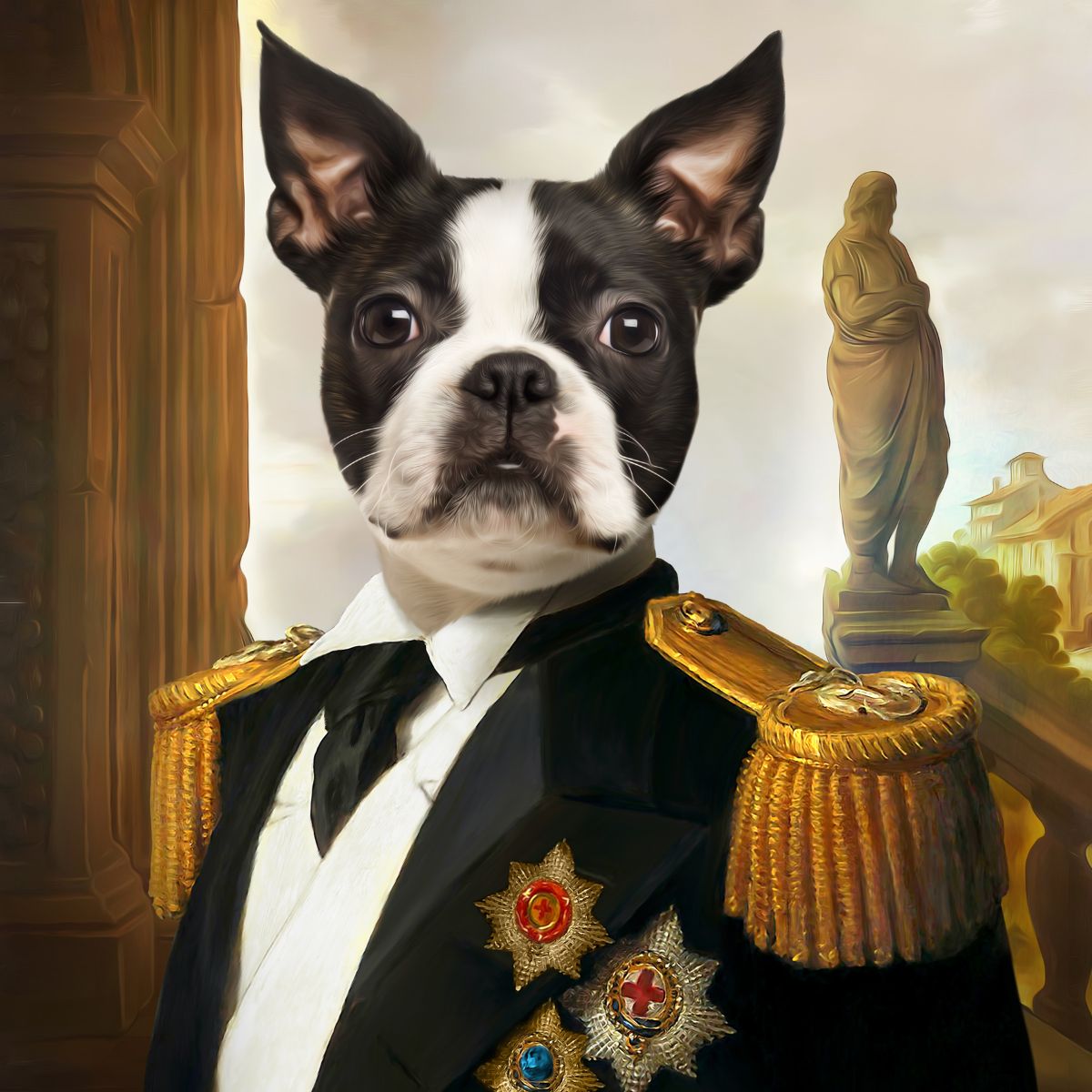
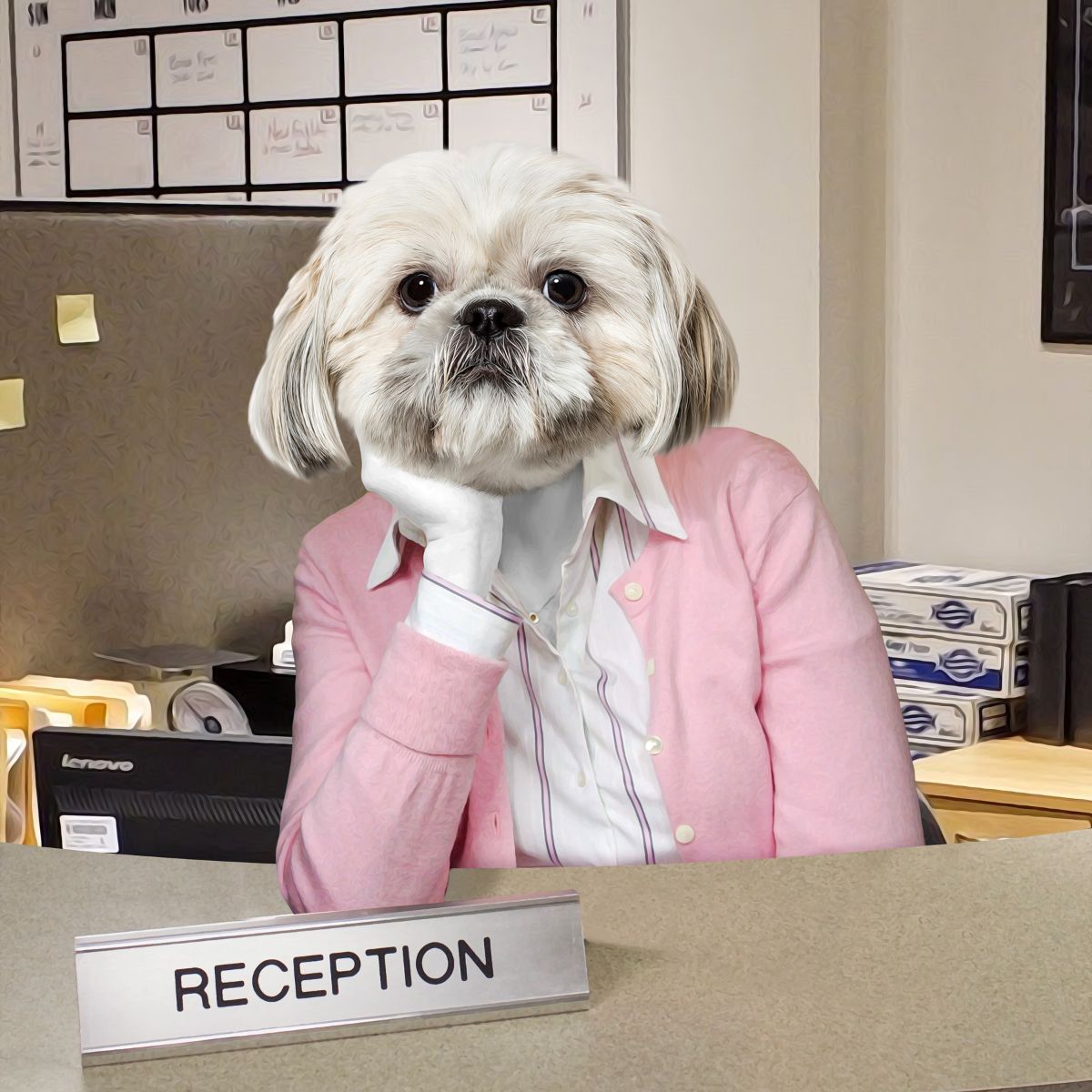
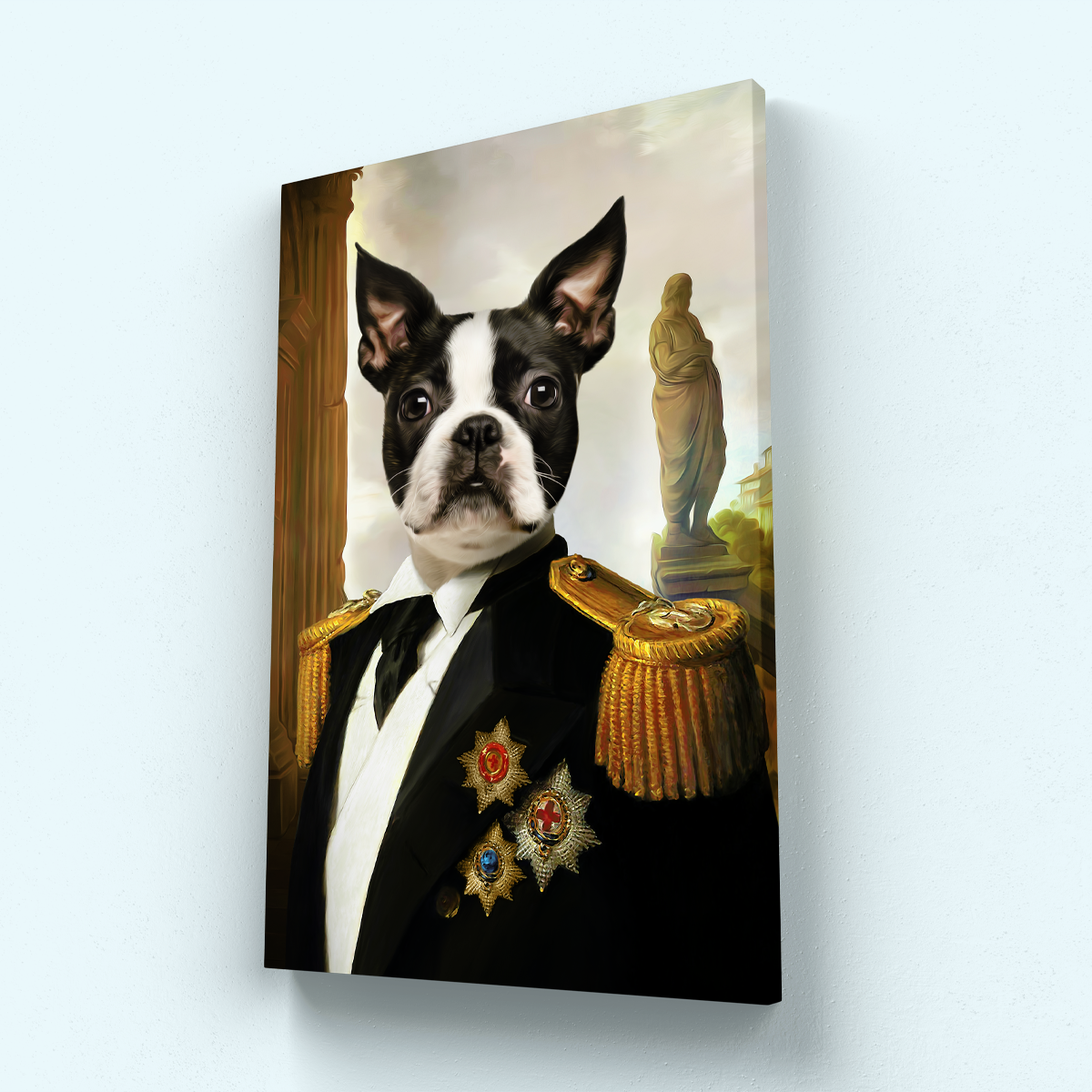
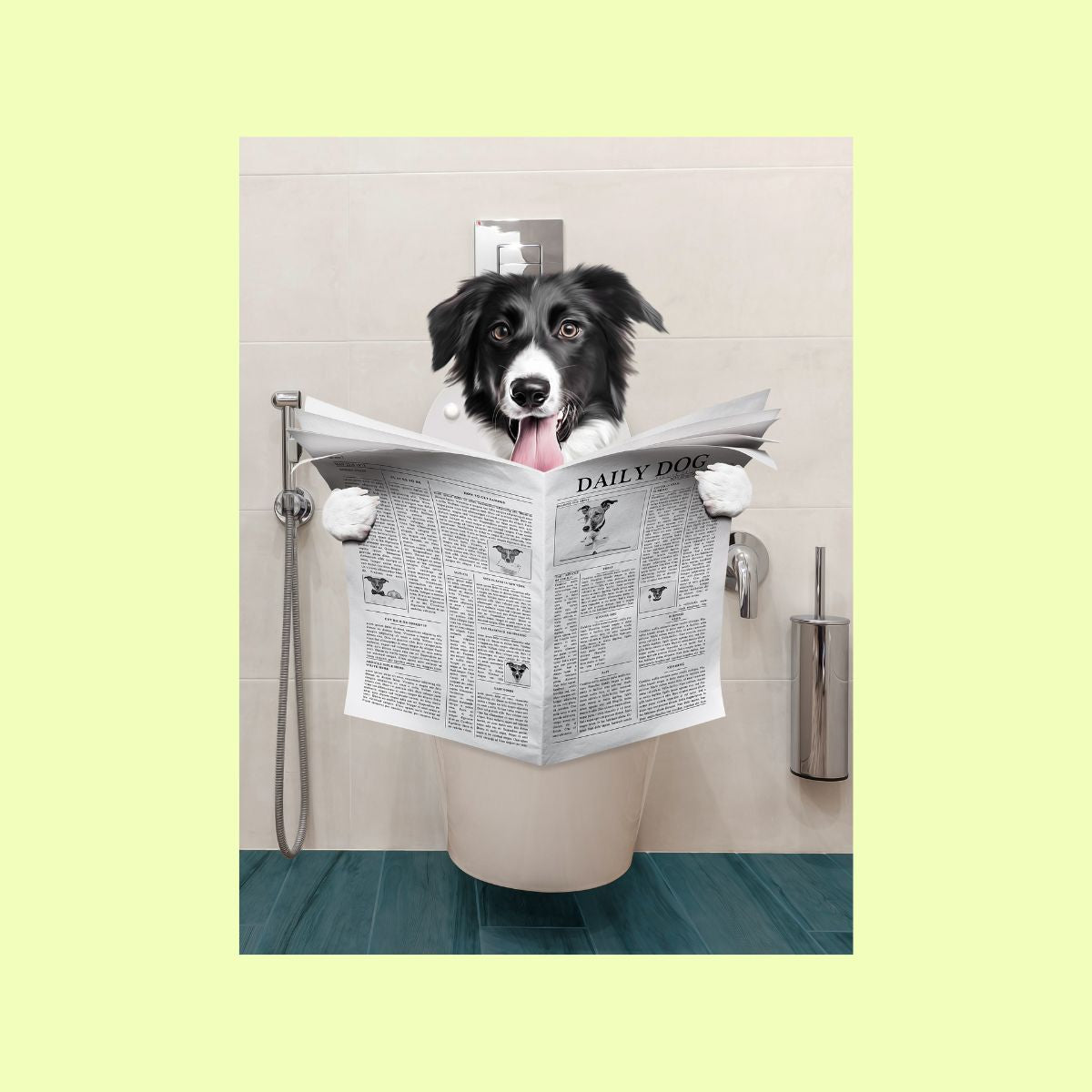
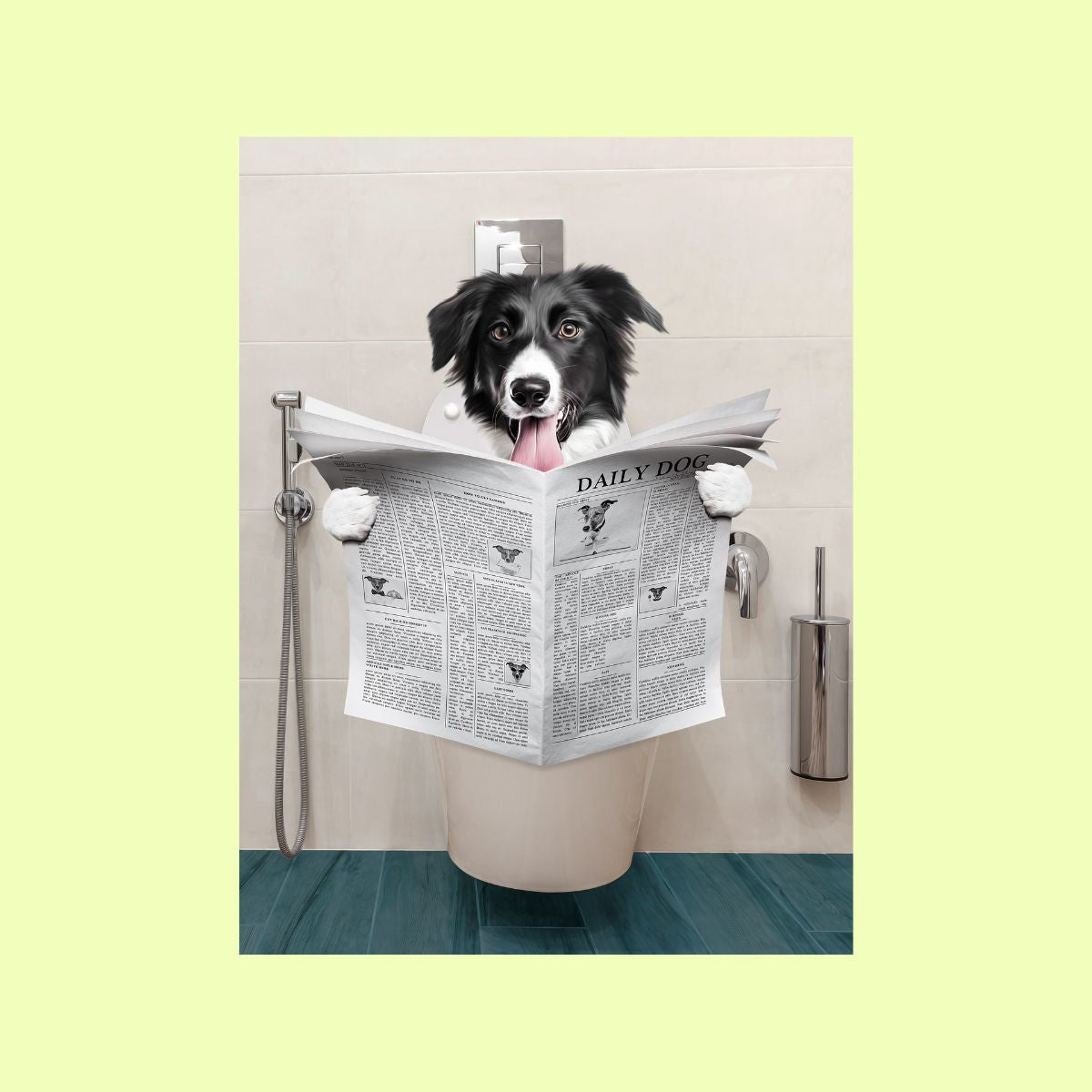
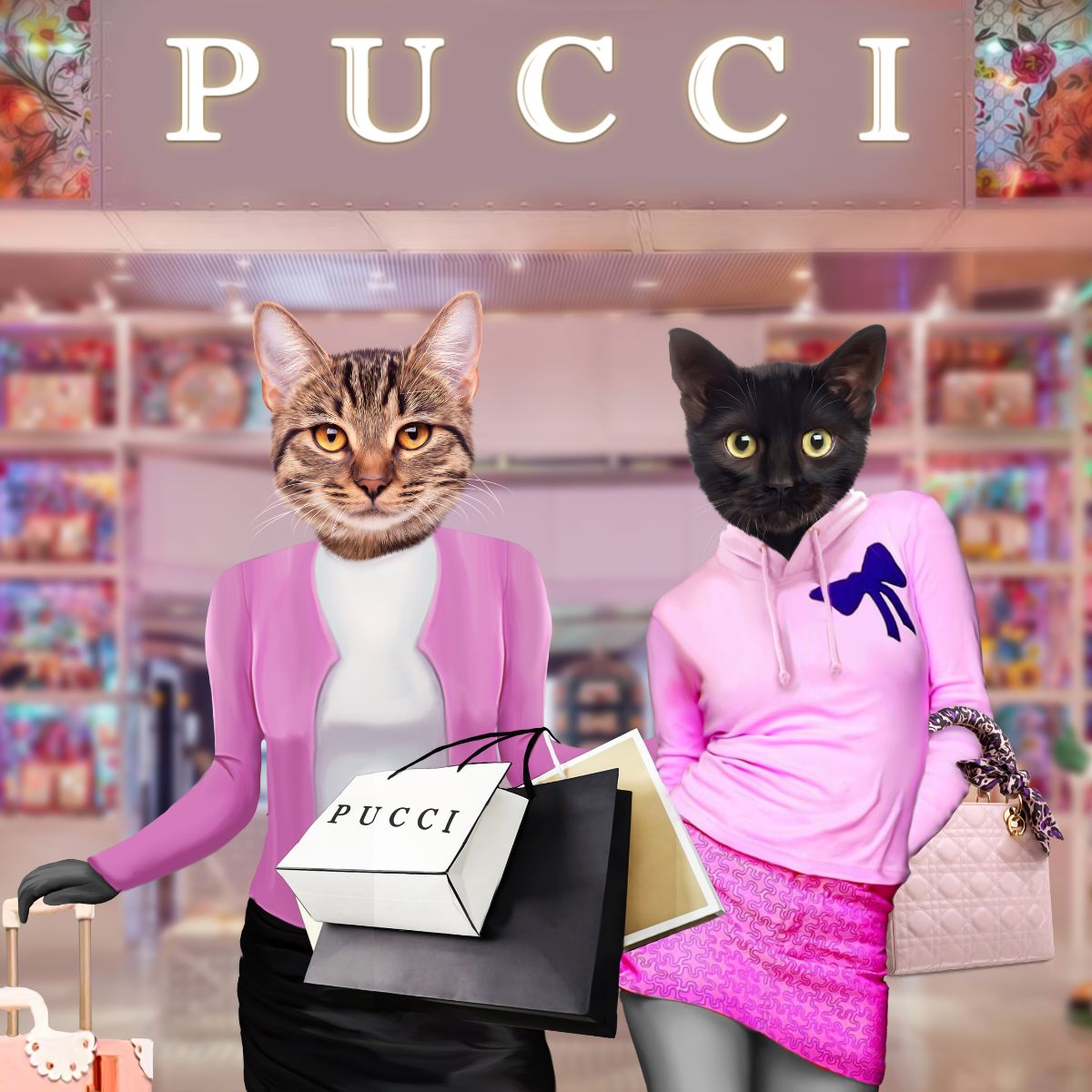
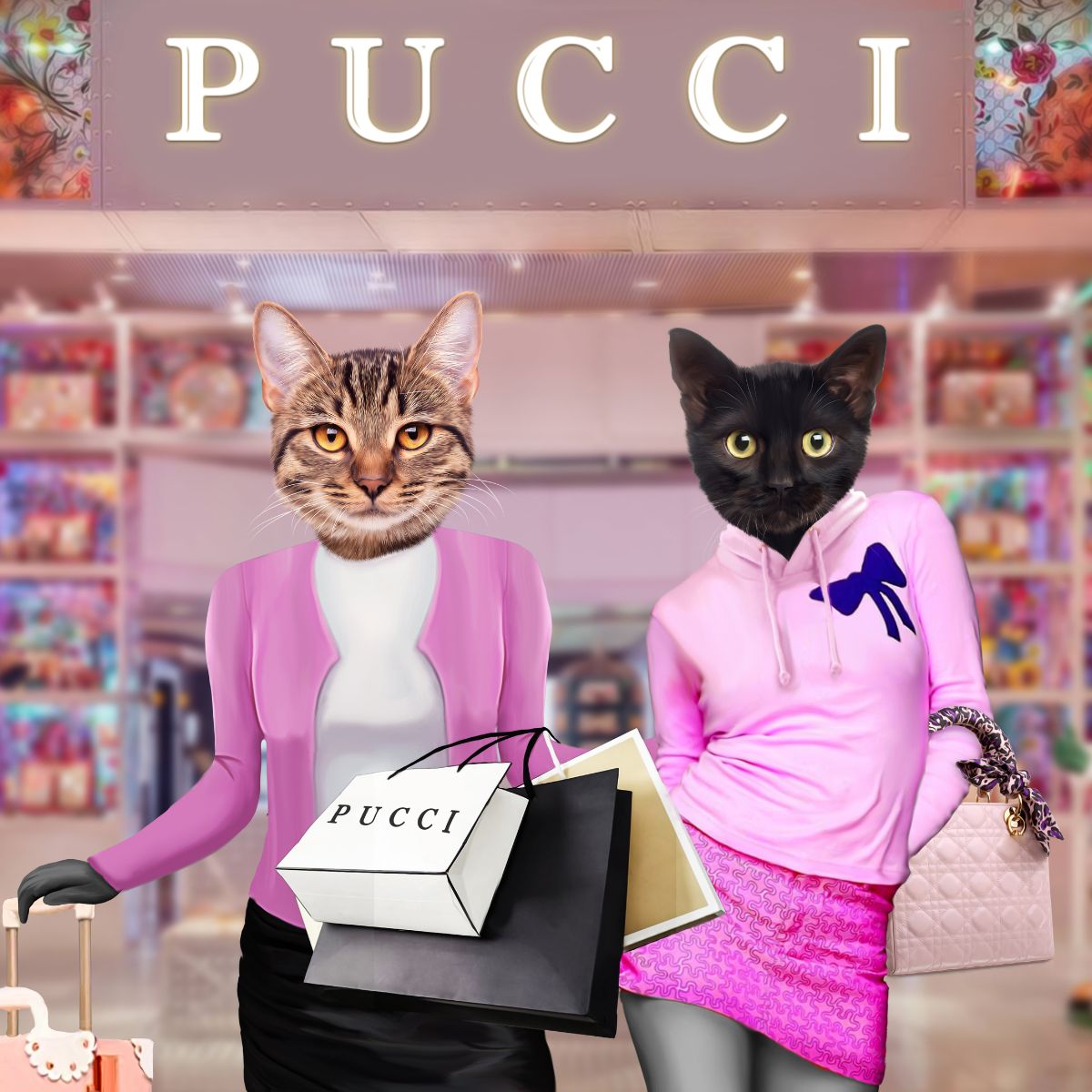
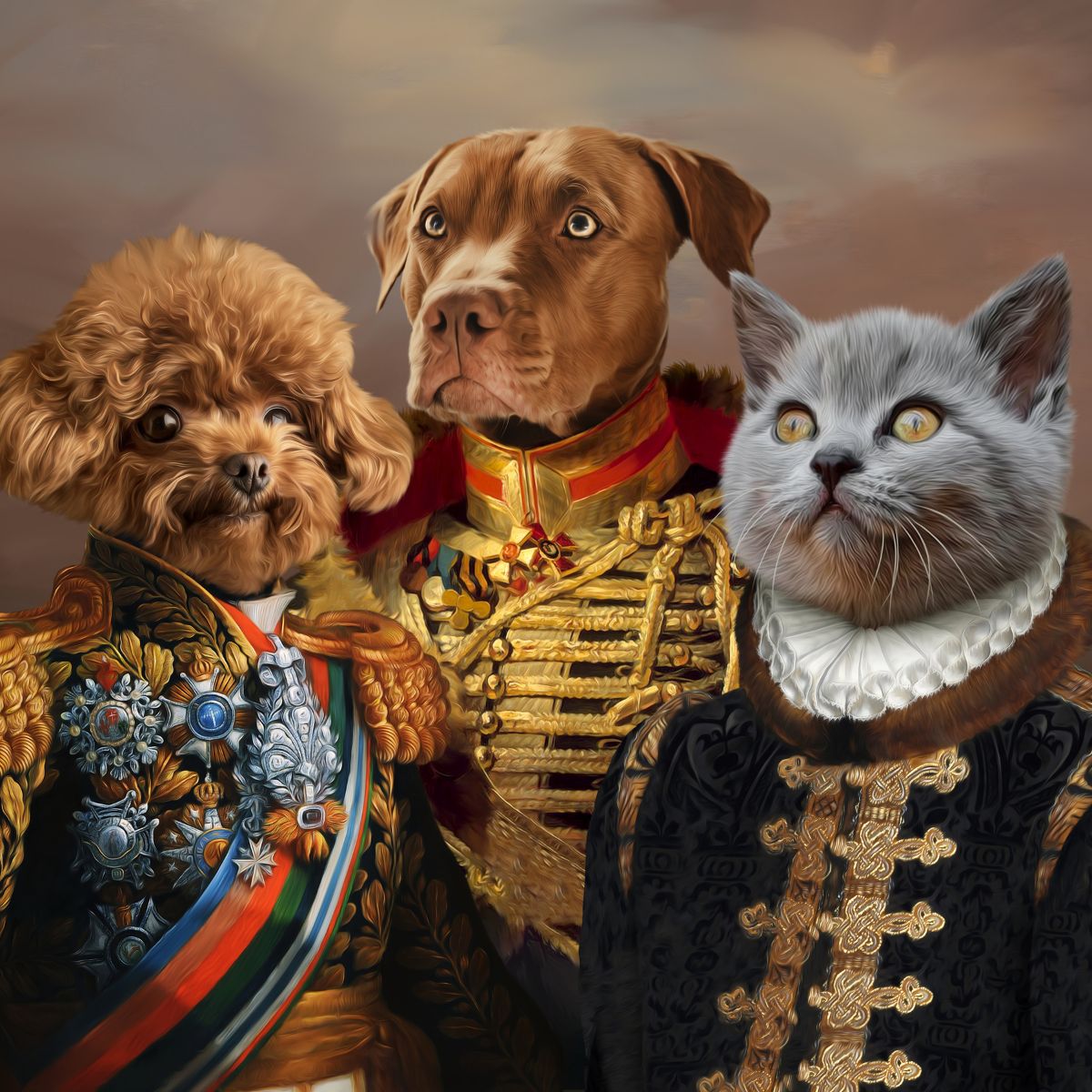
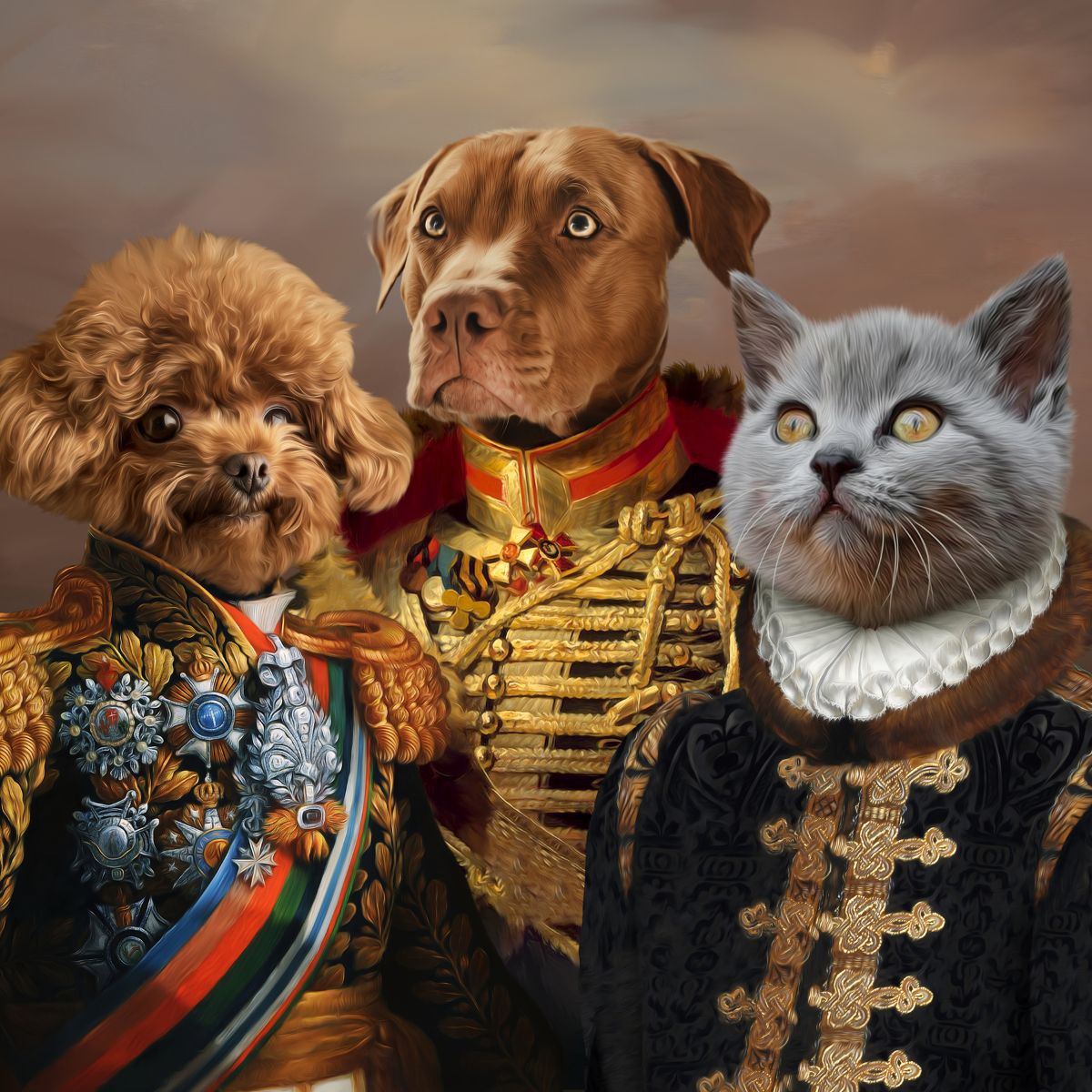
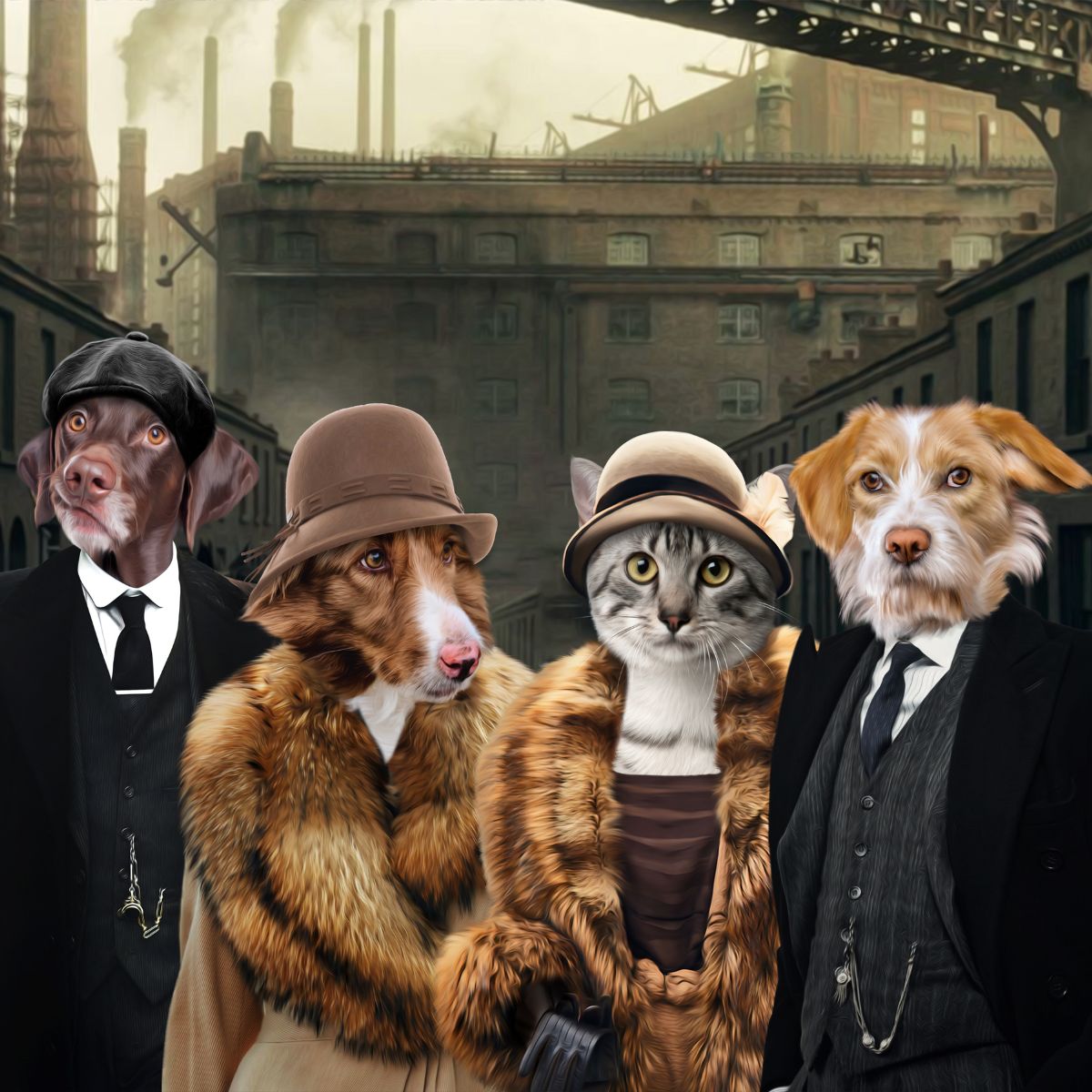
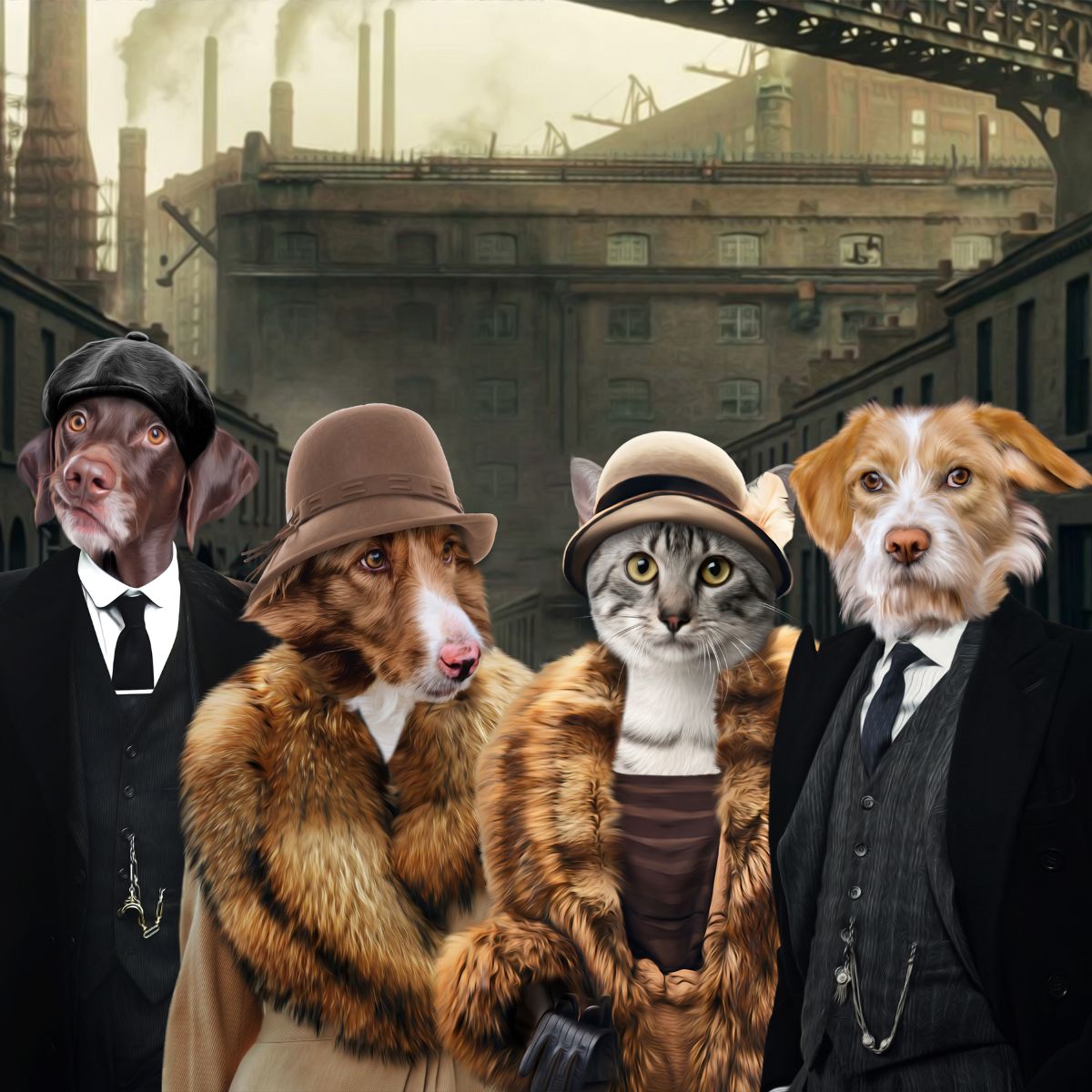
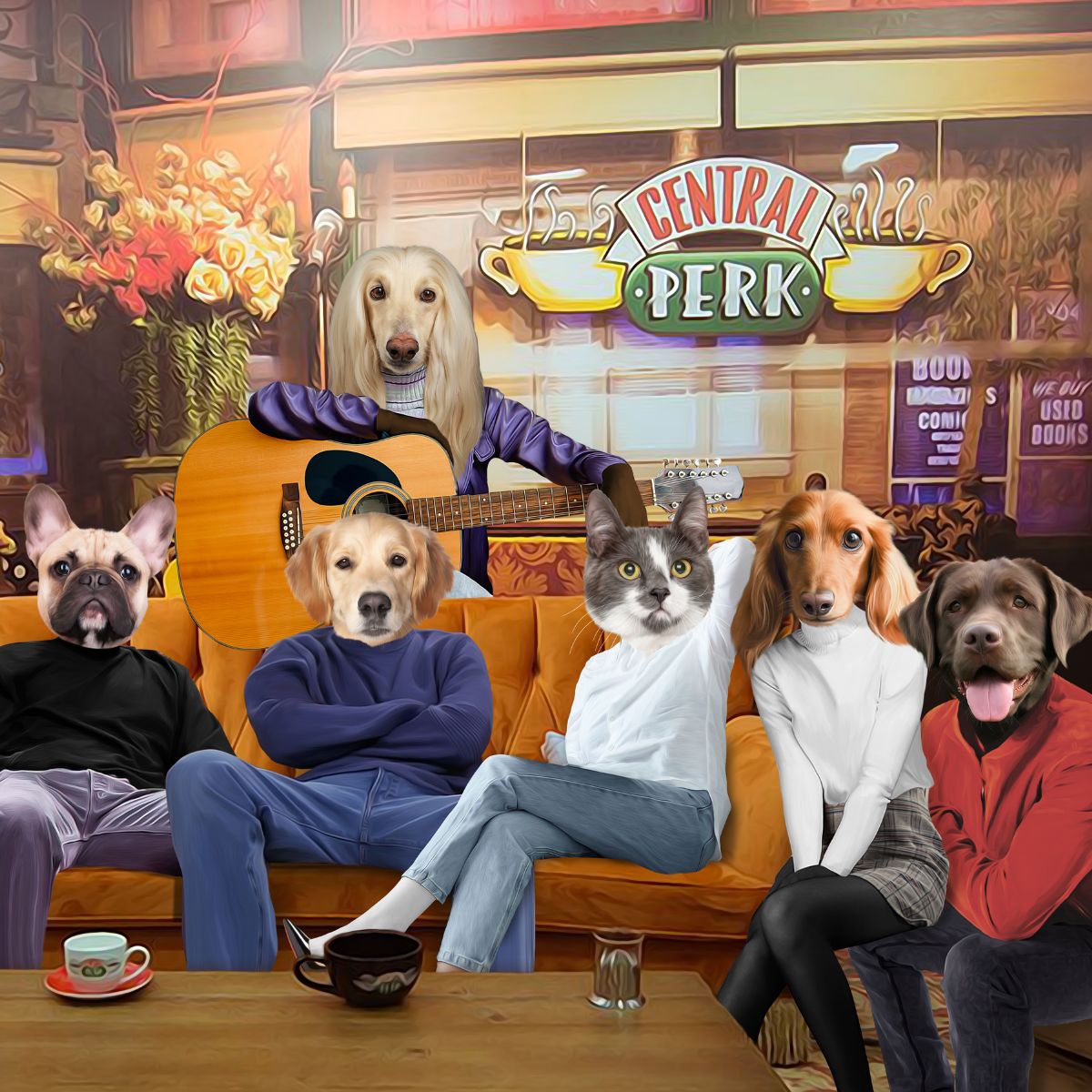
A calm, classic composition may suit a dignified pet; a funny character portrait can amplify an expressive or magnificently serious face. The design should frame the pet rather than overpower it.
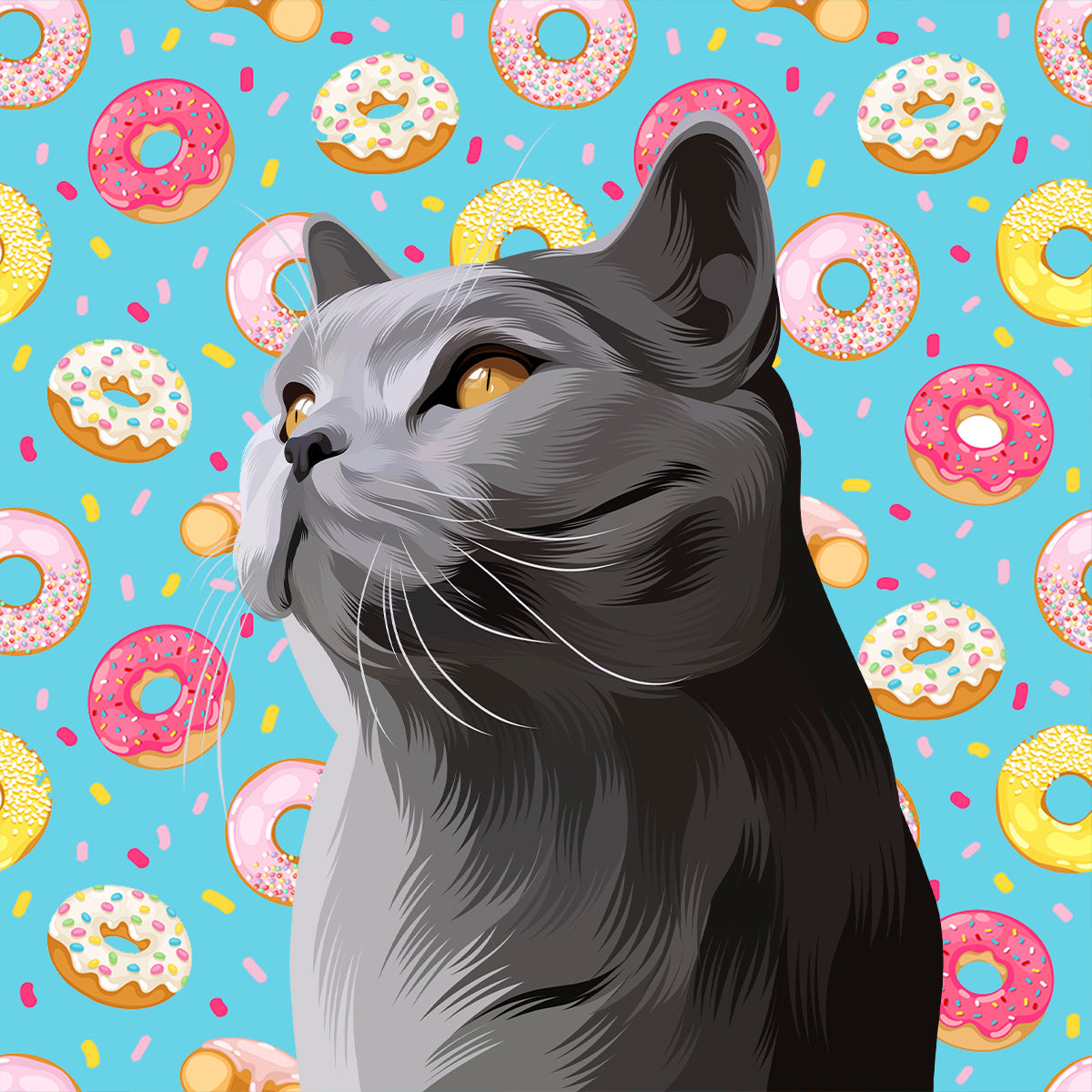
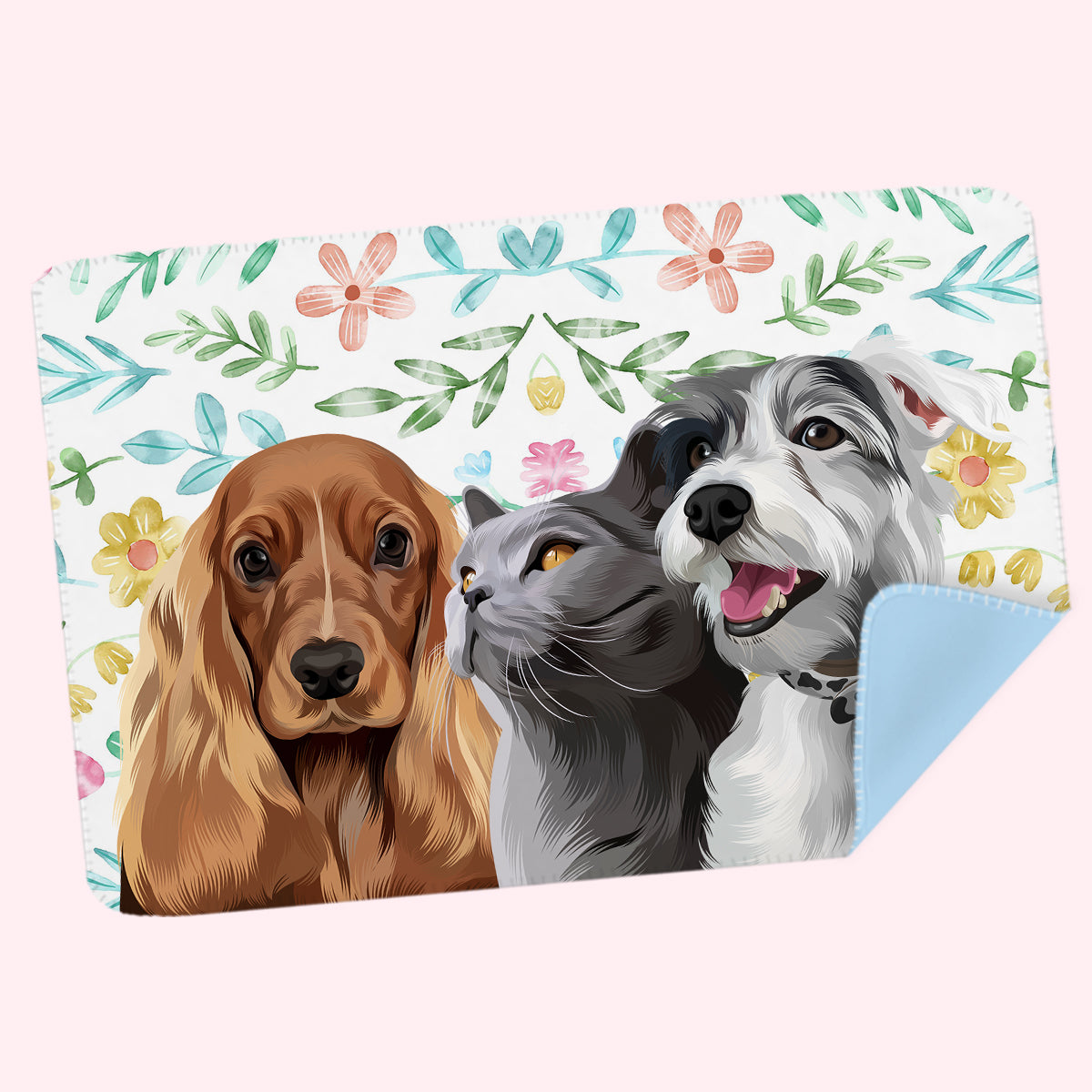
Choose enough contrast between coat and background to keep the outline readable. Then consider whether the palette suits the room where the portrait will hang.
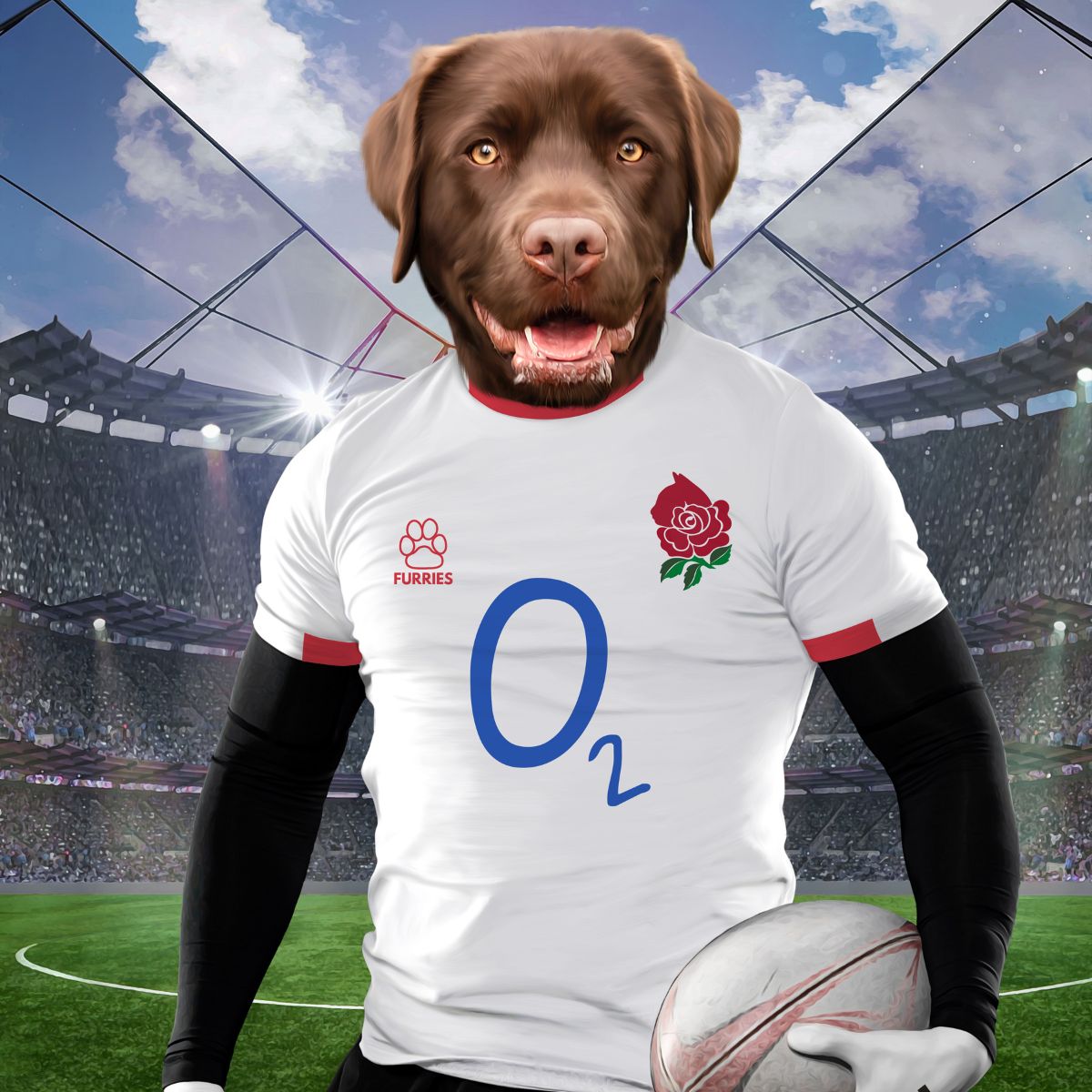
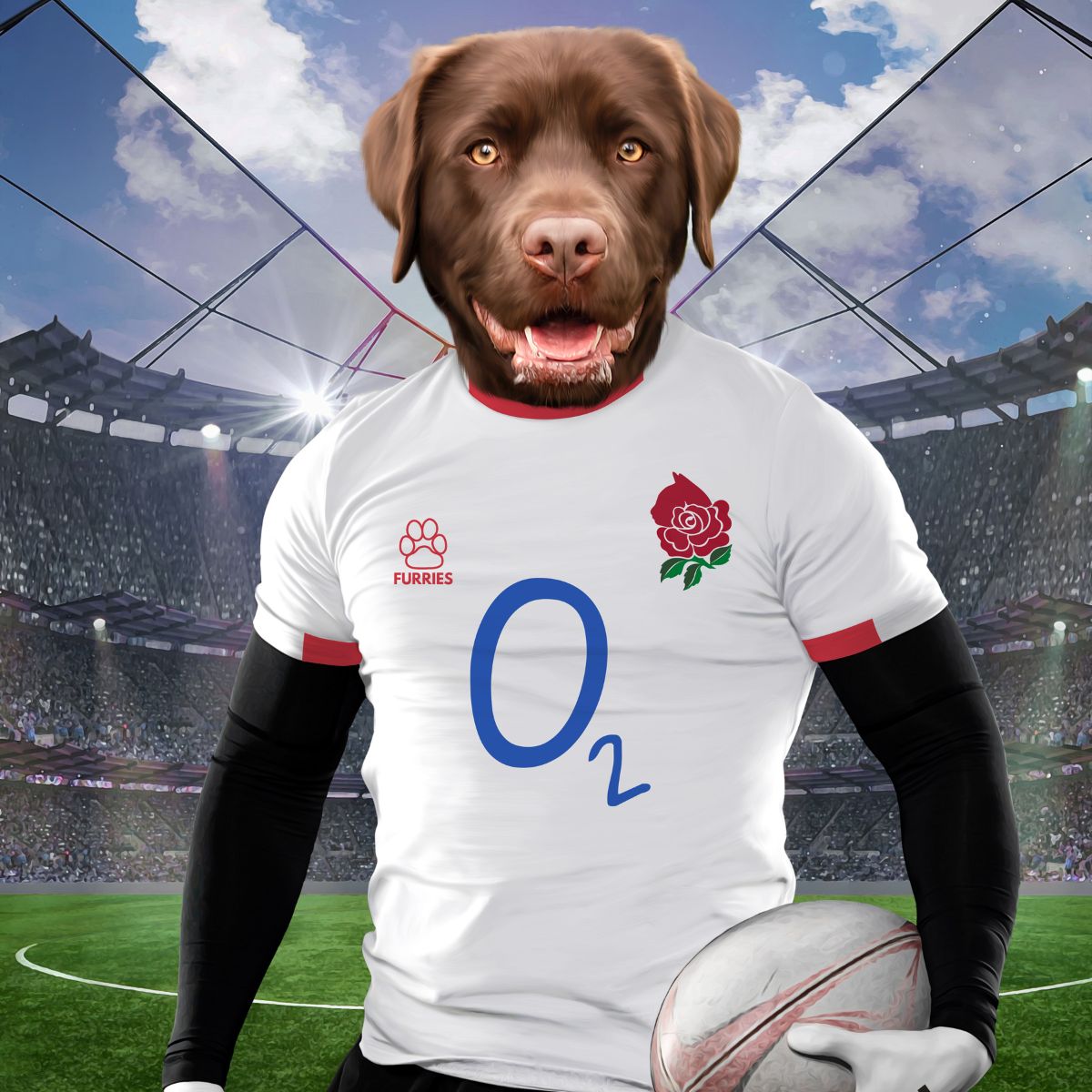
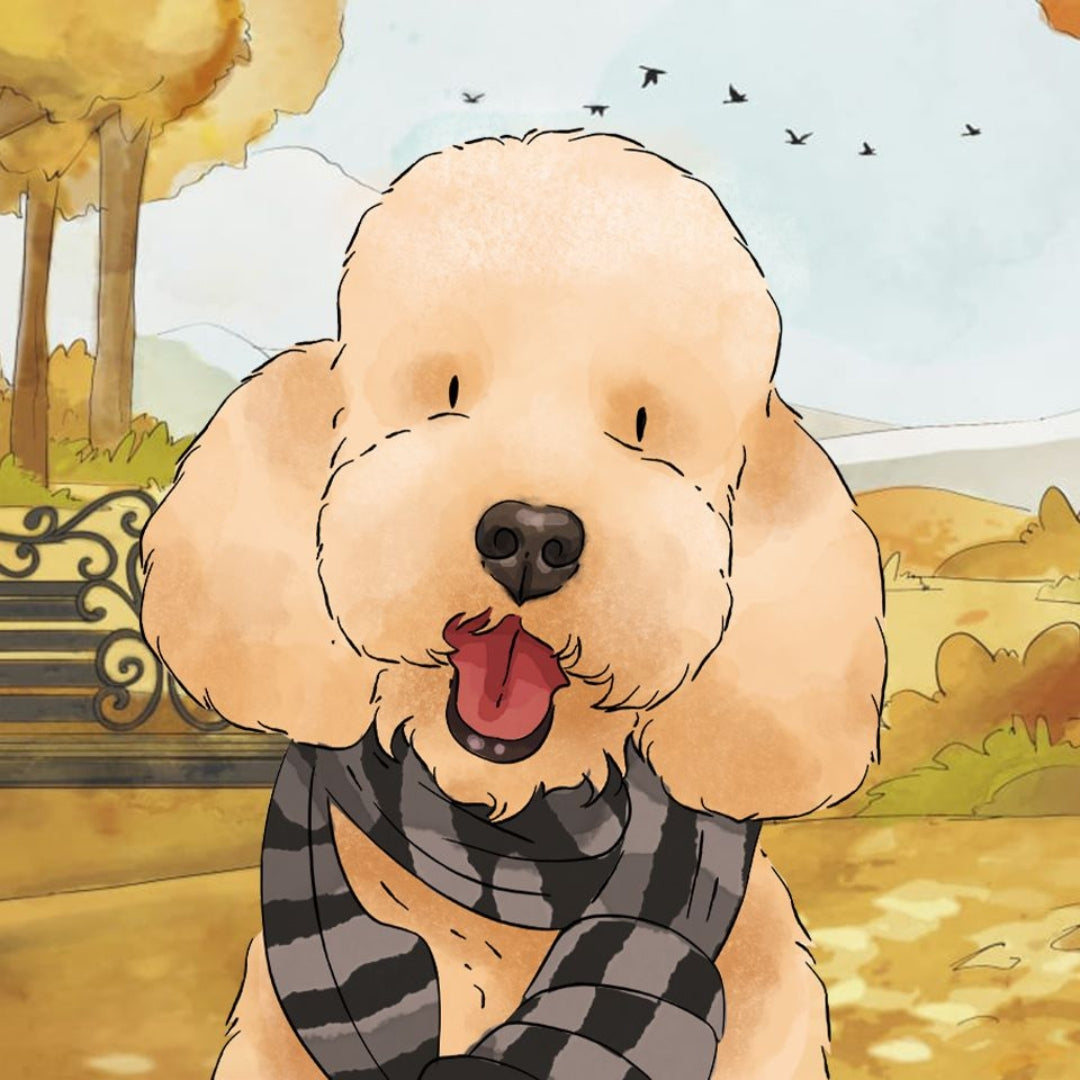
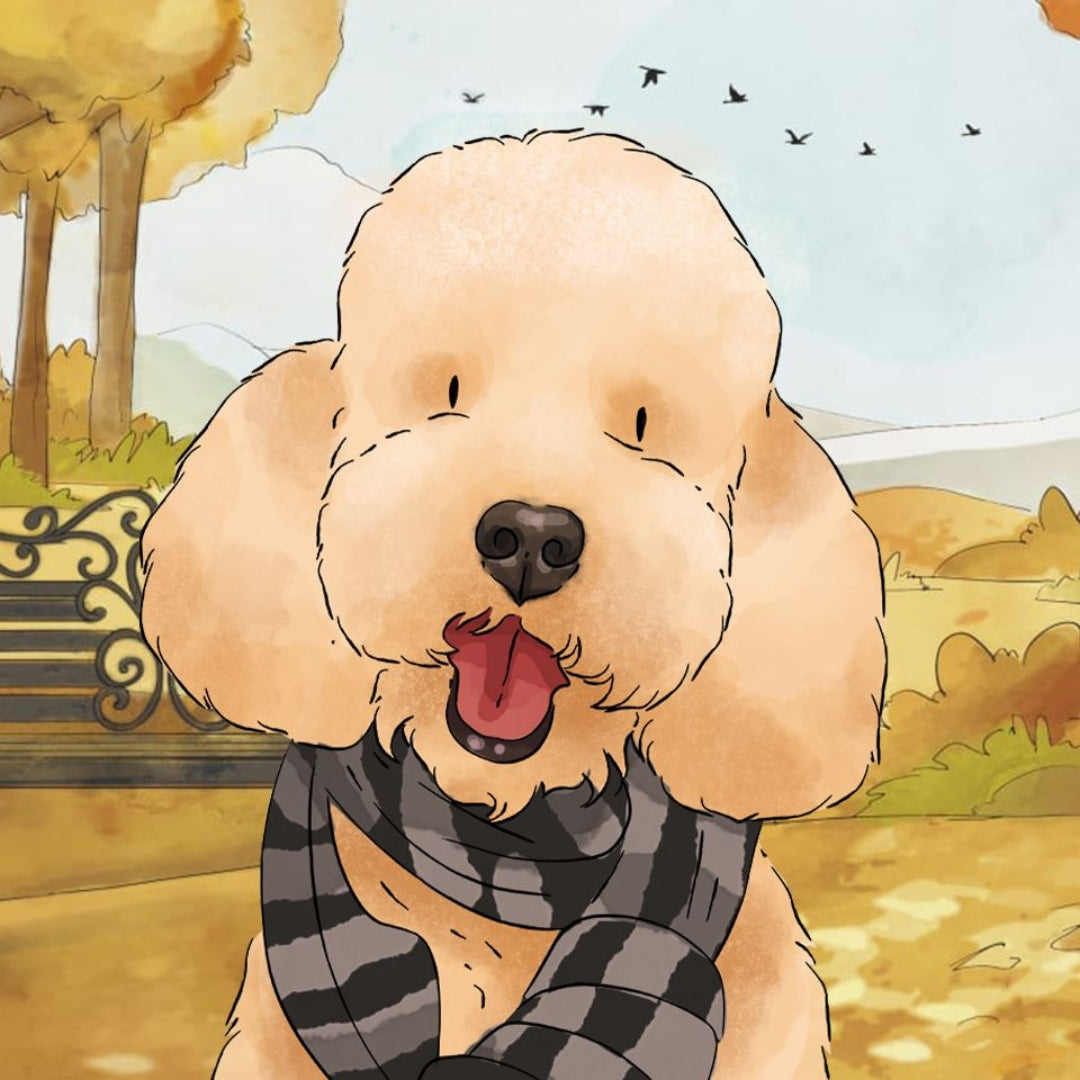
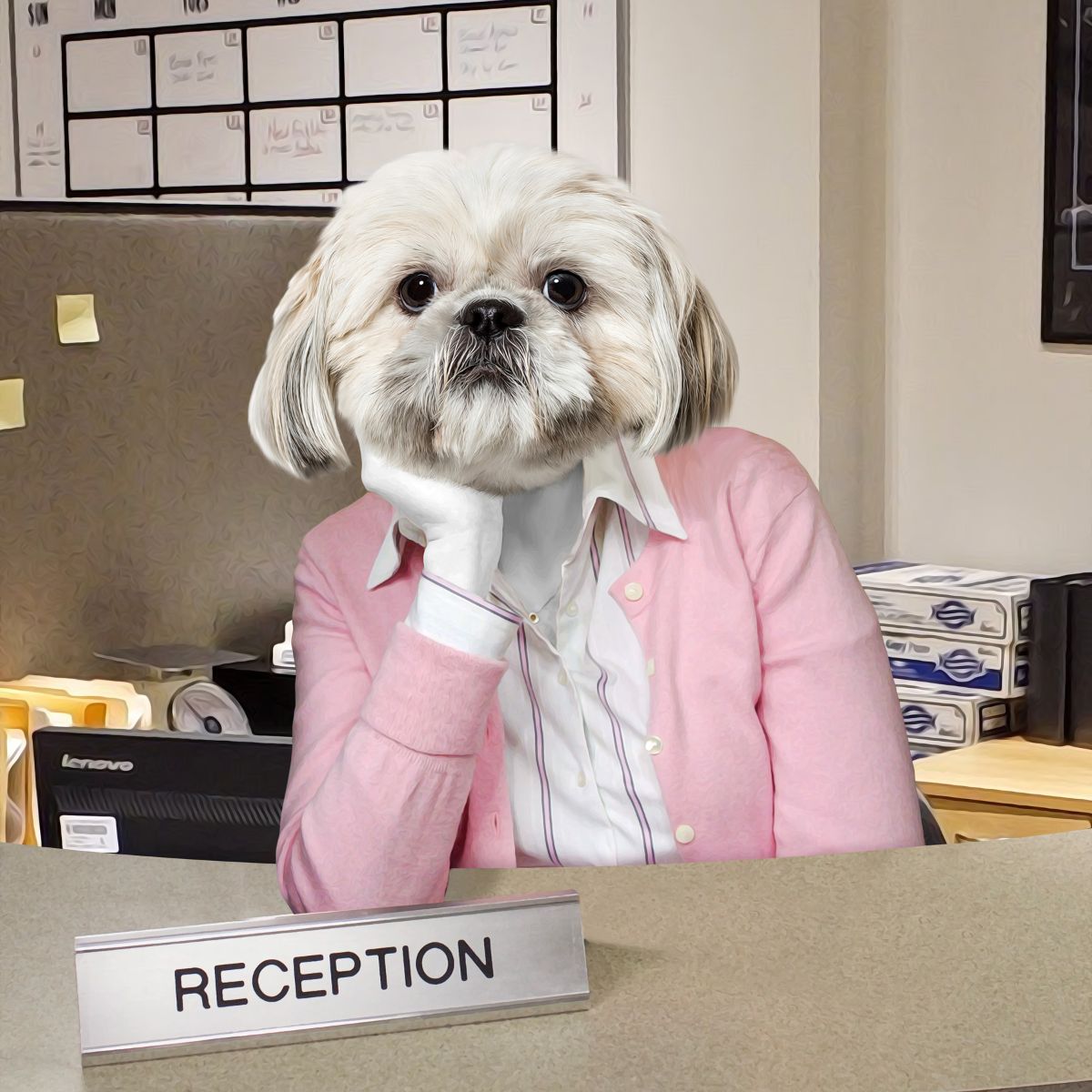
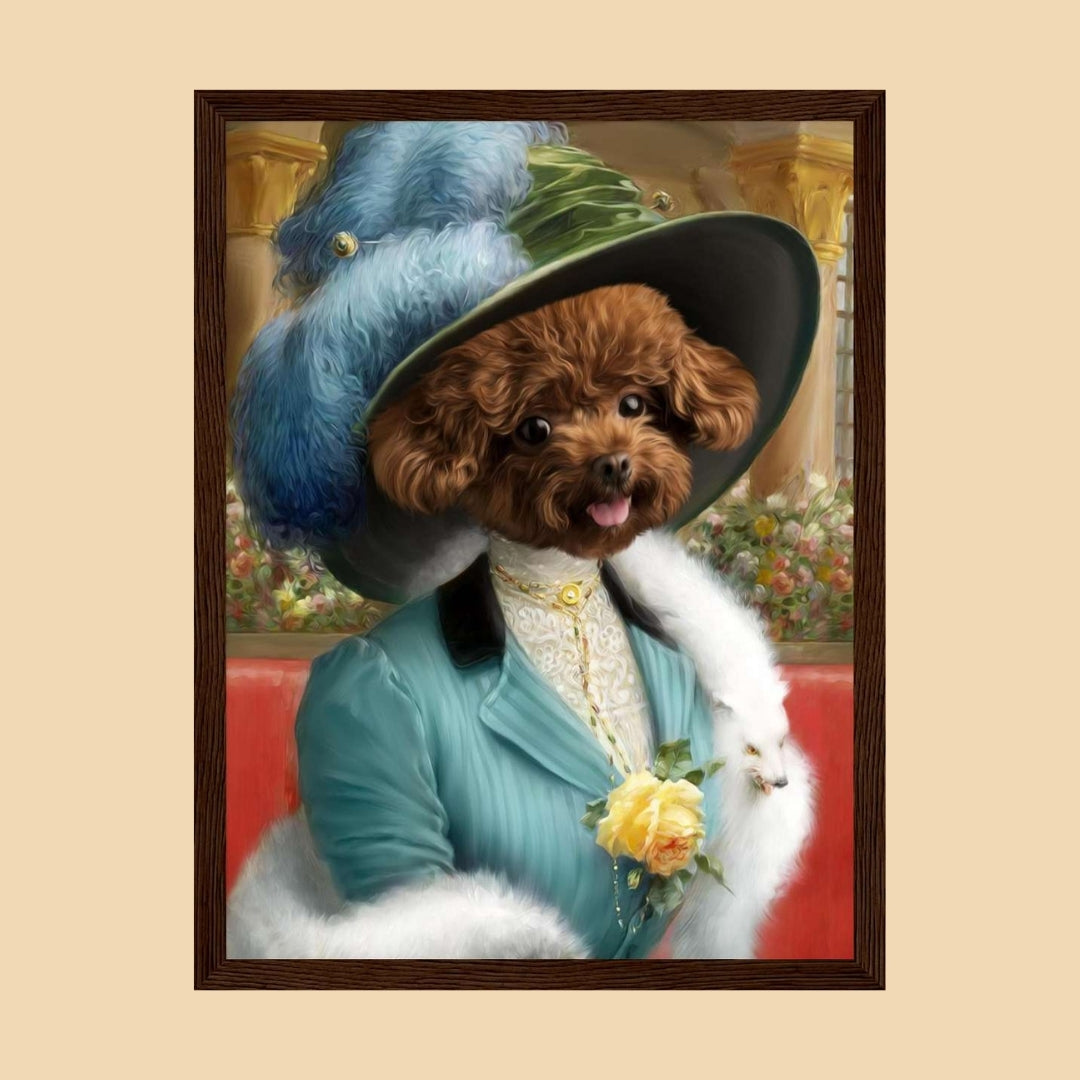
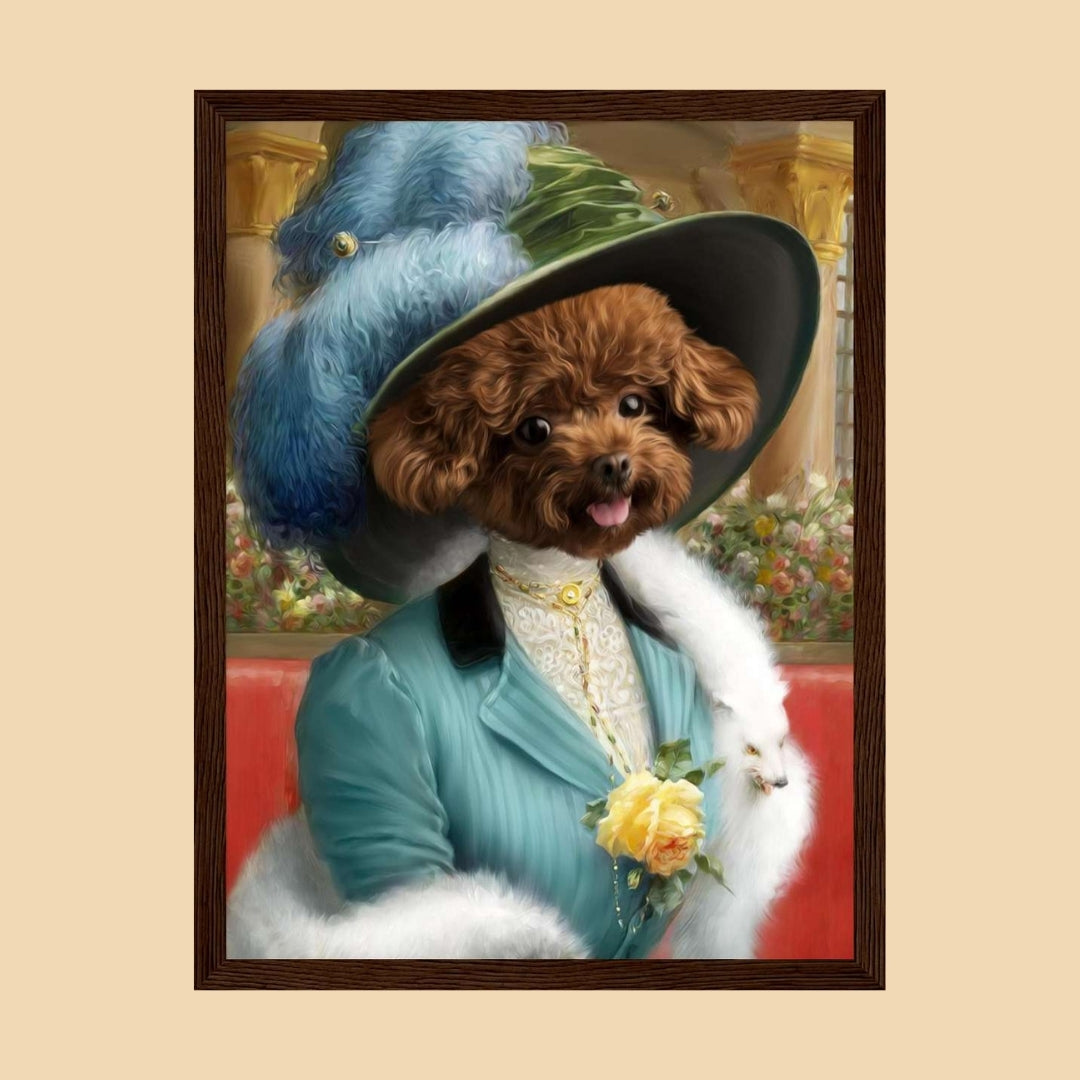
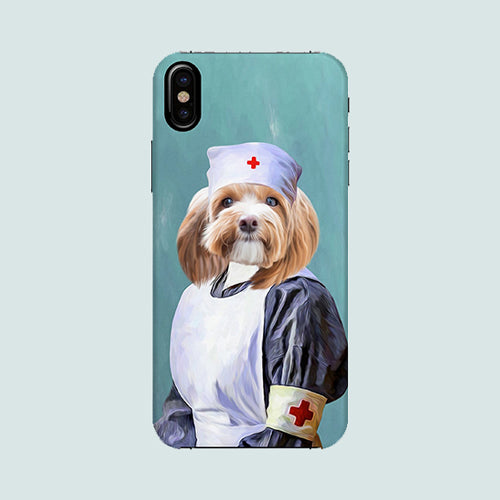
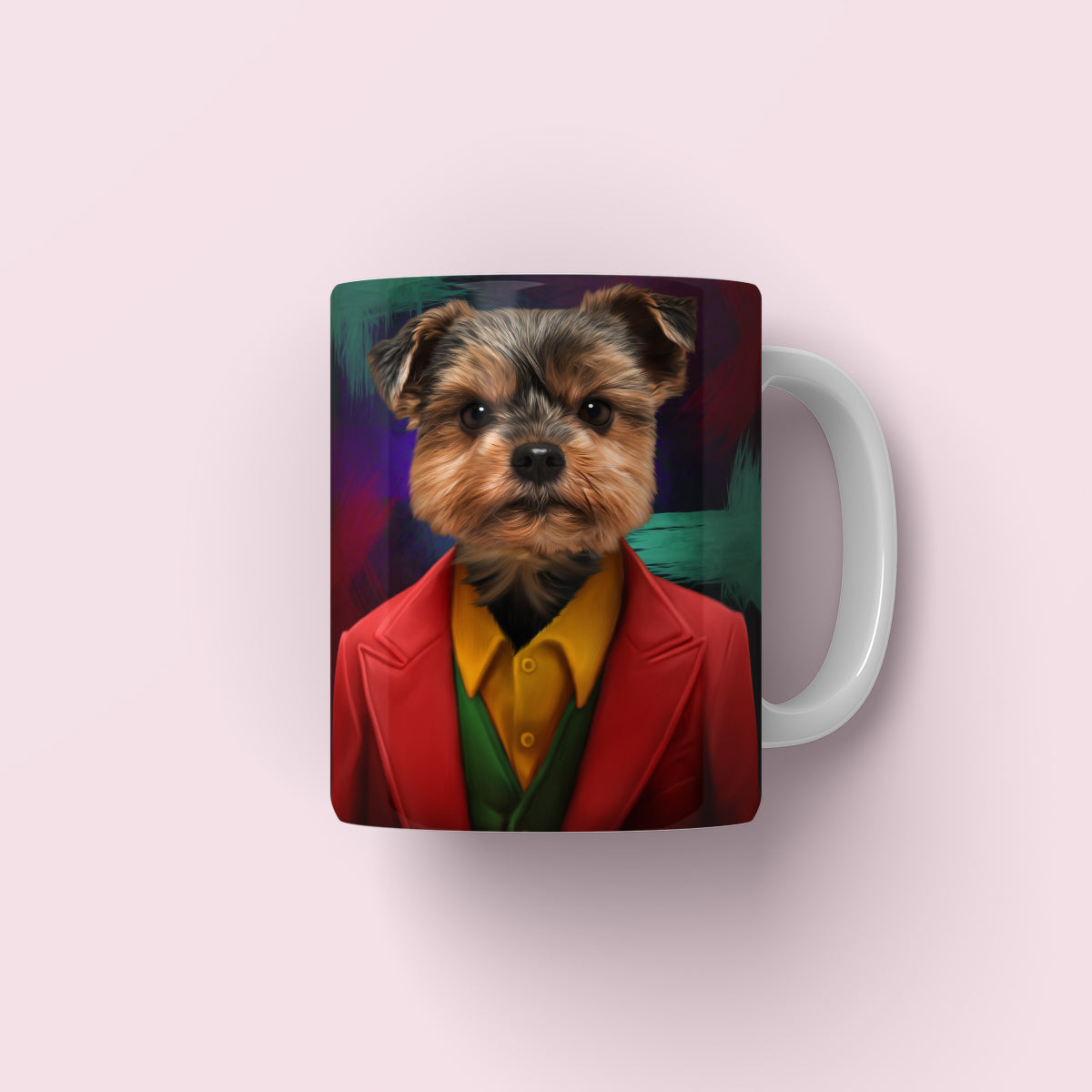
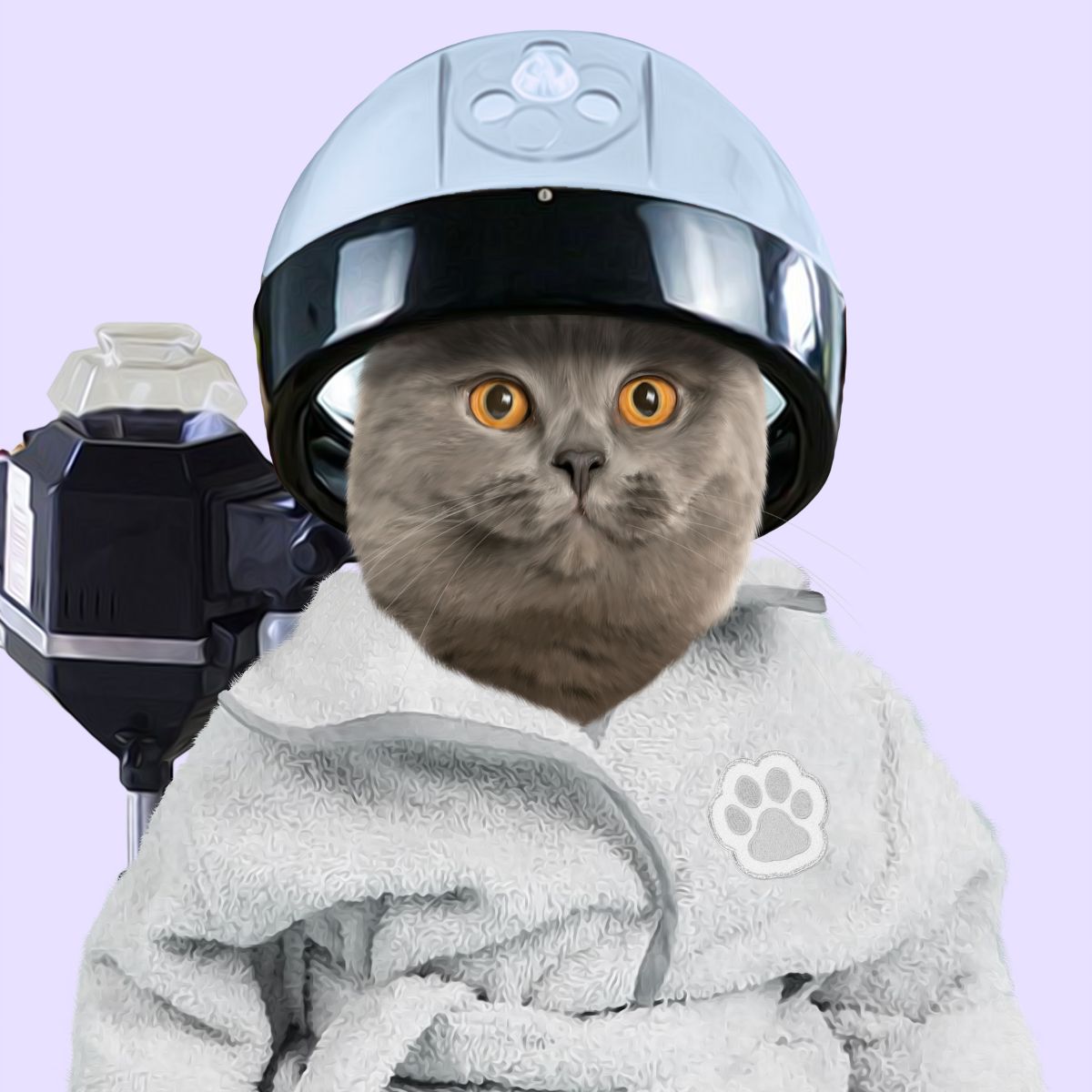
Costumes, graphic effects and decorative details can add character, but recognition should survive when you mentally remove them. If the face no longer feels like your pet, more styling will not fix the foundation.
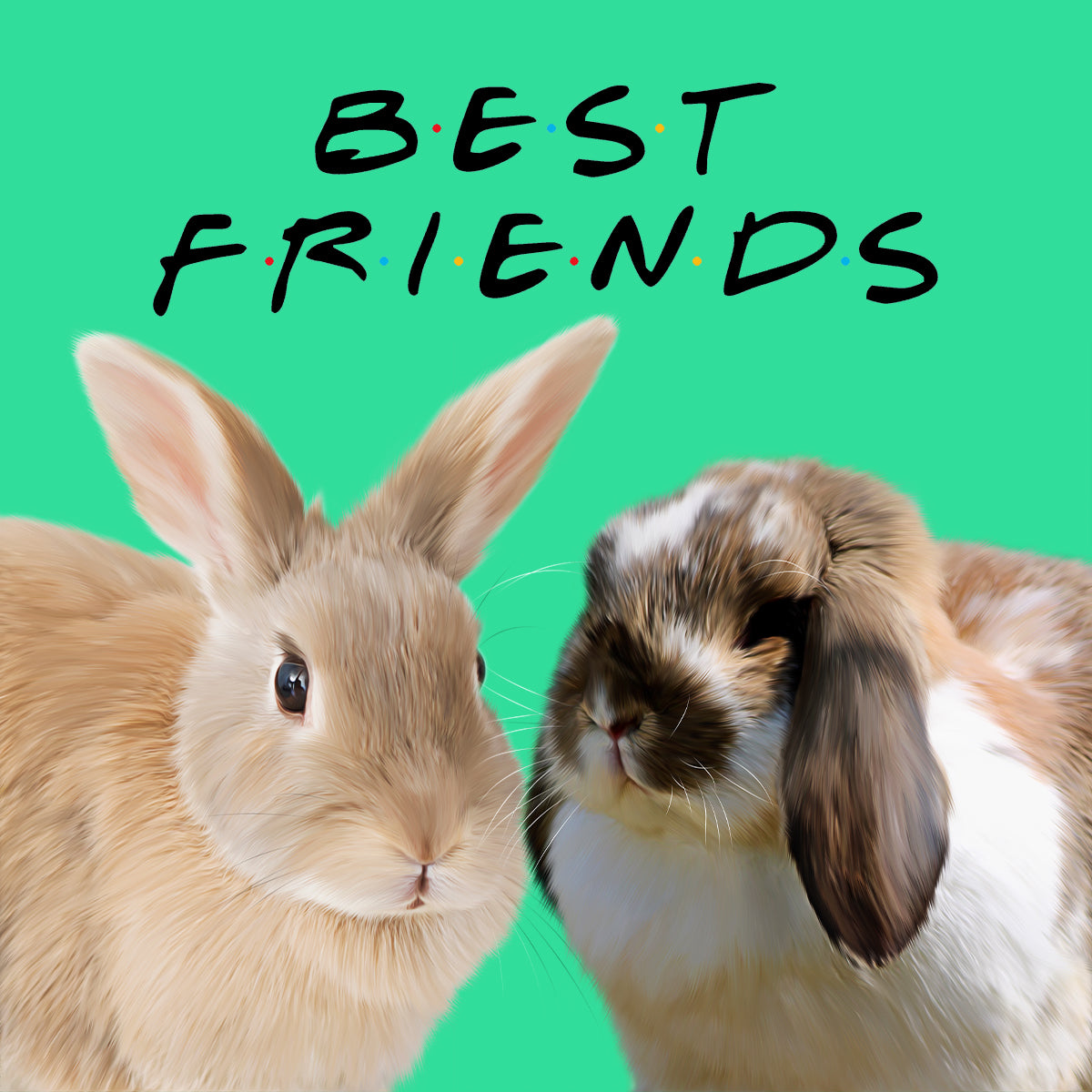
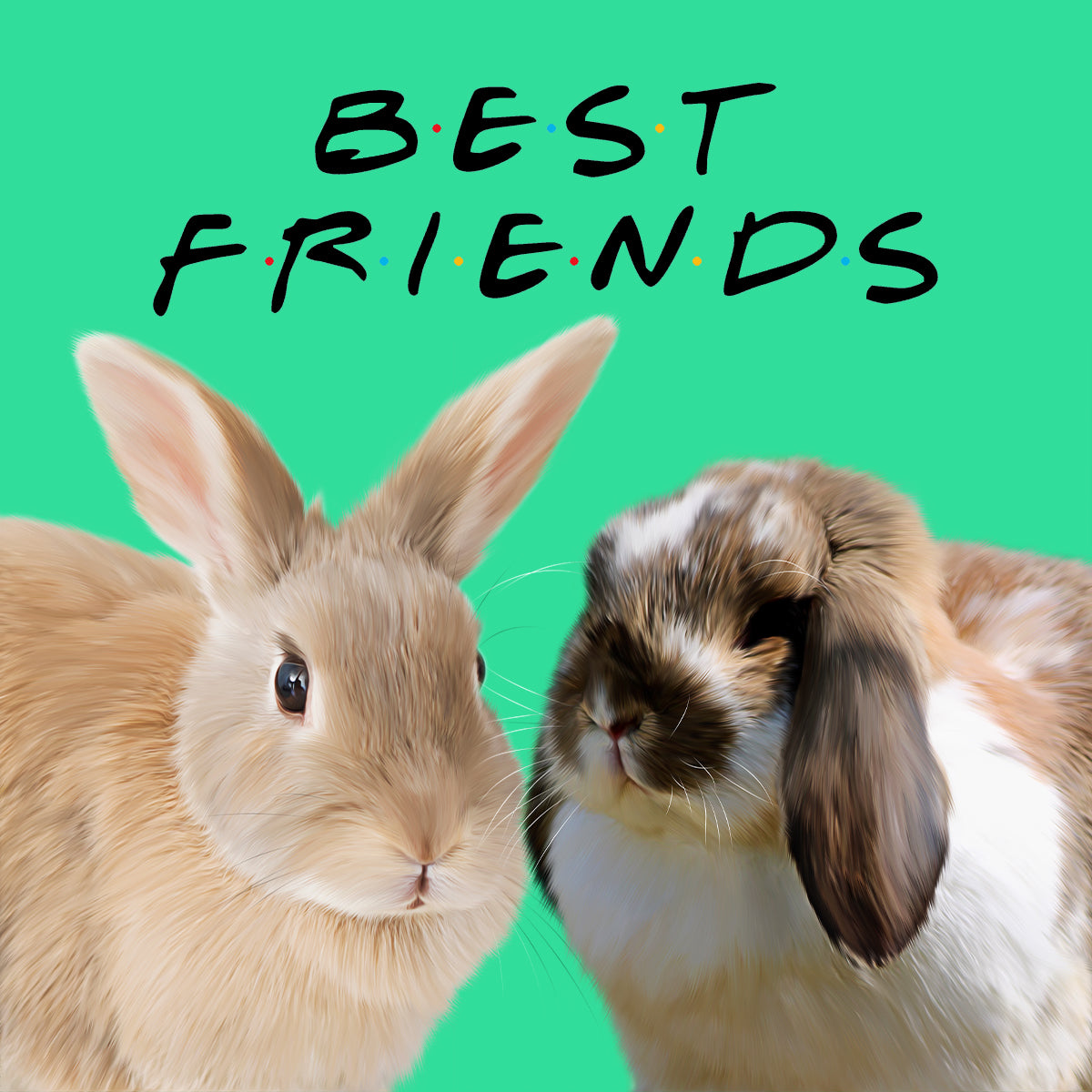
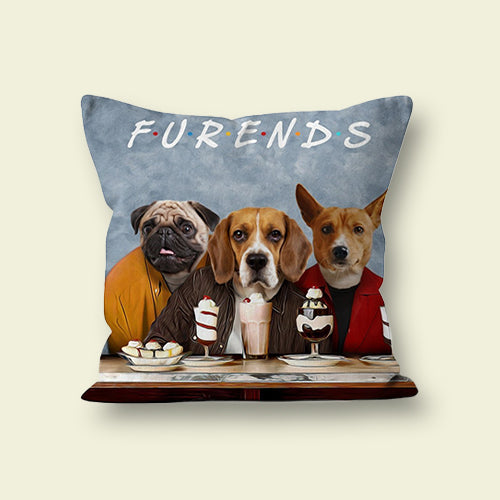
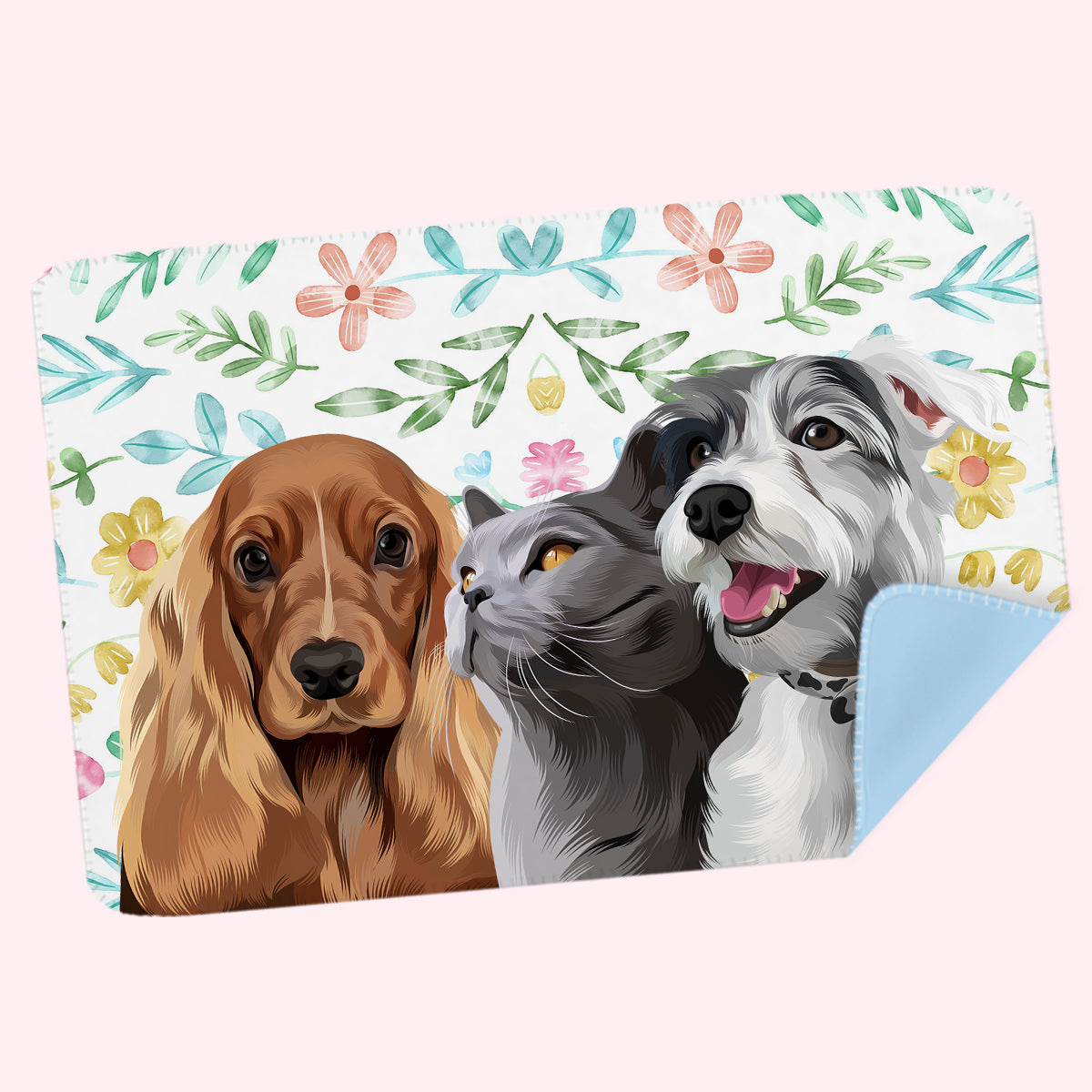
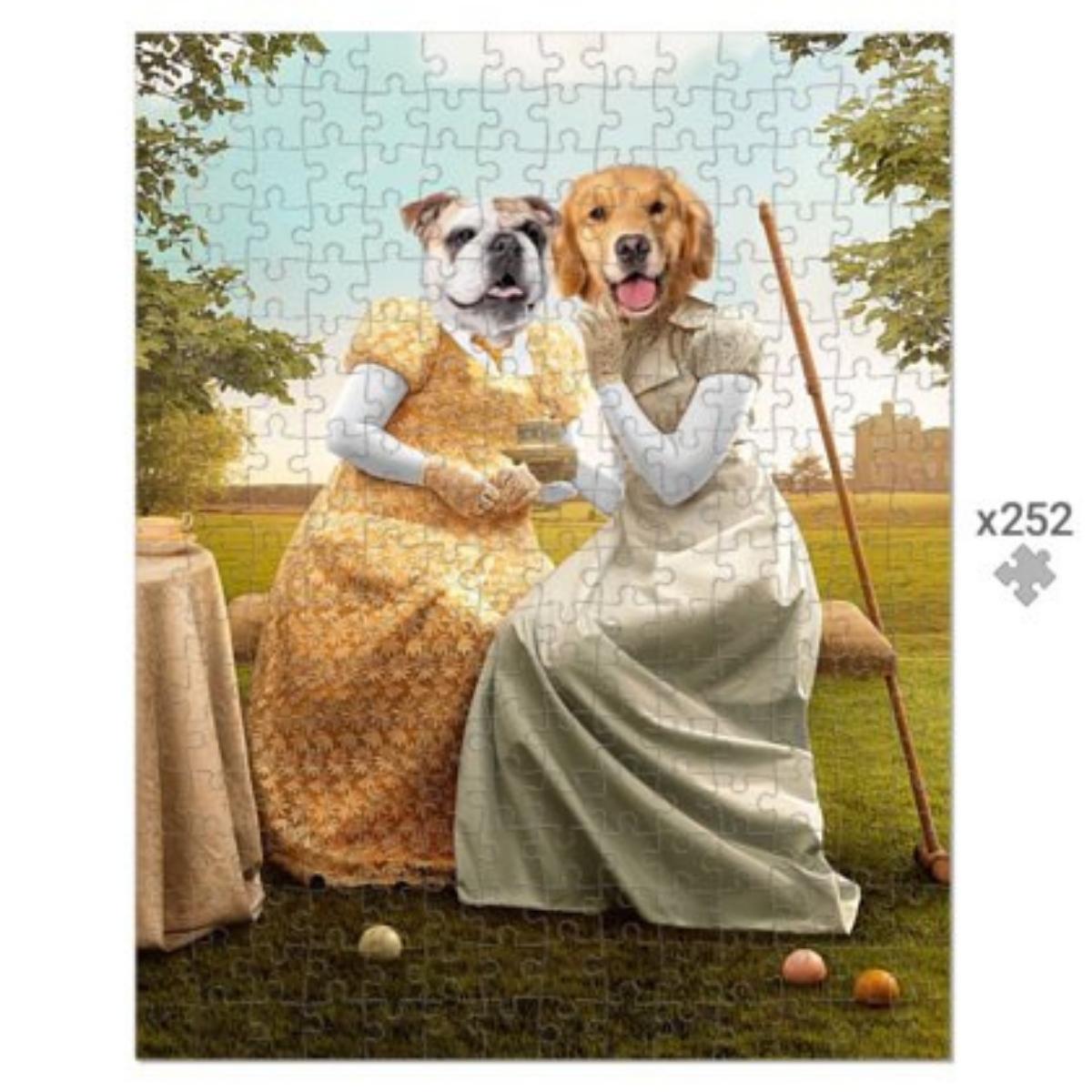
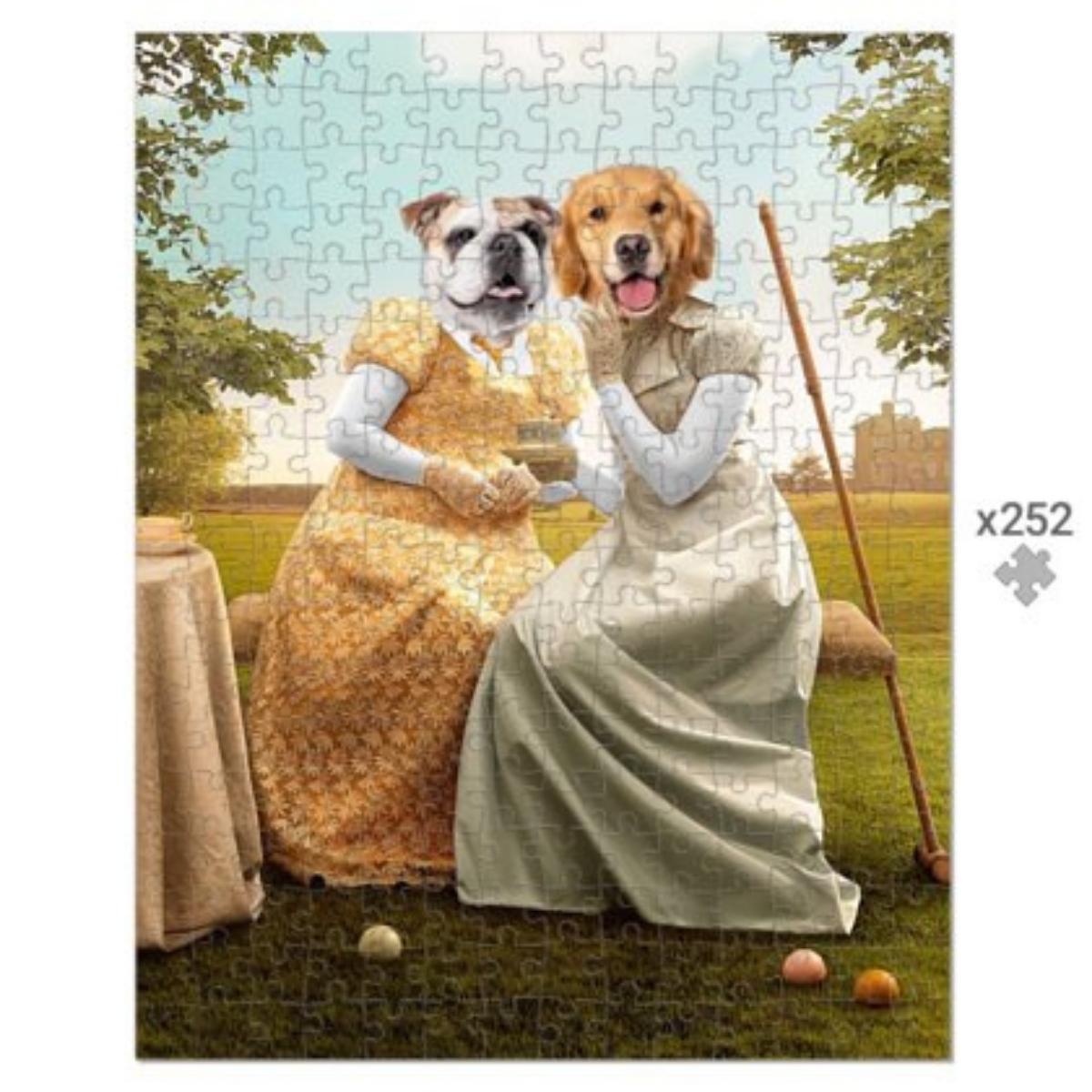
Use clear individual references rather than settling for one group photograph where somebody is blurred, looking away or apparently leaving the family.
Once the image and style are right, compare framed portraits, canvas art and other current formats.
Look at the chosen photograph and ask what makes the animal feel specifically yours. Keep those details visible while browsing custom pet portraits.
August 25, 2026 2 min read
WELCOME TO PAW & GLORY
Get up to 30% off
Join 30,000+ pet owners turning perfectly ordinary photos into gloriously over-the-top works of art.
★★★★★ 2,200+ Five-Star Reviews
Real Artists · Proof Before Print · Unlimited Artwork Revisions