August 11, 2024 4 min read
If your household contains more than one pet, choosing a favourite for the family portrait is generally considered poor diplomacy.
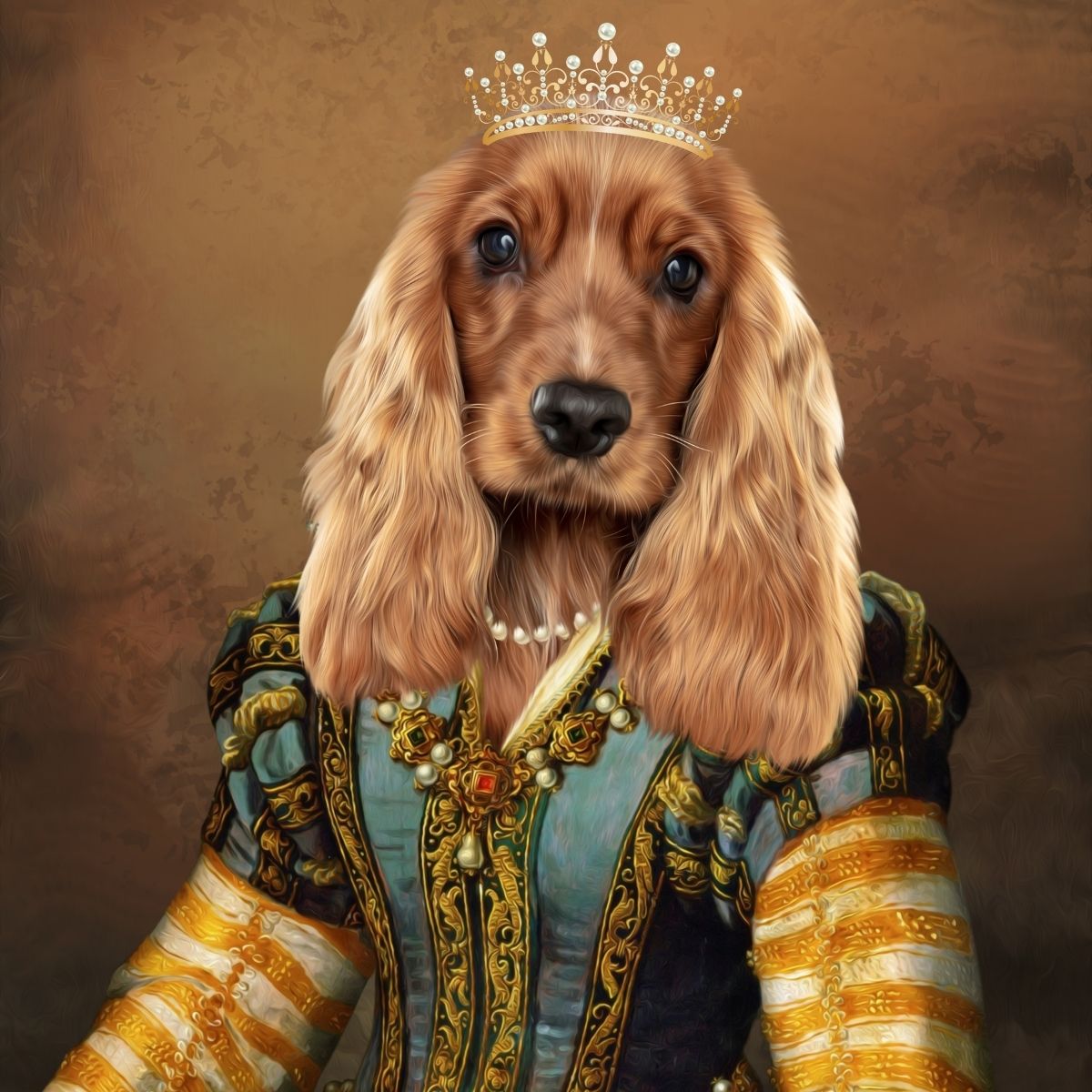
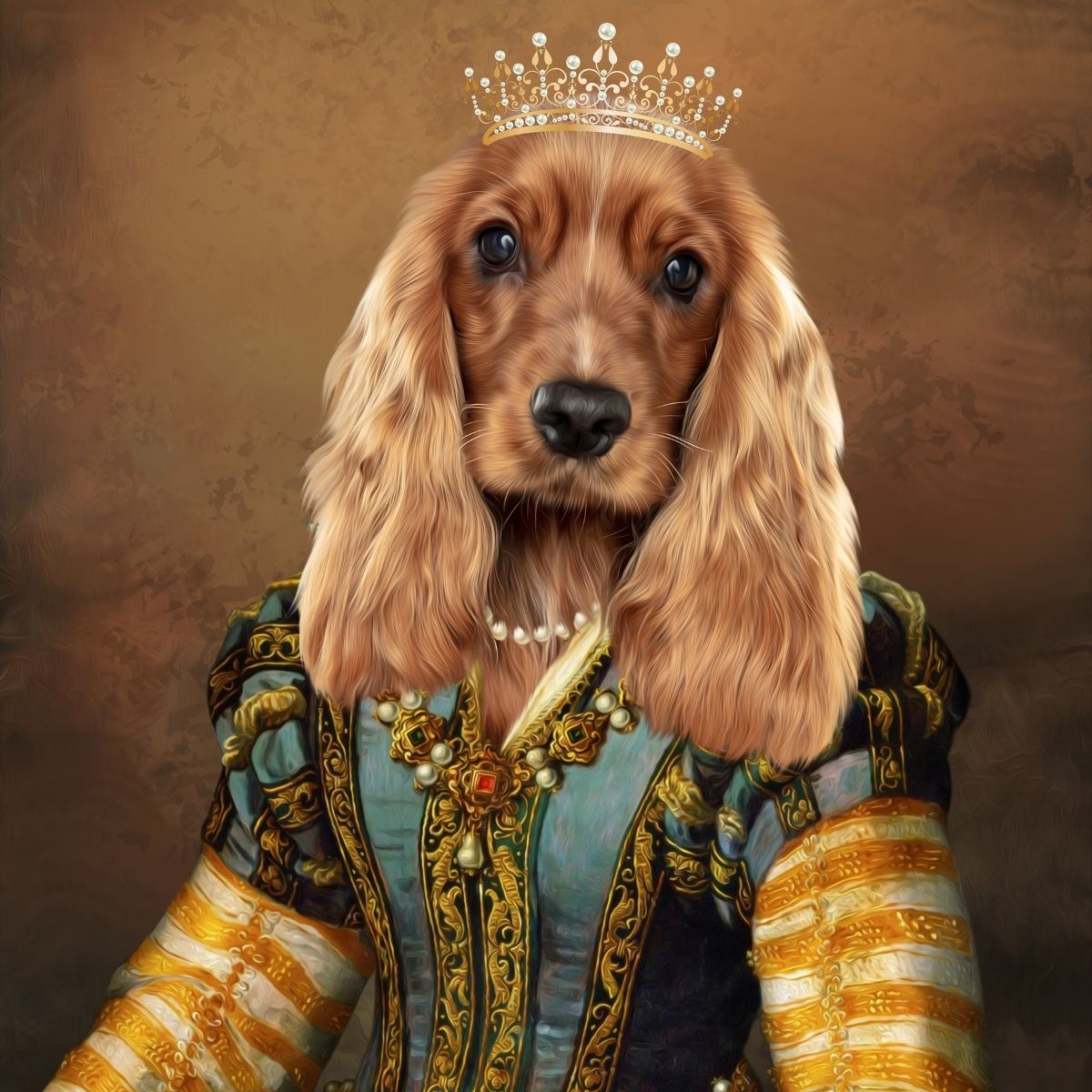
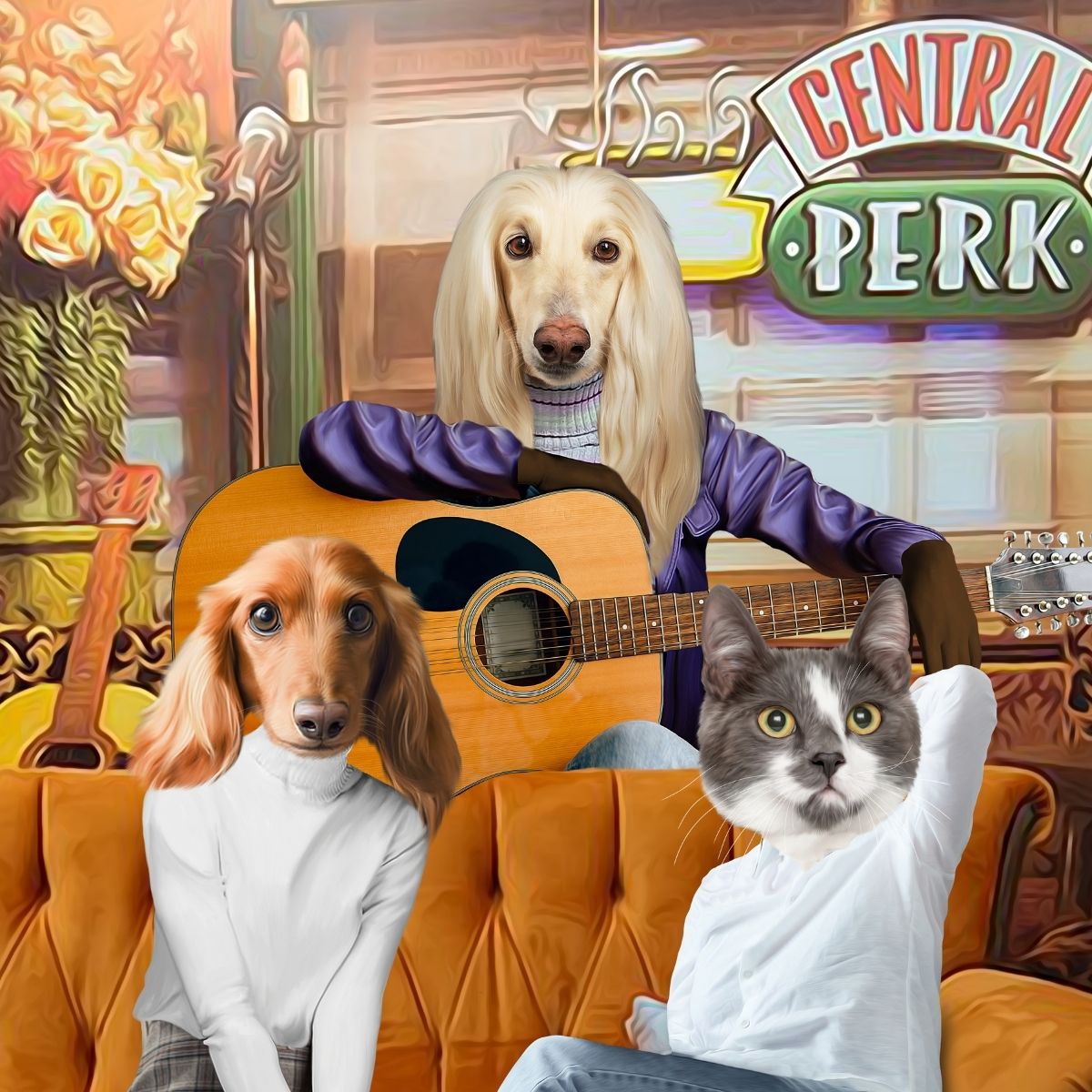
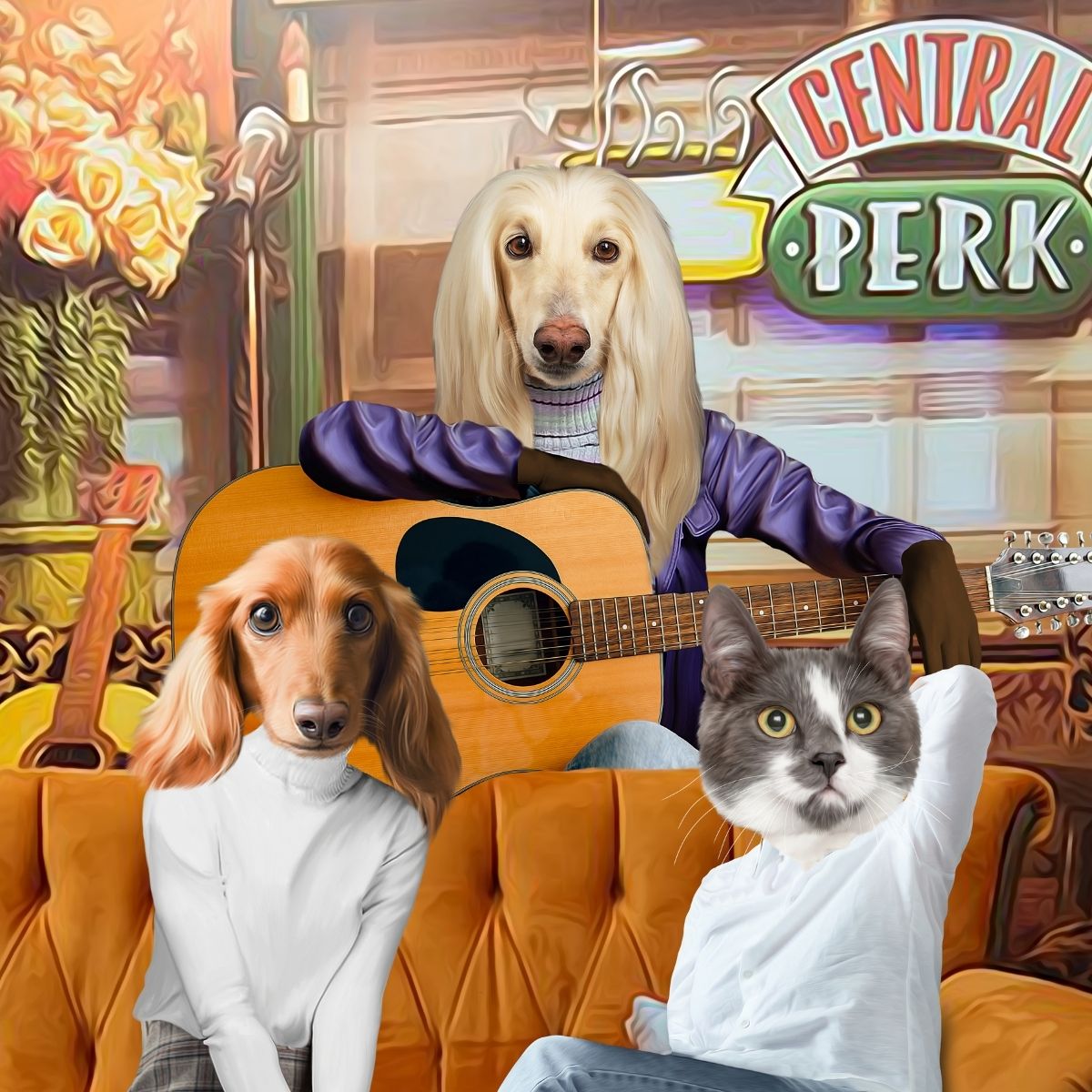
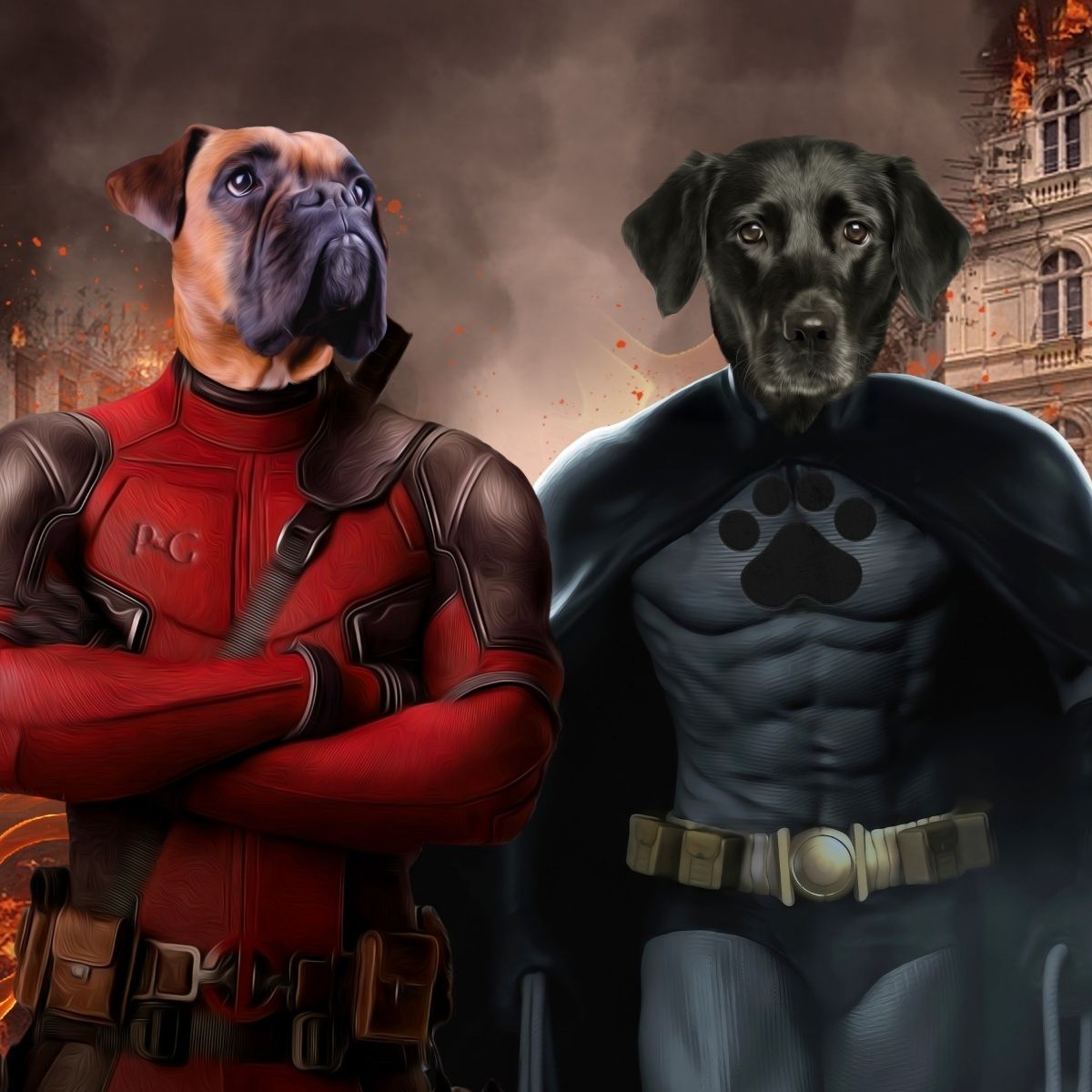
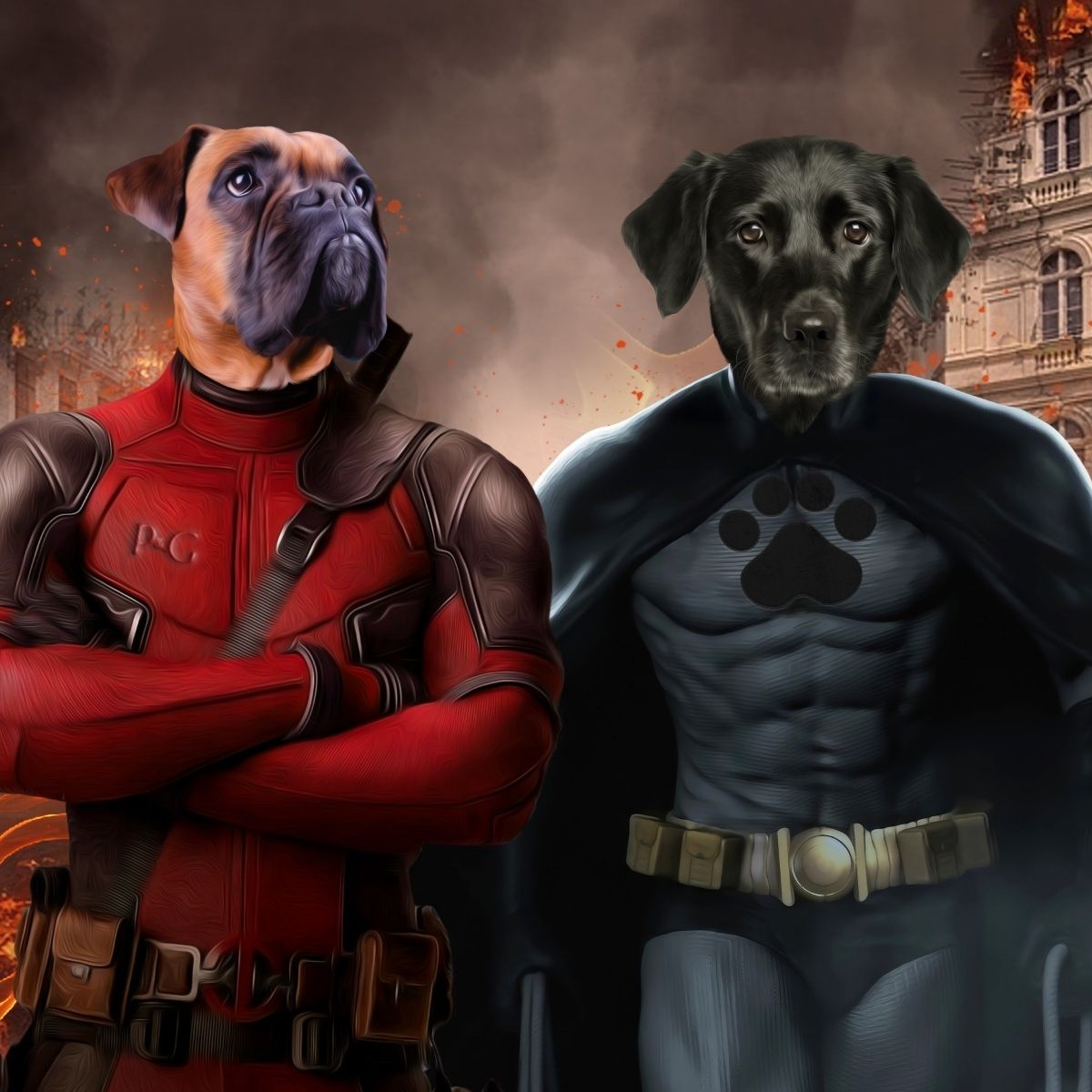
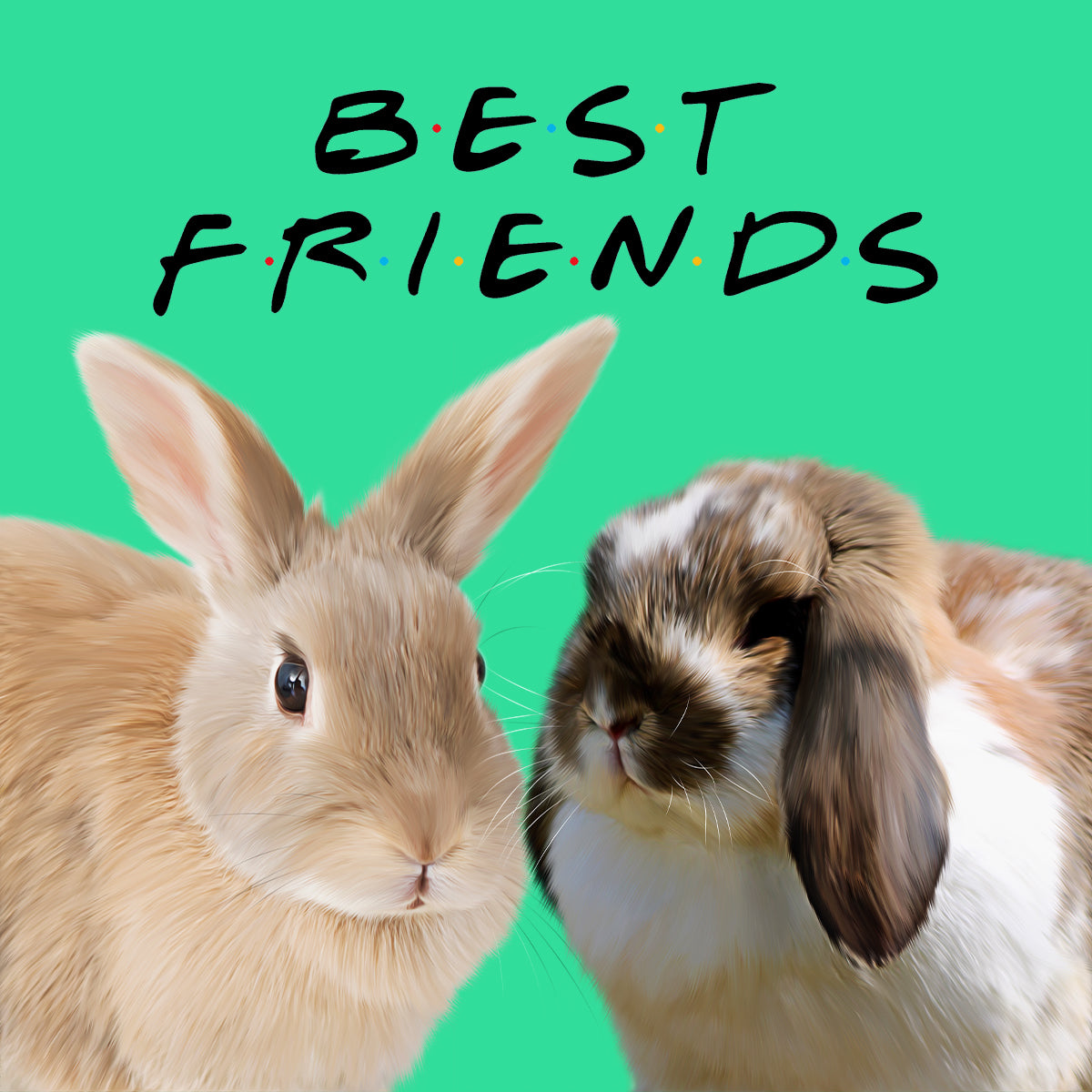
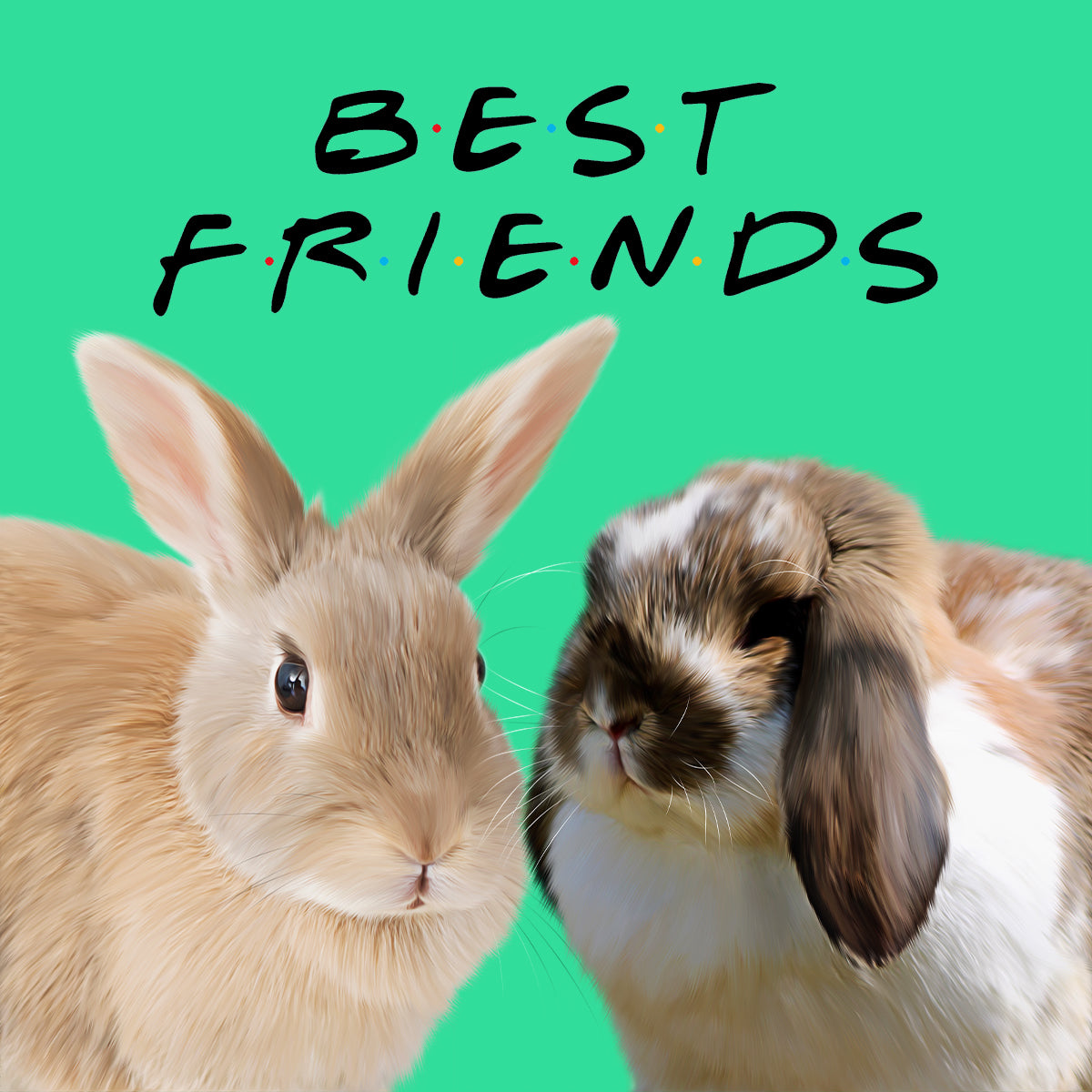
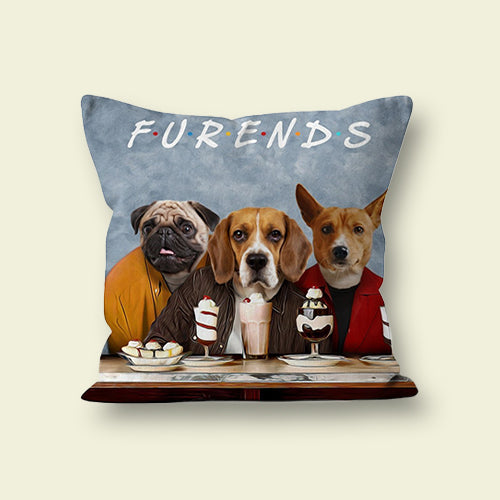
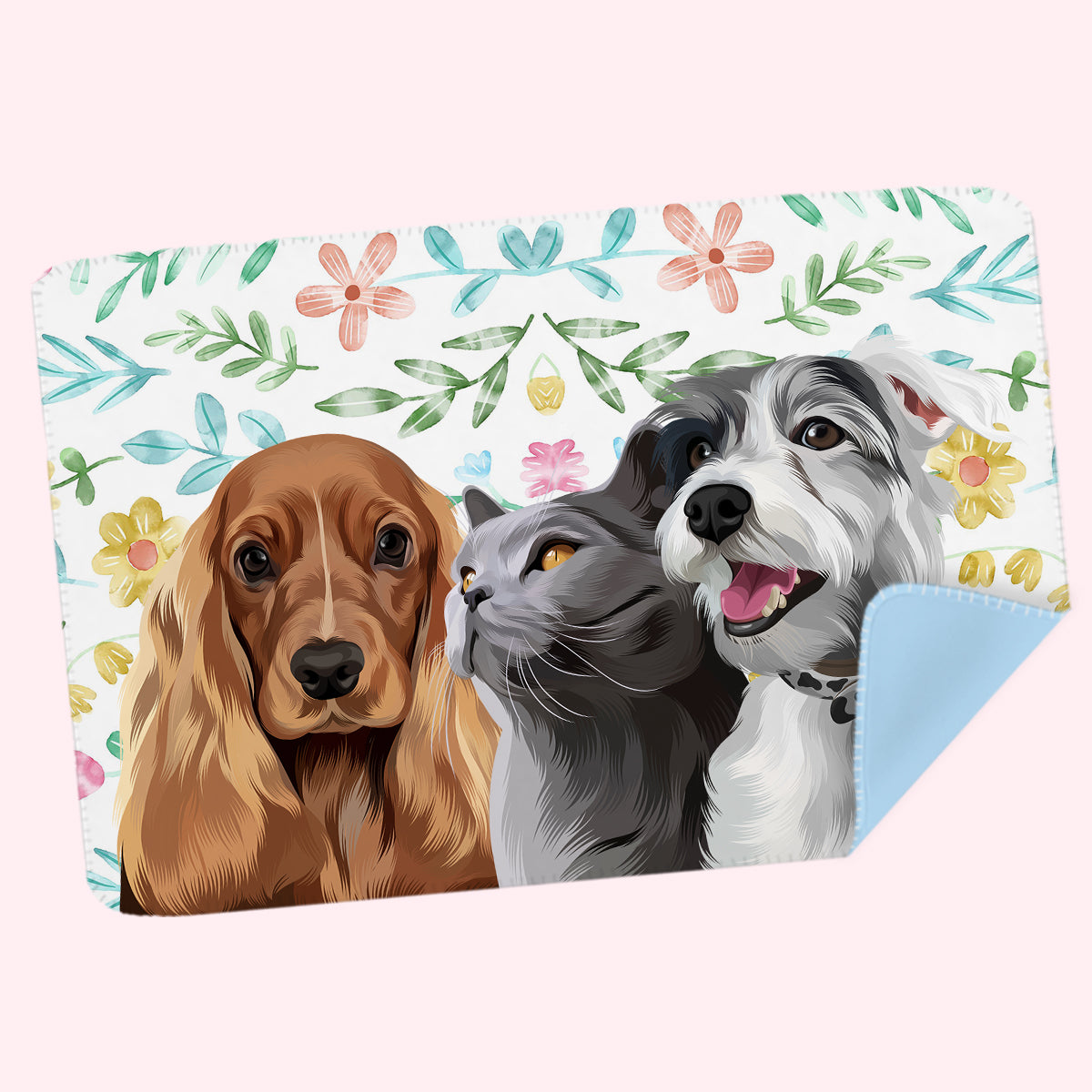
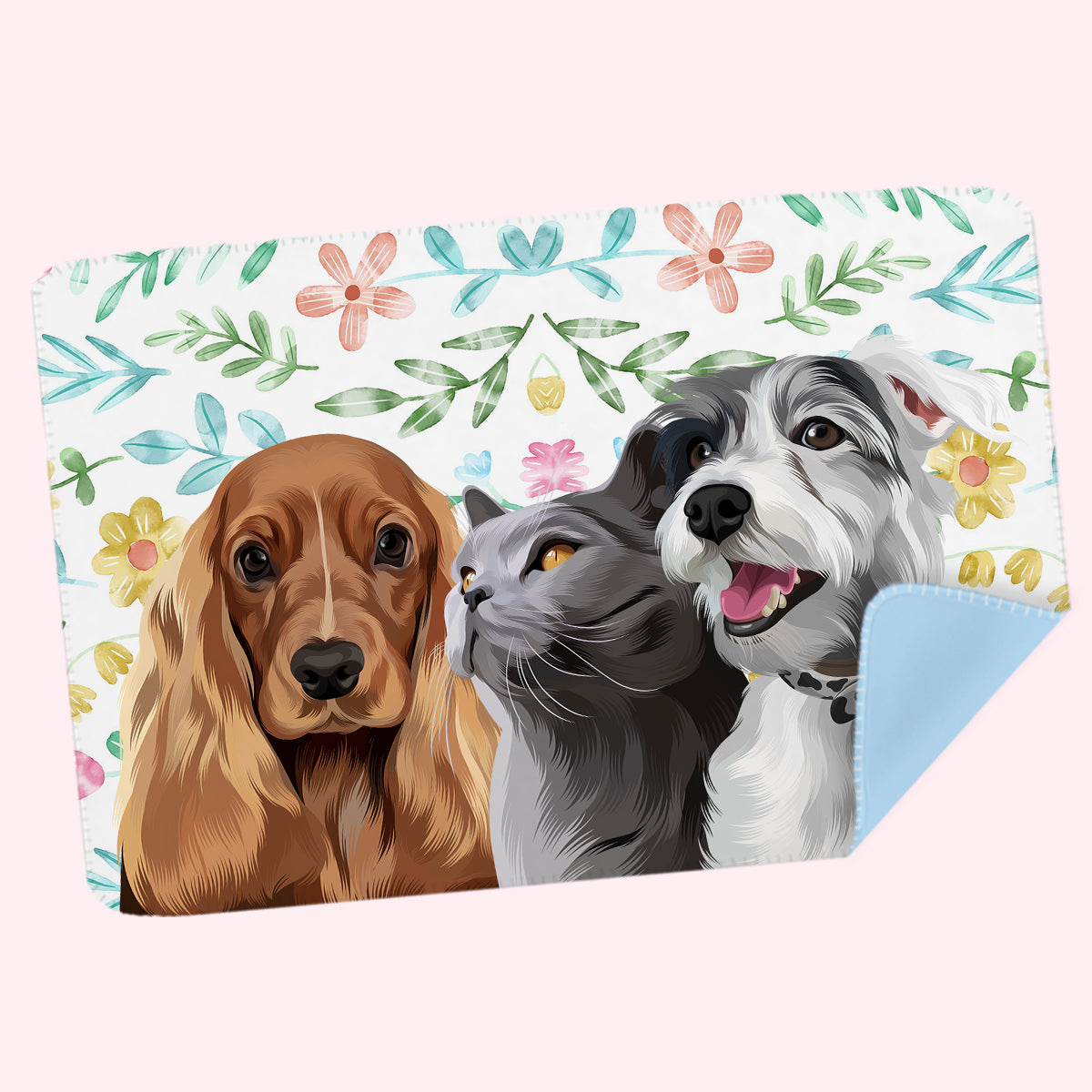
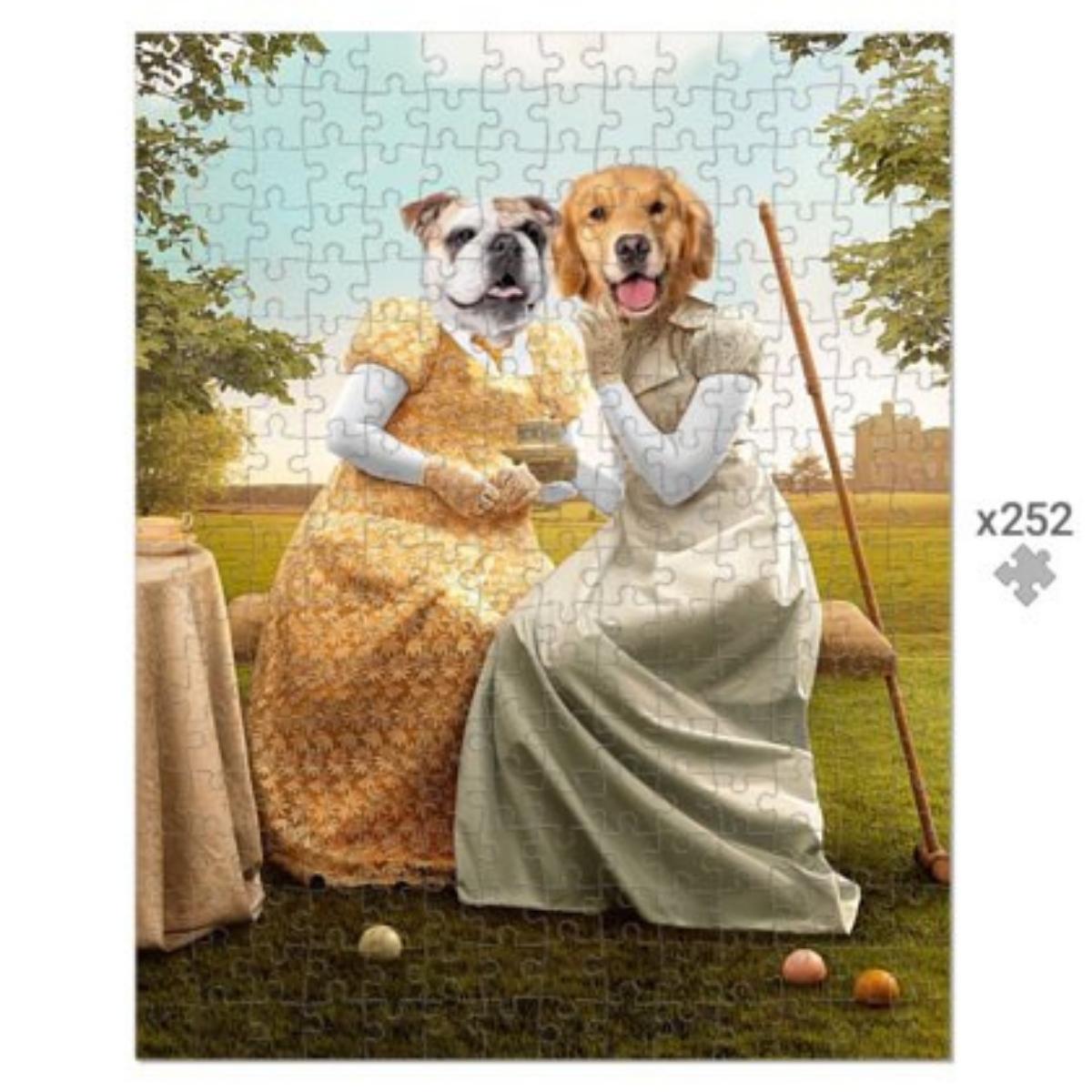
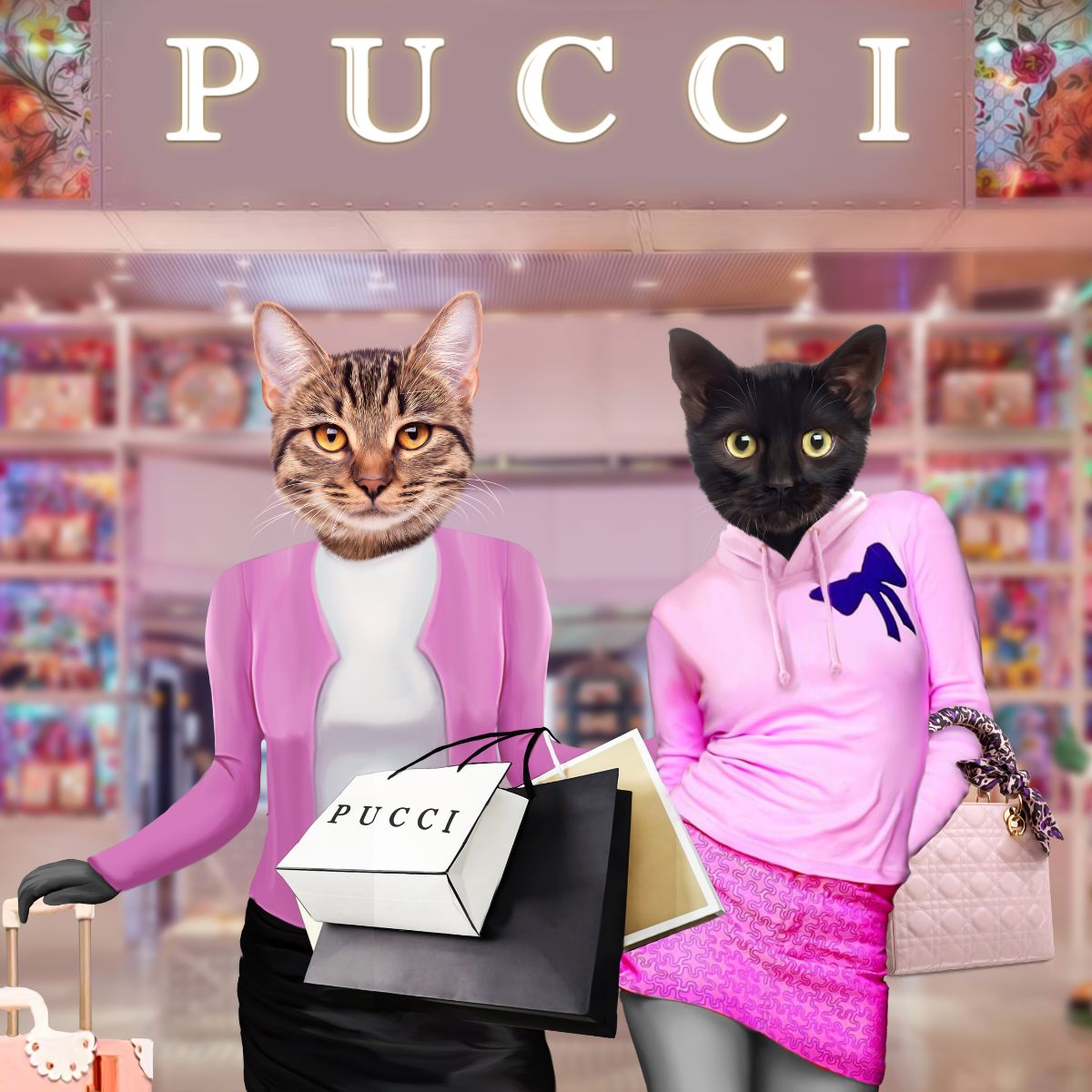
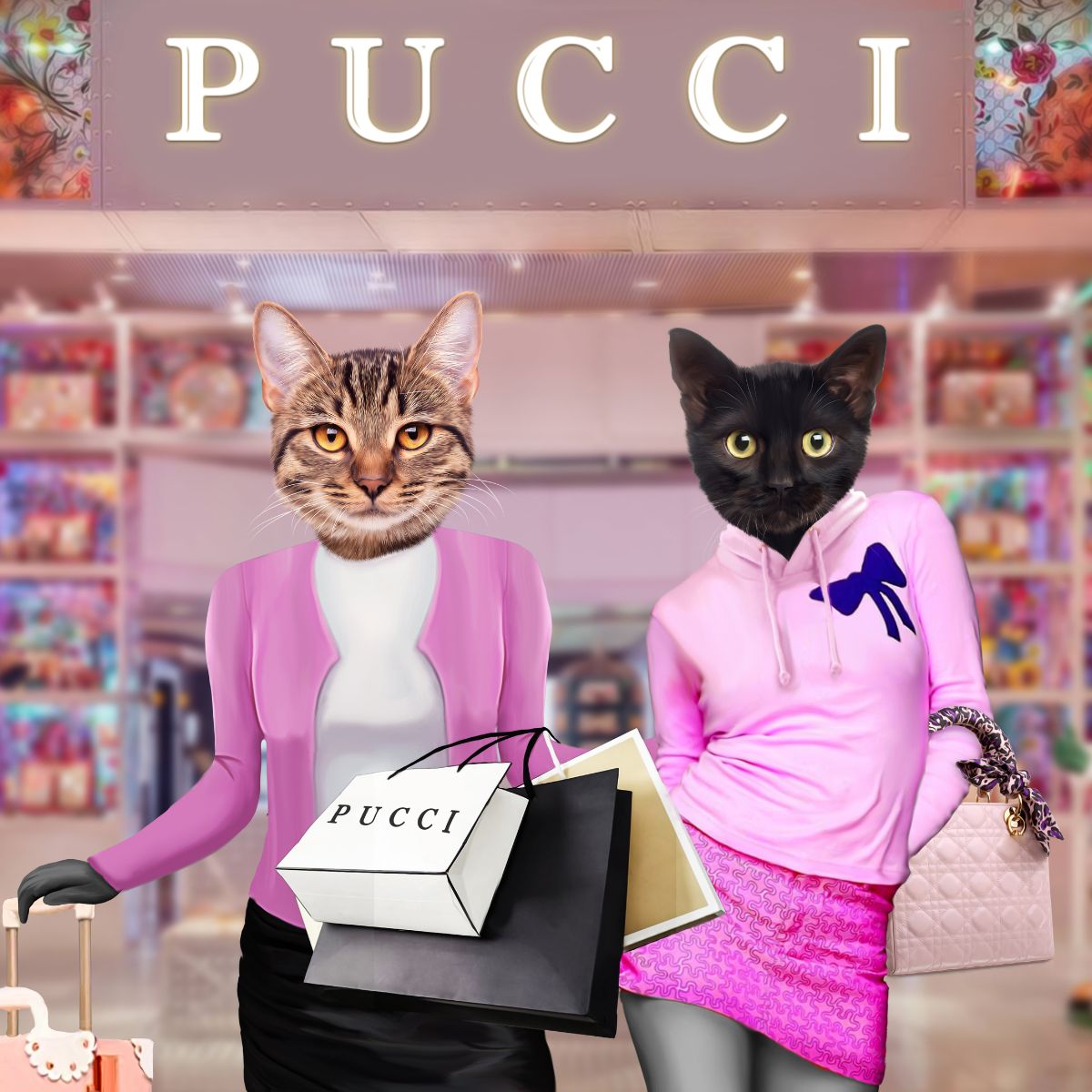
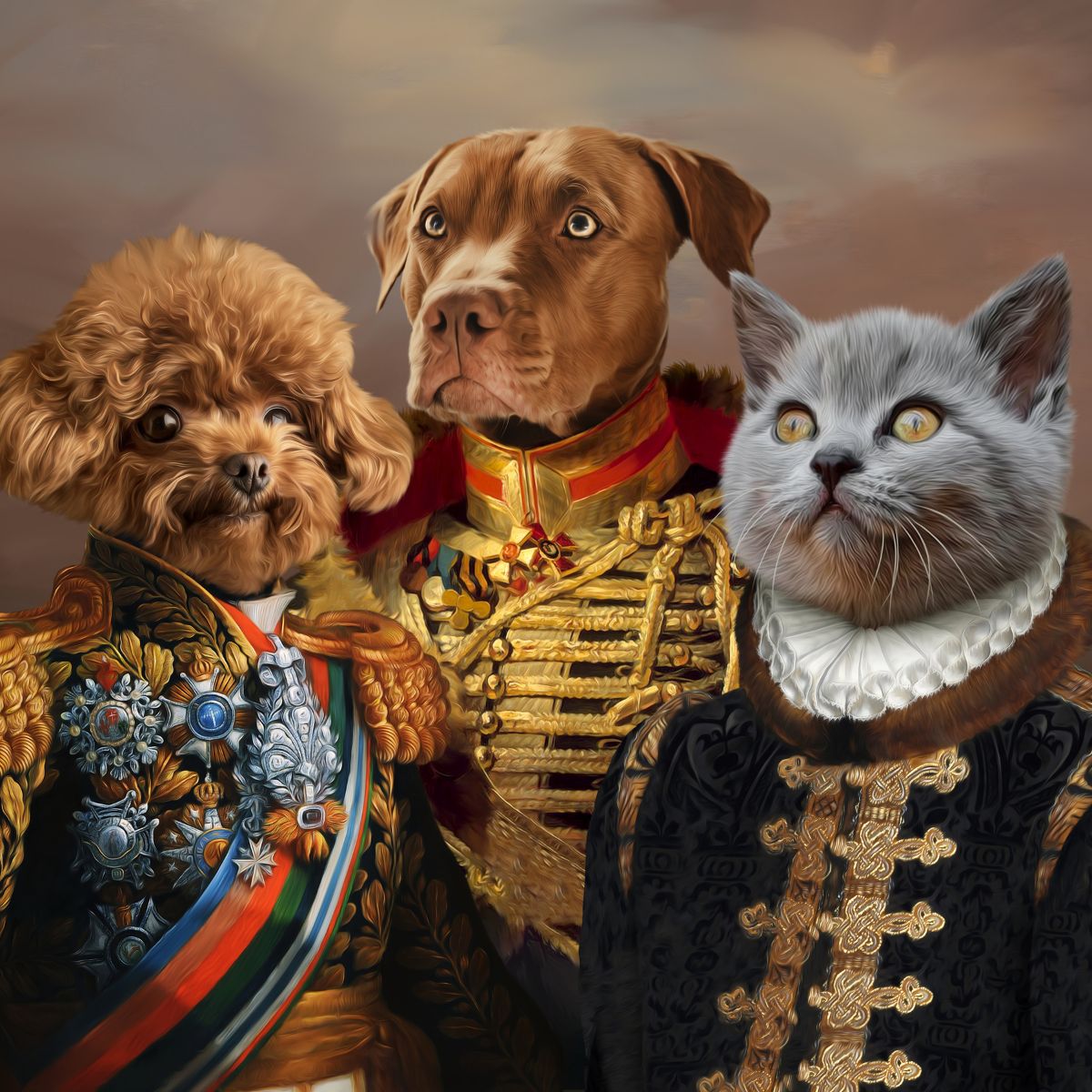
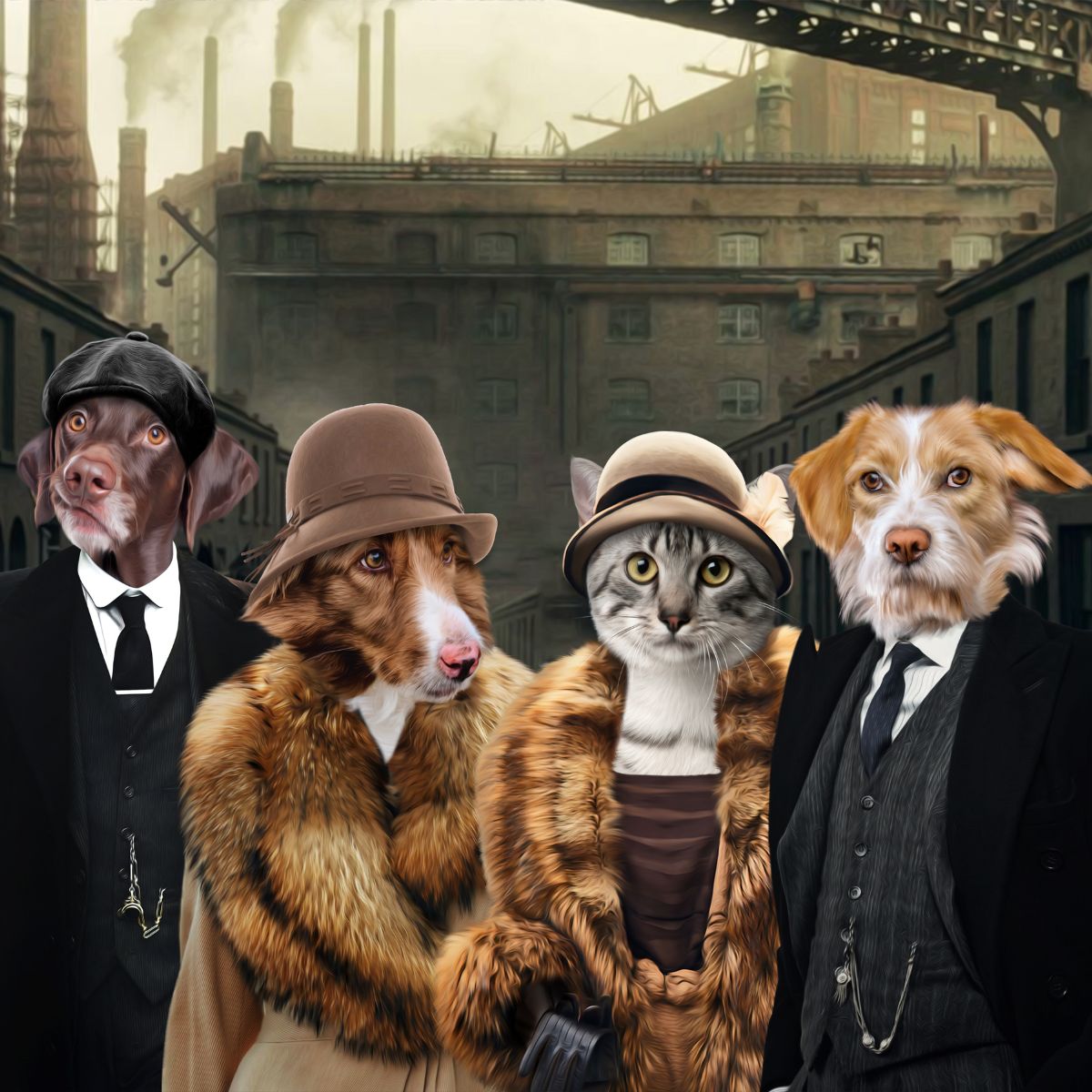
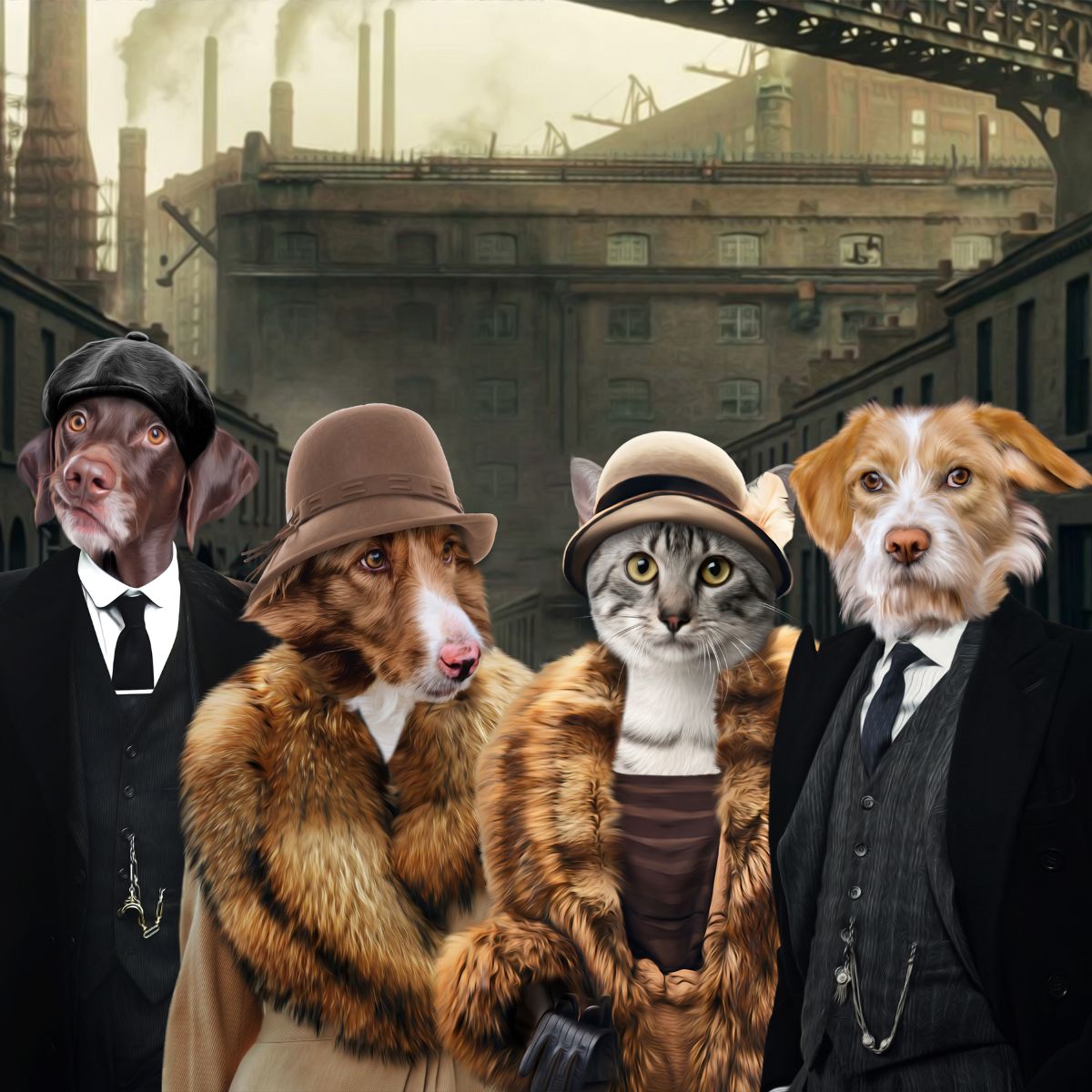
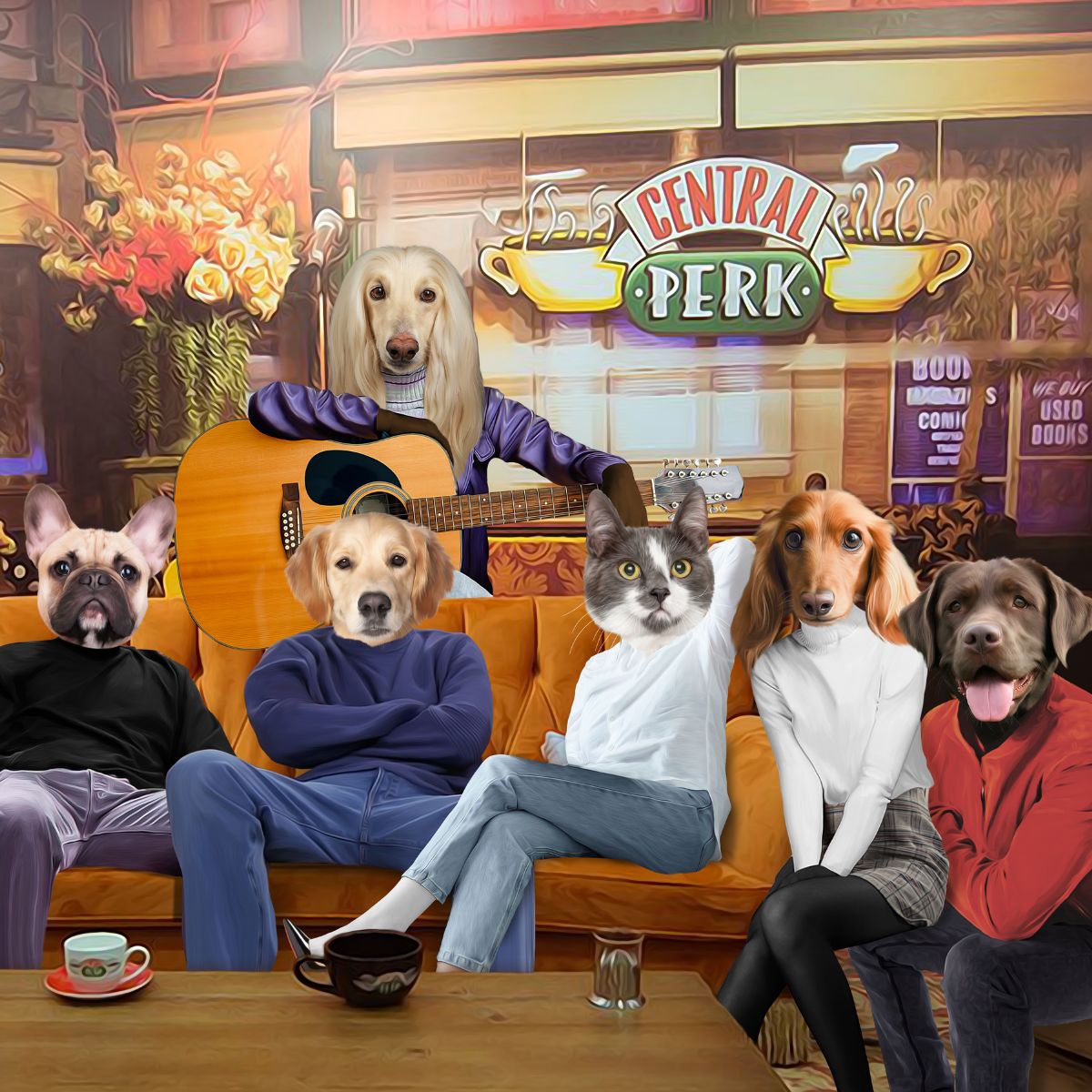
The useful news is that you can include more than one pet in a custom pet portrait. Two dogs, a dog and a cat, three cats, or a small committee of animals who have never once agreed to sit nicely together can all be brought into one piece of artwork.
The trick is not getting them all into the same photograph. The trick is choosing good individual photos and planning the final composition well.
No. In many cases, separate photographs are actually easier to work with.
If your pets are rarely still at the same time, have different personalities, or simply regard group photographs as an unreasonable request, you can usually provide a clear image of each pet separately. The artwork can then bring them together into one finished portrait.
That is particularly useful for pets from different stages of your life, pets who never met, or memorial portraits that combine a much-loved pet with animals who joined the family later.
The right number depends on the design and the finished size. Two or three pets can work beautifully in a wide range of layouts. Larger groups can also work, but the more faces you add, the more important composition and print size become.
Every pet needs enough visual space for their face, markings and expression to remain recognisable. Squeezing five animals into a tiny print simply because mathematics says they technically fit is not the same as creating a good portrait.
If you are planning artwork with several pets, browse our multiple pet portraits to see styles designed for more than one animal.
You do not need matching studio photographs. You do need images where each pet is clear enough to work from.
Natural daylight is ideal. Try to avoid photographs where the face is heavily shadowed, blurred or hidden by furniture, blankets, other pets or the inevitable human hand holding a treat just out of shot.
If possible, choose photographs taken at roughly similar eye level. One pet photographed straight-on and another photographed from high above can make the final group feel less natural.
The photos do not have to be identical. They simply need to give the artist enough information to create a balanced result.
White chest patch, one black ear, unusual eye colour, wonky whiskers. Those are exactly the details that make your pet look like your pet.
If an important marking is not visible in the main photo, keep a second reference image handy.
Absolutely. The artwork is under no obligation to respect whatever domestic treaties are currently in force at home.
A dog and cat can sit together in one composition even if the real pair prefer to maintain a carefully negotiated distance of three metres. The same applies to different breeds, sizes and ages.
What matters is making the proportions and placement feel intentional so one animal does not look strangely enormous or accidentally demoted to background staff.
This is common and usually manageable. A Great Dane and a Chihuahua do not need to appear at literal real-world scale in every artwork, but their relative proportions should still feel believable.
The best composition depends on the portrait style. Pets can be arranged side by side, slightly staggered, or positioned so their faces carry similar visual weight while still preserving the difference between them.
Yes. Separate-photo composition makes this possible without needing a photograph of all the pets together.
For many families, combining a pet who has passed away with current pets creates something more meaningful than a standard group photograph ever could. If the older photo is not perfect, use the clearest version you have and include additional reference photos where useful.
The aim is recognition and character, not pretending every family photo archive was shot by a professional photographer.
Not necessarily. Identical poses can sometimes look too formal, while slightly different expressions can make the finished artwork feel more natural.
What helps is consistency in the general viewing angle and image quality. A relaxed forward-facing dog, a slightly turned cat and another pet looking just off-camera can still sit together comfortably if the overall composition is balanced.
As the number of pets increases, choosing a larger finished size can give the artwork room to breathe.
This is especially worth considering if the design includes detailed clothing, elaborate backgrounds or several distinctive facial markings. A larger print or canvas gives those details more space rather than asking four pets to conduct their entire visual existence inside something barely larger than a sheet of paper.
Start by choosing a style that supports the number of pets you want to include. Then gather one strong photograph for each animal, plus any extra references that show important markings or features.
Before submitting, check:
Then keep an eye out for your artwork proof. That is your chance to review how the pets sit together before the finished piece is produced.
The biggest advantage of a multiple-pet portrait is that your animals never need to cooperate at the same time.
You can choose the best photograph of each pet and bring them together in one piece of artwork that feels like the family portrait they were never going to pose for voluntarily.
Browse our multiple pet portrait collection to find designs made for two, three or more pets.
Comments will be approved before showing up.
September 09, 2026 5 min read
WELCOME TO PAW & GLORY
Get up to 30% off
Join 30,000+ pet owners turning perfectly ordinary photos into gloriously over-the-top works of art.
★★★★★ 2,200+ Five-Star Reviews
Real Artists · Proof Before Print · Unlimited Artwork Revisions