June 28, 2024 4 min read
A custom pet portrait deserves slightly better than being propped behind the router for six months while everyone debates where to hang it.
The good news is that pet artwork can work in almost any room when the scale, position and surrounding décor feel intentional. Whether you have one framed portrait, a statement canvas or enough pet artwork to qualify as a private collection, here are ten practical ways to display it at home.
A gallery wall works particularly well when you have several portraits, family photographs or pieces of art that belong together.
Start with one main portrait as the visual anchor, then build around it using smaller frames. You do not need every frame to match, but repeating one or two finishes helps the wall feel collected rather than accidental.
Before reaching for a hammer, lay the arrangement on the floor and photograph it. Rearranging frames on a carpet is considerably less irritating than repeatedly repairing a wall.
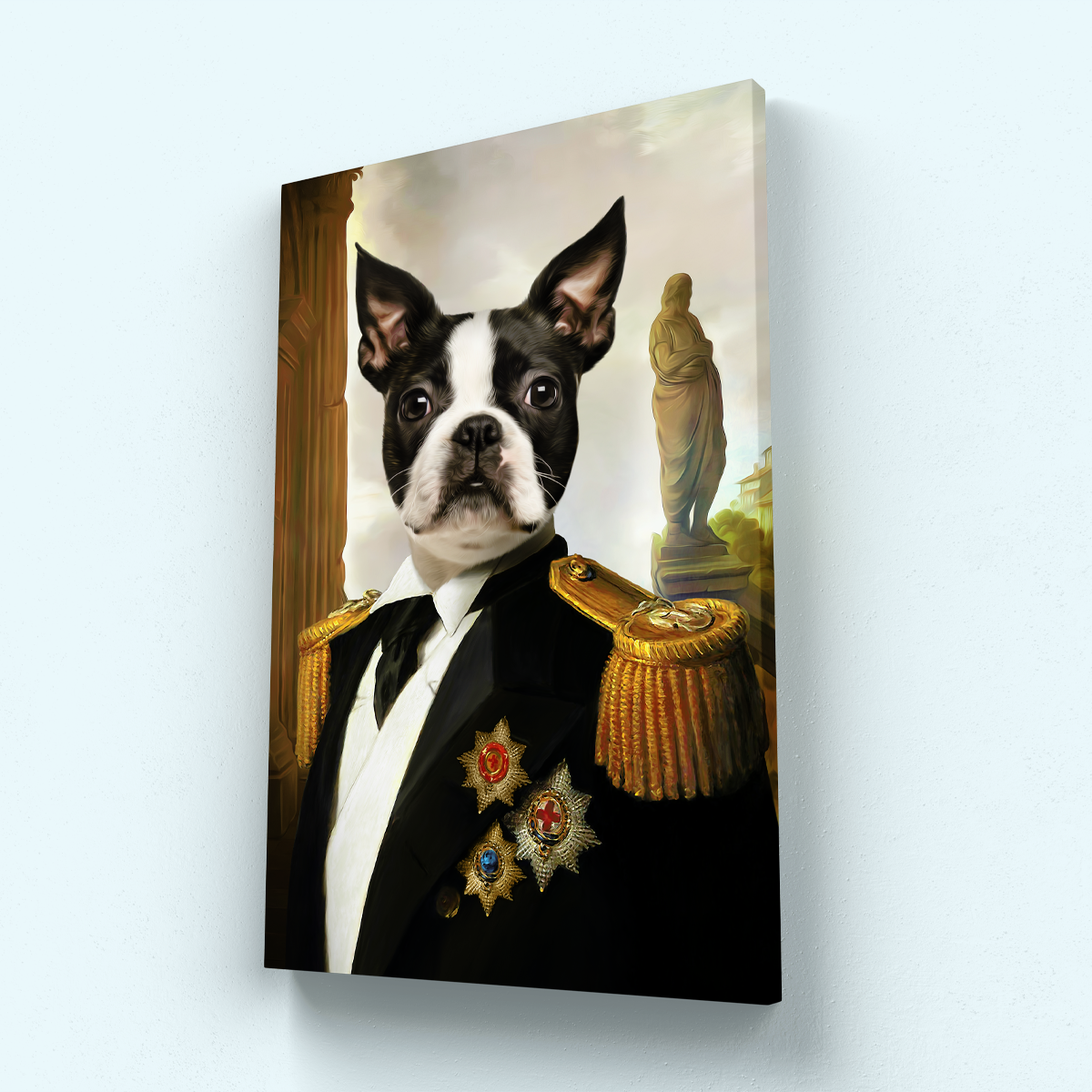
If you have a larger portrait or a particularly dramatic design, let it have the wall to itself.
Above a mantel, sideboard or console table is usually a natural position because the furniture gives the artwork a visual anchor. Leave enough space around the portrait so the design can breathe rather than surrounding it with every decorative object you have ever acquired.
Hallways are useful because they often have plenty of wall space and very little competing furniture.
A row of pet portraits can make a long hallway feel more personal, while a single larger piece works well at the end of the space. If you are hanging several artworks, keep the centres at a reasonably consistent height so the arrangement feels deliberate.
If committing to exact frame positions feels unnecessarily permanent, a picture ledge is a forgiving option.
Layer framed portraits of different sizes, with larger pieces behind smaller ones. You can add books, small plants or simple objects, but the artwork should remain the main event. The advantage is that the arrangement can be changed without introducing another set of holes into the wall every time your taste changes.
A staircase gives you vertical space that is often ignored. It is particularly good for a sequence of portraits, photographs or artworks collected over time.
Follow the rise of the stairs rather than forcing the frames into a straight horizontal line. Similar spacing between pieces will make even mixed frame styles feel coherent.
A pet portrait can make a home office feel less like a temporary administrative punishment and more like part of the house.
Hang it behind or beside the desk, or use a smaller framed print on a shelf. If the room is already visually busy, one strong portrait is usually enough.
If your pet already has a bed, basket or favourite corner, placing their portrait nearby can create a natural little feature.
Keep the arrangement simple: the portrait, the pet's space and perhaps one or two personal items. There is no requirement to construct a shrine to the tennis ball collection unless the household feels strongly about it.
Not every portrait needs to dominate the living room. A bedroom, reading corner or quieter landing can suit artwork that feels more personal or sentimental.
This is particularly useful for memorial portraits or softer styles where you may prefer the piece to feel intimate rather than decorative.
If you have several individual pet portraits, display them as a family rather than allowing one Labrador to mysteriously acquire better wall status than everyone else.
Matching frame sizes work well, but they are not essential. What matters more is balanced spacing and a clear relationship between the pieces.
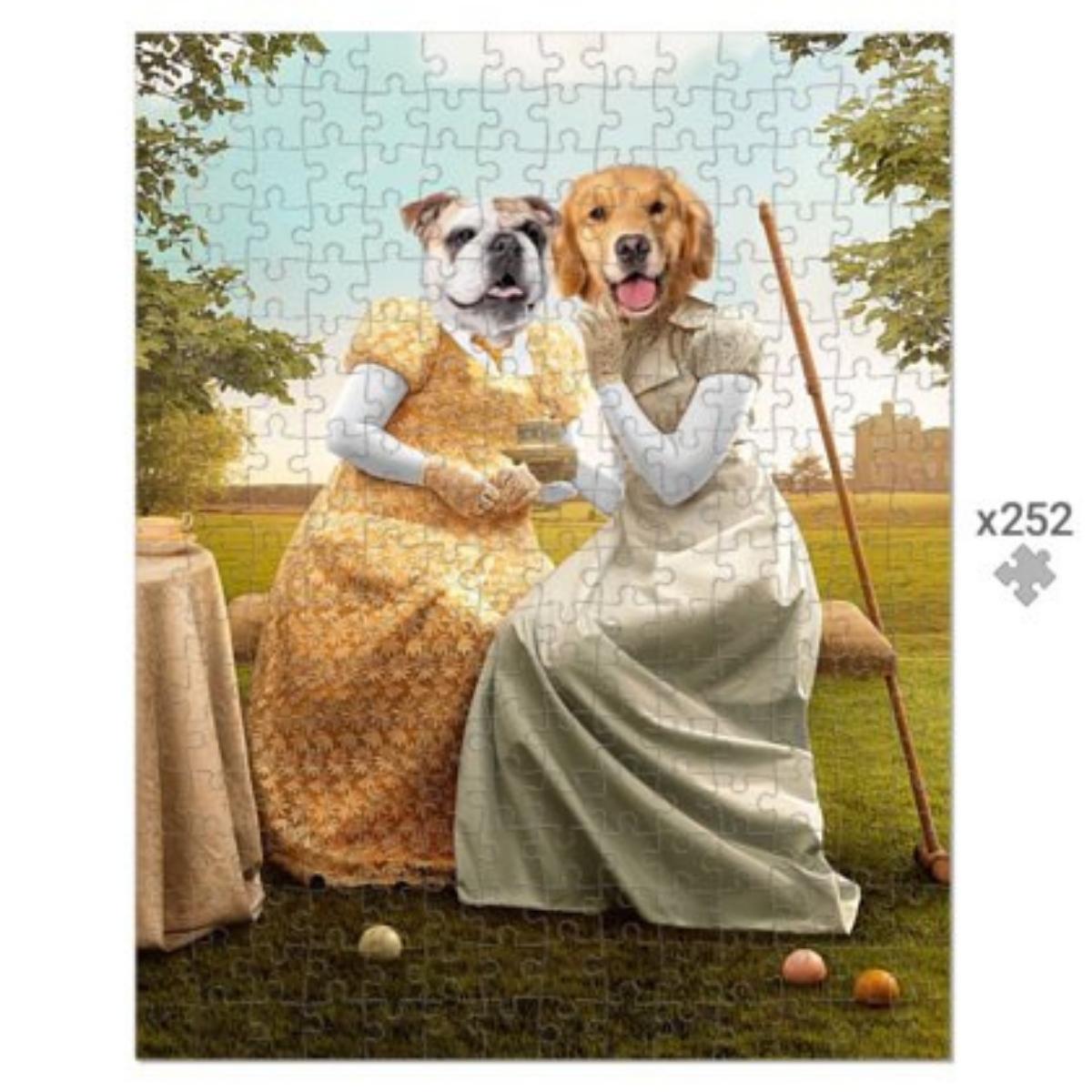
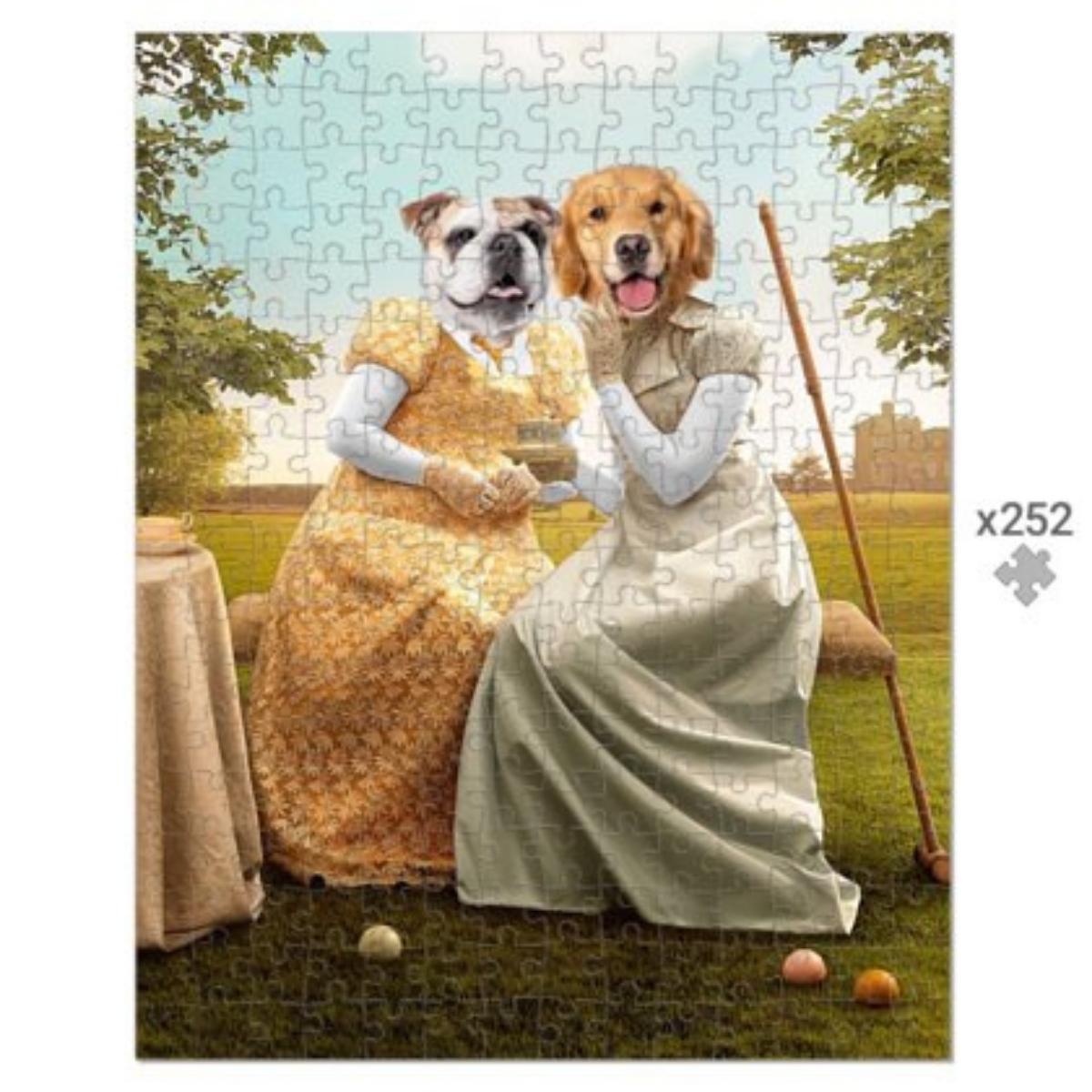
If you prefer everyone in one artwork, a multiple pet portrait can create the same family effect without requiring the animals to cooperate for a group photograph.
If you own several portraits, you do not have to hang all of them permanently.
Rotating pieces seasonally or simply when you fancy a change keeps a room feeling fresh and gives different artworks their moment. It is also considerably cheaper than redecorating because you became bored on a Sunday afternoon.
For a standalone piece, aim for the centre of the artwork to sit roughly around normal eye level. If it hangs above furniture, treat the portrait and furniture as one composition rather than placing the artwork halfway towards the ceiling.
Large gaps can make the portrait look disconnected from the furniture beneath it. Too little space can make the whole arrangement feel cramped.
Think about the wall before the artwork.
The most common display mistake is choosing a portrait that is far too small for a large empty wall. A tiny frame floating above a three-seat sofa can look less like intentional styling and more like the artwork has become lost.
They should complement it, but they do not need to disappear into it.
Black or simple neutral frames are versatile in modern spaces. Warmer wood tones can work beautifully in traditional or relaxed interiors. If the artwork itself is dramatic, a simpler frame usually lets the portrait do the talking.
The best place for a pet portrait is somewhere you will actually enjoy seeing it.
Choose the room first, then think about scale, surrounding furniture and how much visual attention the artwork deserves. A gallery wall can be brilliant, a mantel can be elegant and a hallway can become unexpectedly good real estate.
What matters is that the finished display feels like part of your home rather than something added as an afterthought.
Browse our custom pet portraits if the wall is ready but the important furry subject has not yet been immortalised.
Comments will be approved before showing up.
September 09, 2026 5 min read
WELCOME TO PAW & GLORY
Get up to 30% off
Join 30,000+ pet owners turning perfectly ordinary photos into gloriously over-the-top works of art.
★★★★★ 2,200+ Five-Star Reviews
Real Artists · Proof Before Print · Unlimited Artwork Revisions