August 29, 2026 4 min read
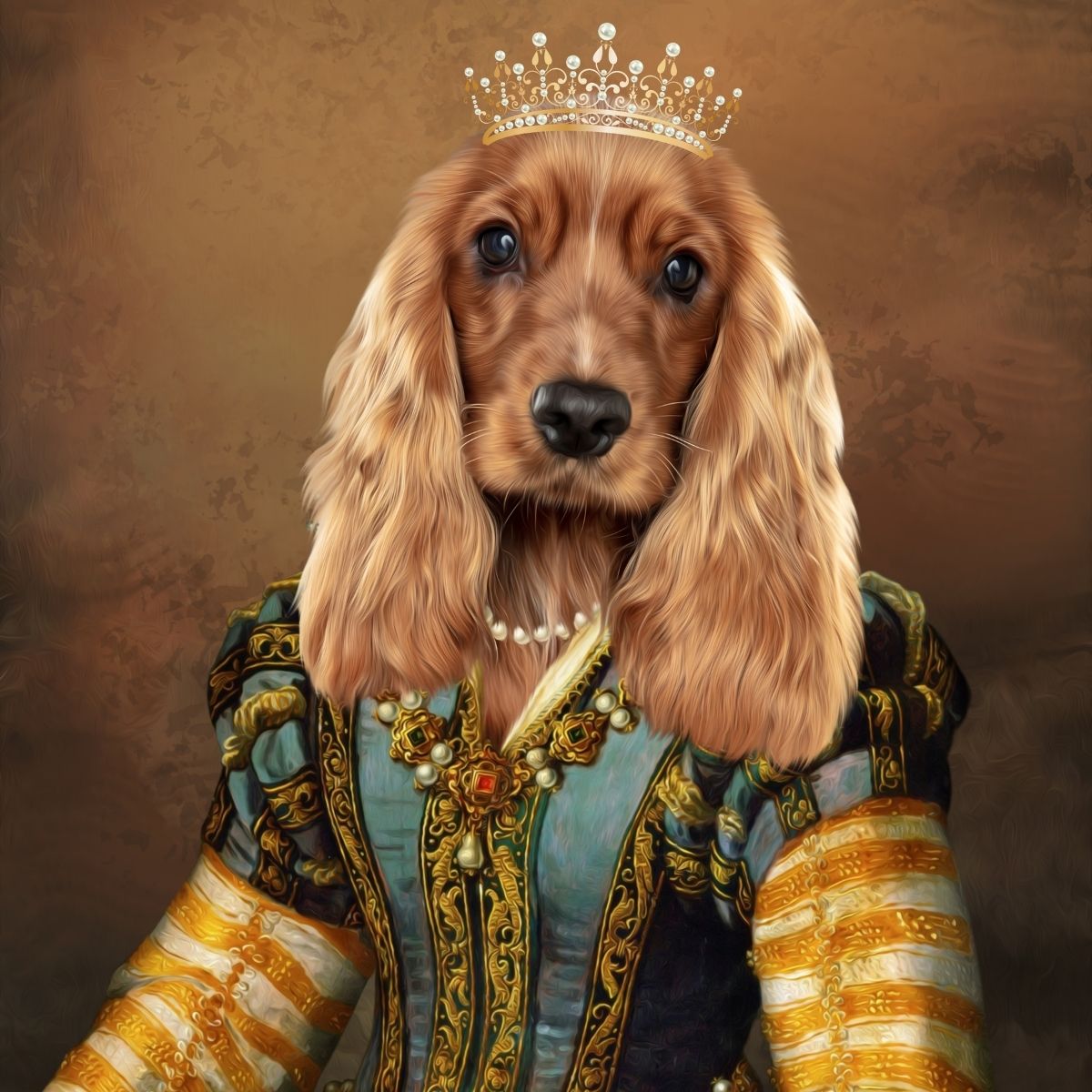
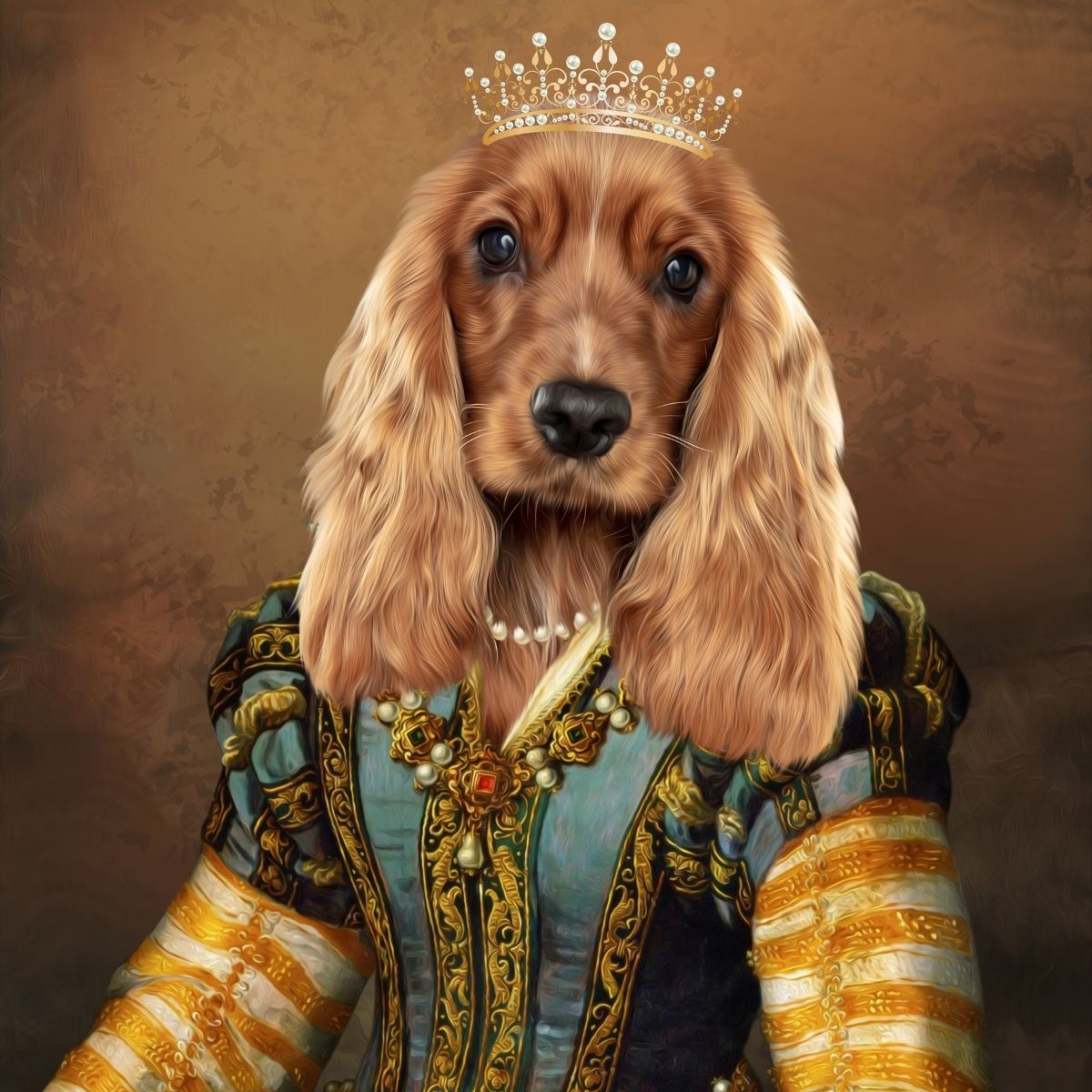
For most pet portraits, a head-and-shoulders crop works best when your pet’s face and expression are the main event. A full-body photo is usually the better choice when posture, coat markings, tail, proportions or a distinctive pose are part of what makes them recognisable. There is no universally correct crop. The useful question is: what do you most want the finished portrait to preserve?
Choose a headshot pet portrait when the eyes, ears, face shape and expression carry most of the personality. Choose a full-body pet portrait when the pet’s stance, silhouette, coat pattern or pose matters just as much as the face.
If you are still choosing your main image, our pet portrait from photo guide covers the wider photo-selection process, while our pet photo angle guide compares front-facing and side-profile references.
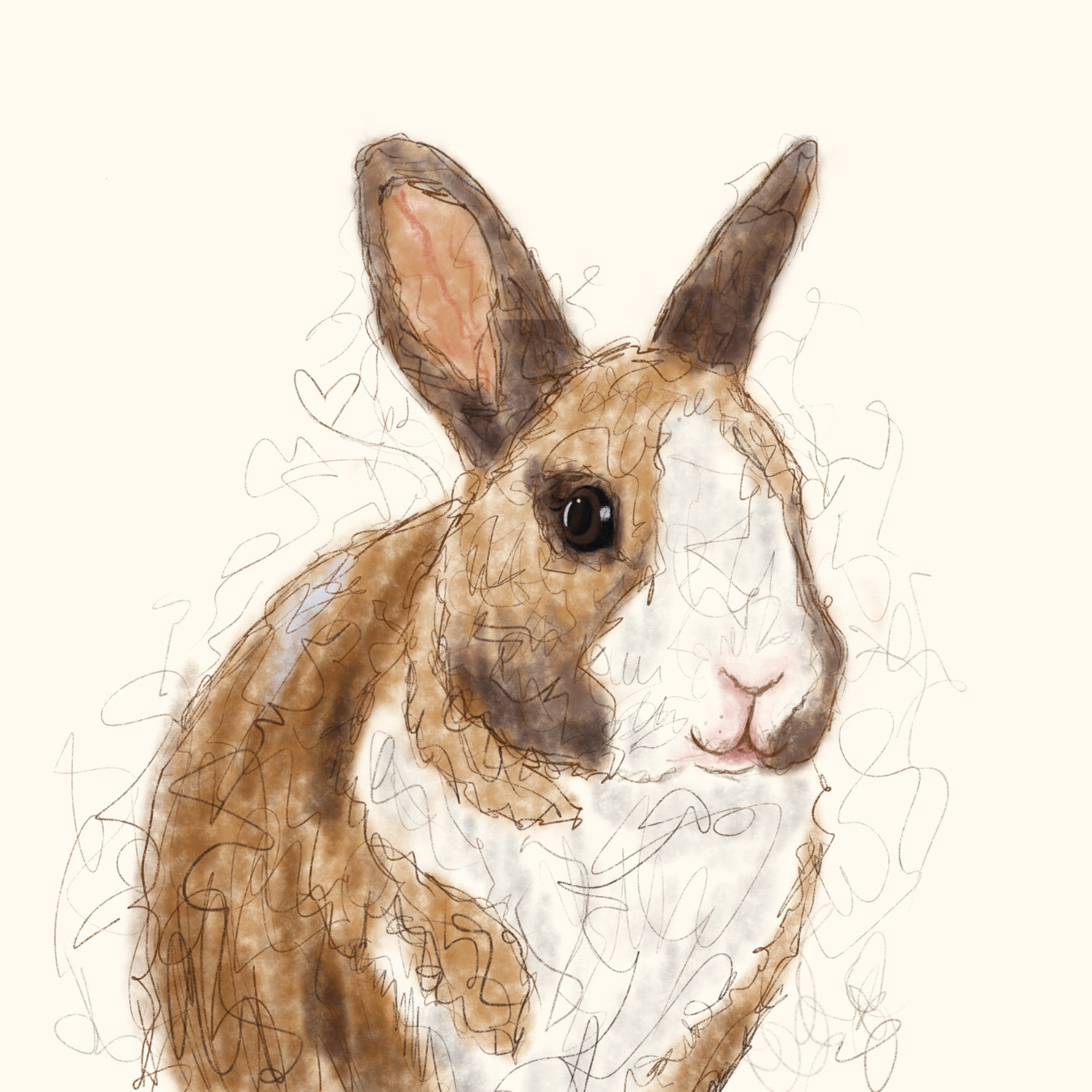
A close crop gives the face more visual space. That can be useful when the features you care about are small: unusual eye colour, a crooked ear, a white blaze, a dark muzzle, whisker markings or the particular expression your pet makes when somebody opens a packet within a three-room radius.
A headshot is often the safer choice when:
The strongest headshot reference does not need to look like a formal studio photograph. A clear phone photo can work very well if the eyes, face shape, ears and coat detail are visible.
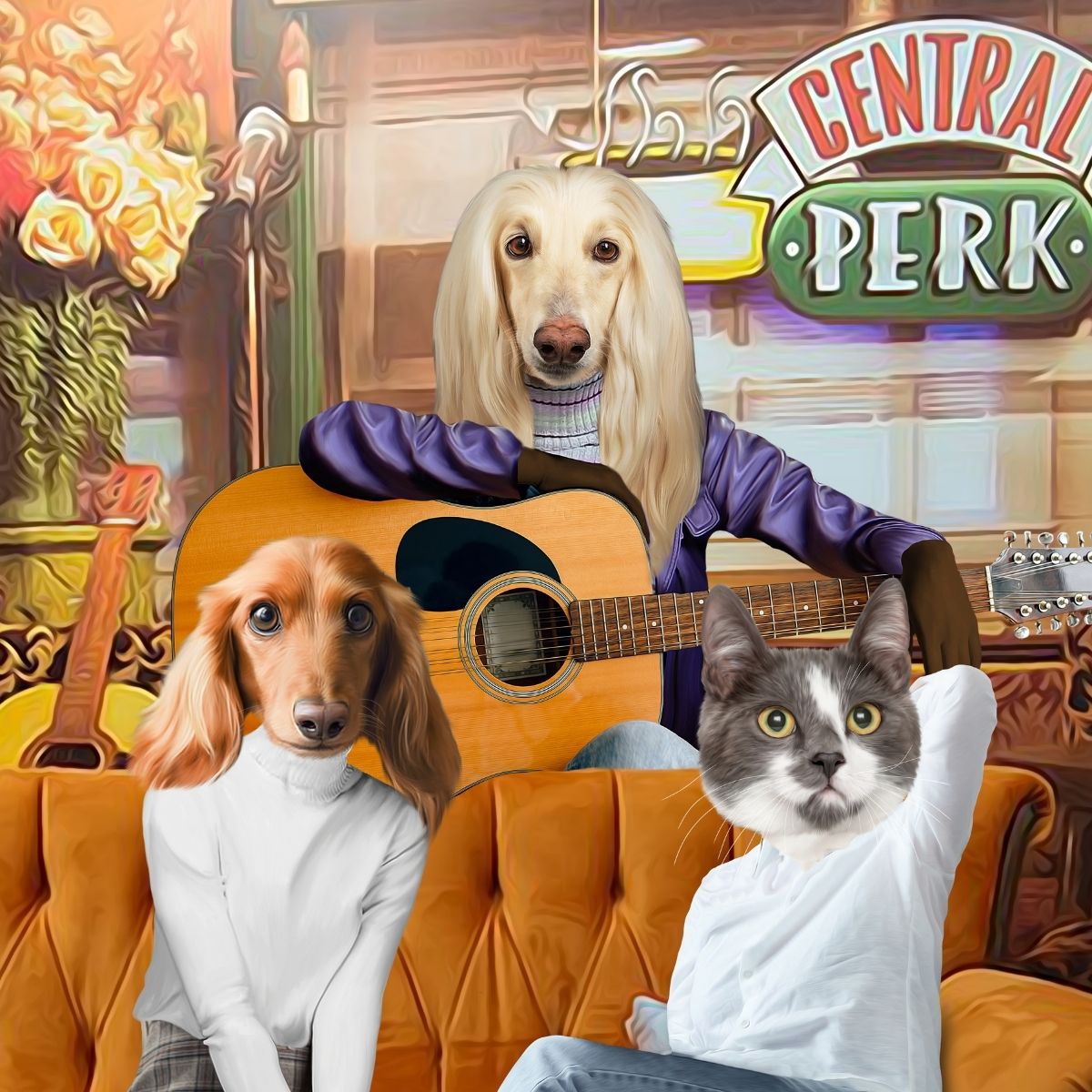
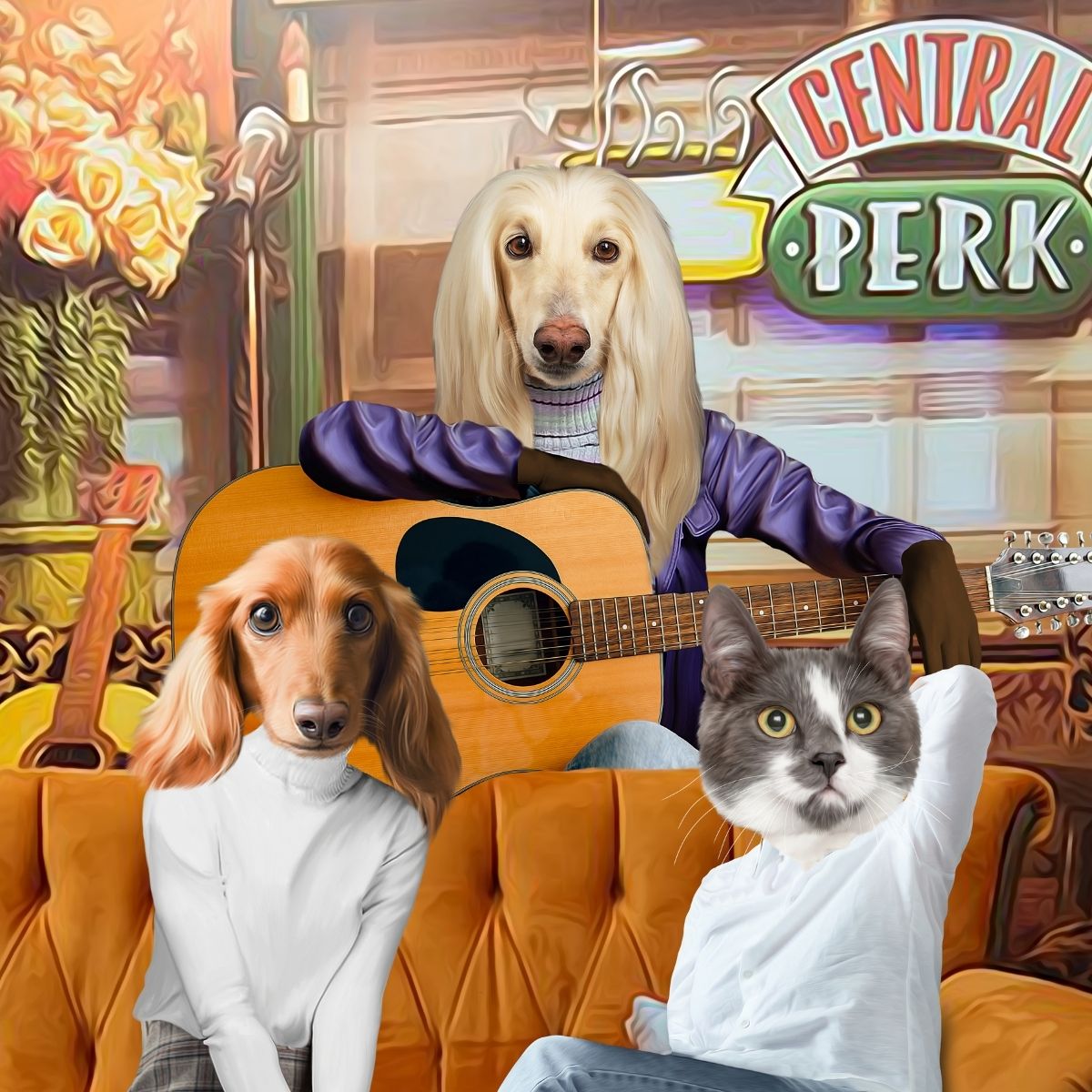
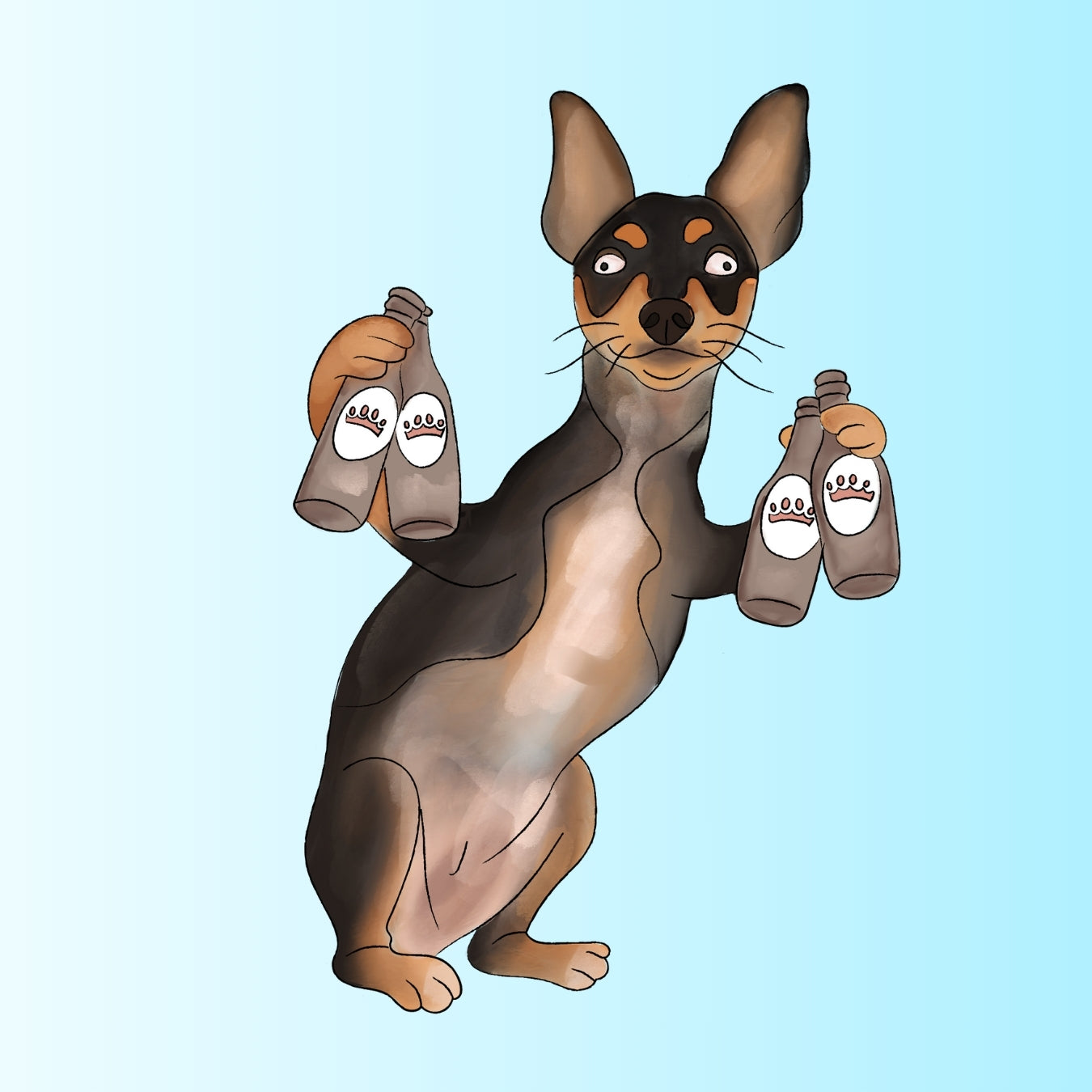
Some pets are recognisable from ten metres away before you have even seen their face. Long legs, a compact stance, a huge tail, a very specific patch pattern or an unmistakable sitting position can all be part of the likeness. In those cases, cropping everything below the neck would throw away useful information.
Consider a full-body reference when:
The trade-off is simple: the more of the body you include, the less space the face occupies within the same finished artwork. If tiny facial details are your priority, a closer crop usually gives them more prominence.
A full-body photo is not automatically better because it contains more information. If the pet is a tiny figure in the middle of a large room, there may be less usable detail than in a close phone photo. Equally, a tightly cropped headshot can be excellent even if the original image is casual.
Look first at whether you can clearly see the features that matter. If the image is soft, compressed or slightly out of focus, see our guide to using a blurry photo for a pet portrait.
A missing tail tip or partially hidden paw does not automatically make a photo unusable, particularly if you want a closer composition. But if you want a full-body portrait and large parts of the body are outside the frame, another reference image is useful. It is better to confirm real markings and proportions than to ask an artist to guess what the camera never recorded.
You can also use more than one image for reference. One photo can lead the expression and face shape while supporting photos help confirm coat colour, markings or other details. Our multiple-photo pet portrait guide explains how to choose a main image without sending a small archaeological archive of your camera roll.
The best crop also depends on how you want the artwork to feel. A close face can create a stronger focal point from across the room. A fuller composition can tell you more about the pet’s shape and pose. Neither is inherently more premium, more accurate or more suitable for every style.
Before ordering, ask yourself three questions:
You do not need to force a decision between two good references too early. Keep the strongest close-up and the strongest full-body image, then decide which one should lead the artwork. At Paw & Glory, pet portraits are hand-illustrated from submitted photos and a proof is provided before production, so you can review the artwork before it is finalised.
Browse the Paw & Glory pet portraits collection to compare styles, then choose the image that preserves the bits of your pet you would actually notice if they were missing. That tends to be a rather better test than whether the photograph looked organised when you took it.
Comments will be approved before showing up.
August 29, 2026 4 min read
Choosing a photo for a senior pet portrait is less about finding the newest image and more about recognisable character. Compare expression, coat changes, posture, lighting and supporting references.
August 28, 2026 3 min read
WELCOME TO PAW & GLORY
Get 15% off your first order
Join 30,000+ pet owners turning perfectly ordinary photos into gloriously over-the-top works of art.
★★★★★ 2,200+ Five-Star Reviews
Real Artists · Proof Before Print · Unlimited Artwork Revisions