September 25, 2026 3 min read
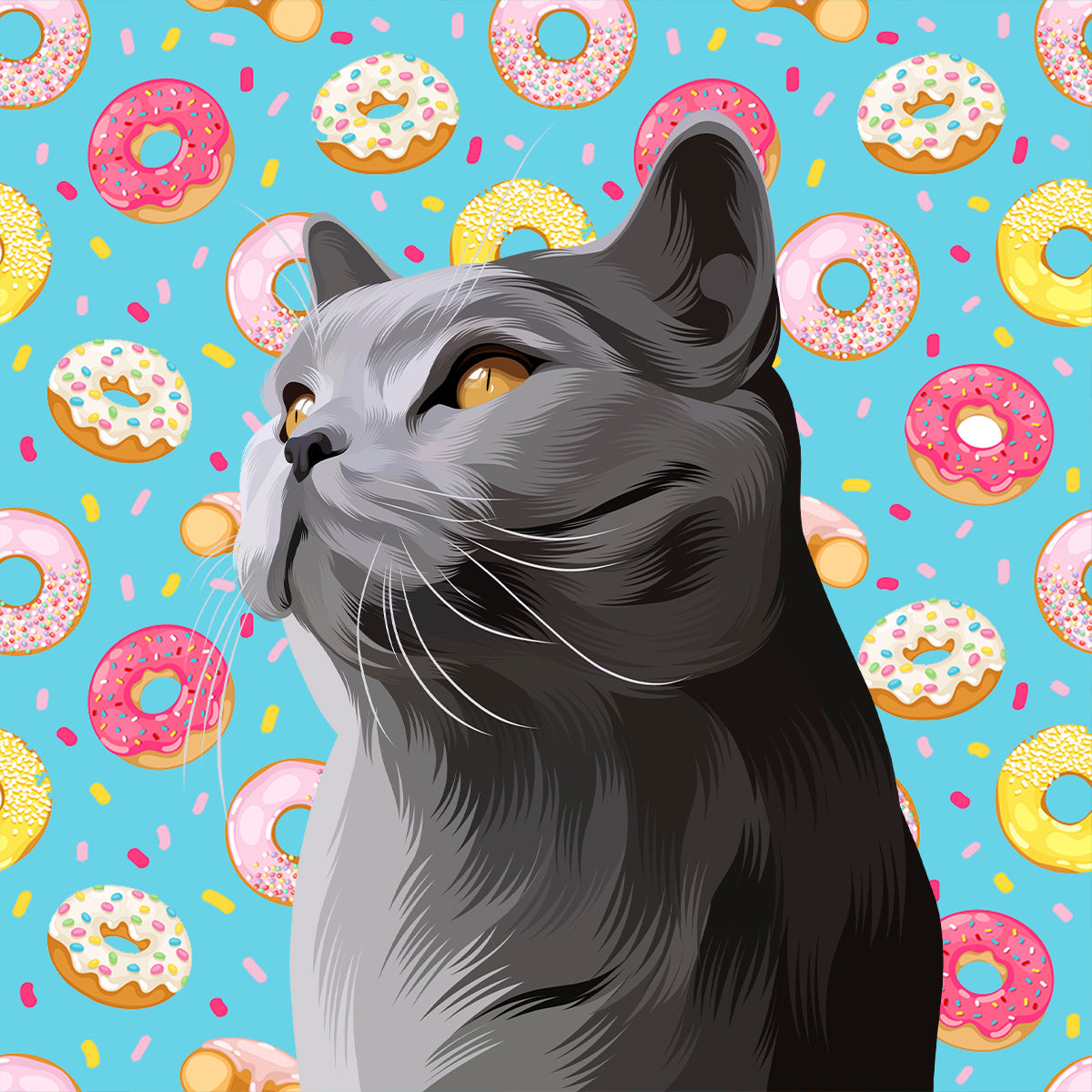
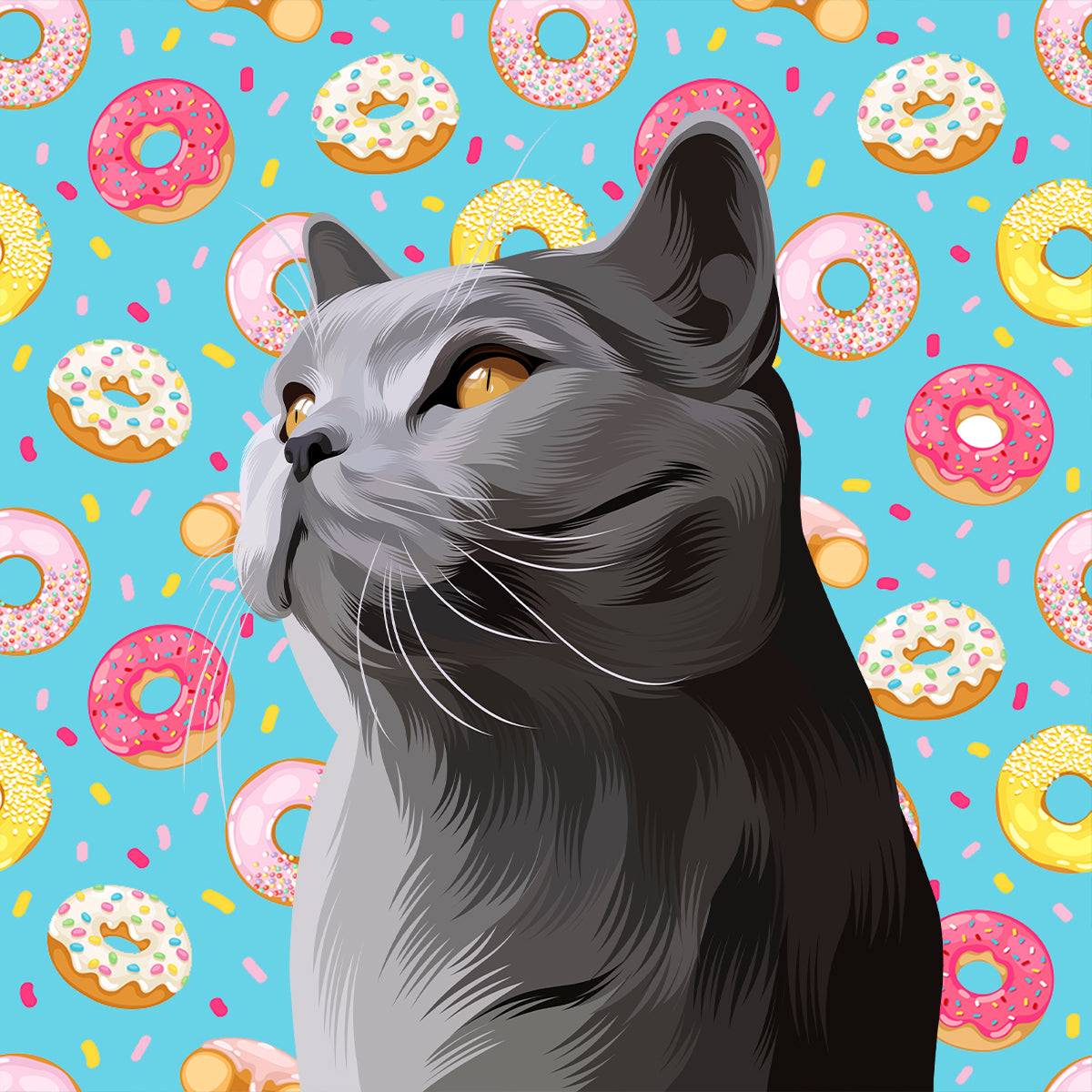
Yes, a side-profile pet photo can make an excellent custom portrait if that angle genuinely looks like your pet and the important features are clear. A straight-on photograph is not automatically better. The right choice depends on the expression, visible eye, ear shape, muzzle and whether the profile captures something recognisable about the animal.
For some dogs and cats, the silhouette is one of their most distinctive features. Greyhounds, sighthounds, flat-faced breeds, long-nosed dogs and cats with dramatic ear shapes can all look particularly strong from the side.
A profile works best when the visible eye is sharp, the outline of the nose and mouth is clear, and the ear or ears are not lost in shadow. The head should be large enough in the image for the artwork team to inspect facial detail.
It is also useful when the side view captures a familiar habit, such as a dog staring out of a window or a cat monitoring the garden with the intensity of an unpaid security contractor.
Not always. A front-facing image gives information about symmetry and both eyes, but it can still be a poor reference if it is blurry, too dark or taken from an unflattering high angle. A clear side profile is better than a weak front-facing shot.
If you have both, choose the photo that feels most recognisable to you. You can also keep the second image as a supporting reference for markings or eye colour.
Try to include the full outline of the head, the visible eye, nose, mouth and at least one complete ear. Avoid cutting the nose off at the edge of the frame or losing the top of the head. Fine whiskers are helpful but not essential if the main facial structure is clear.
The portrait should normally follow the pose and information in the chosen reference image rather than inventing a different head angle. If you want a more front-facing result, use a front-facing photograph as the main reference instead.
Supporting photos can help the artwork team understand markings and colour, but they should not be treated as instructions to reconstruct a completely different pose unless the product and artwork process explicitly allow it.
Make sure the profile edge is separated from the background. A dark long-haired dog against a dark sofa can lose the shape of the ears and neck. Soft daylight and a contrasting background make the outline easier to read.
For pale pets, avoid overexposure that washes out the edge of the face. Mid-tone backgrounds often preserve the silhouette better than a bright white wall.
Usually, leave a little space around the pet rather than cropping tightly yourself. The artwork team can make better composition decisions when the full head and ears are available. If the original file contains a lot of empty space, that is less of a problem than accidentally removing part of the pet.
Yes. A clear phone photograph is perfectly suitable for many custom pet portraits. Use the original image where possible, avoid heavy filters, and check focus on the visible eye.
Paw & Glory provides an Artwork Preview before printing. Standard first artwork is normally ready within 1โ3 working days, and small revisions can be requested before approval. The proof gives you a chance to judge the actual likeness rather than trying to solve the entire portrait in your camera roll.
For broader photo selection advice, see our pet portrait from photo guide.
A side-profile photo is a good portrait reference when it is clear, sharp and recognisably your pet. Prioritise the visible eye, complete head outline, nose and ears. Do not switch to a weaker front-facing photo simply because it looks more conventional.
Comments will be approved before showing up.
September 25, 2026 3 min read
September 24, 2026 3 min read
WELCOME TO PAW & GLORY
Get up to 30% off
Join 30,000+ pet owners turning perfectly ordinary photos into gloriously over-the-top works of art.
โ โ โ โ โ 2,200+ Five-Star Reviews
Real Artists ยท Proof Before Print ยท Unlimited Artwork Revisions