December 12, 2020 2 min read
A phone is perfectly capable of taking a good photograph of you with your pet. The obstacle is rarely the camera. It is usually light, framing or the fact that one participant has decided this is an excellent moment to leave.
The rear camera on a phone often gives you more flexibility and image quality than a front-facing selfie camera. Prop the phone securely and use a timer, remote shutter or another person when you want a wider portrait.

Bright, indirect daylight keeps facial features visible without the hard shadows produced by direct sun. Indoors, face a large window. Outdoors, try open shade rather than making both subjects squint into sunlight.
Phone lenses live in pockets and handbags and collect fingerprints accordingly. A quick wipe can improve clarity before you spend ten minutes blaming the pet for a mysteriously hazy image.
Very close selfie angles can distort faces and make the nearest nose look enormous, whether it belongs to a person or a spaniel. Move the phone farther away and crop afterwards if necessary.
Tap the faces on screen and check exposure before taking the shot. If your phone offers burst, live-photo or similar sequence features, they can help when the pet moves between frames.
Software background blur can occasionally trim whiskers, fur or ears. Take at least one normal photograph as well so you have a clean original.
Look at the pet, laugh, stroke them or let them settle beside you. Not every successful portrait needs two subjects staring directly at the camera.
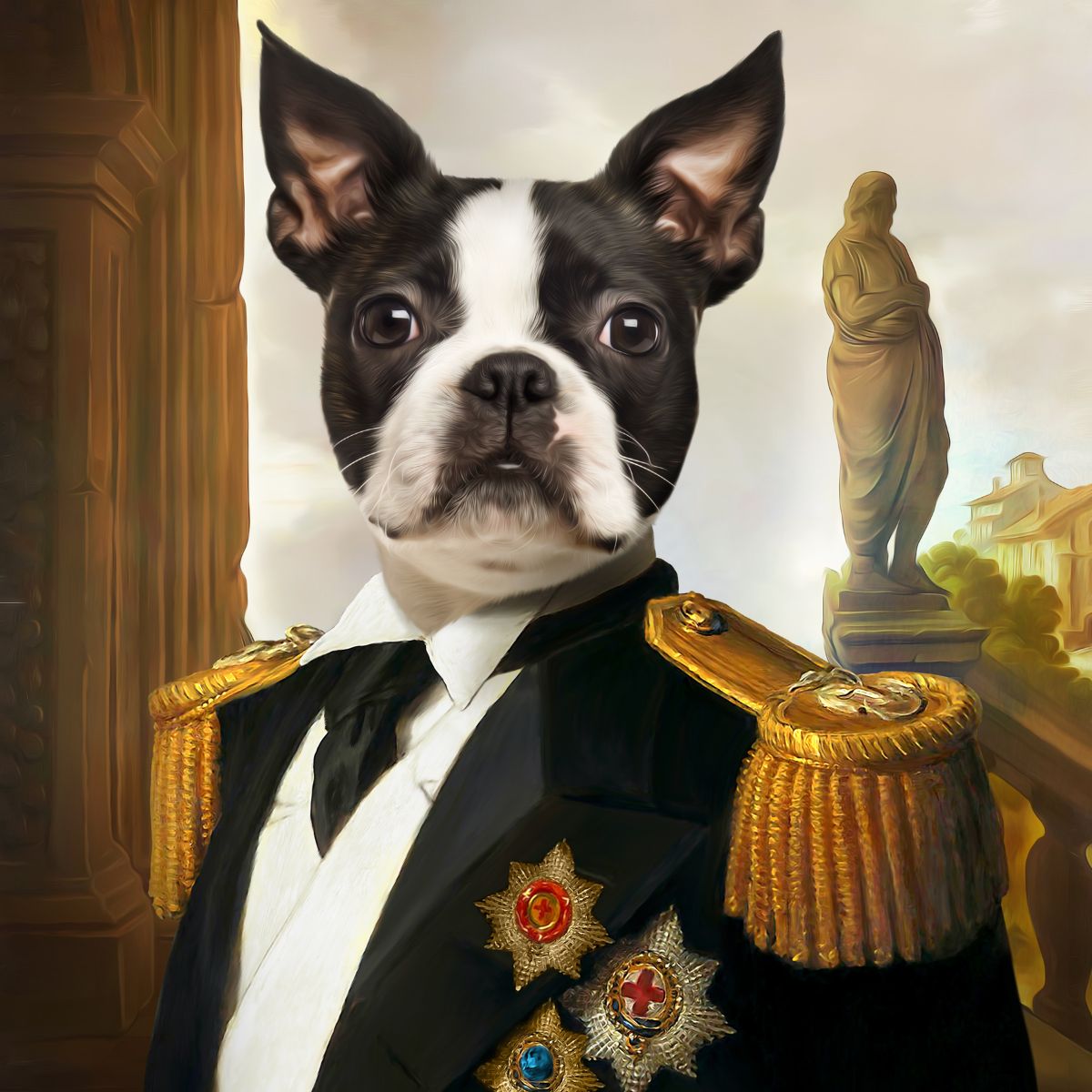
Keep the full-resolution file before adding social-media filters. If you later use the pet's image for personalised pet artwork, an unfiltered original is the better reference.
October 18, 2021 2 min read
September 19, 2021 2 min read
WELCOME TO PAW & GLORY
Get 15% off your first order
Join 30,000+ pet owners turning perfectly ordinary photos into gloriously over-the-top works of art.
★★★★★ 2,200+ Five-Star Reviews
Real Artists · Proof Before Print · Unlimited Artwork Revisions