December 12, 2020 3 min read
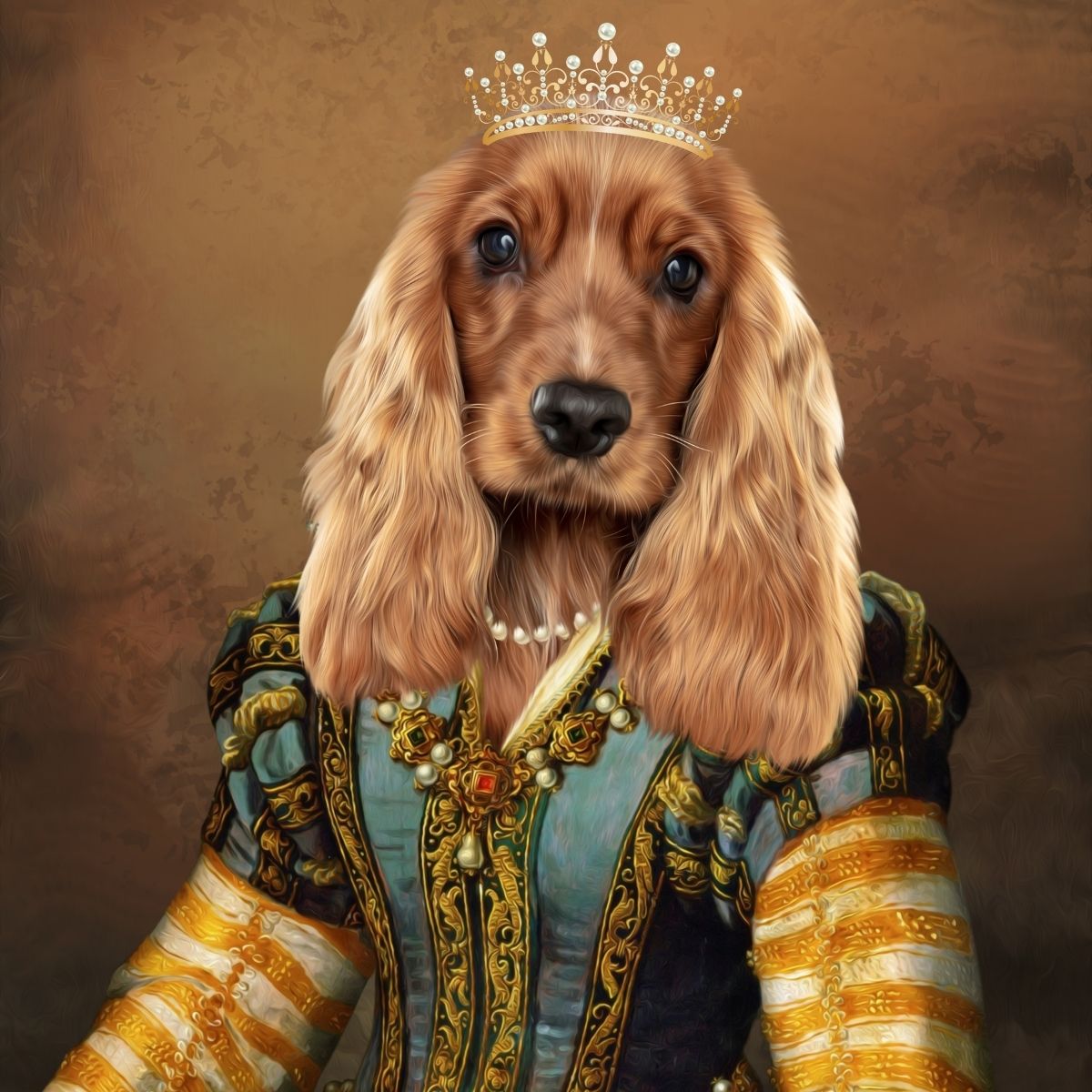
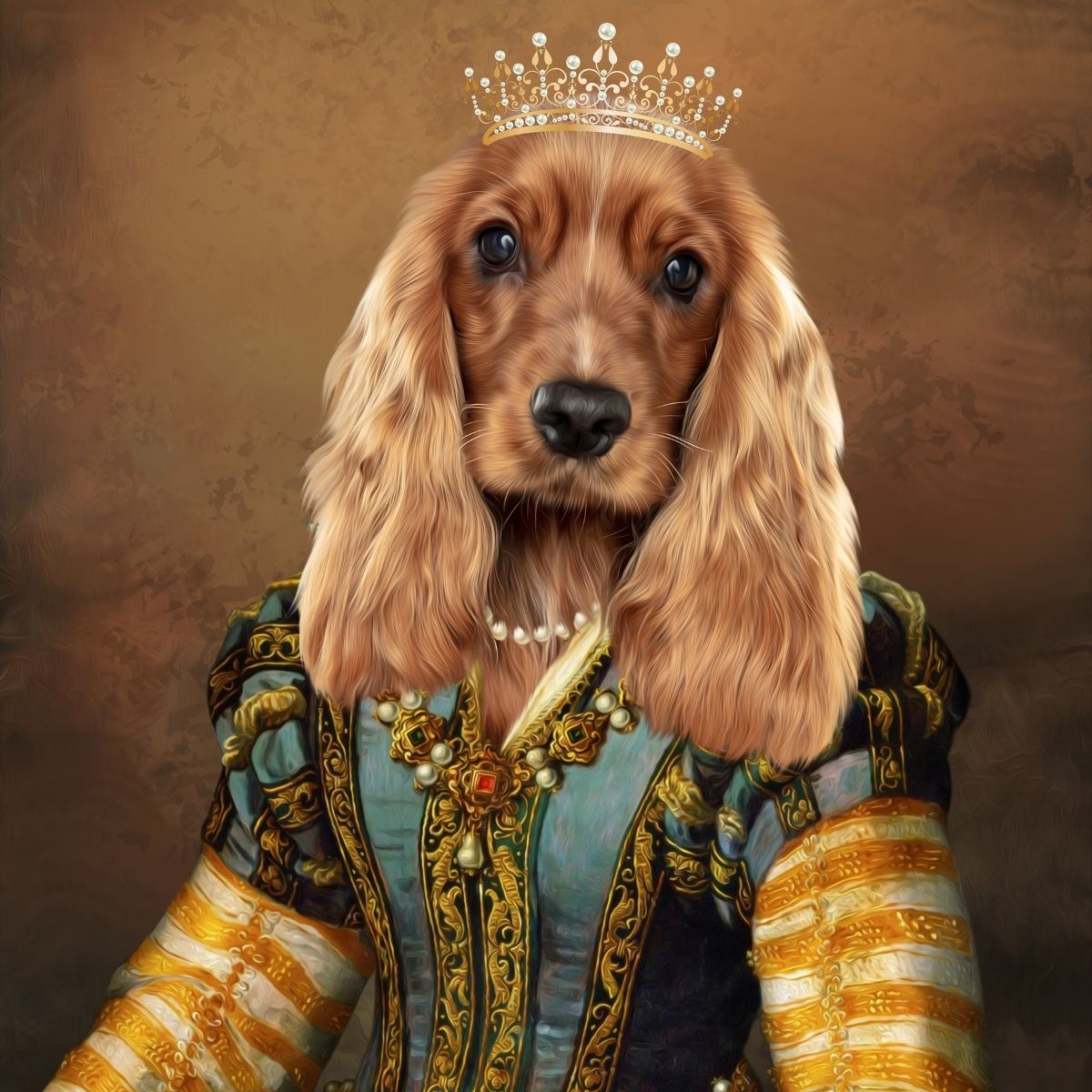
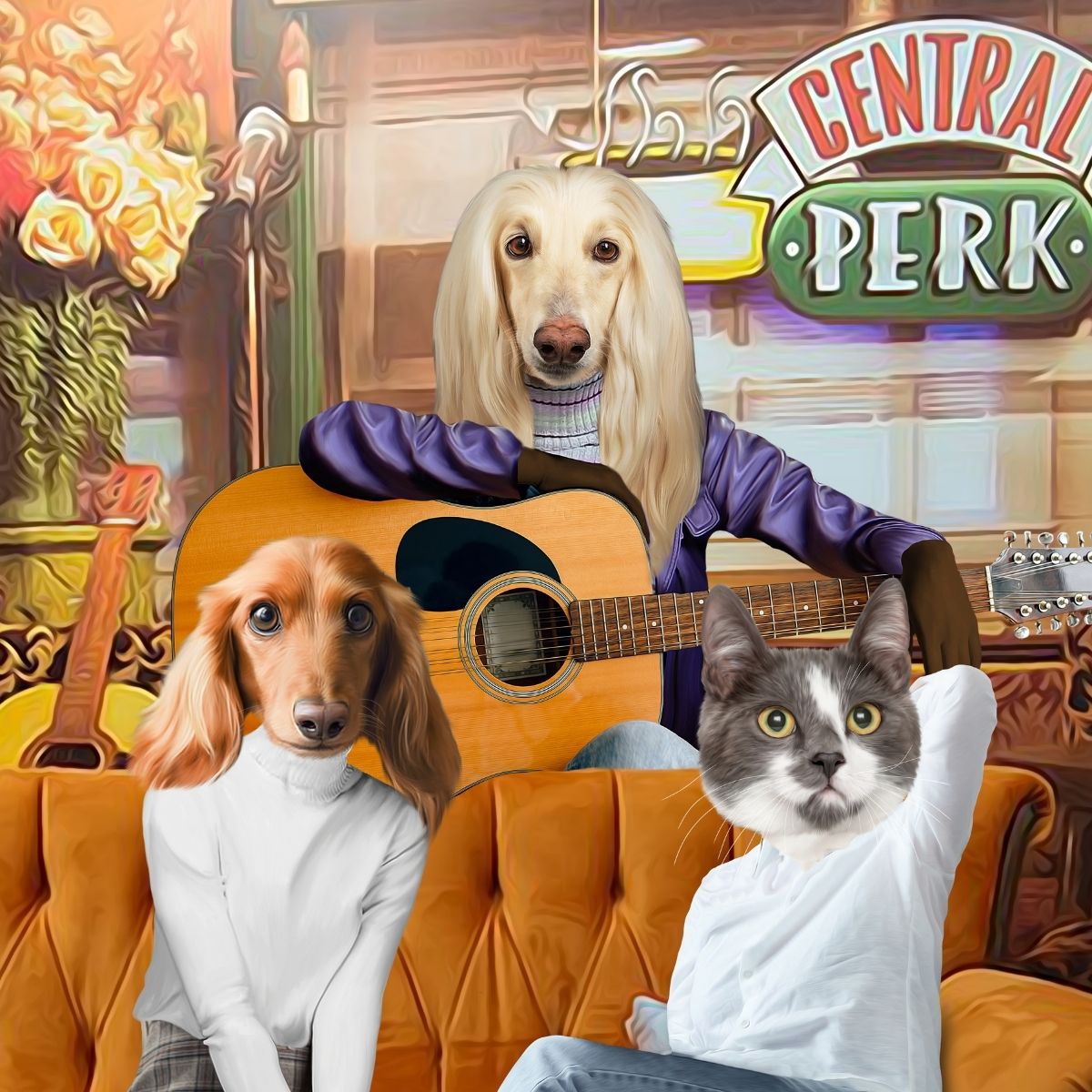
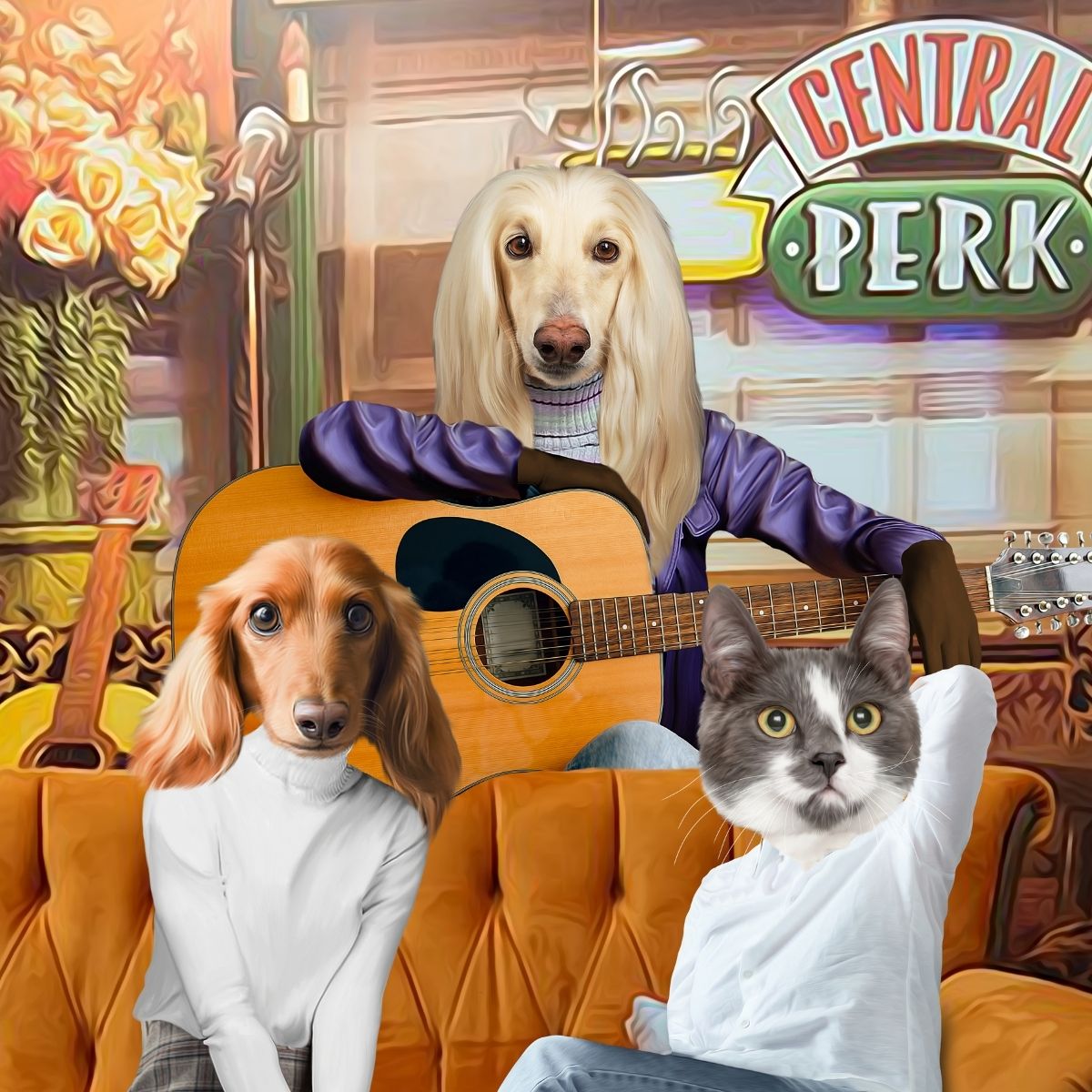
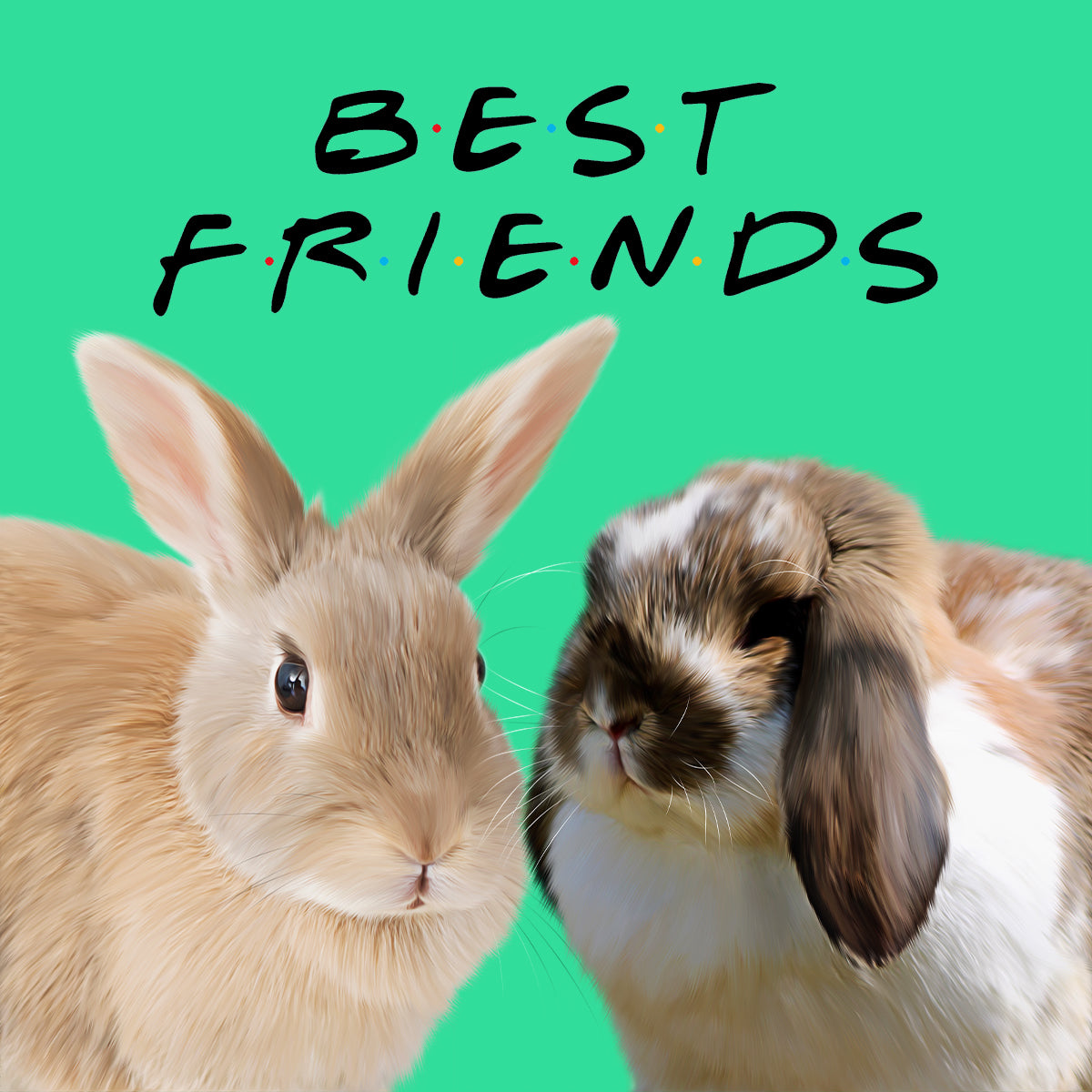
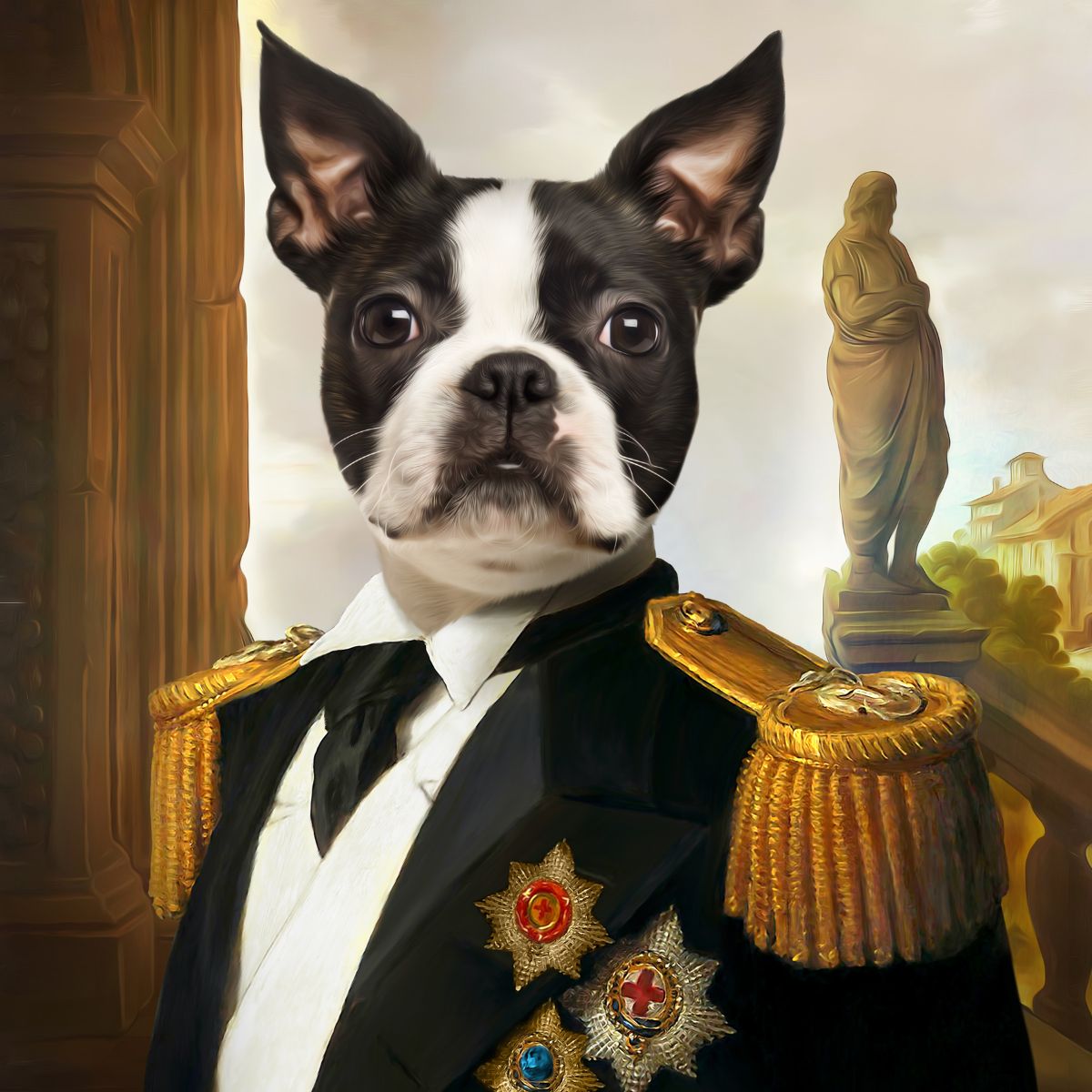
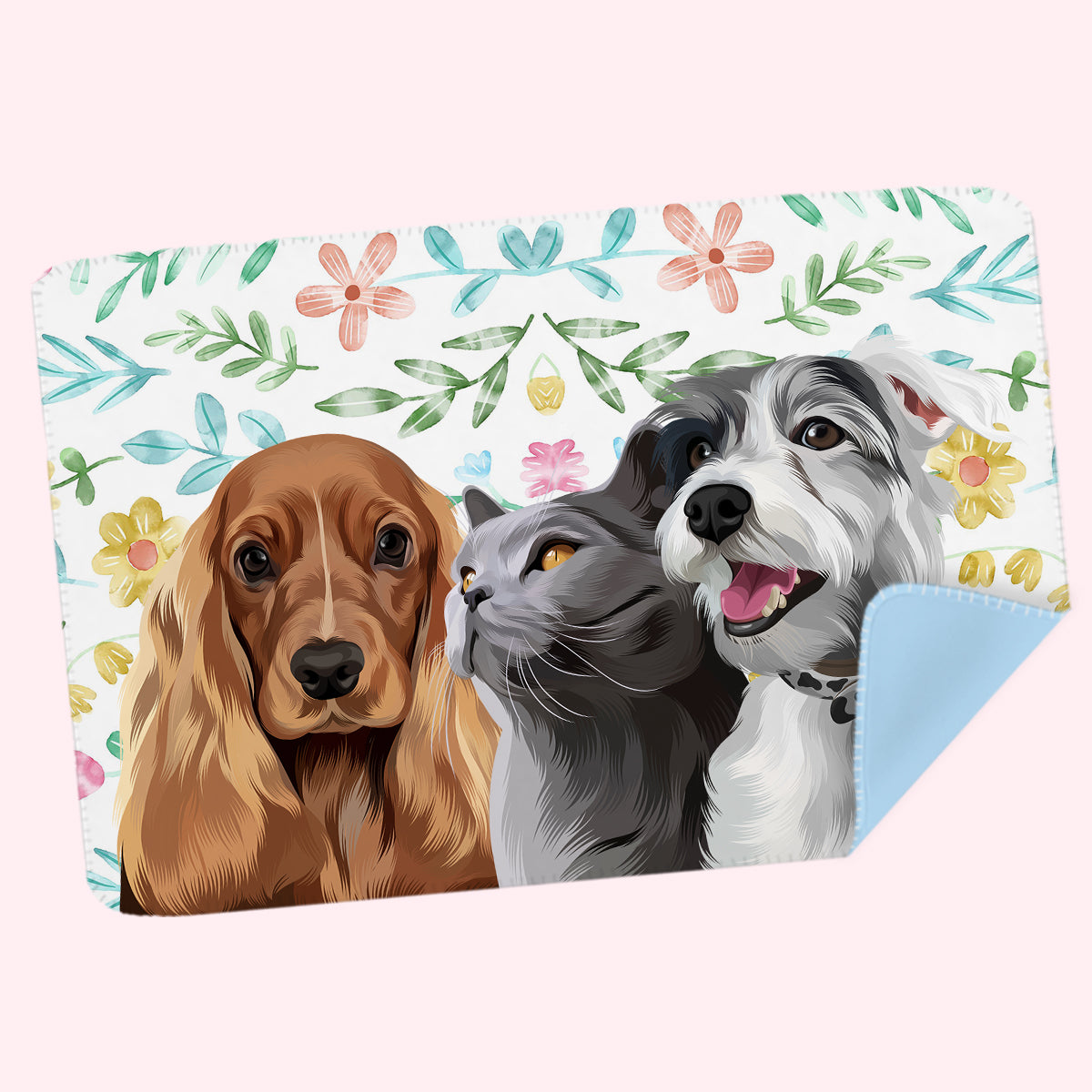
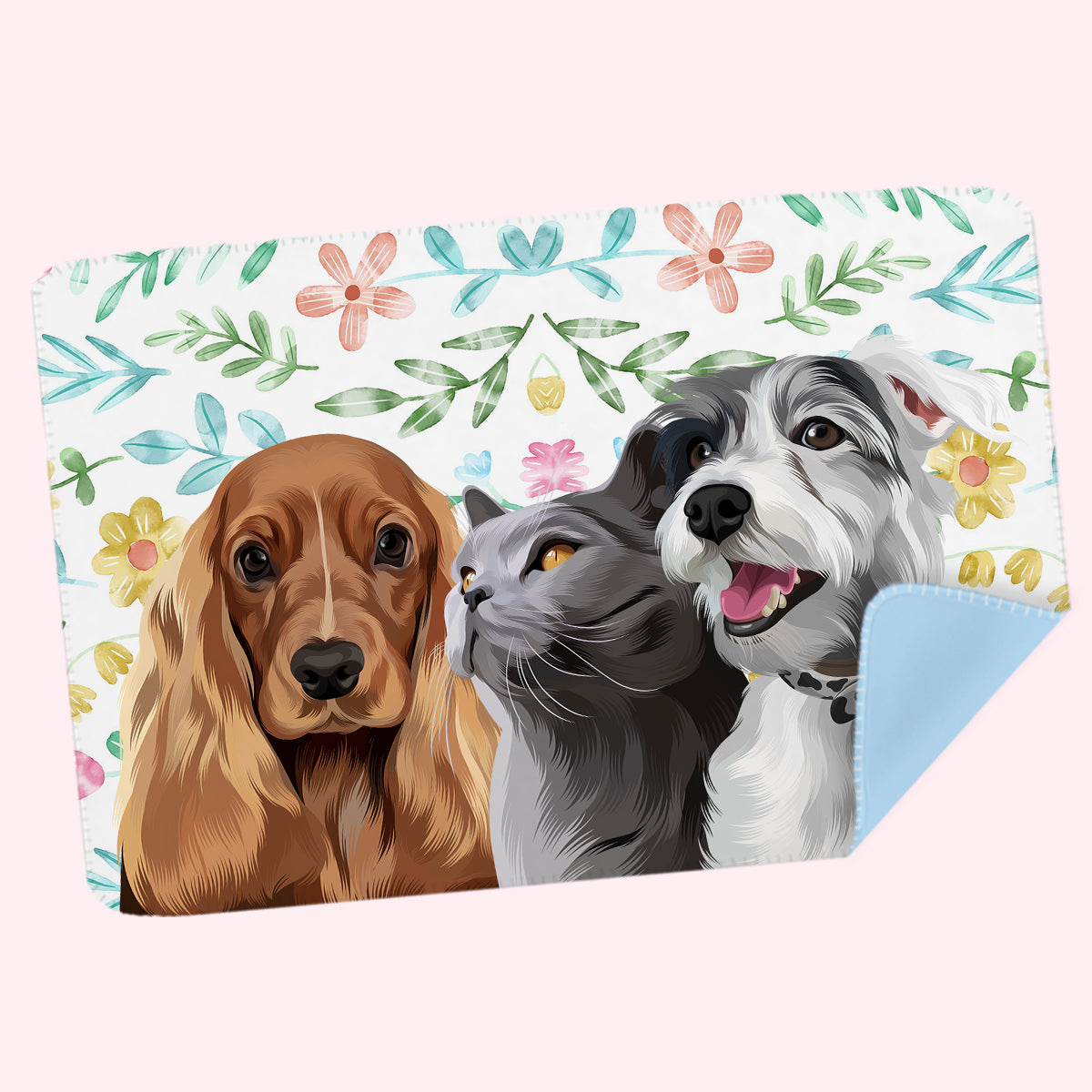
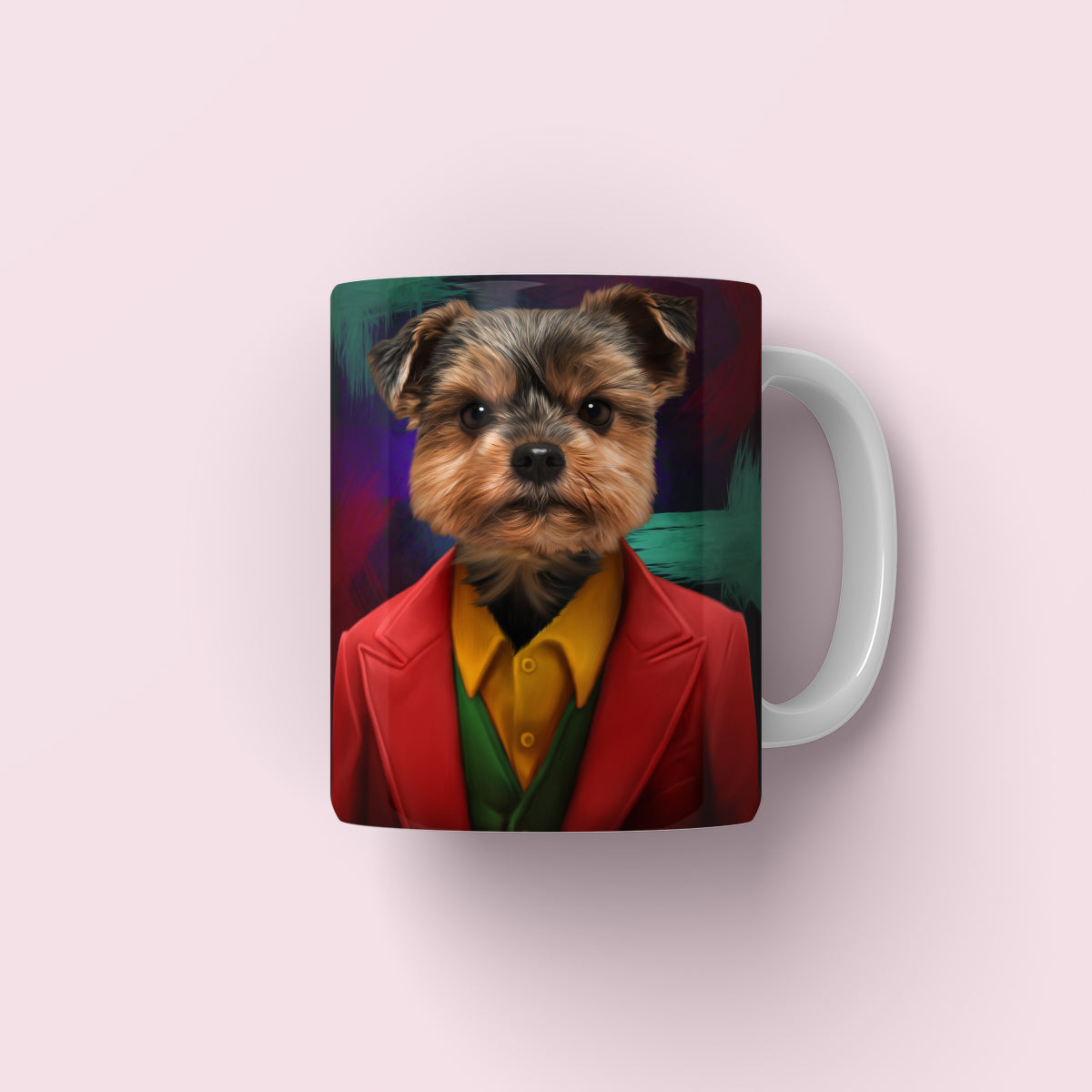
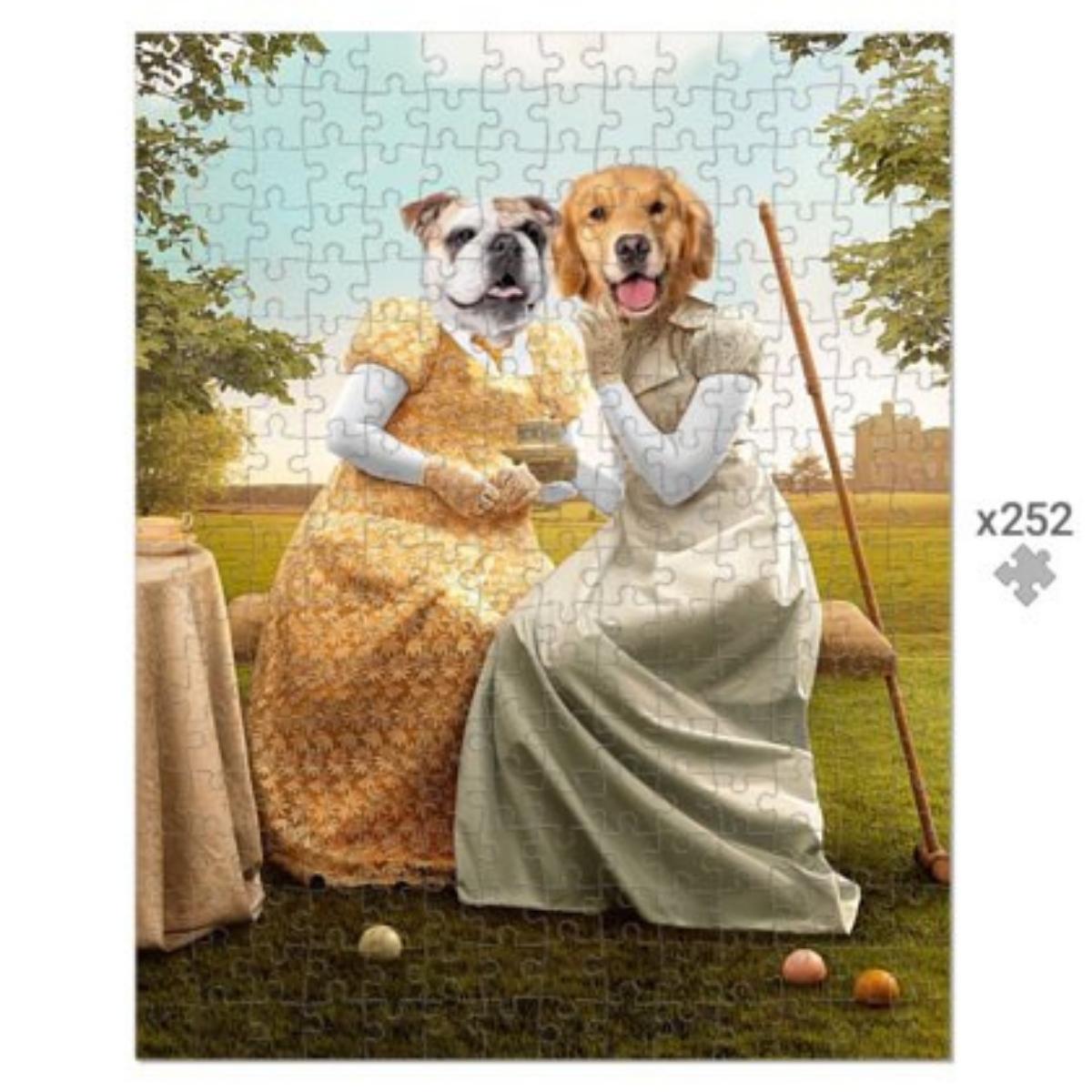
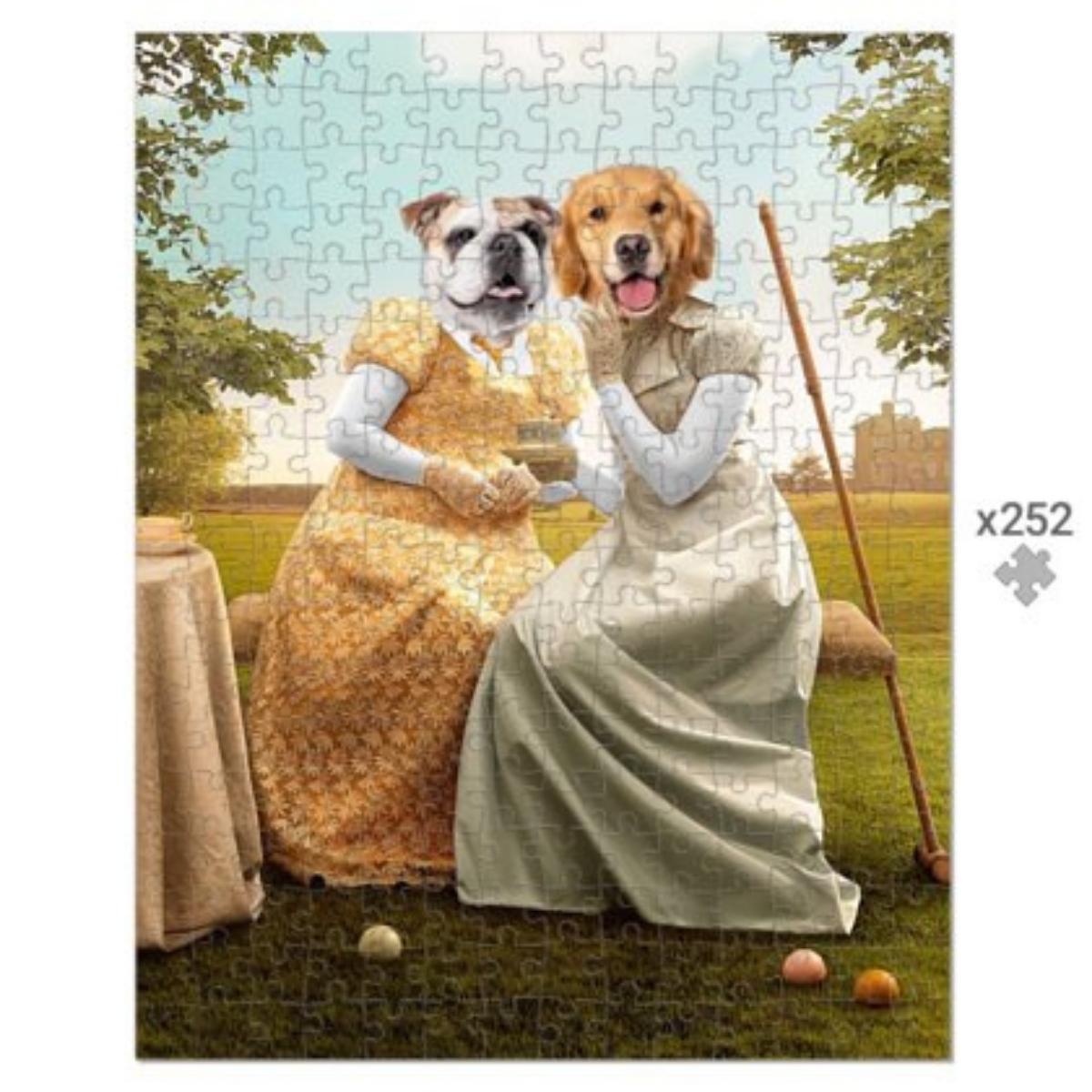
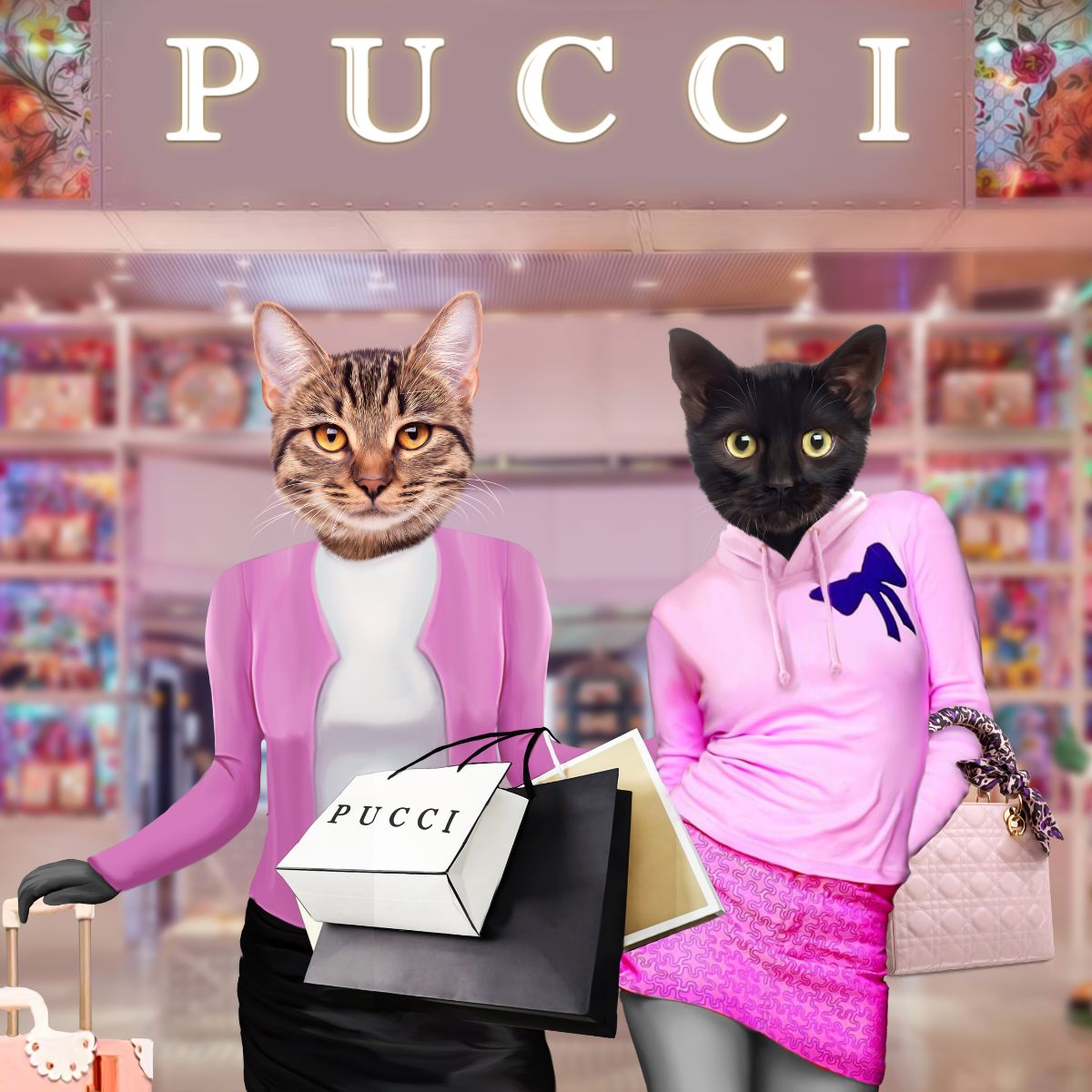
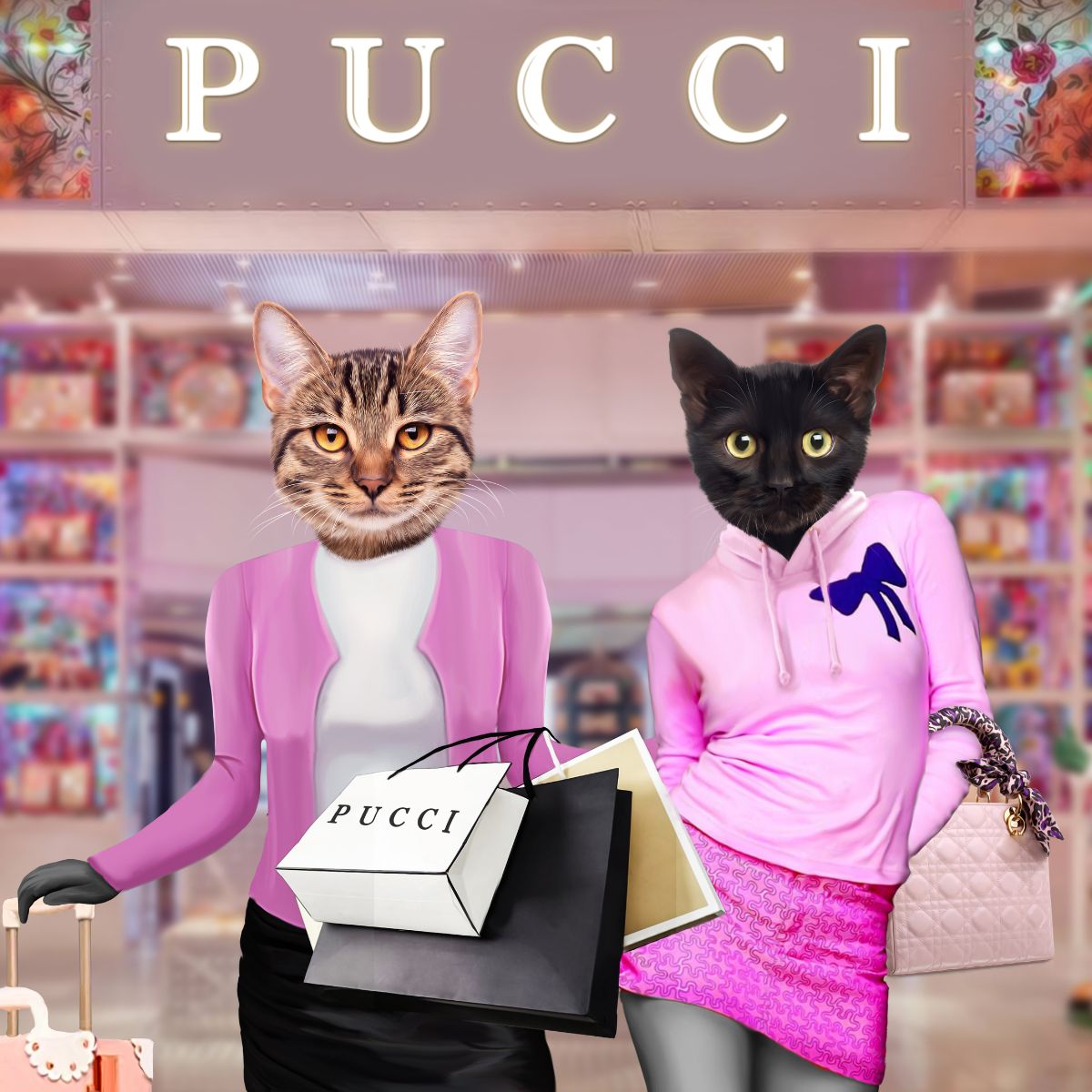
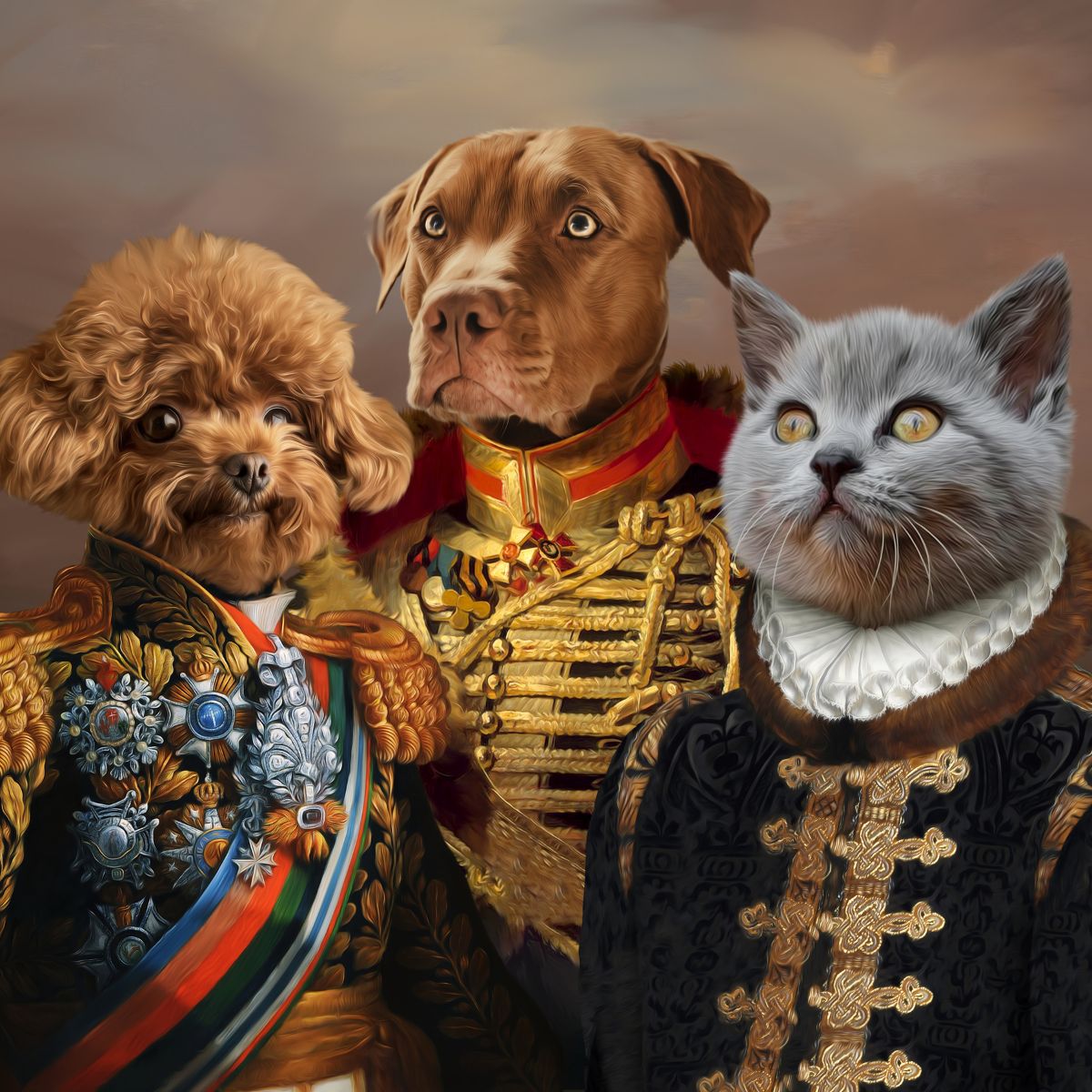
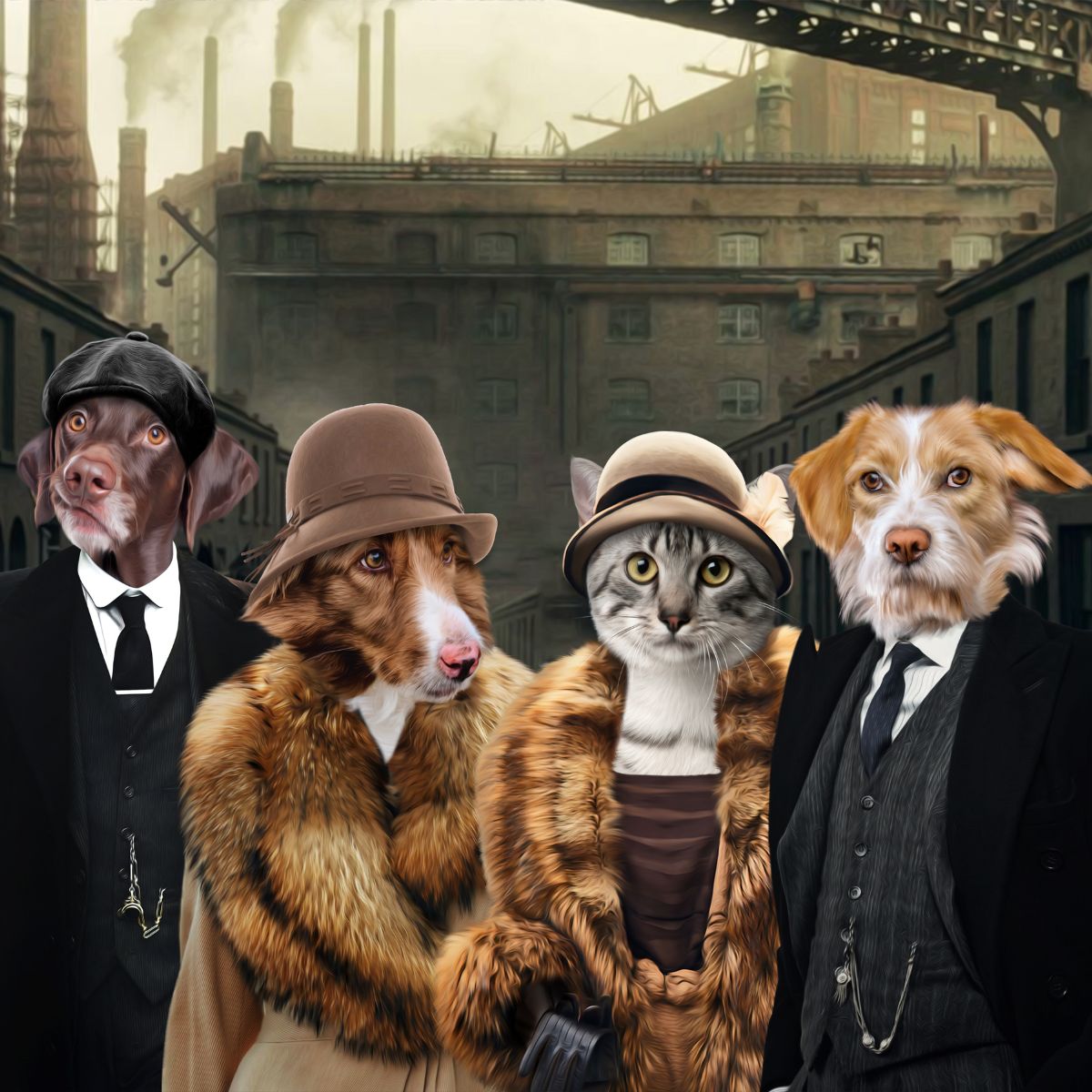
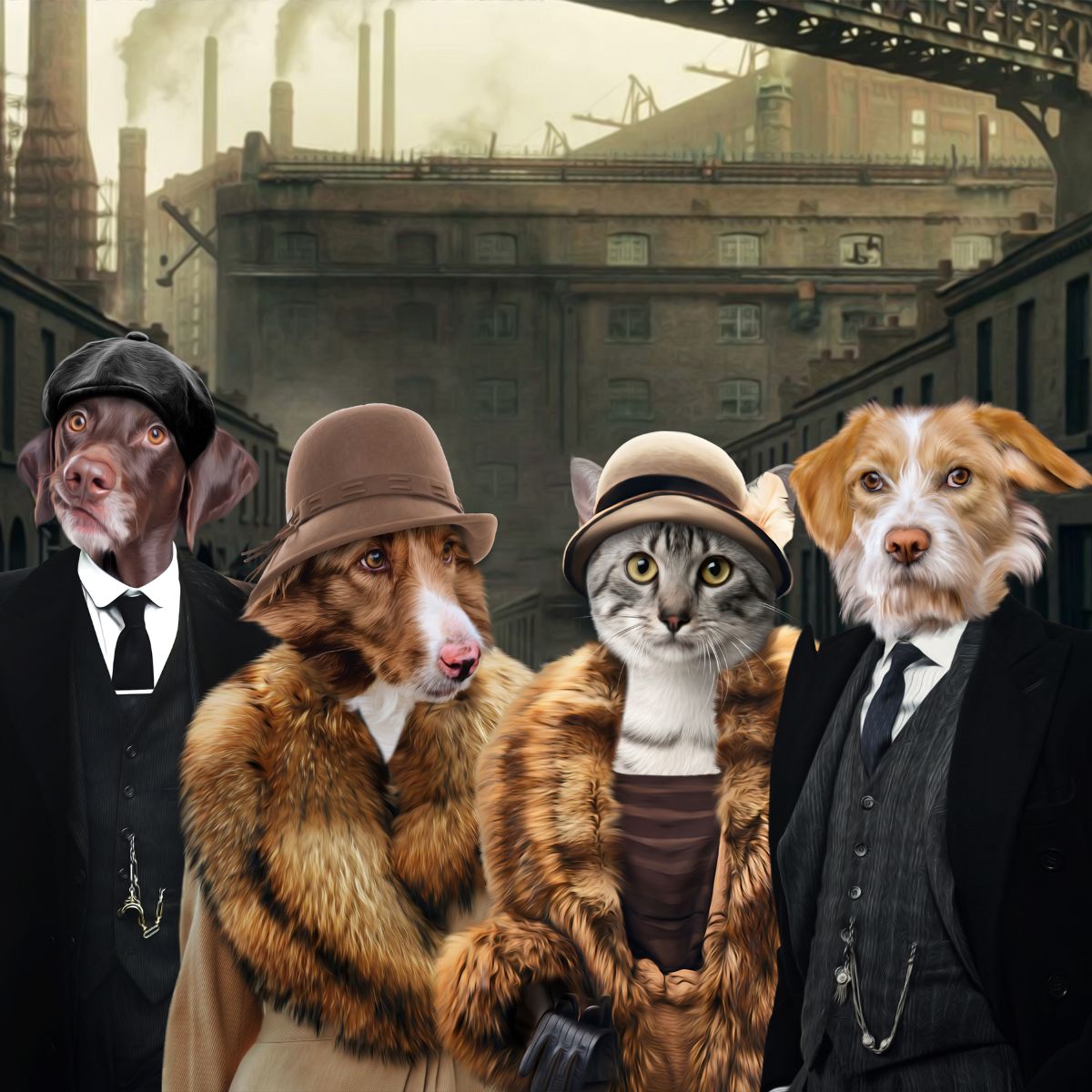
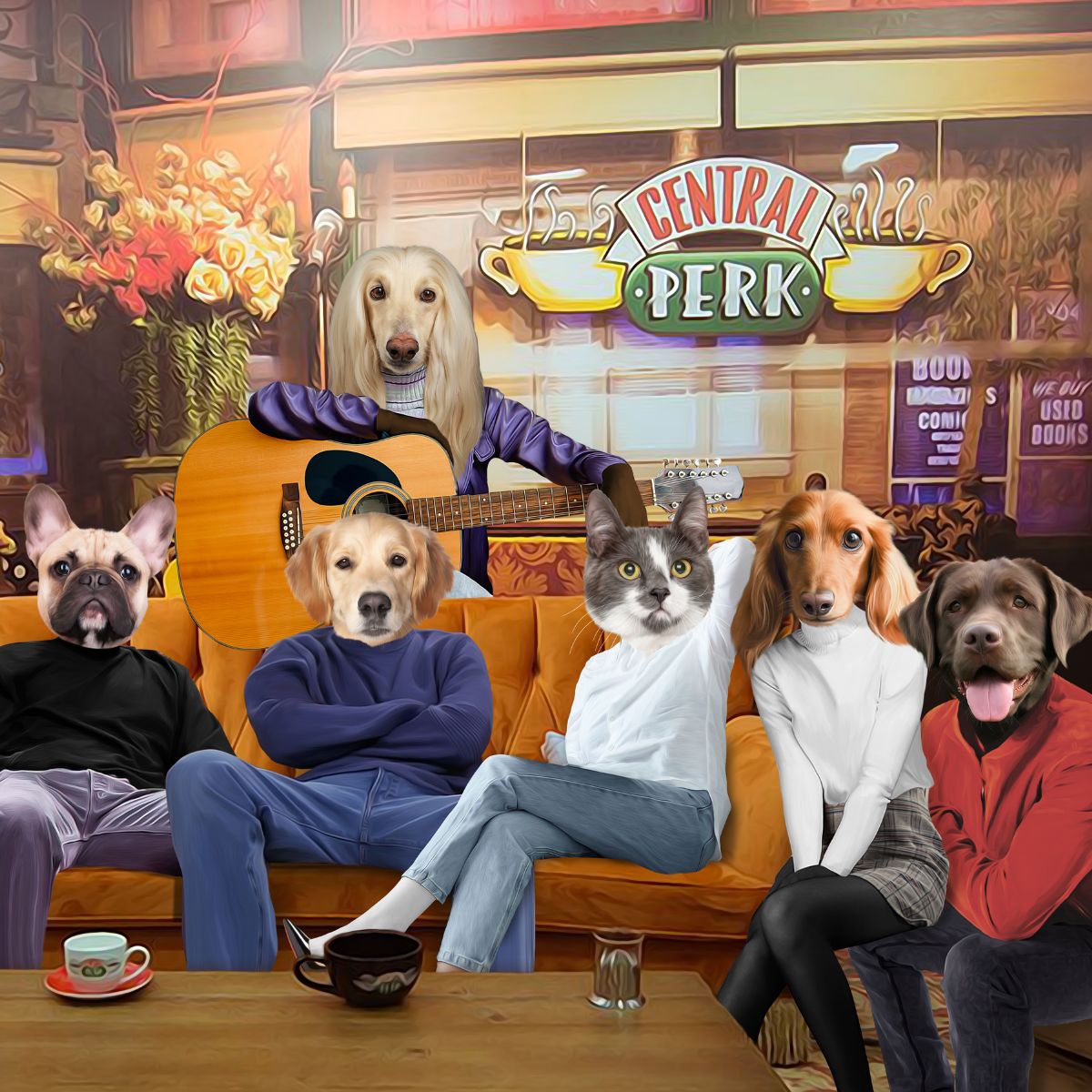
A multi-pet portrait does not require one miraculous photograph in which every dog, cat and other household personality is looking at the camera at the same time. Separate photos can be used as references for a single composition, provided each image gives enough clear information about the individual pet.
That makes multi-pet artwork useful for animals who never sat together nicely, pets photographed at different times, or a memorial portrait that brings several much-loved animals into one piece.
Yes. The practical aim is to choose individual reference images that can work together visually. Each pet should be clear enough for the artist to see the face, ears, markings and expression. The source photos do not need matching backgrounds because the composition is built from the pets rather than copied as one literal group photograph.
Start by selecting the clearest image of each animal. A front-facing or gently angled photo taken near eye level is often easiest to combine. If a favourite image hides an important marking, include a second supporting photo for that pet.
Two pets photographed from similar heights and directions are easier to place naturally together than one photographed from floor level and another from directly above. The angles do not have to match perfectly, but extreme differences can make the final group harder to balance.
If one photograph is crisp and close while another pet appears as a tiny blur at the far end of a garden, the second reference will provide far less information. Look through older photos, family messages and camera backups for a clearer alternative before settling for the weakest file.
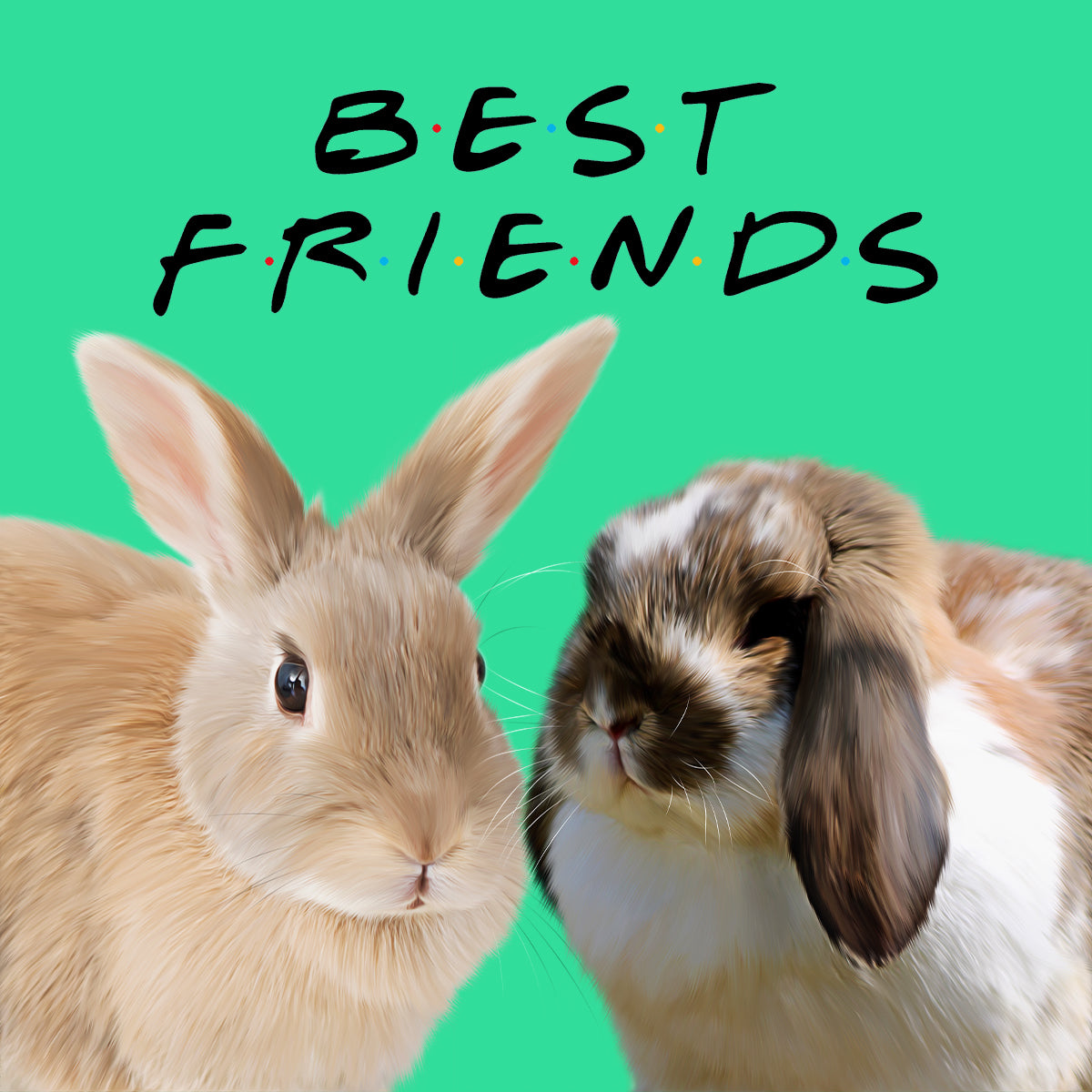
No. One of the main advantages of a multi-pet portrait is that separate photographs can bring animals together in a single artwork. This can be particularly meaningful when pets lived at different times or when there is simply no good group photo.
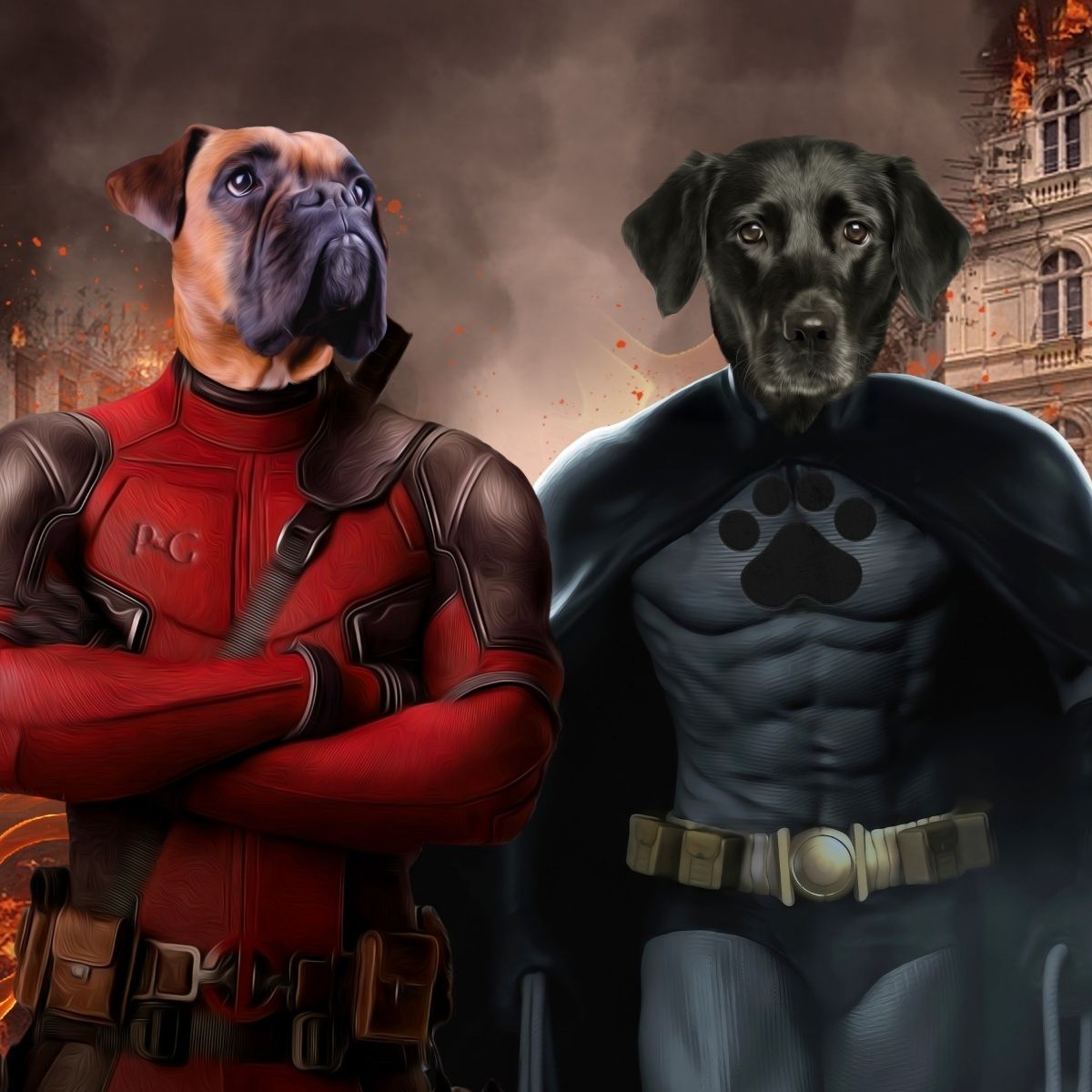
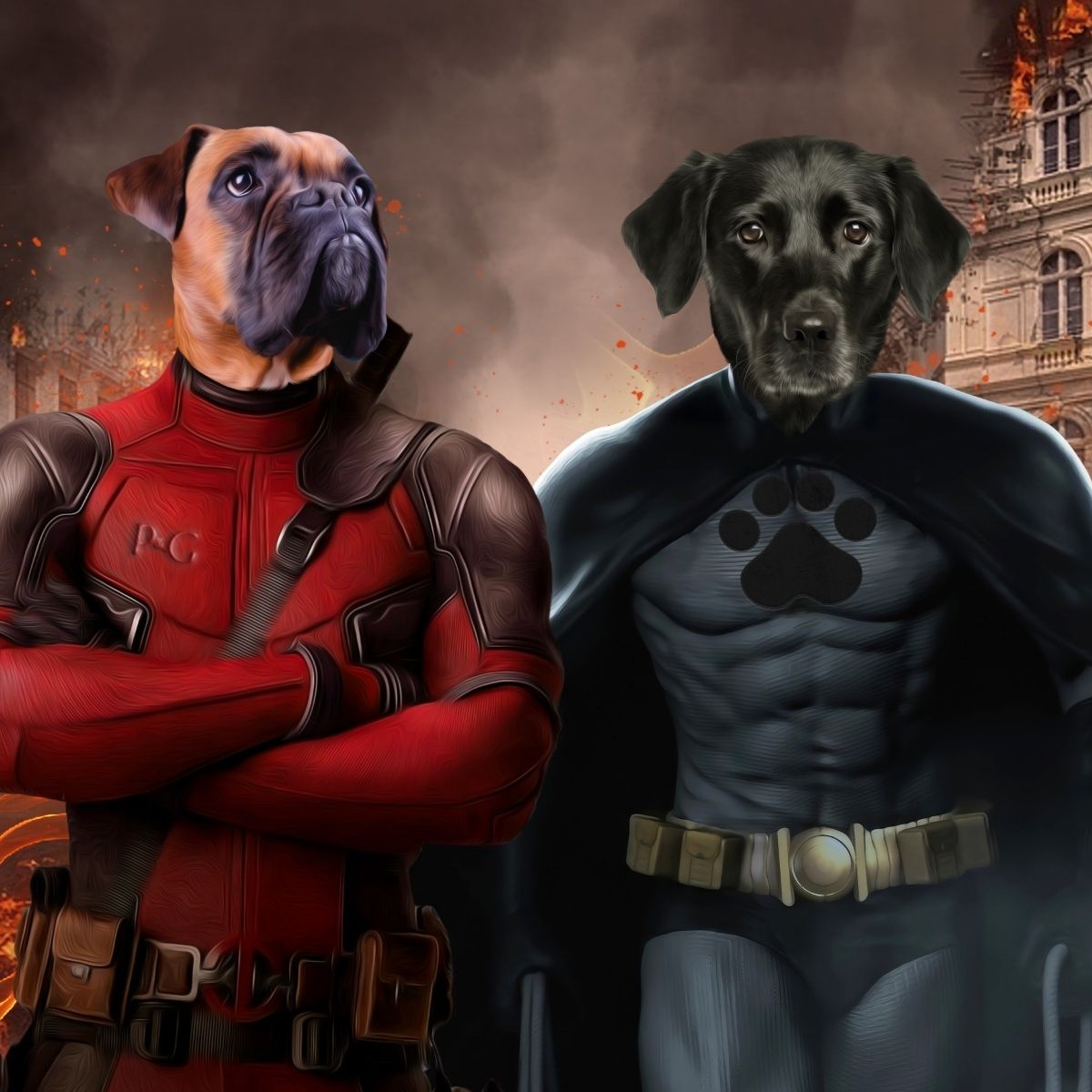
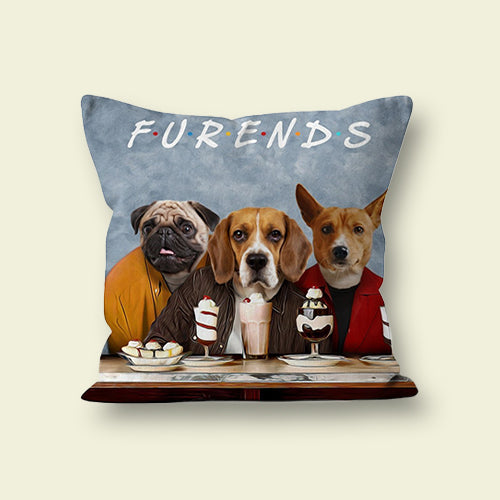
More subjects mean less space for each face, so consider the final size and composition rather than adding animals indefinitely. Paw & Glory has dedicated two-pet portrait and three-pet portrait collections; check the current product page for the supported subject count before ordering.
Decide whether the final portrait should reflect each animal's real-world size or use a more stylised arrangement. A Great Dane and a Chihuahua present different composition questions from two similarly sized cats. If accurate relative scale matters to you, make that clear.
A multi-pet portrait can combine a memorial reference with photographs of pets who are still living. In that situation, the best photo of the pet who died may be older or lower quality. Gather supporting images if possible and prioritise the expression and features the family remembers most clearly.
For more guidance on imperfect archive images, see our article on creating a pet memorial portrait from an old or blurry photo.
Some portrait formats include people as well as animals. If using separate references, choose human photographs with clear facial detail and reasonably compatible camera angles. Decide in advance whether the final composition should look formal, playful or like a family portrait.
Name each file with the pet's name or label them clearly when uploading. If several supporting images belong to one animal, make that obvious. This is not glamorous creative work, but neither is untangling six anonymous JPEGs while trying to determine which black Labrador has the white patch.
You do not need a perfect group photograph to create a coherent multi-pet portrait. Good individual references, sensible composition choices and clear instructions are usually far more useful than waiting for several animals to coordinate themselves for the camera.
October 18, 2021 2 min read
September 19, 2021 2 min read
WELCOME TO PAW & GLORY
Get 15% off your first order
Join 30,000+ pet owners turning perfectly ordinary photos into gloriously over-the-top works of art.
★★★★★ 2,200+ Five-Star Reviews
Real Artists · Proof Before Print · Unlimited Artwork Revisions