July 09, 2024 3 min read
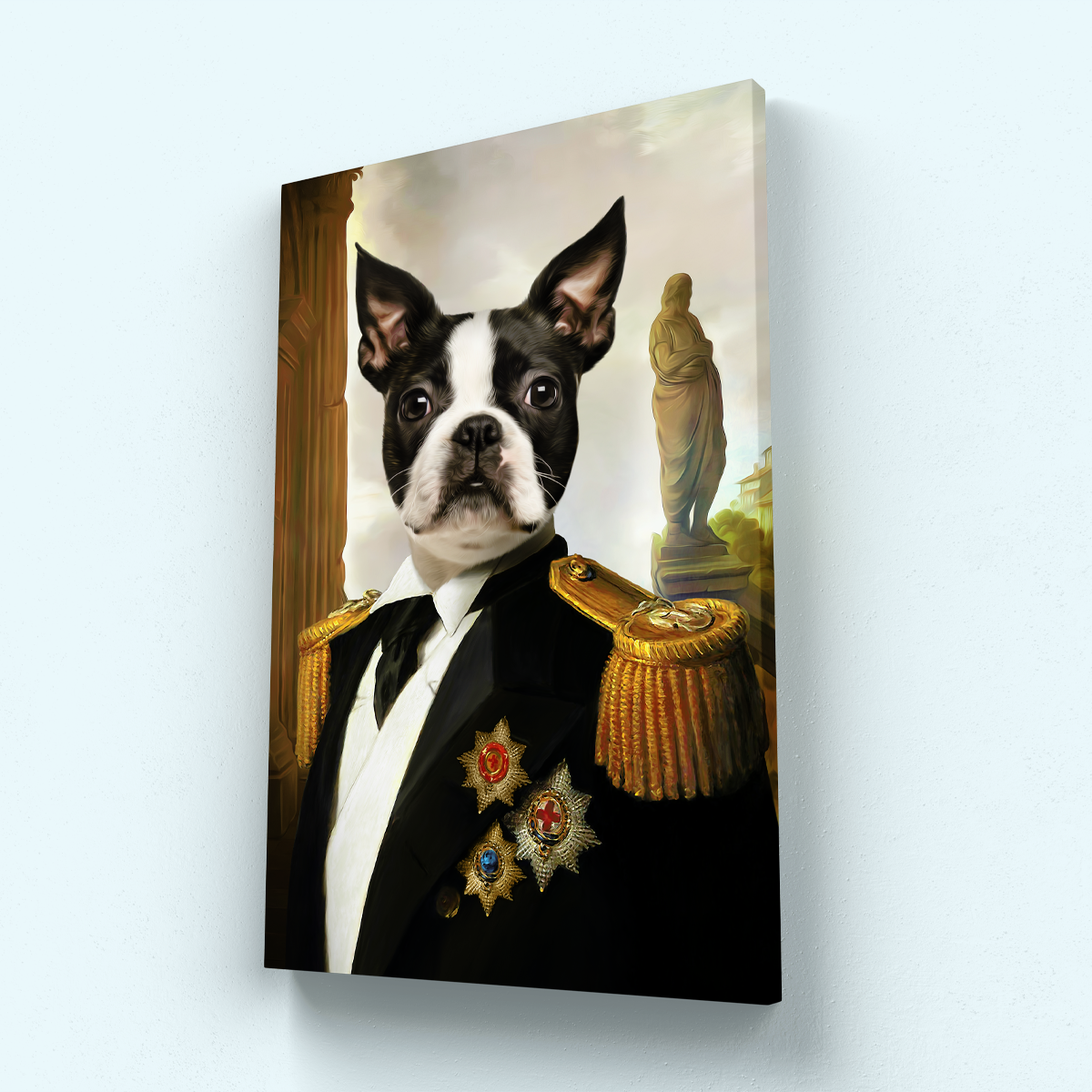
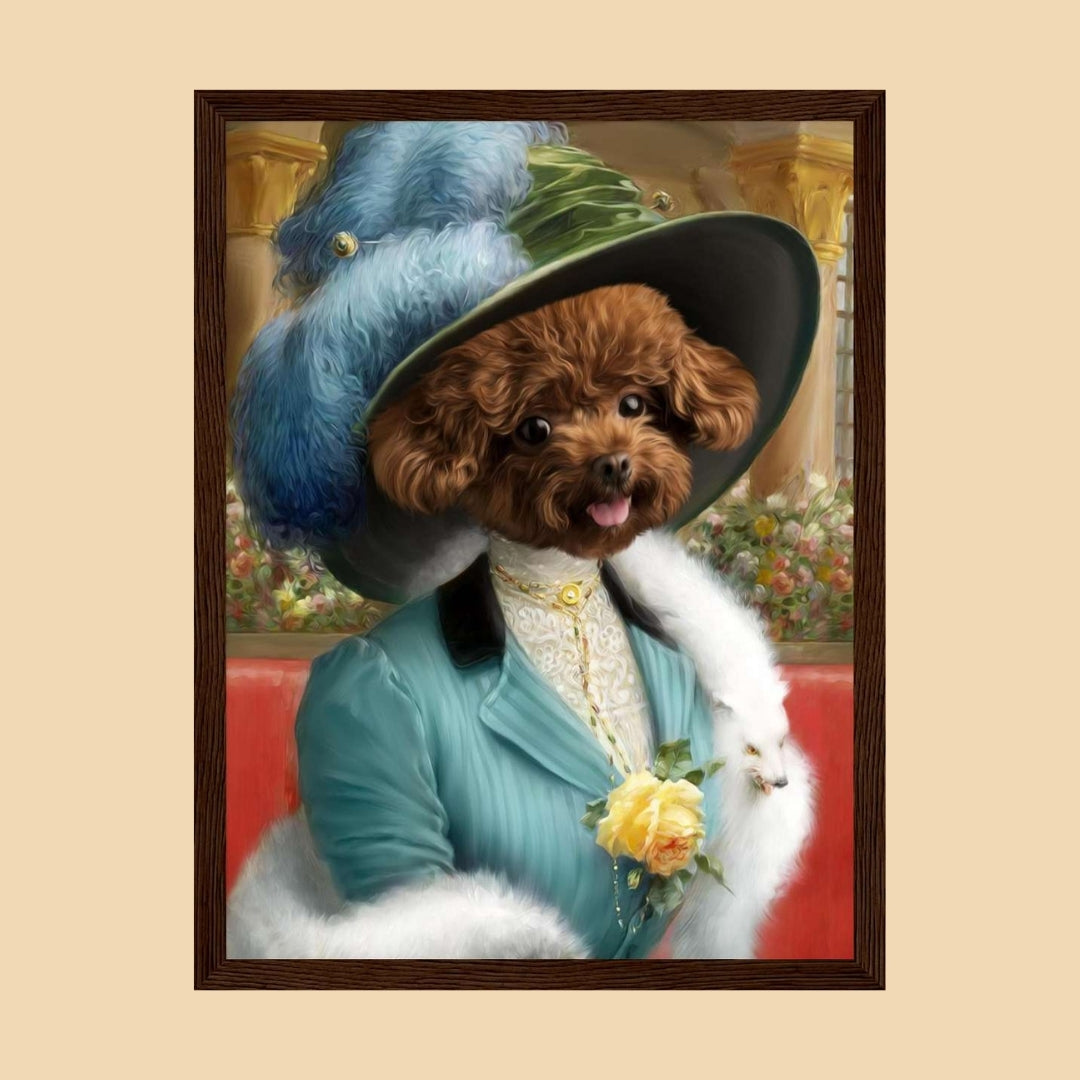
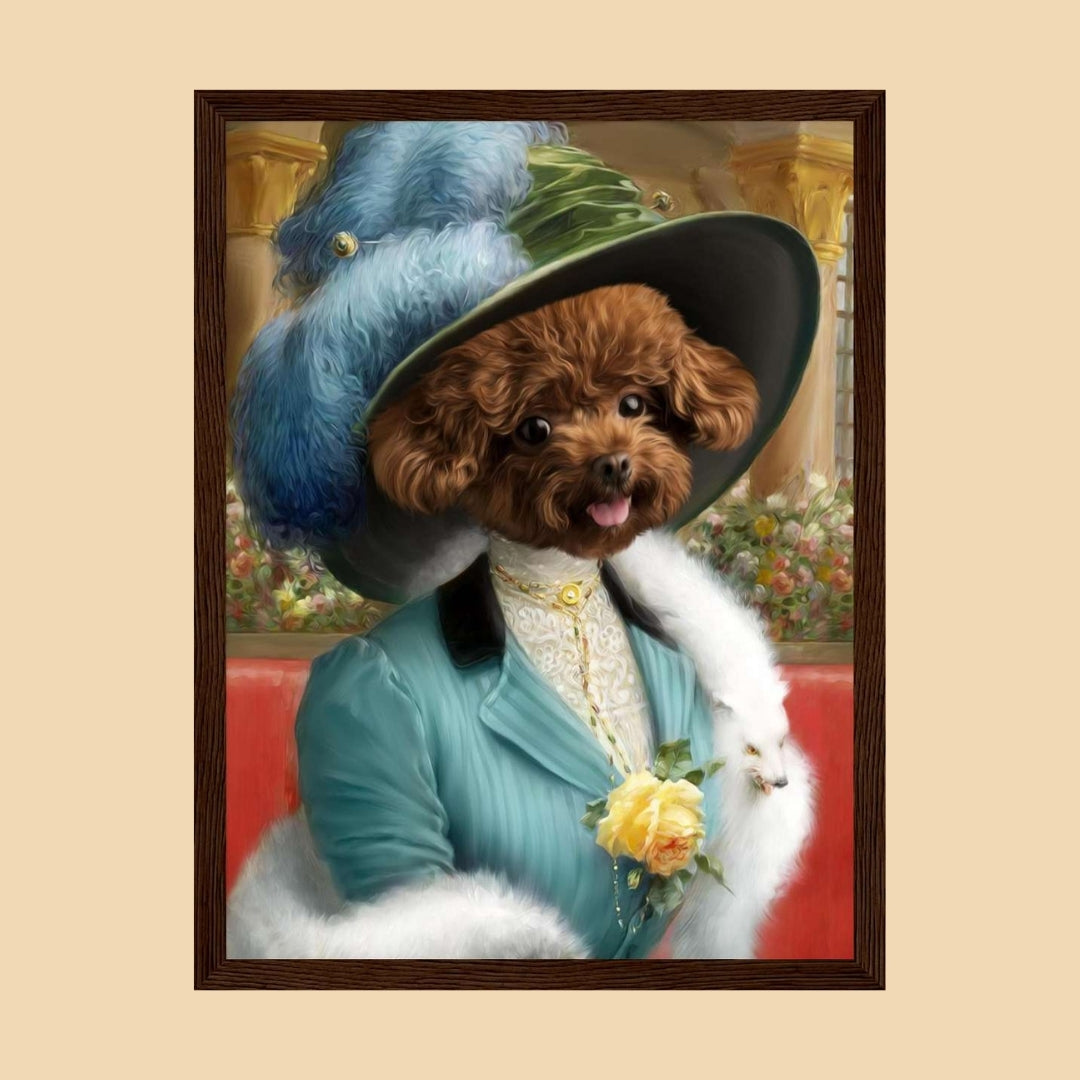
A small room does not require tiny, apologetic artwork. The useful question is how much wall space the portrait has to work with and what else is competing for attention.
In compact rooms, a single well-placed pet portrait can often look calmer than several undersized pieces scattered across every available surface. Measure first, choose the location deliberately and let the artwork have some breathing room.
Measure the usable area around furniture, shelves, doors, switches and existing pictures. Then compare those dimensions with the sizes currently offered on the portrait you are considering.
A paper template is useful here. Tape together sheets of paper to approximate the finished dimensions and place the shape on the wall. It is not glamorous, but neither is returning to the wall with a tape measure after checkout.
Use our pet portrait size guide for the broader sizing process.
A portrait can give purpose to a small stretch of wall above furniture without requiring a large gallery arrangement. Keep enough visual separation from objects sitting on the surface below.
Narrow halls often have useful vertical wall space even when the floor area is limited. Choose a size that can be viewed comfortably while walking past rather than one that overwhelms the width of the wall.
A smaller framed piece can personalise an office wall without competing with monitors, shelving and paperwork. Position it where it is visible without adding clutter directly around the work surface.
If several photographs or artworks already share the wall, a pet portrait can join them instead of requiring a separate area. Keep the overall arrangement disciplined so the wall does not become an archive of everything nobody could bear to leave unhung.
See our pet portrait gallery wall guide.
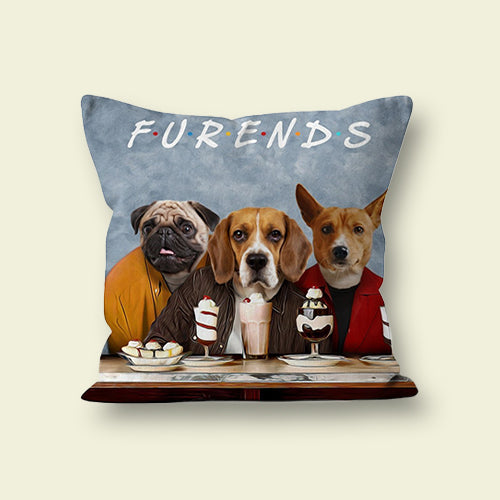
There is no universal answer. One larger piece creates a cleaner focal point. Several smaller pieces can work when you have multiple pets, family photographs or a deliberately collected gallery-wall look.
Choose based on the shape of the available wall and the number of items you genuinely want to display, not because small rooms have been sentenced to small art by some obscure decorating tribunal.
Frames affect how substantial a portrait feels. A dark frame can create a stronger boundary, while a light or natural finish may blend more quietly into a pale room.
Our pet portrait frame-colour guide compares black, white and wood directions without pretending one is universally correct.
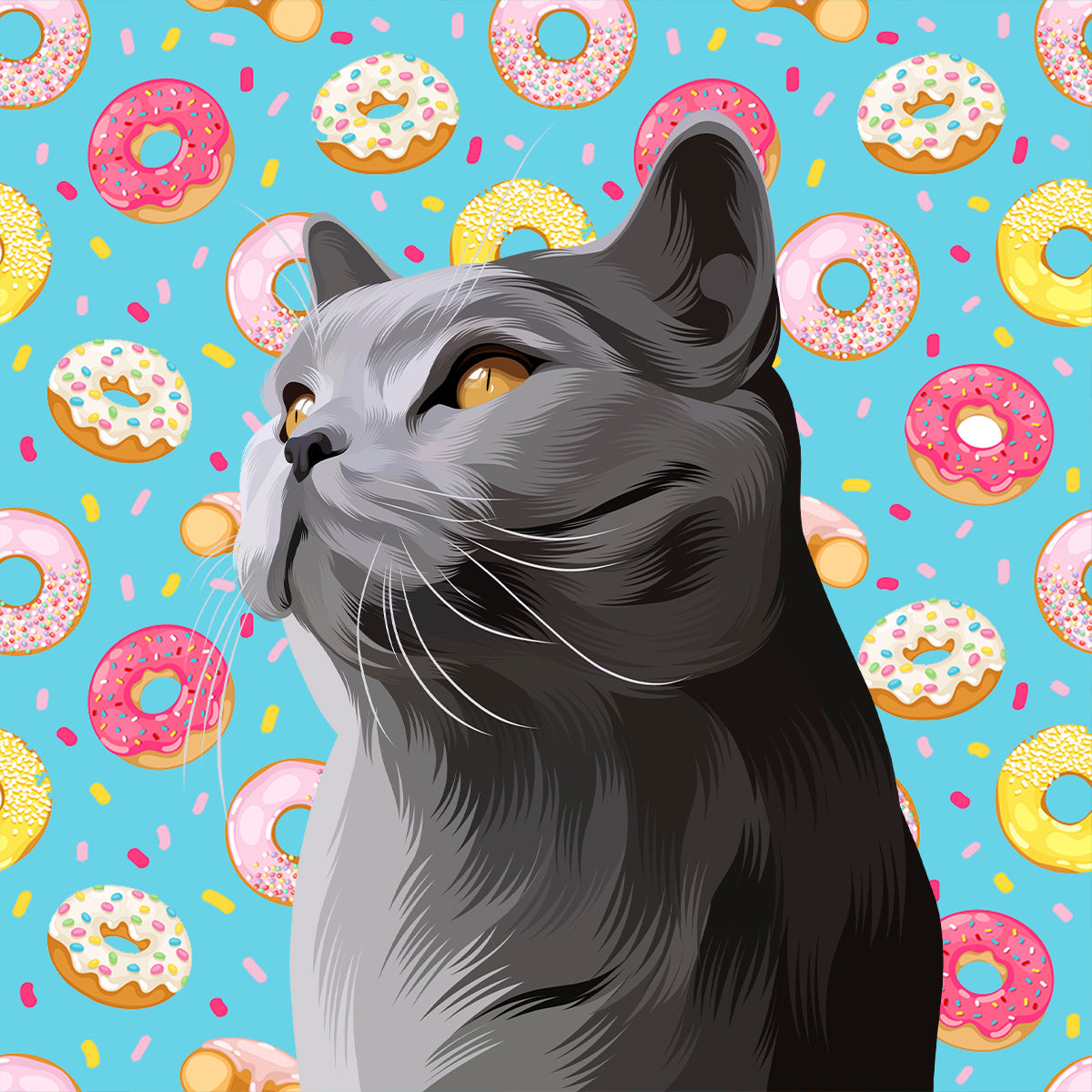
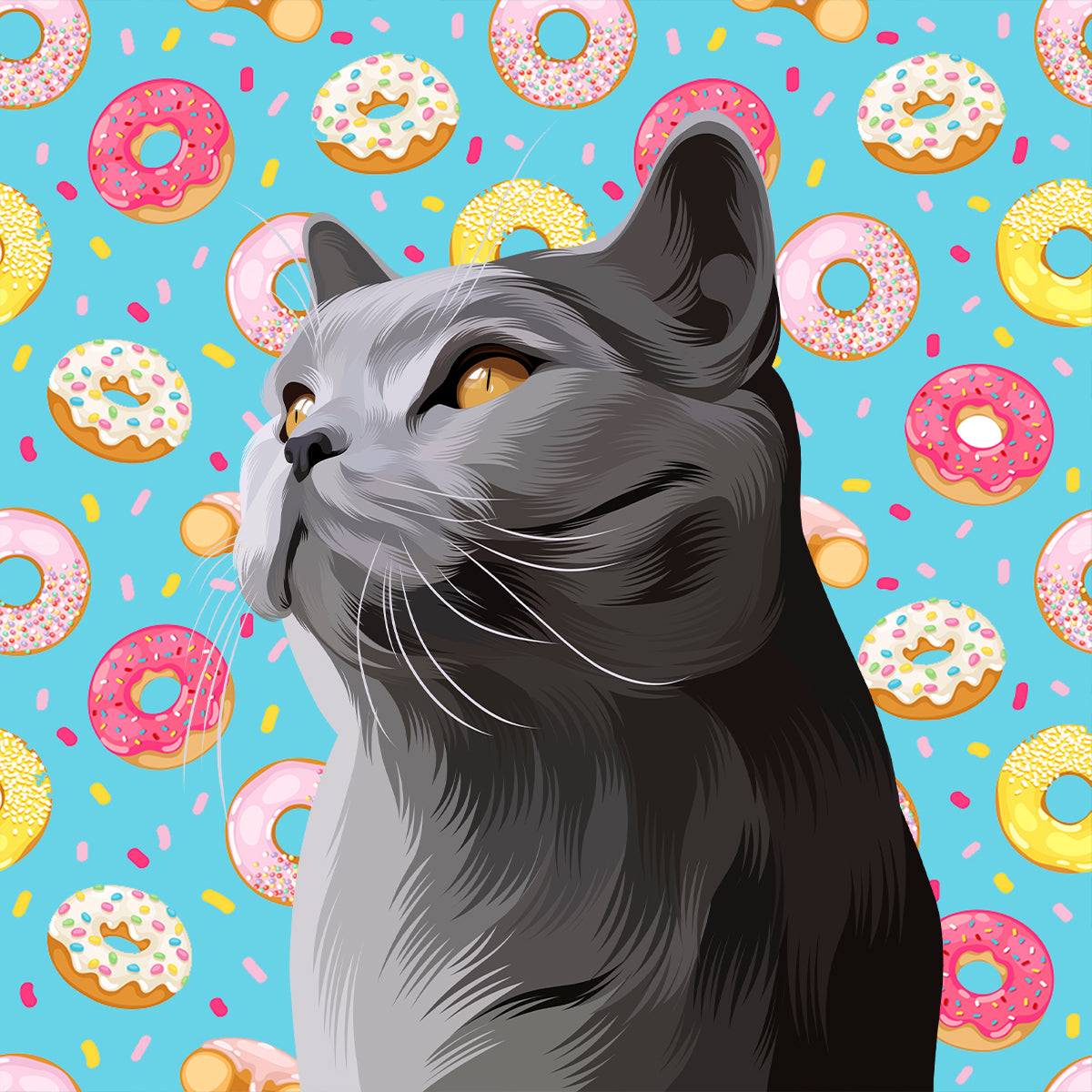
In a compact space, a very strong background can become a major colour block. That may be exactly what you want if the portrait is the room's focal point. If the room already contains several strong colours or patterns, a calmer background can make the artwork easier to integrate.
See how to choose a pet portrait background colour.
Both can work. A framed portrait has a defined border that can tie into other framed pictures. A canvas has a different edge and surface and can work as a single self-contained wall piece.
Compare current options using our framed pet portrait guide and canvas sizing and display guide.
A compact room does not need more decorative rules. It needs fewer accidental decisions. Measure the wall, decide what deserves attention and give the pet portrait a clear job in the space.
Comments will be approved before showing up.
September 09, 2026 5 min read
WELCOME TO PAW & GLORY
Get up to 30% off
Join 30,000+ pet owners turning perfectly ordinary photos into gloriously over-the-top works of art.
★★★★★ 2,200+ Five-Star Reviews
Real Artists · Proof Before Print · Unlimited Artwork Revisions