November 17, 2022 2 min read
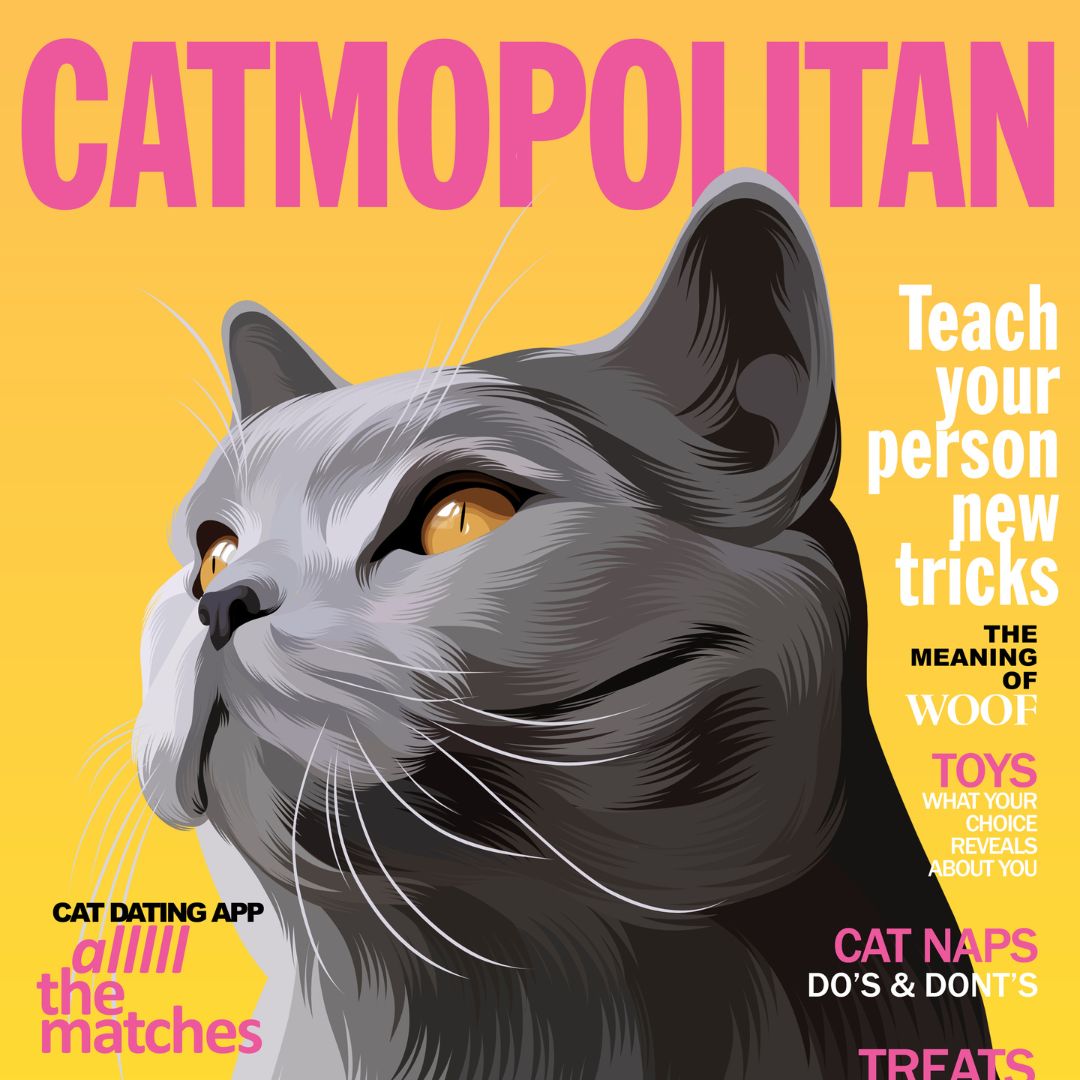
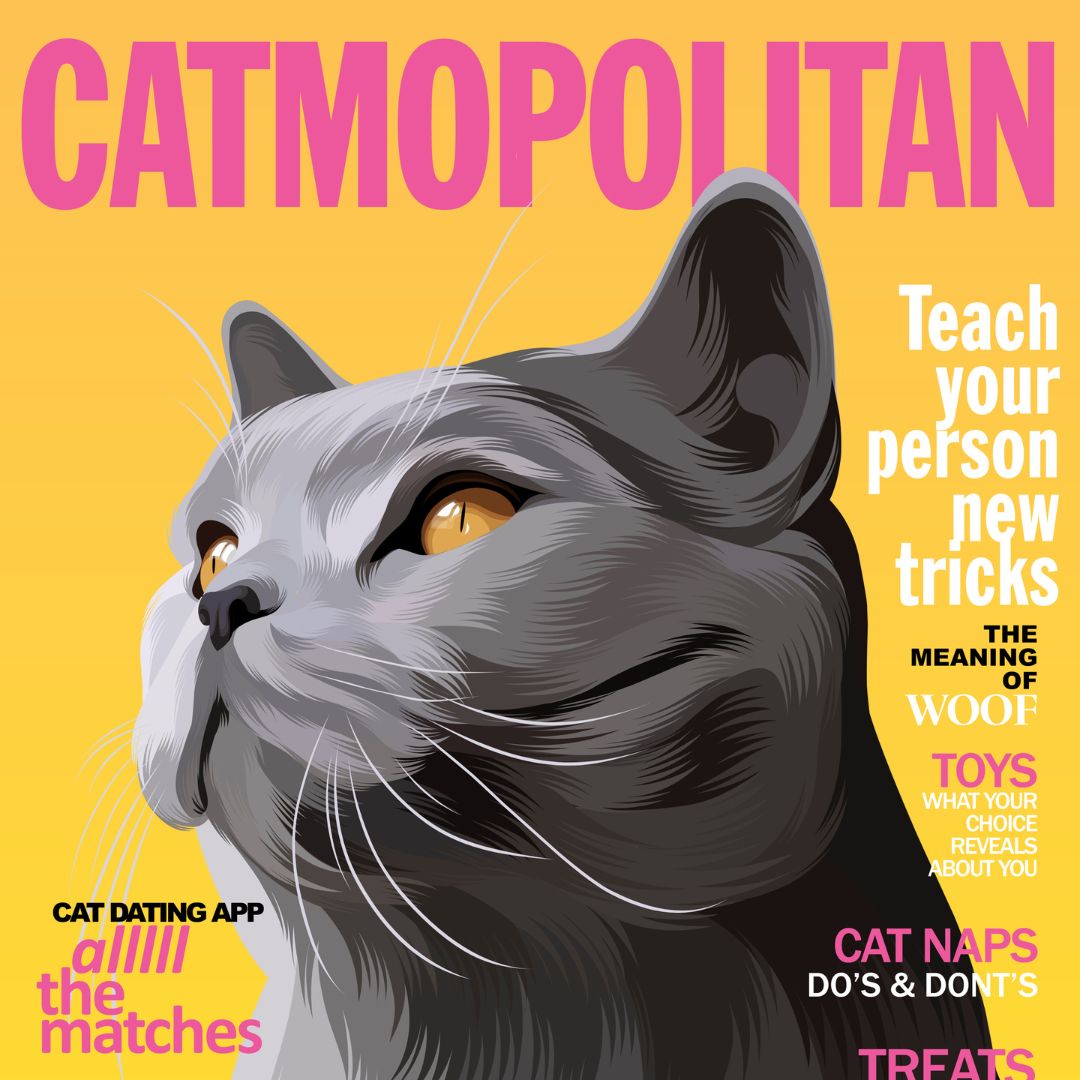
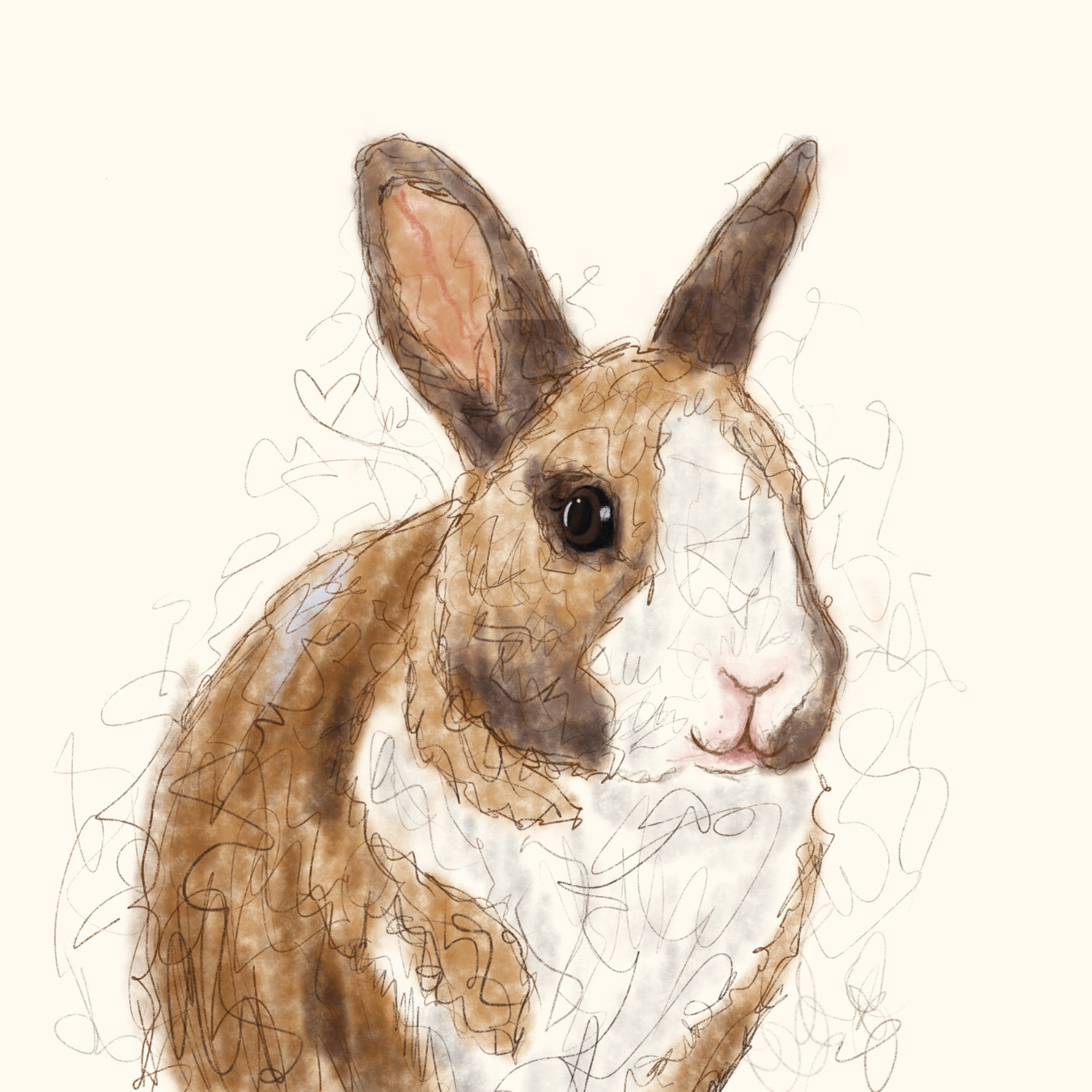
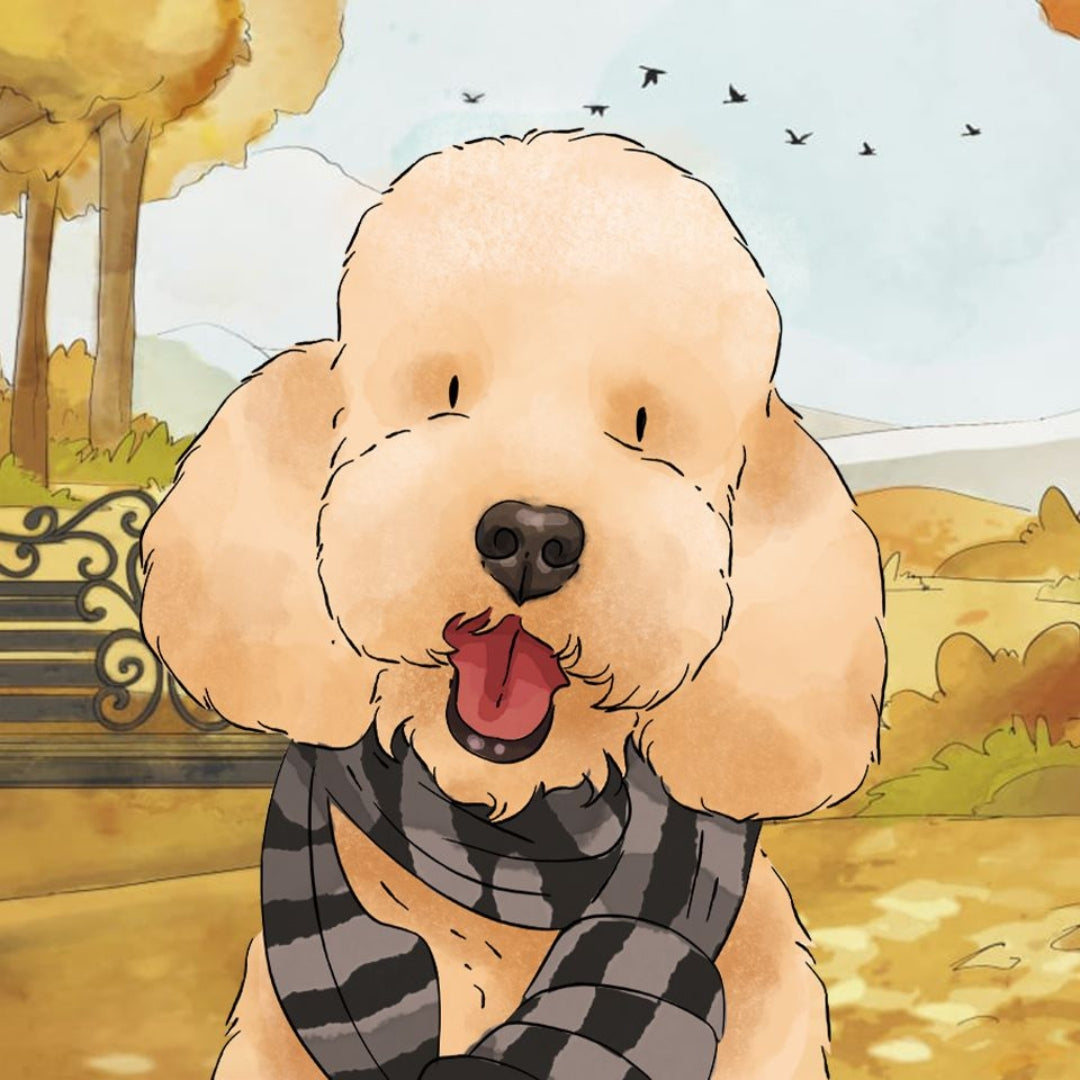
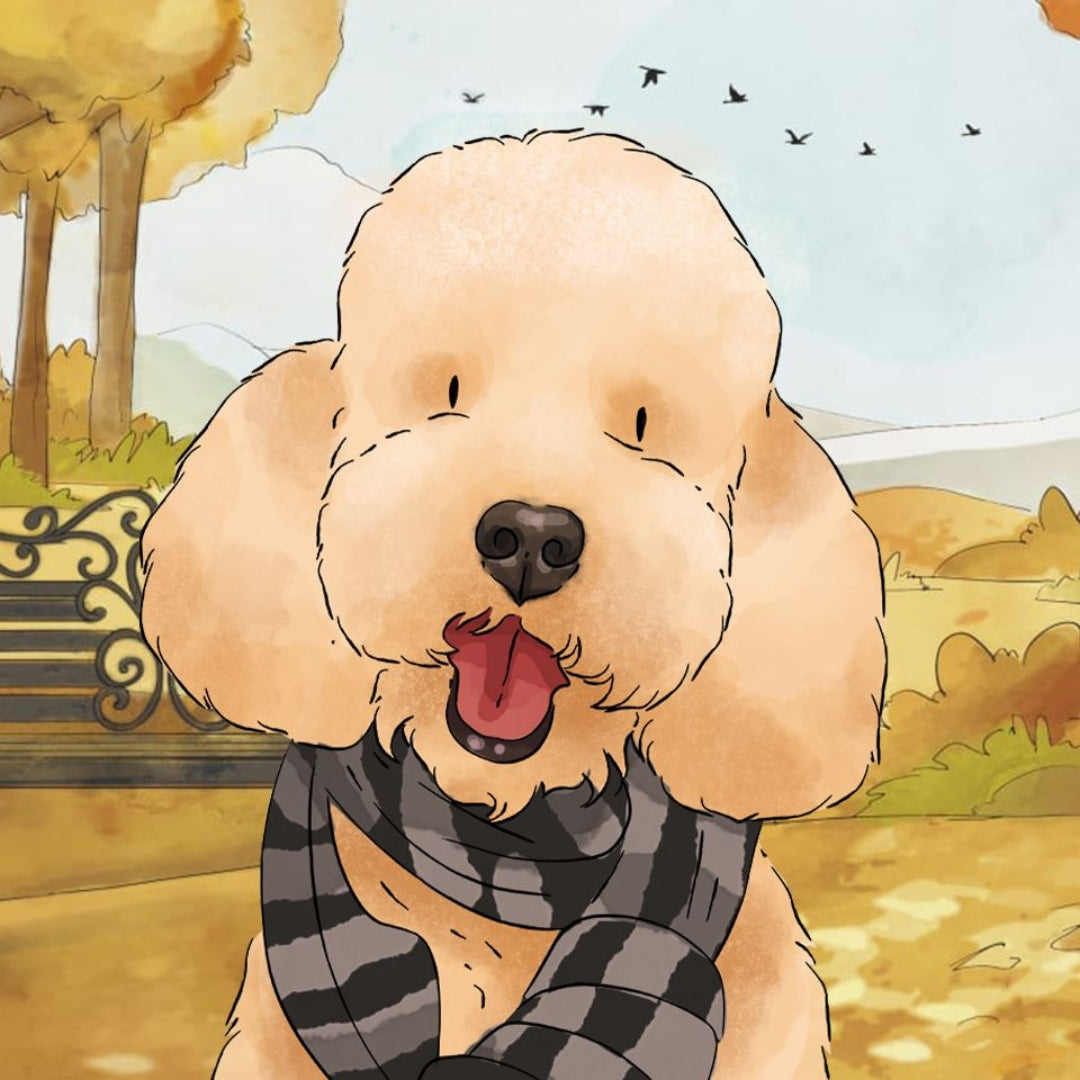
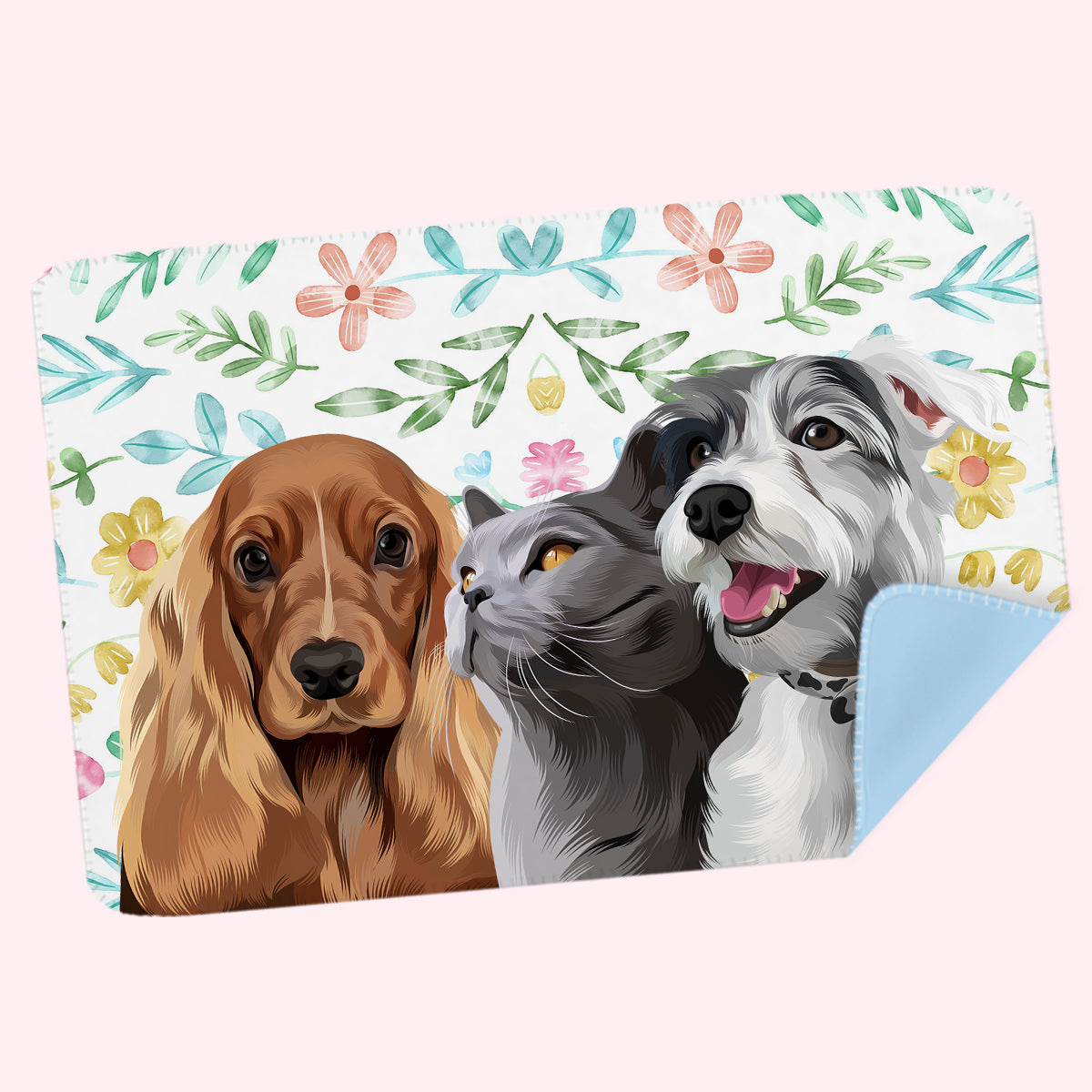
Choosing a pet portrait reference is not only about sharpness. The way the animal fills the photograph also changes the feel of the final composition. A close headshot, a half-body image and a wider environmental photograph each emphasise something different.
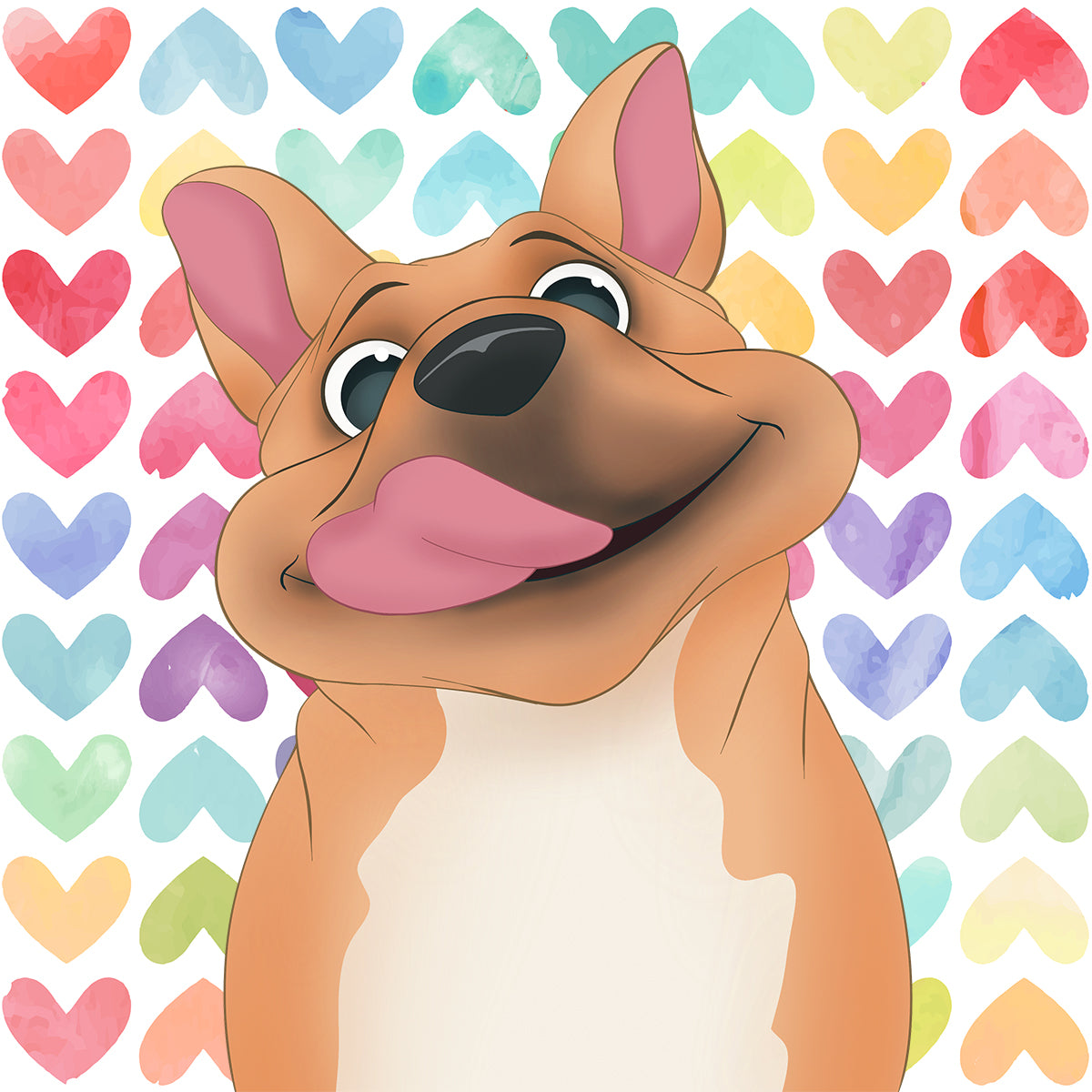
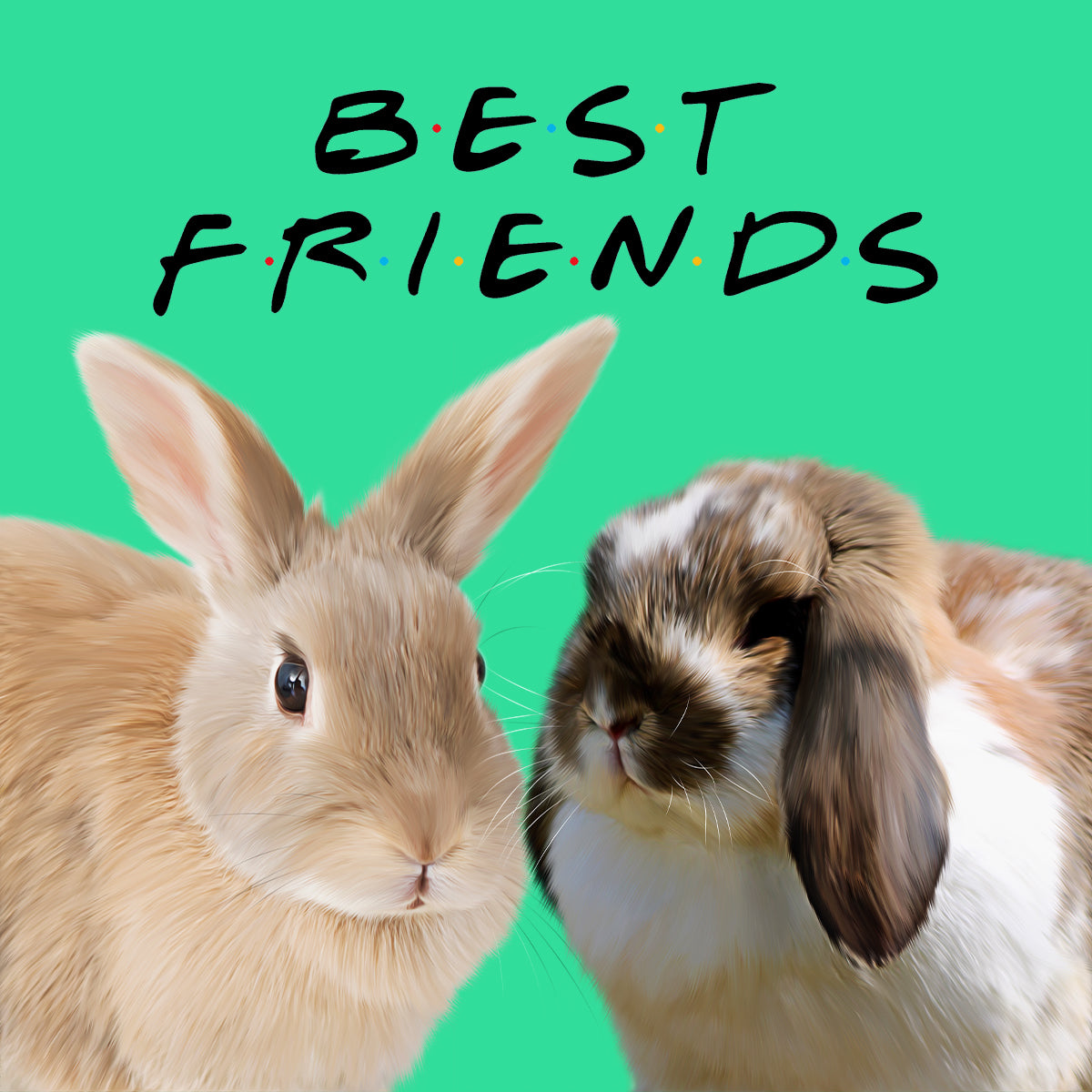
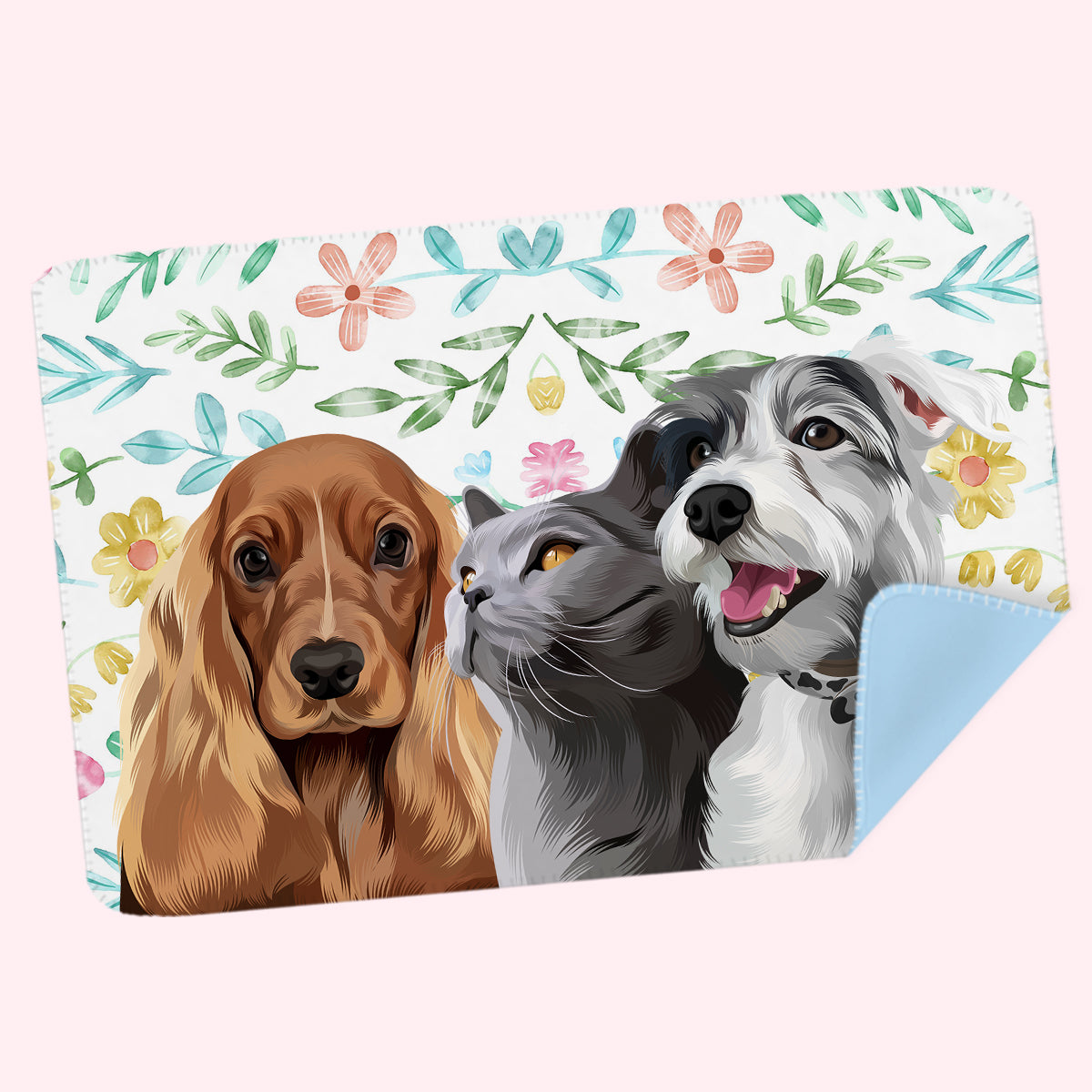
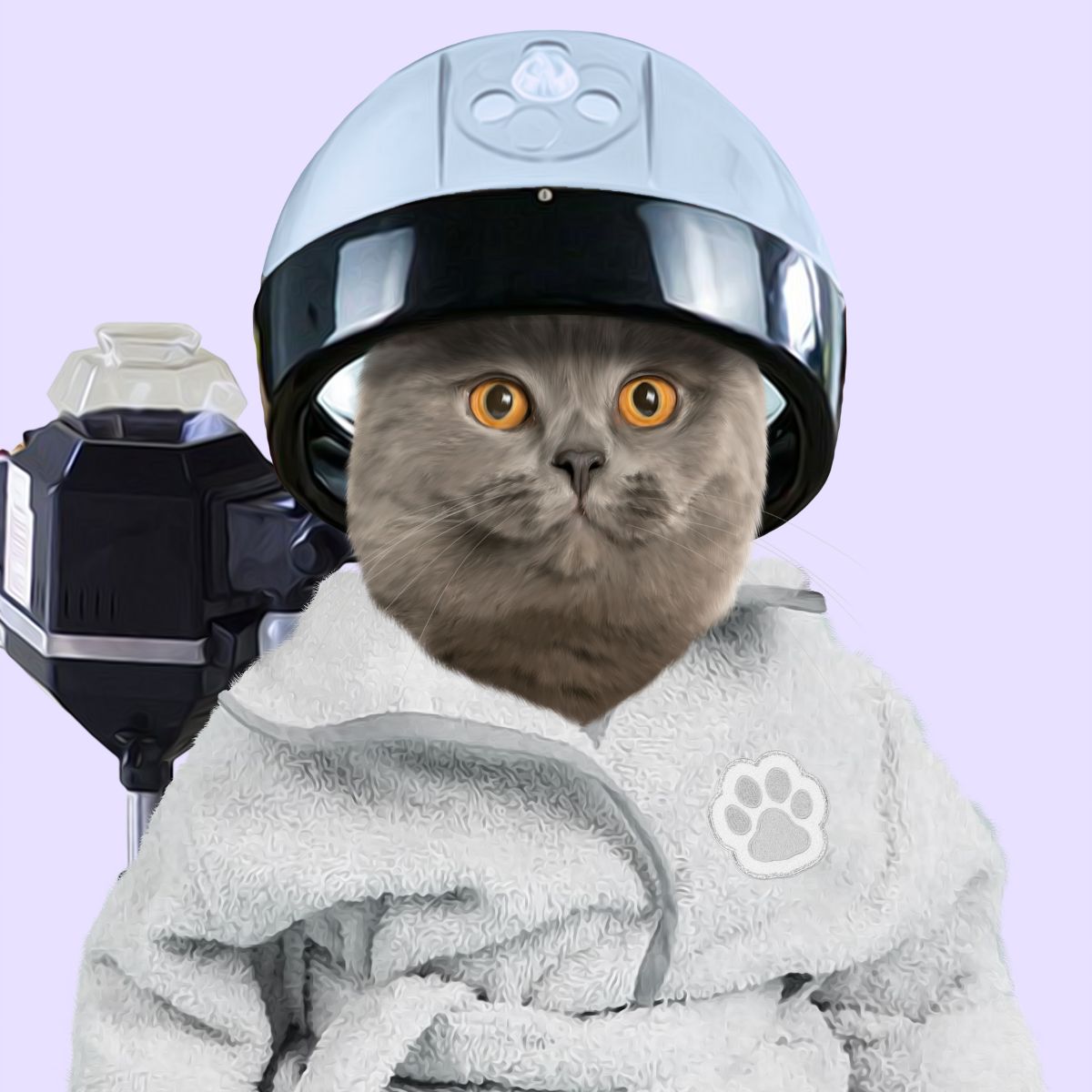
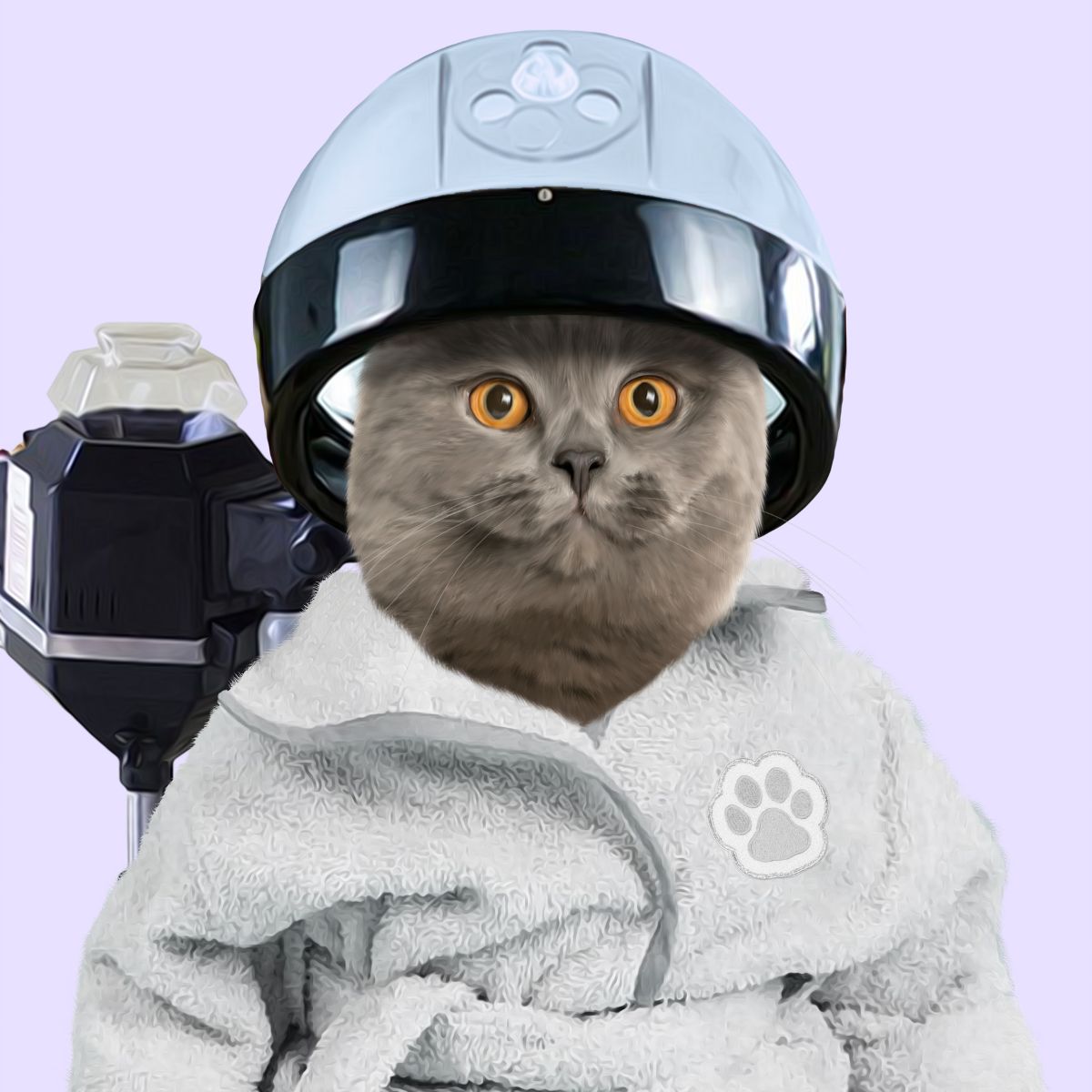
A close image can be useful when the pet's eyes, markings and face are the main attraction. Check that ears, whiskers and the top of the head have not been accidentally cropped out.

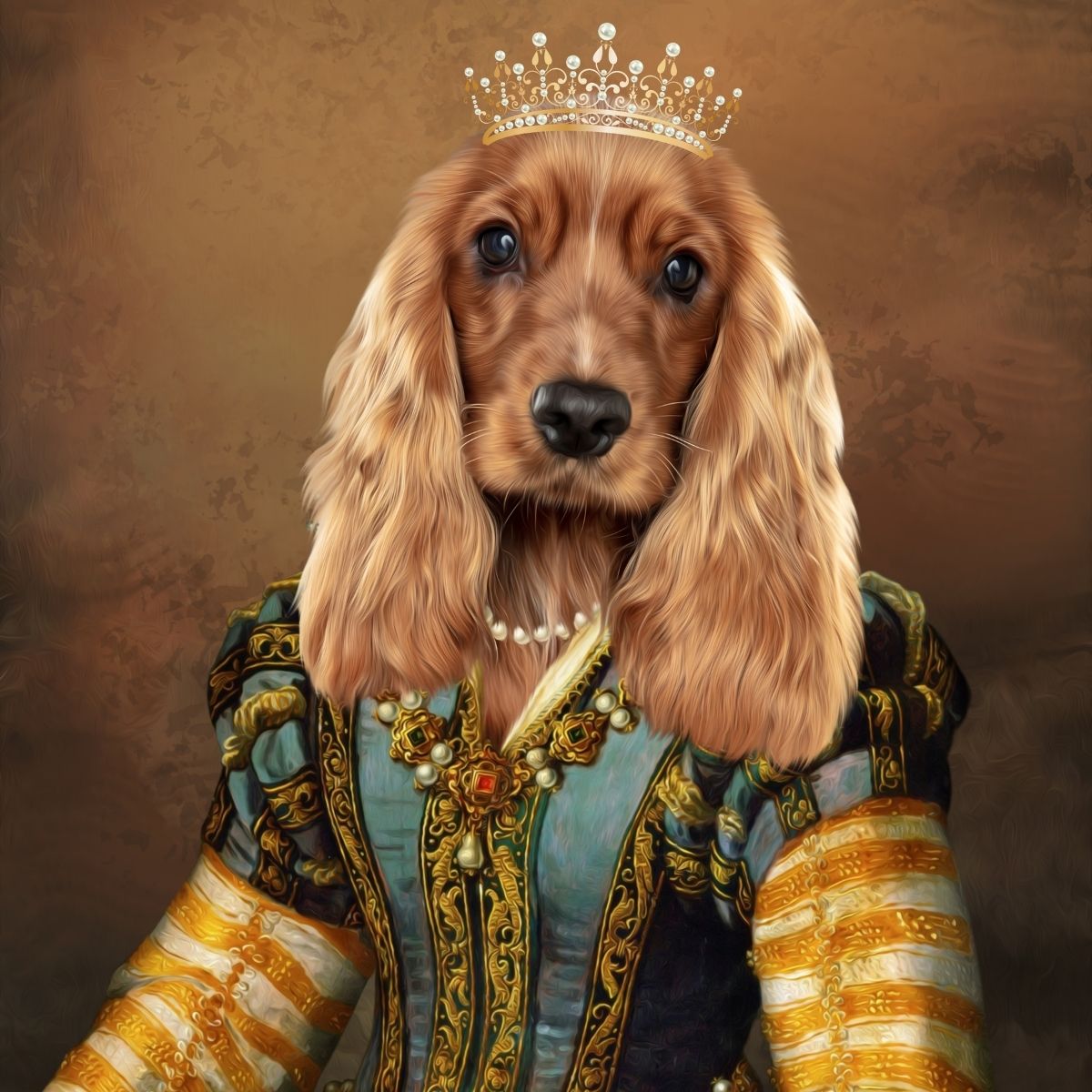
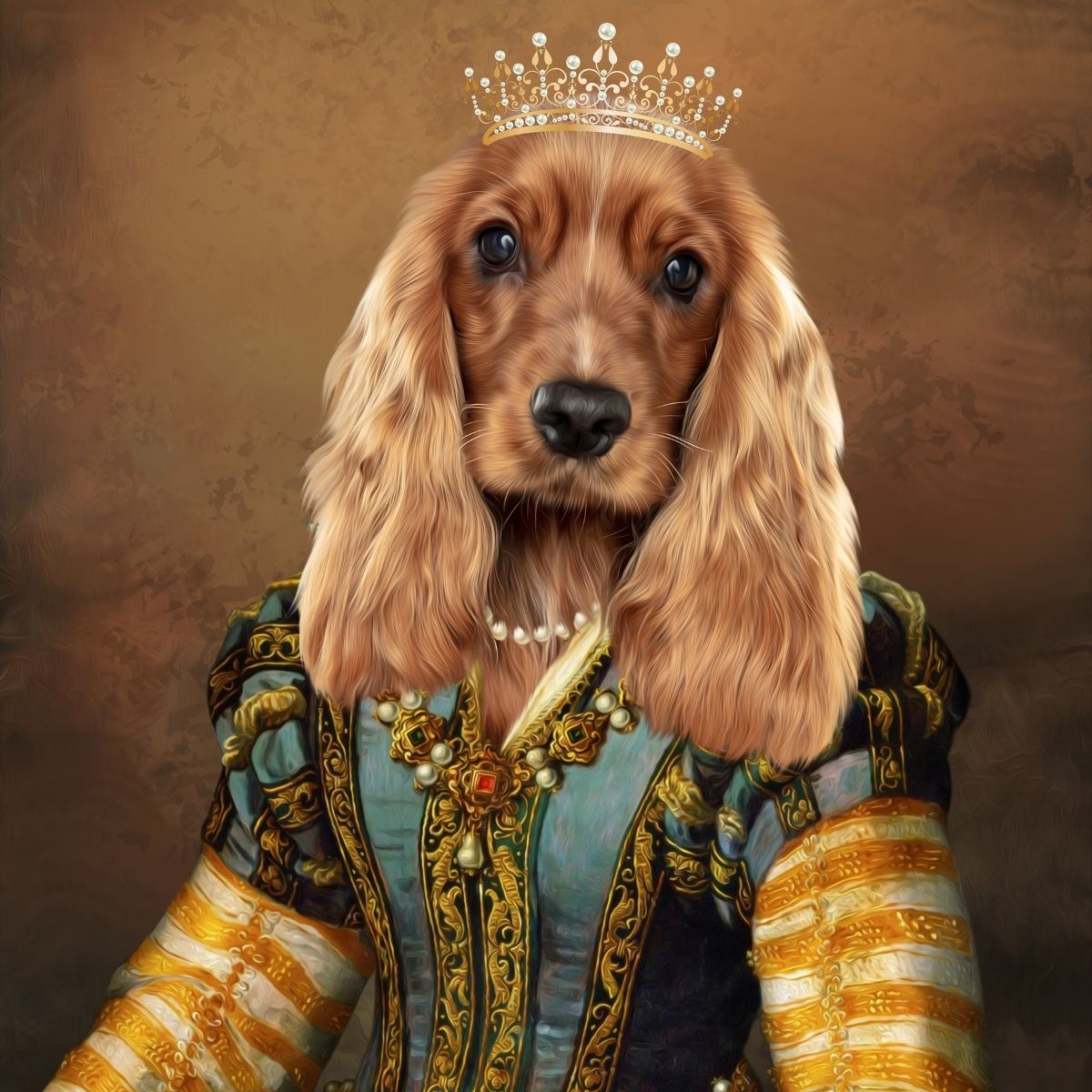
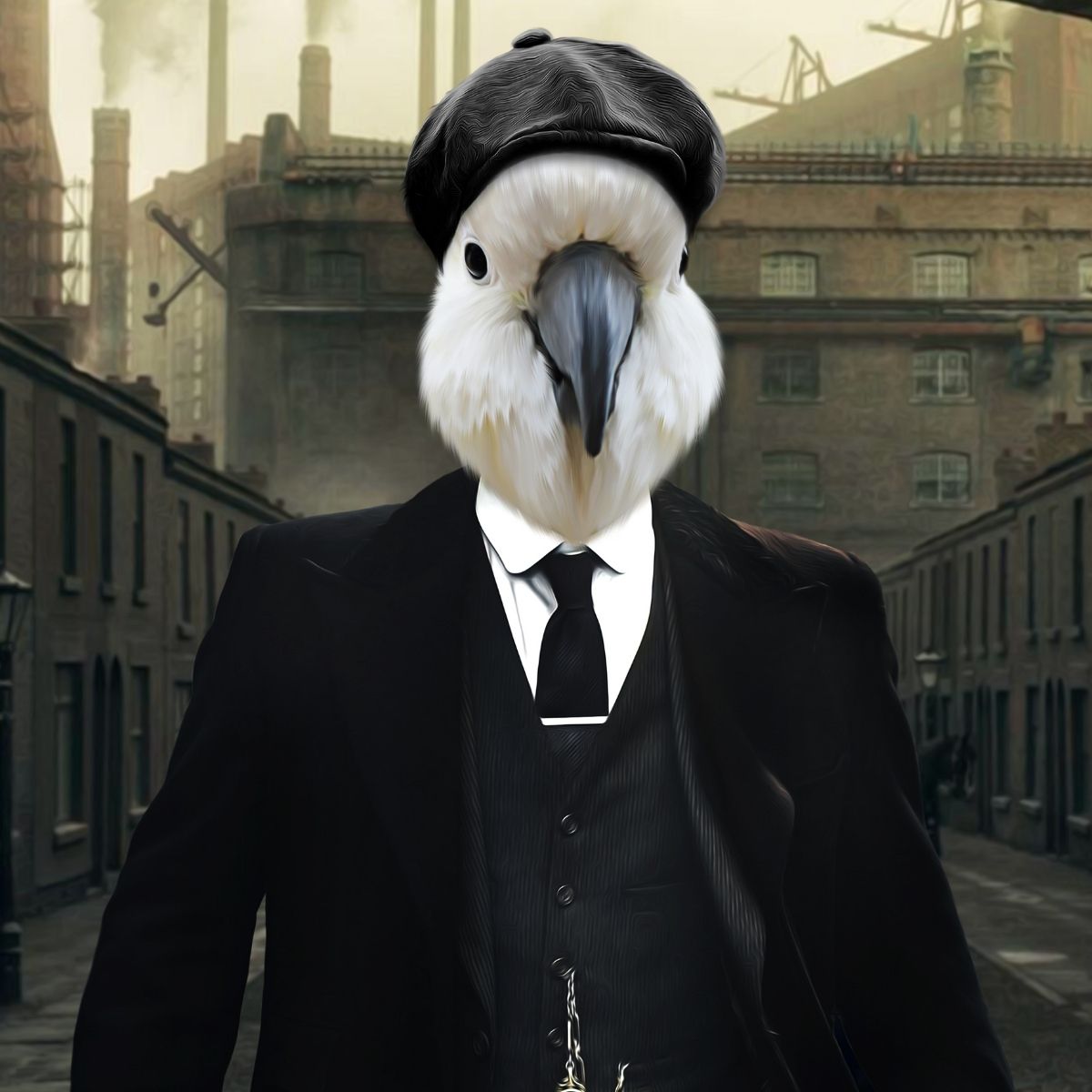
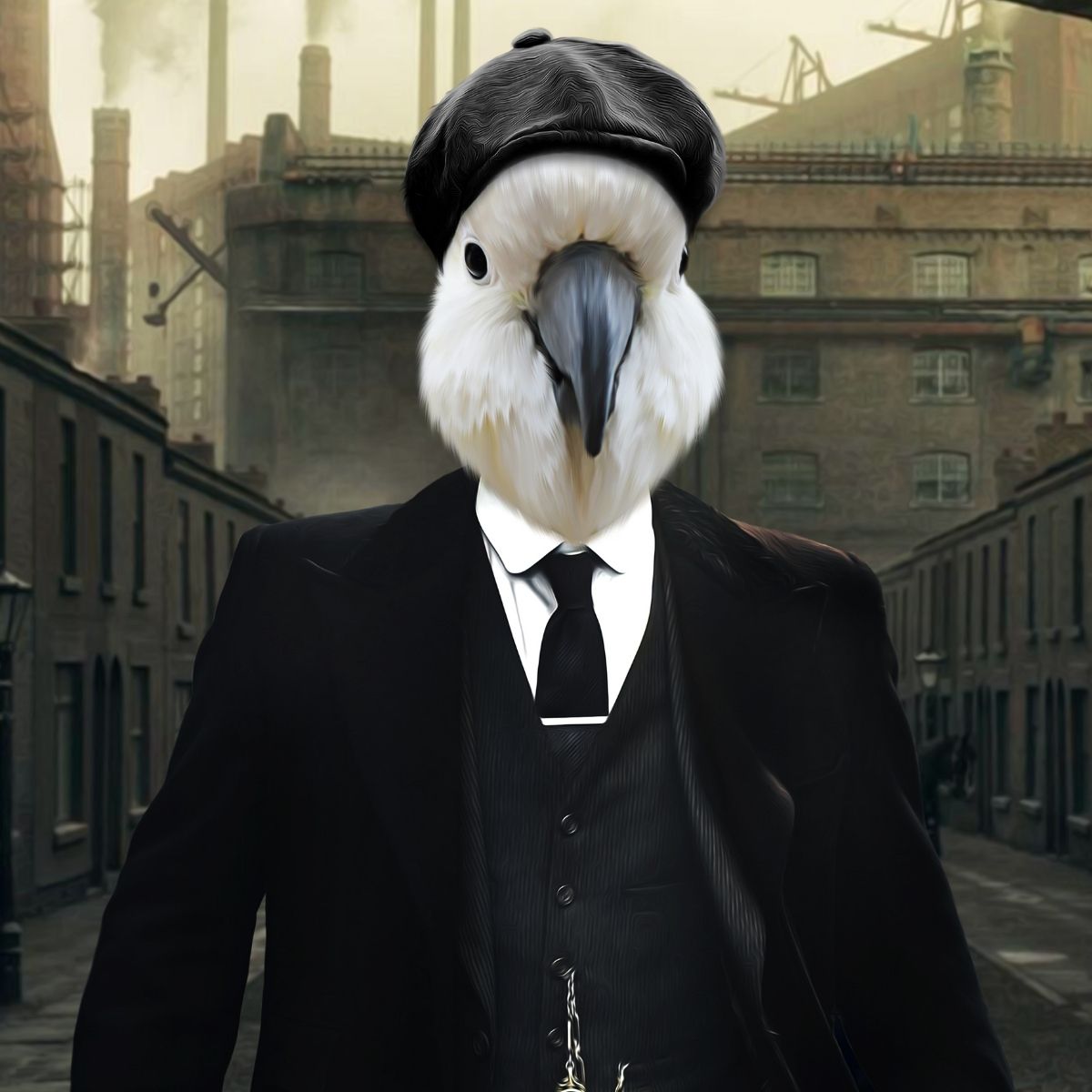
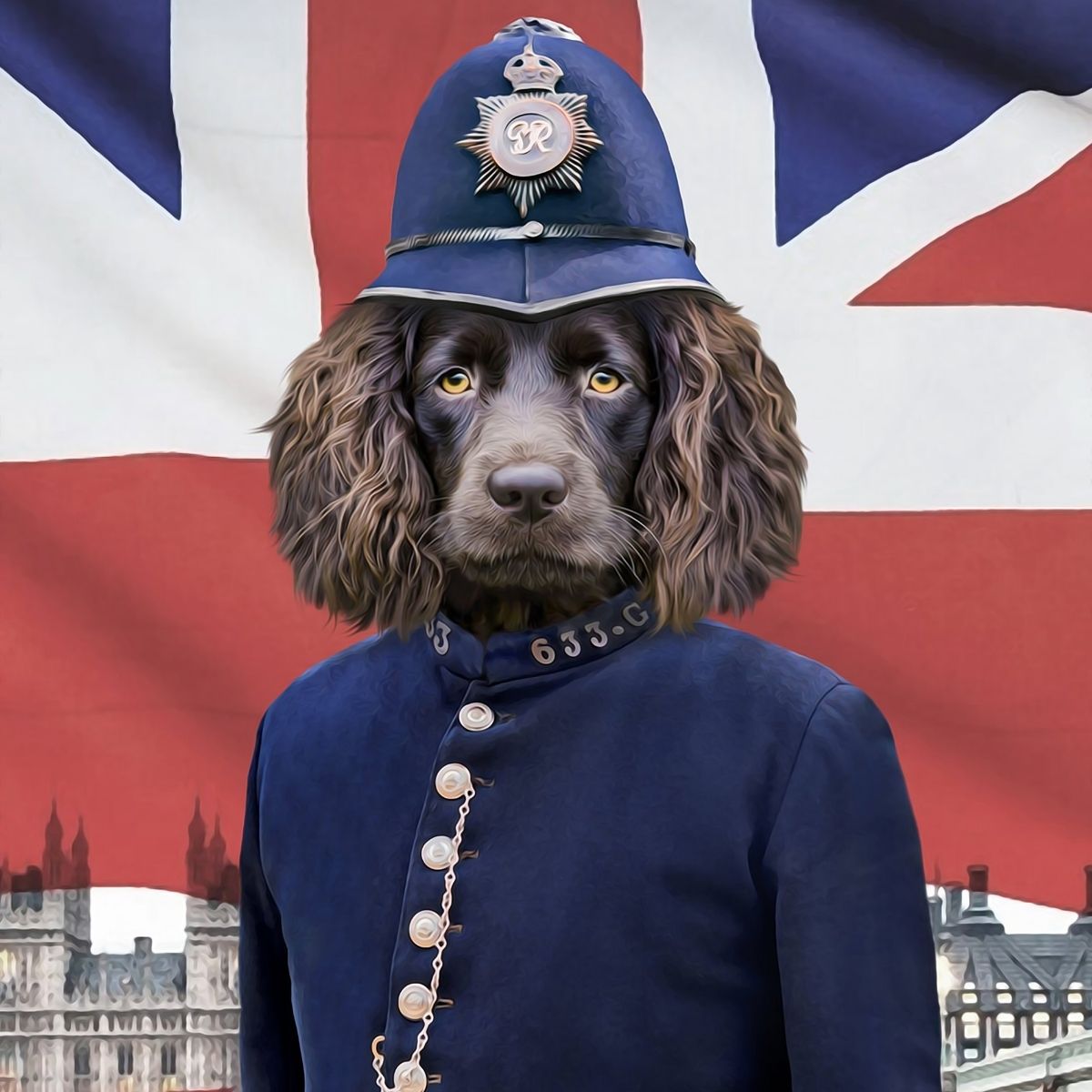
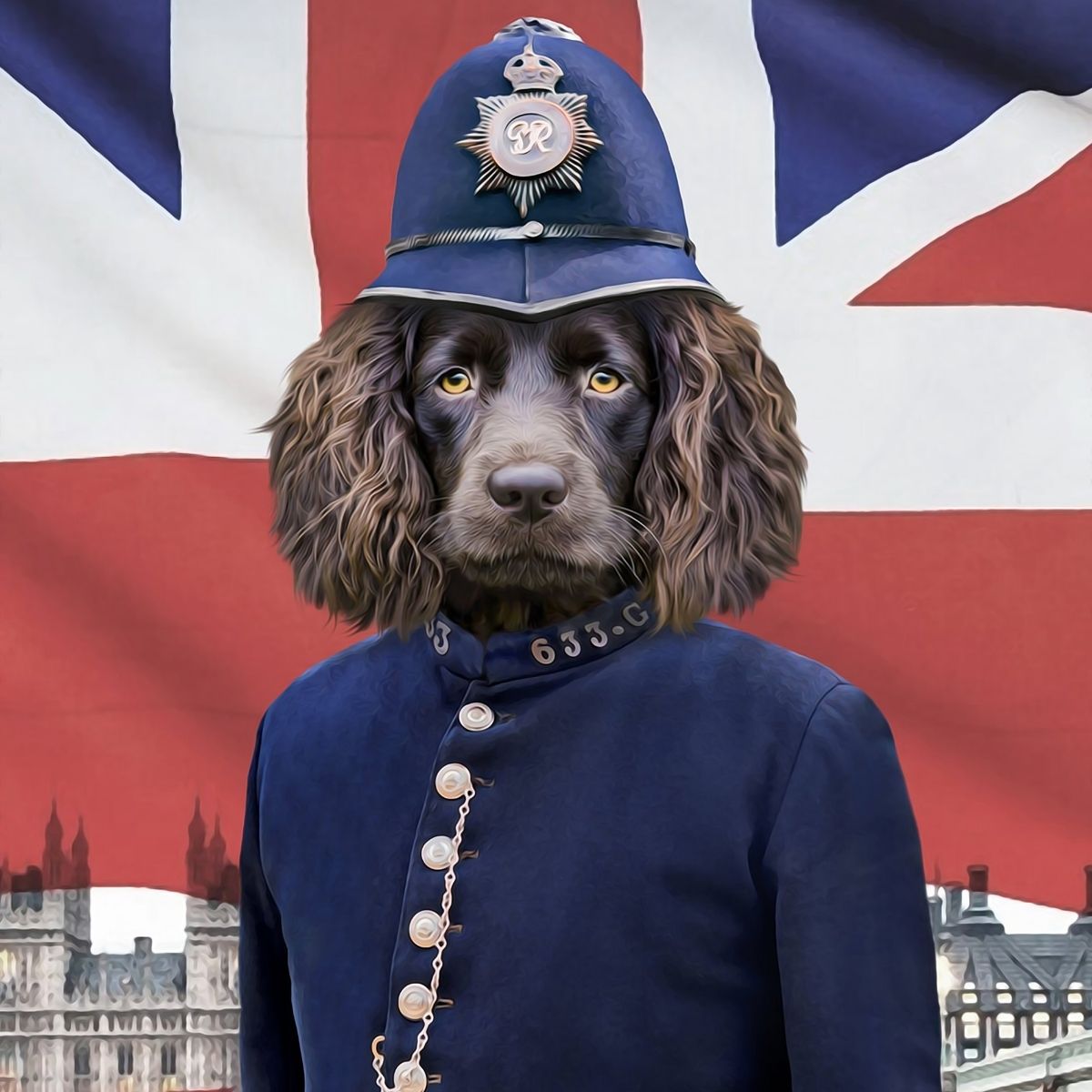
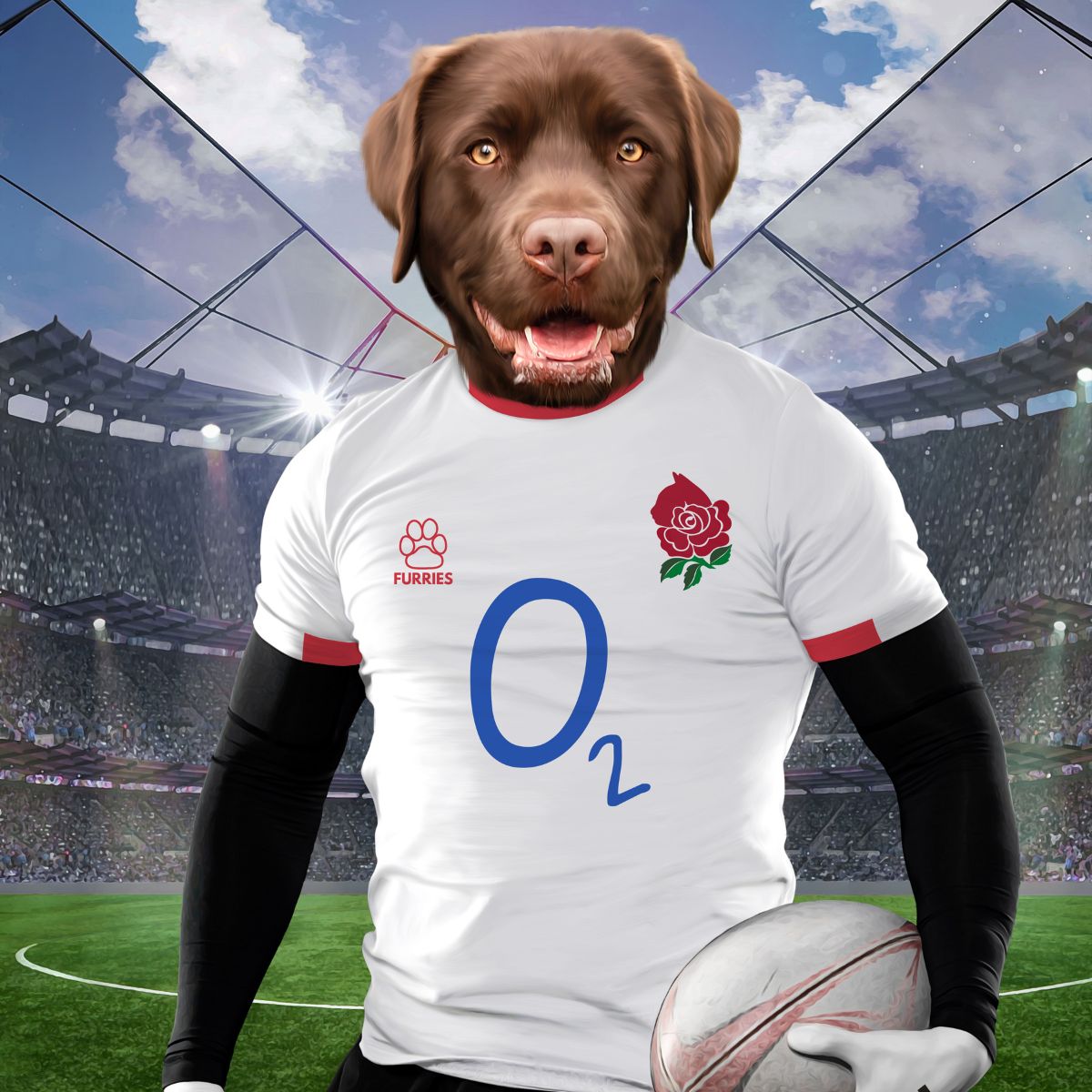
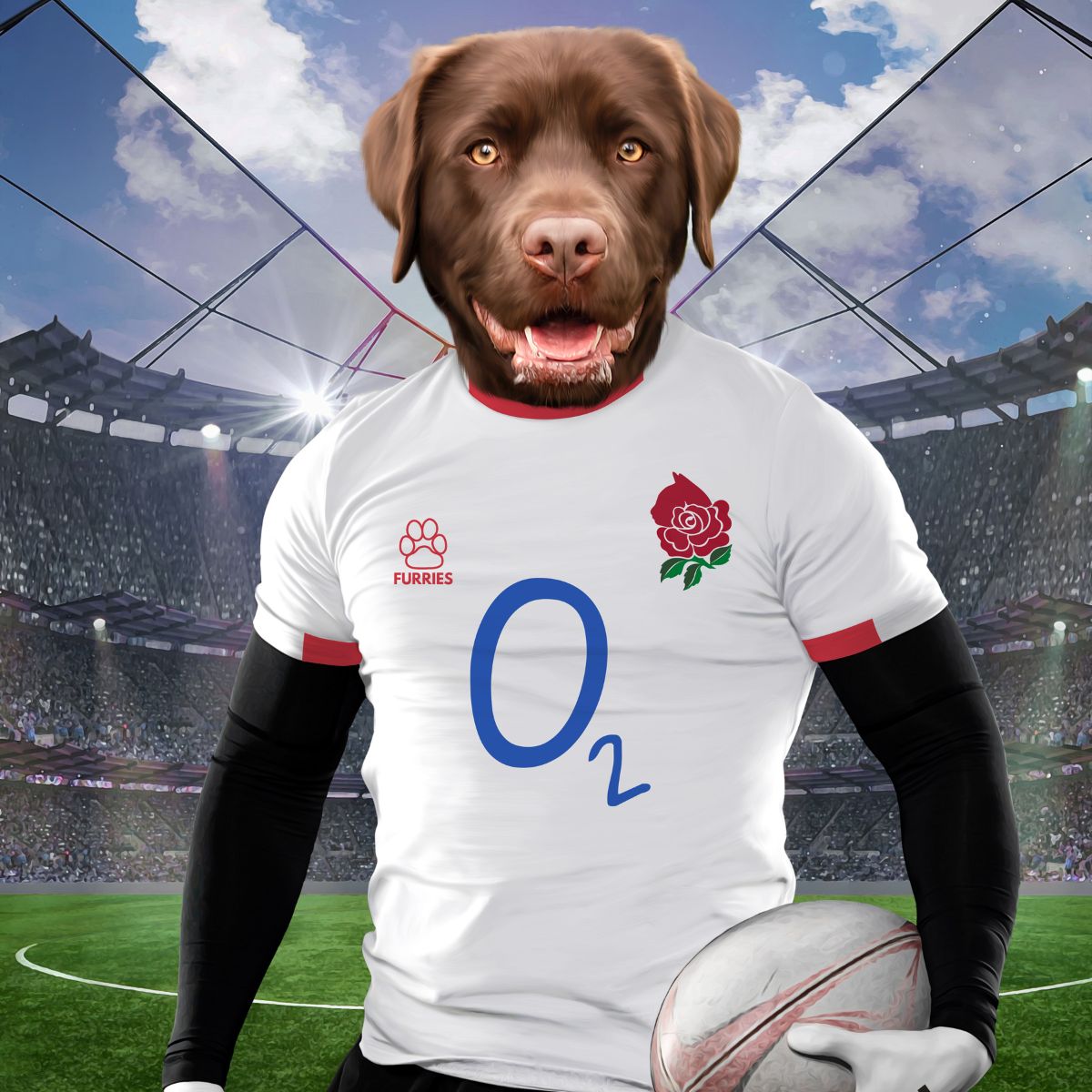
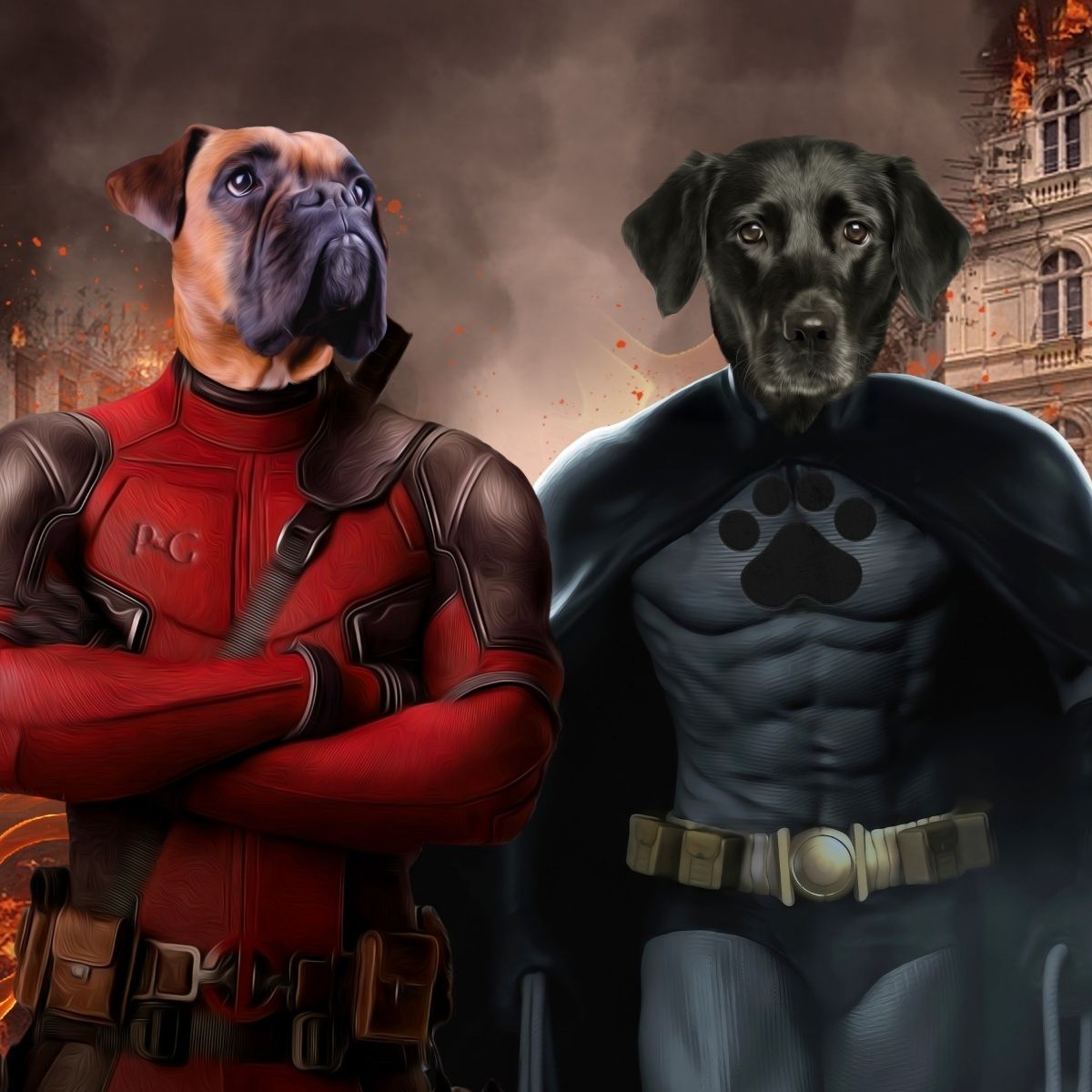
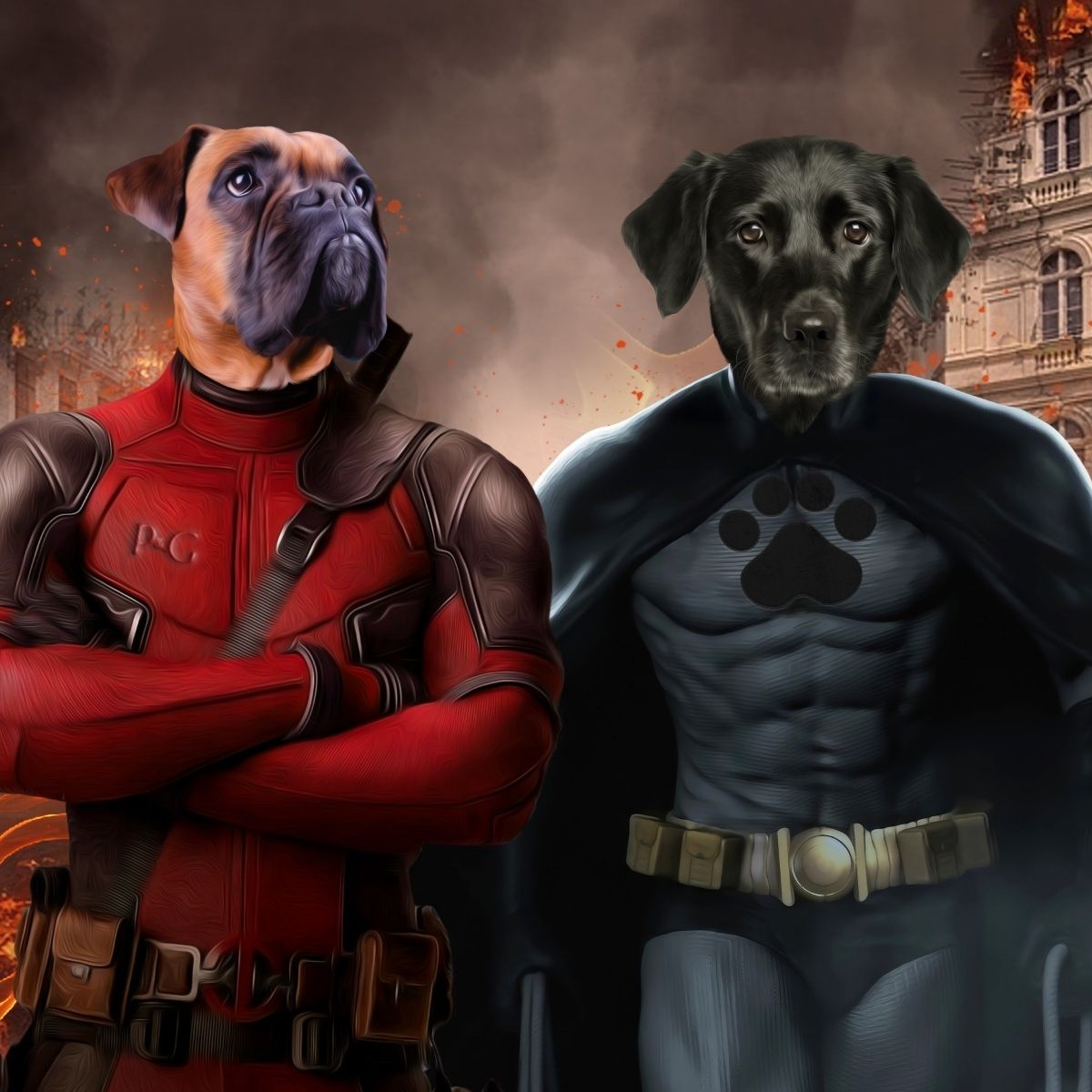
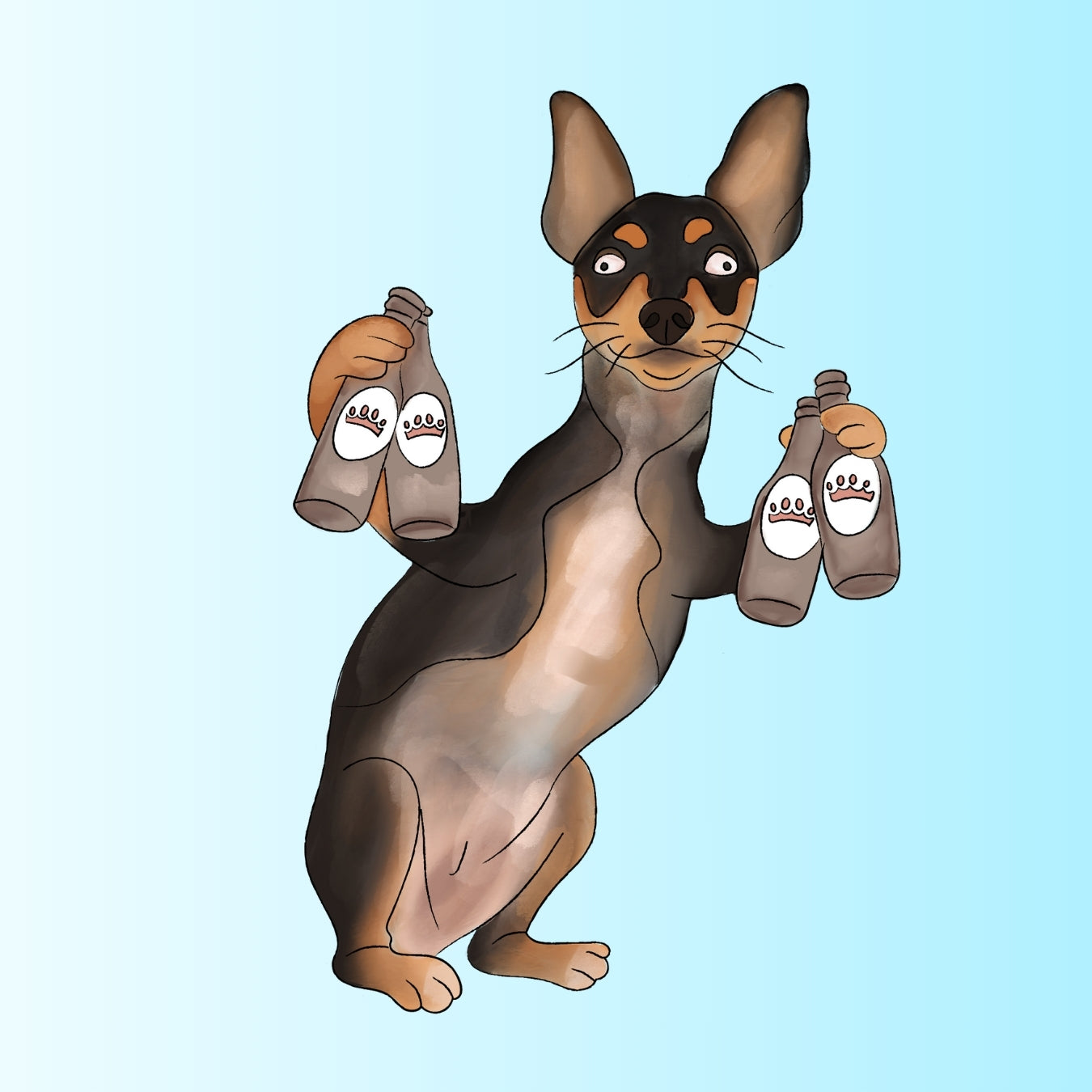
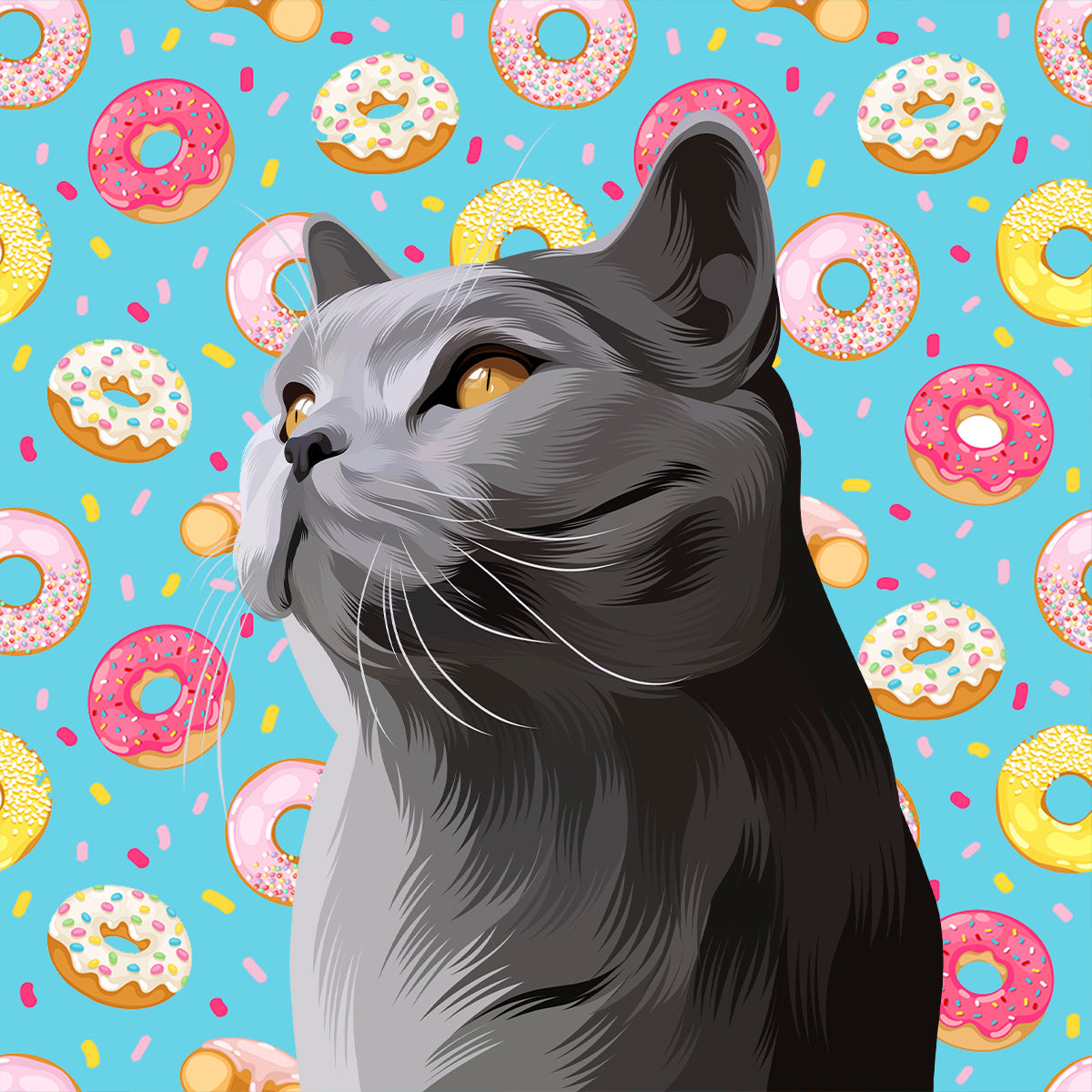
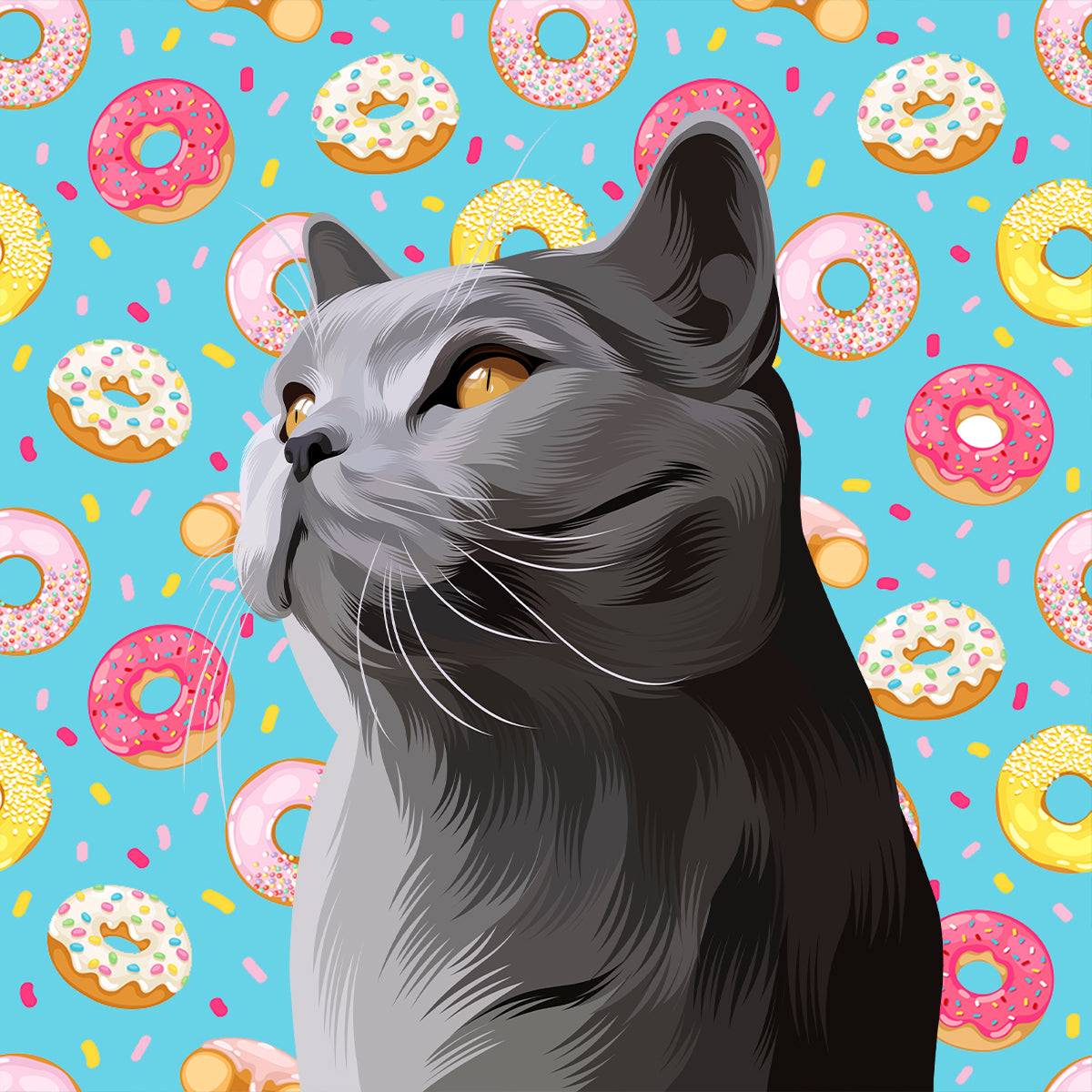
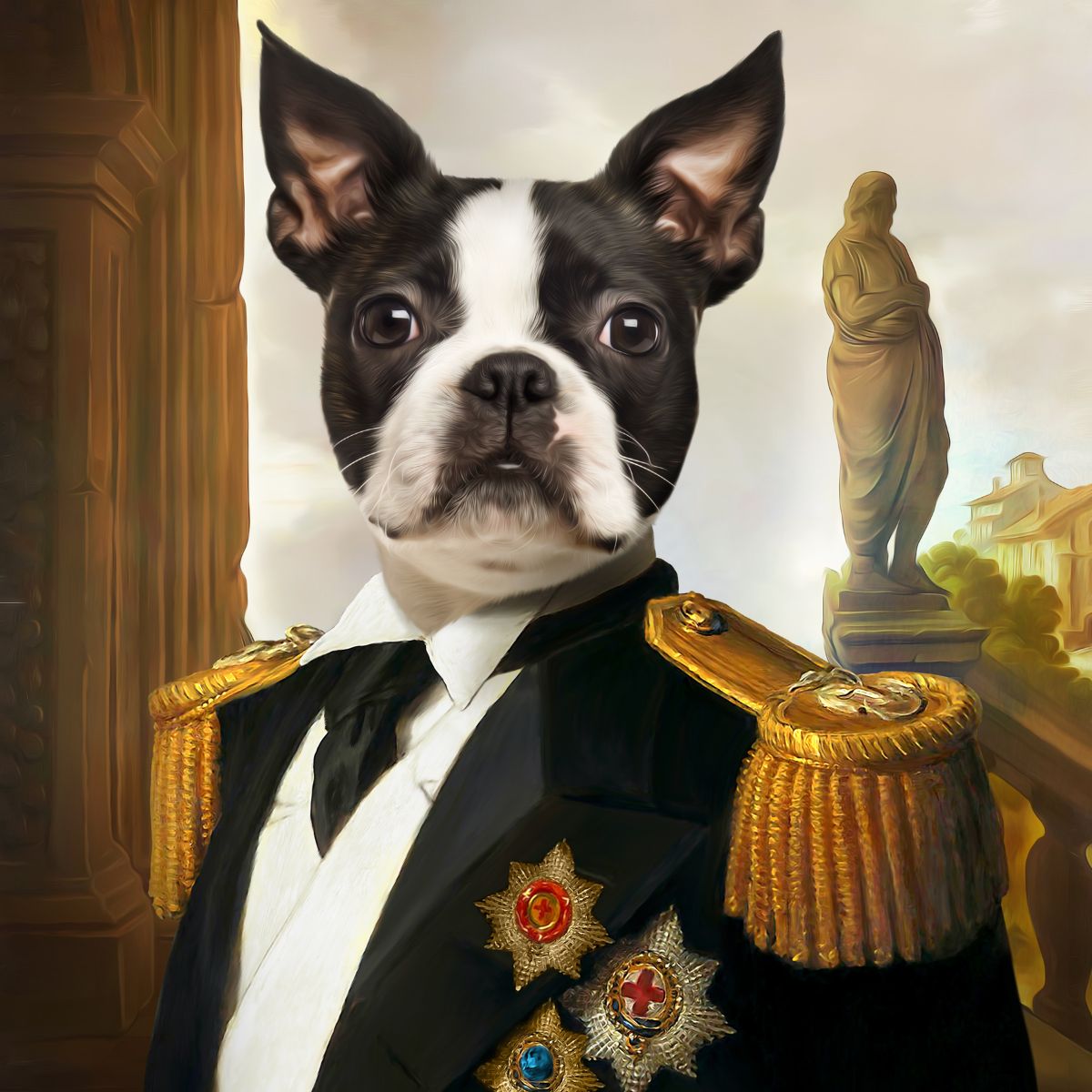
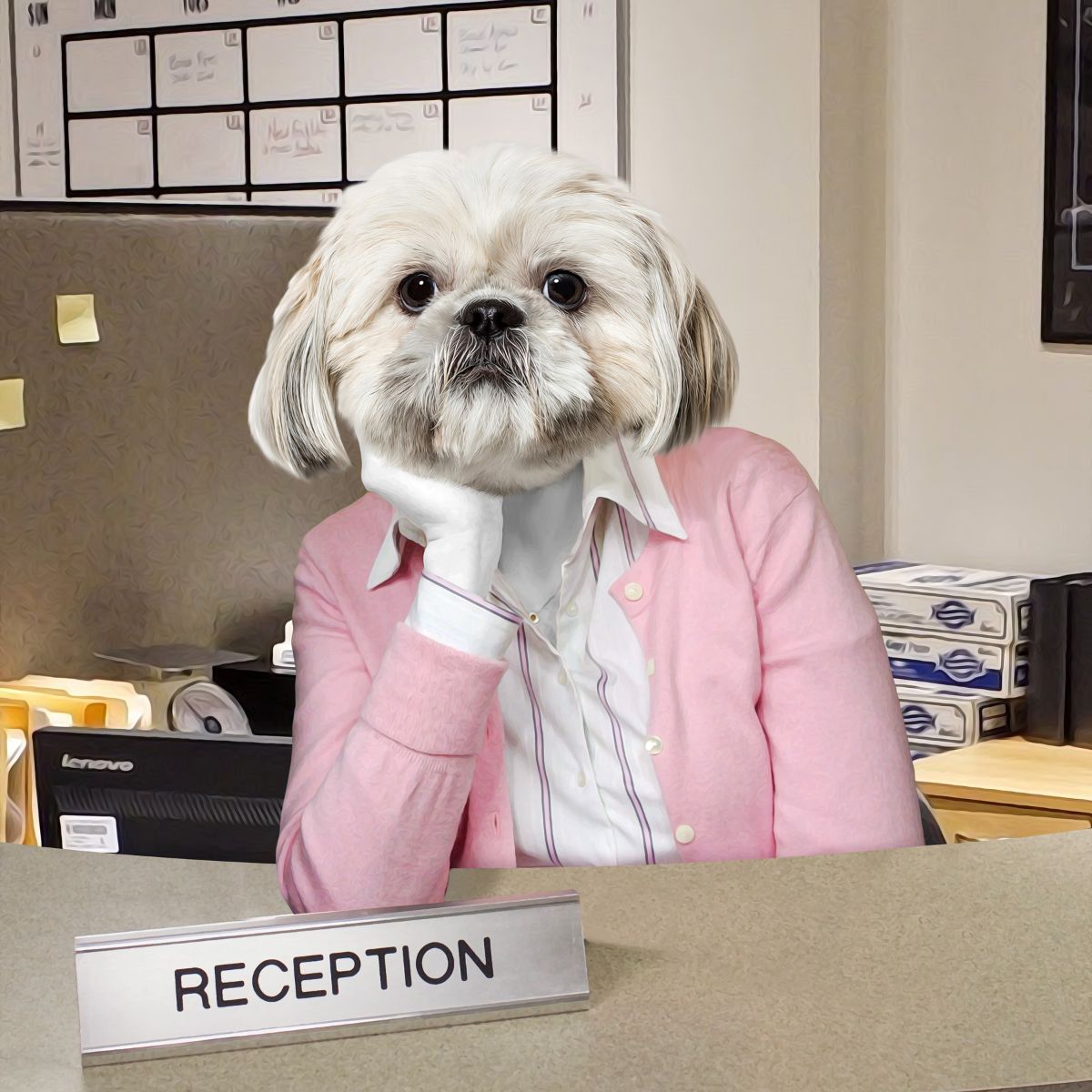
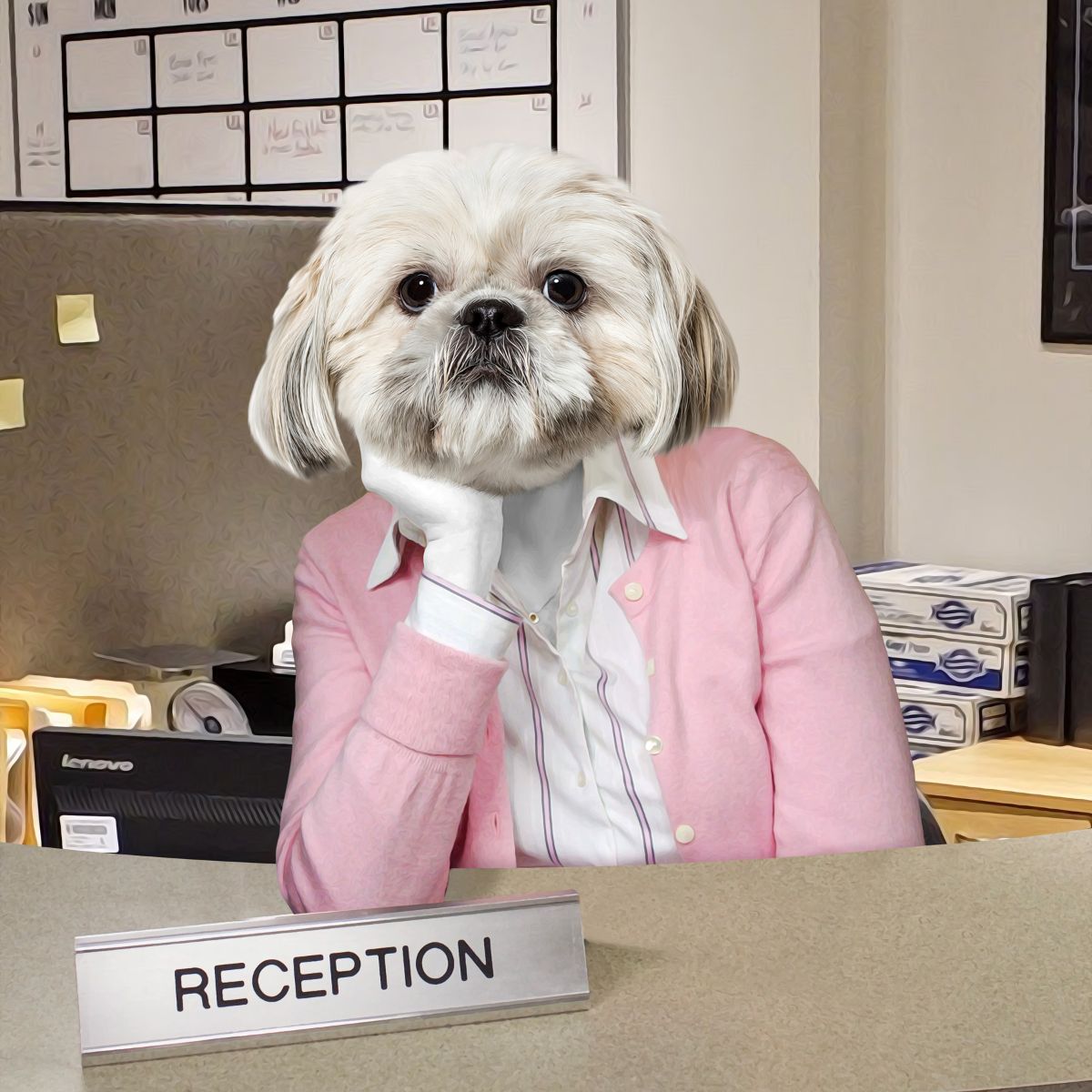
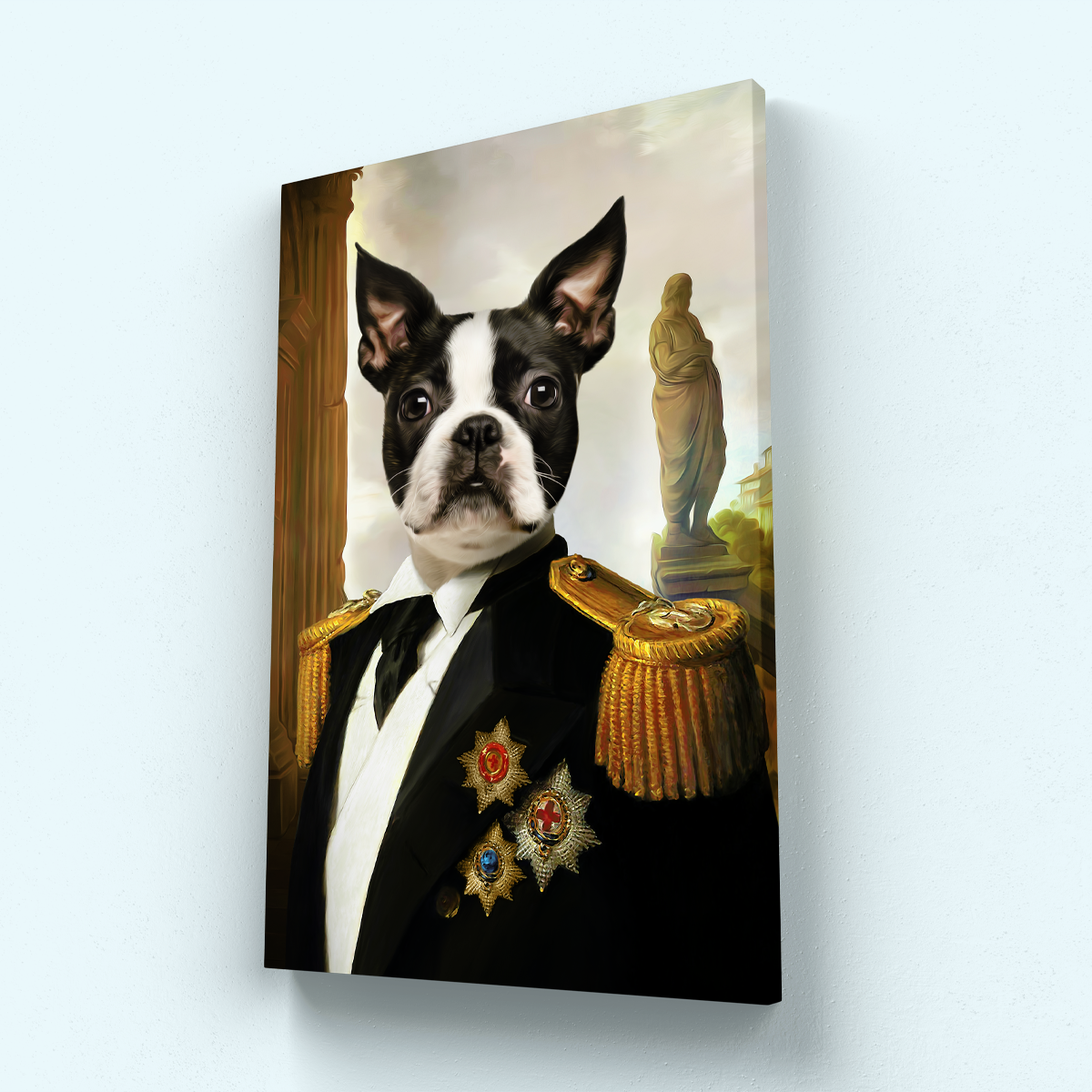
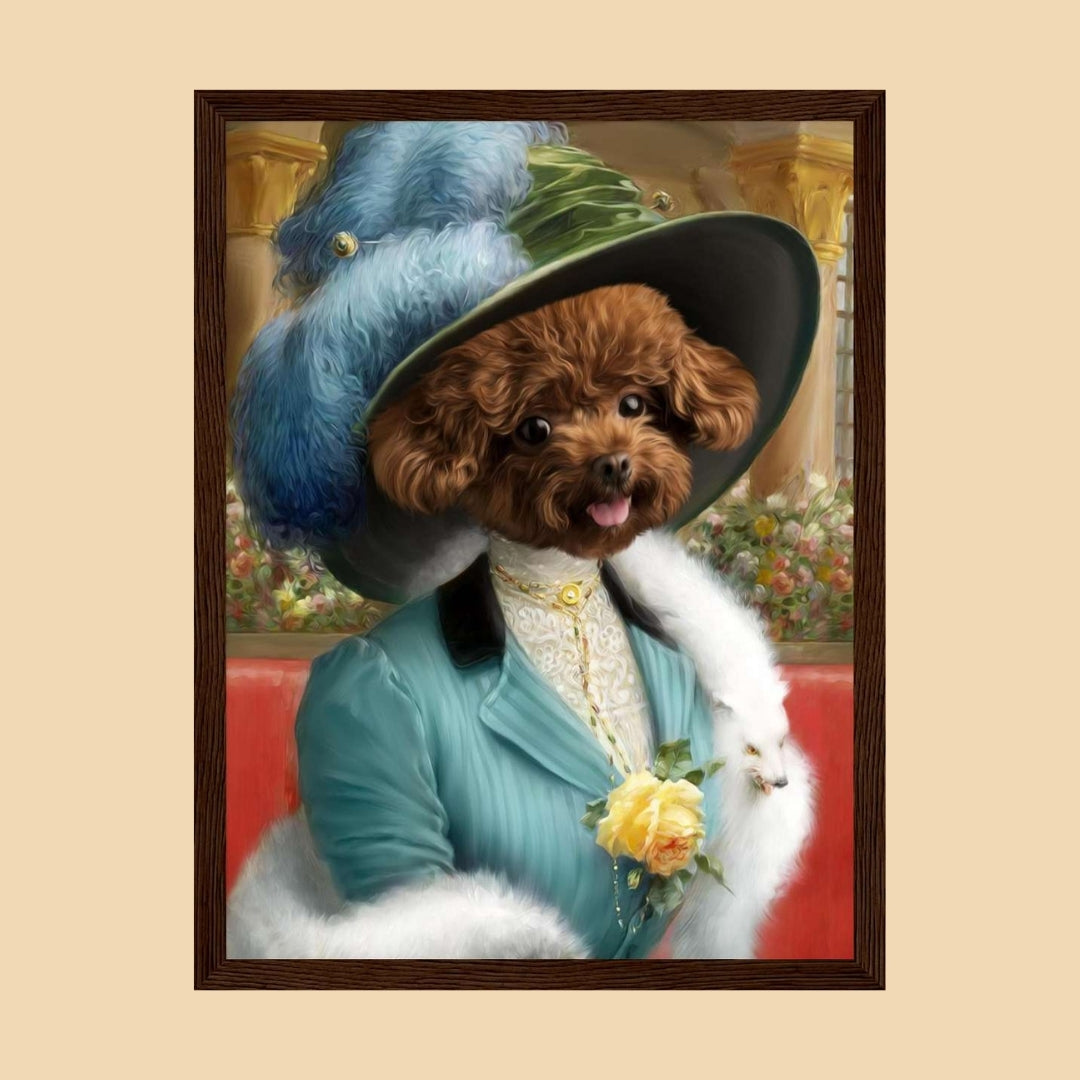
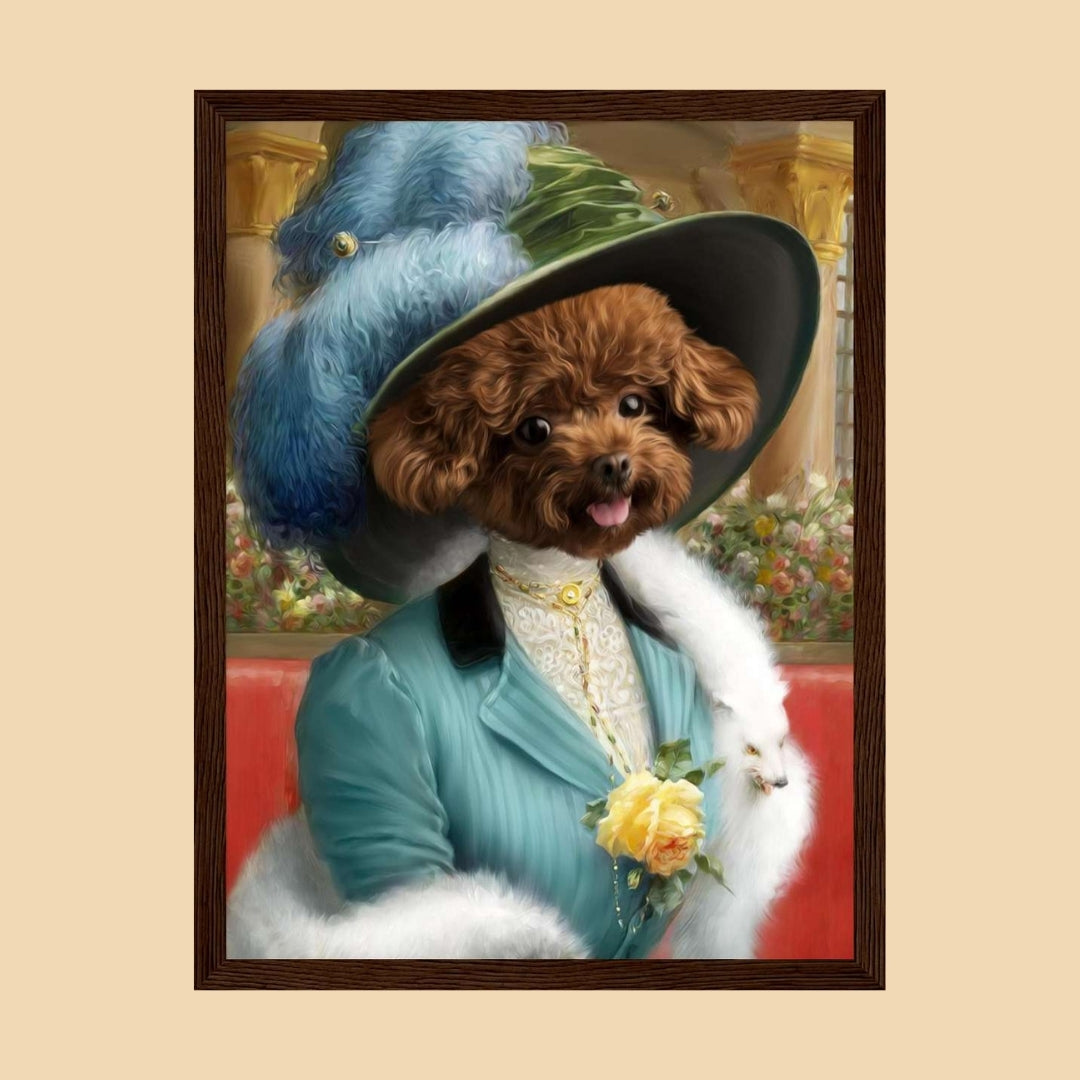
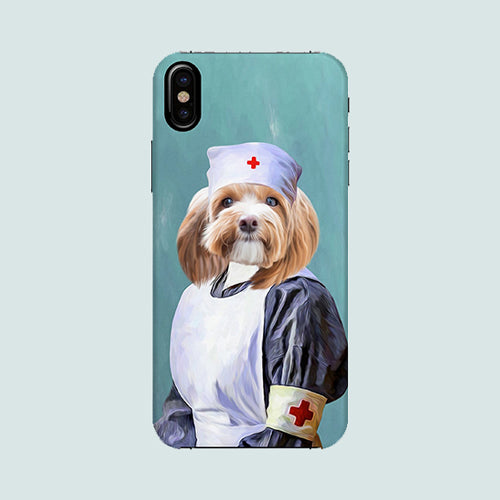
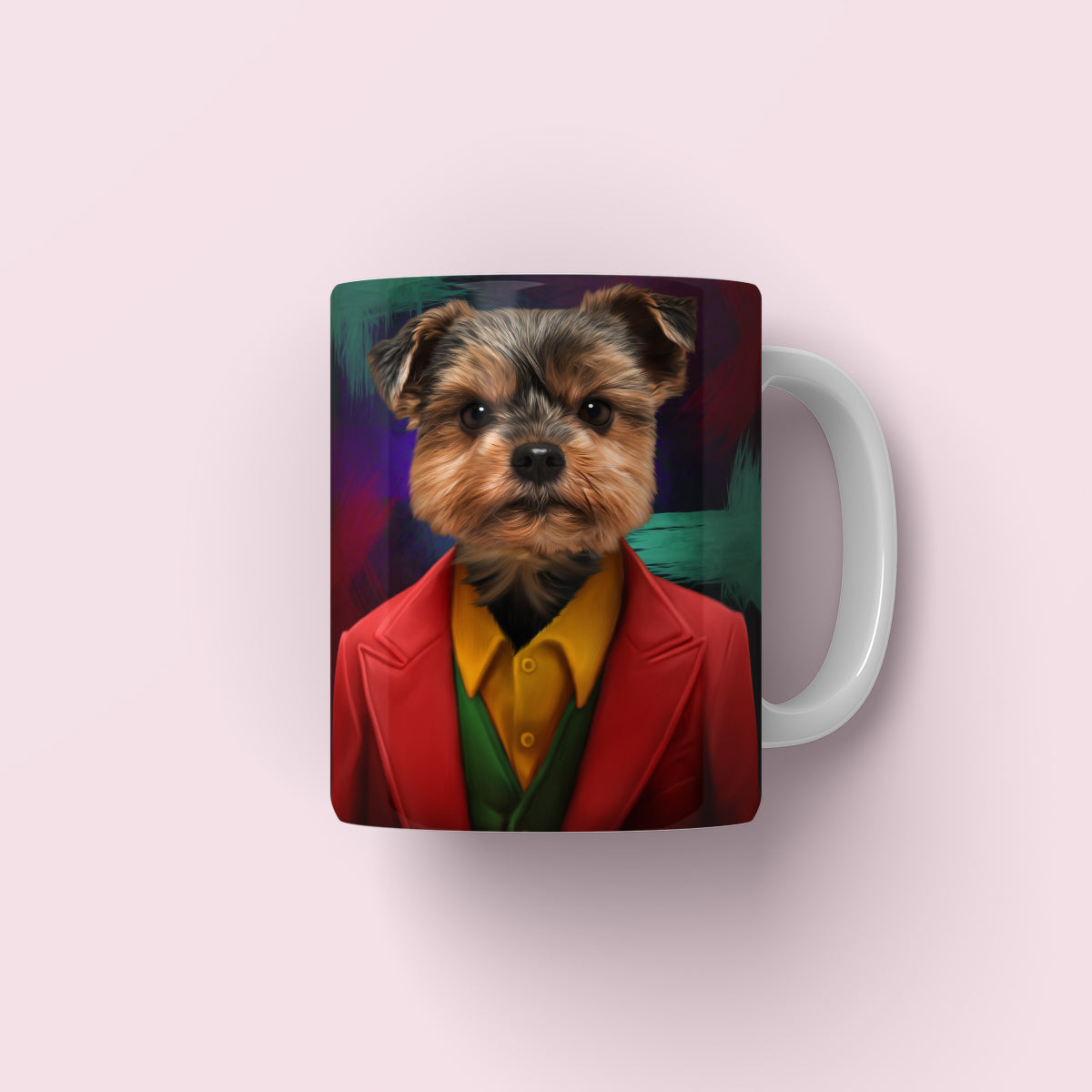
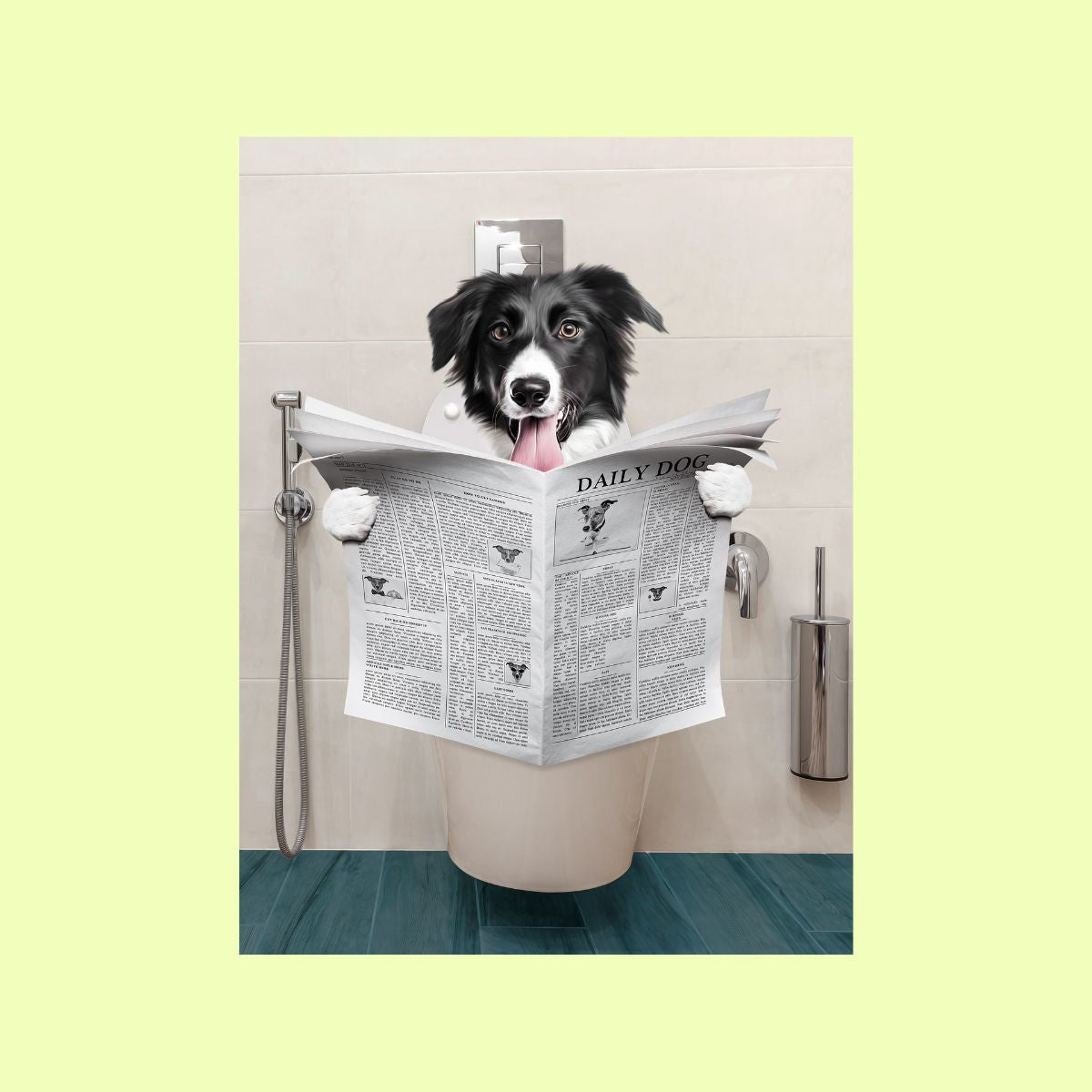
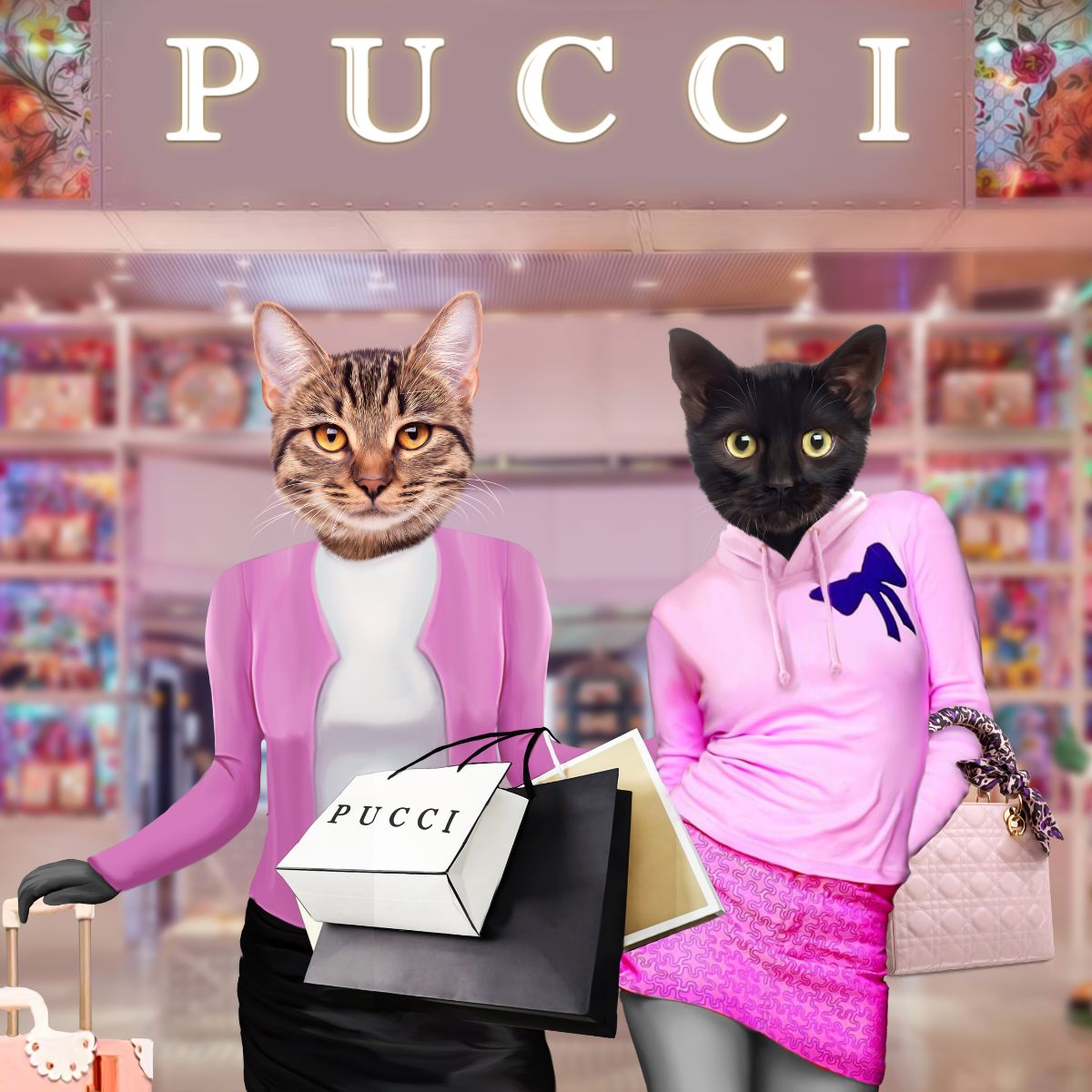
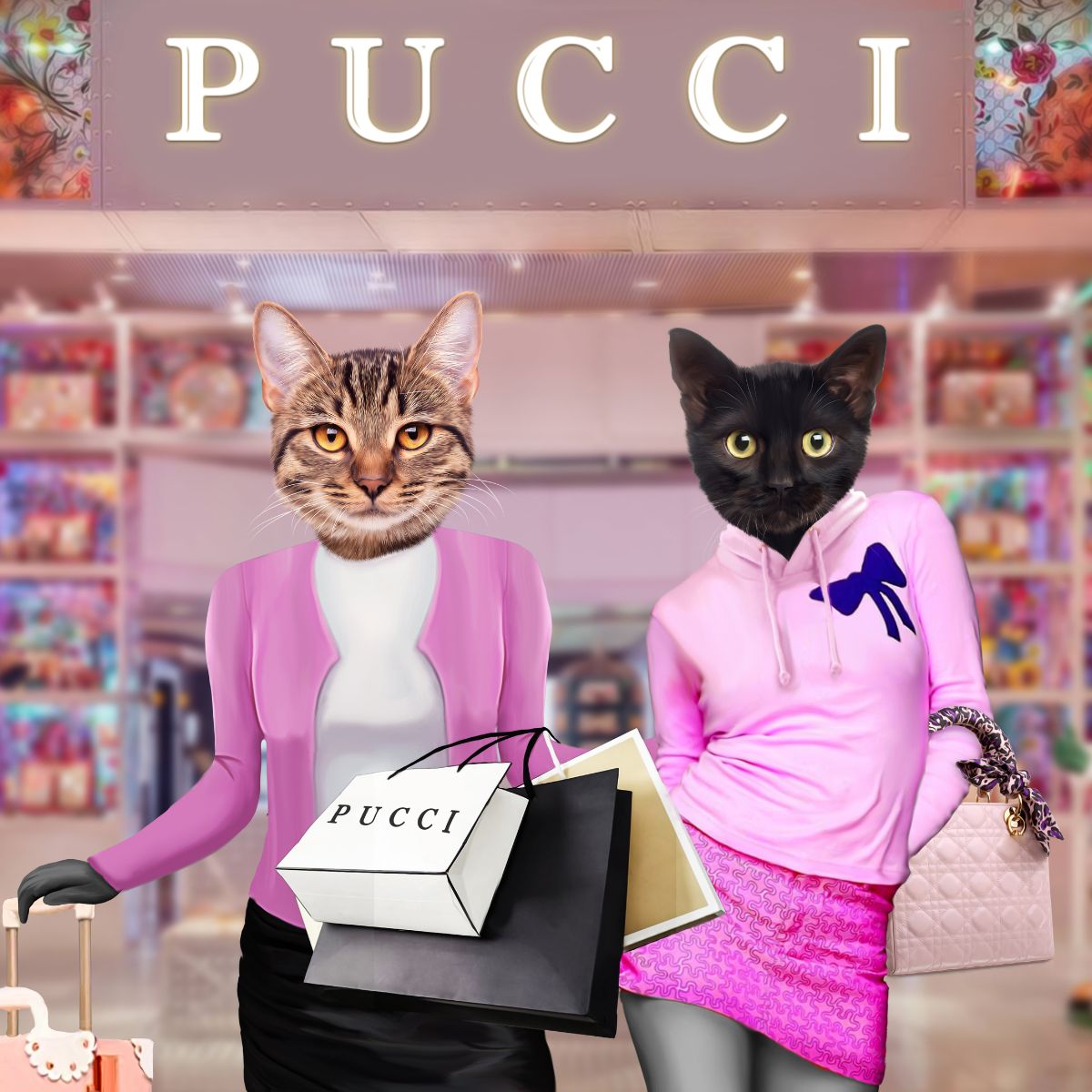
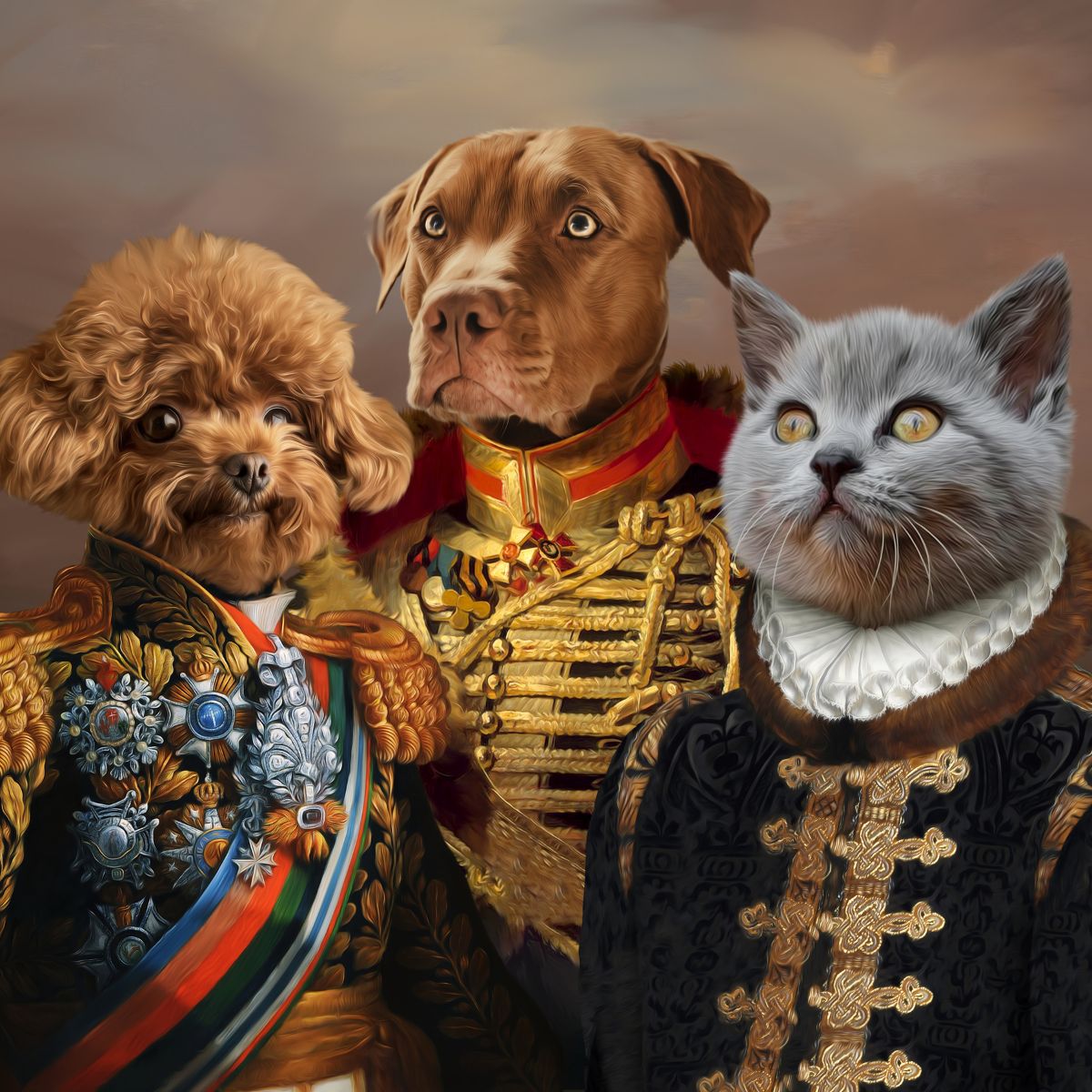
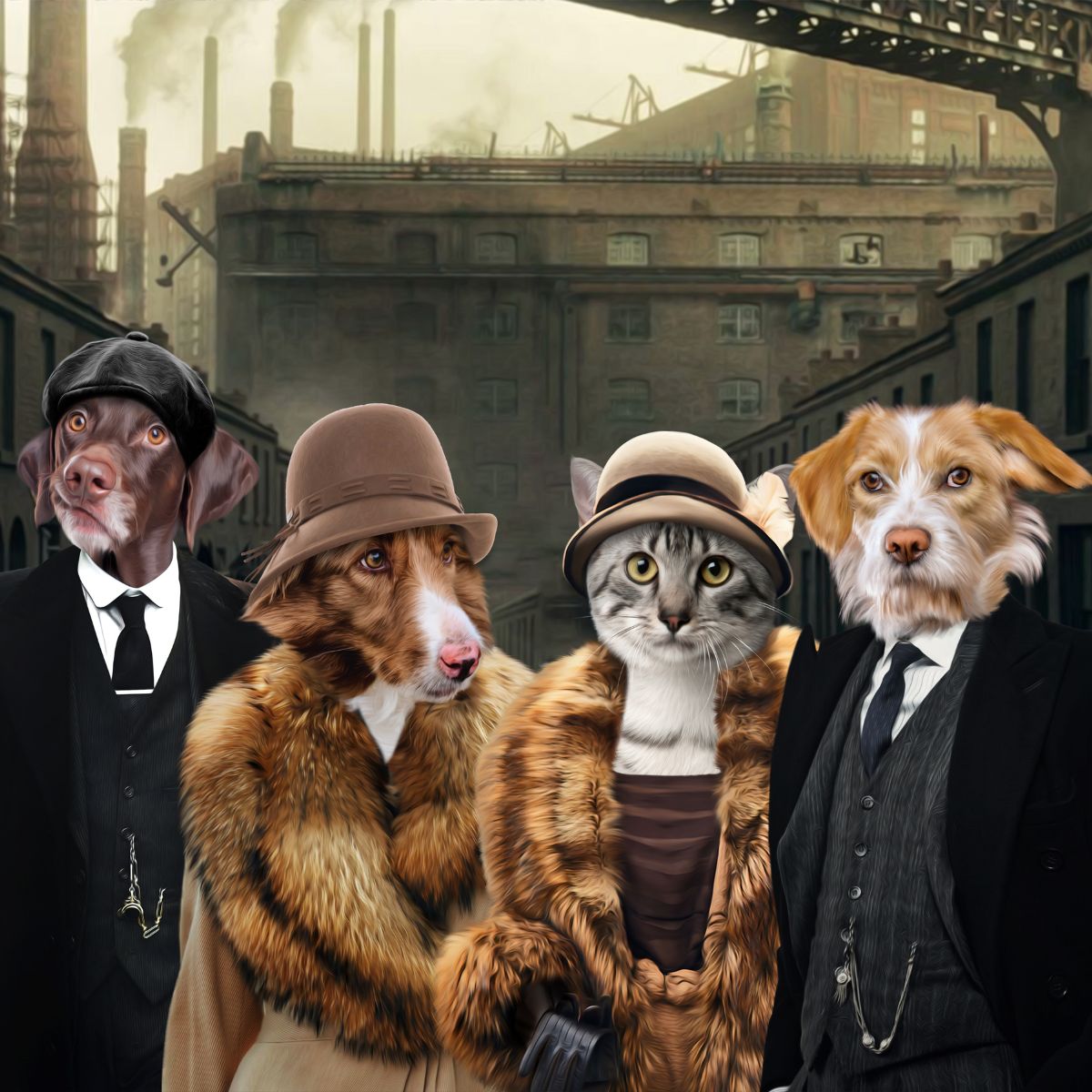
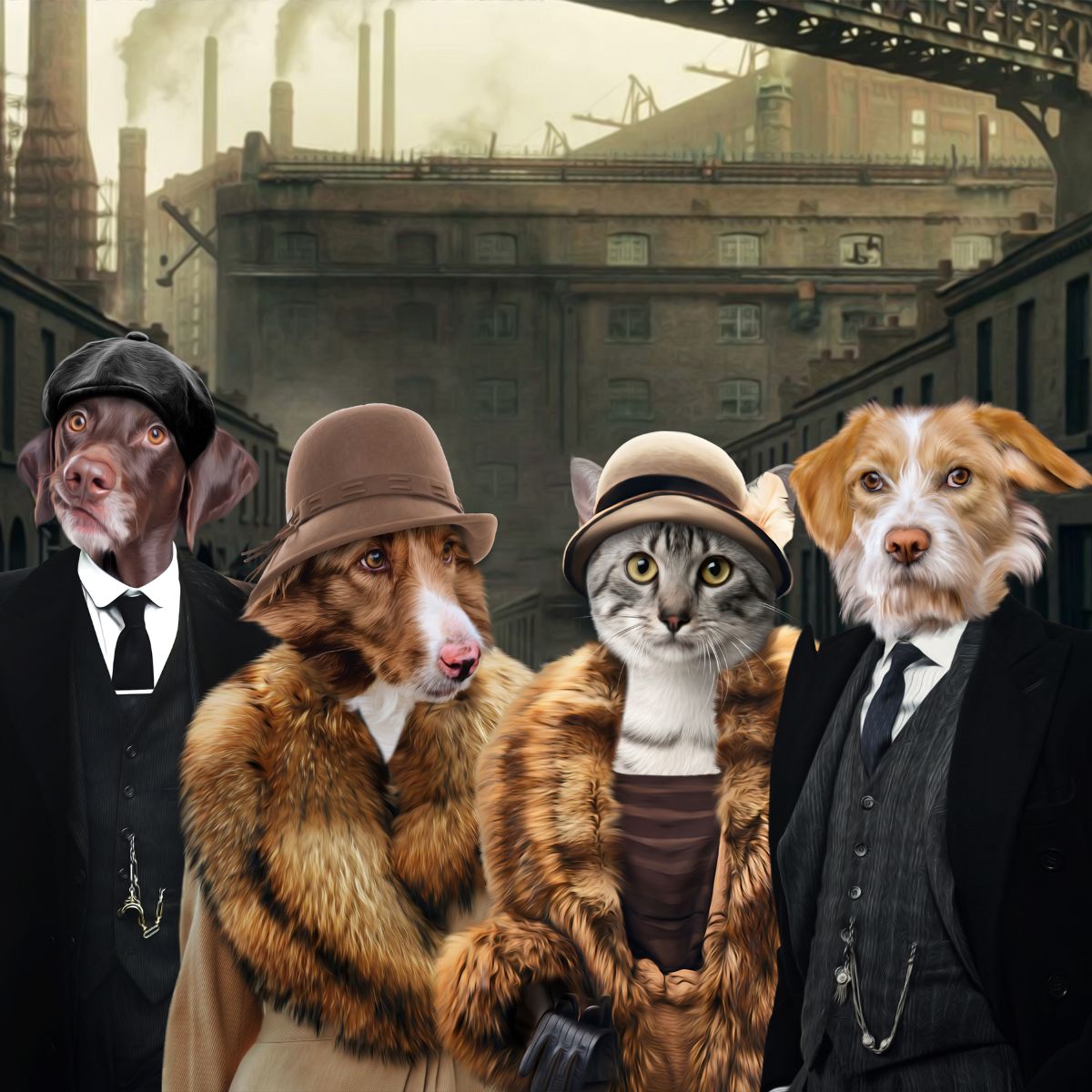
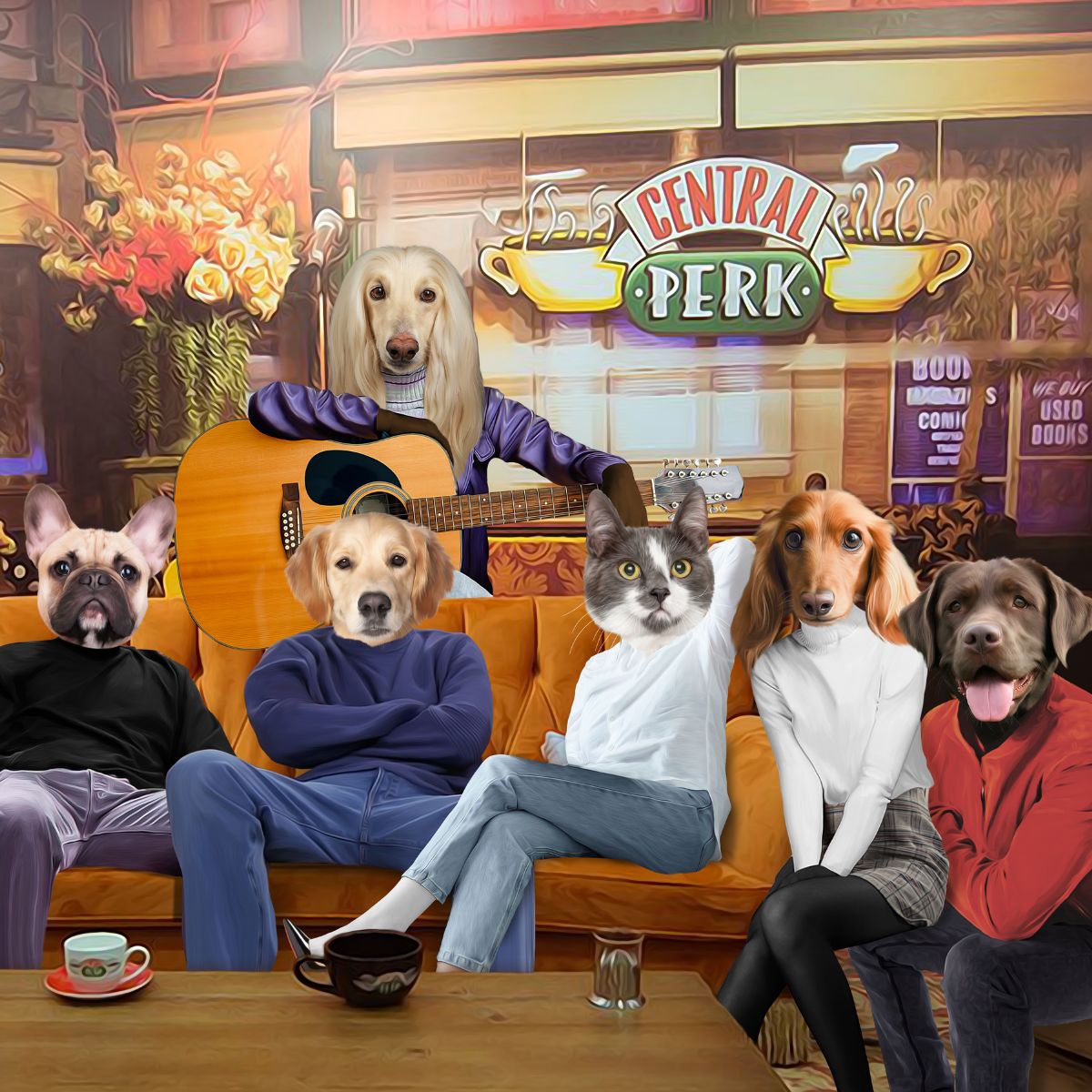
Showing the chest and shoulders can reveal coat pattern, posture and proportions while still keeping the face prominent. This is often a useful compromise when the portrait design includes clothing or a character-inspired composition.
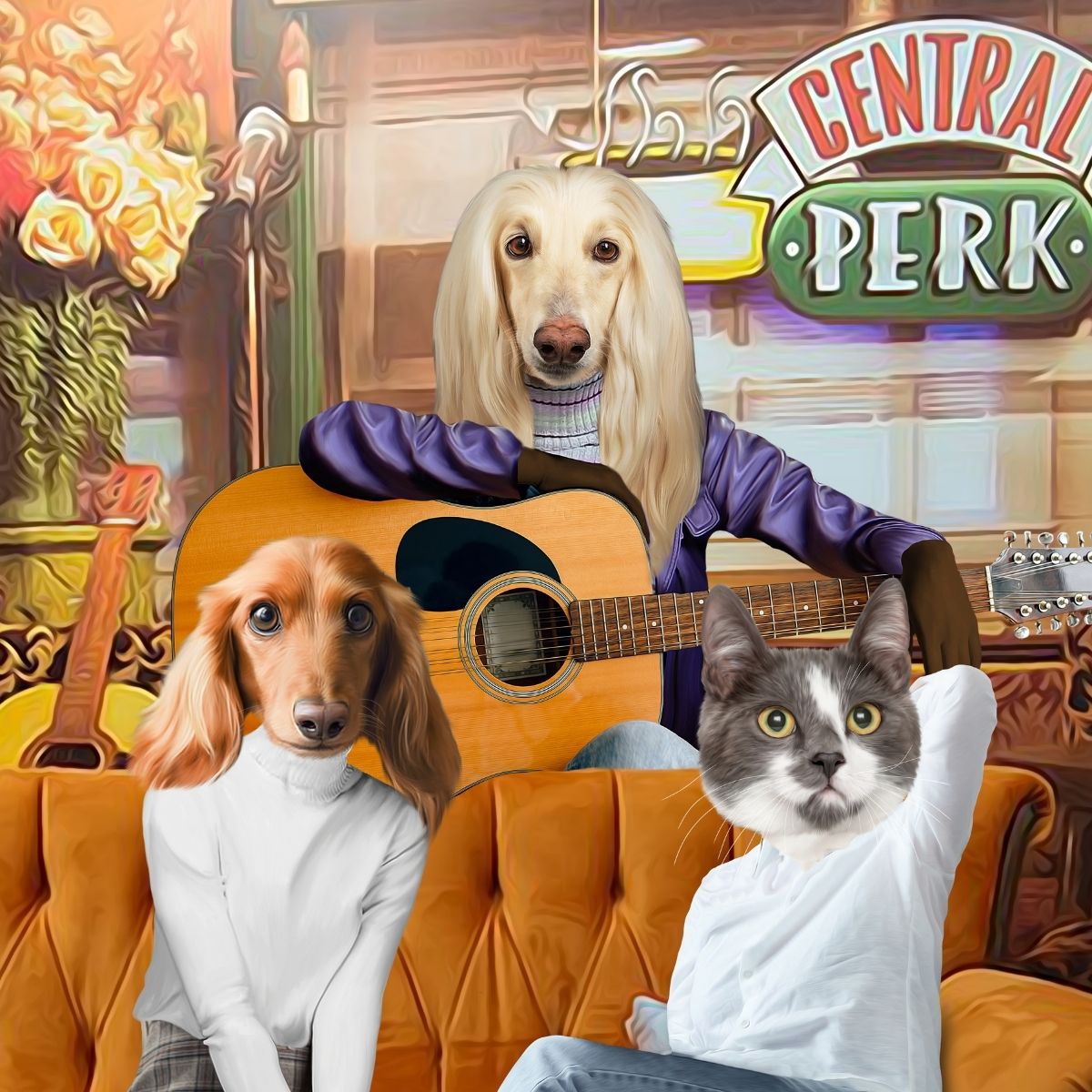
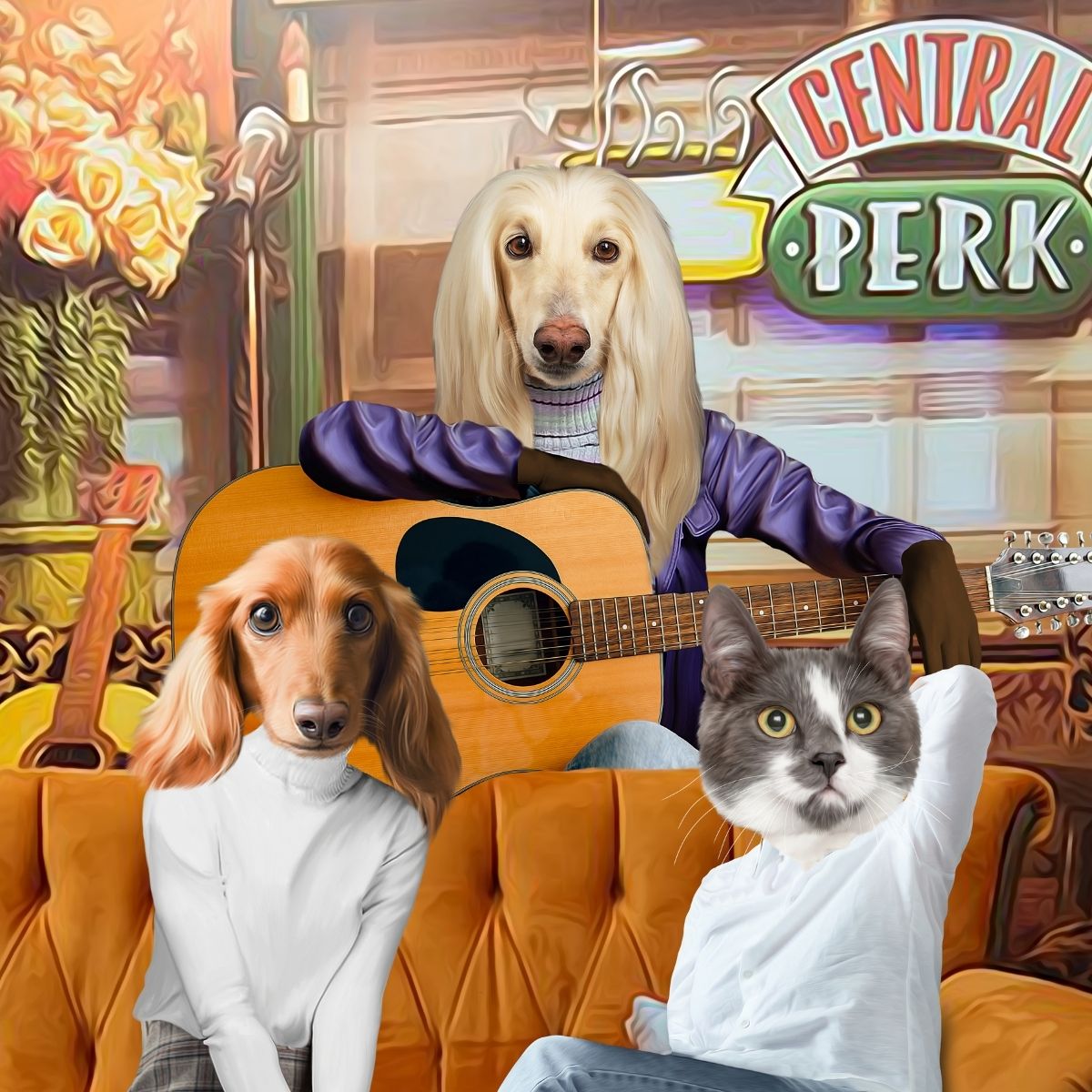
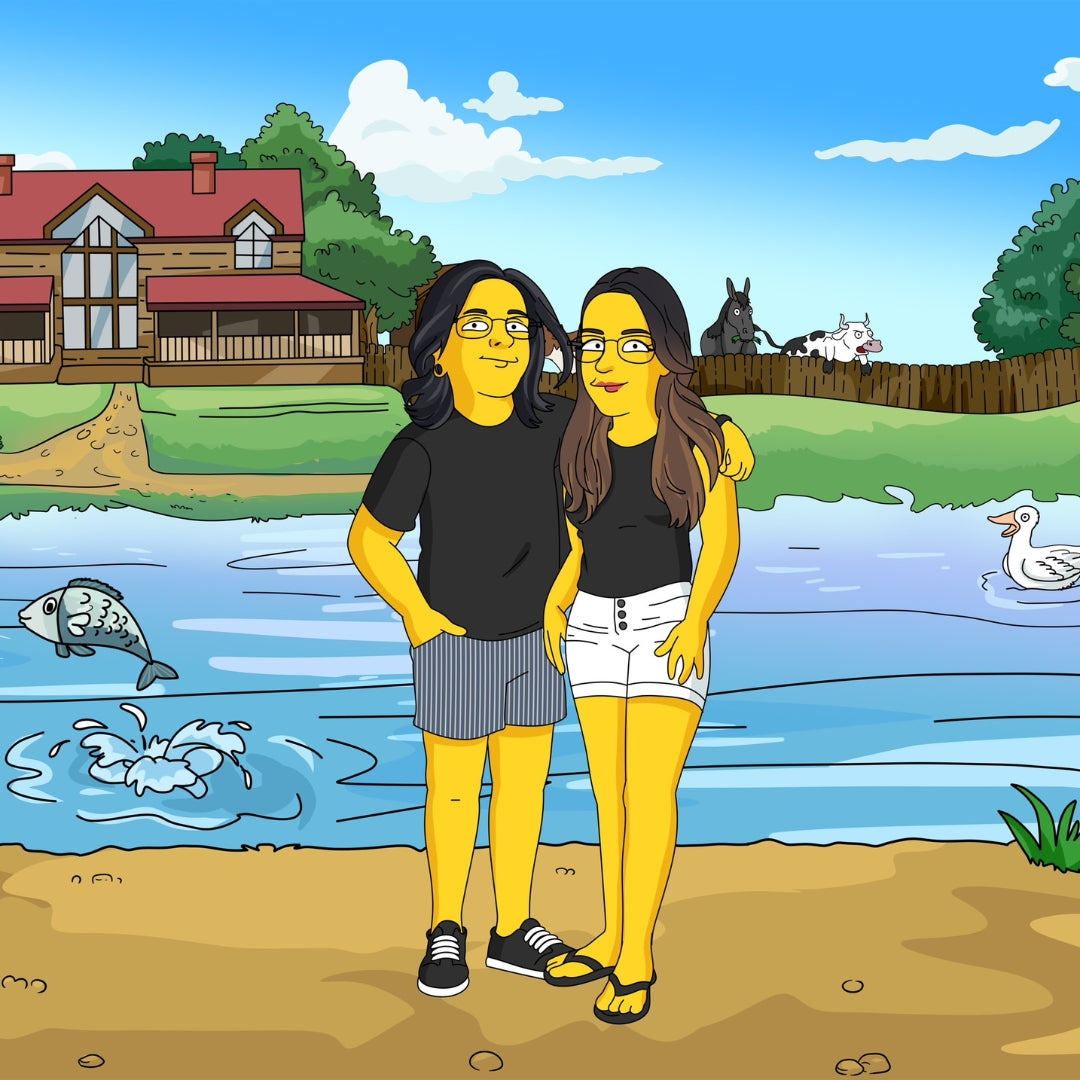
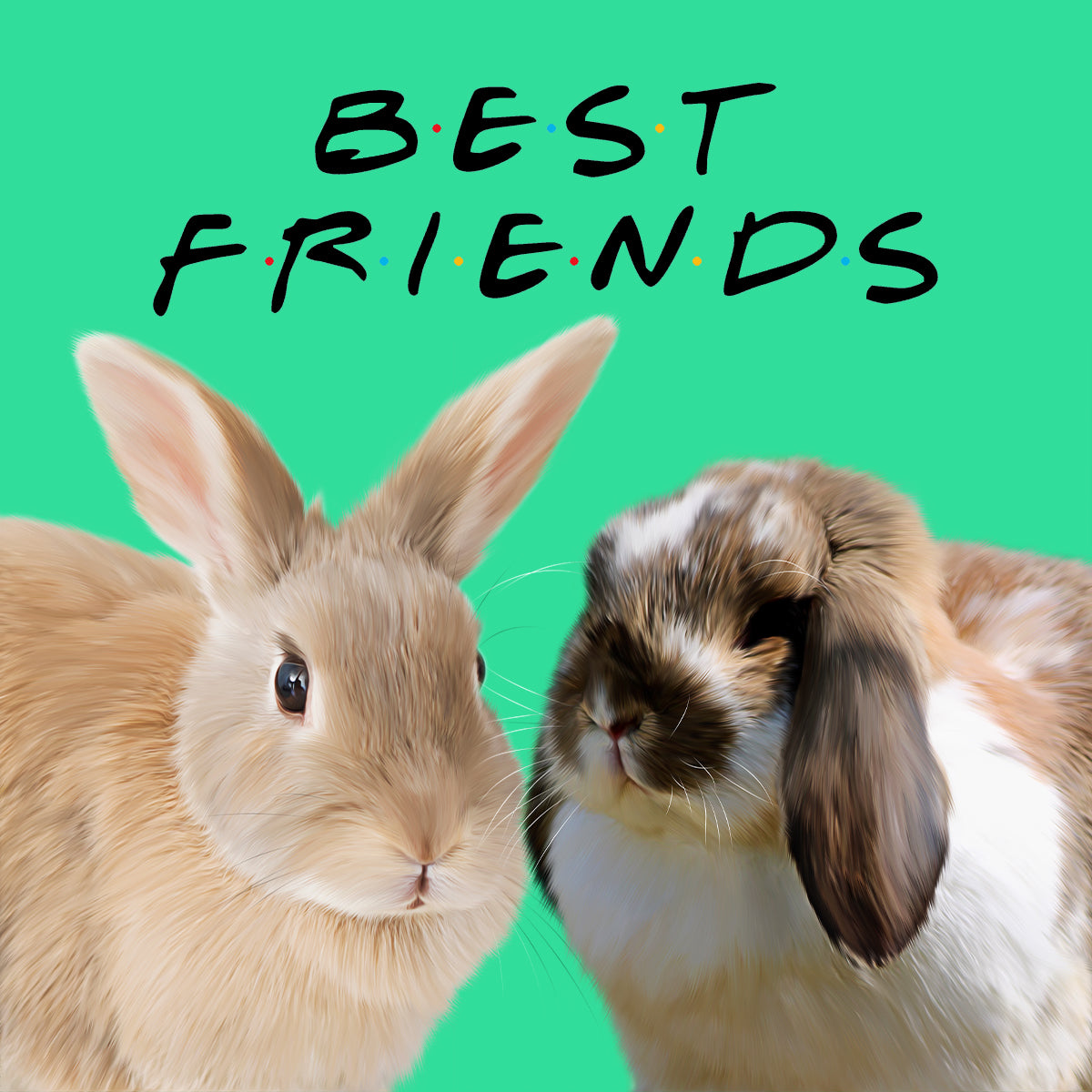
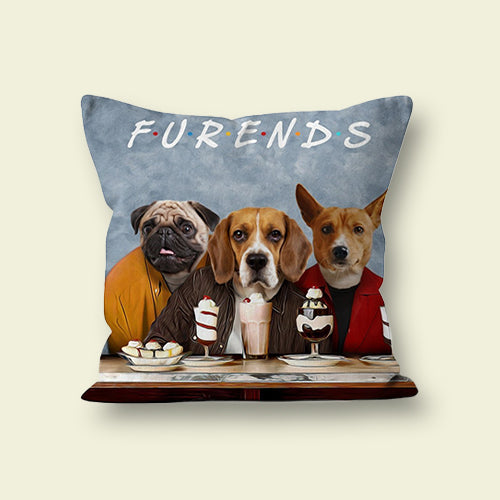
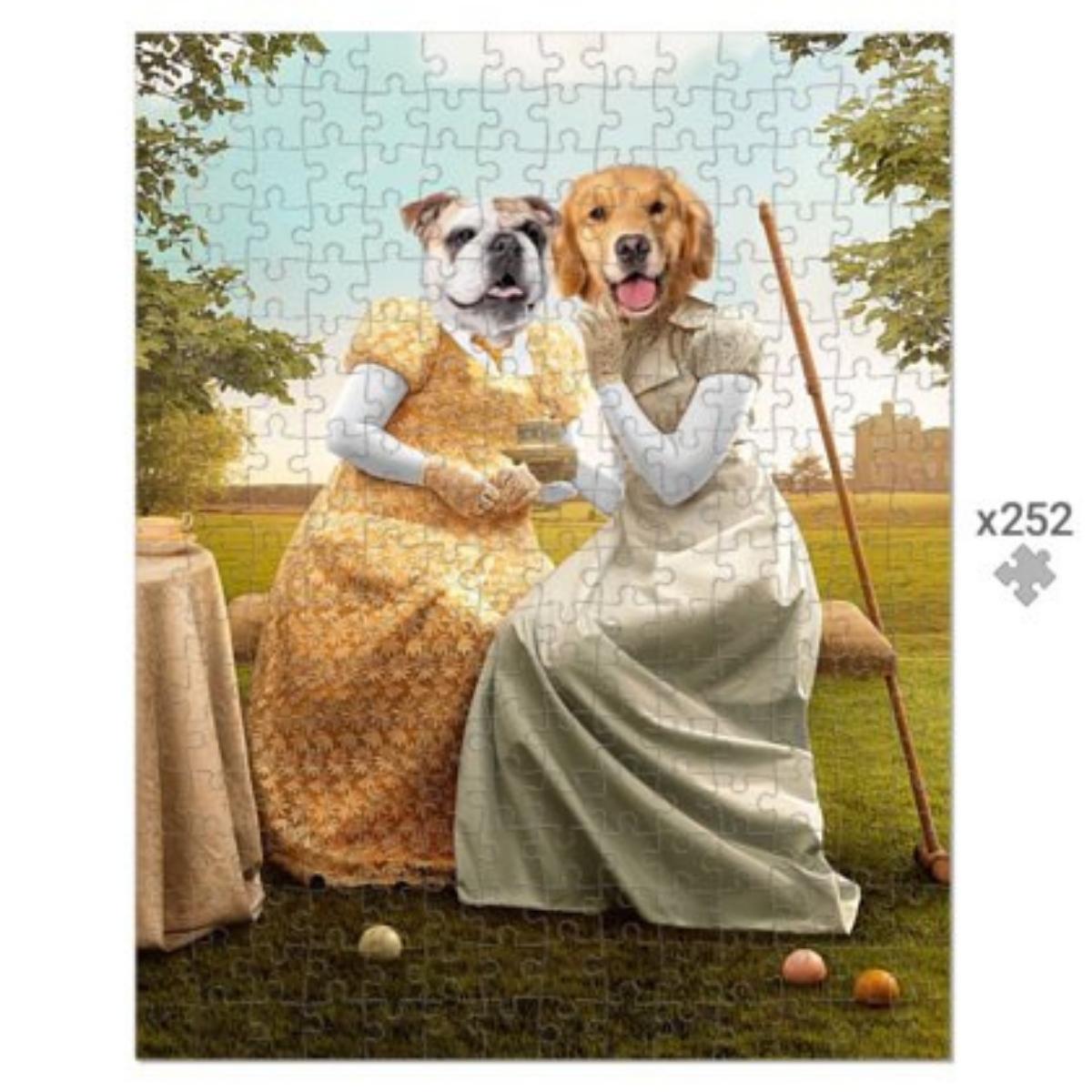
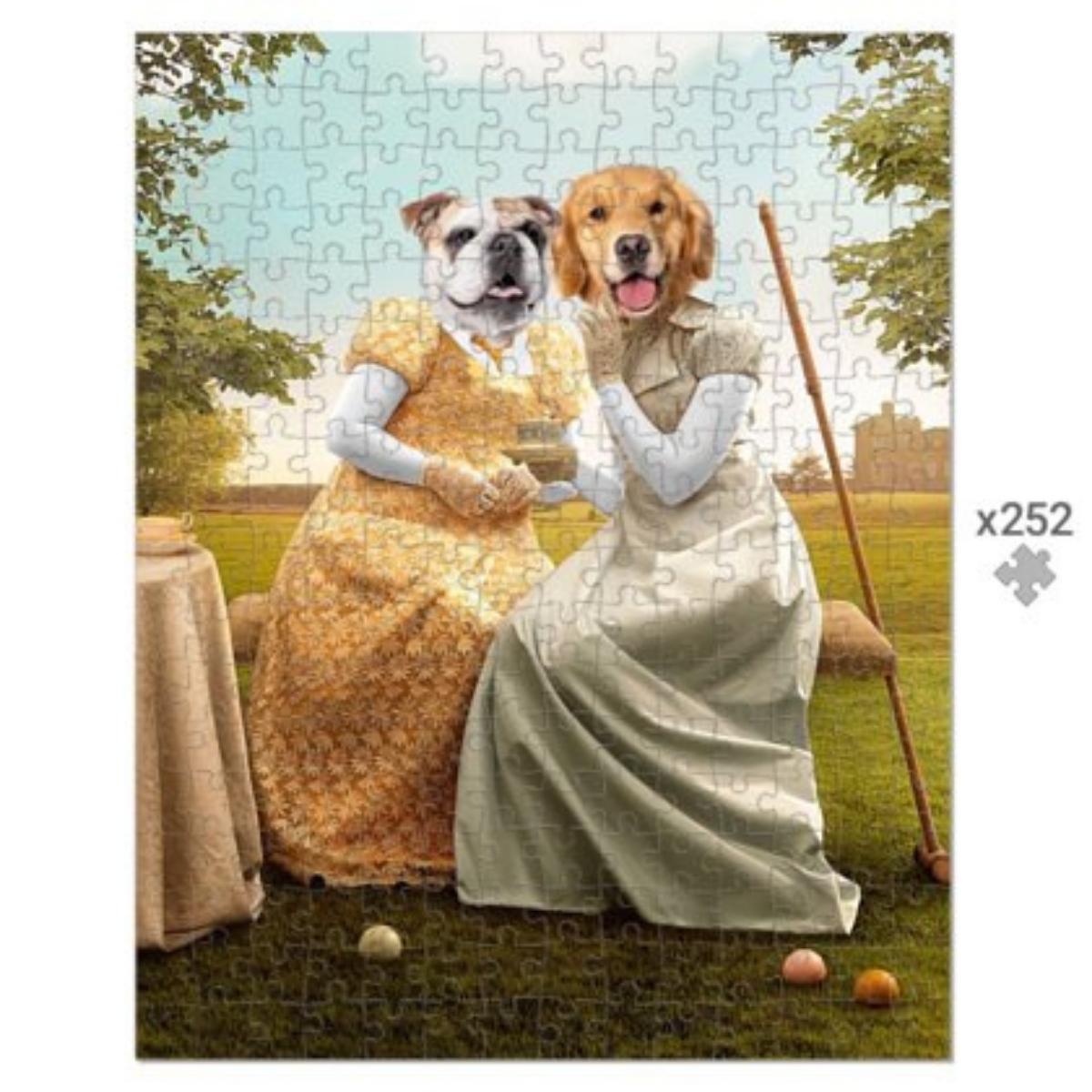
A wider photograph can tell a stronger story, but the face may contain less usable detail. Keep a separate close image as an additional reference if the wide shot is your favourite.
Images cut through ears, paws or the edge of the face can limit composition choices. When taking a new photograph, leave some space around the pet so there is room to crop later.
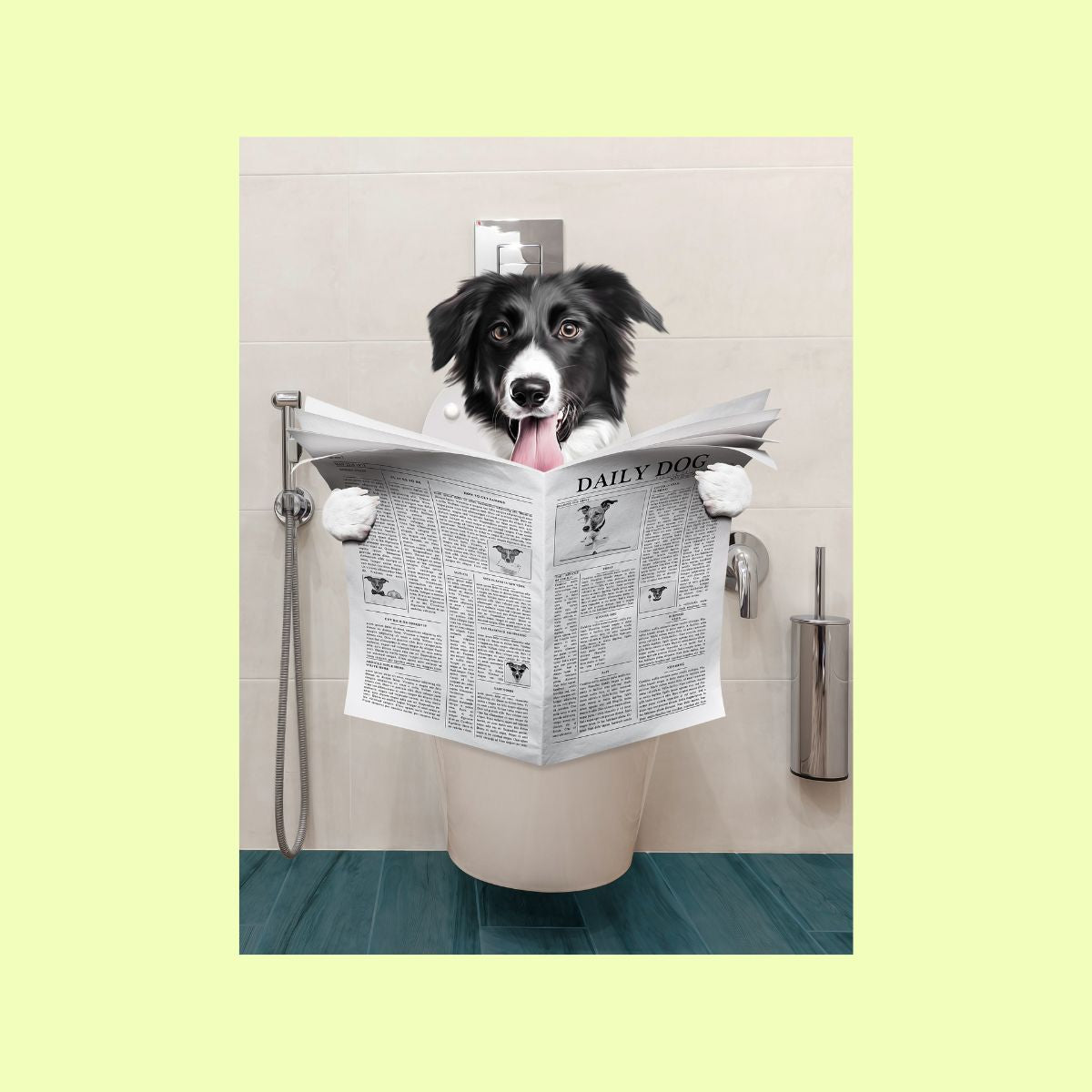
A tall portrait, square crop and landscape photograph use space differently. Look at the product format you are considering and choose a source image that gives enough room around important features.
A technically perfect photograph with an unfamiliar expression may be less successful than a slightly less polished image that feels exactly like your pet. Use composition to support recognition rather than chasing photographic perfection for its own sake.
Browse pet portrait designs, then decide whether your favourite reference gives the face and body information that particular composition needs.
August 25, 2026 2 min read
WELCOME TO PAW & GLORY
Get up to 30% off
Join 30,000+ pet owners turning perfectly ordinary photos into gloriously over-the-top works of art.
★★★★★ 2,200+ Five-Star Reviews
Real Artists · Proof Before Print · Unlimited Artwork Revisions