August 25, 2026 5 min read
There is no single best pet photo angle for every custom pet portrait from a photo. A front-facing image is useful for eye contact and facial symmetry, a three-quarter view often shows more of the head shape, and a side profile can be perfect when your pet has a distinctive muzzle, ears or silhouette.
The best reference is the angle that captures the likeness you recognise immediately. Technical neatness helps, but a perfectly centred photograph with the wrong expression is still a perfectly centred photograph of your pet looking strangely unlike itself.
Start by deciding which features matter most. If your dog has wonderfully uneven ears, a straight-on photo may show them best. If your cat has a strong profile and long nose, a side view may be more characteristic. If you want both eyes visible but also want to show the muzzle and cheek shape, a three-quarter view can be a useful compromise.
For the broader selection process, see our pet portrait from photo guide. The angle is only one part of a strong reference; expression, focus, lighting and visible markings matter too.
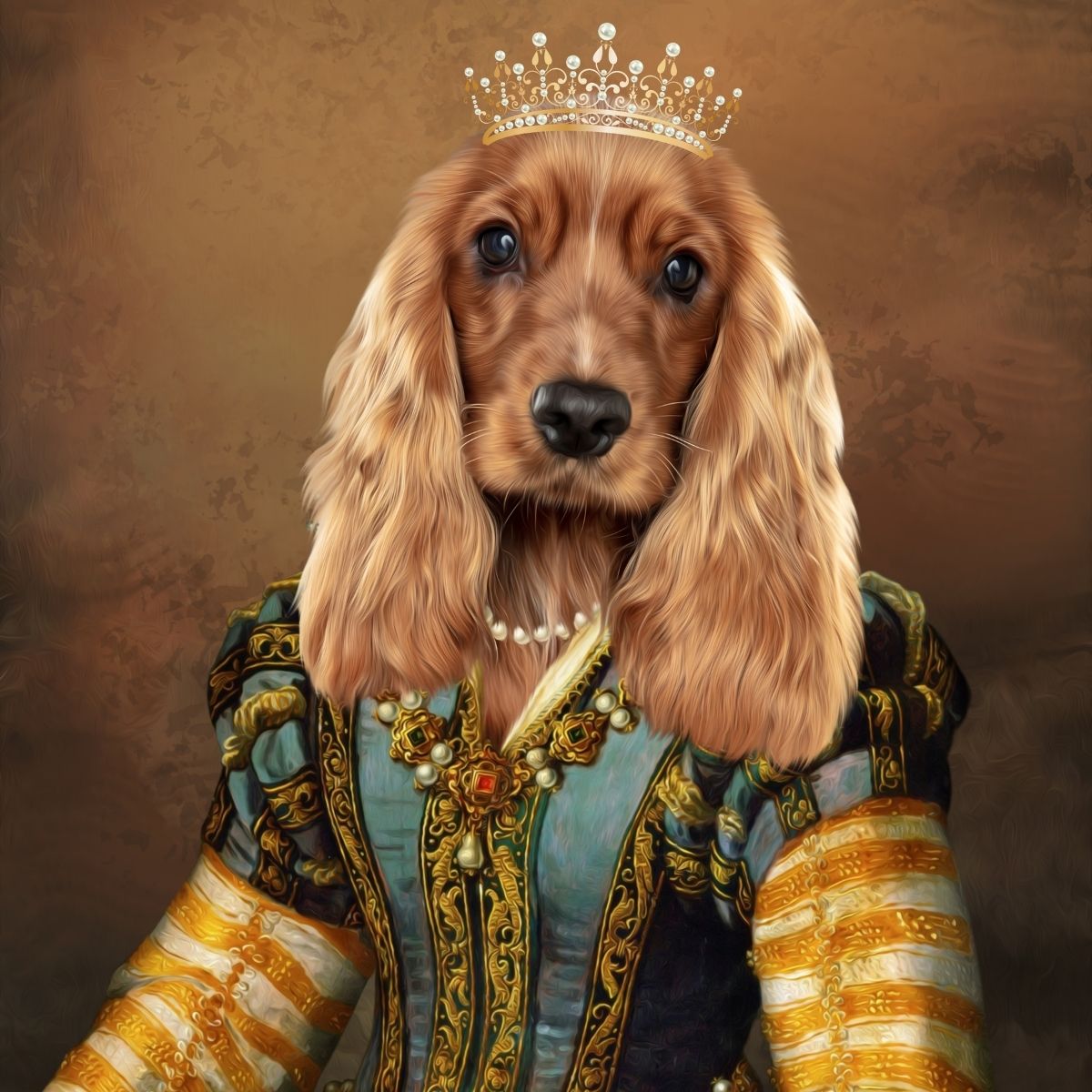
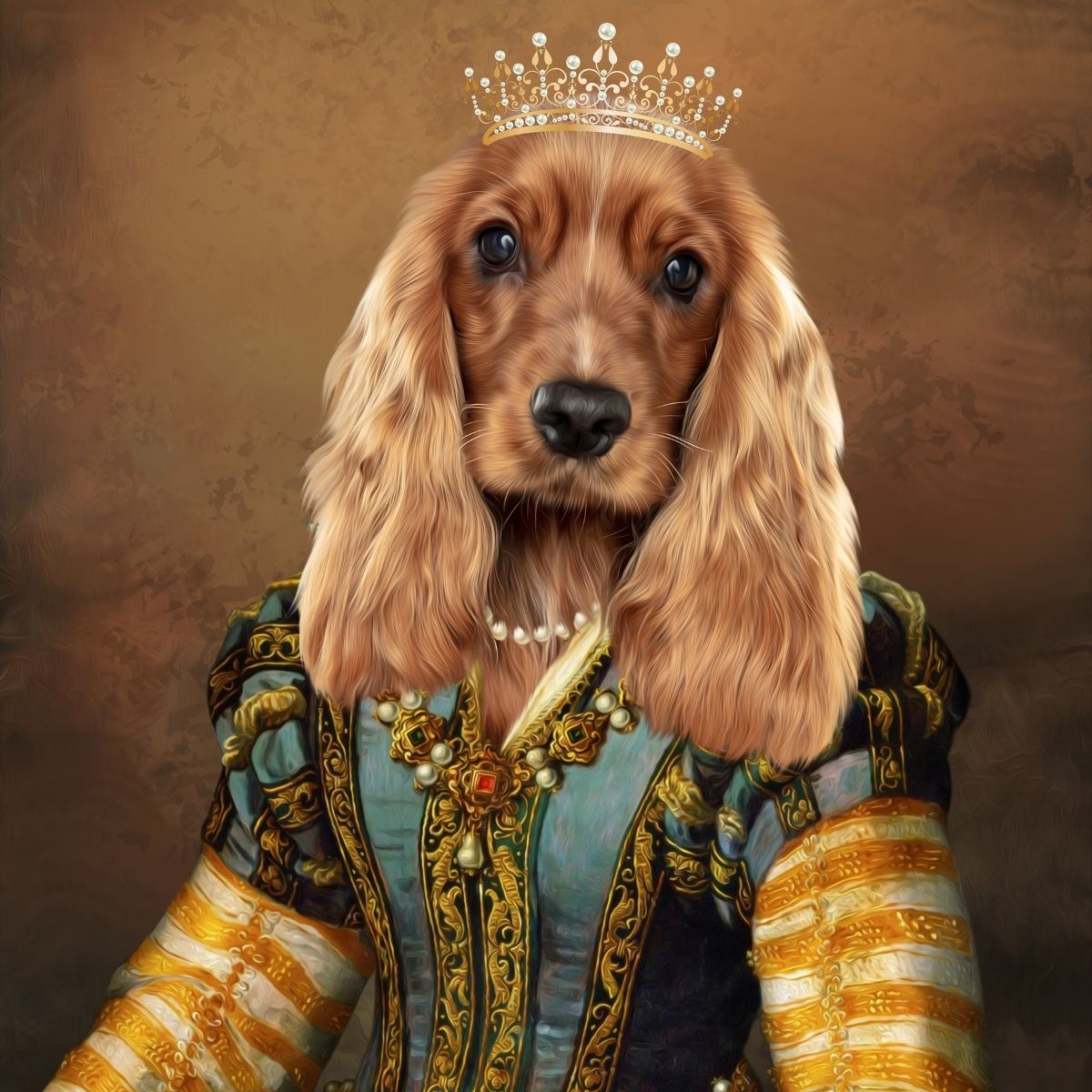
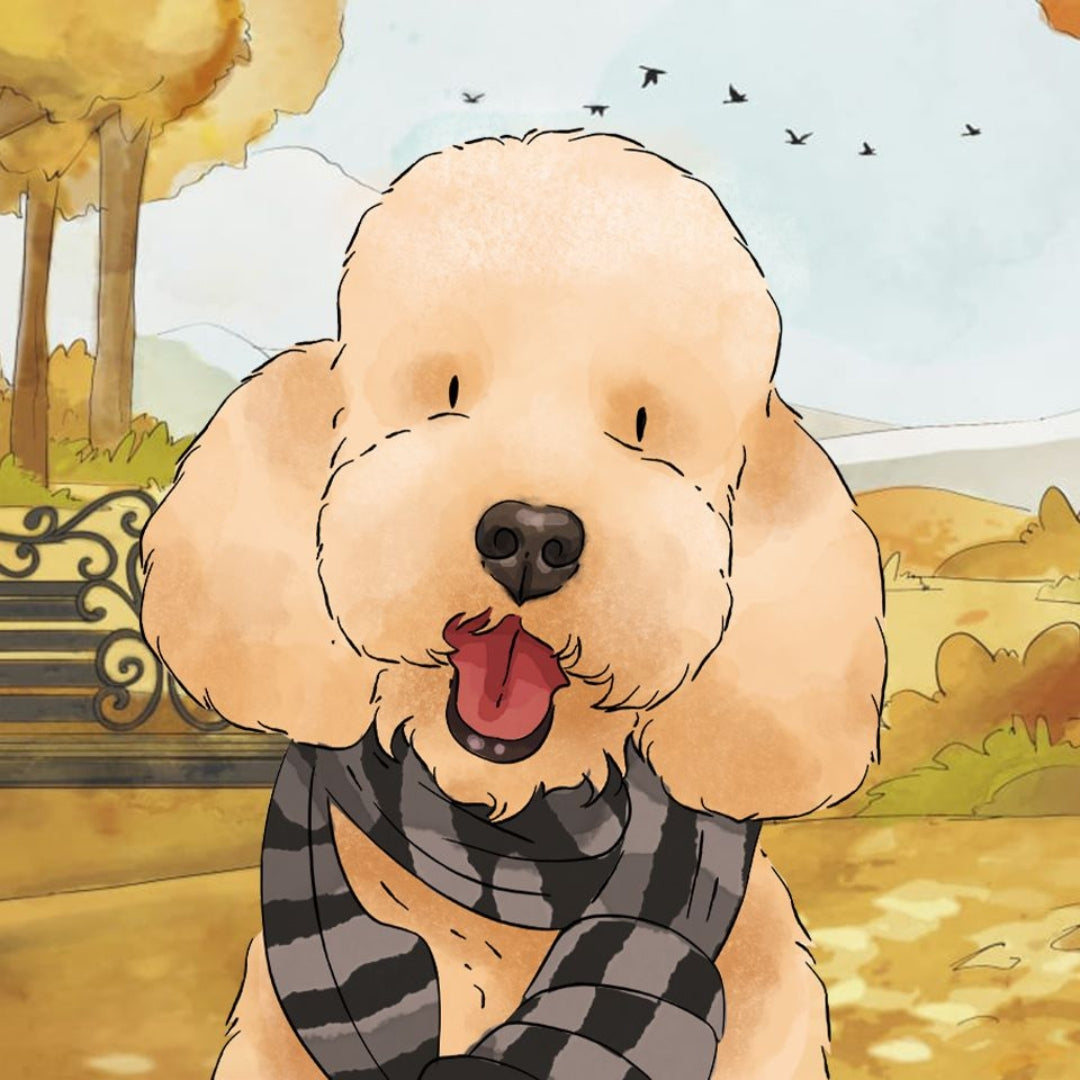
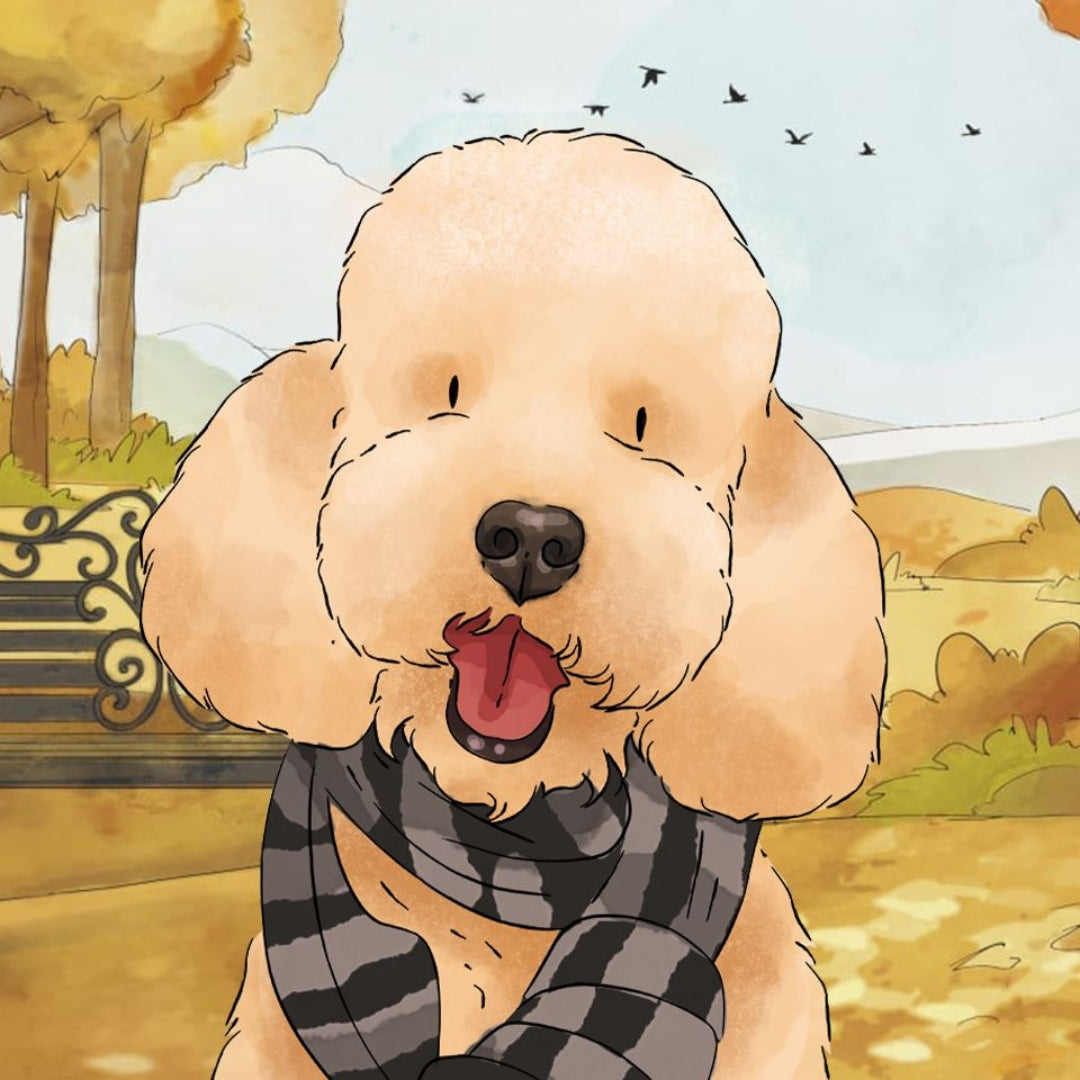
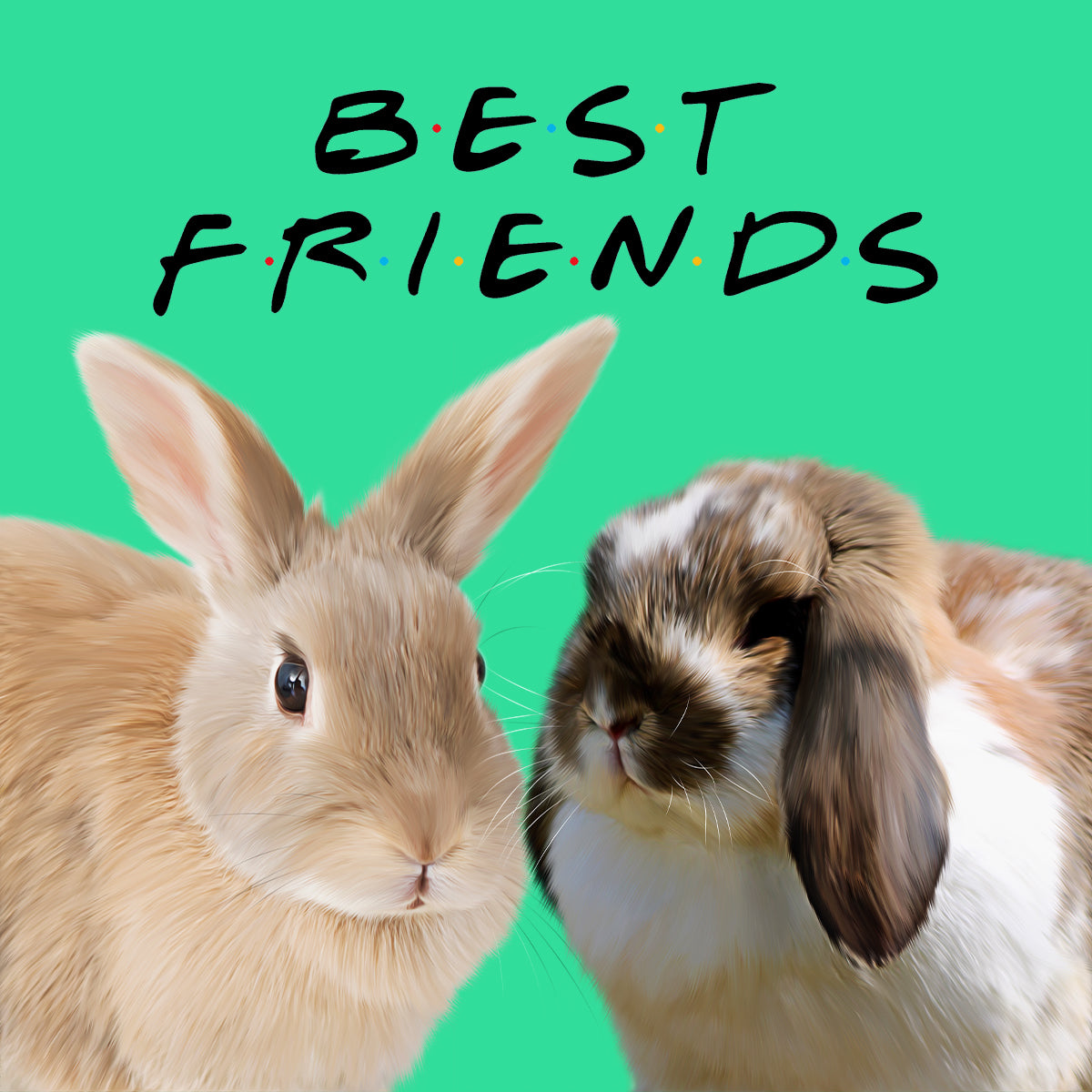
A front-facing photograph shows the pet looking broadly towards the camera. It is often a strong option for a personalised pet portrait because both eyes, the nose, forehead and ears are visible together.
The main weakness is that a straight-on image can flatten the shape of a longer muzzle. It can also feel more formal than the way you normally see your pet. If the dog or cat only looks directly at the camera when bribed with something edible, the resulting expression may also reveal the entire negotiation.
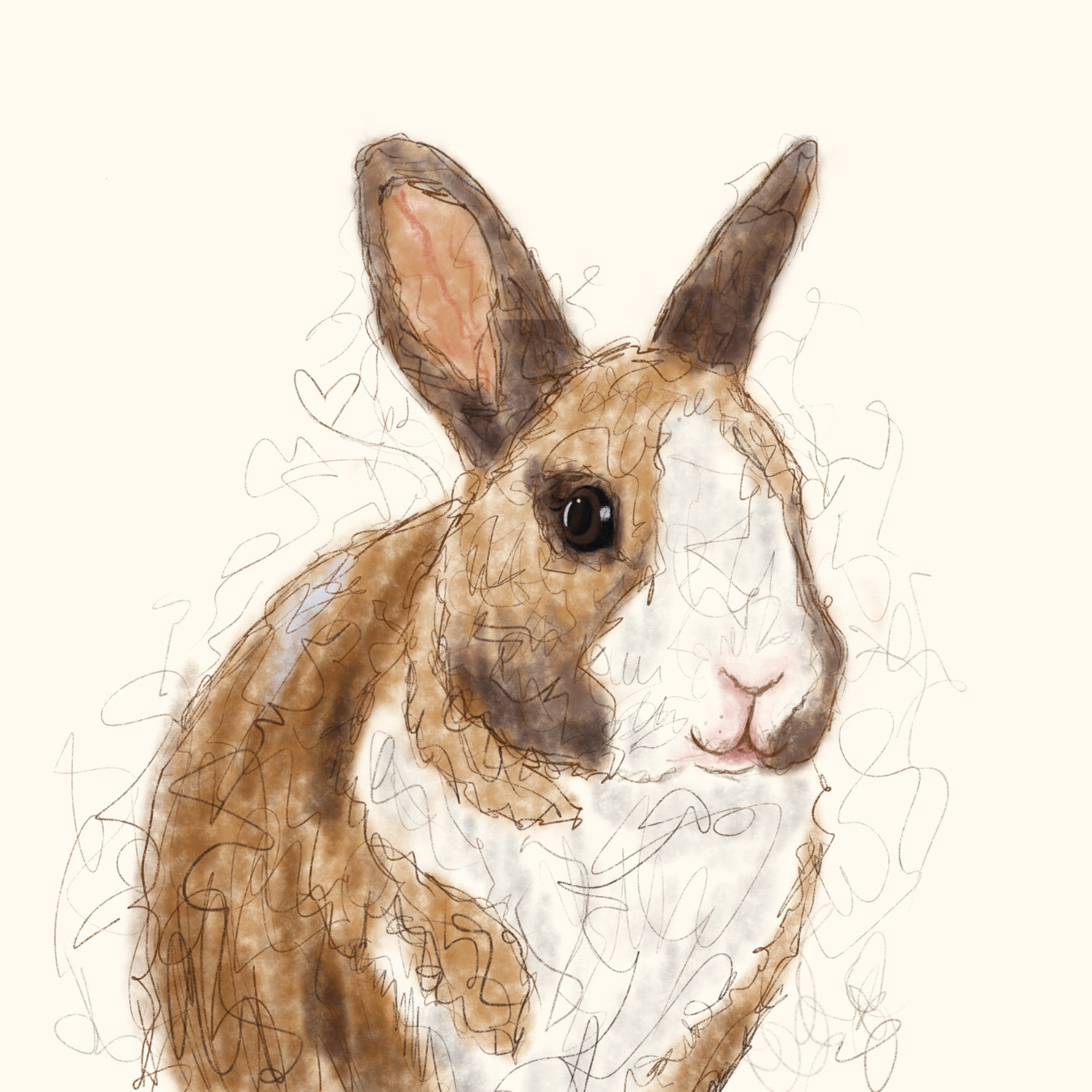
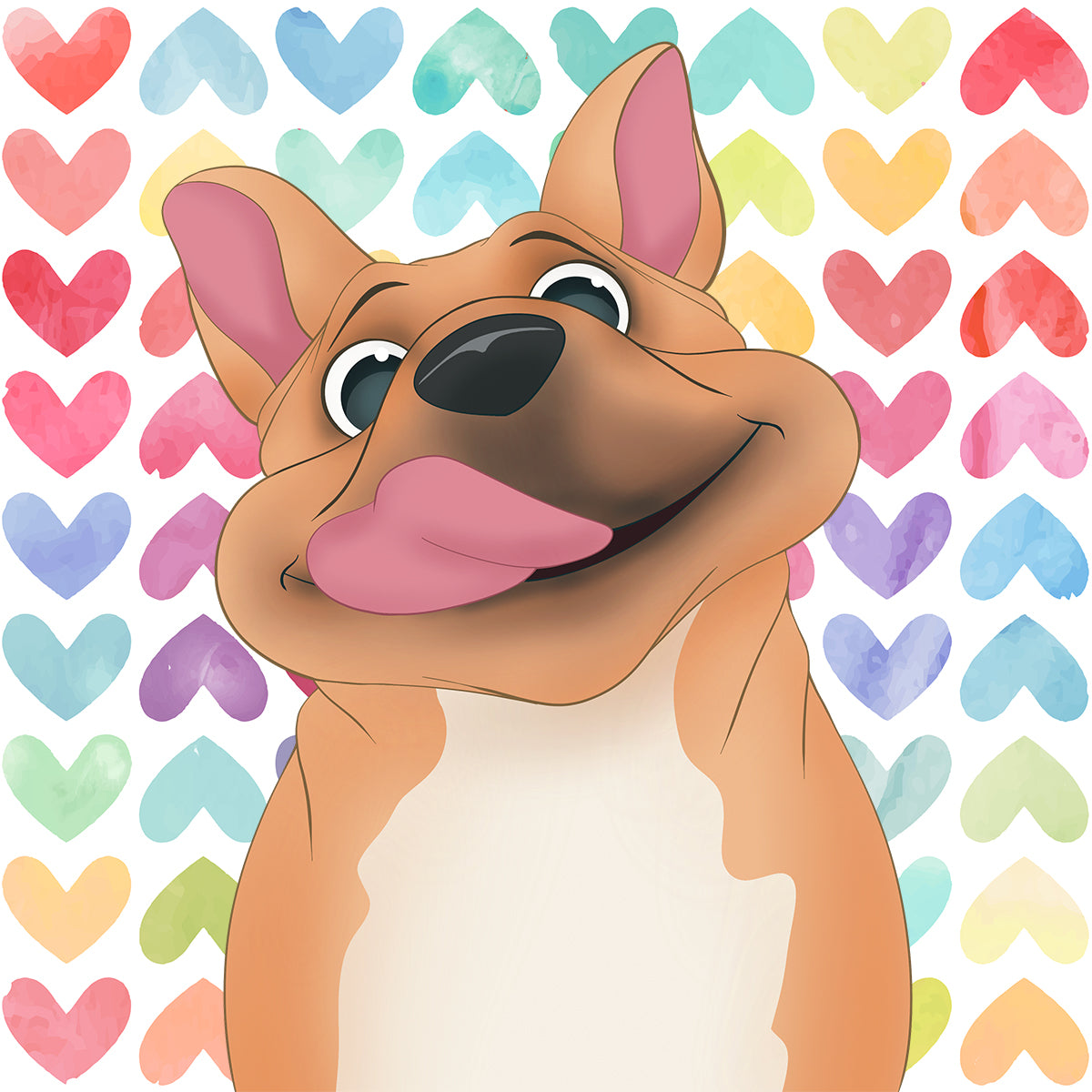
In a three-quarter view, the pet's face is turned slightly to one side while both eyes remain visible. This angle often gives a useful sense of depth because it shows the forehead, nose, cheek and muzzle together.
For many pets this is an easy angle to capture naturally. Rather than repeatedly calling their name, let them look towards a familiar person, toy or sound positioned slightly beside the camera.
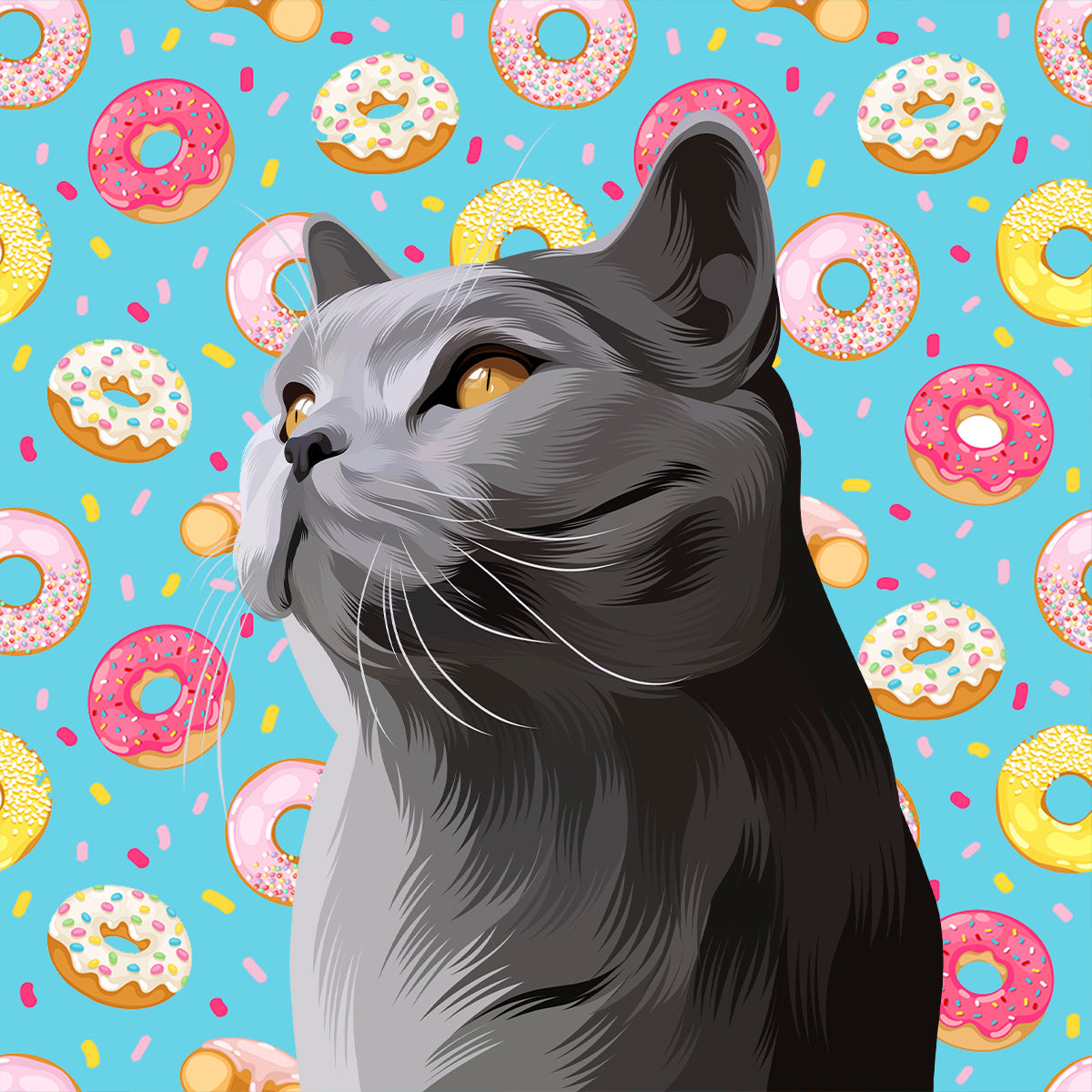
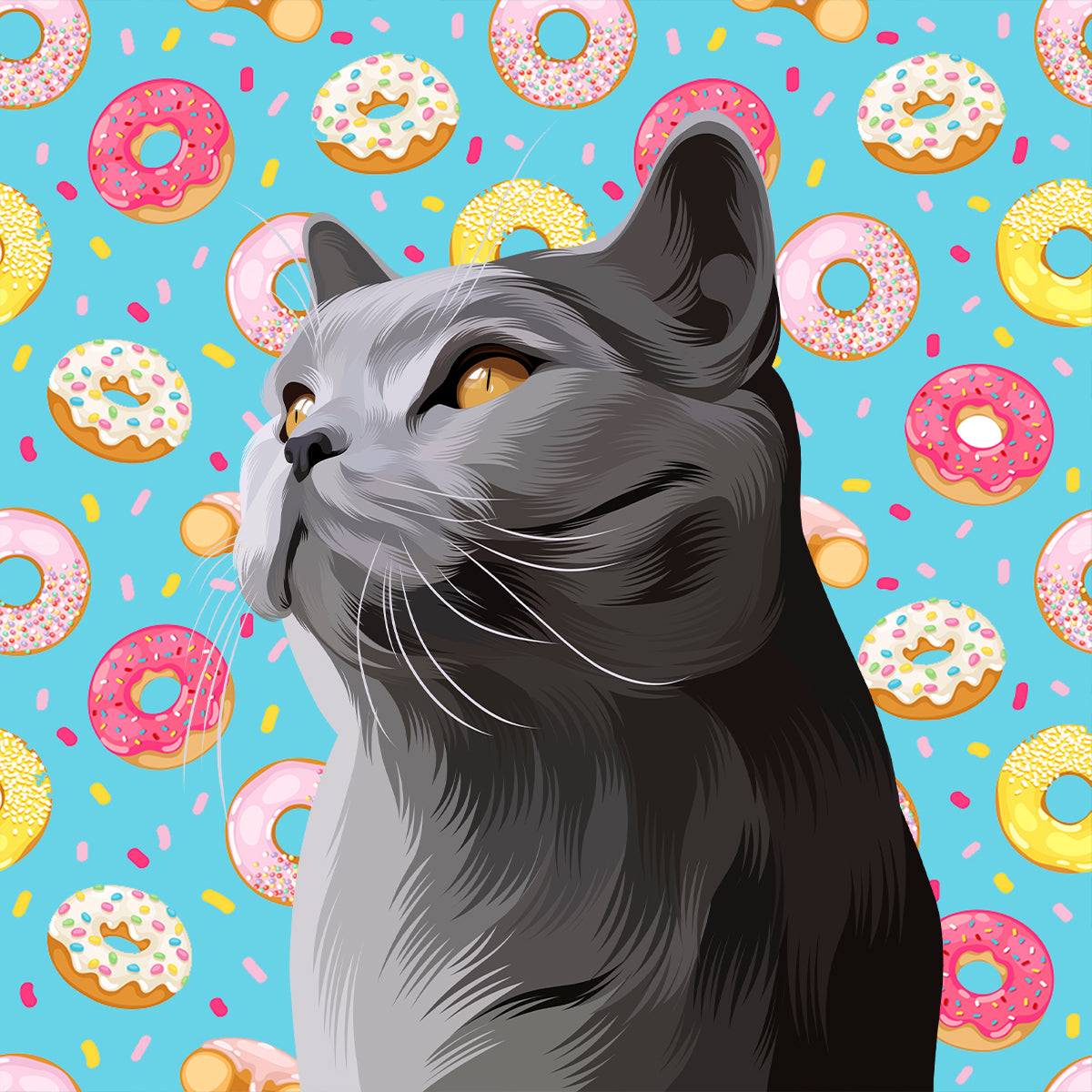
A side profile shows one side of the face and can make a striking custom pet portrait, particularly for pets with a recognisable silhouette. Long noses, flat faces, prominent whiskers, distinctive ear shapes and strong neck or chest lines can all read clearly from the side.
The limitation is obvious: one eye and the far side of the face may be hidden. If those details matter, add a second reference photo showing the missing side. Our multiple reference photo guide explains how to keep one main image while using other pictures to confirm details.
For a straightforward pet portrait reference, bringing the camera closer to the animal's eye level usually gives more natural proportions than photographing steeply down from standing height. This is particularly noticeable with smaller dogs and cats, where an overhead phone photo can make the head look disproportionately large and the body very small.
That does not mean every portrait has to be photographed at exactly eye level. A slightly raised or lower viewpoint can be part of a favourite image. The useful question is whether the angle still looks recognisably like your pet.
If you are taking a new reference indoors, our guide to taking a pet portrait photo indoors with your phone covers light, positioning and practical setup.
Very close phone photos can exaggerate whichever feature is nearest the lens. A nose can look larger, the forehead can stretch and ears can appear farther away than they do in real life.
If possible, step back a little and use the camera at its normal perspective rather than placing it inches from the muzzle. You can crop later if the original image has enough resolution. This also gives you a better chance of keeping both ears and the full outline of the head inside the frame.
A strong expression is useful, but check the edges of the photo before choosing it as the main reference. Common accidental crops include the tips of upright ears, the lower chest, long whiskers and the end of a muzzle.
A crop does not automatically make the image unusable, especially when another reference shows the missing area. It simply means the artist has less direct information in the lead photo. Our pet portrait composition guide is useful if you are also deciding how tightly the finished artwork should frame the pet.
A dog looking slightly away with its usual ridiculous concentration can be a better reference than a perfectly posed image in which it looks unusually tense. The same is true for cats, whose willingness to perform for a camera is famously governed by a legal framework known only to cats.
When comparing angles, ask which image captures the animal you know. Look at the eyes, ear position, mouth, head carriage and the small asymmetries that make the face distinctive.
Some pets look dramatically different from one side to the other. A patch around one eye, a folded ear, a white blaze, a scar, a darker cheek or uneven whisker markings may make one angle more recognisable.
If a side-profile photo hides an important marking, either choose the other side or supply a supporting image. If a front-facing image makes both markings visible, it may be the stronger lead reference even if another photo is technically sharper.
Keep it in consideration. A favourite expression can carry more emotional and visual information than a newer photograph that happens to be sharper. The sensible approach is to pair the meaningful image with clearer supporting references where possible.
Our guide to using a blurry photo for a pet portrait explains which problems are manageable and when missing detail becomes too uncertain.
If you have several good angles, choose one image to set the expression, head position and overall pose. Treat the others as supporting information rather than trying to combine every attractive feature from every photograph into one contradictory instruction.
Once you have chosen the reference that feels most like your pet, you can explore our custom pet portraits and select the style you want the photograph turned into.
Comments will be approved before showing up.
August 28, 2026 3 min read
August 27, 2026 3 min read
WELCOME TO PAW & GLORY
Get 15% off your first order
Join 30,000+ pet owners turning perfectly ordinary photos into gloriously over-the-top works of art.
★★★★★ 2,200+ Five-Star Reviews
Real Artists · Proof Before Print · Unlimited Artwork Revisions