August 25, 2026 5 min read
A white, cream or pale-coated pet can make an excellent reference for a custom pet portrait from a photo, but the photograph needs enough contrast and detail for the coat, face and markings to stay visible. The main problem is not that white fur is difficult in itself. It is that bright fur can lose texture when the light is too harsh, the background is equally pale or the camera exposes the whole image too brightly.
You do not need professional equipment. A phone camera, soft daylight and a little attention to the background are usually far more useful than an elaborate setup involving lamps, filters and a pet who has already decided the entire project is beneath them.
Yes. What matters most is whether the reference photo clearly shows the features that make your pet recognisable: the eyes, nose, ears, face shape, coat texture and any subtle markings. Pale fur should still contain visible detail rather than appearing as one flat white patch.
If you are choosing between several pictures, start with our pet portrait from photo guide. The strongest reference is usually the image that looks most like your pet in real life, not necessarily the photograph that looks most polished on your phone.
Bright direct sunlight can create hard shadows while also making the lightest parts of a white coat look featureless. A better starting point is soft daylight near a window, in open shade or outdoors when the light is less severe.
Position your pet so the face is evenly lit. You should be able to see texture across the forehead, cheeks, chest and ears rather than having one side disappear into shadow and the other become a bright patch.
The same principle applies to dark-coated pets for the opposite reason. If you have pets at both ends of the photographic spectrum, our guide to photographing a black dog or cat for a pet portrait covers how to preserve detail in deep fur tones.
A white dog on a white duvet may look pleasingly minimalist to a human. To a camera, it can become a small exercise in locating where the dog ends and the bedding begins.
Choose a background that is different enough from the coat to define the outline. It does not need to be dark. Mid-tone walls, wooden floors, muted furniture, grass or a simple coloured blanket can all make pale ears, shoulders and whiskers easier to see.
If the original background is distracting, that does not automatically make the photograph unusable. The reference photo is primarily there to capture your pet accurately. You can also read our pet portrait background guide when thinking about the finished artwork.
Before taking the photo, look at the lightest parts of your pet's coat on the phone screen. If the forehead, muzzle or chest appears completely white with no visible fur detail, reduce the brightness slightly or move to softer light.
On many phones, tapping the face to focus will also let you adjust exposure. You do not need to make the image dark. The aim is simply to keep detail in the light fur while still showing the eyes and face clearly.
Sharp eyes are useful because they anchor the expression, particularly in a personalised pet portrait. After taking the photograph, zoom in and check that the eyes are reasonably clear, but also look at the nose, mouth, ears and the edges of the face.
A photo can appear sharp at normal screen size and still lose important detail when enlarged. If the image is slightly soft, our blurry pet photo guide explains what can still work and when a different reference is safer.
White pets are rarely just one digital shade of white. Some have cream ears, warm patches, silver areas, pink skin showing through fine fur or subtle differences around the muzzle and eyes. Those details are part of the likeness.
Avoid strong filters and automatic edits that turn warm cream fur blue, grey or intensely yellow. If the phone's processing has changed the colour noticeably, keep the original file as well. A second photograph taken in neutral daylight can be useful for confirming the true coat colour.
A bright window or low sun behind a pale pet can produce a lovely halo, but it can also leave the face too dark for a useful reference. If the photo is mainly for a portrait, prioritise facial information over dramatic lighting.
If a backlit photograph captures the perfect expression, keep it. Then take a clearer supporting image of the face and coat in more even light. Several photos can be useful when they each answer a different question. Our guide to using multiple photos for one pet portrait explains how to choose one lead reference and use the others for colour, markings and detail.
Very bright surroundings can make a camera reduce or increase exposure in ways that change how the pet looks. Snow, pale beaches, white walls and light bedding are common examples.
If the setting matters to you, take the photograph there, but also capture one straightforward reference in a less reflective environment. The second photo does not need to be beautiful. It needs to be informative.
If your pet has pale biscuit ears, a faint patch over one eye, freckles on the nose or a slightly darker stripe down the back, take at least one photo where those details are obvious. Small markings can carry a surprising amount of identity.
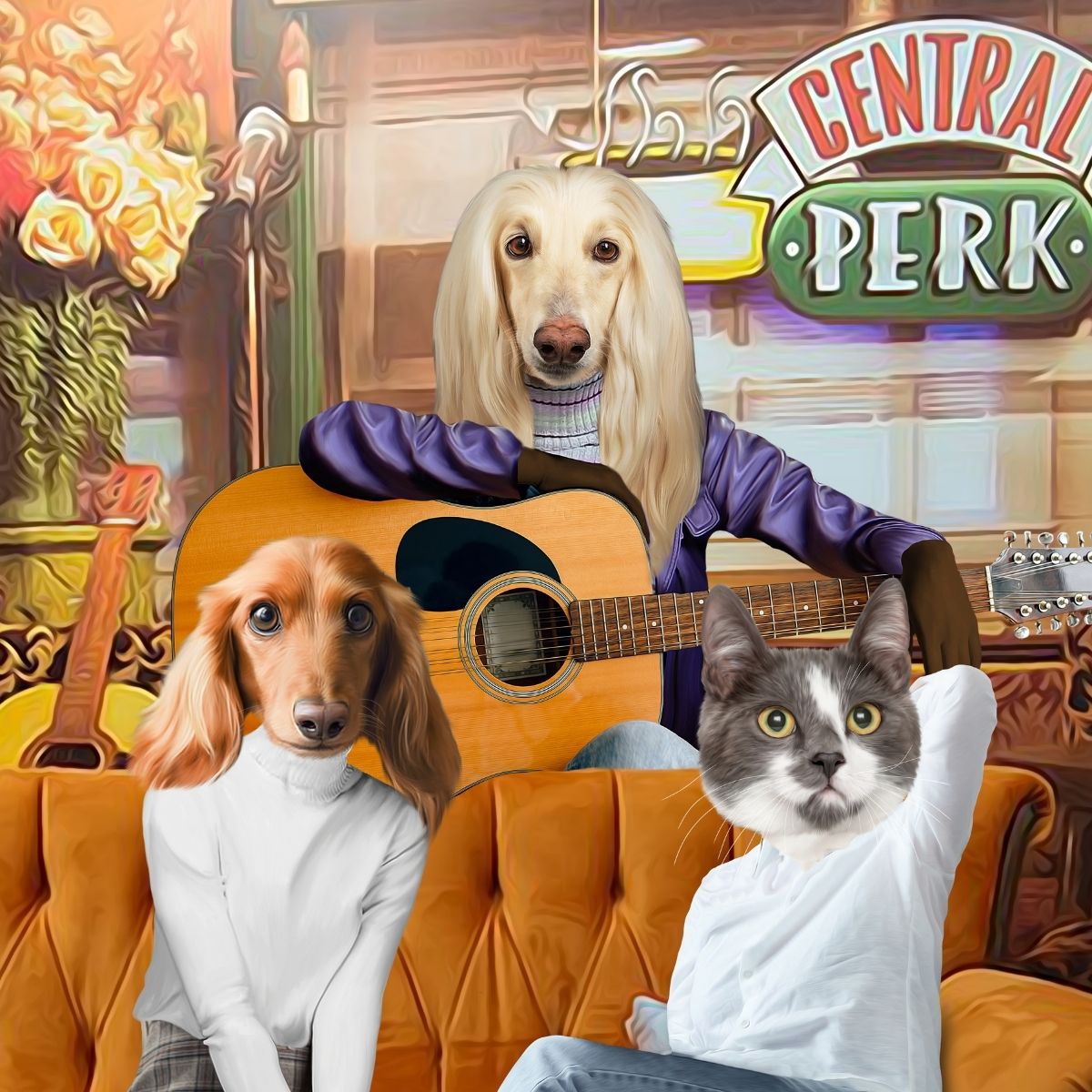
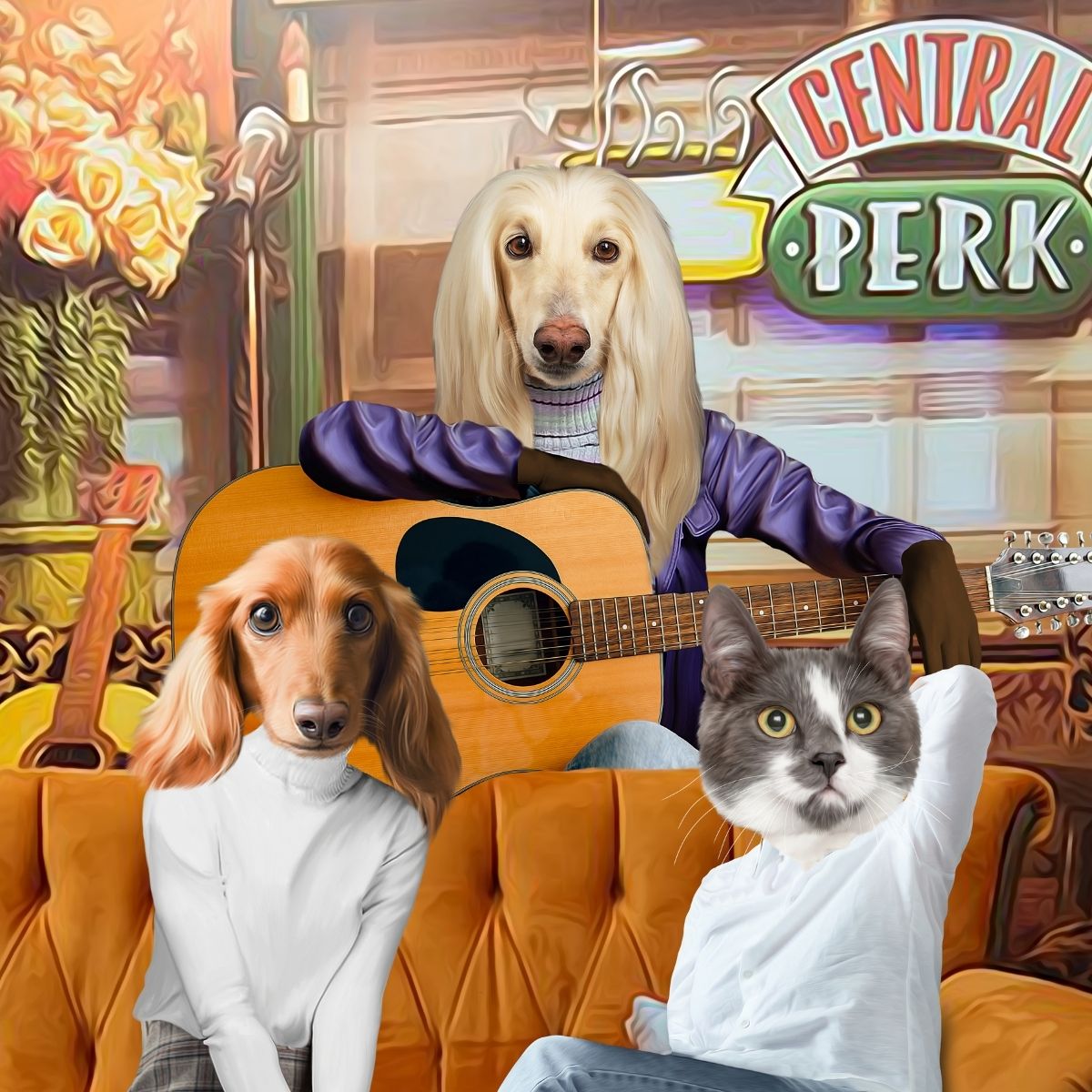
For cats, face shape, eye colour and markings can be especially useful when comparing possible references. Our cat portraits from photos guide covers the wider photo-selection process.
Do not reject an important photograph merely because it would fail a photography exam nobody asked it to sit. An older phone photo, a slightly soft image or a picture with an awkward background can still contain the expression that makes your pet unmistakably yours.
The sensible approach is to identify what the favourite image shows well, then add supporting references for anything it does not. A clear second photo can help confirm the coat tone, ear shape or markings while the favourite image remains the main guide for expression and character.
A good reference photograph is not about forcing your pet into a studio-perfect pose. It is about giving the artwork enough clear information to preserve the features that make the animal recognisable. For a white or pale pet, soft light, background contrast and truthful colour do most of the work.
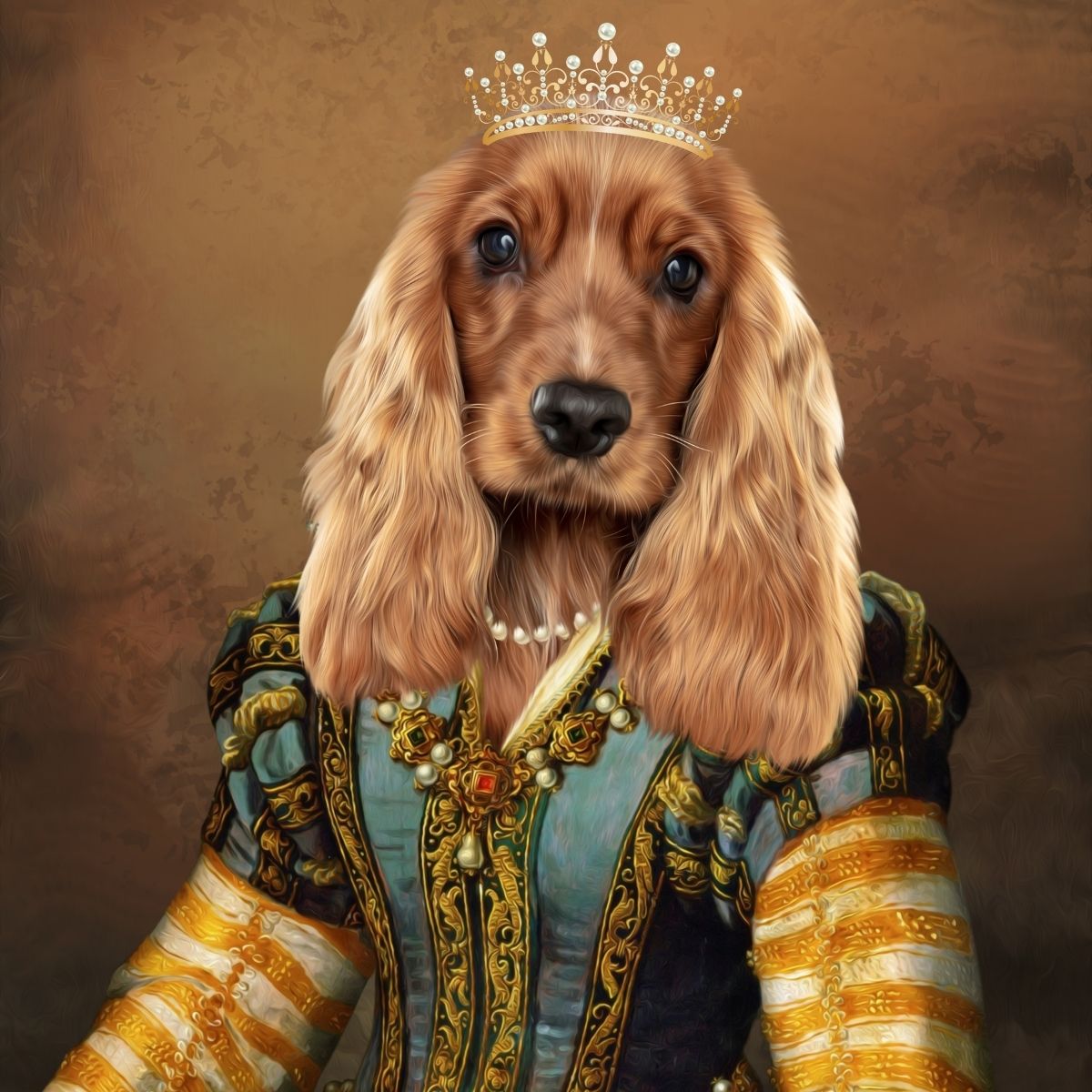
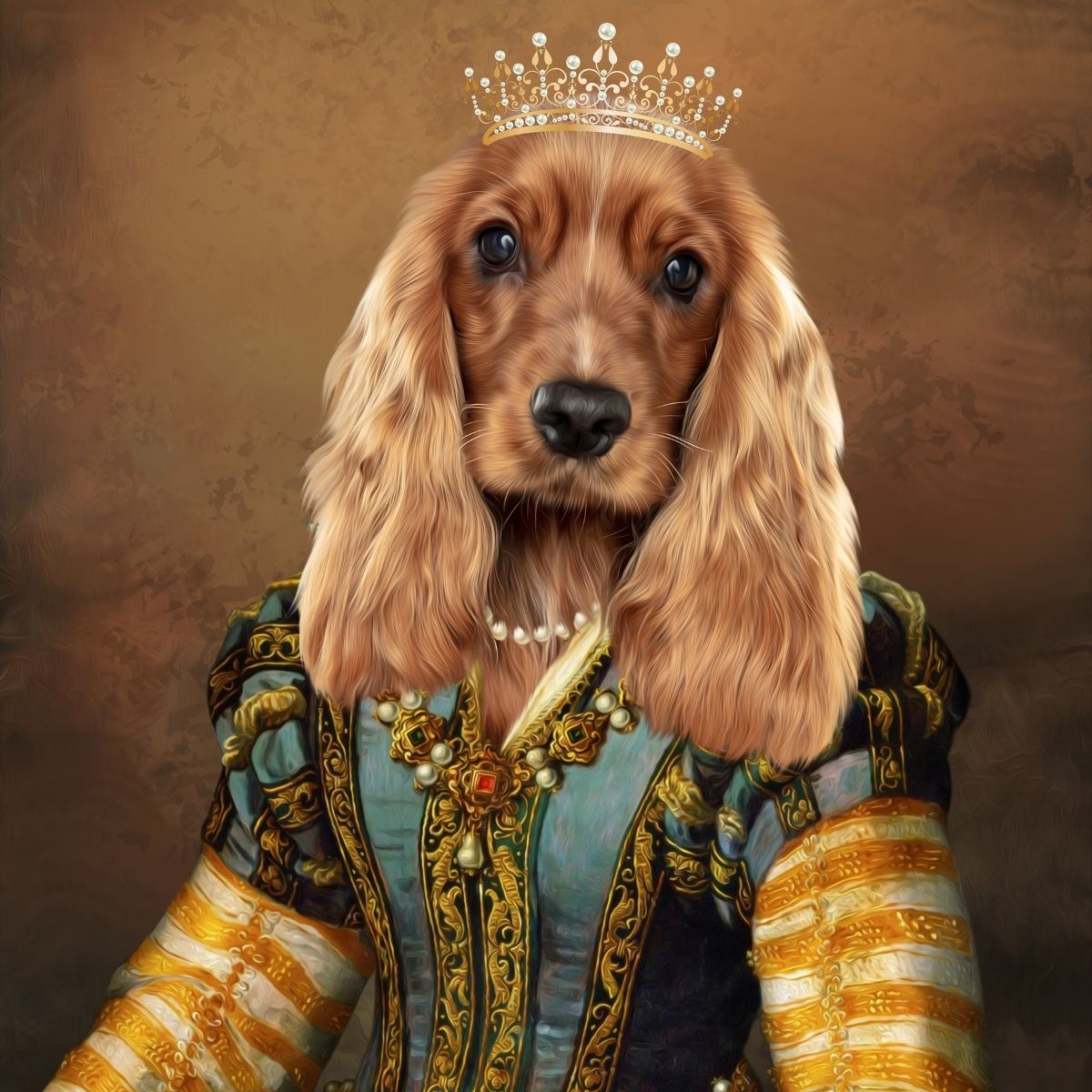
When you have a reference you are happy with, you can browse our custom pet portraits and choose a style that suits the photograph and your pet's personality.
Comments will be approved before showing up.
August 28, 2026 3 min read
August 27, 2026 3 min read
WELCOME TO PAW & GLORY
Get 15% off your first order
Join 30,000+ pet owners turning perfectly ordinary photos into gloriously over-the-top works of art.
★★★★★ 2,200+ Five-Star Reviews
Real Artists · Proof Before Print · Unlimited Artwork Revisions