July 26, 2024 4 min read
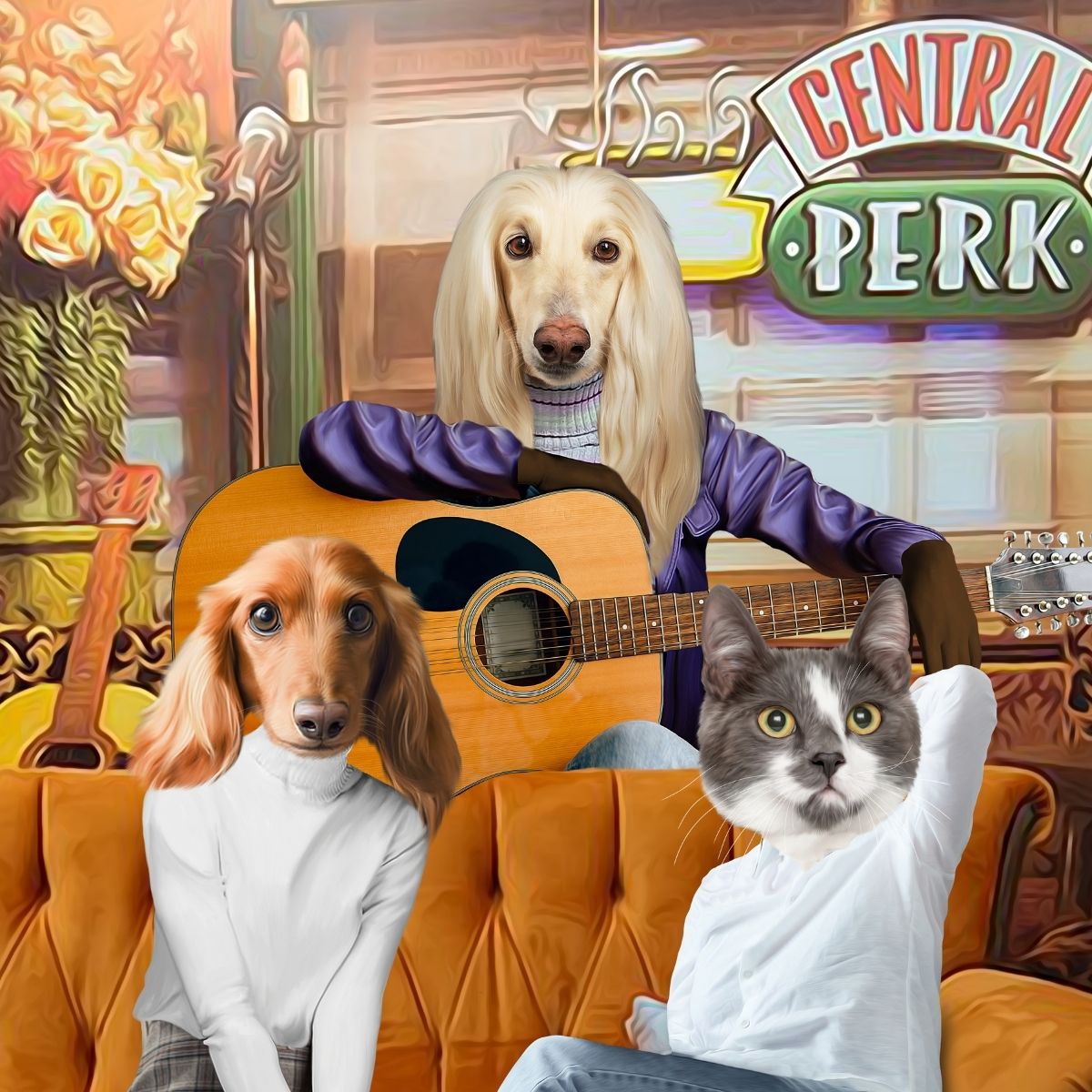
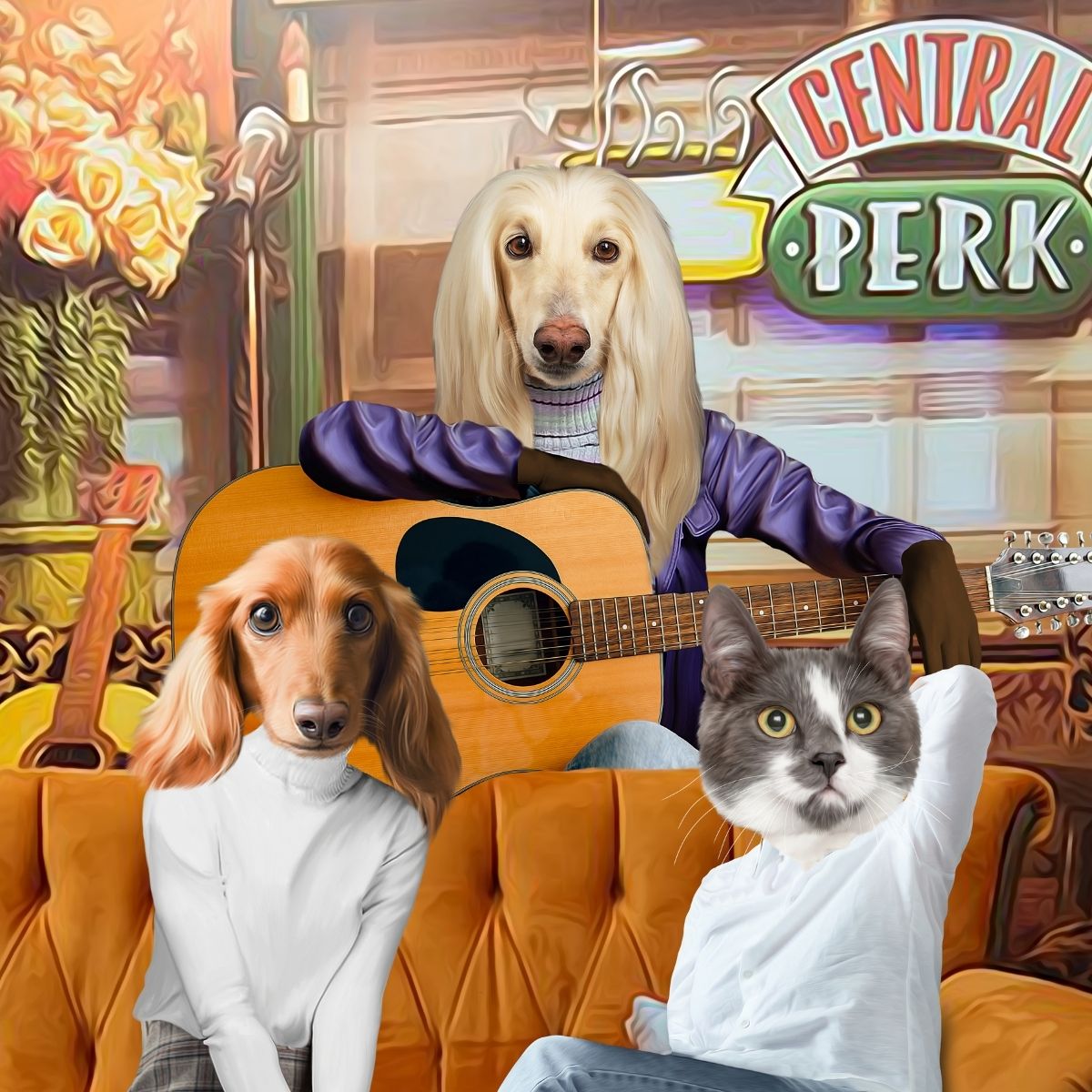
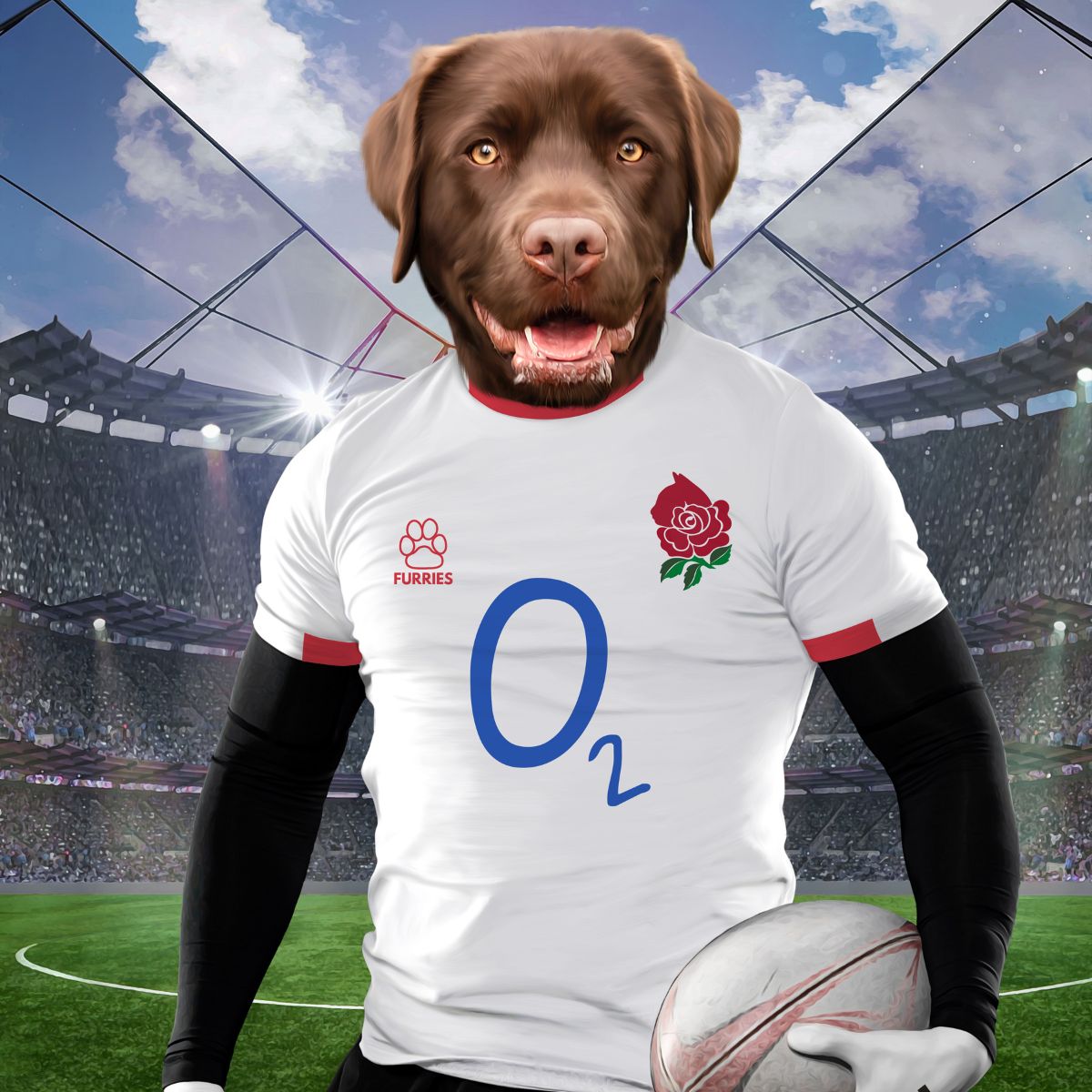
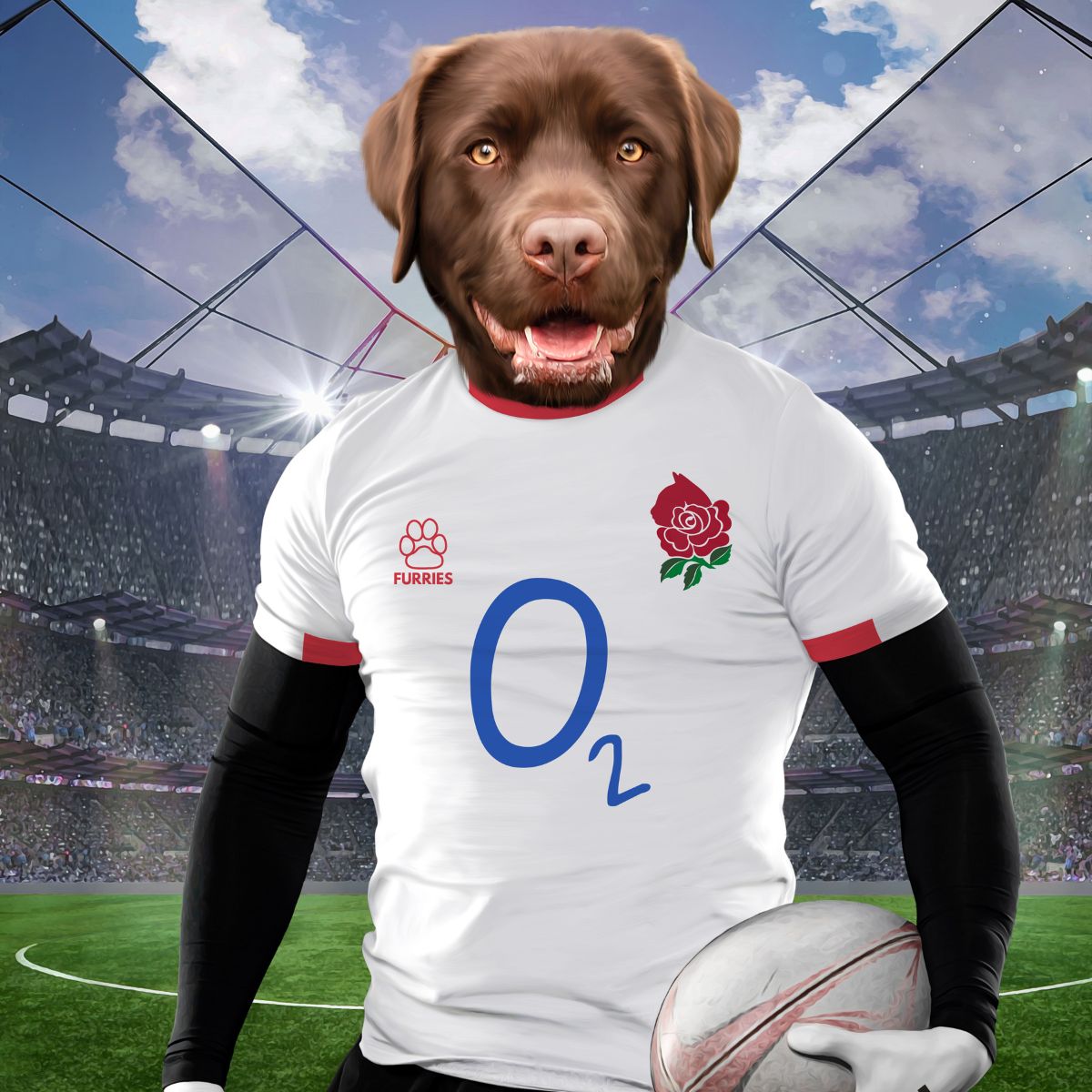
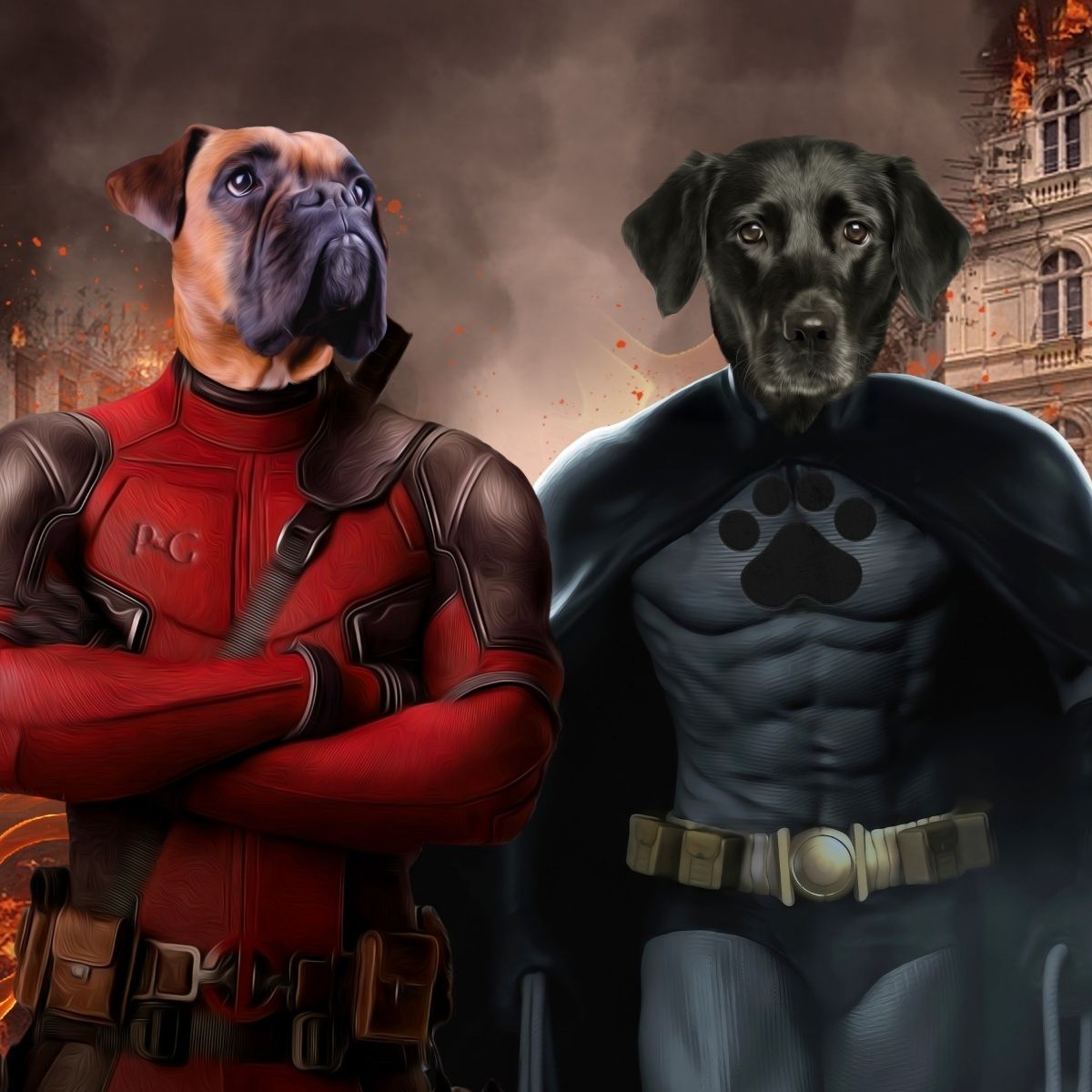
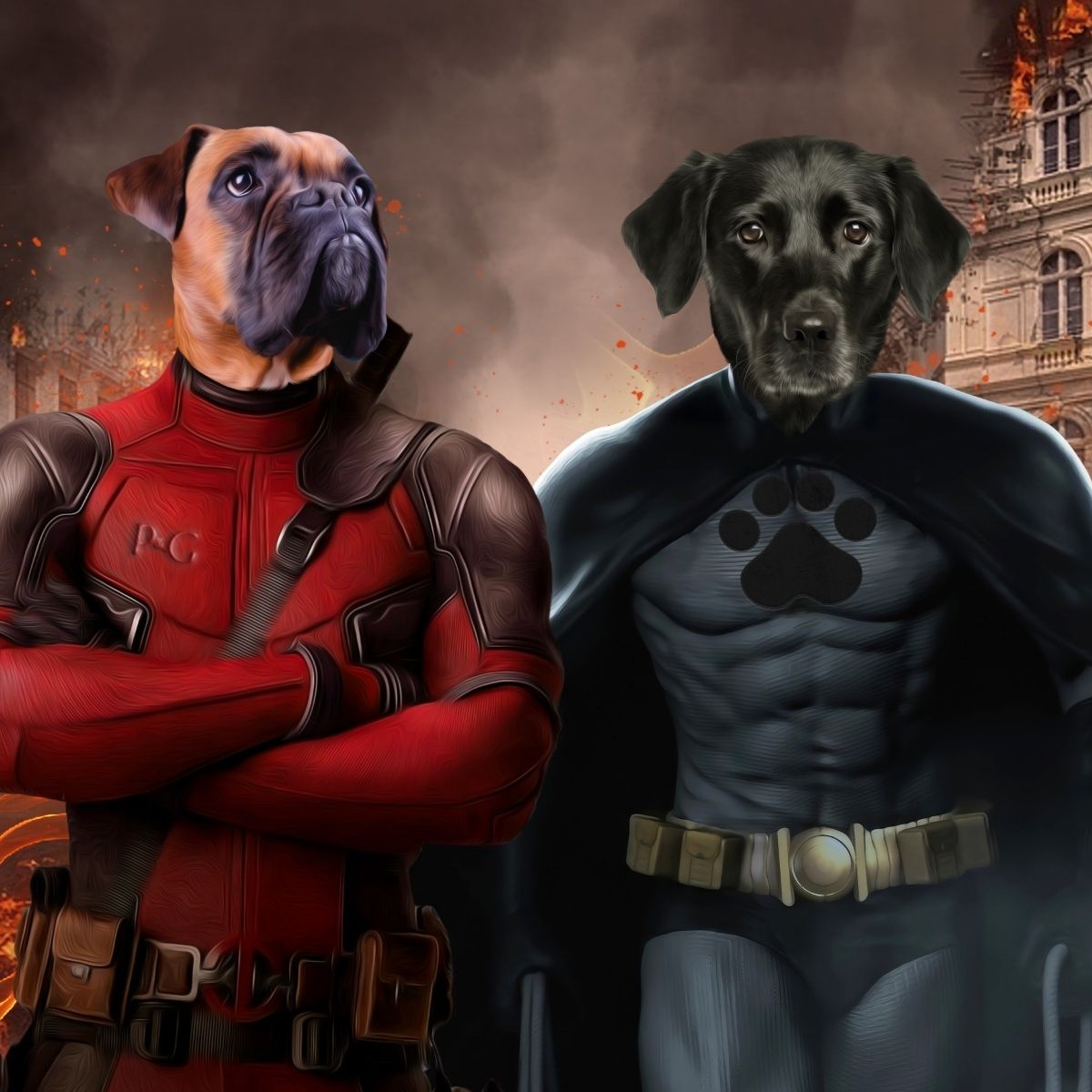
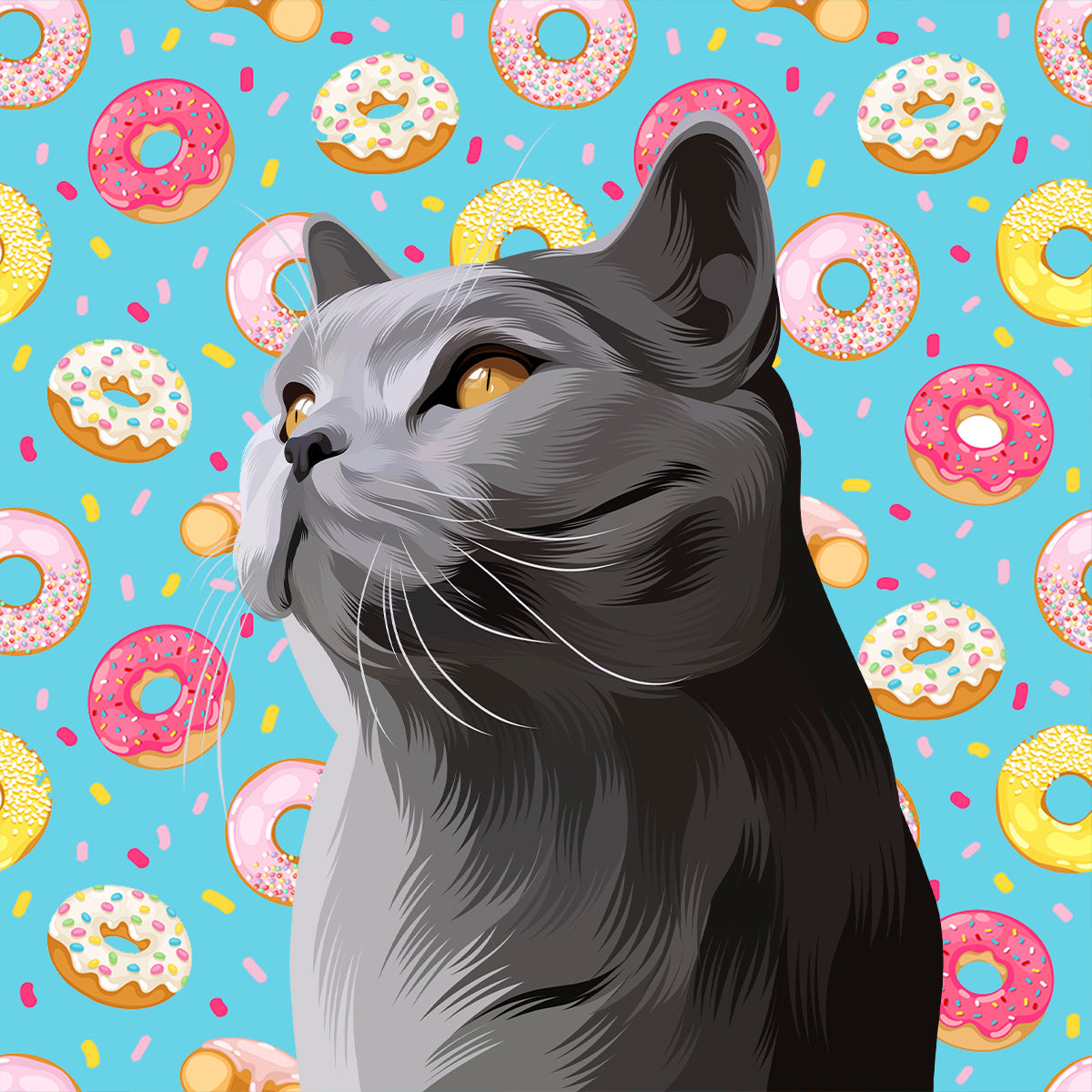
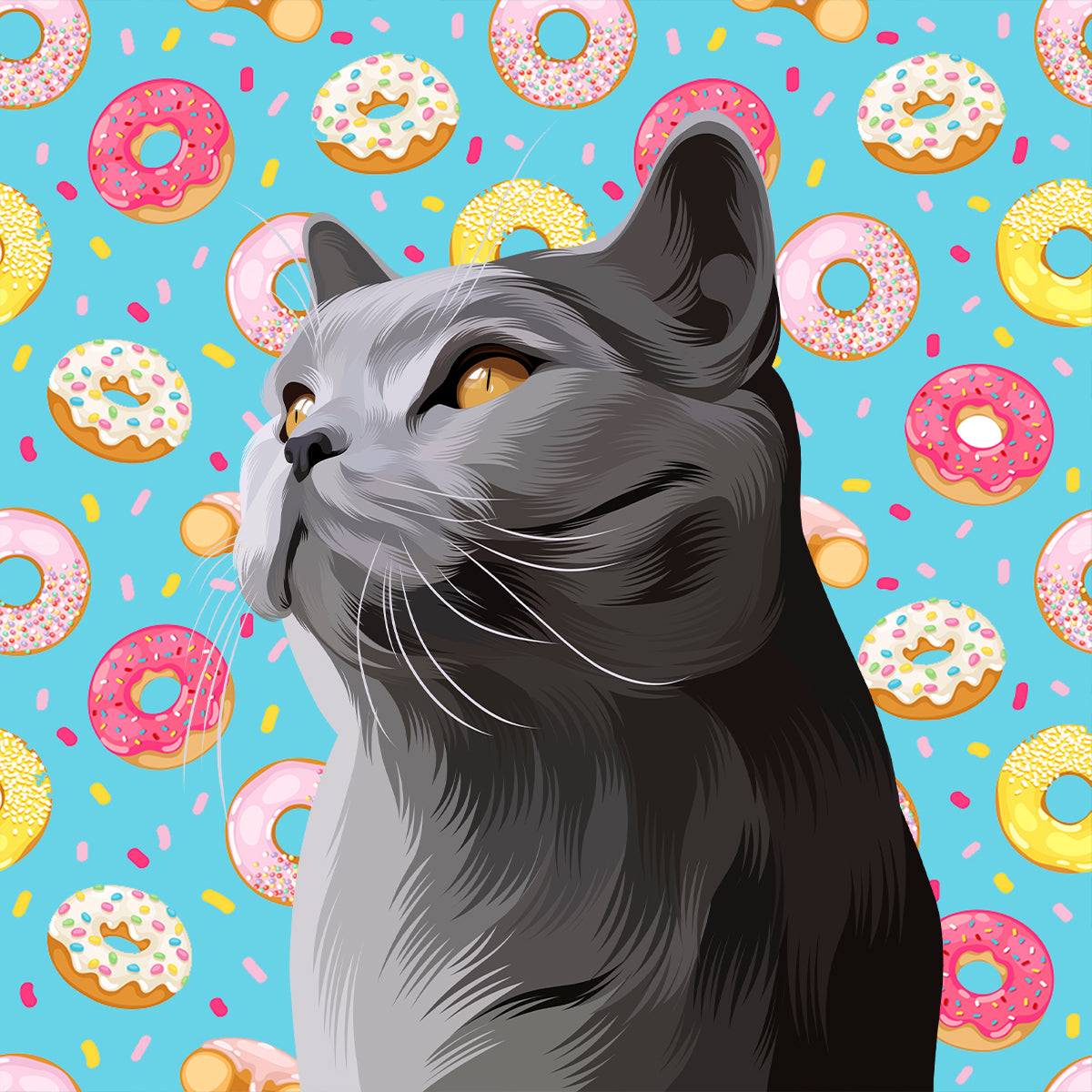
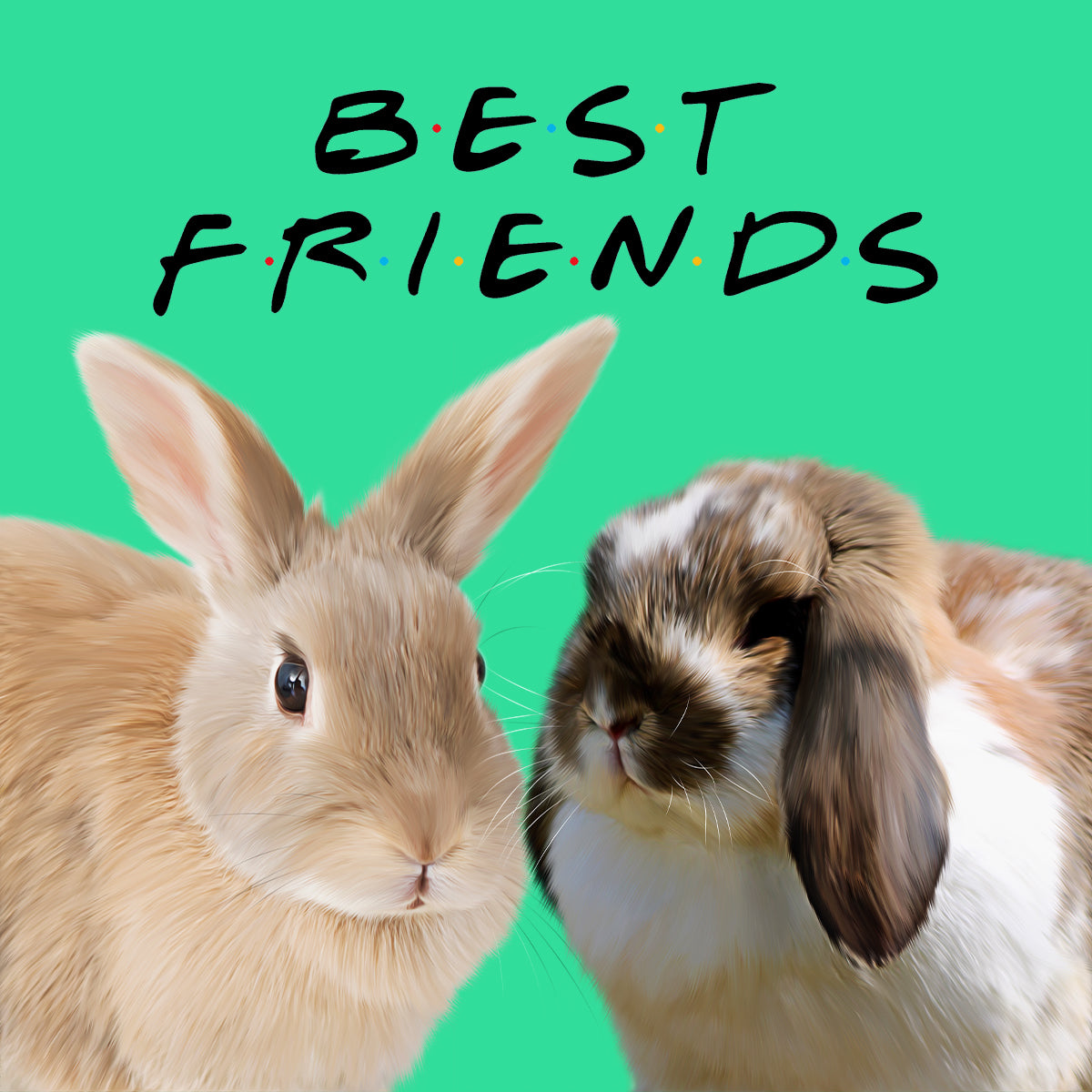
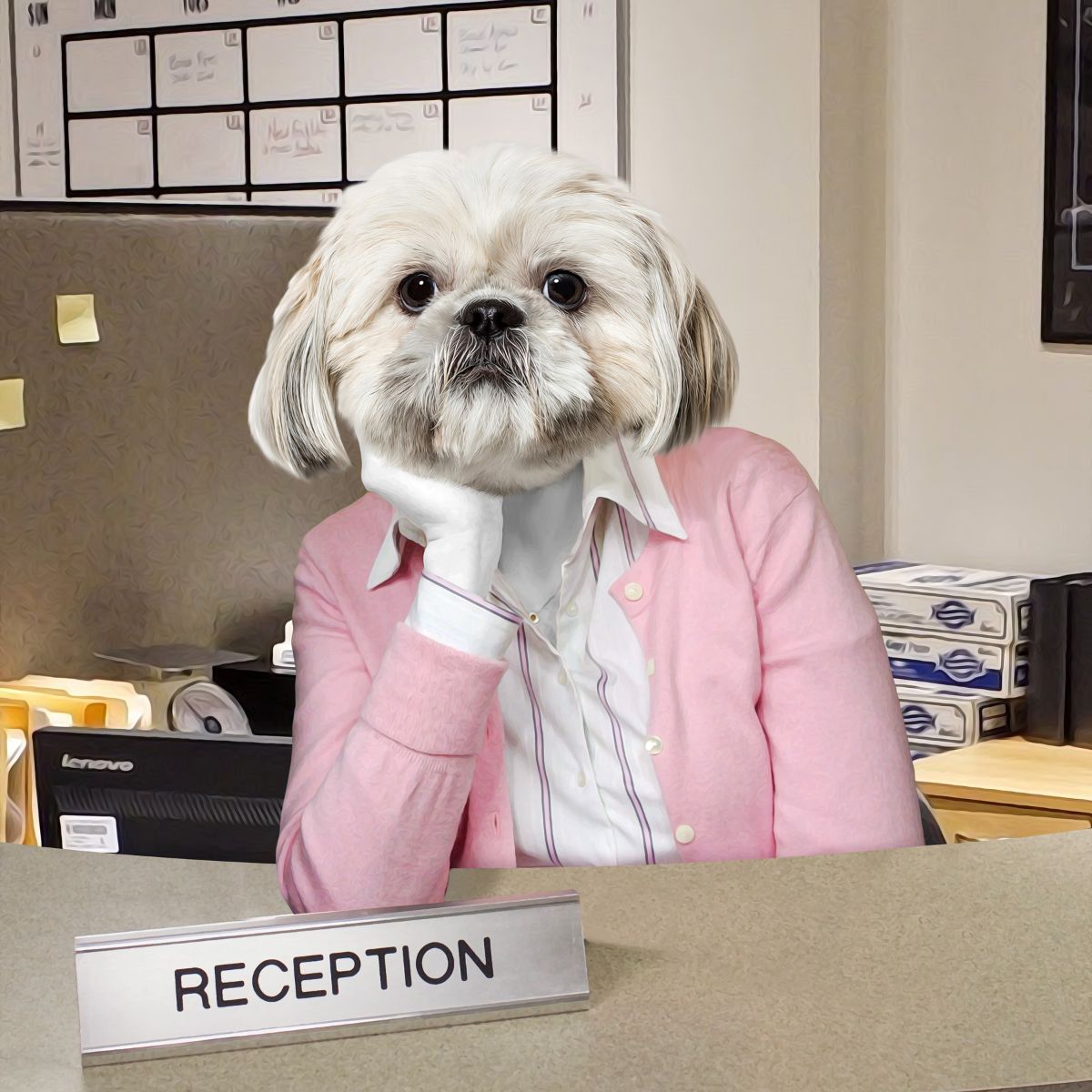
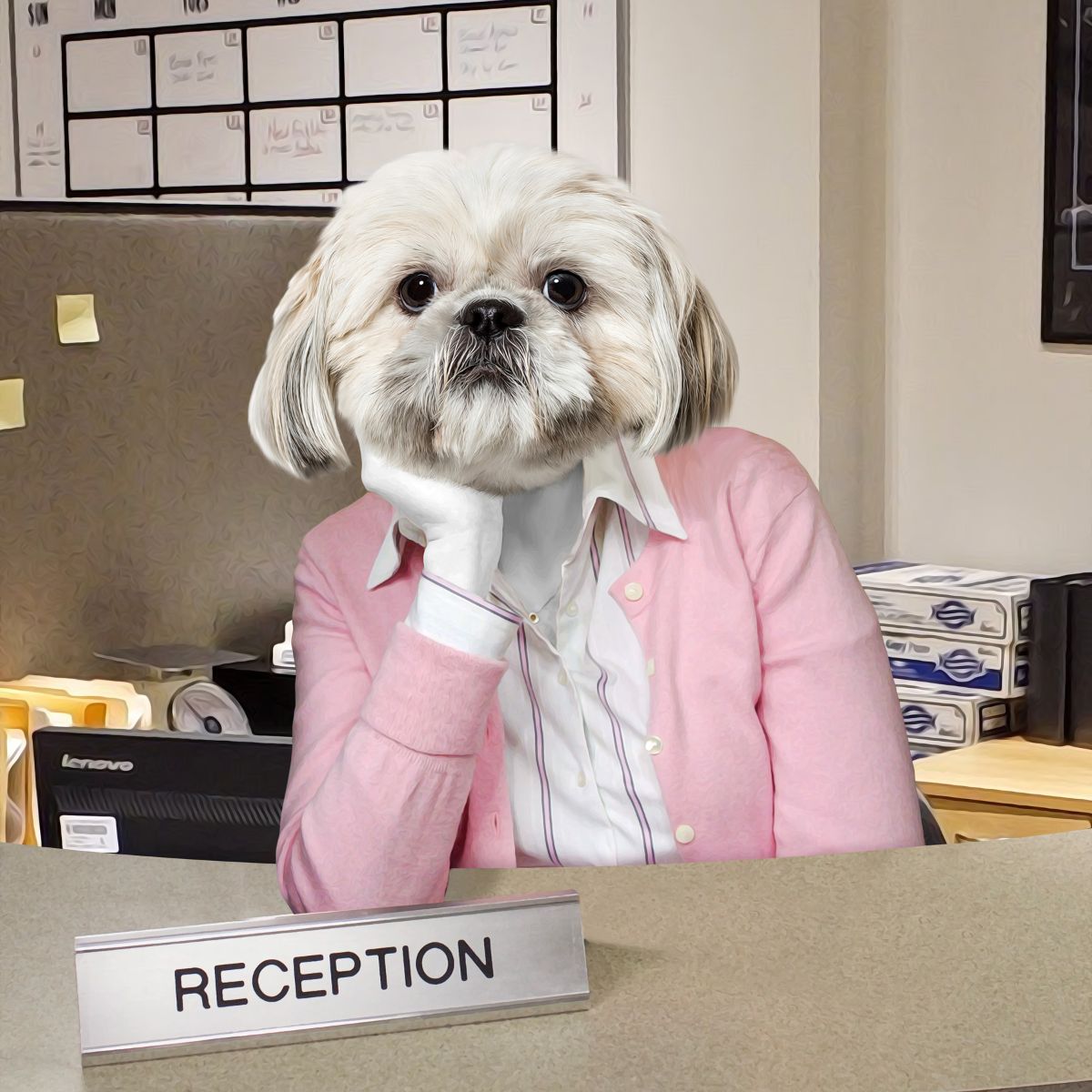
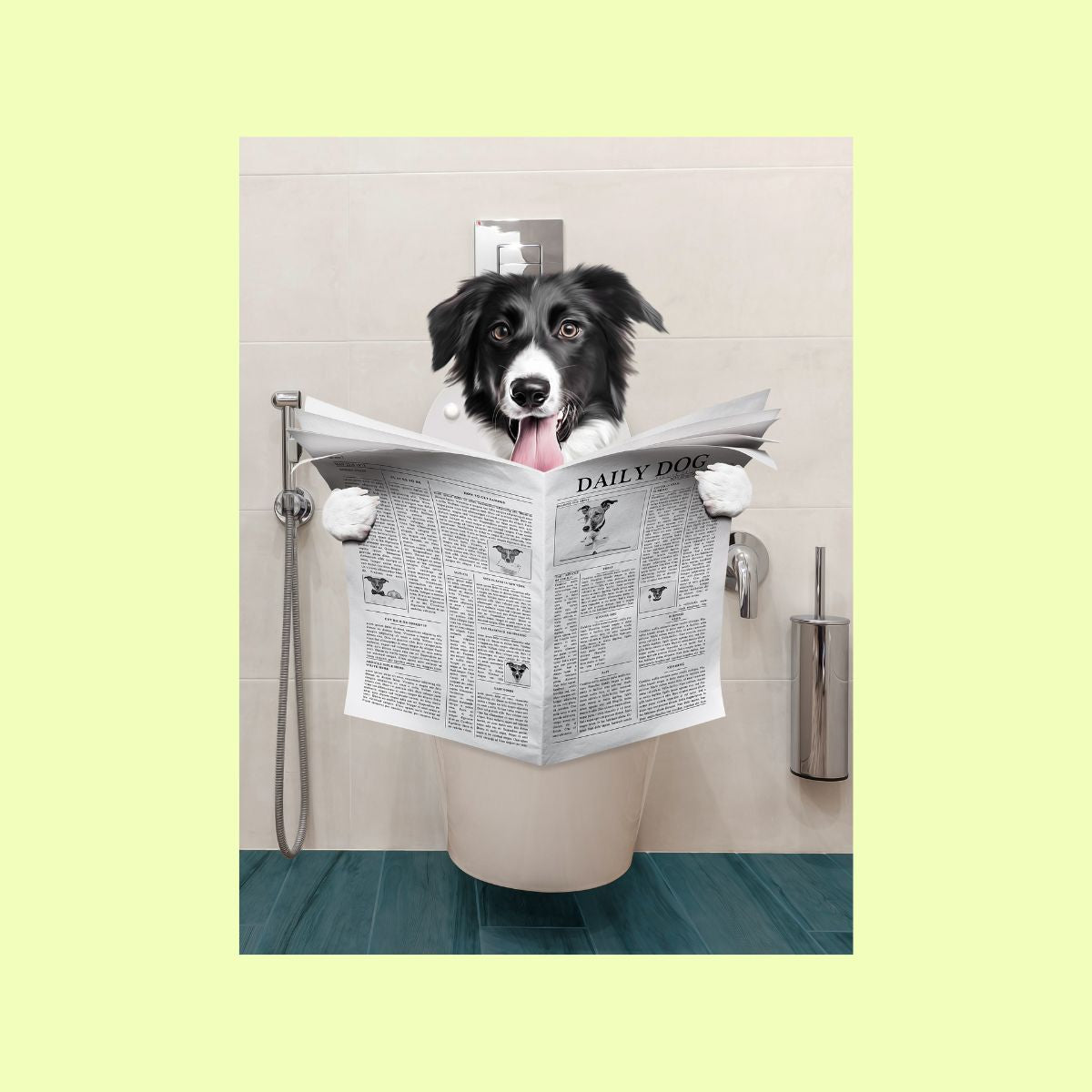
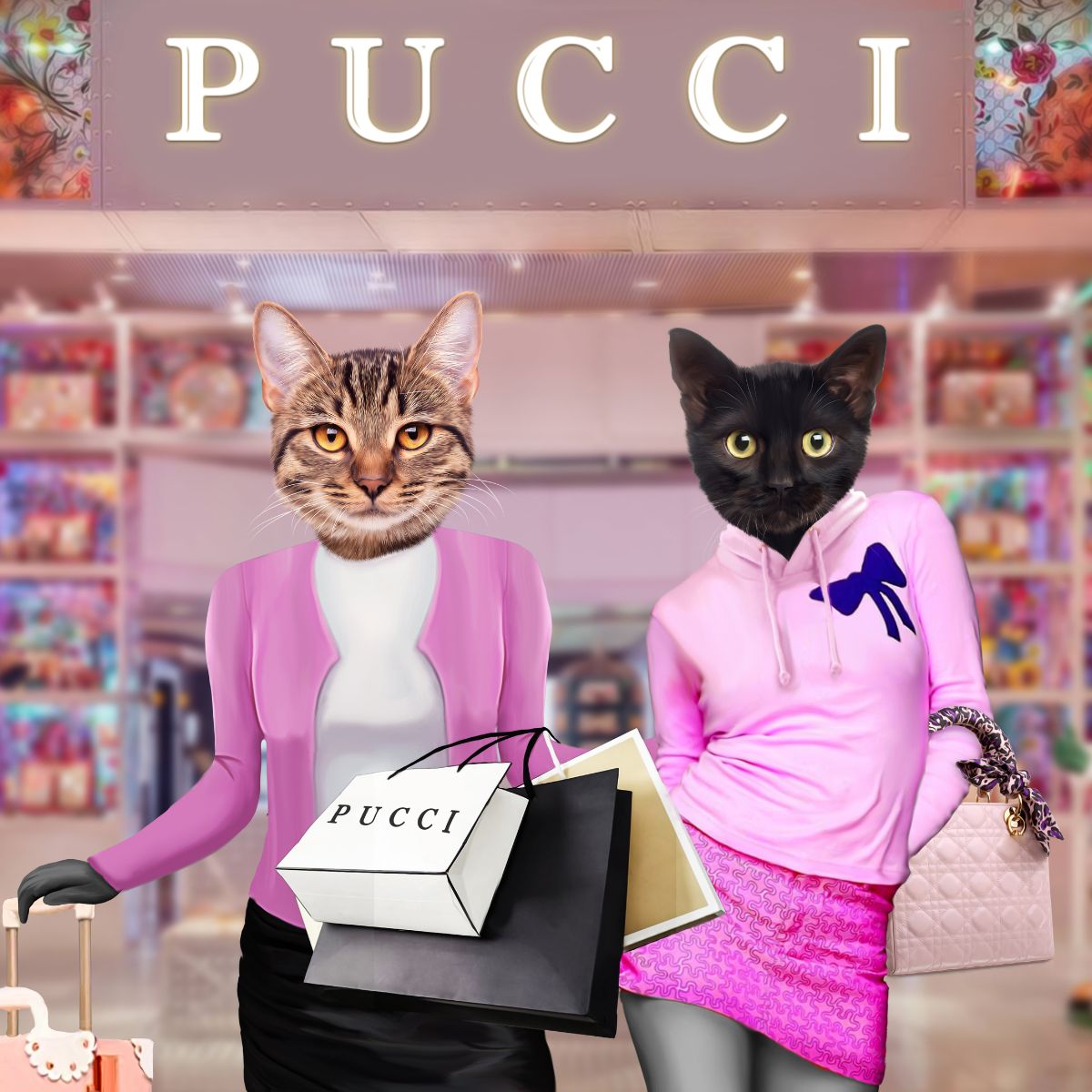
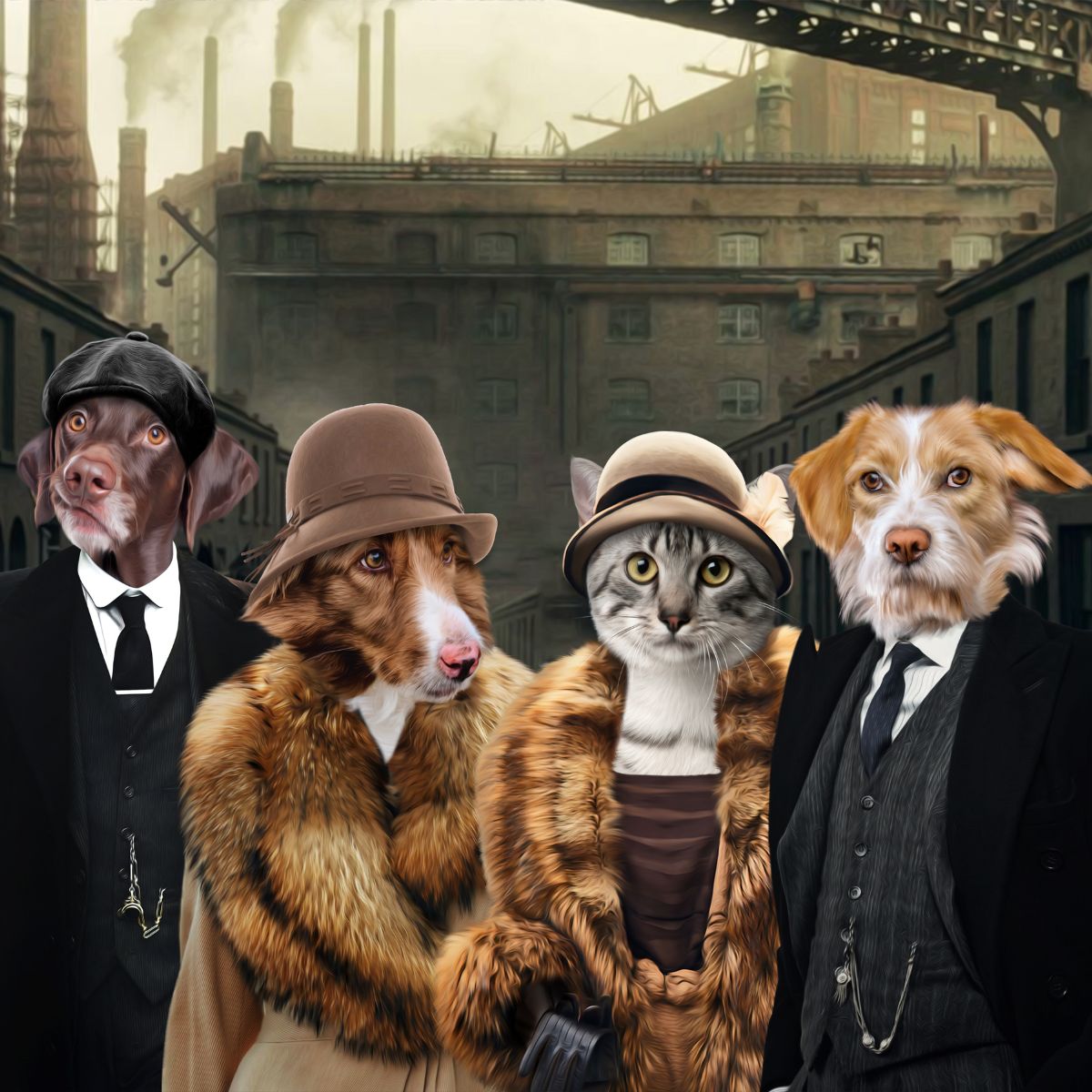
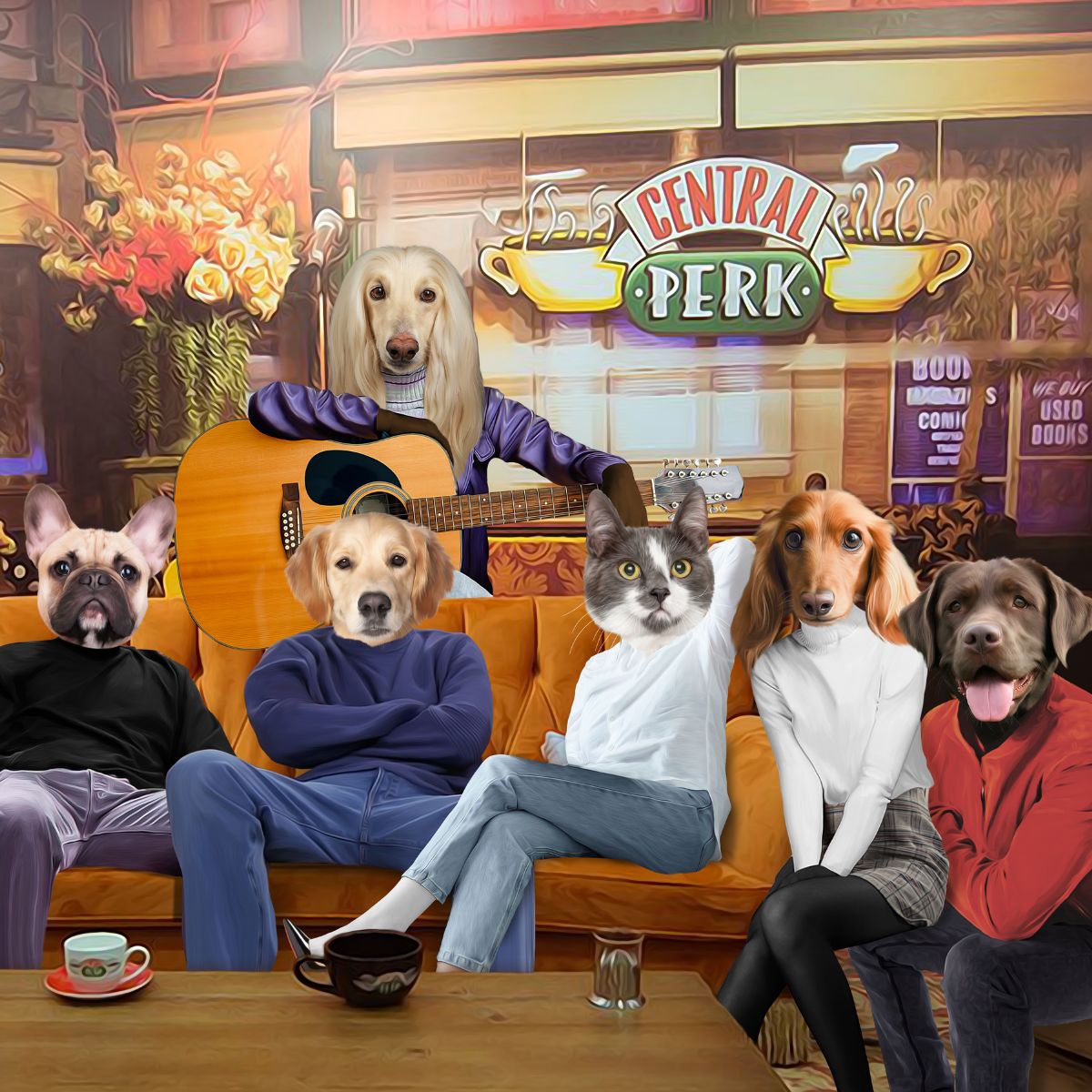
The best type of pet portrait background depends on what you want the artwork to do. A plain background keeps attention firmly on the face. A home or outdoor setting adds context. A themed background can create humour or character. None is automatically better; each gives the portrait a different job.
This guide is about types of backgrounds. If you already know you want a simple coloured backdrop and are deciding which shade suits the coat, use our pet portrait background colour guide.
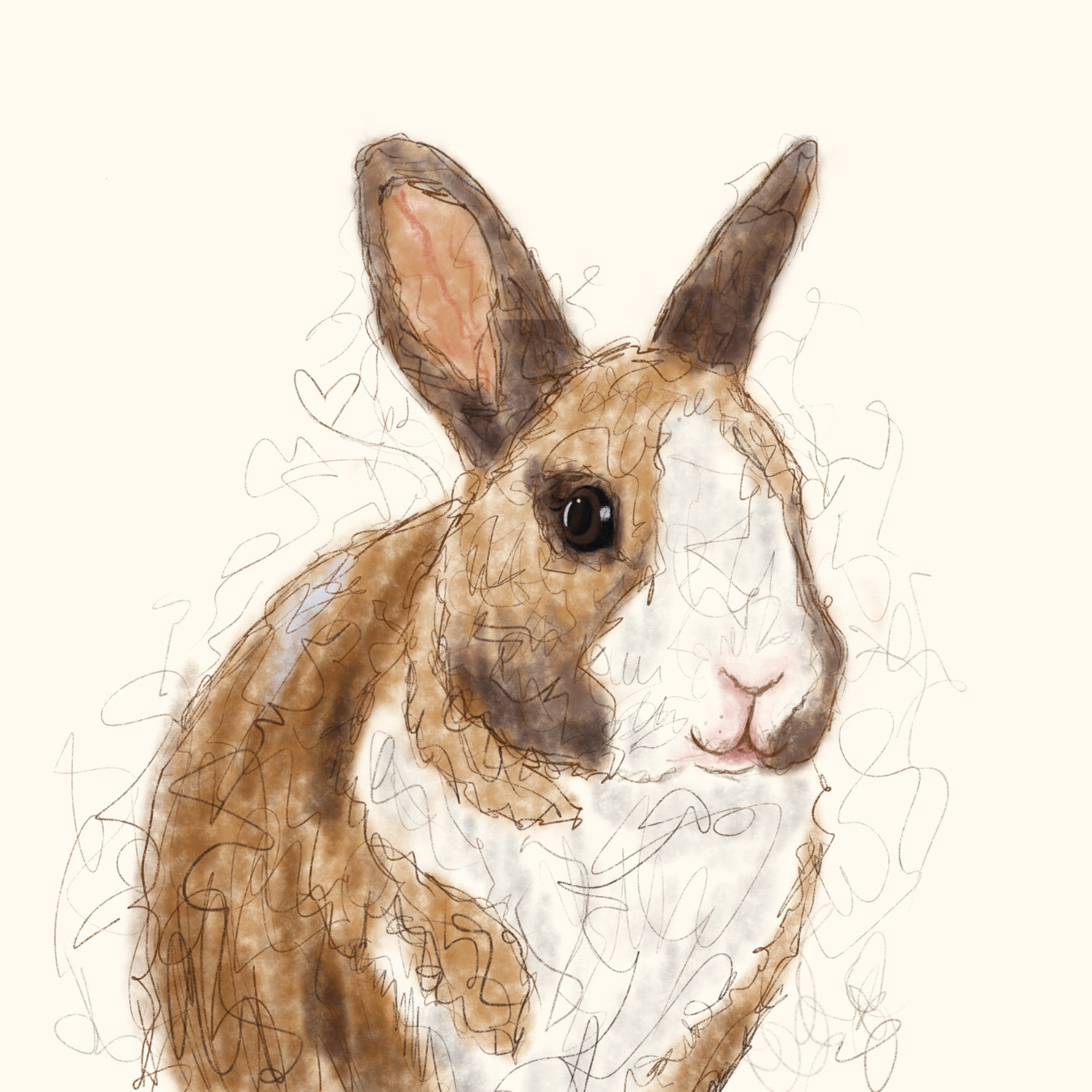
A simple background removes most visual competition and lets the eyes, markings and expression carry the portrait. It can suit modern artwork, memorial pieces and photographs where the original room or garden is not important to the final composition.
Plain does not have to mean white. A restrained neutral or solid colour can still create strong contrast and personality.
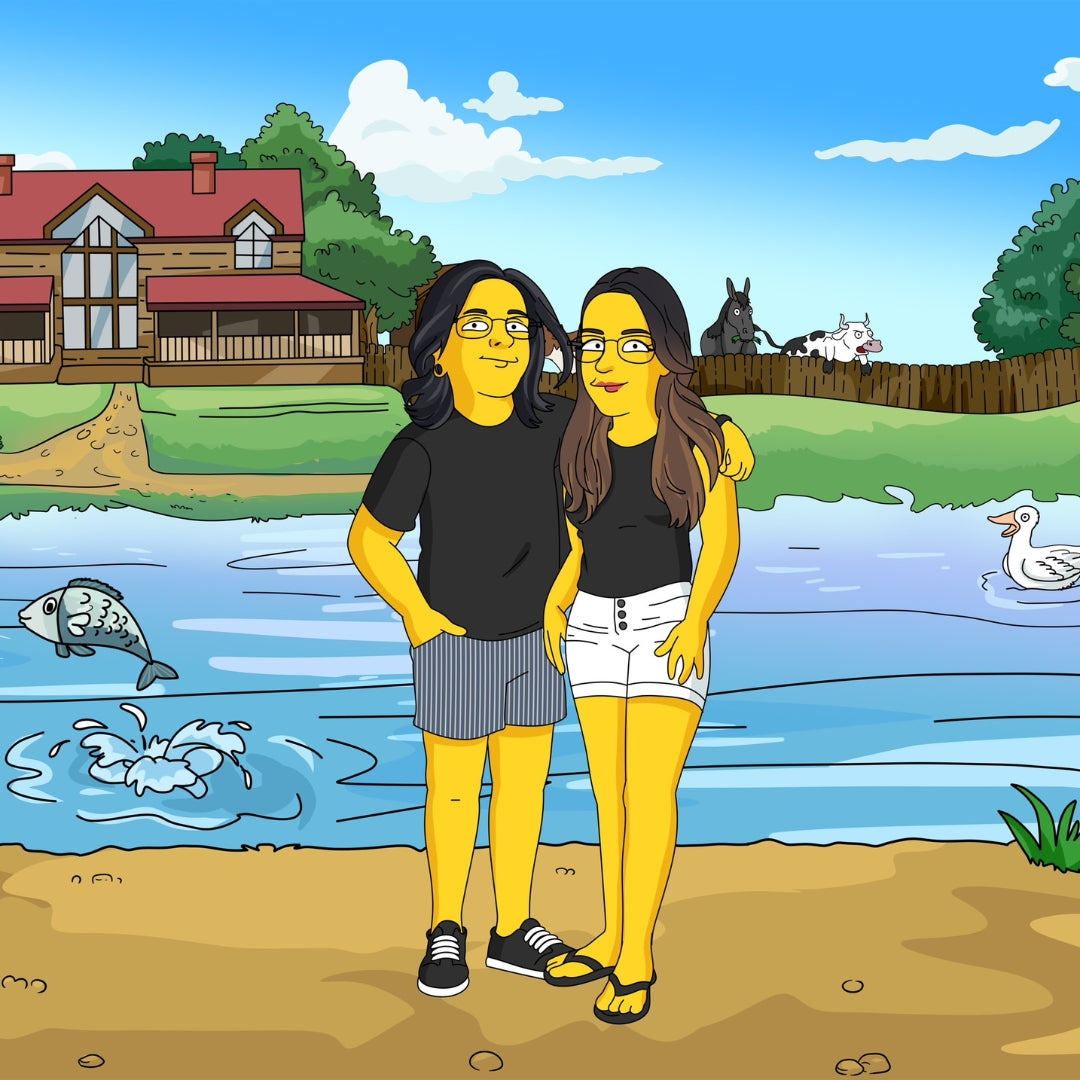
A home setting can add familiarity when the location is part of the memory: a favourite chair, hallway, window or other ordinary place strongly associated with the pet.
The danger is clutter. A portrait does not need every lamp, cable and delivery box preserved for historical accuracy. Keep only the setting details that add something to the story.
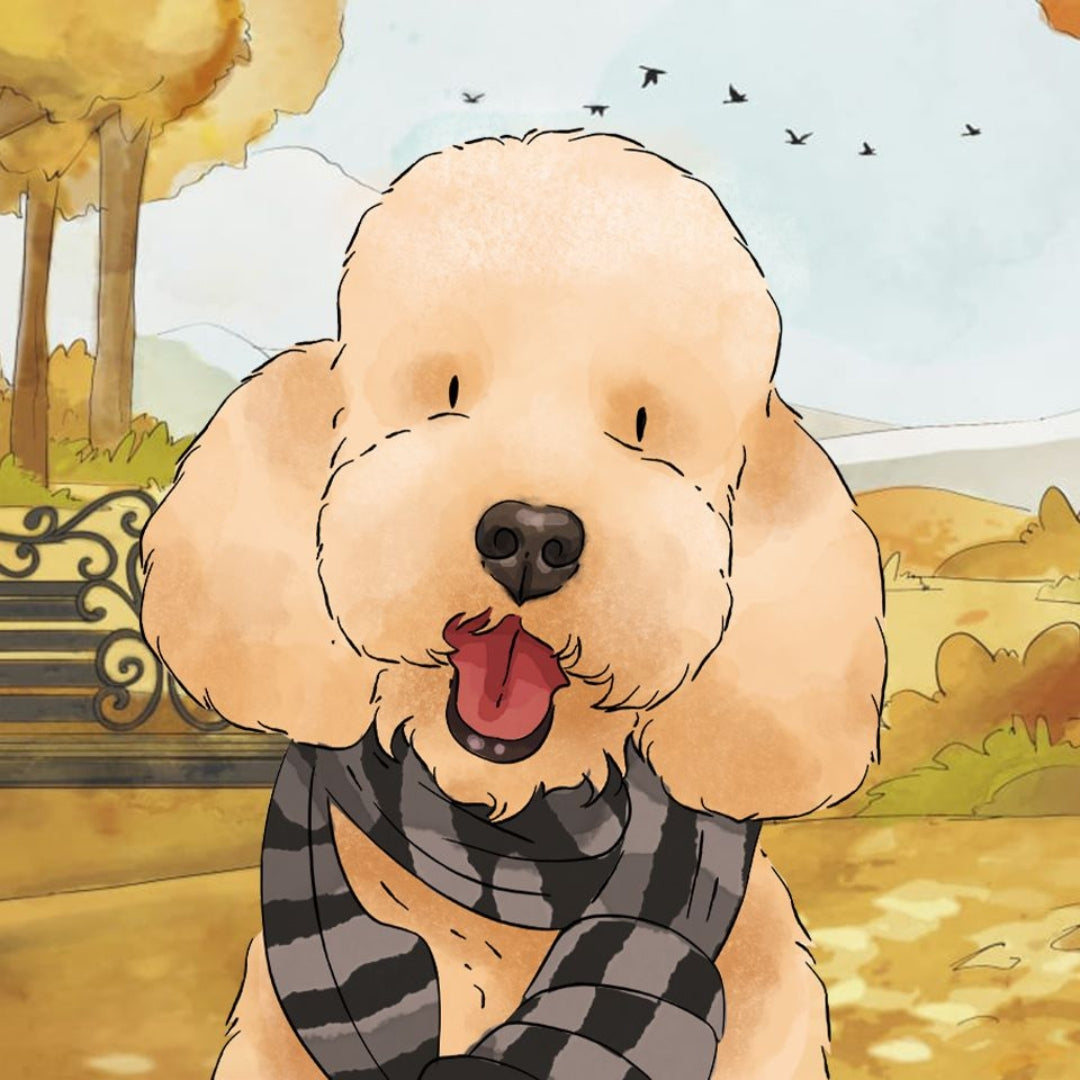
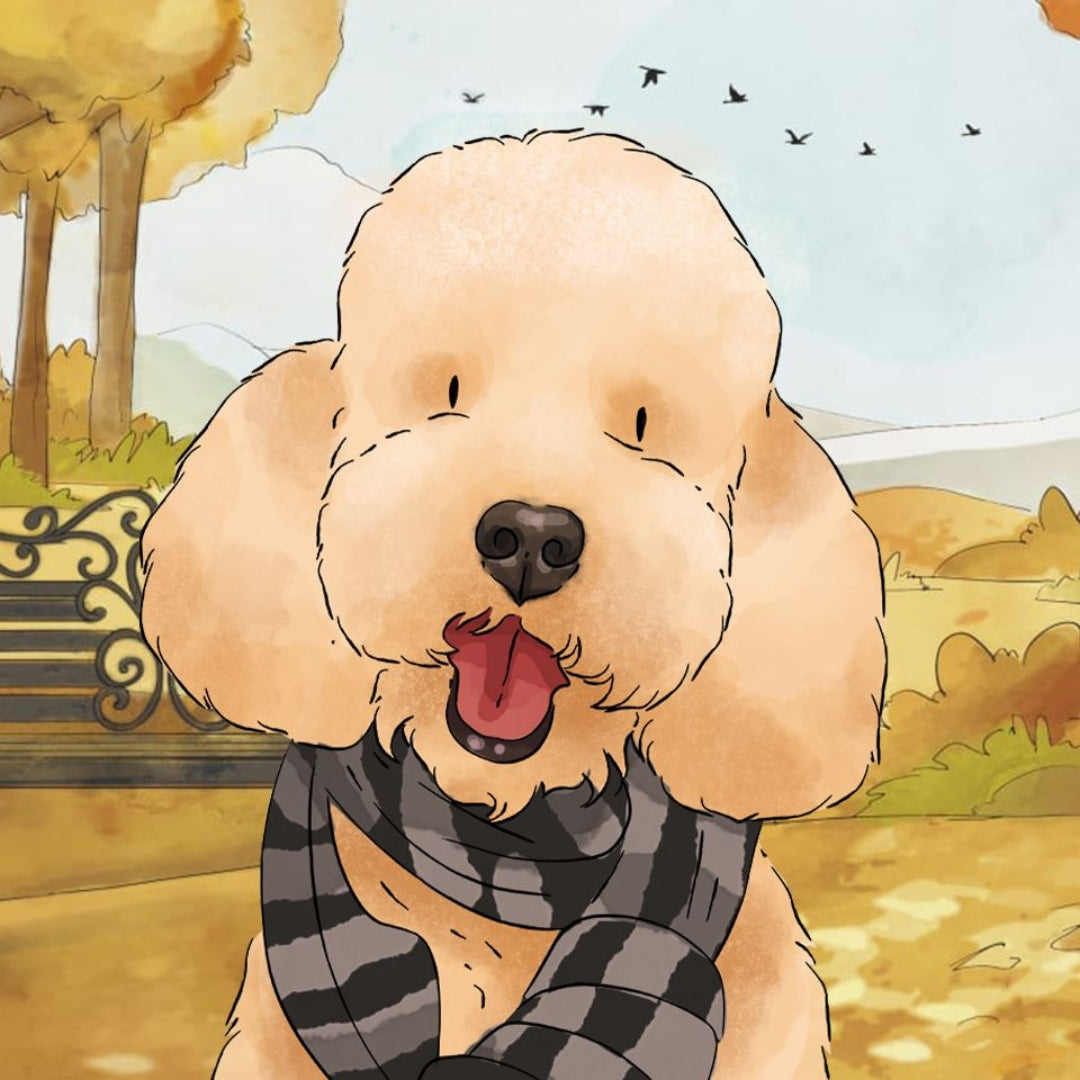
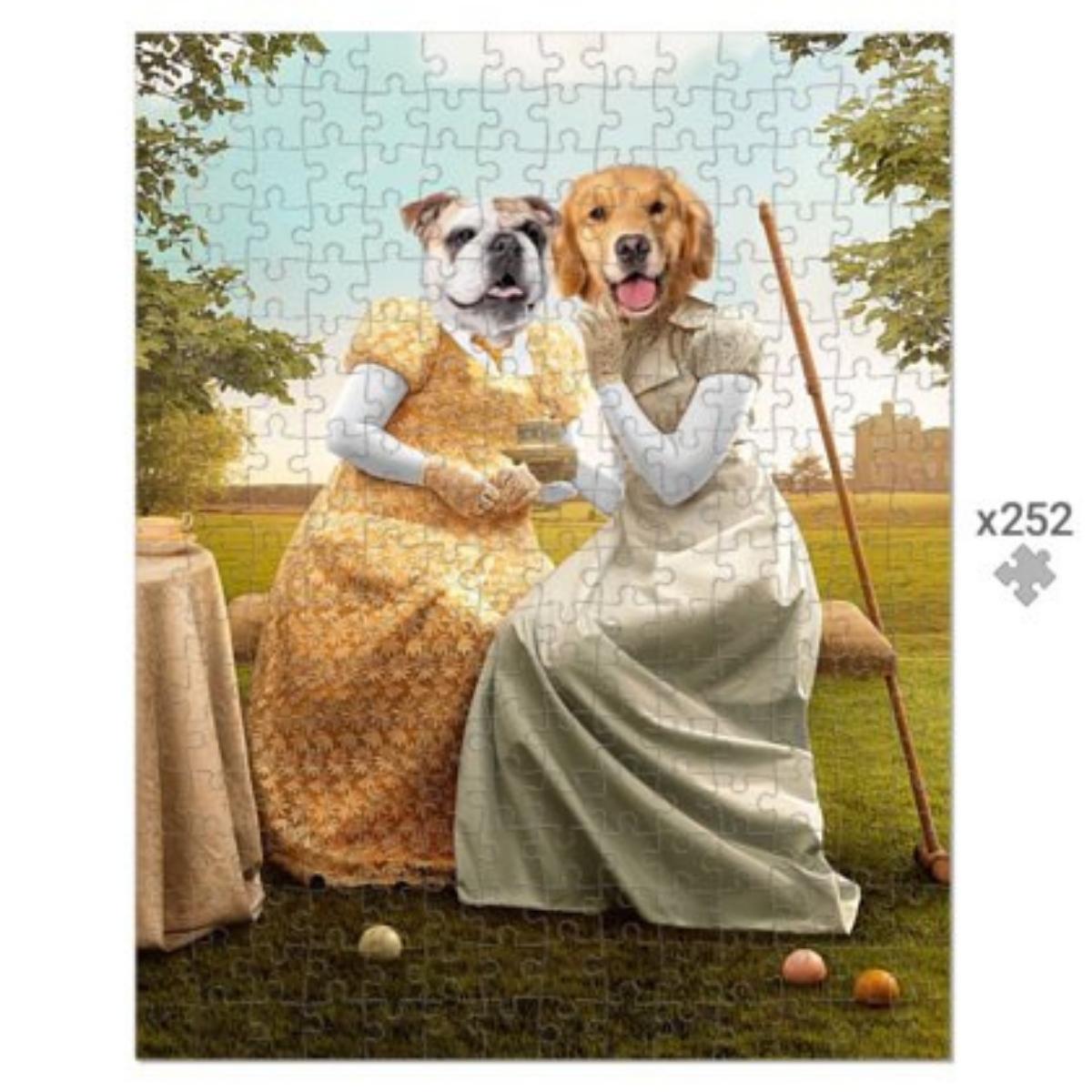
An outdoor setting can make sense when walks, gardens, fields or the coast are genuinely part of how the owner remembers the pet. The setting should support the animal rather than becoming a landscape with a small dog accidentally included.
If the original photograph has a meaningful outdoor background, decide whether preserving some of that context matters. If not, a simpler composition may give the face more impact.
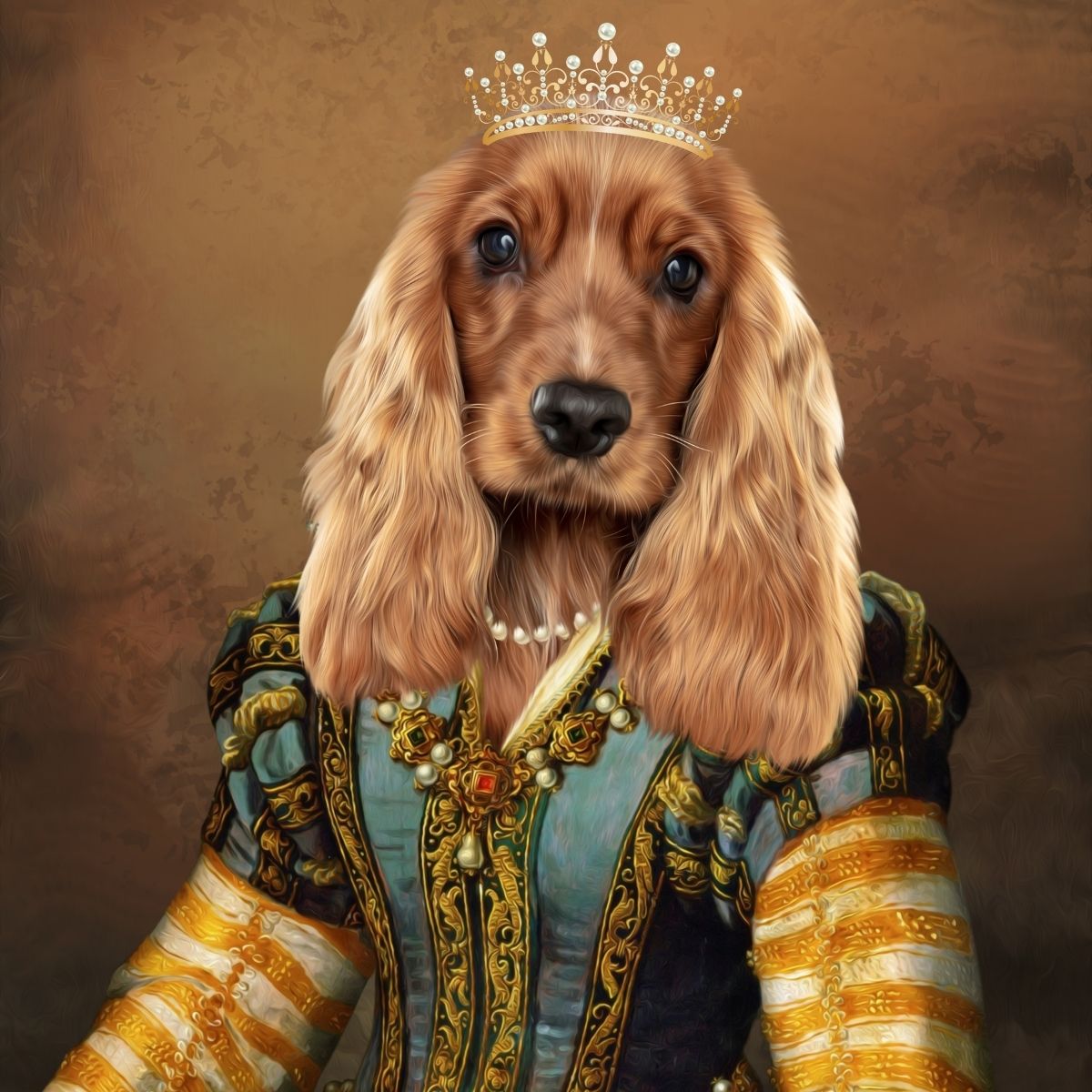
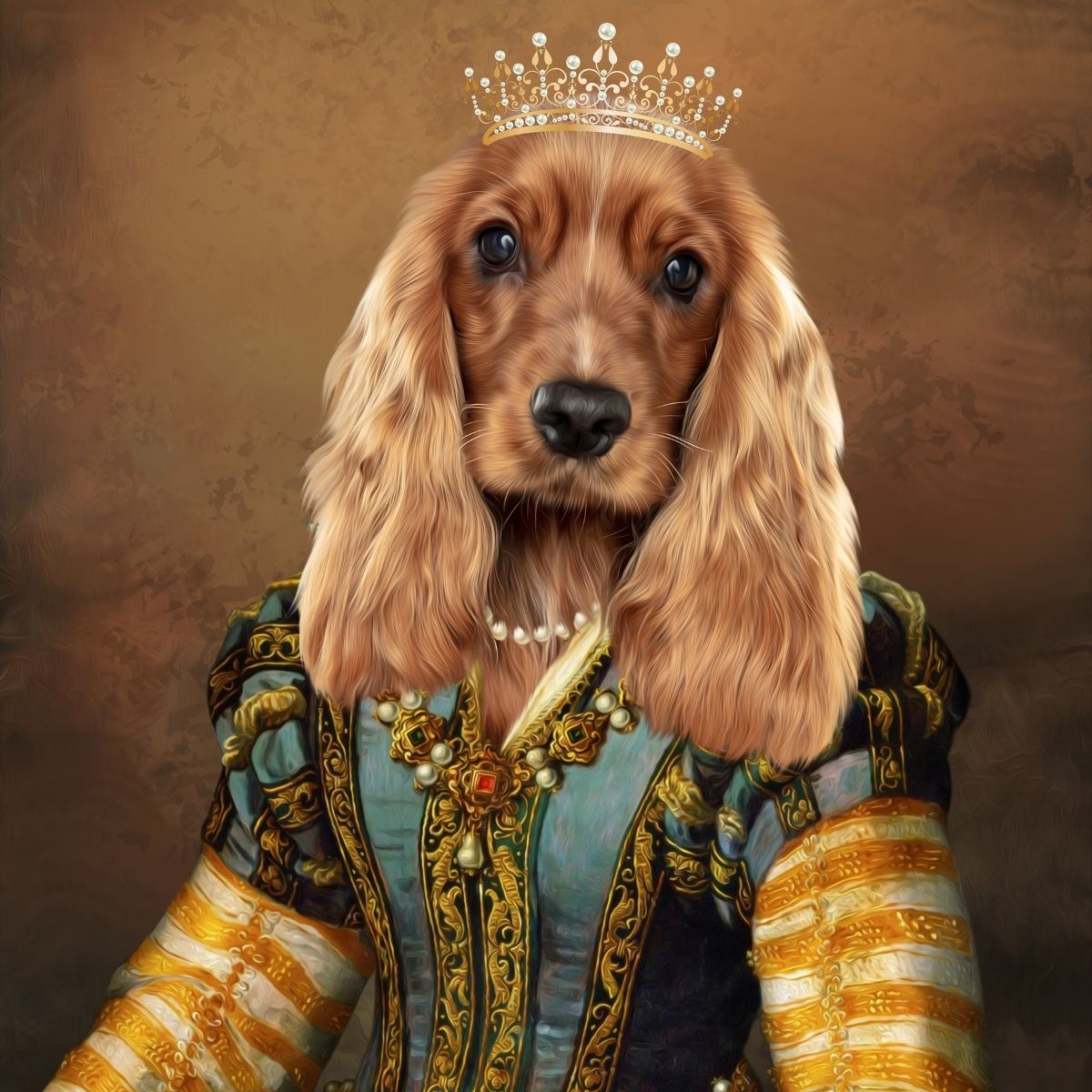
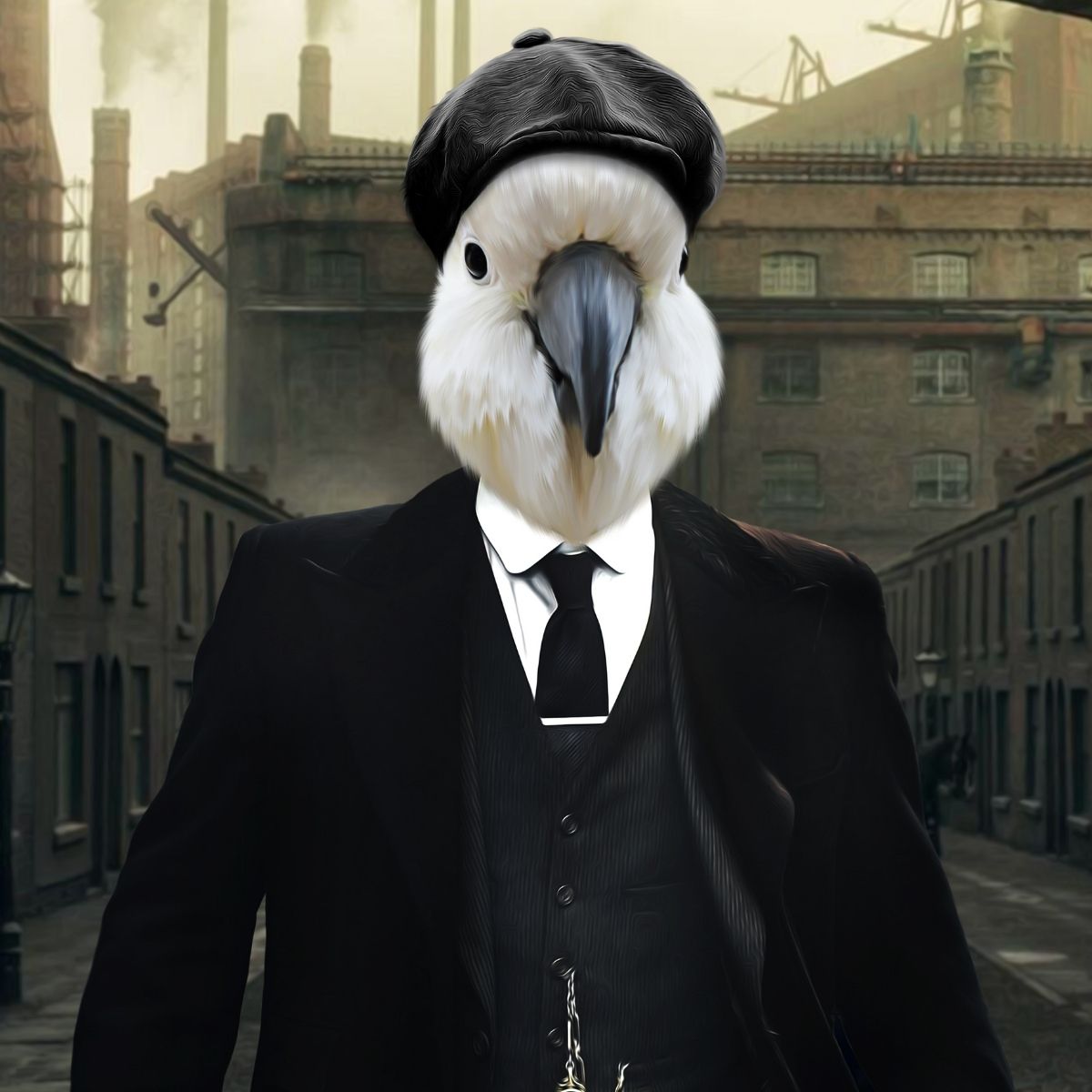
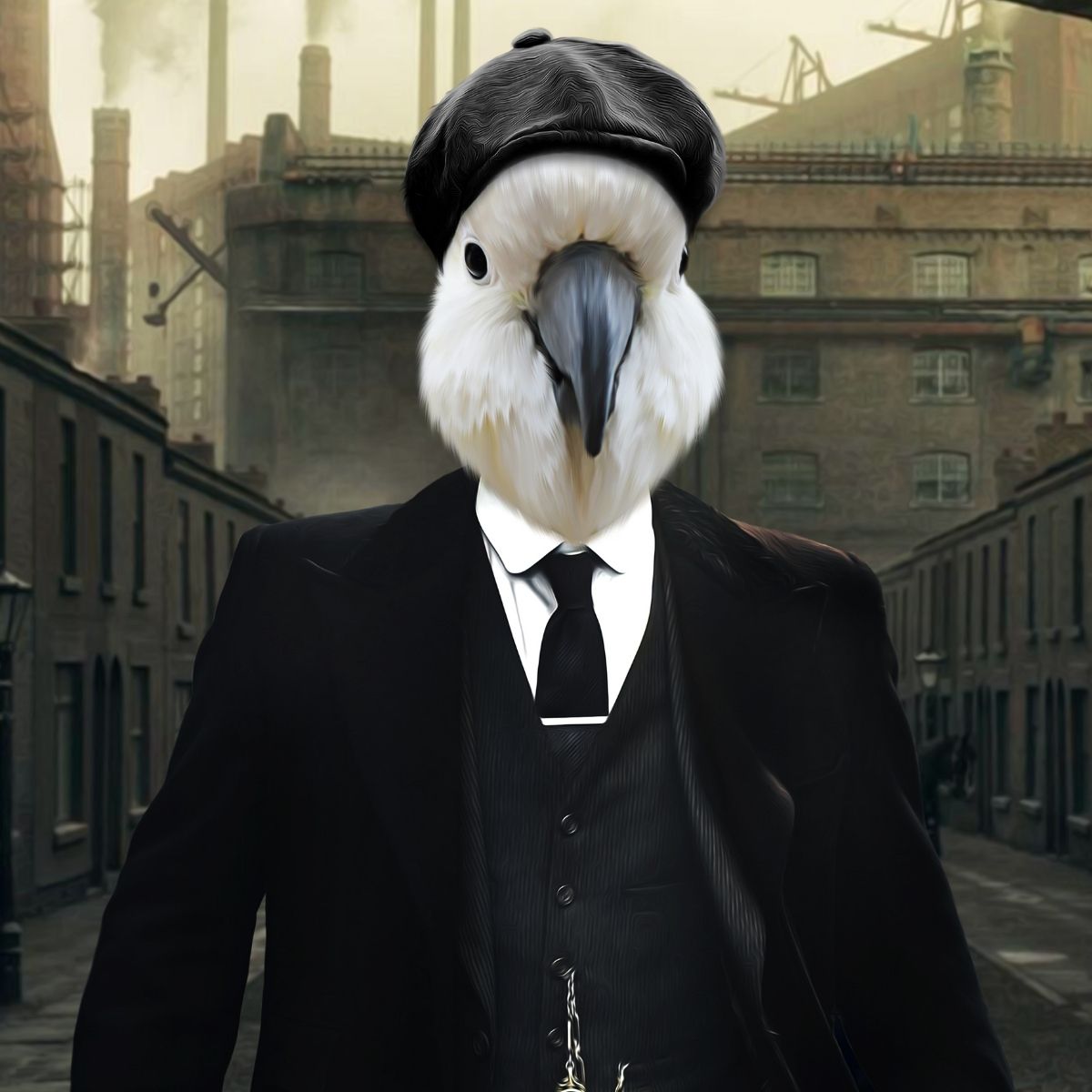
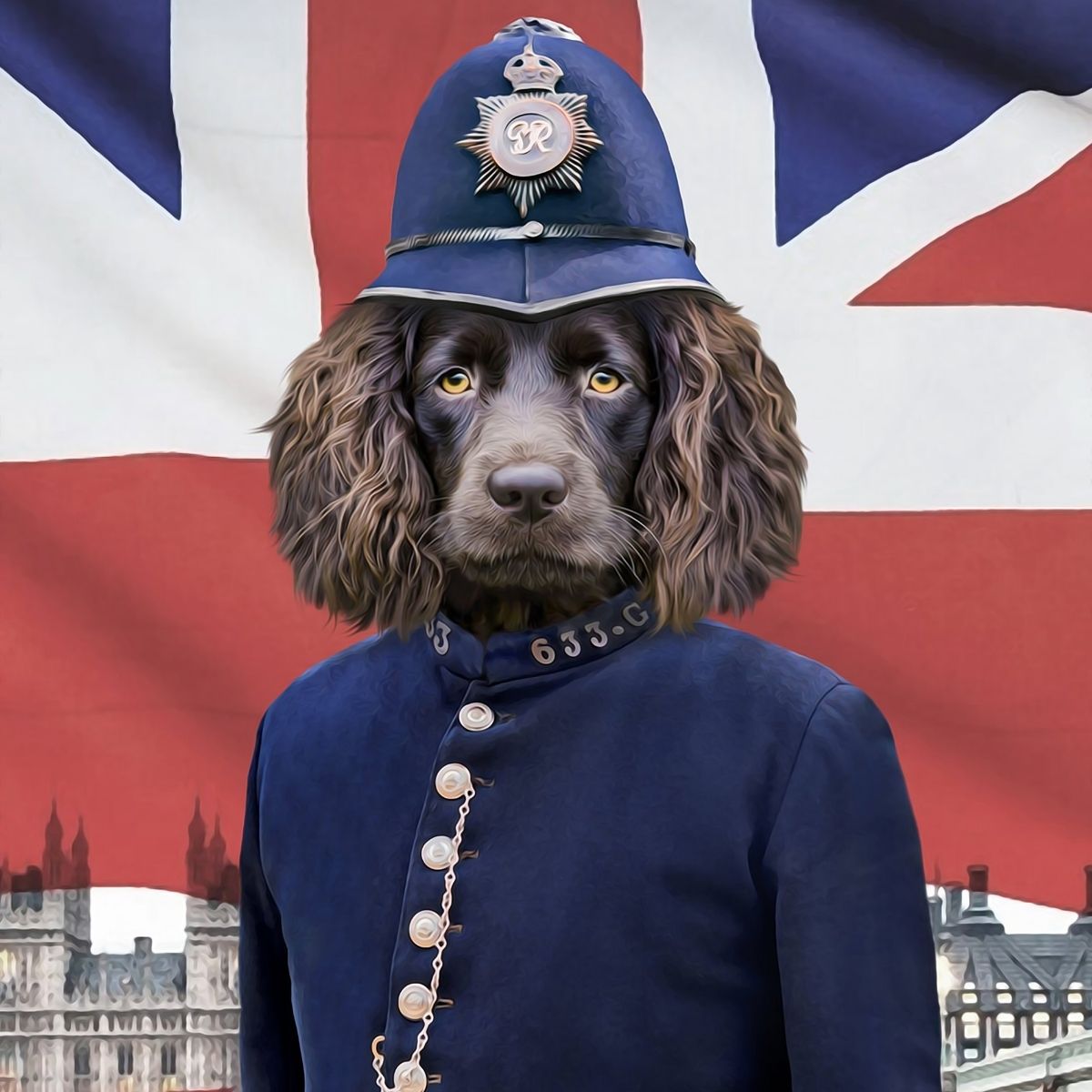
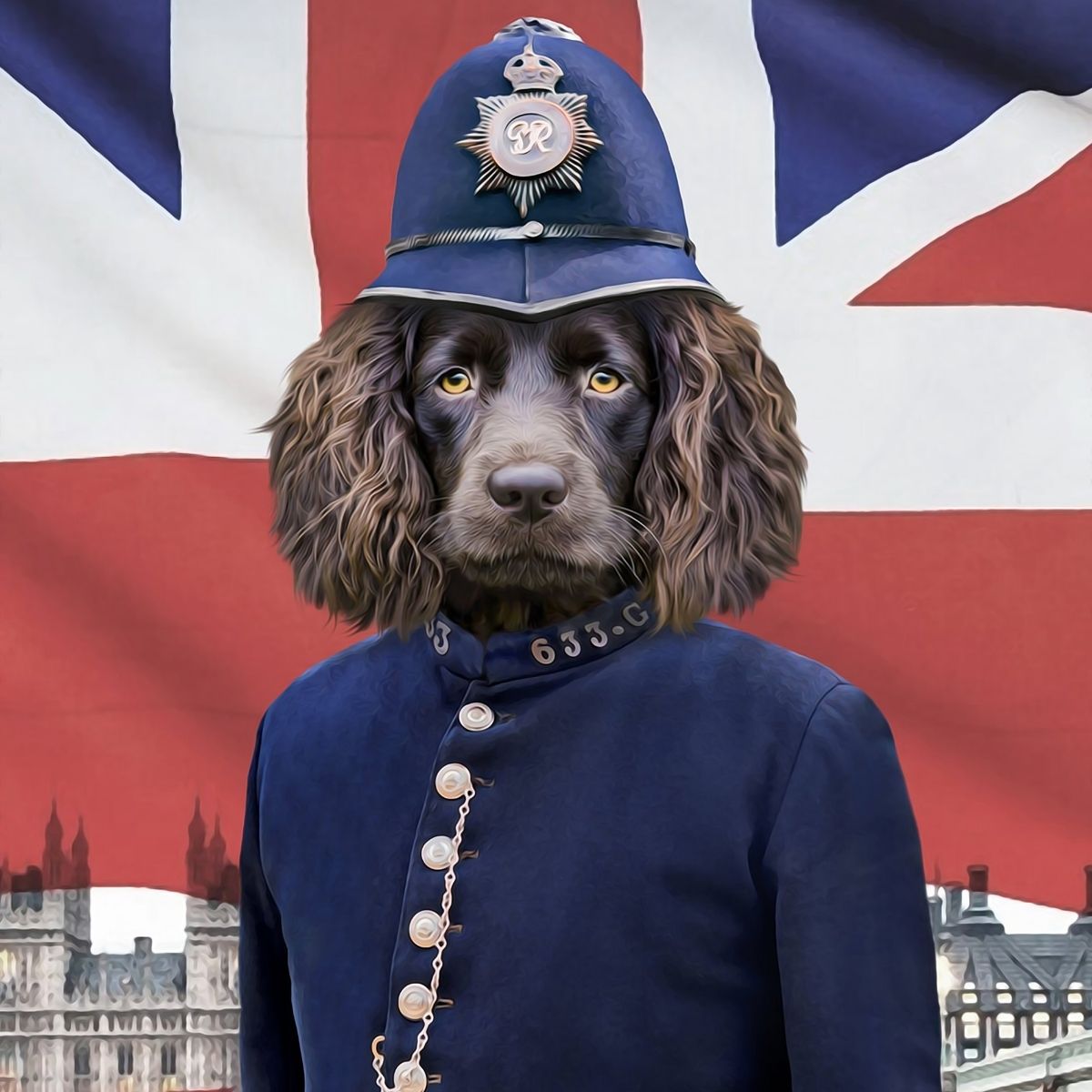
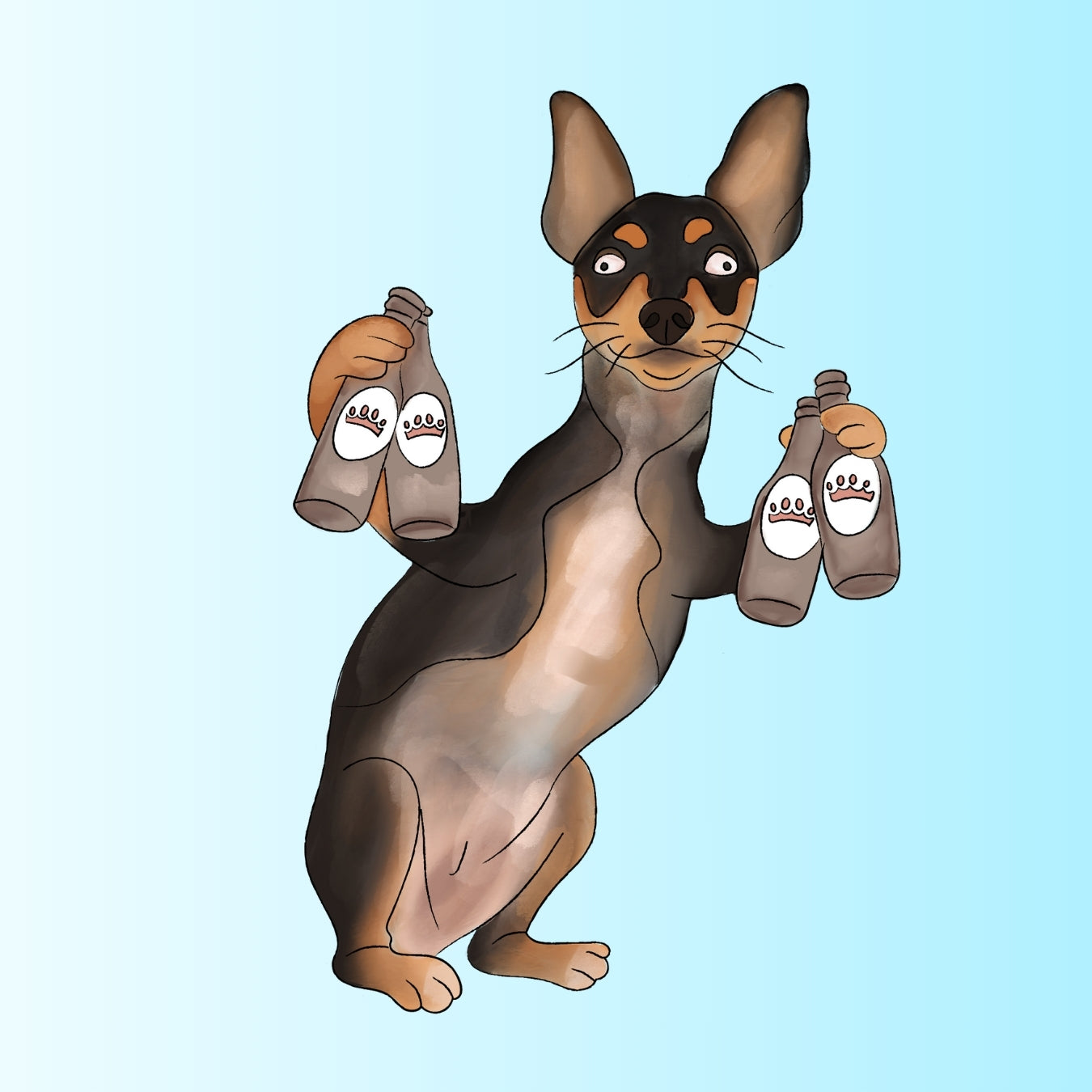
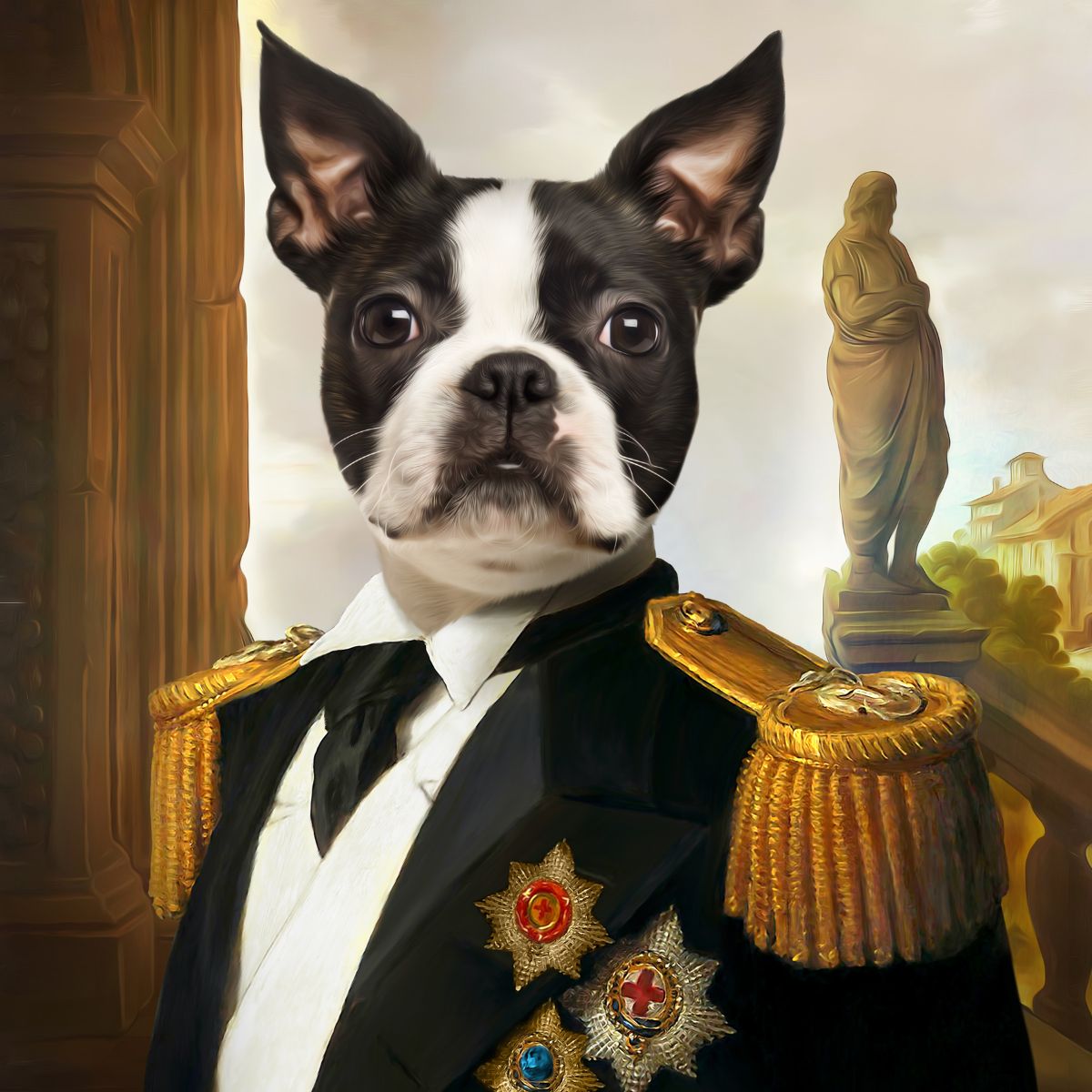
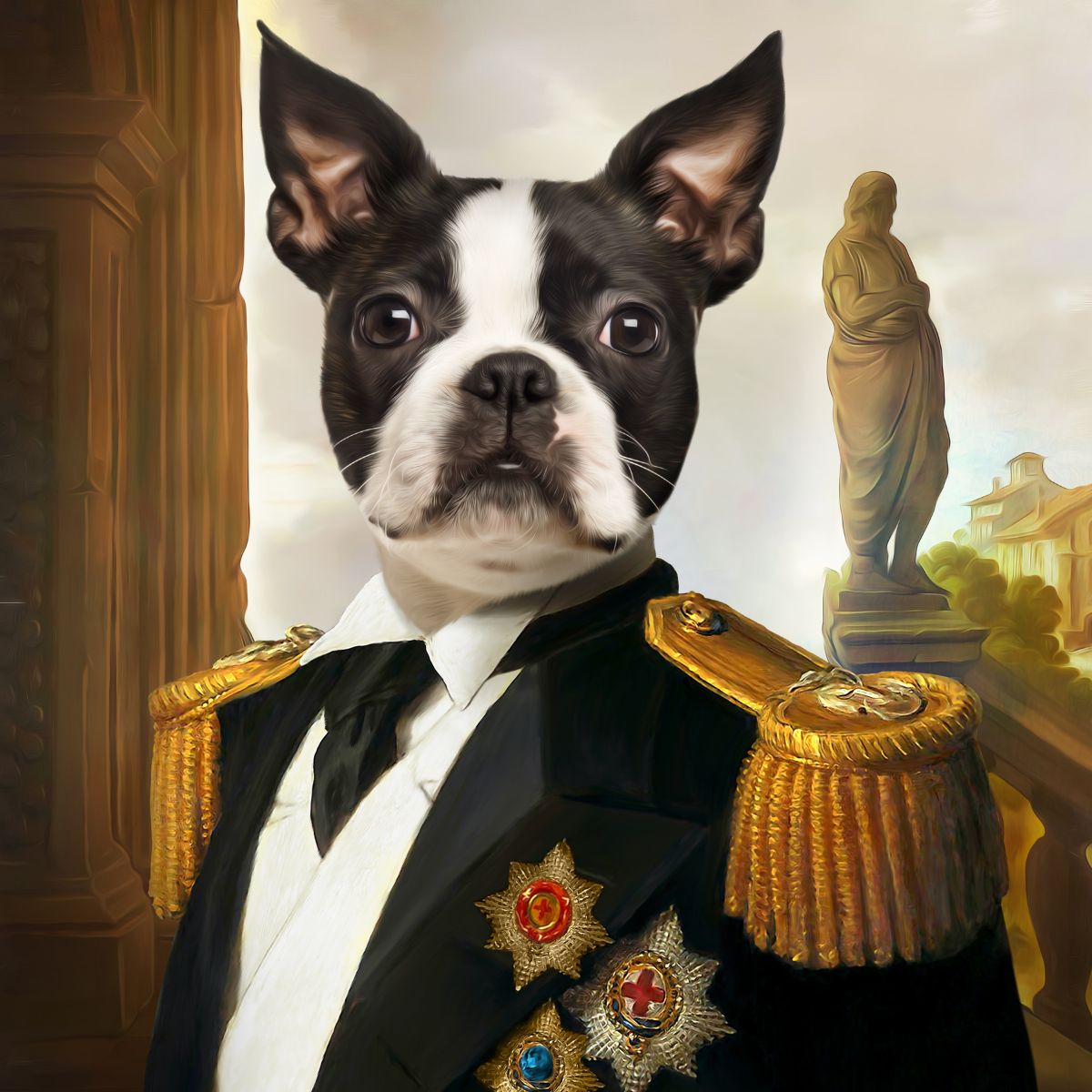
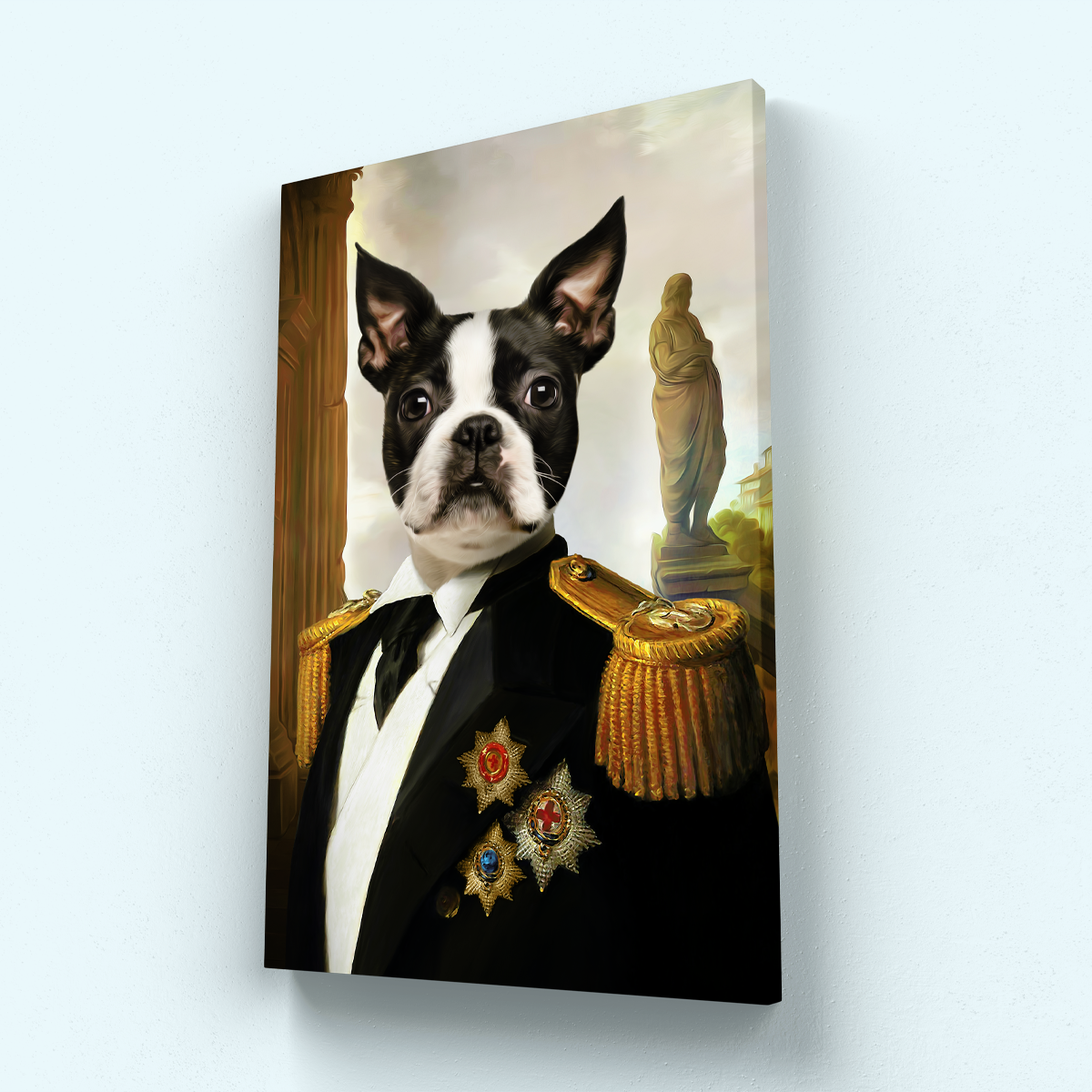
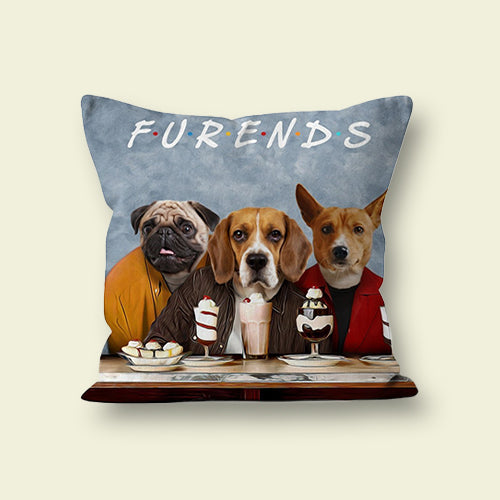
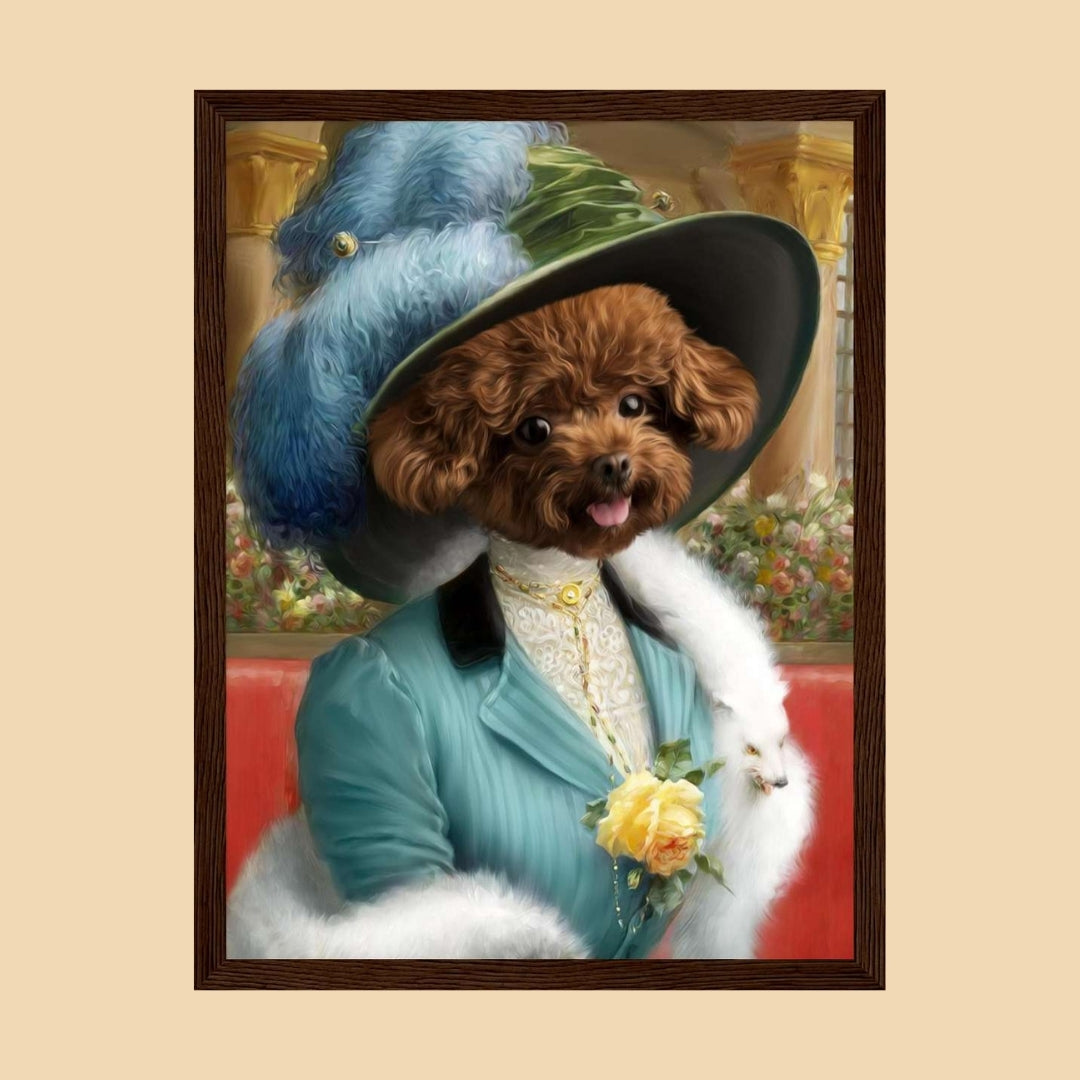
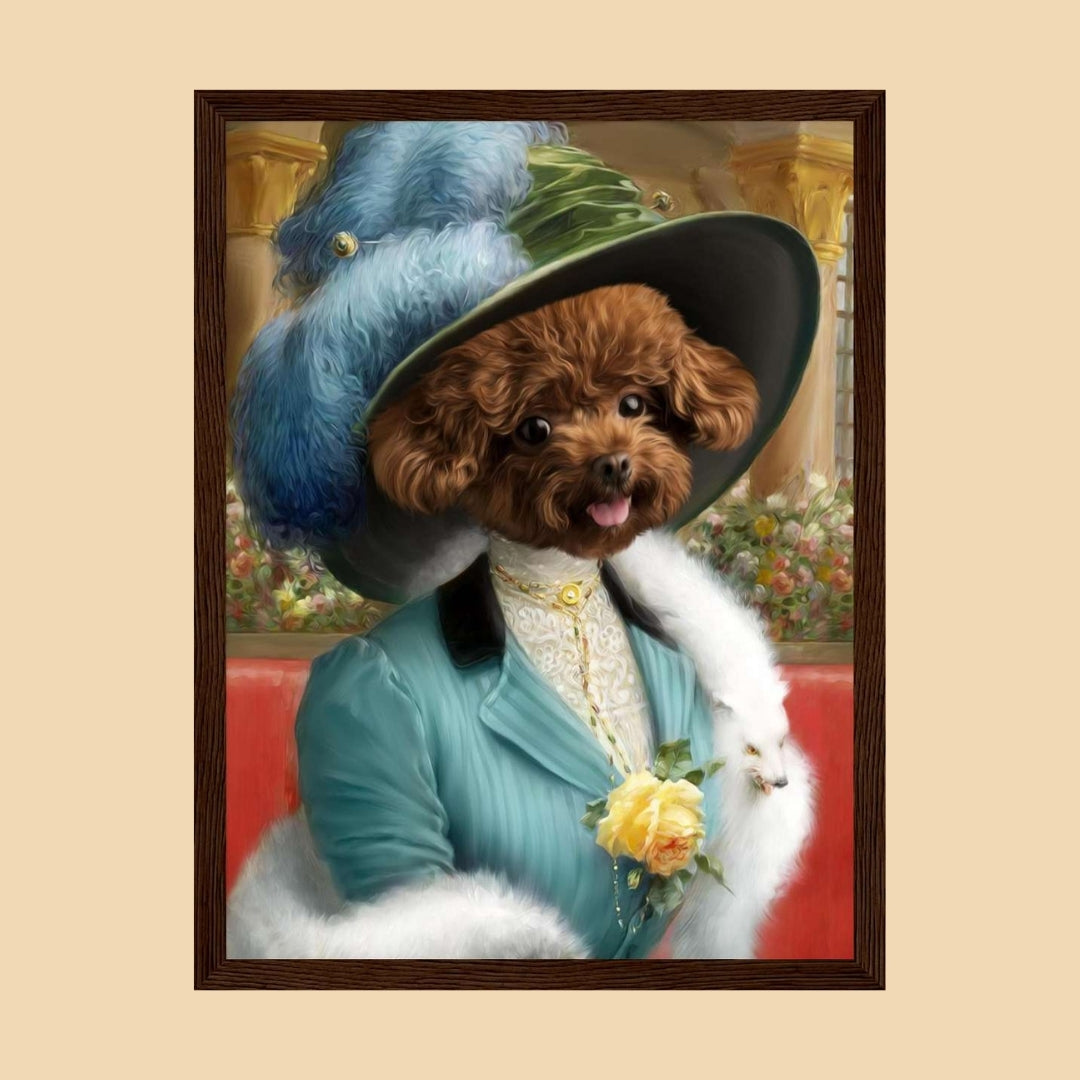
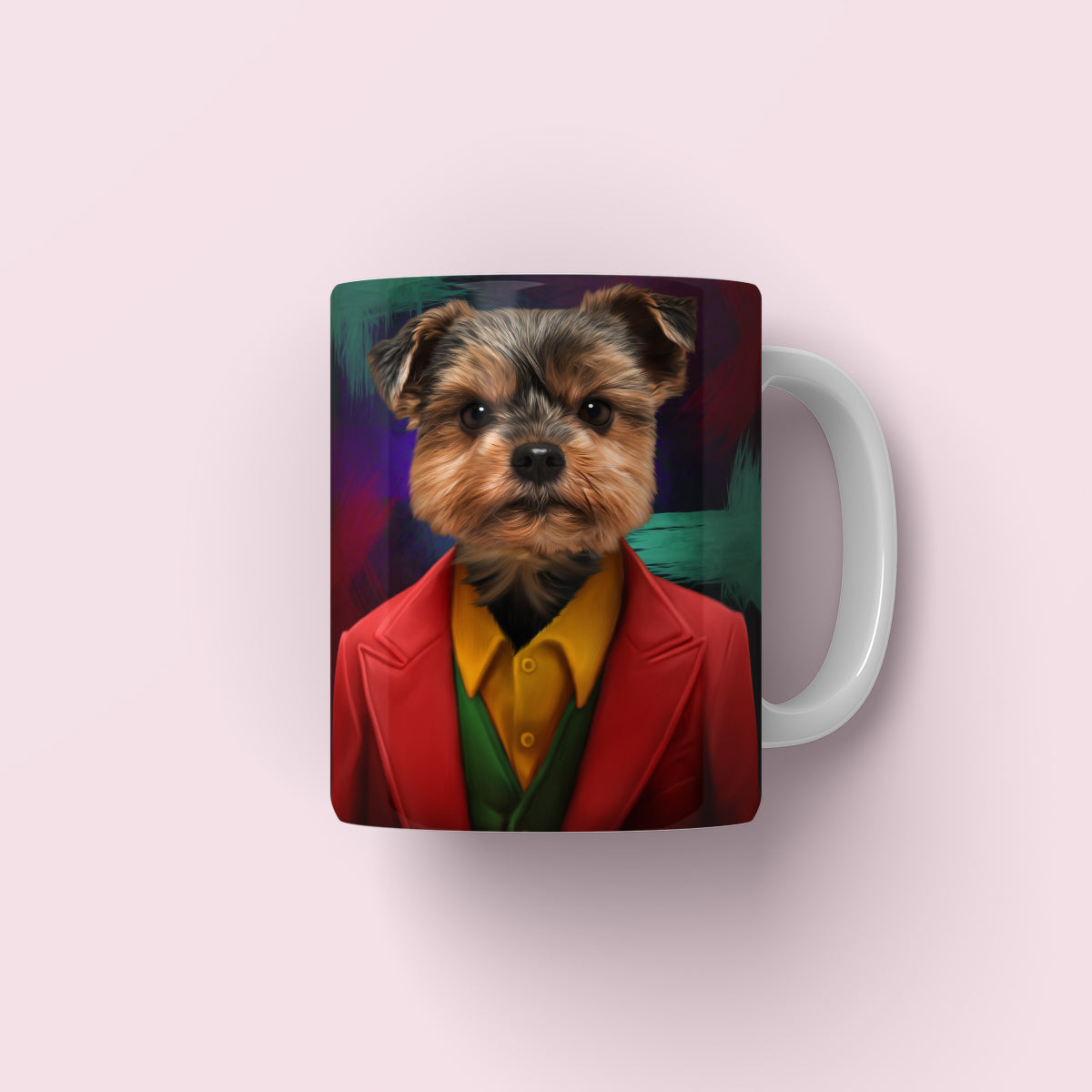
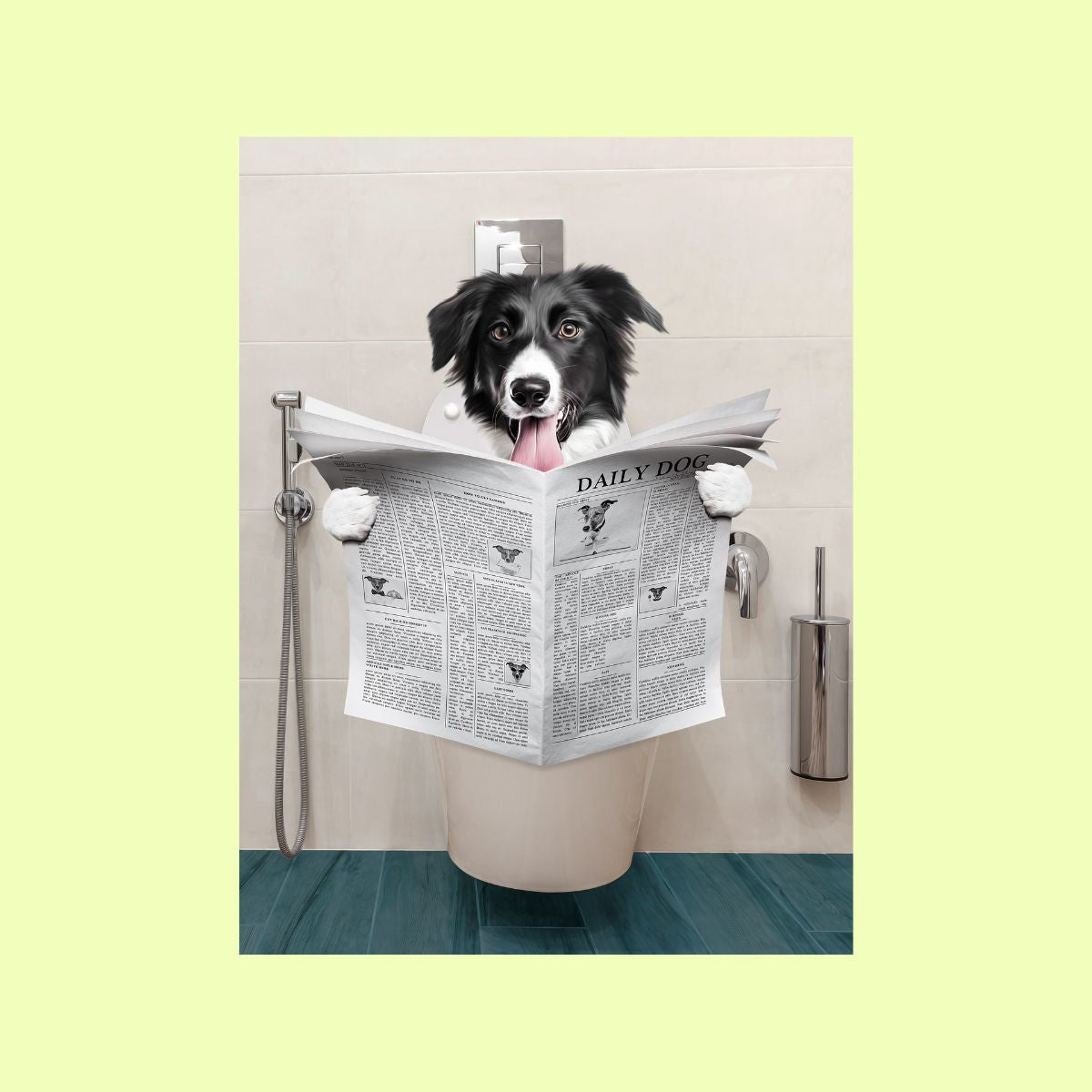
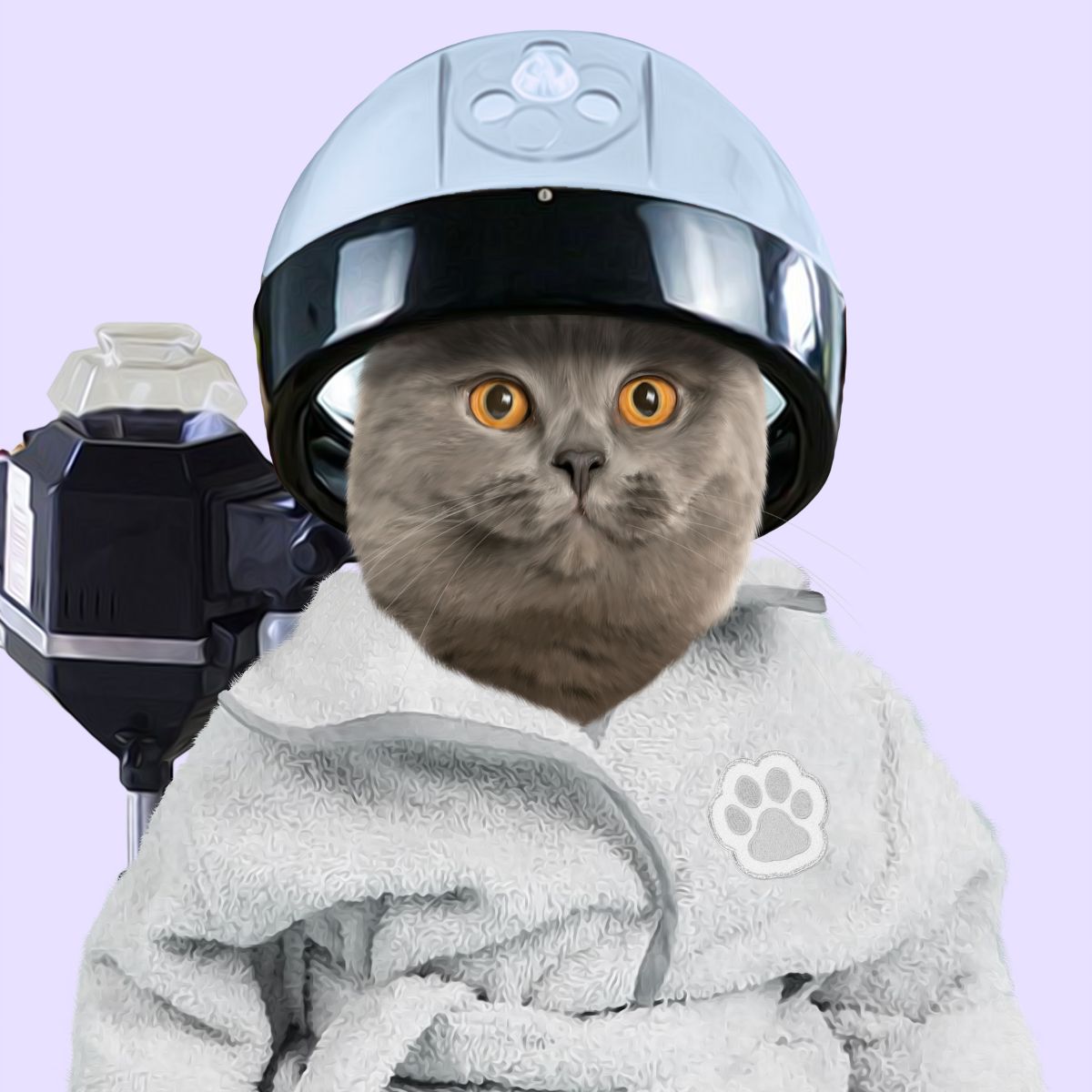
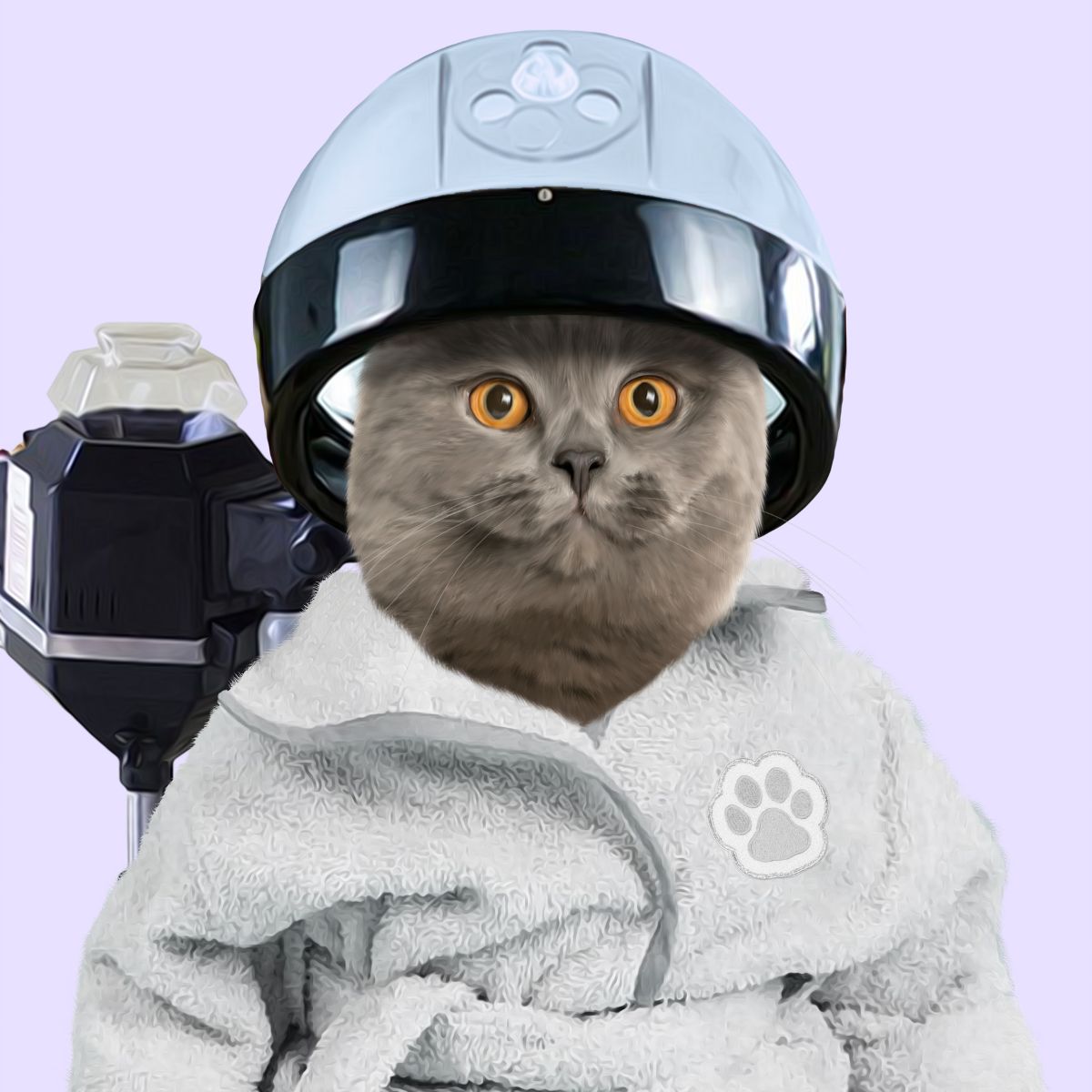
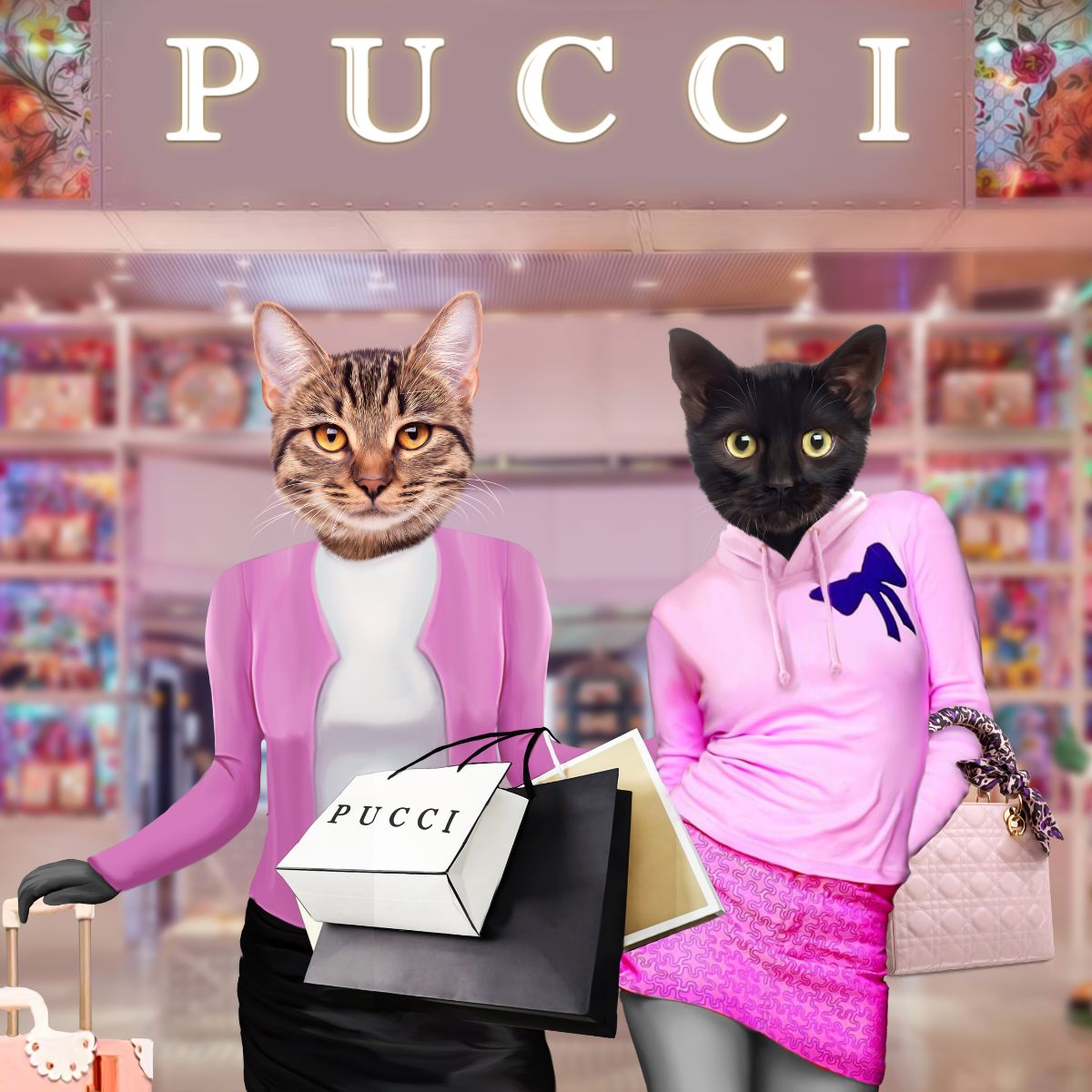
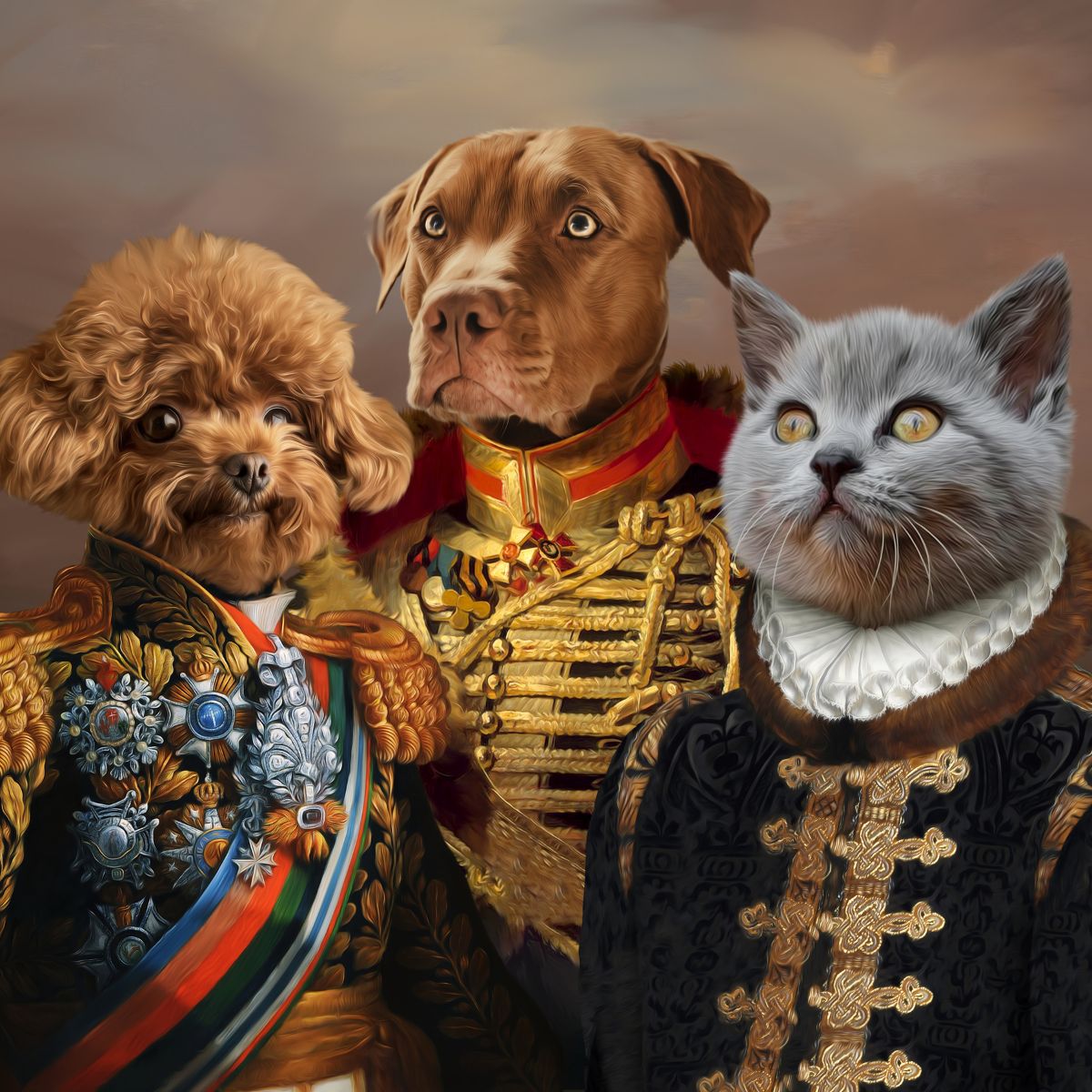
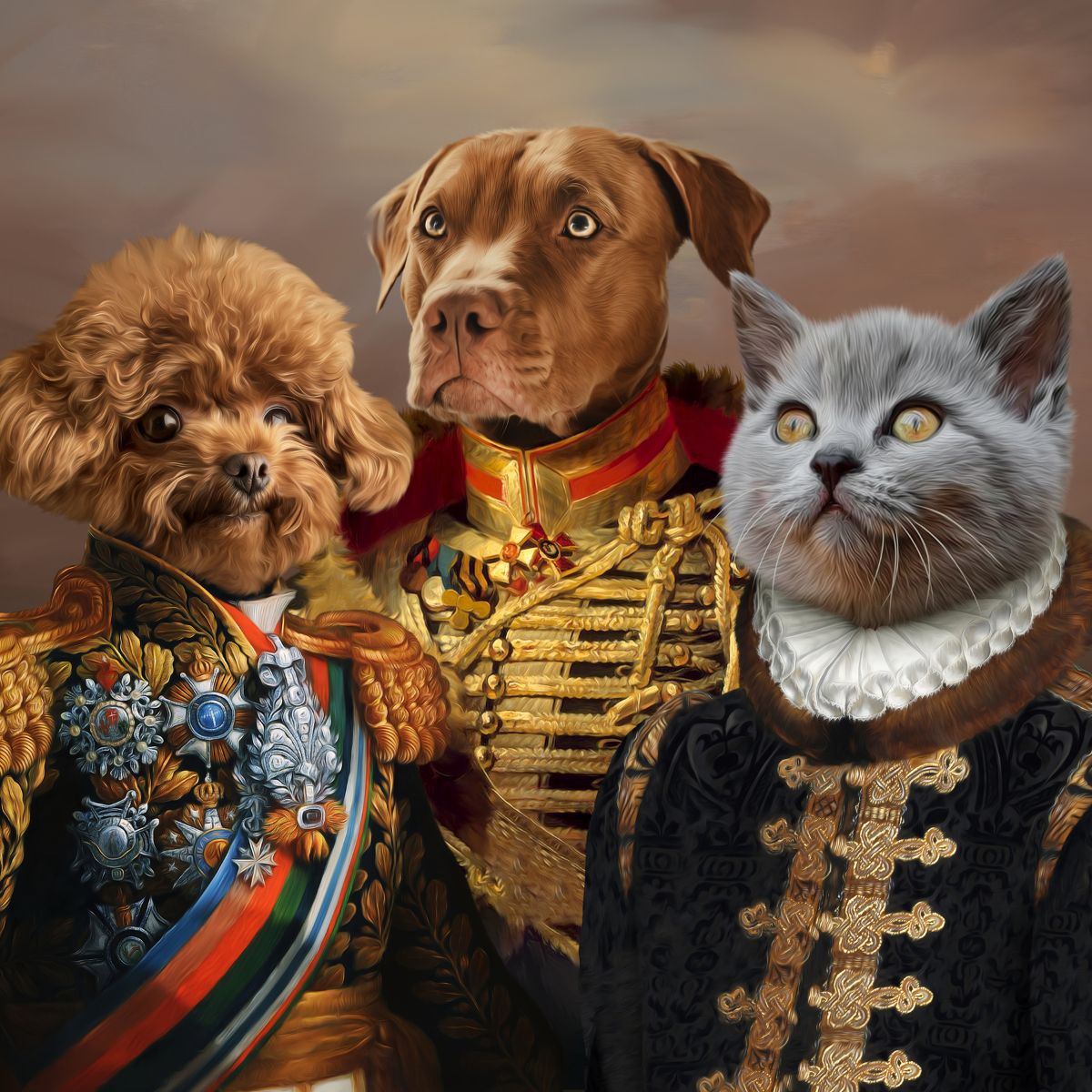
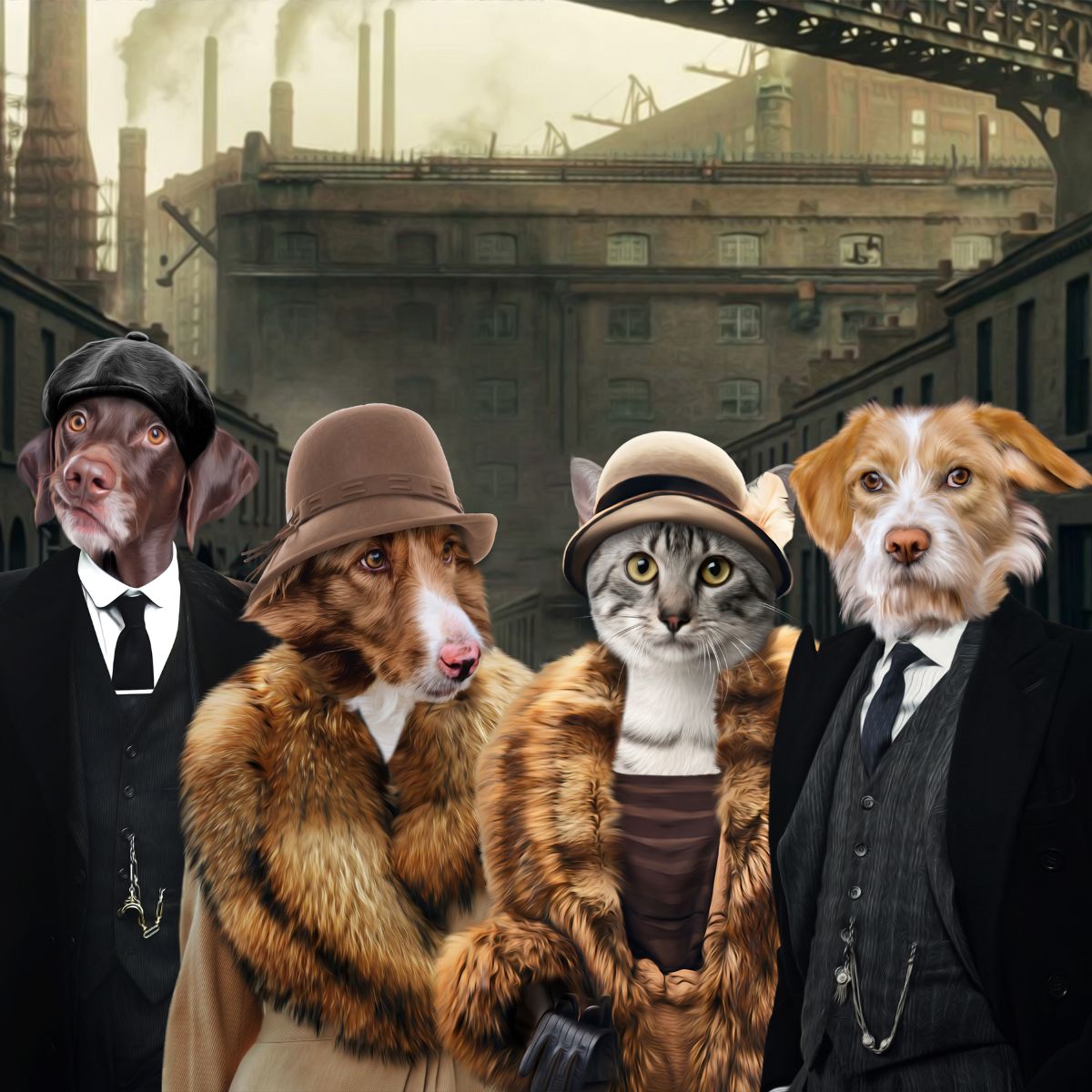
Character-led portraits often use formal interiors, rich fabrics or historic-looking settings as part of the overall design. In these pieces, the background and clothing work together, so changing one element independently may weaken the composition.
See our royal pet portraits UK guide for photo and styling advice.
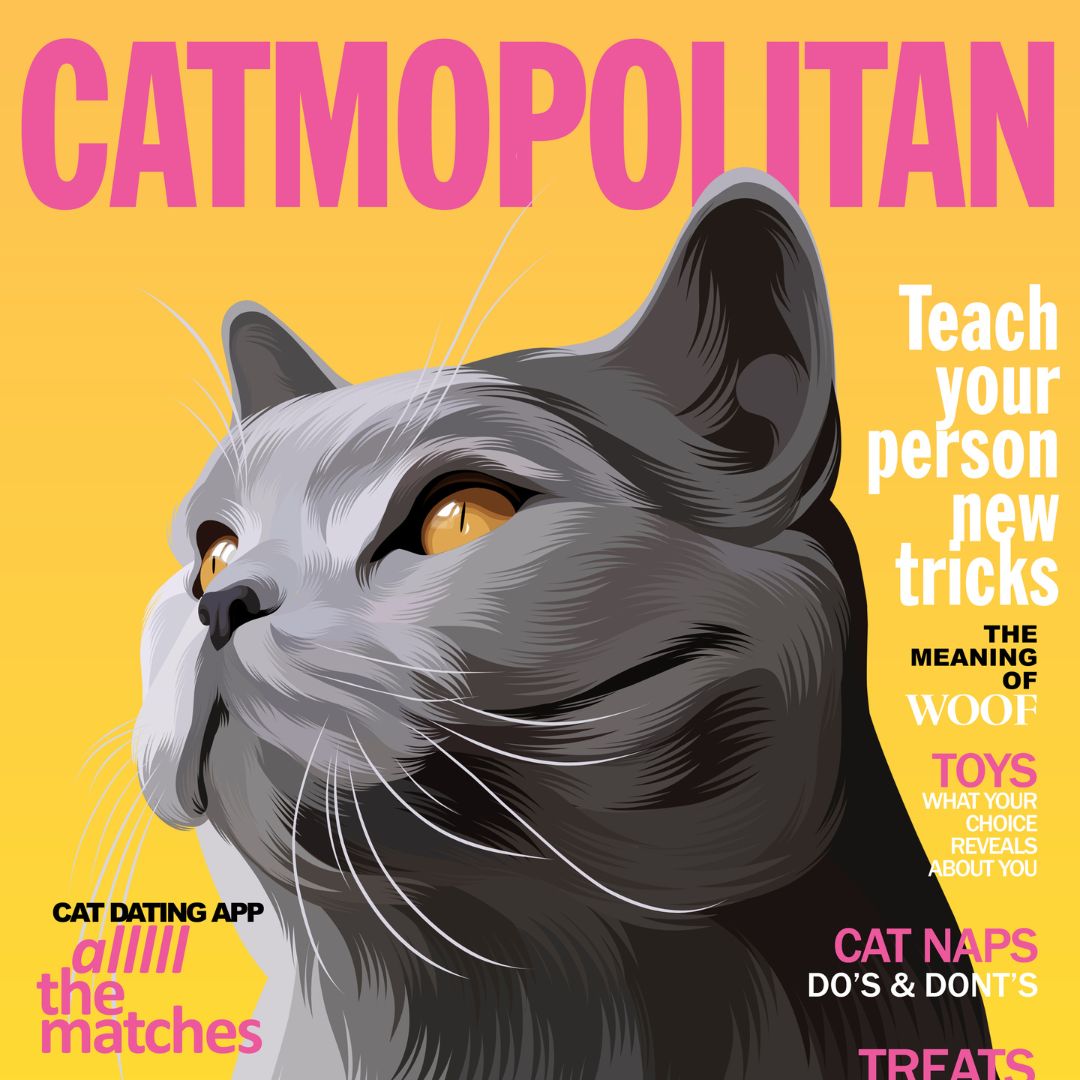
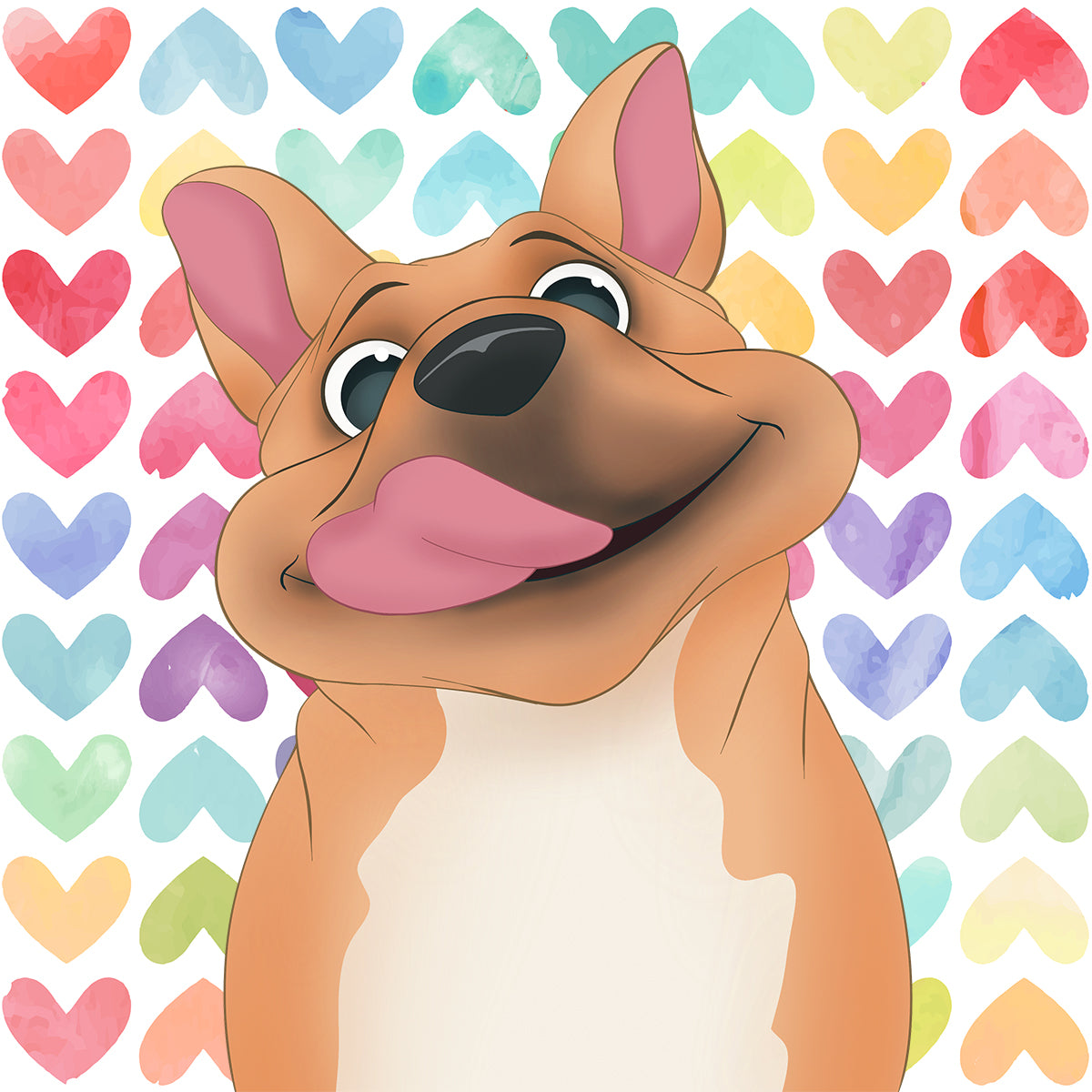
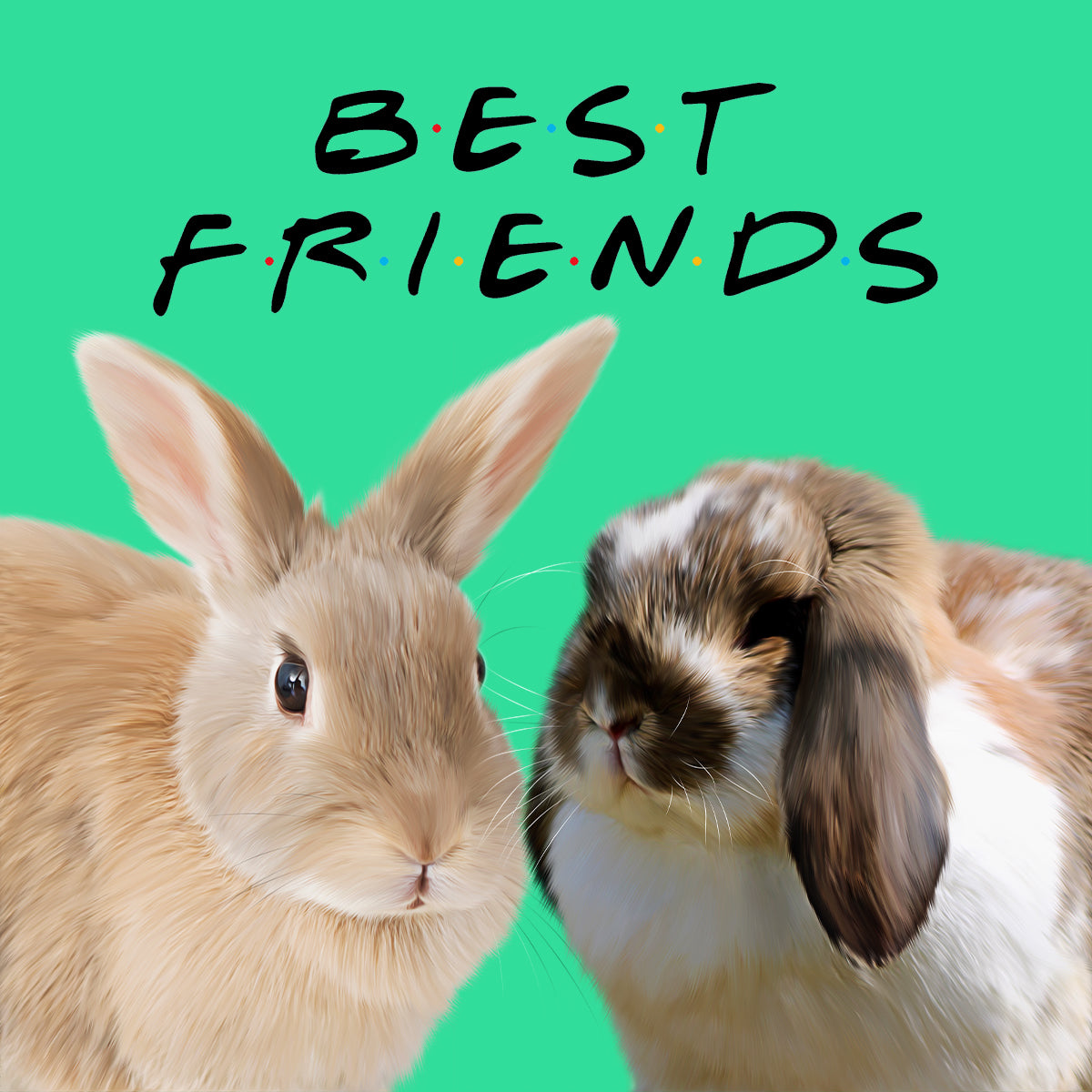
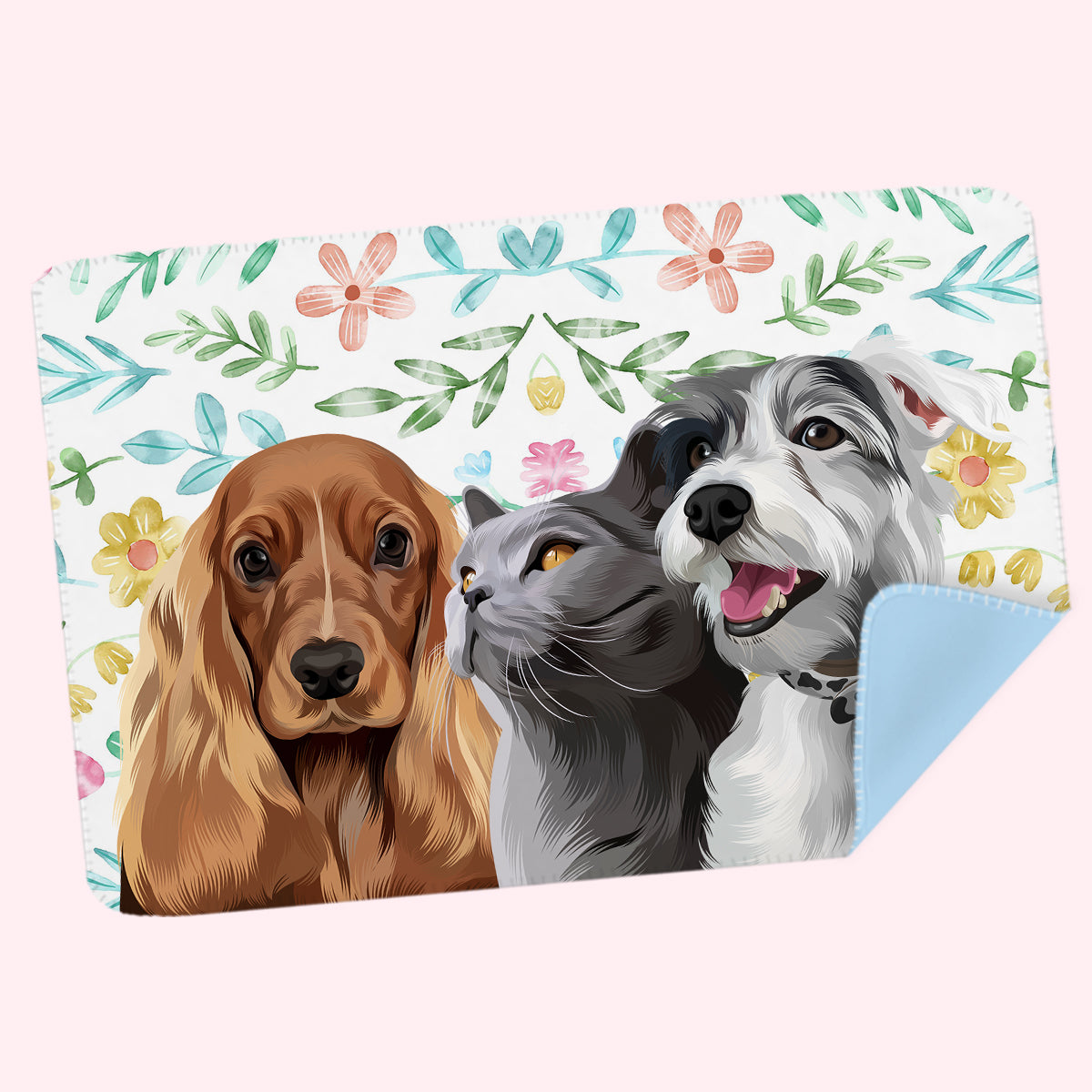
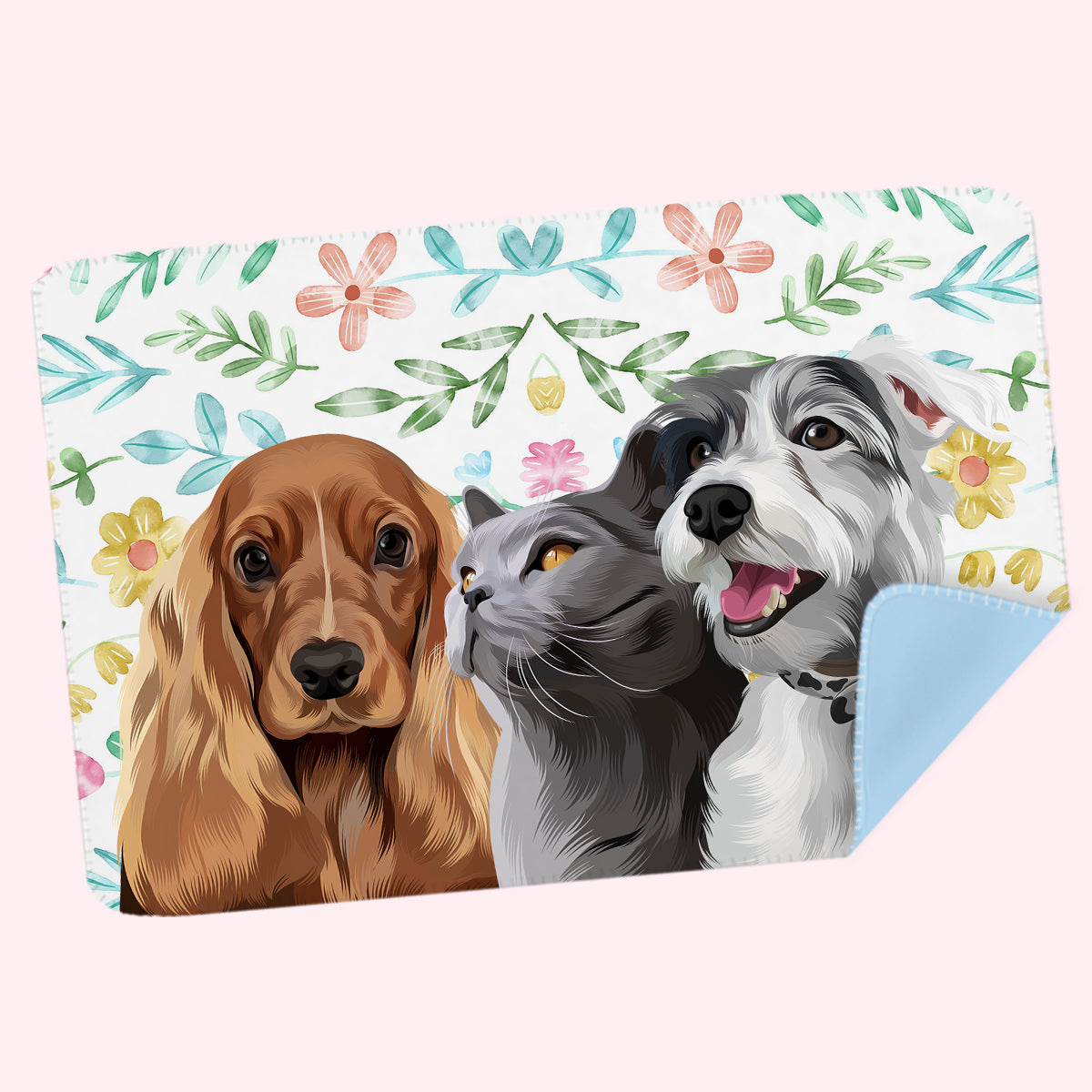
Colour blocks, simplified shapes and cleaner graphic settings can make the artwork feel contemporary without needing a literal location. These backgrounds work particularly well when the intention is decorative wall art rather than recreating a scene.
Compare our modern pet portrait styles and pop art pet portraits.
A seasonal setting can work when the portrait is deliberately tied to Christmas, Halloween or another occasion. Think carefully about whether you want the artwork to feel seasonal all year, especially for a larger framed piece or canvas.
For seasonal artwork that should stay on the wall beyond one month, restrained colour or atmosphere usually ages better than filling every available centimetre with festive symbols.
There is no compulsory memorial aesthetic. Some people prefer a simple background that keeps the pet central. Others want a familiar place or colour connected to the animal.
The photograph and the owner’s preferences matter more than a generic idea of what remembrance artwork is supposed to look like. See our pet memorial portraits UK guide.
Keep it when the location genuinely adds meaning or gives the portrait useful context. Remove or simplify it when it distracts from the face, contains unwanted people or objects, or does not suit the artwork style.
Our guide to removing a person, leash or messy background explains what to consider when the source image includes things you do not want in the final artwork.
Whatever background type you choose, preserve enough tonal separation for the outline, eyes and muzzle to remain visible. A dark dog against a dark room may lose definition even when the setting itself is attractive.
See how to photograph a black dog or cat for a custom pet portrait for source-photo advice.
A tight head-and-shoulders crop naturally leaves less room for environmental storytelling. A wider composition gives the background more visual influence. Neither is inherently better; decide whether the artwork is mainly about expression or about the pet within a setting.
Read our background, crop and colour composition guide for the design principles behind that choice.
It is better when you want minimal distraction and strong focus on the face. A setting can be better when location is part of the story.
Only if it adds something useful. The original setting does not have to be preserved simply because it happened to be behind the pet when the photograph was taken.
Some portrait designs are built around themed settings. Use the current product page to see the design and personalisation options actually available.
Start with coat contrast and then consider the room and artwork style. Our dedicated background-colour guide covers that decision.
Ask what you want the portrait to feel like: clean, personal, outdoorsy, theatrical, contemporary or commemorative. Once that is clear, the background becomes a design decision rather than a random hunt for whatever looks decorative on its own.
Browse the current custom pet portrait collection to compare the settings and styles available now.
Comments will be approved before showing up.
August 28, 2026 3 min read
August 27, 2026 3 min read
WELCOME TO PAW & GLORY
Get 15% off your first order
Join 30,000+ pet owners turning perfectly ordinary photos into gloriously over-the-top works of art.
★★★★★ 2,200+ Five-Star Reviews
Real Artists · Proof Before Print · Unlimited Artwork Revisions