December 12, 2020 3 min read
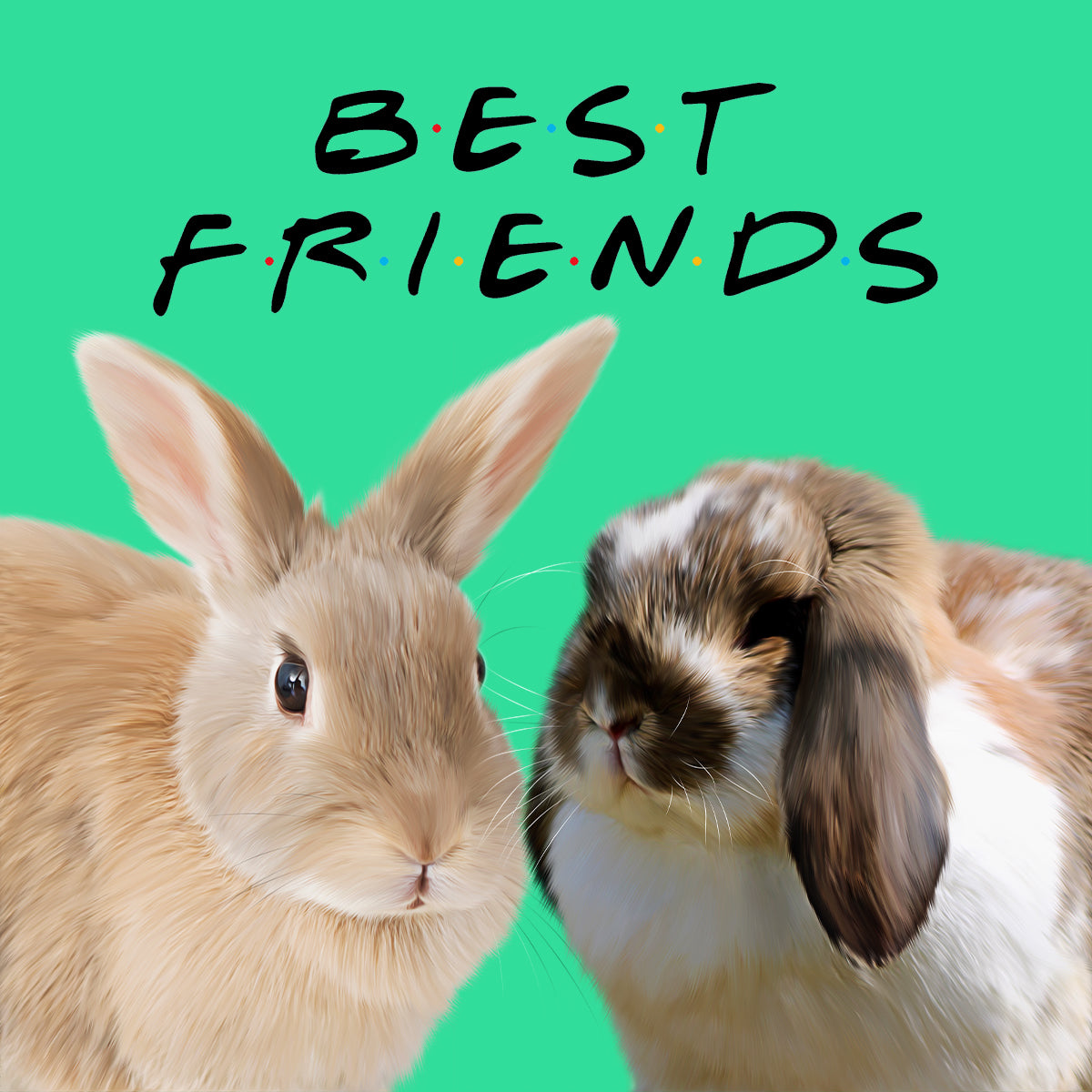
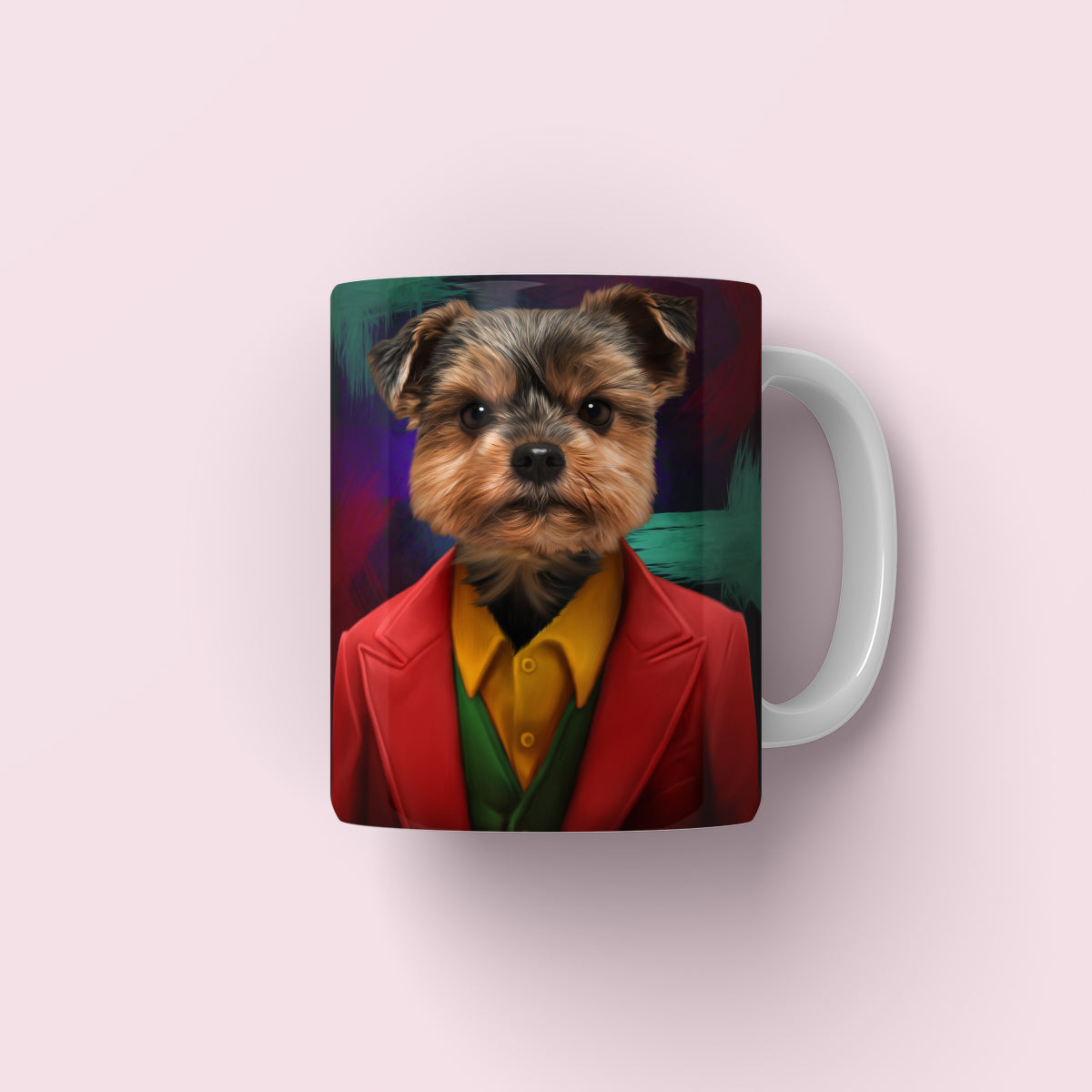
The same pet photograph can feel completely different depending on three design decisions: what sits behind the animal, how tightly the image is cropped and which colours dominate the finished piece.
This guide explains the design relationship between those choices. For specific backdrop ideas, see our pet portrait background ideas guide. For choosing a solid or simple colour, use our background colour guide.
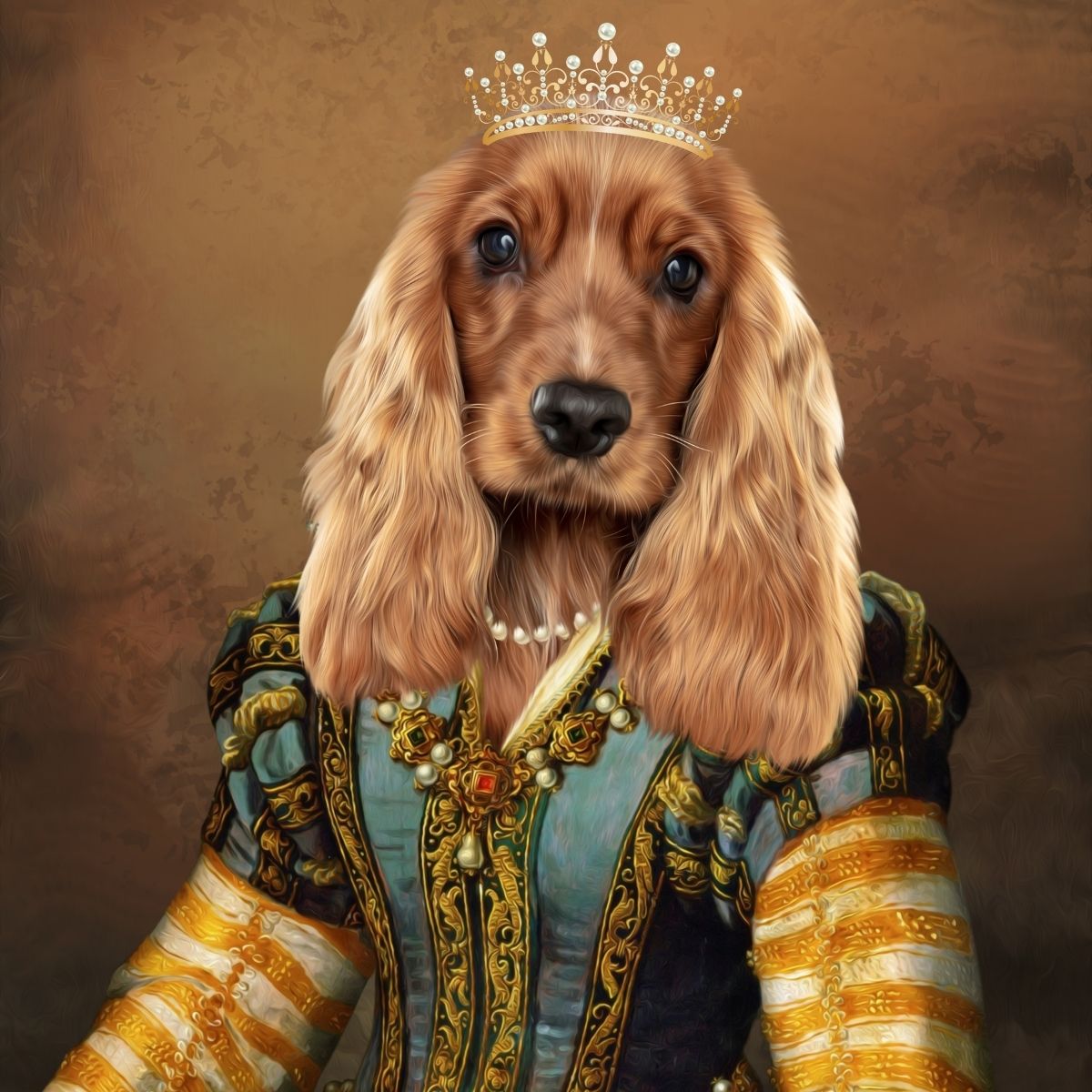
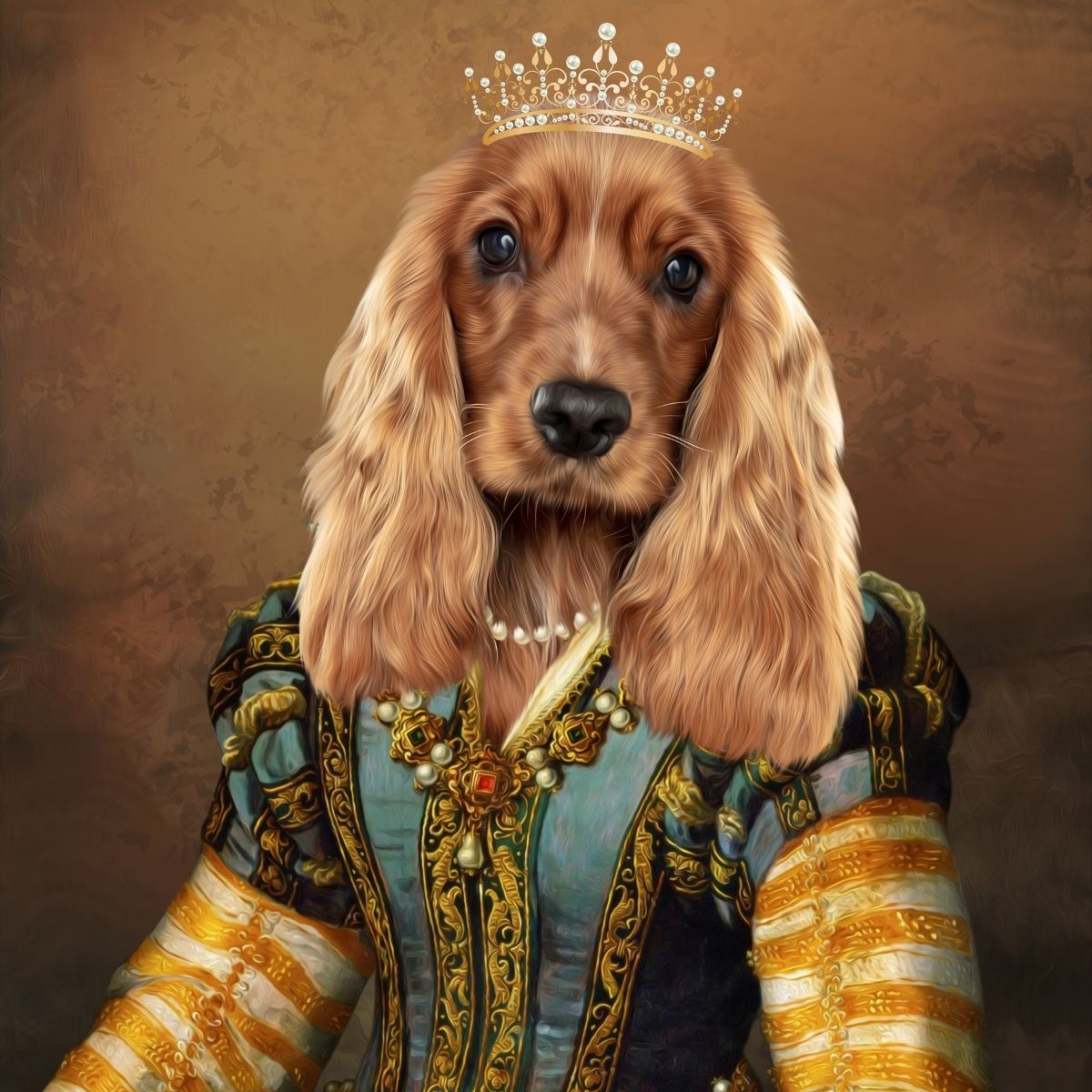
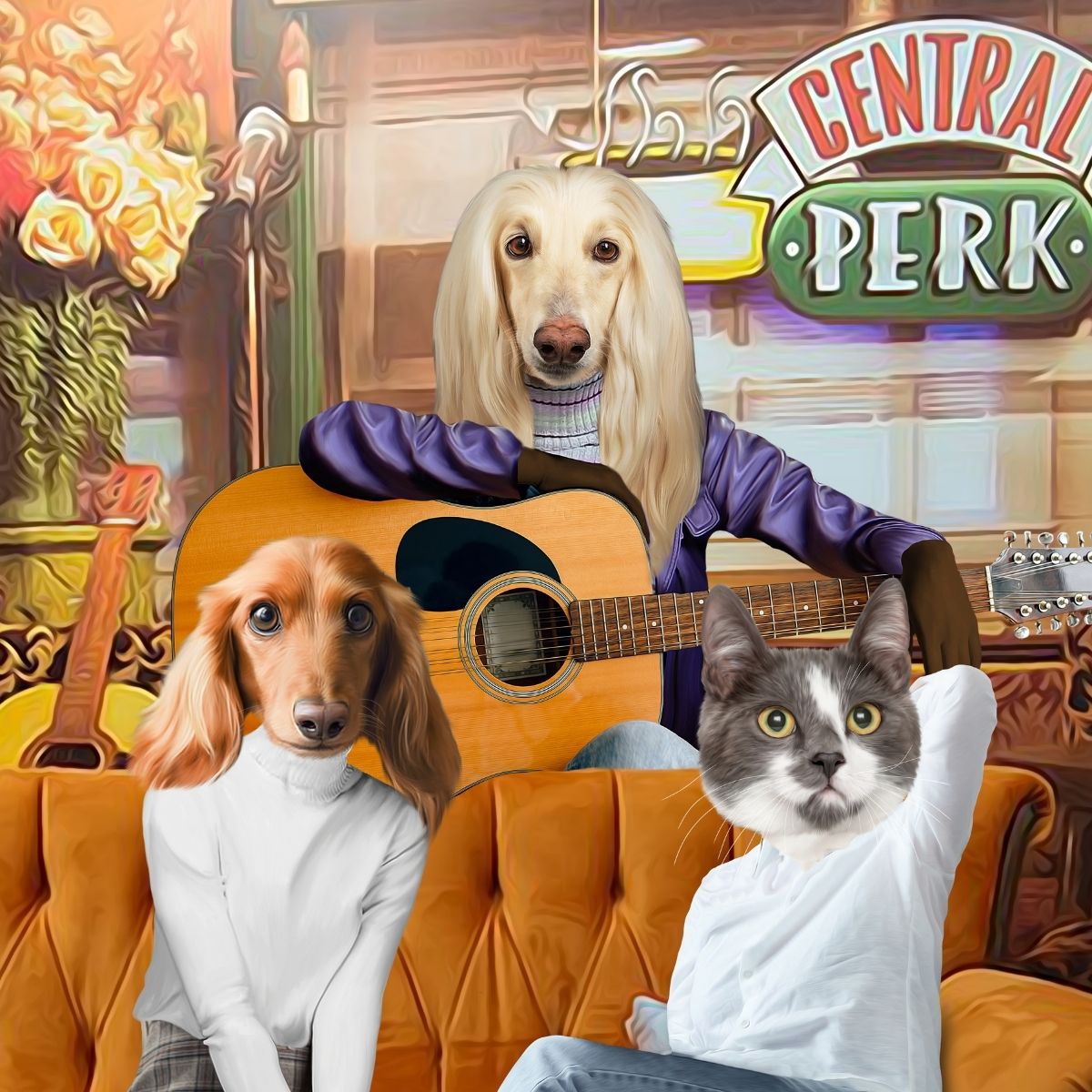
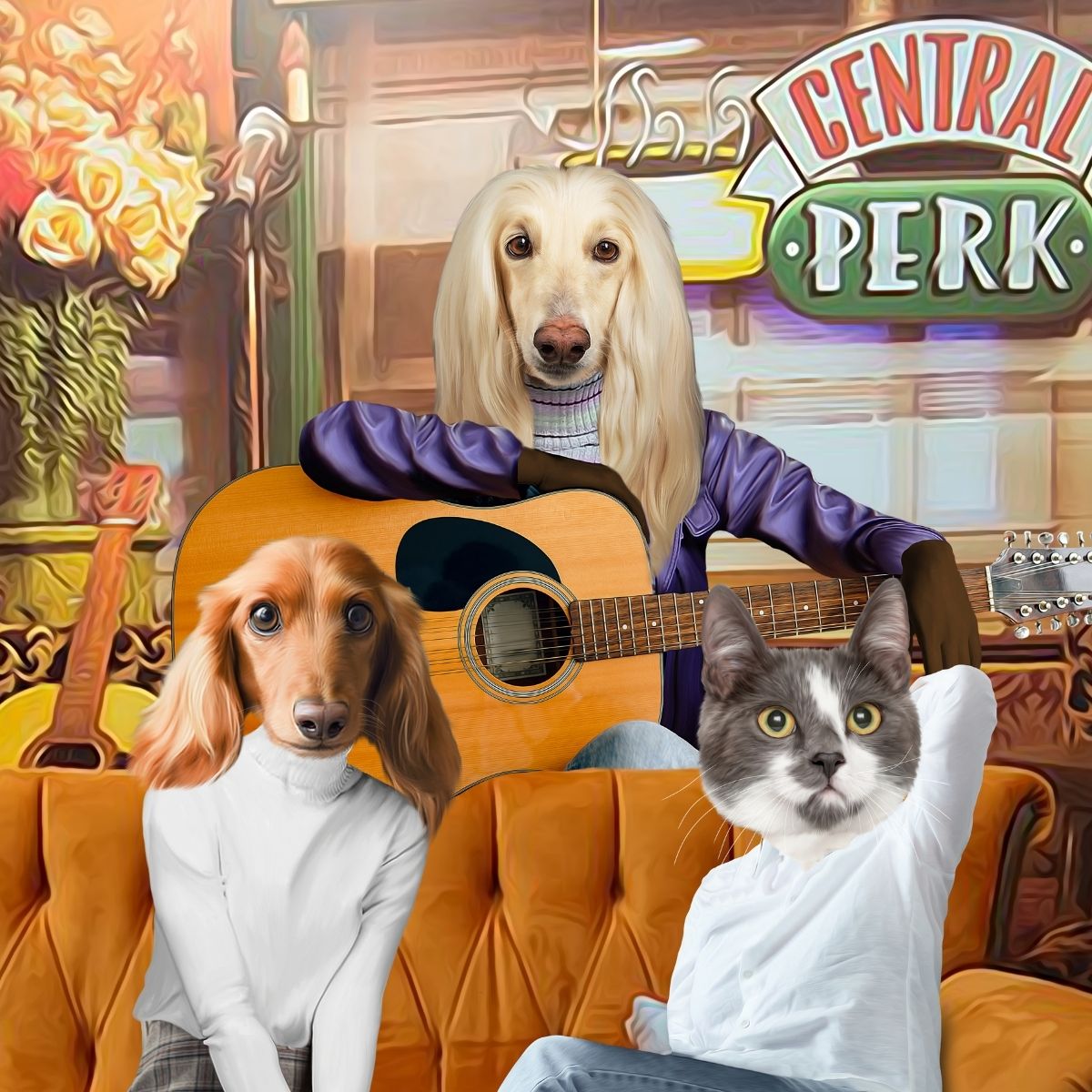
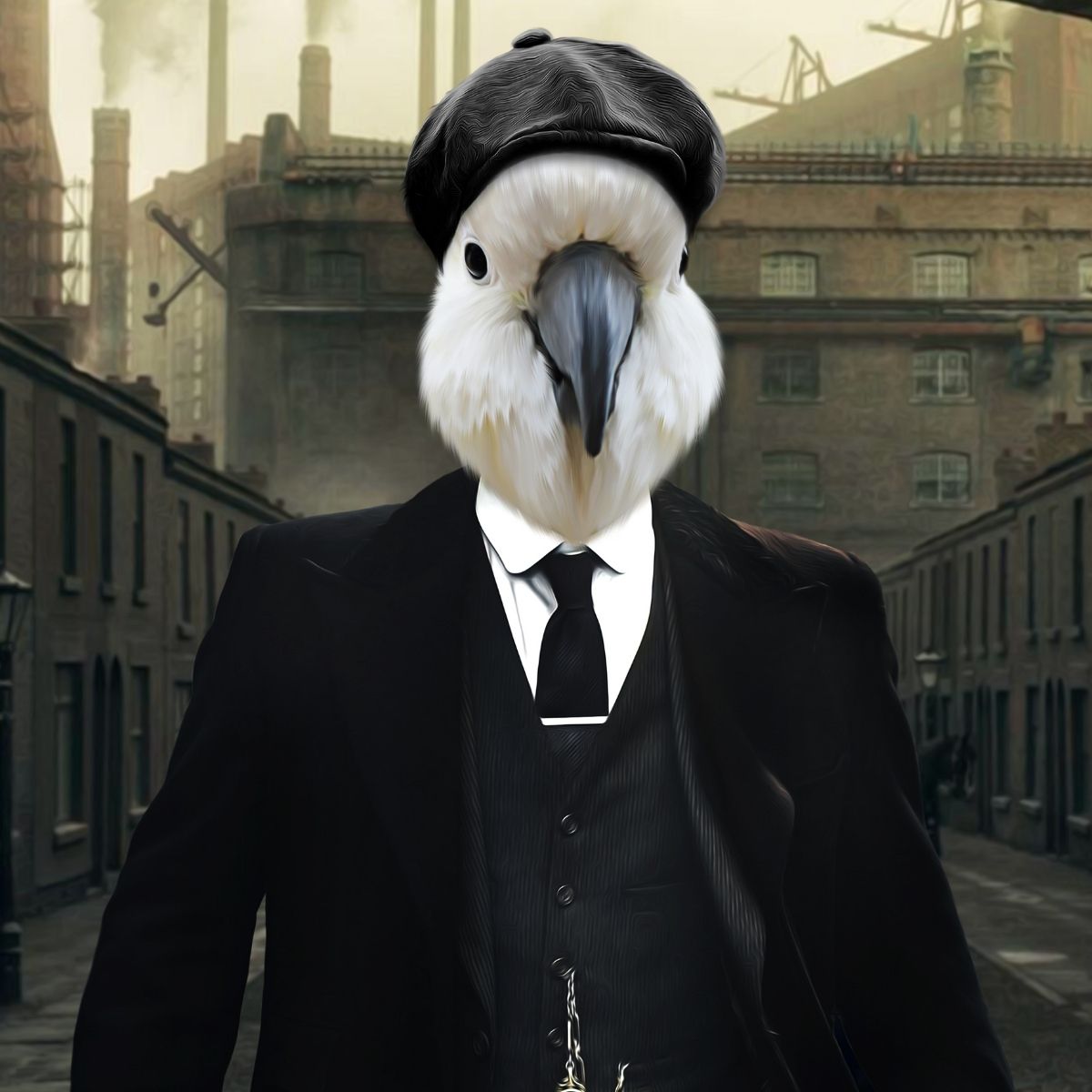
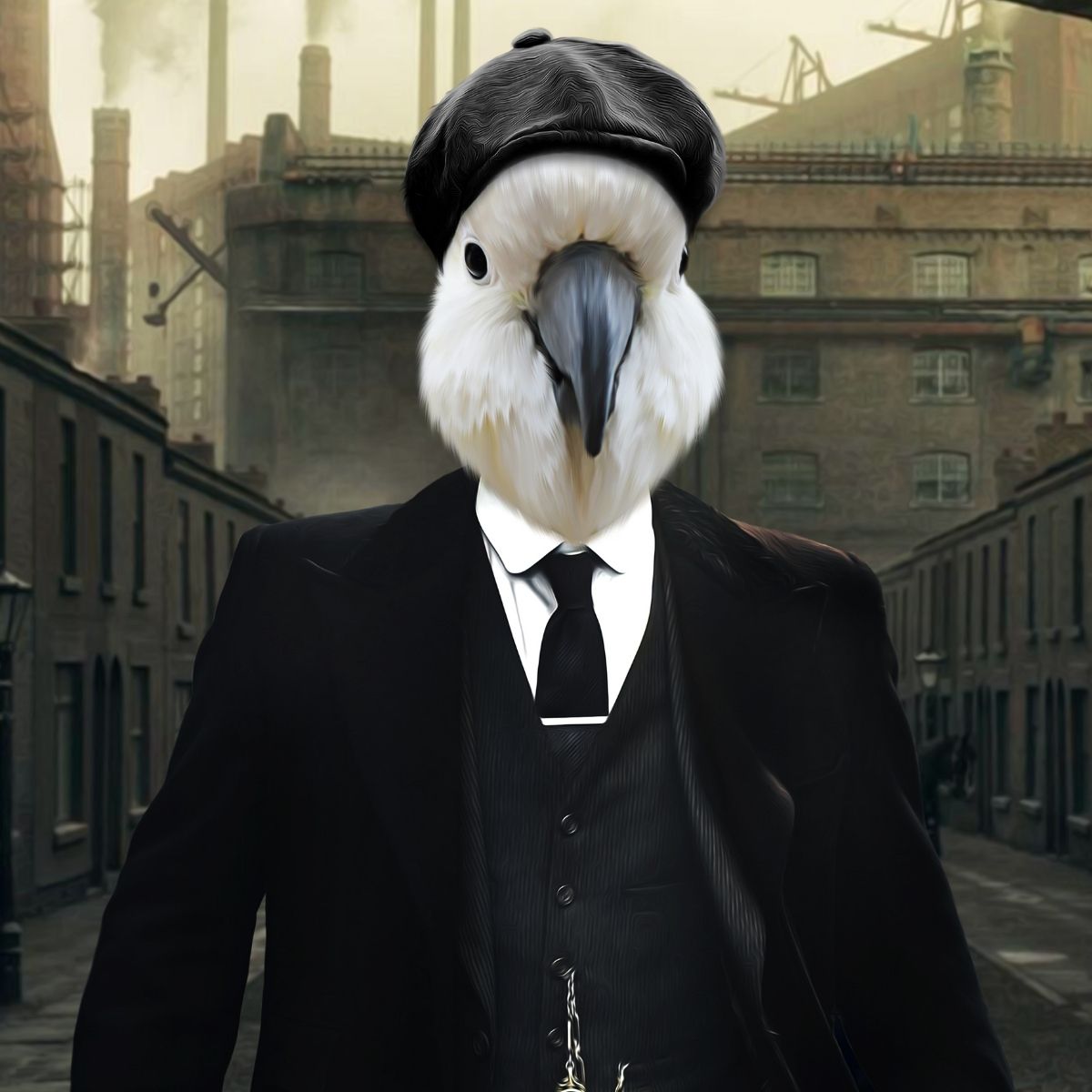
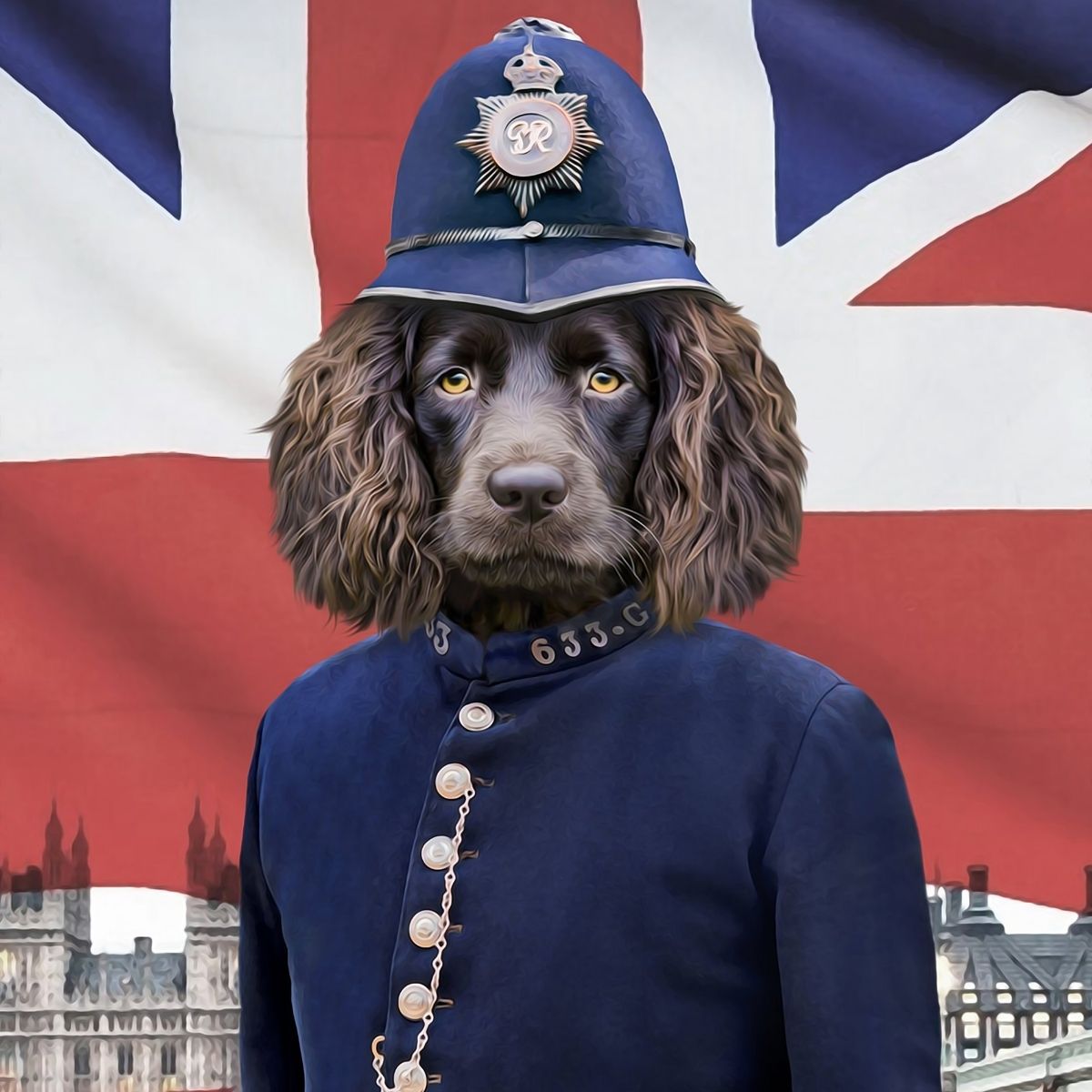
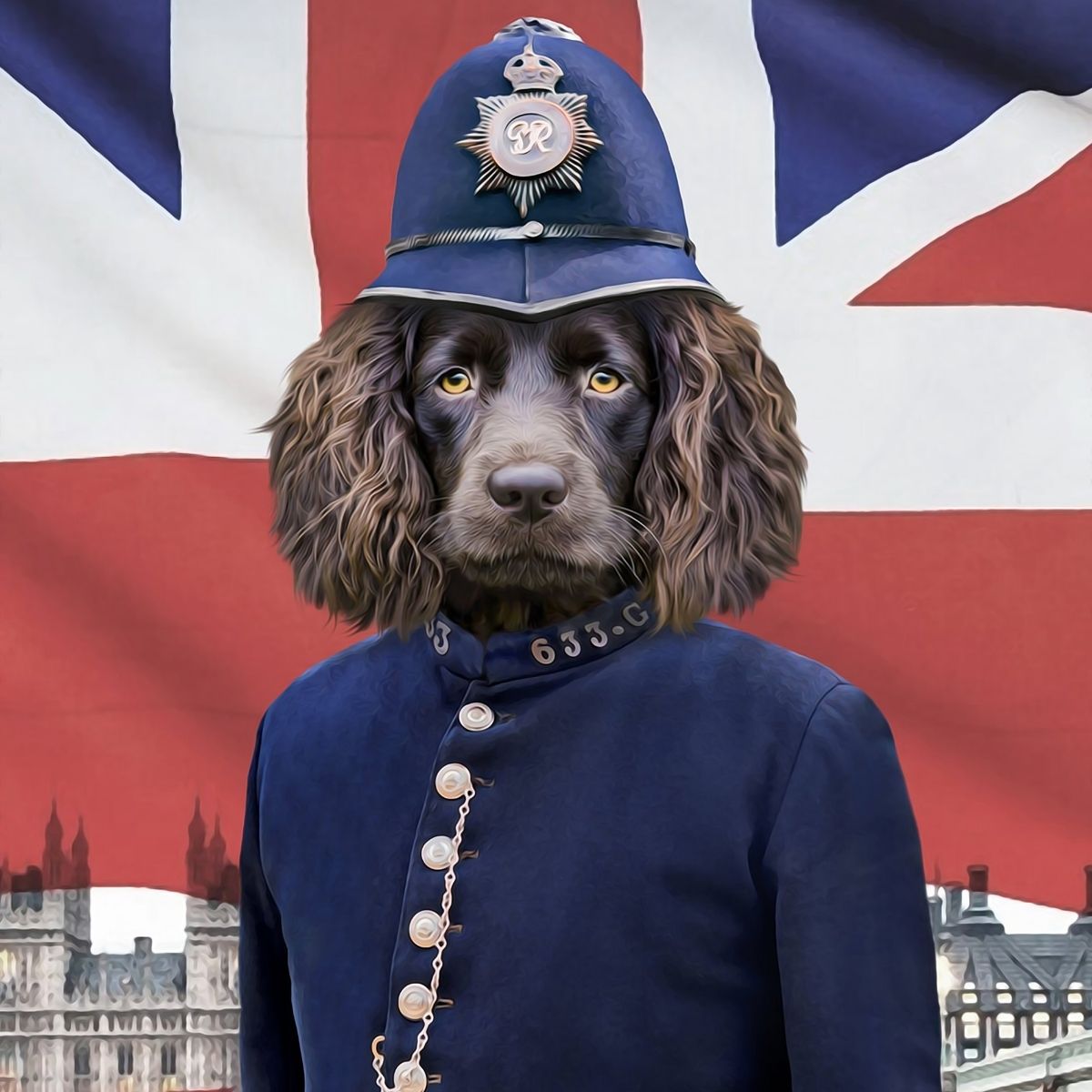
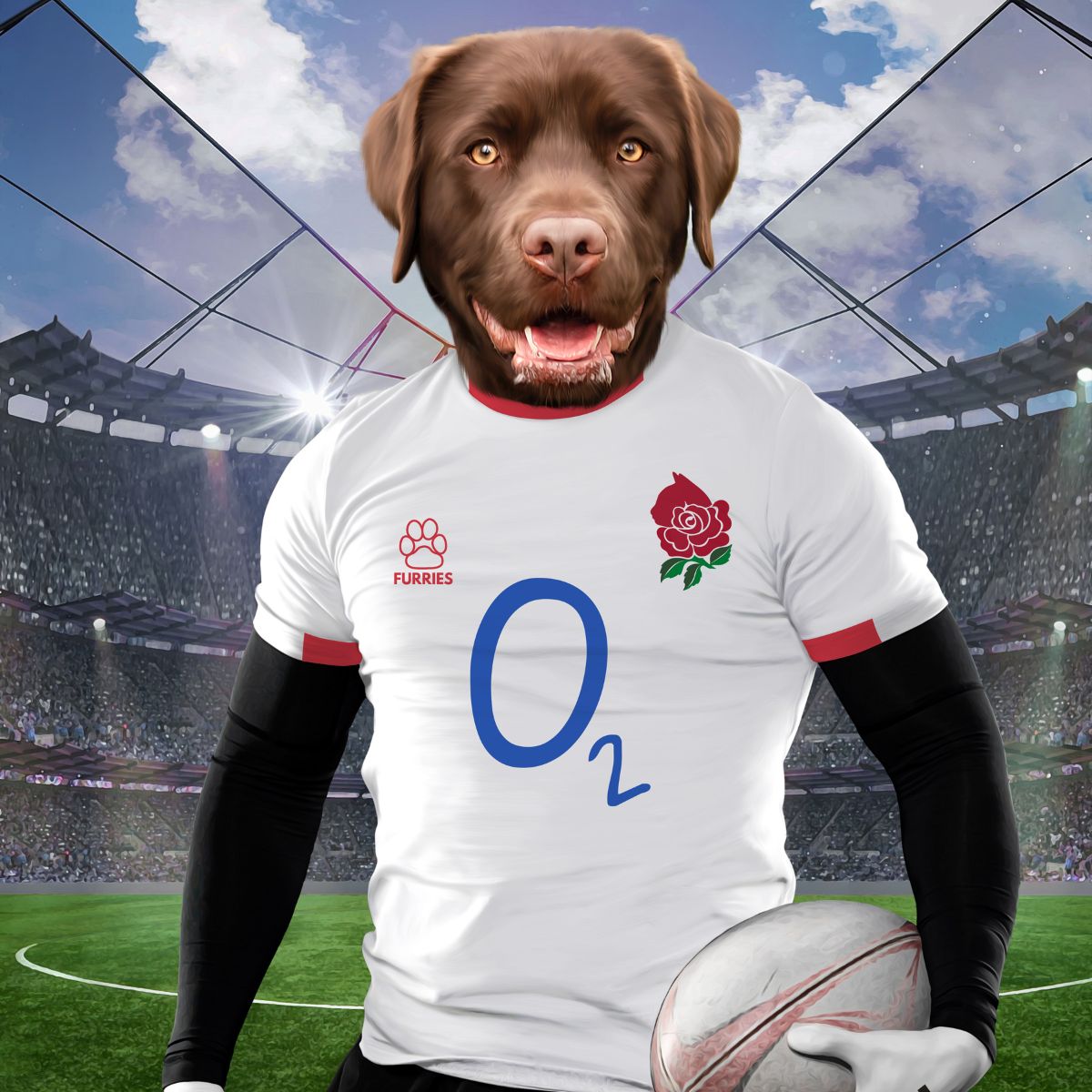
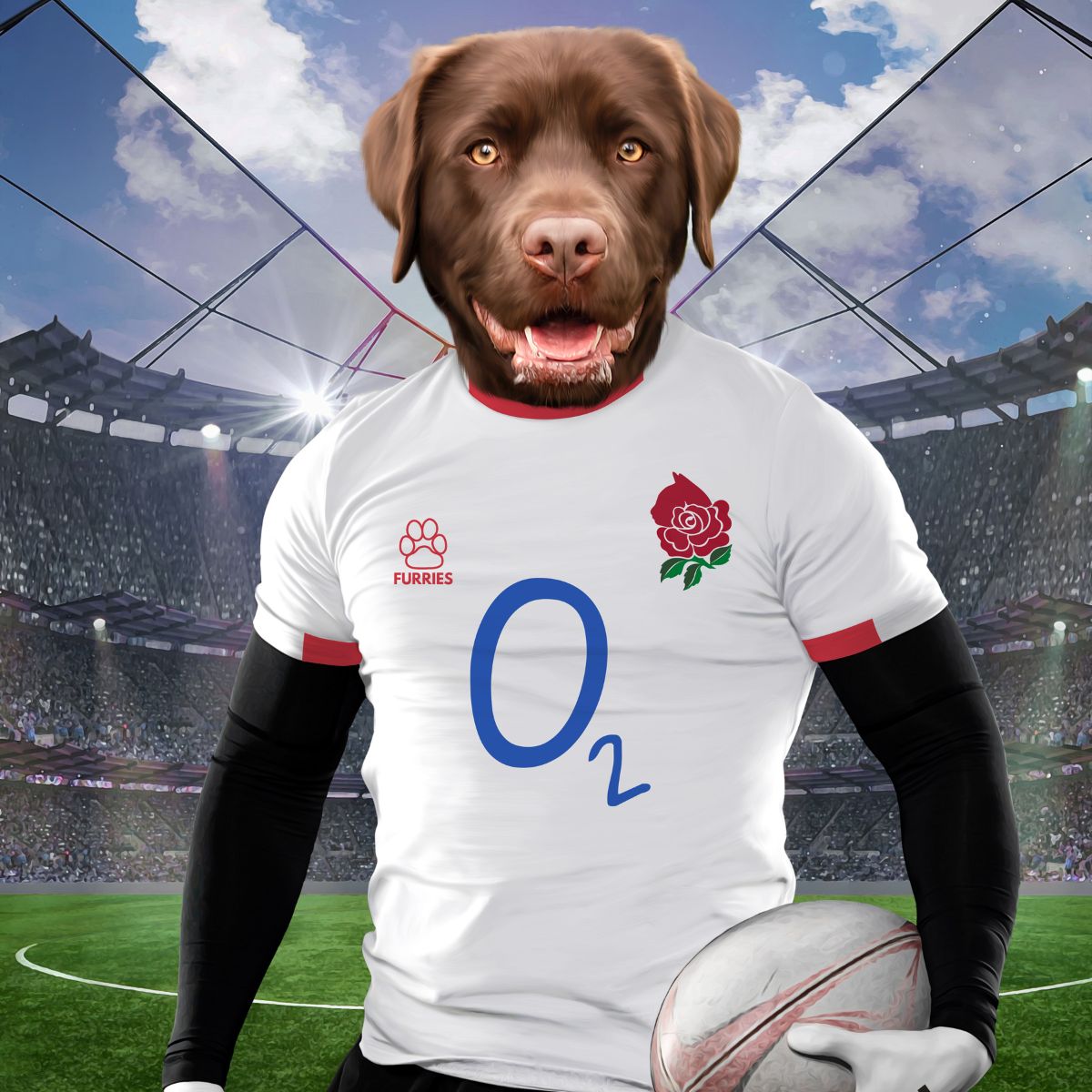
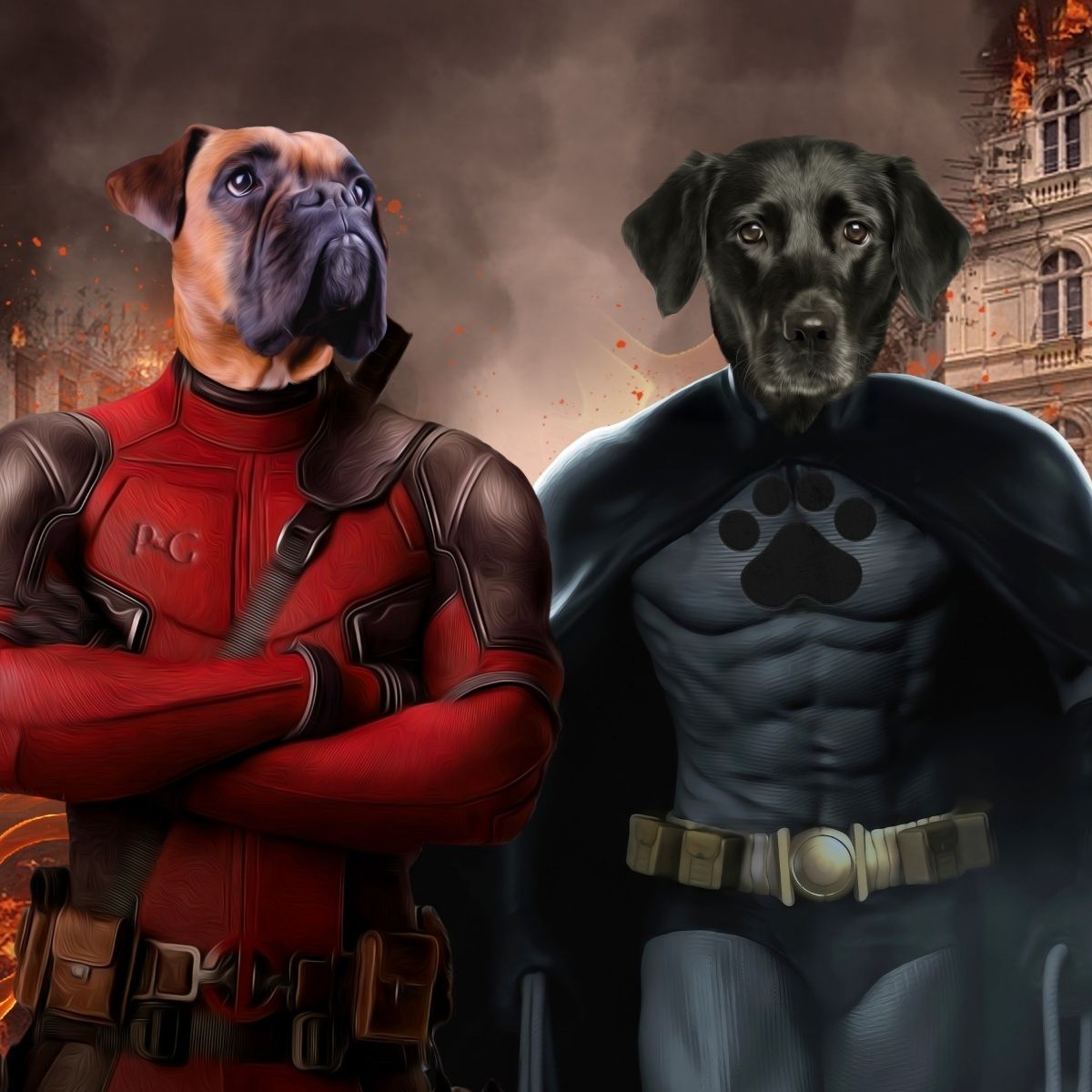
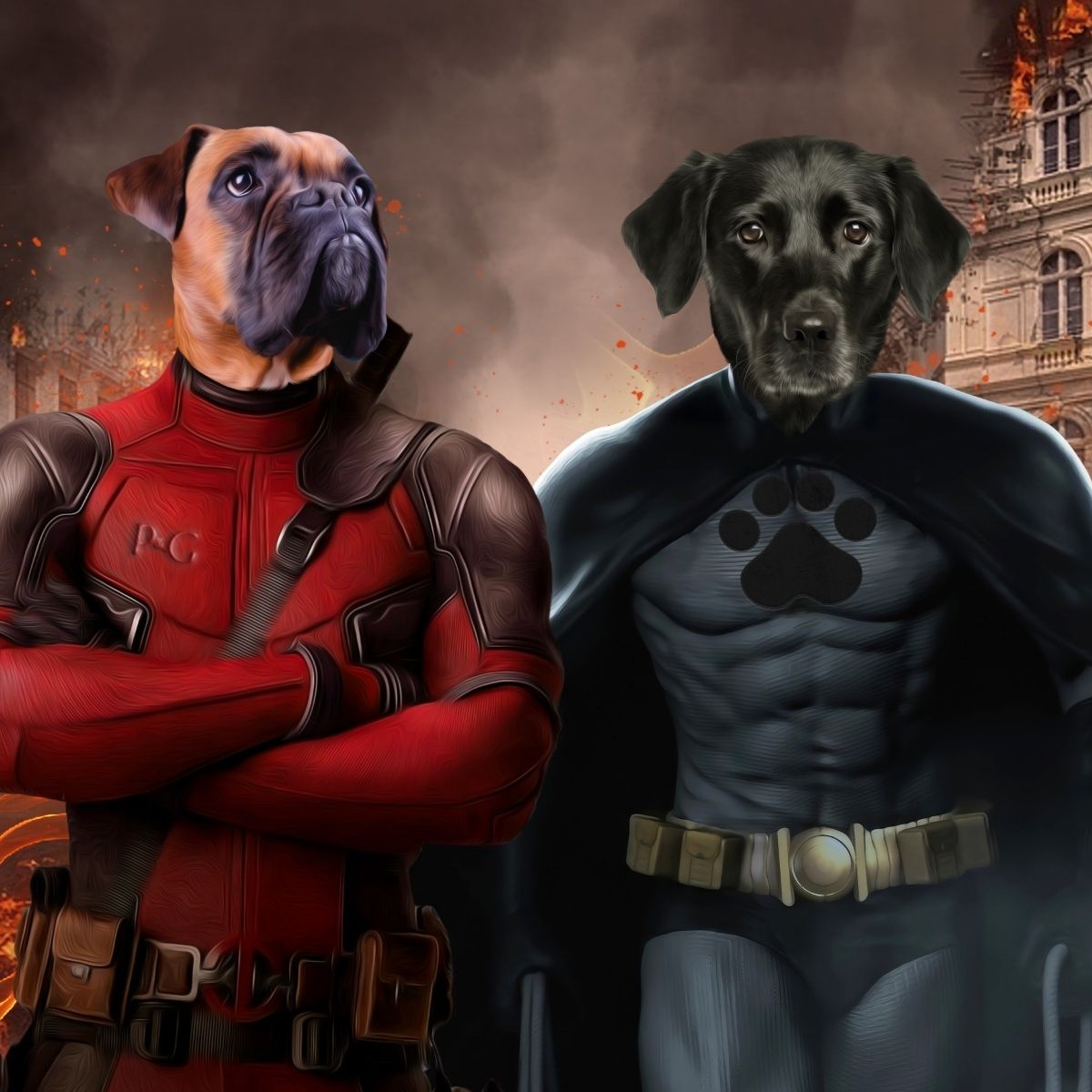
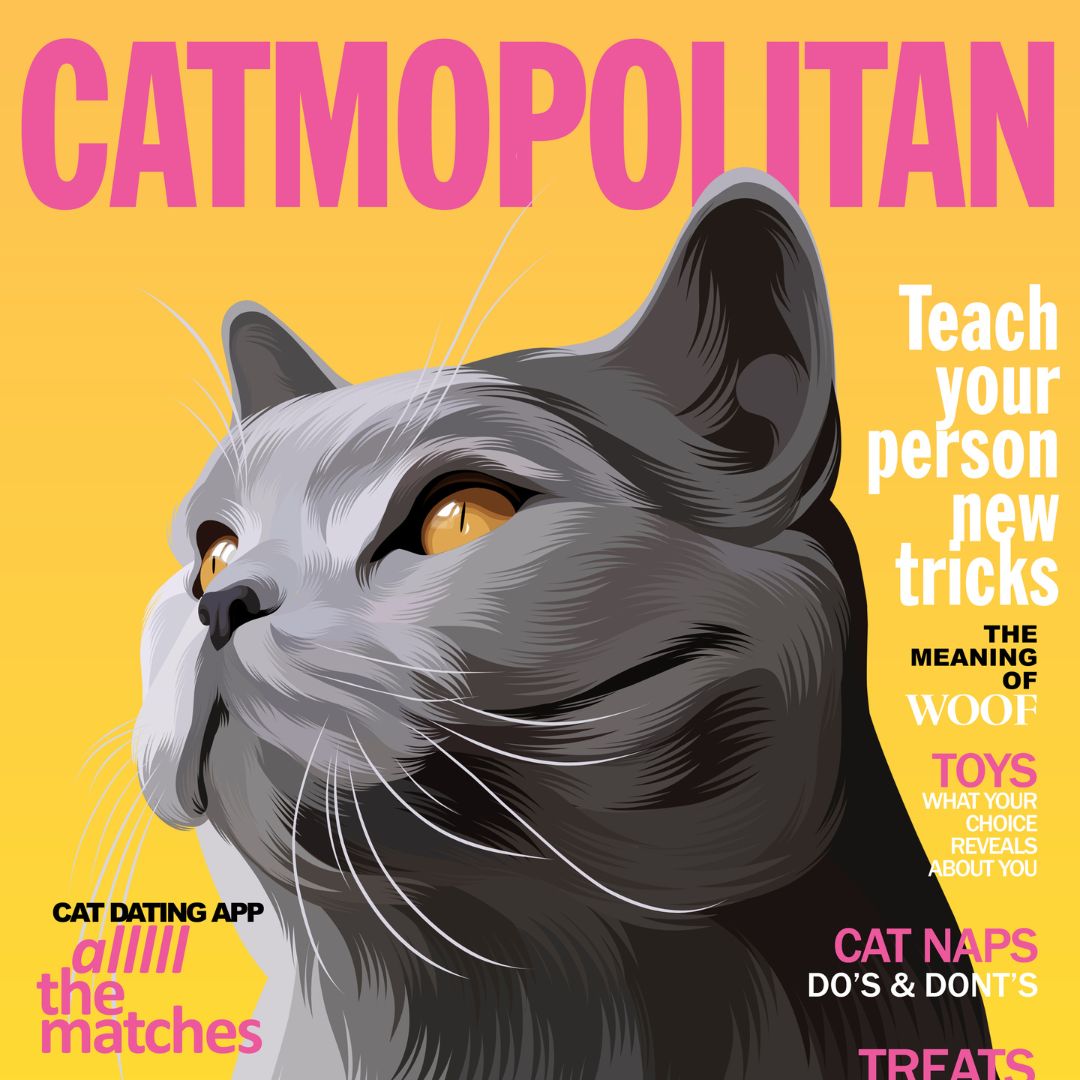
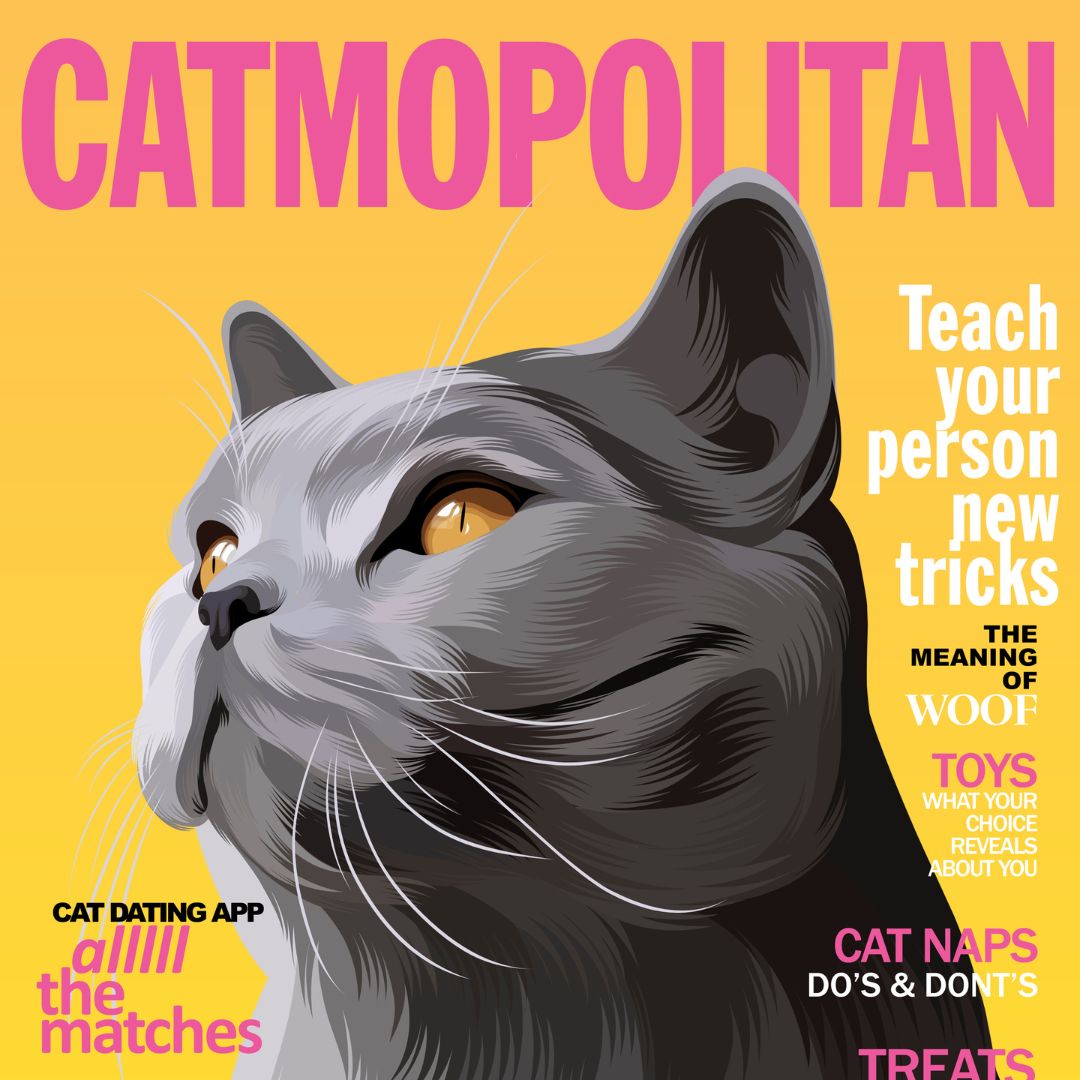
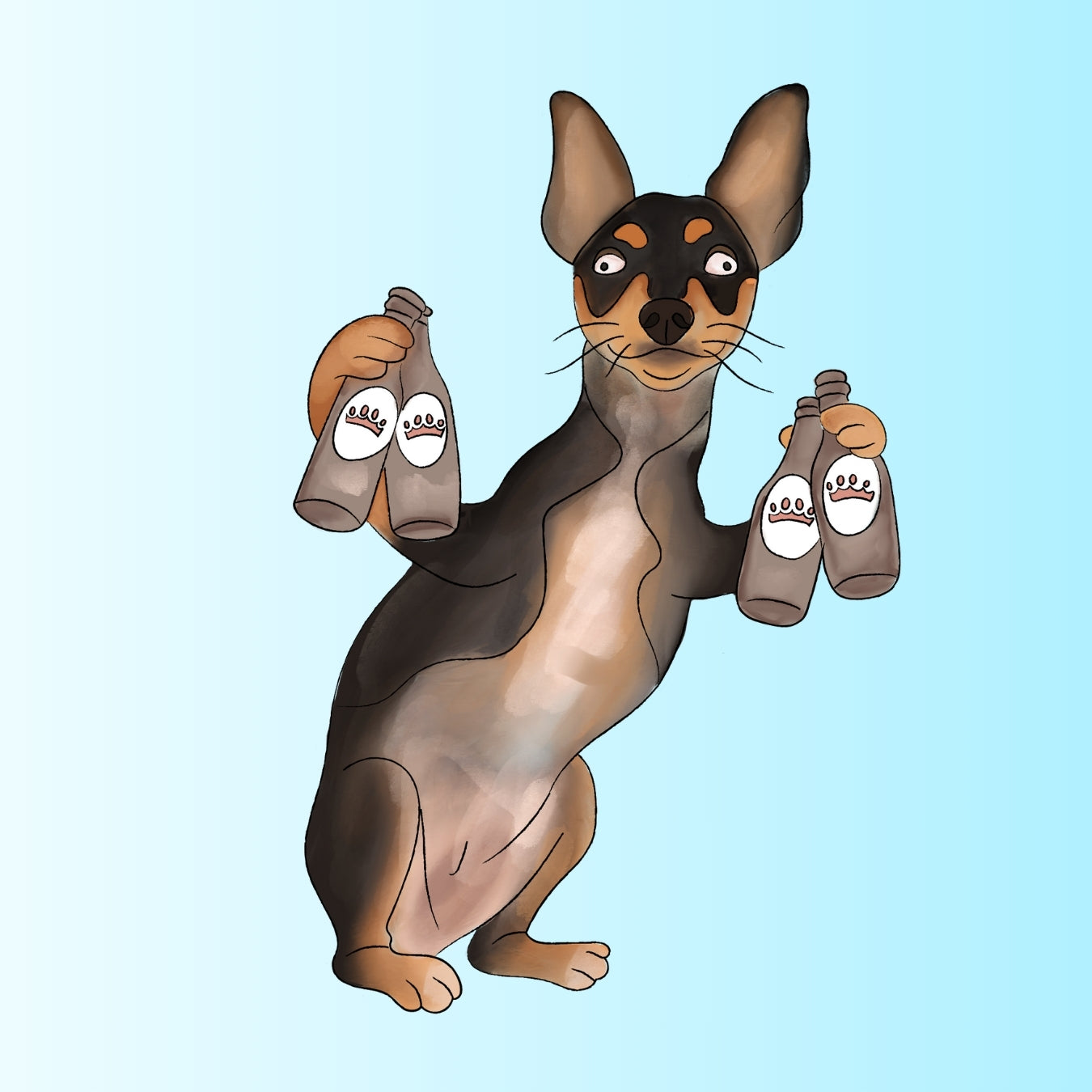
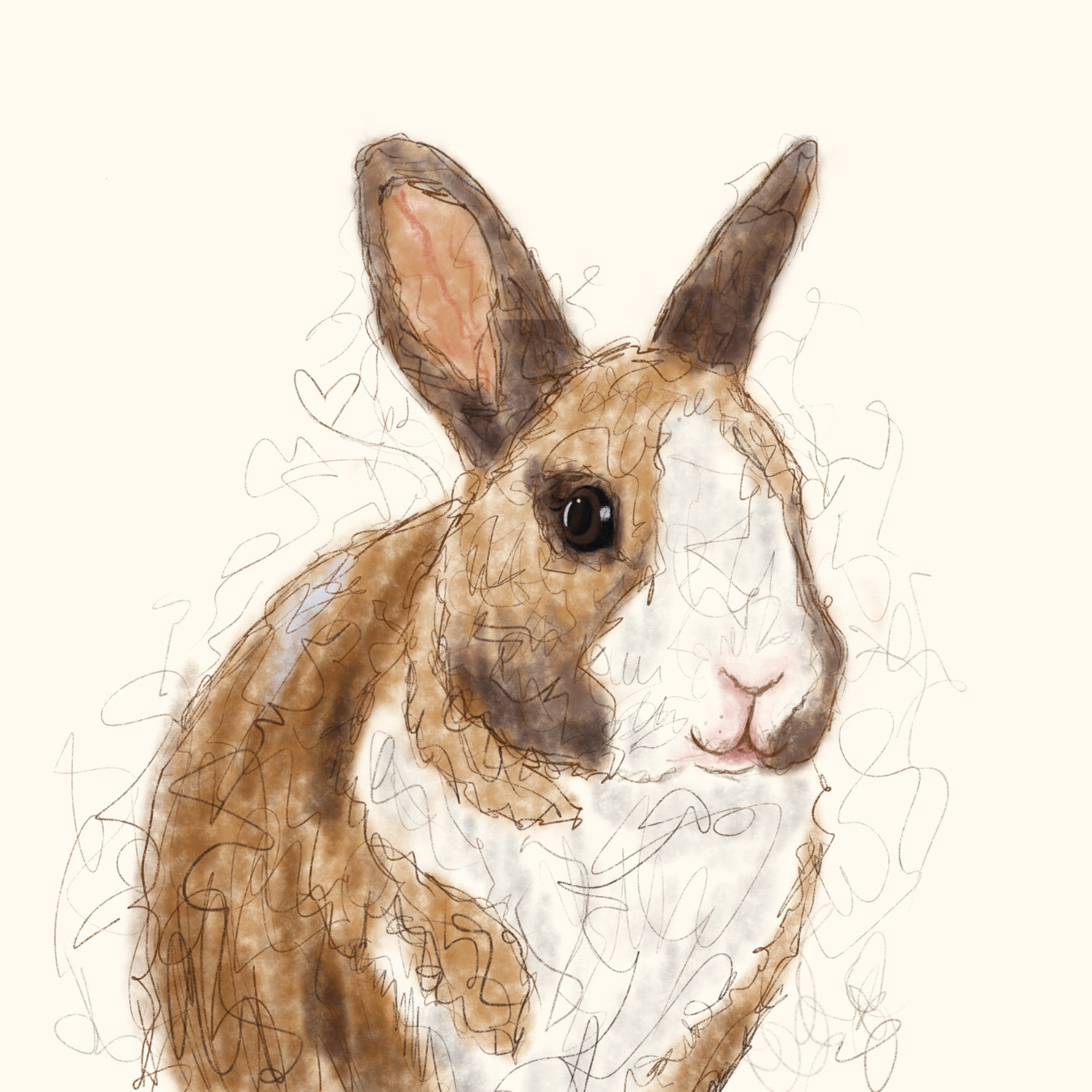
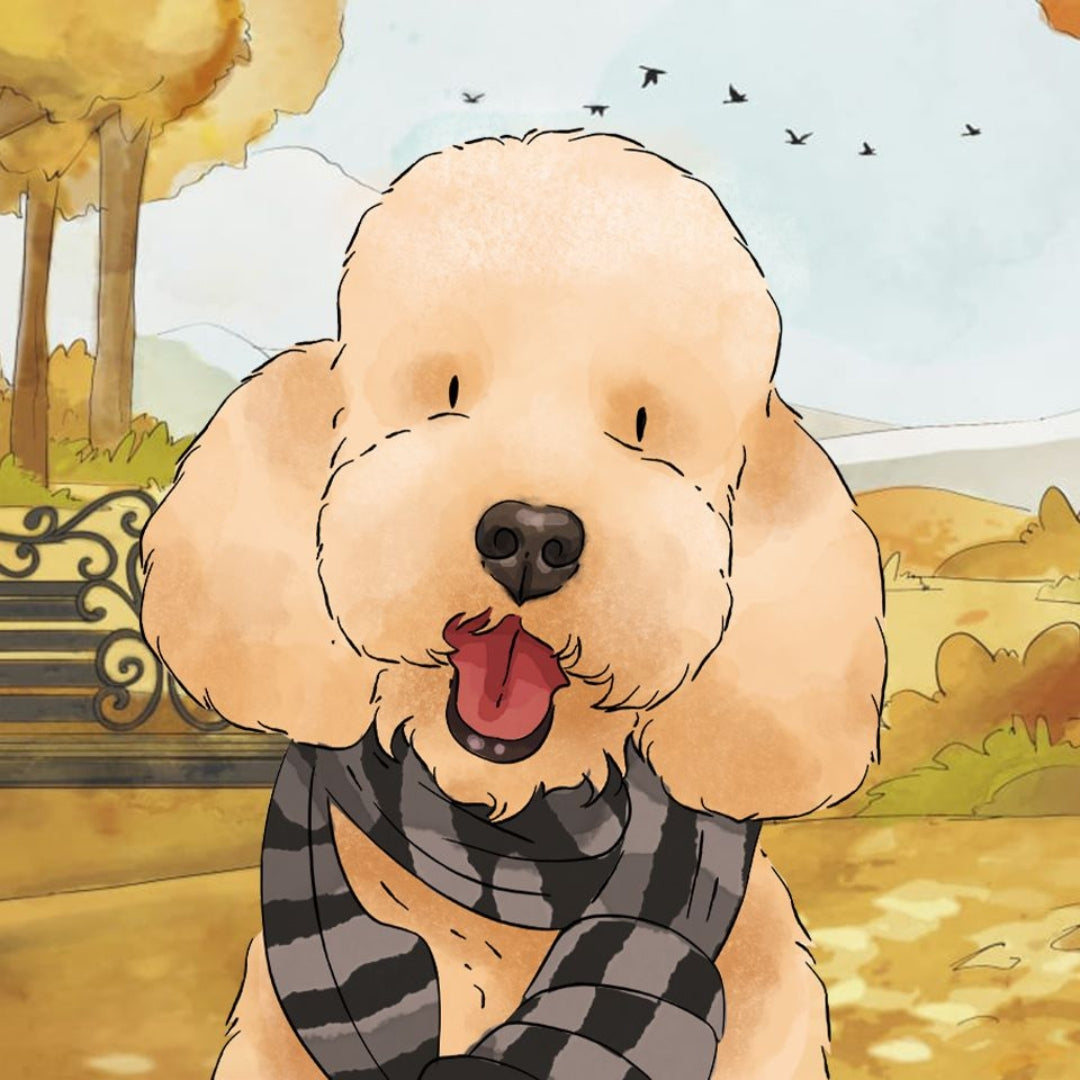
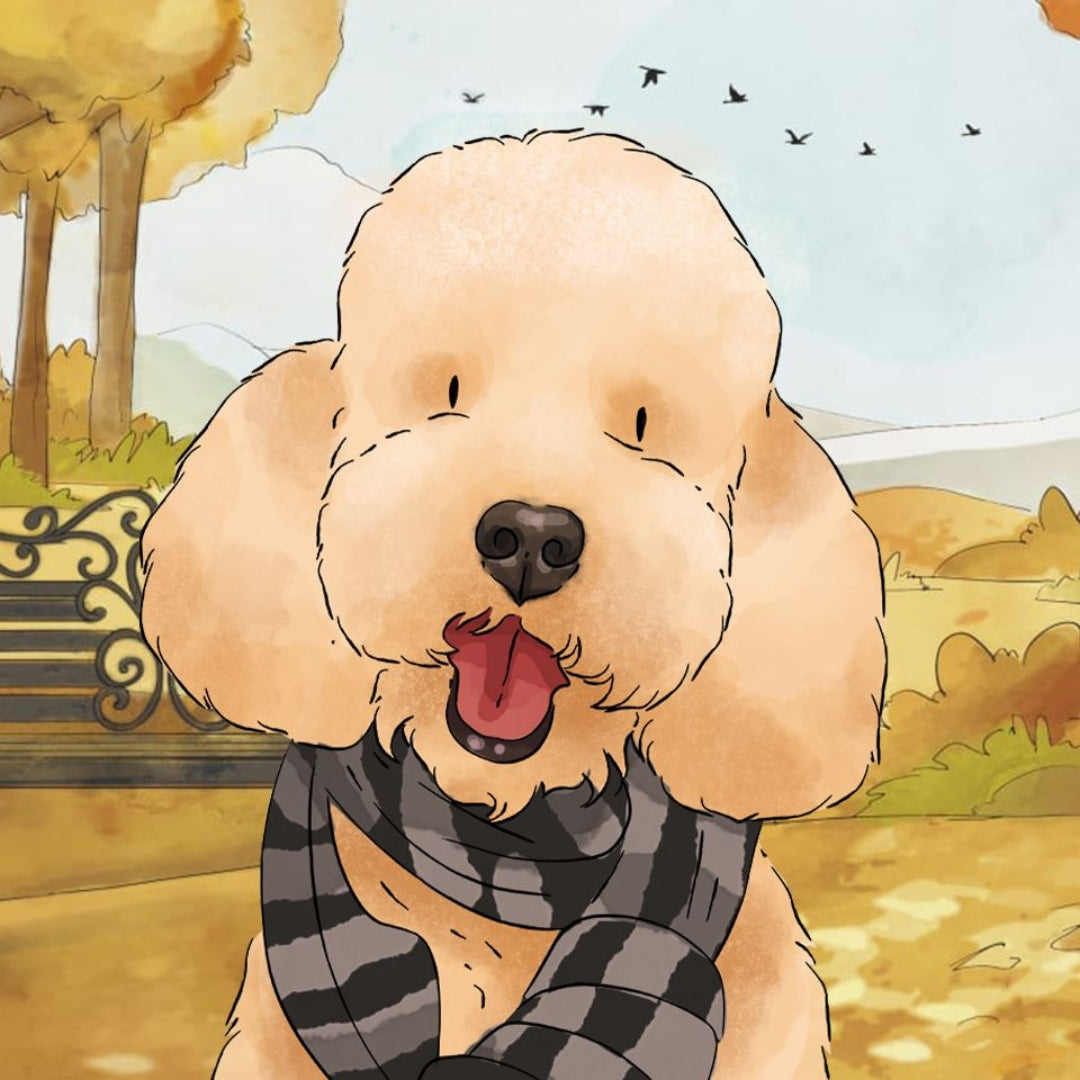
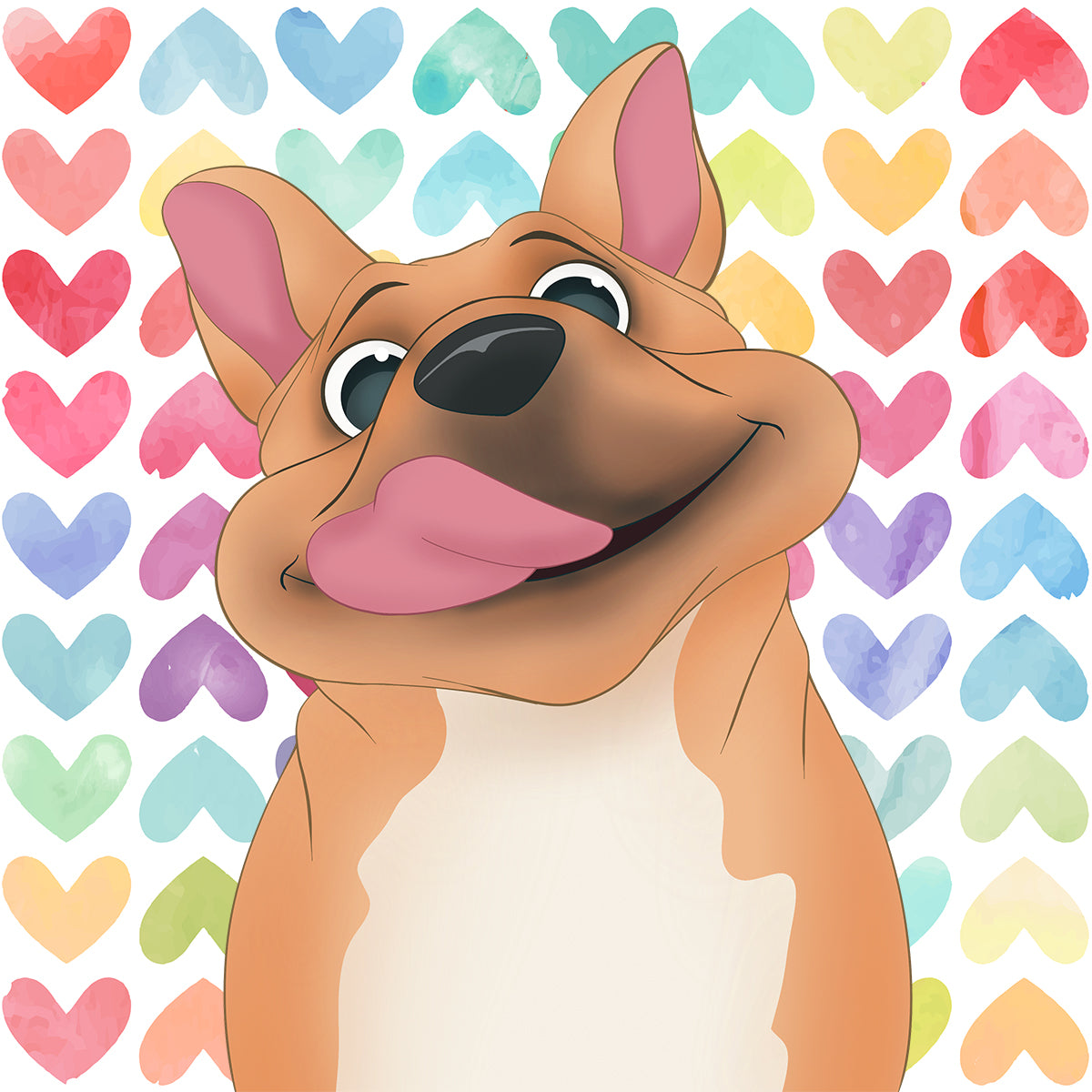
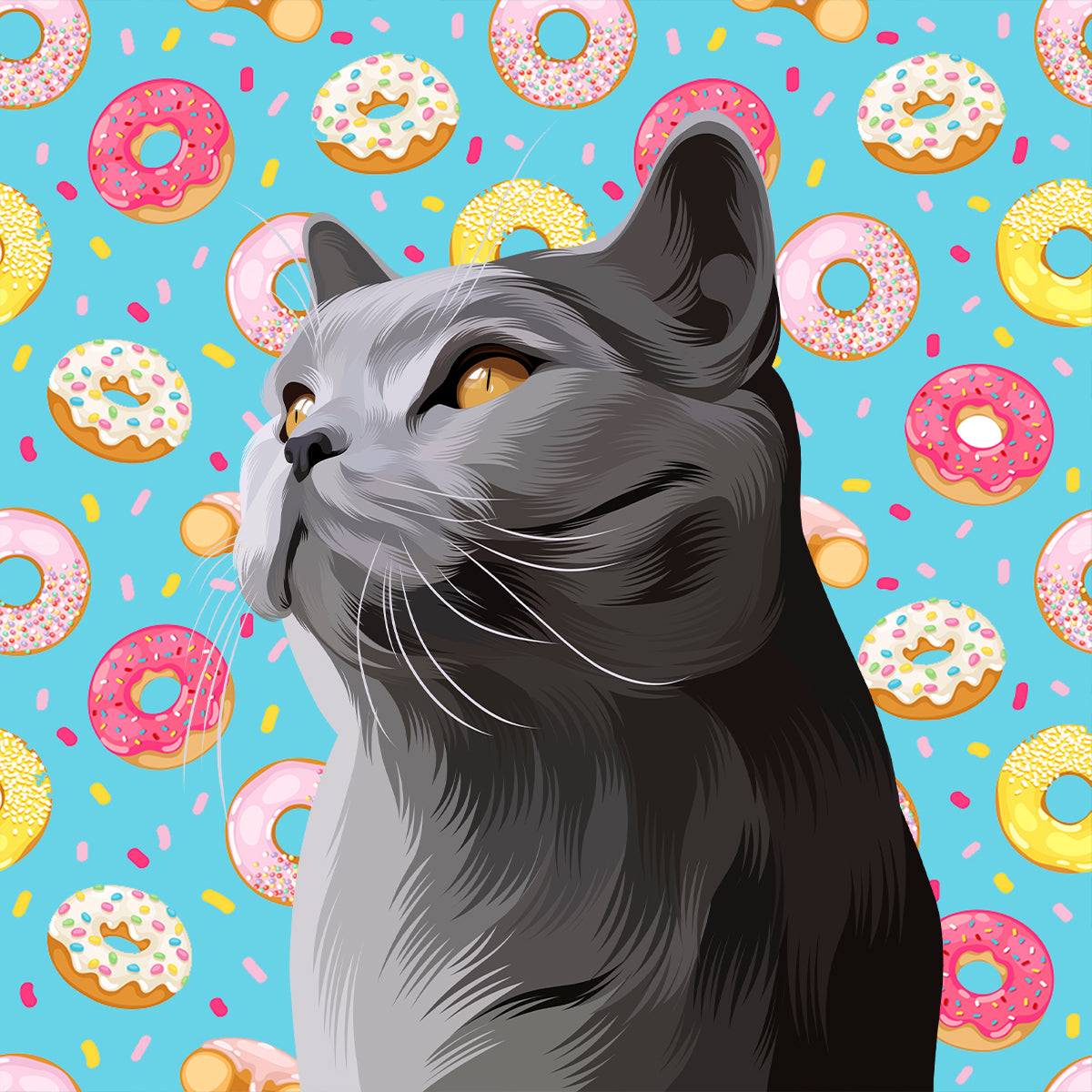
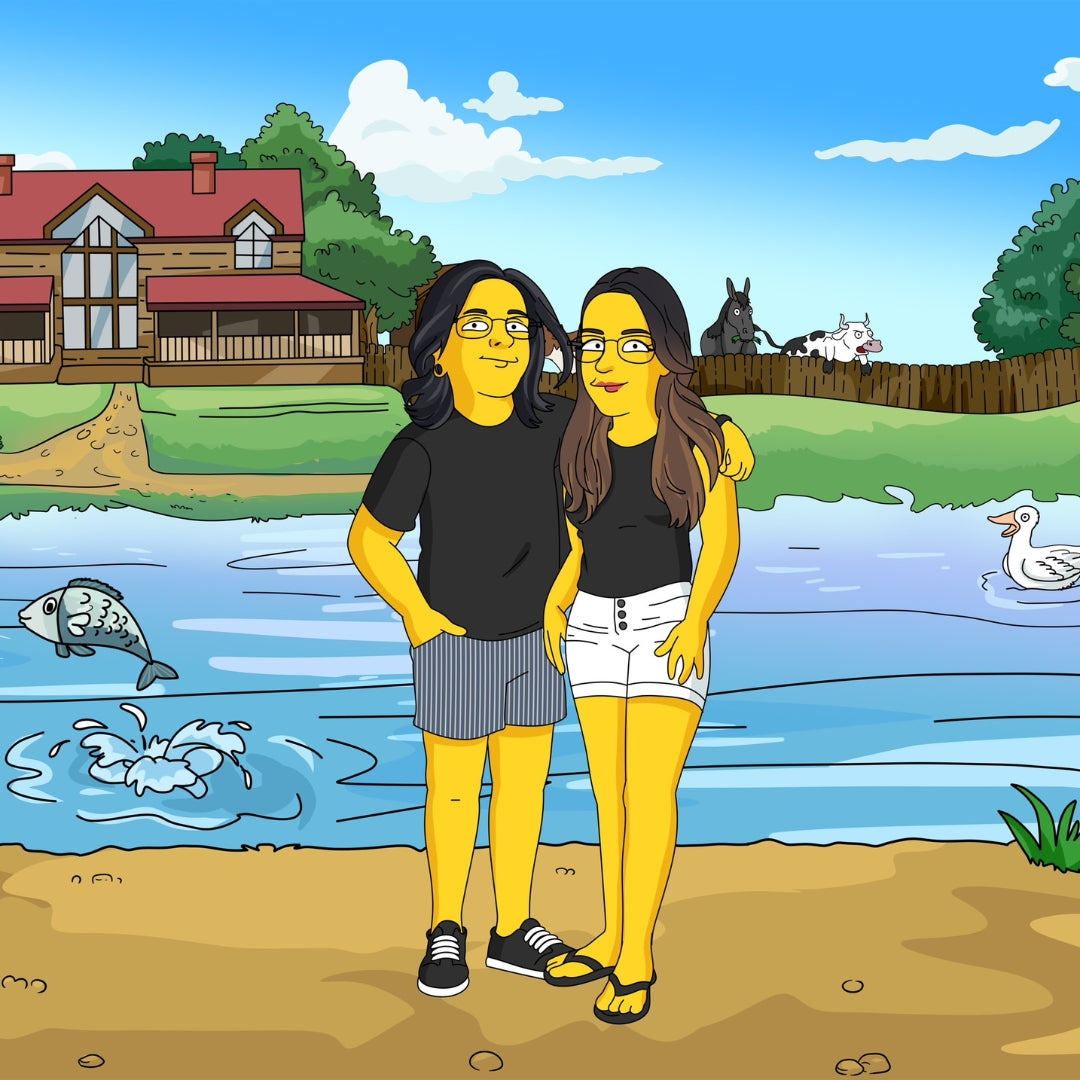
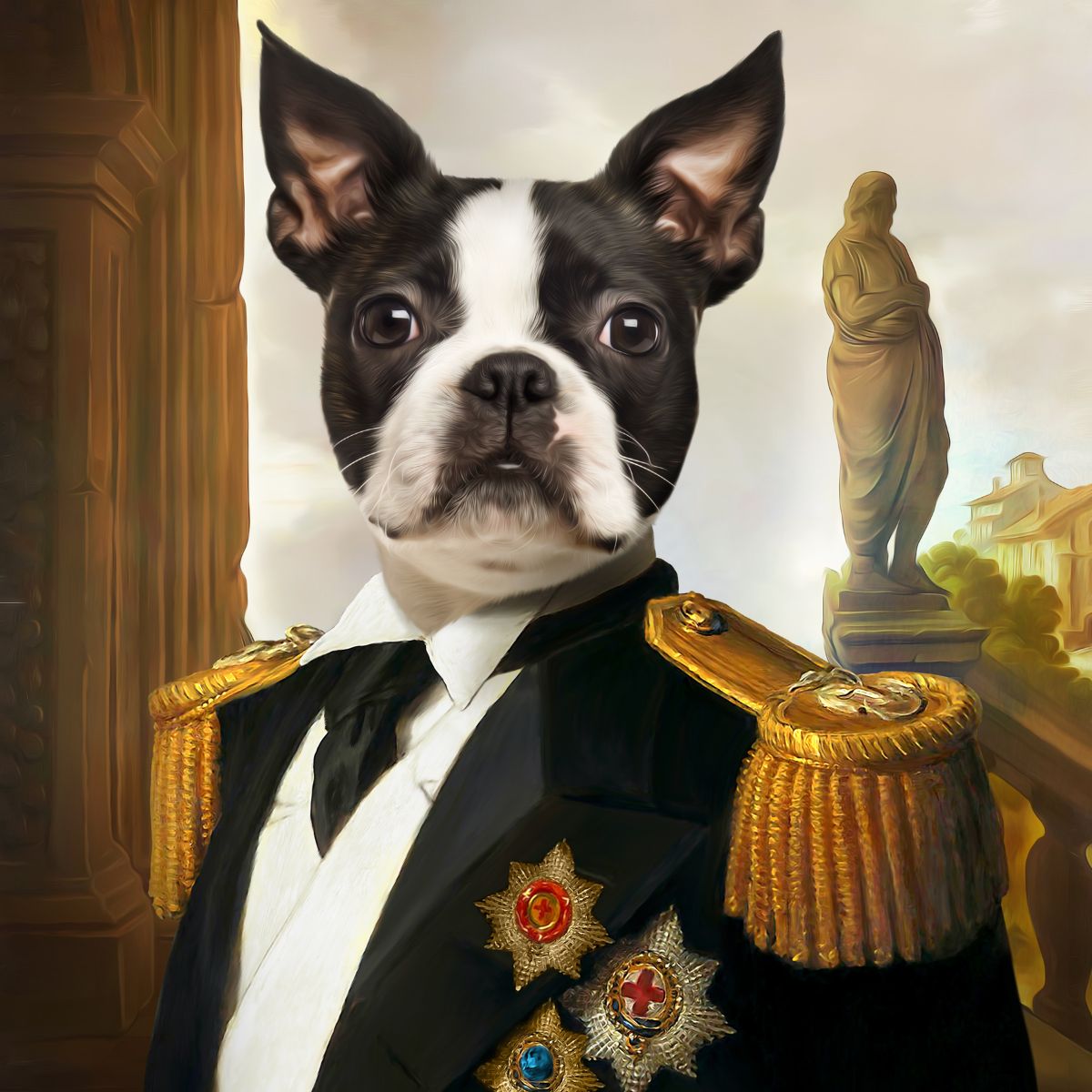
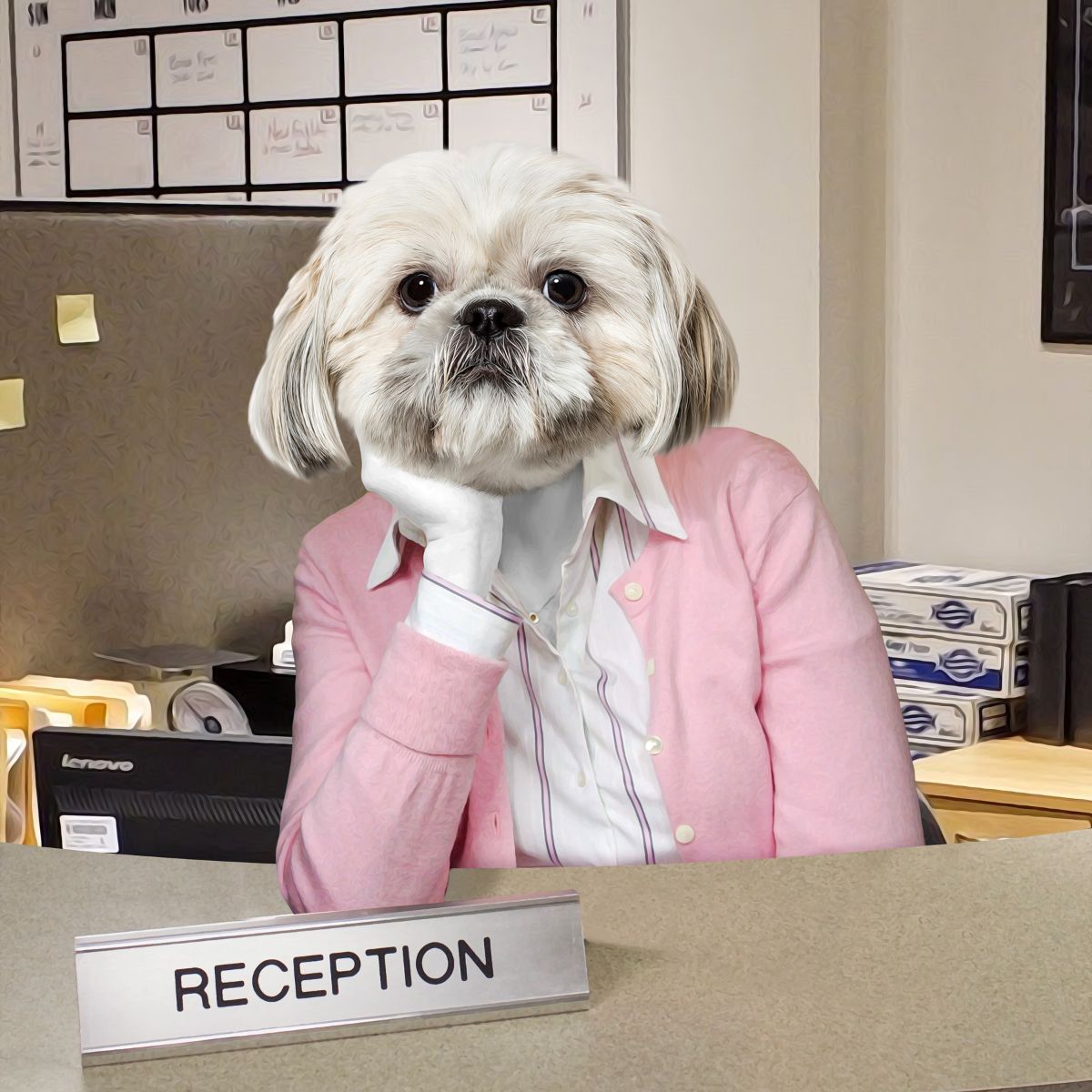
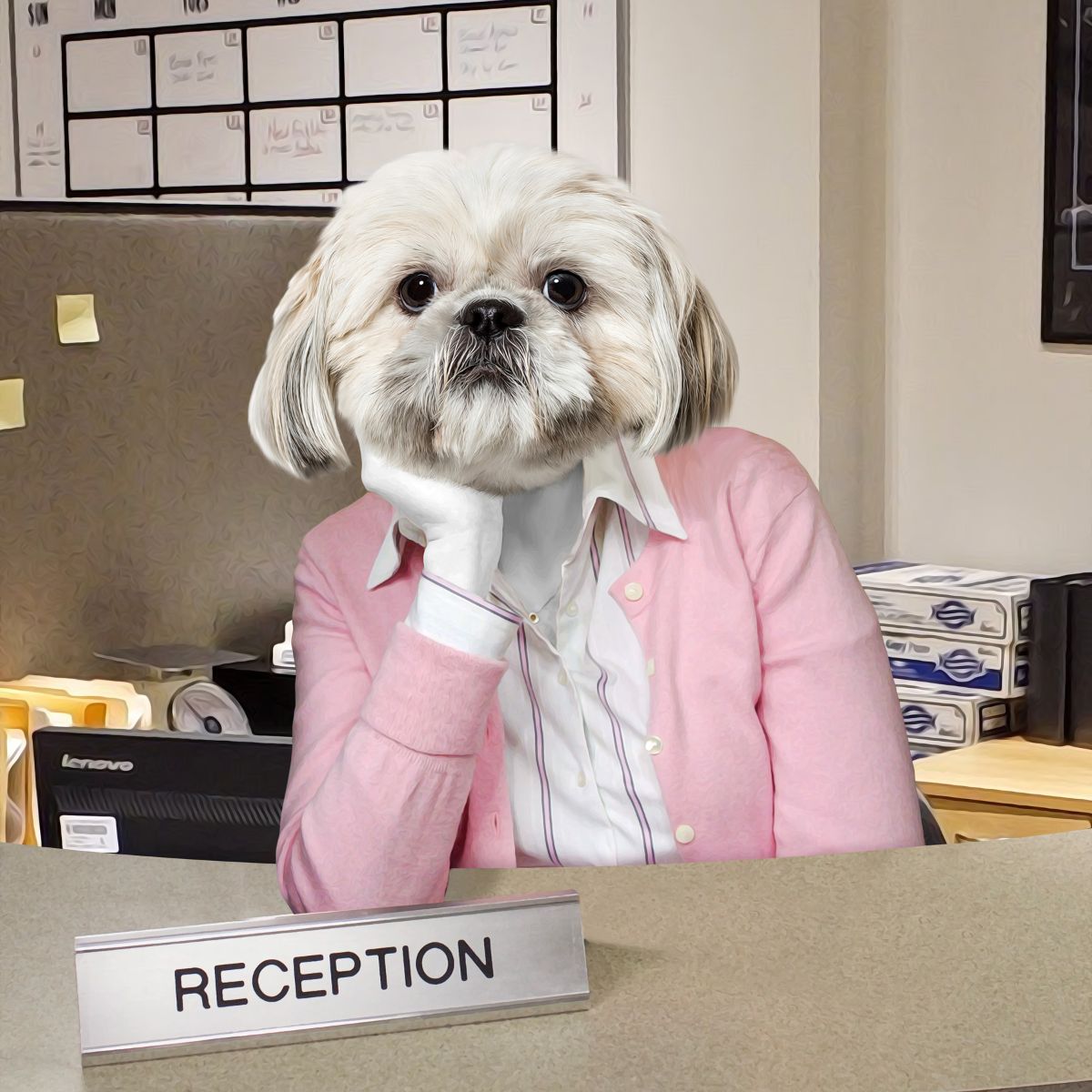
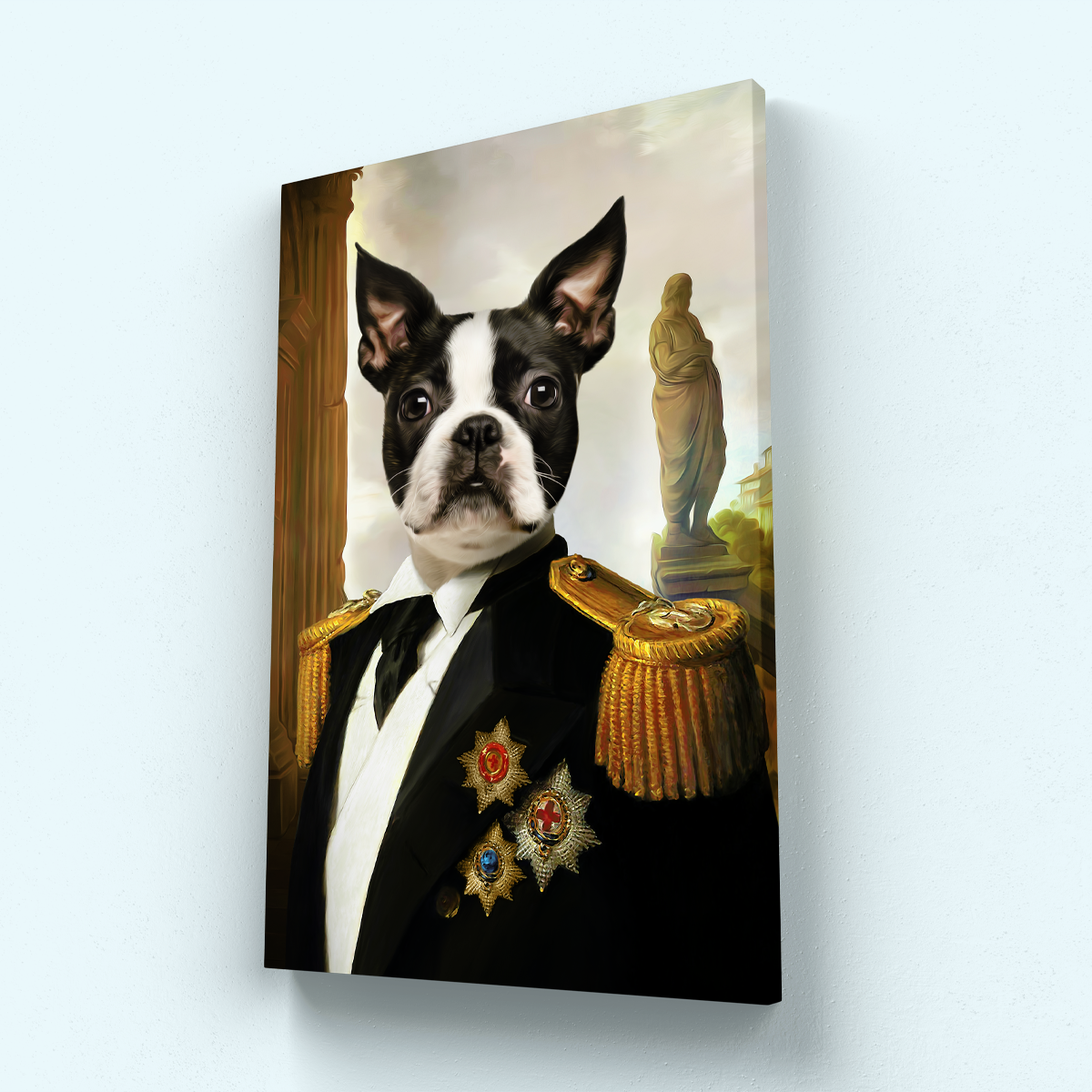
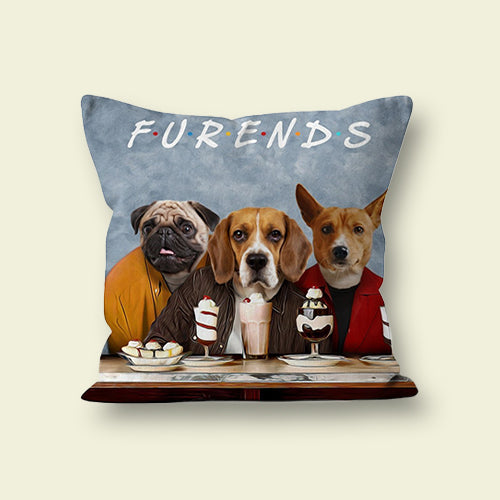
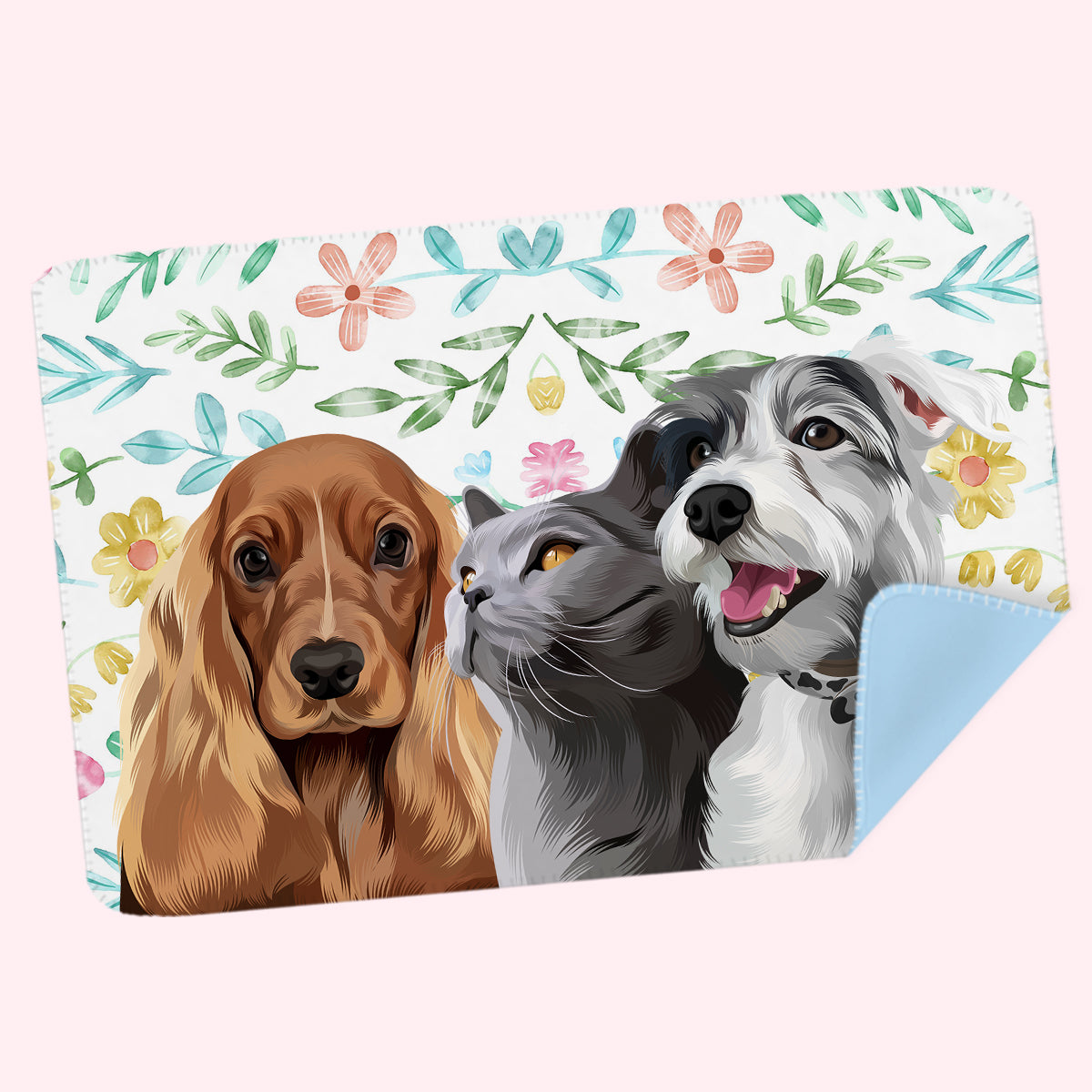
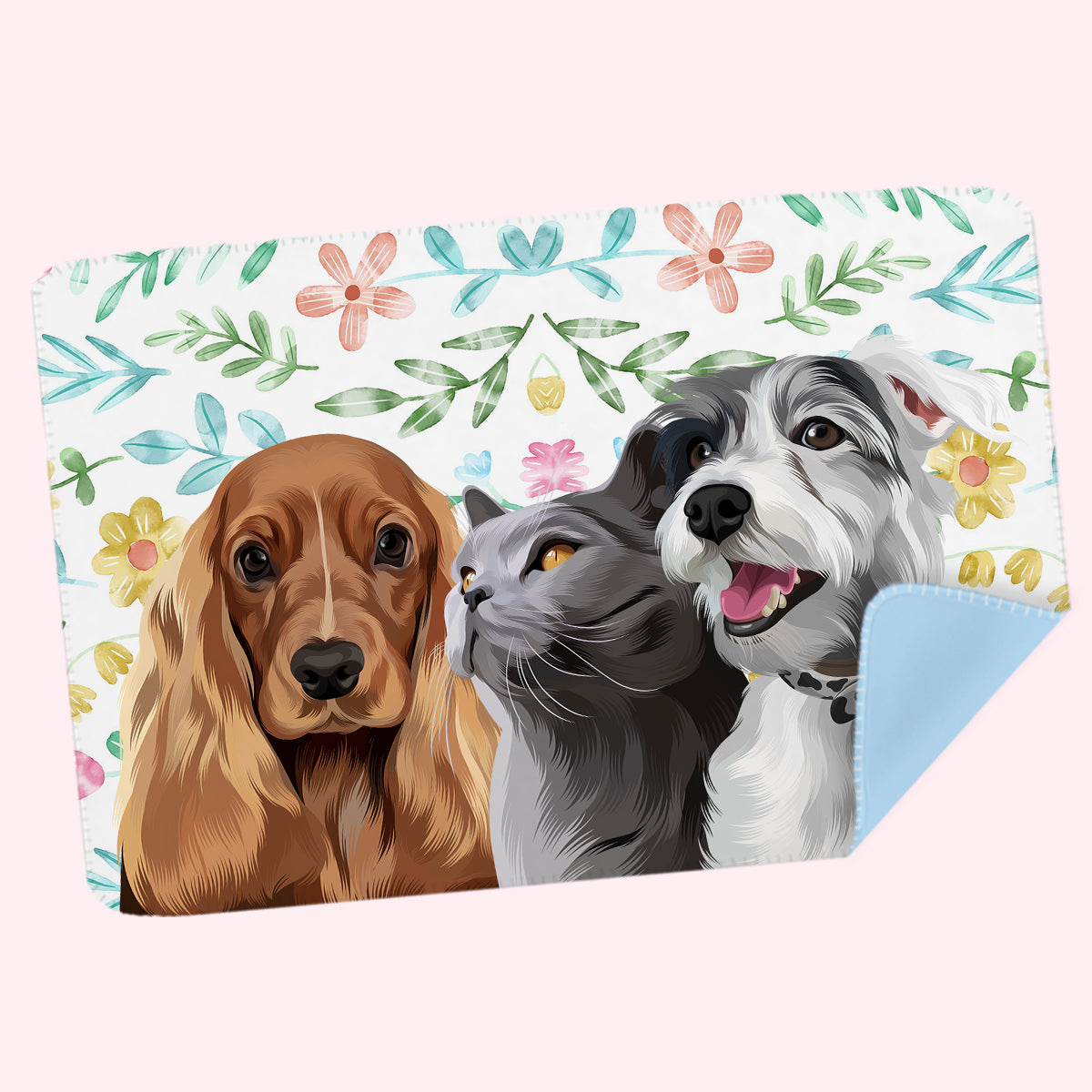
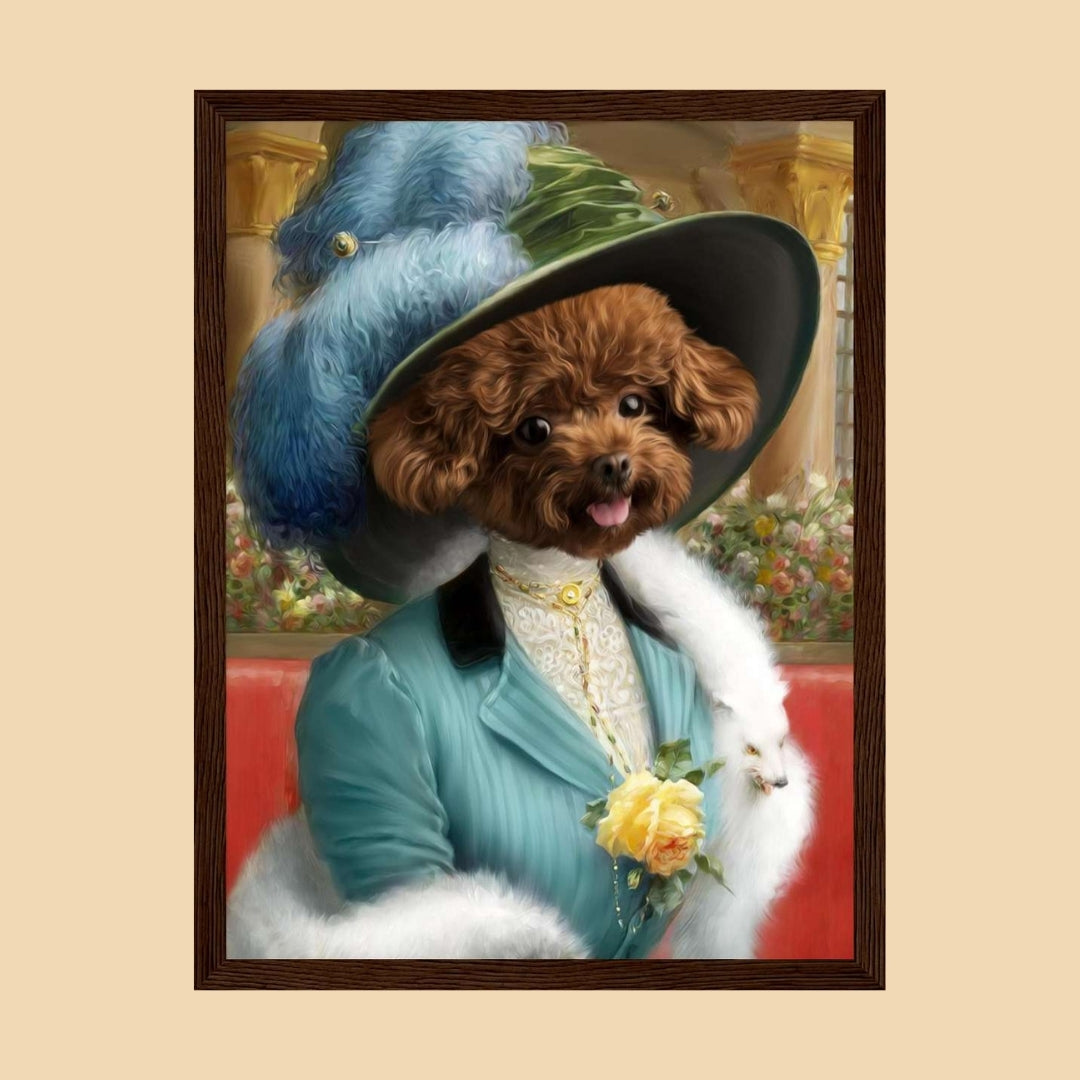
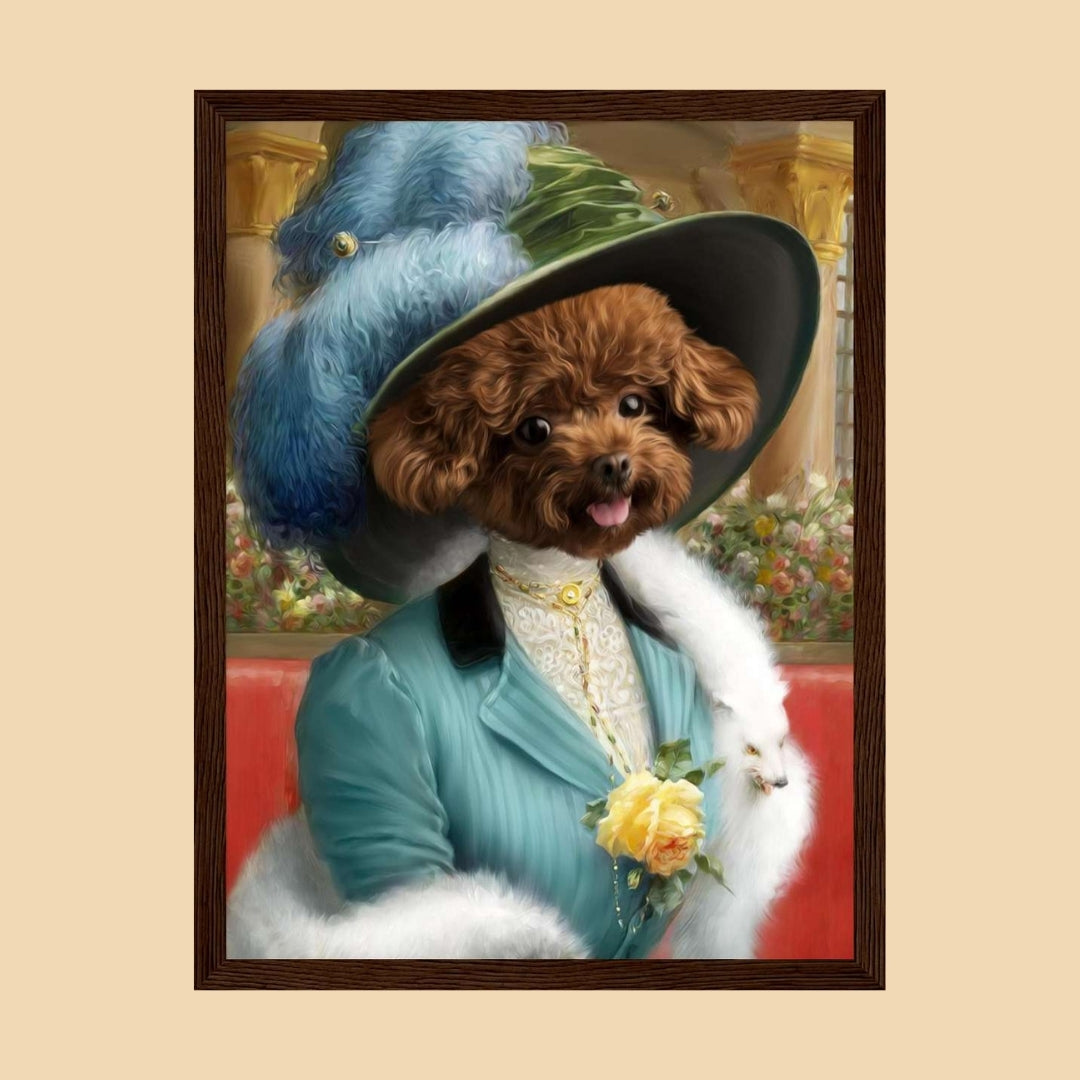
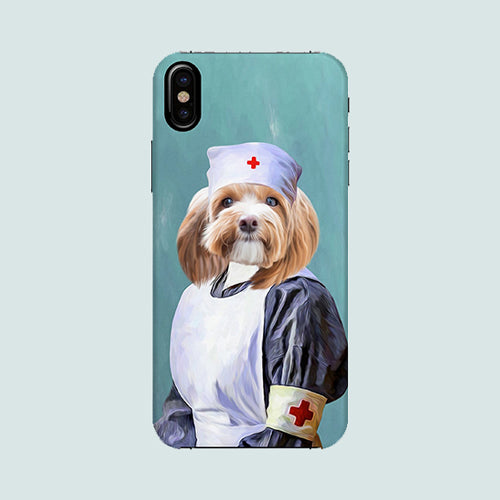
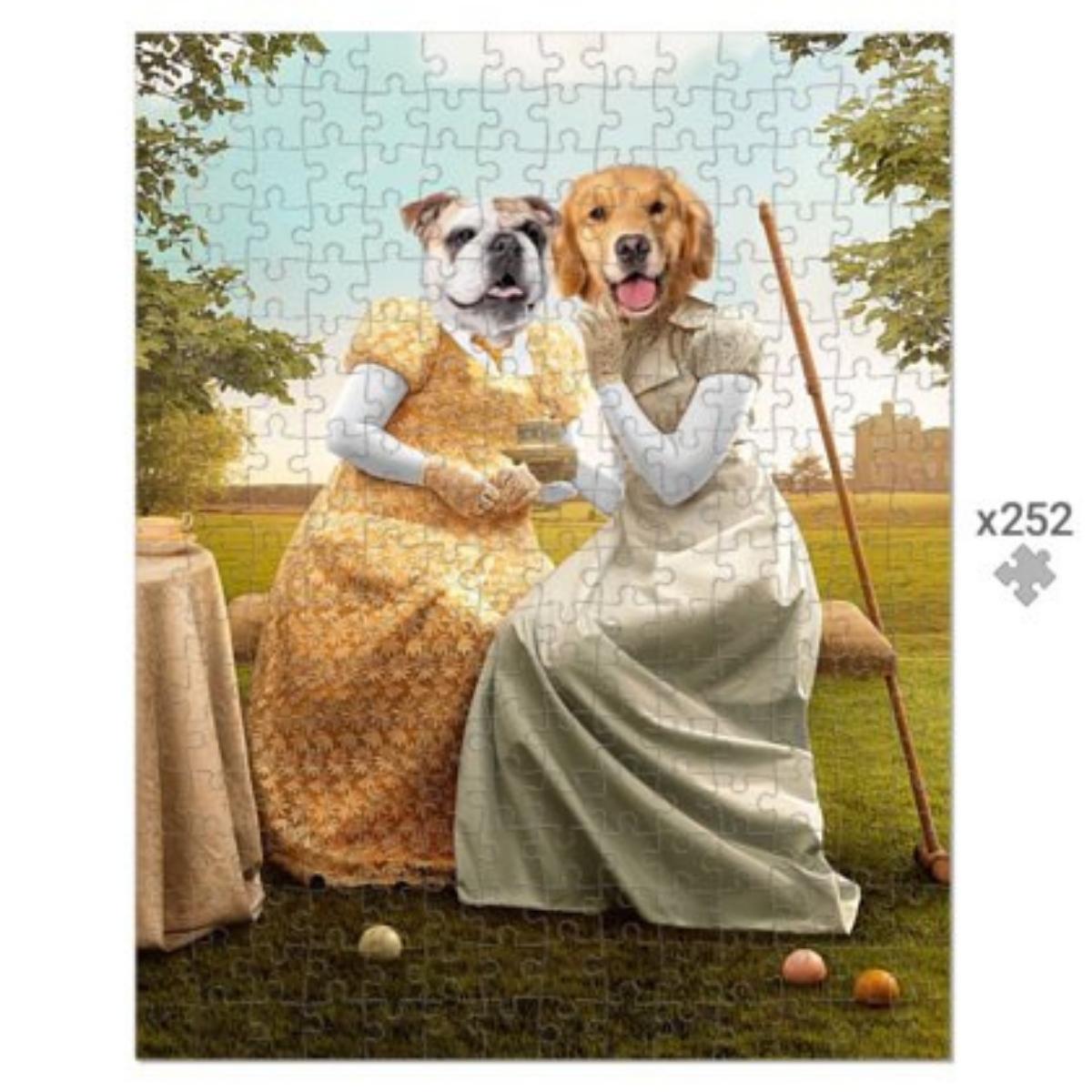
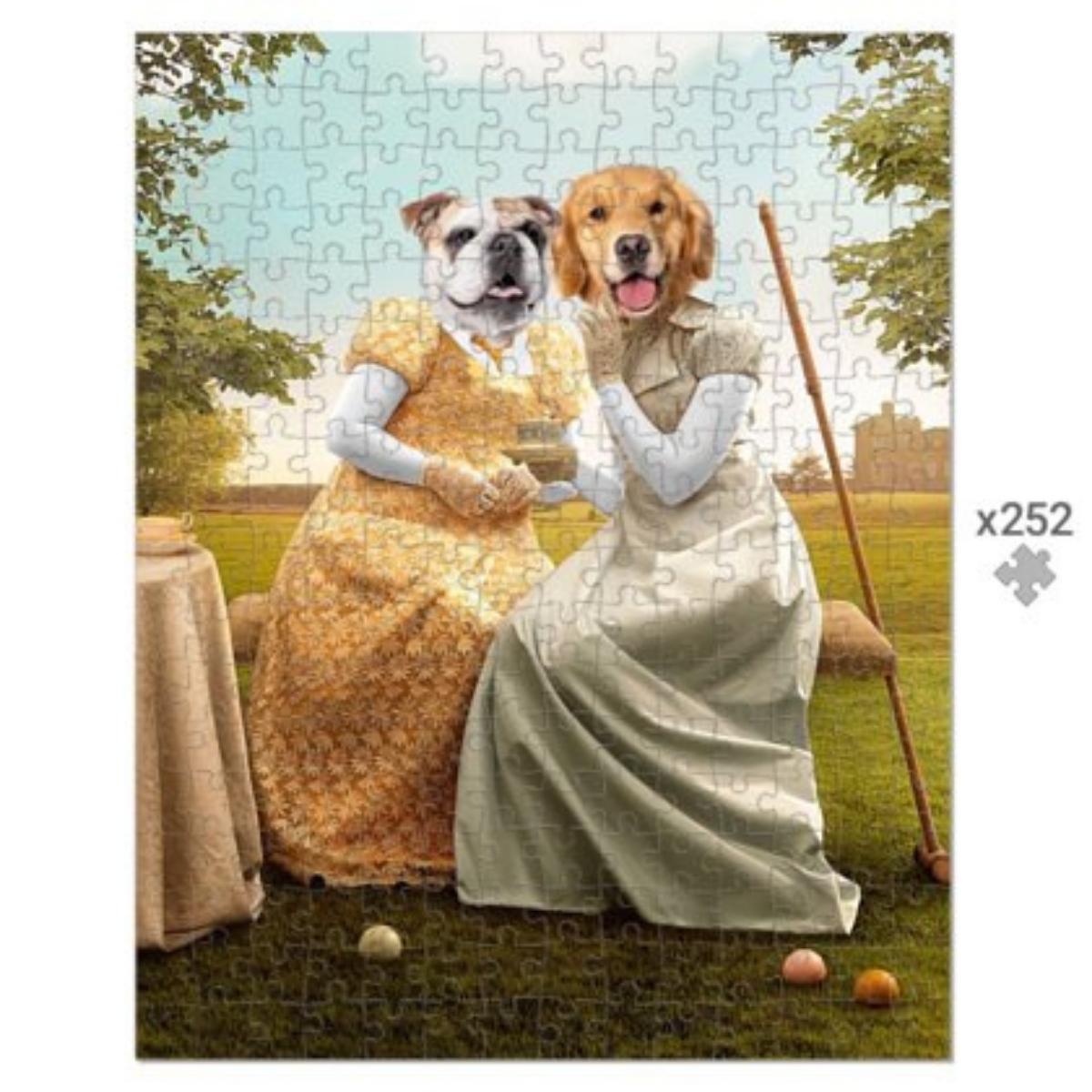
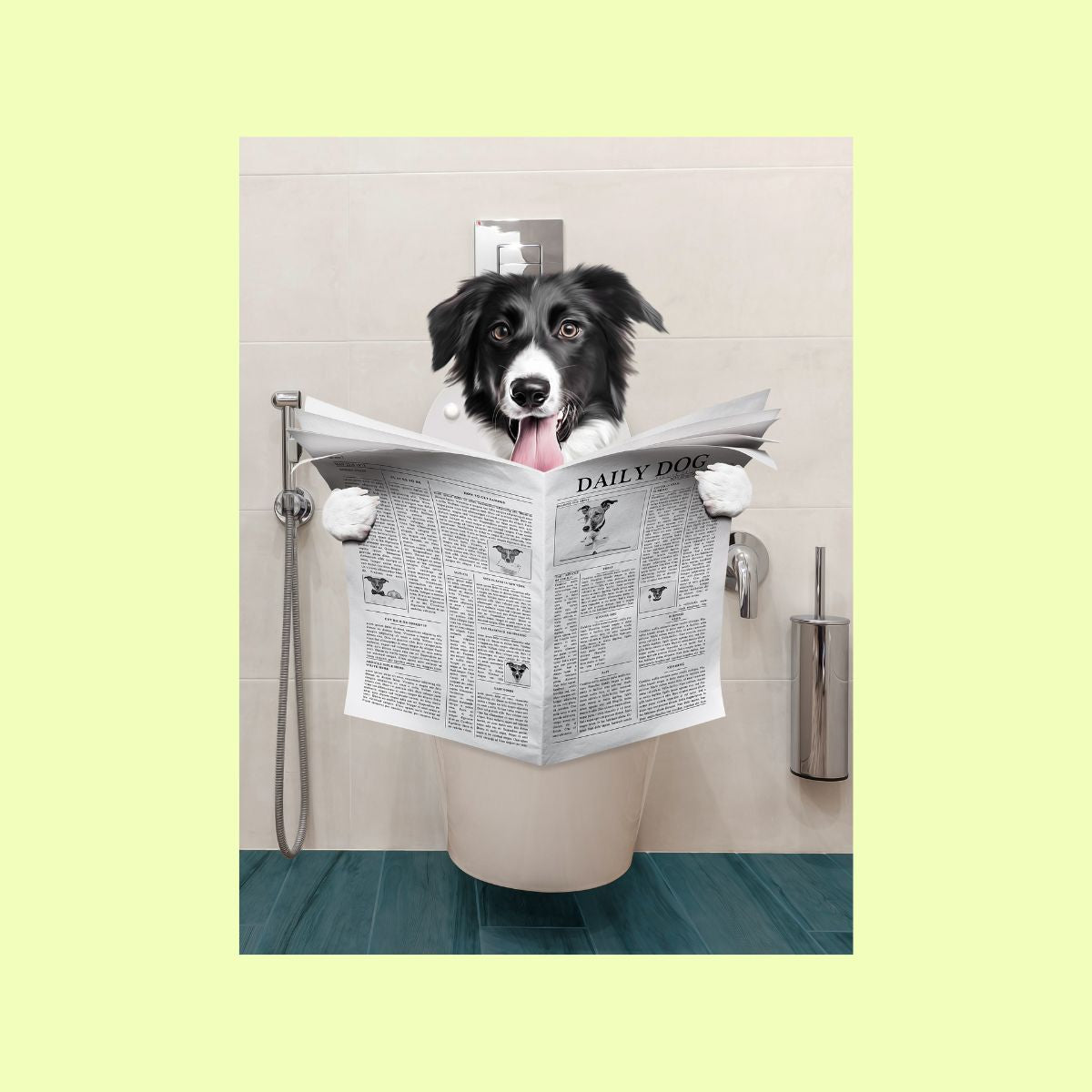
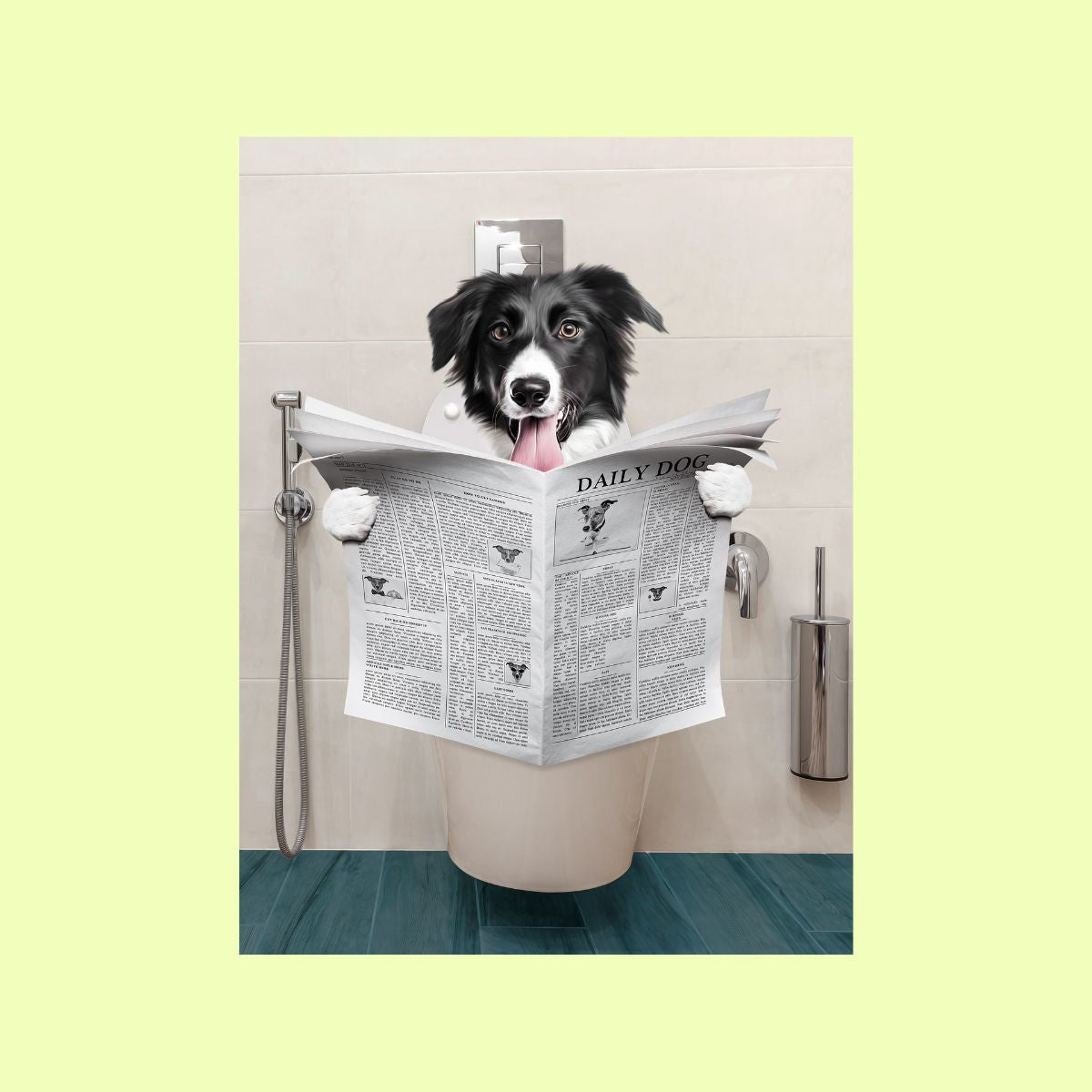
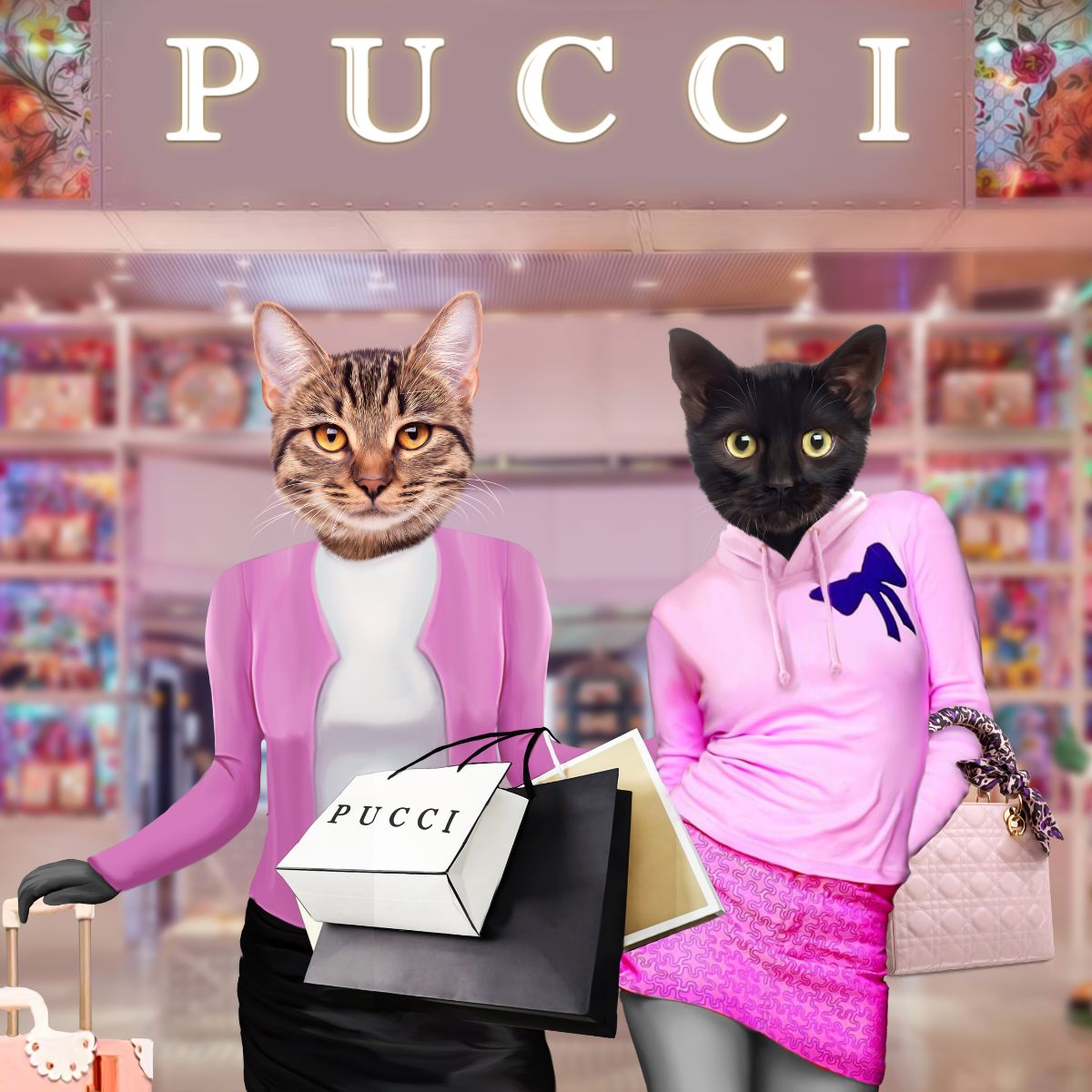
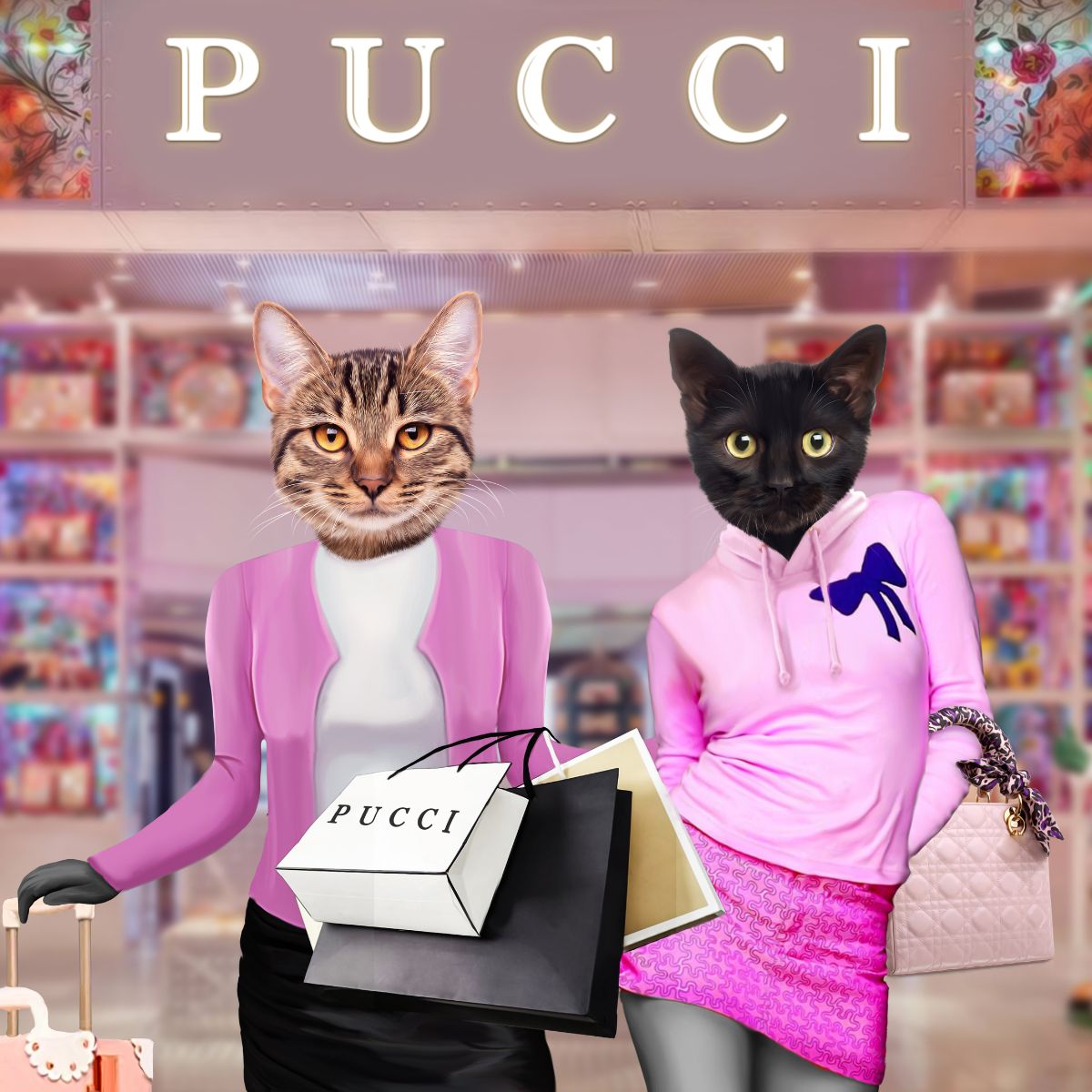
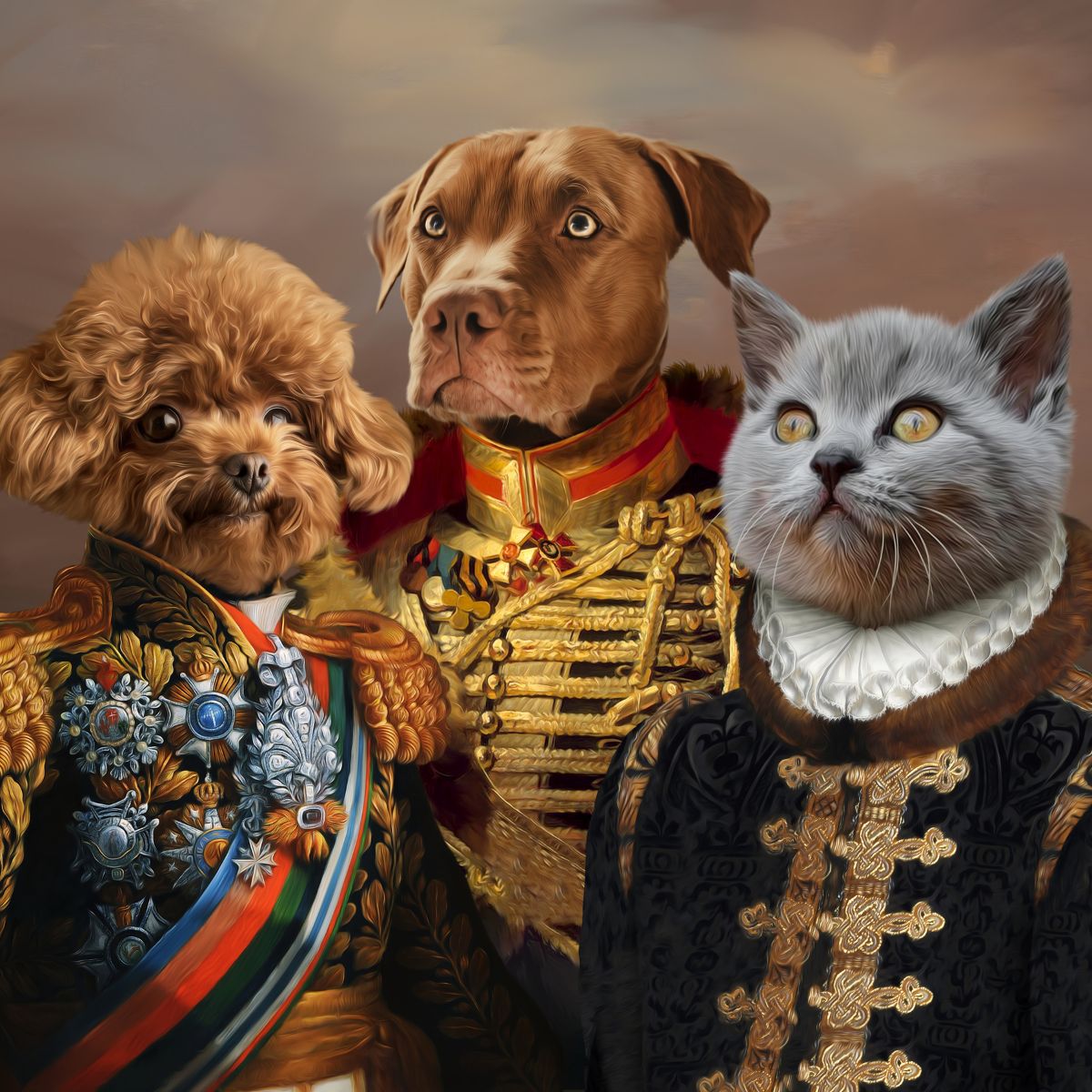
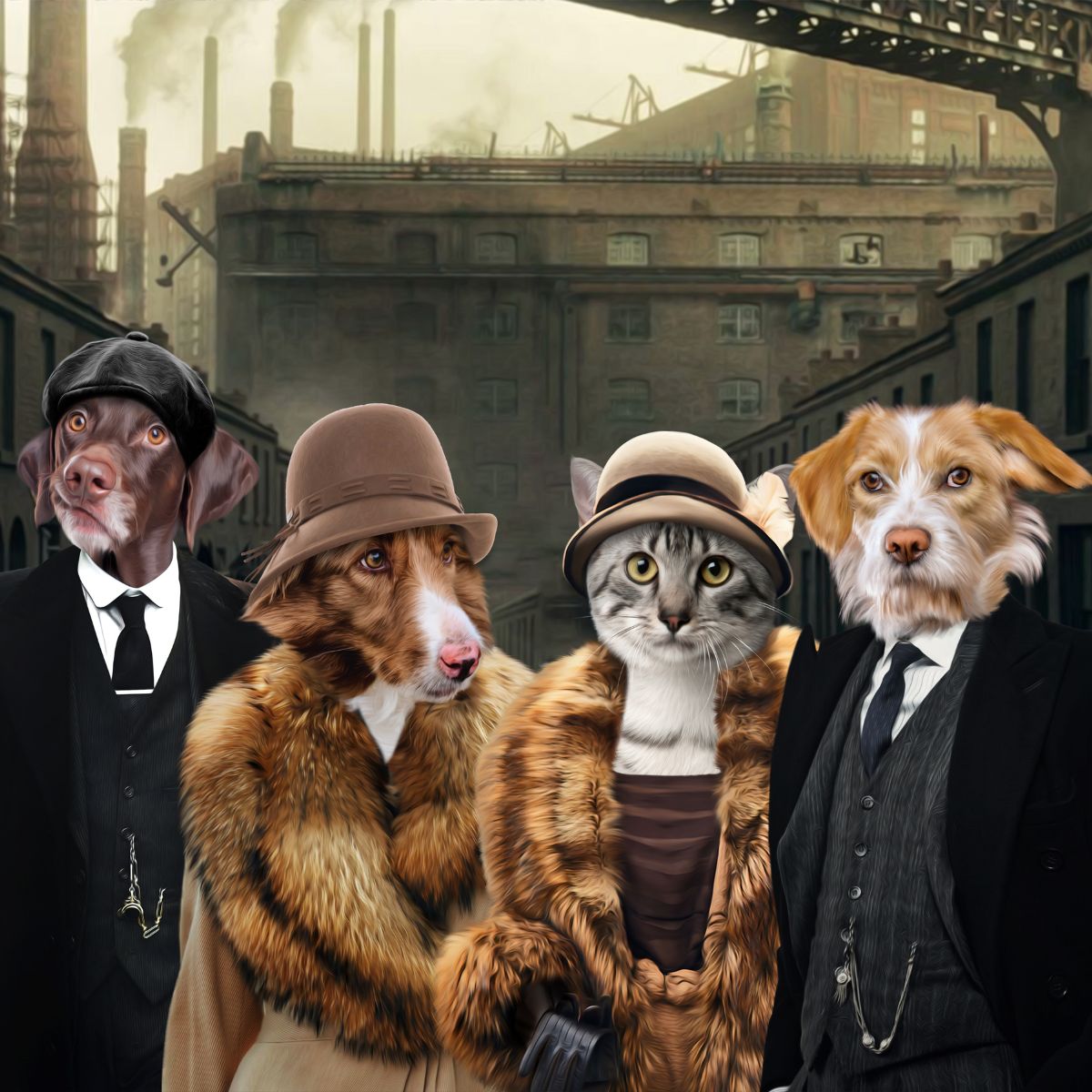
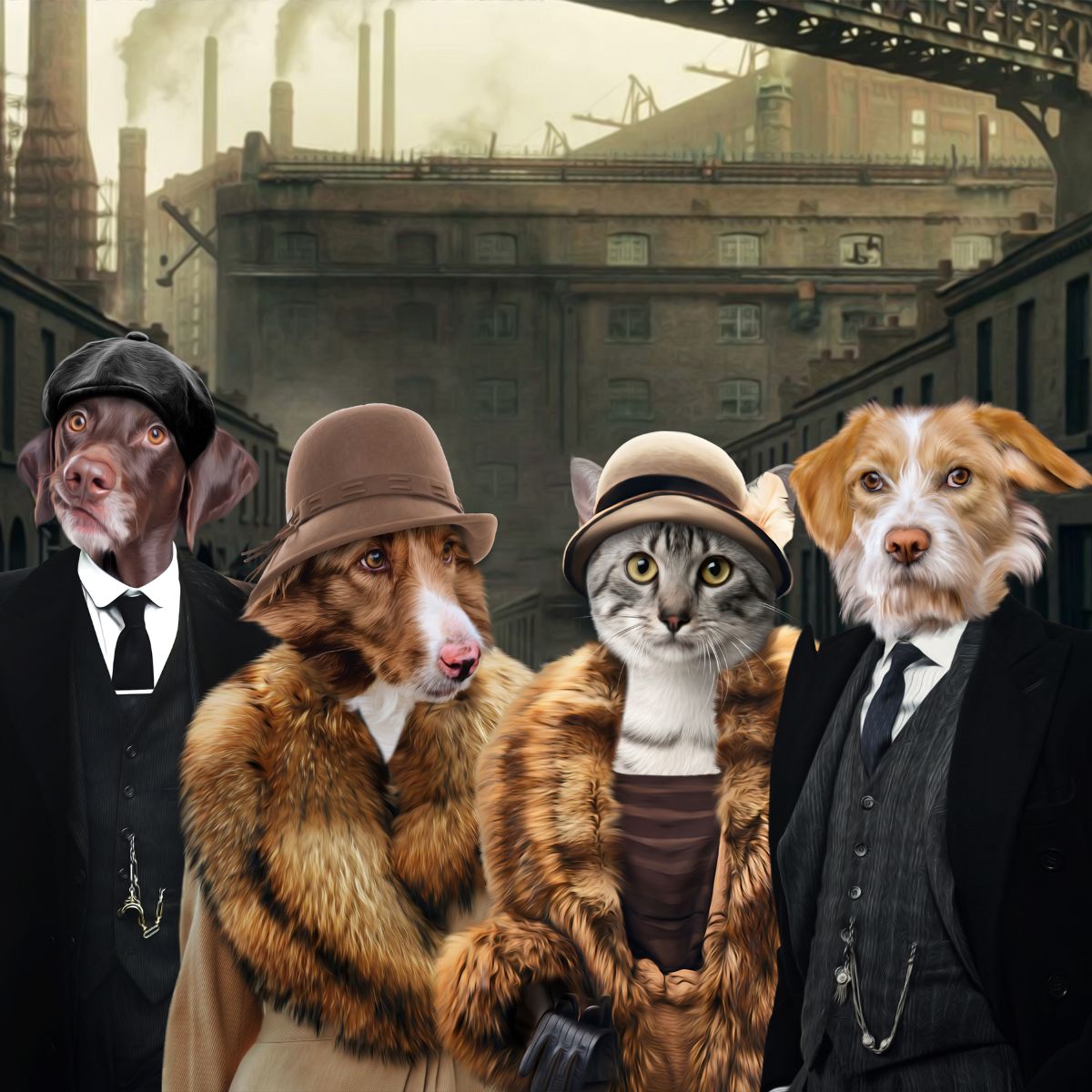
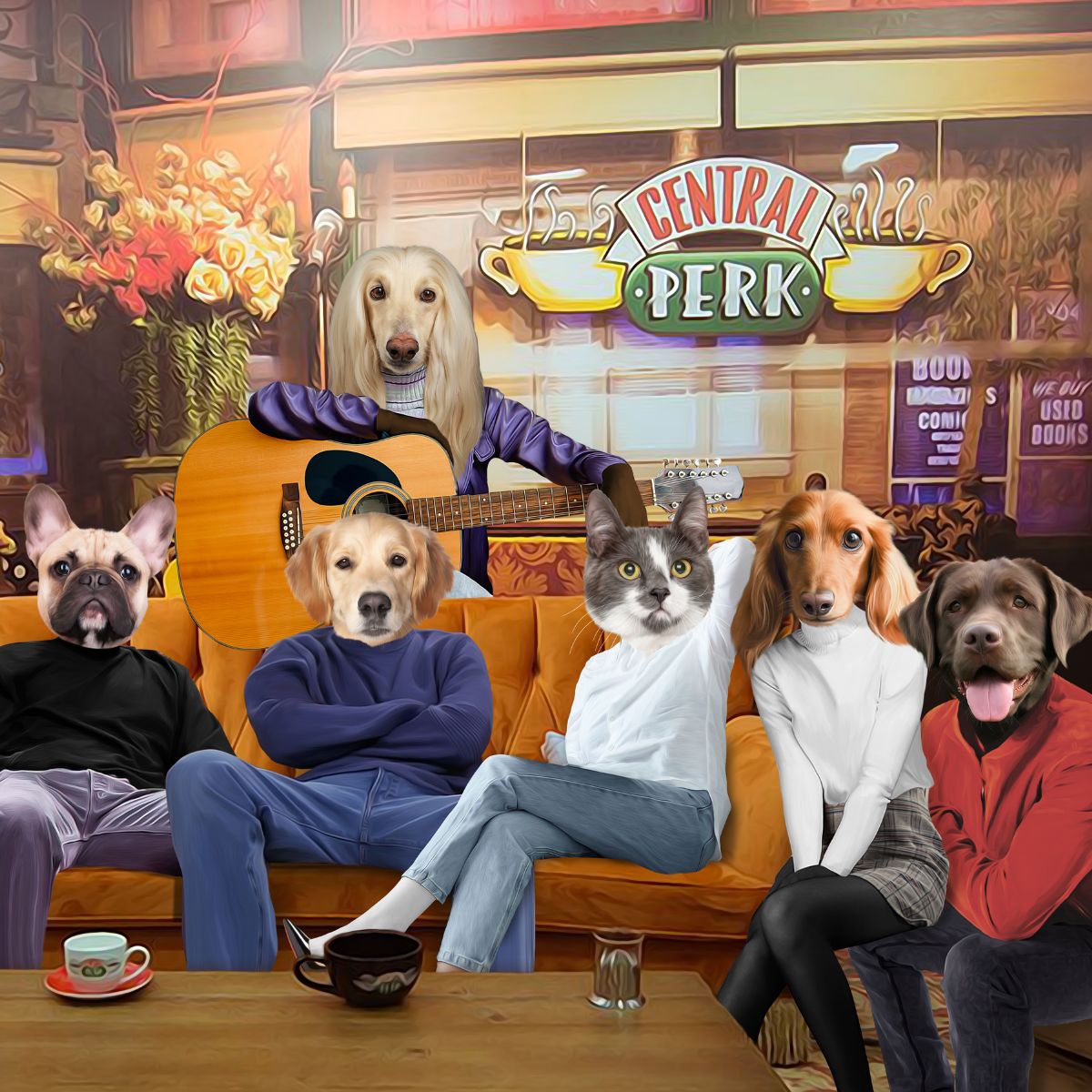
A simple background keeps attention on the face. A home or outdoor setting adds context. A period or themed setting can create a stronger narrative. The more detailed the background becomes, the more carefully it needs to support rather than compete with the pet.
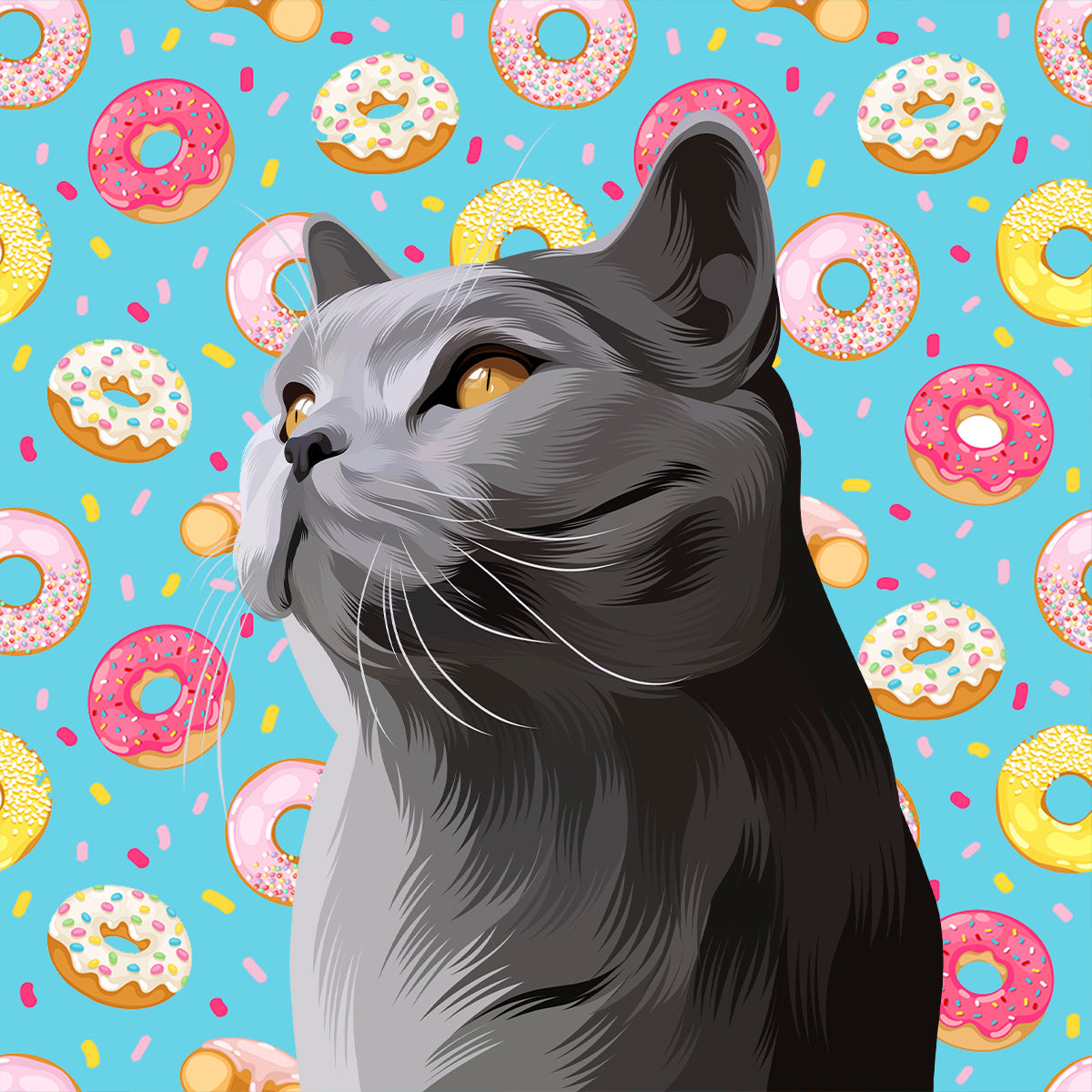
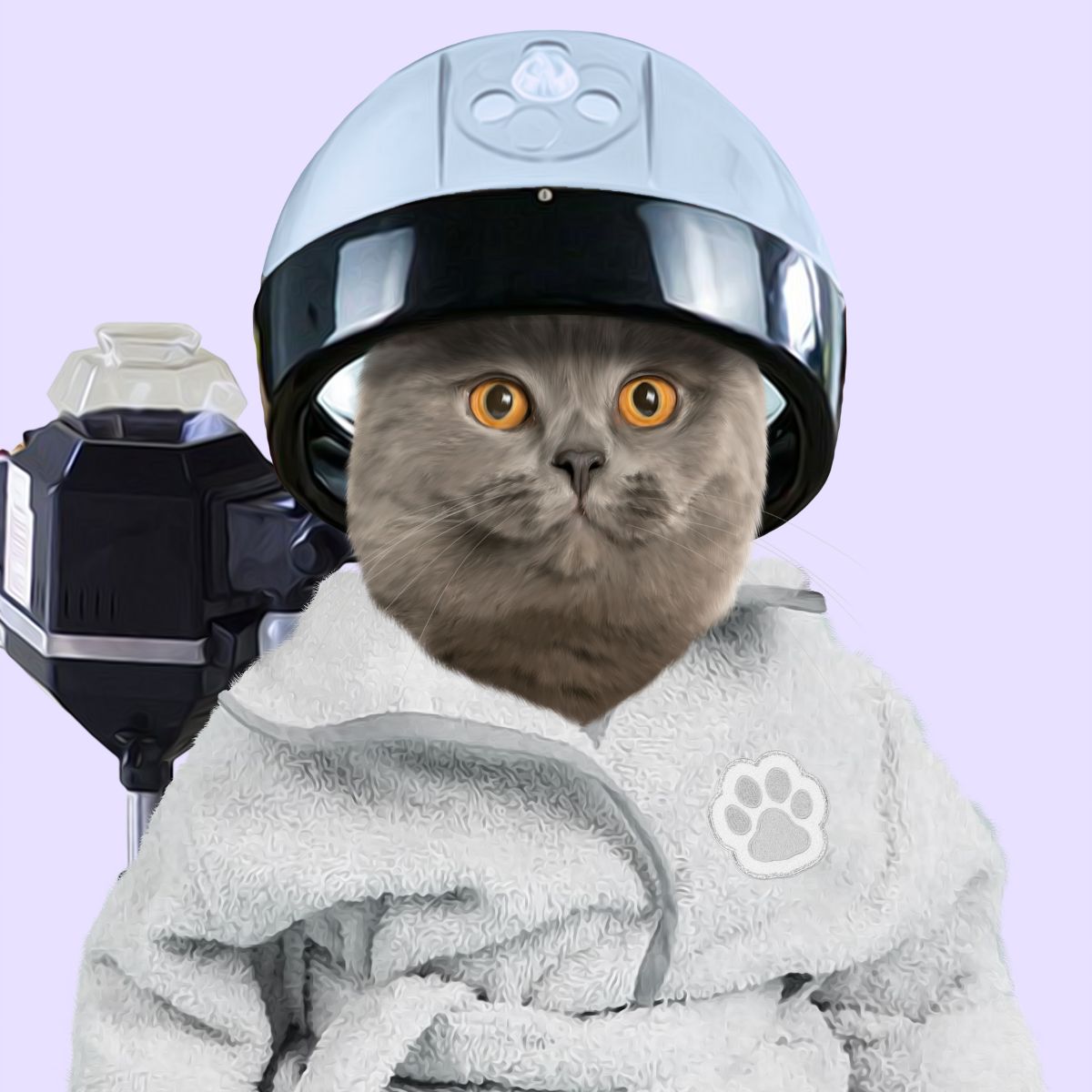
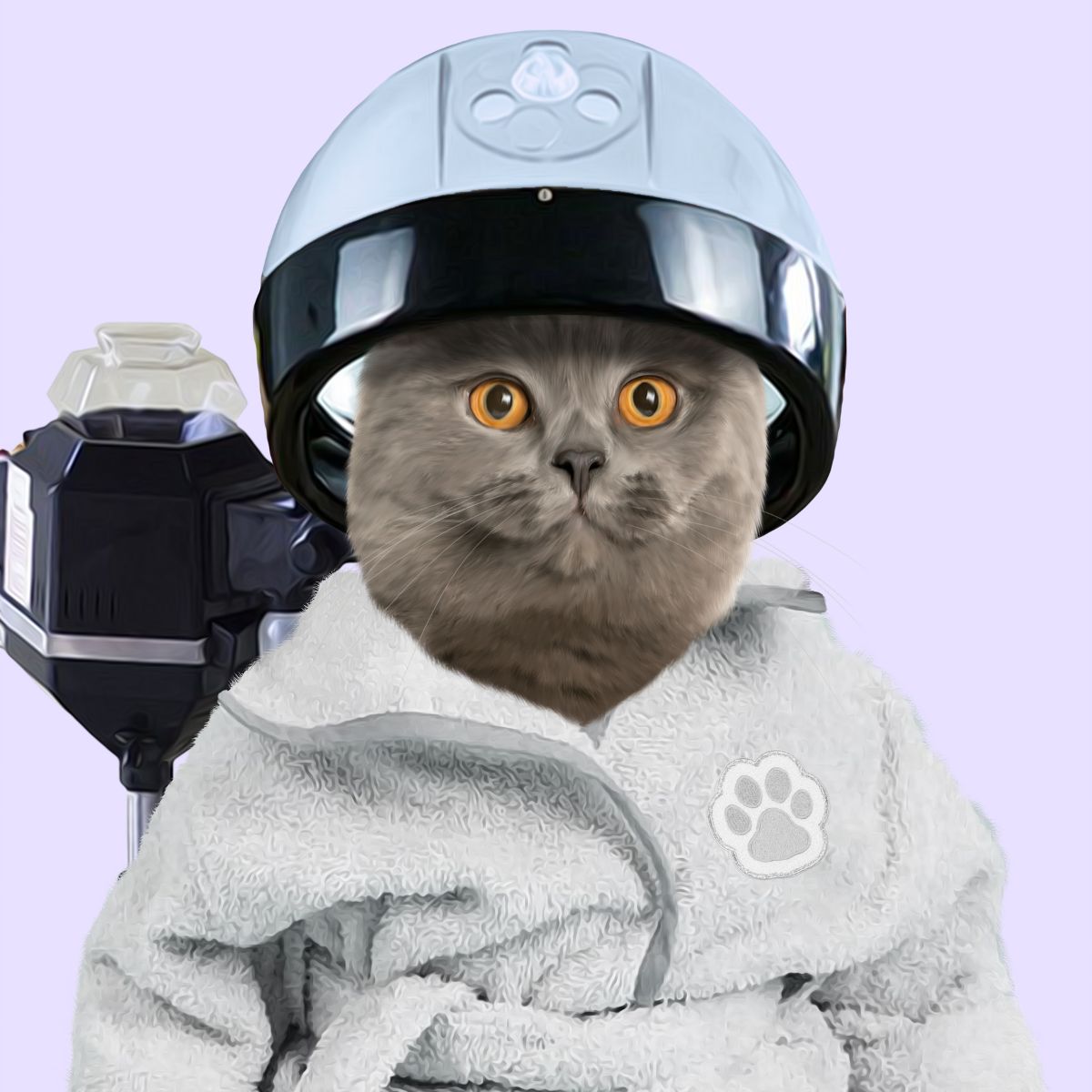
Very dark coats can lose definition against equally dark backgrounds, while pale fur can disappear into very light areas. Enough tonal contrast around the outline usually makes markings easier to read.
For dark-coated source photography, see how to photograph a black dog or cat for a custom portrait.
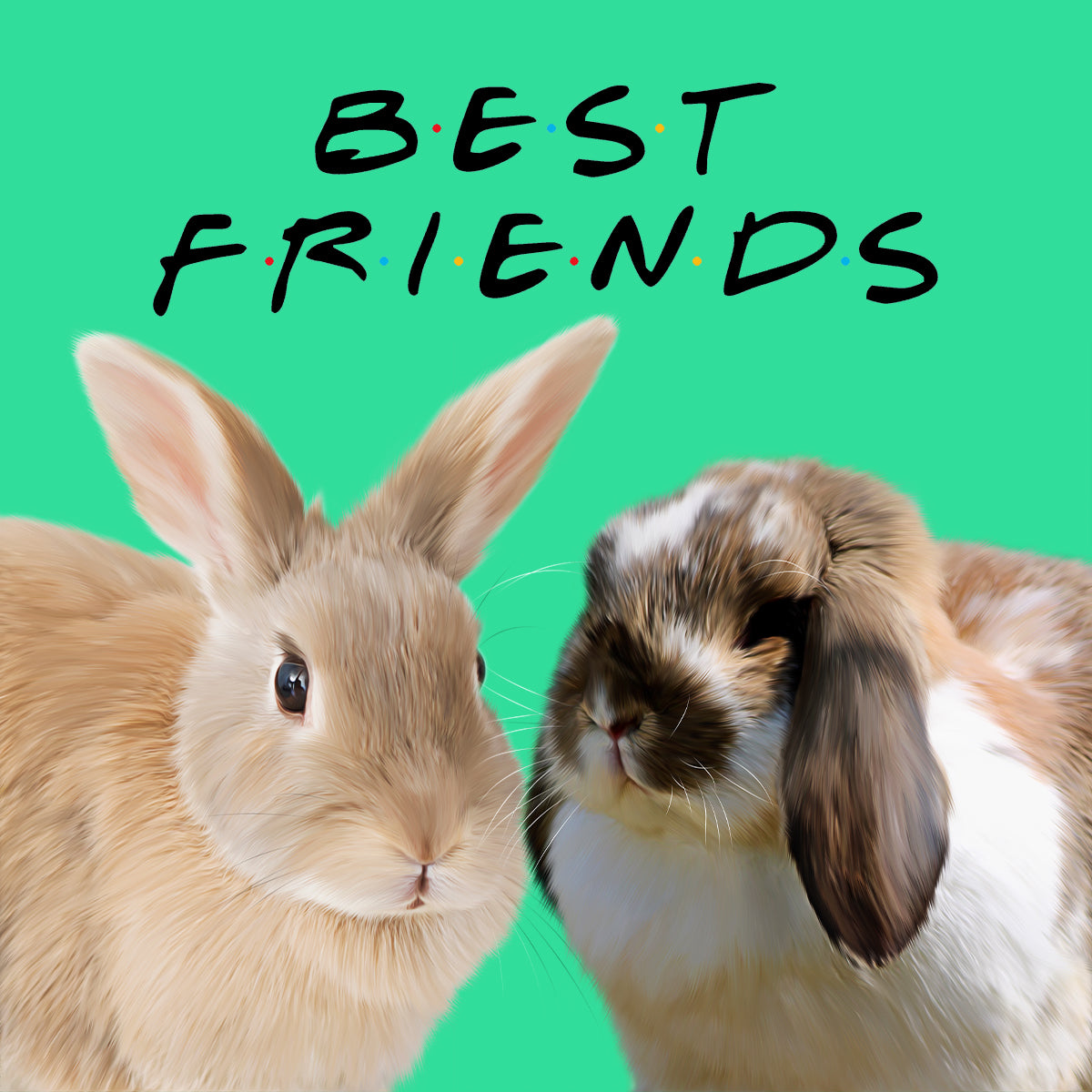
Head-and-shoulders compositions place emphasis on expression and eye contact. They work best when the source photo clearly shows the full ears, face and distinctive markings.
Showing more chest, body or surrounding space can make the portrait feel calmer and gives the background more room to influence the final image. Wider compositions can also work better when the setting itself carries part of the memory.
The portrait does not exist only on a product page. Consider the intended wall, nearby furniture and other artwork. A bold colour can become a focal point; a quieter palette can sit more easily in an existing gallery wall.
A highly detailed background has little room to make sense behind an extremely tight crop. Likewise, a very wide composition with a completely empty backdrop may feel more minimal than intended. Decide whether the piece is about the face alone or the pet within a visual setting.
Background effects, dramatic palettes and unusual crops are useful only if the pet still reads clearly. The face, eyes and recognisable markings should remain central.
Do not crop the original aggressively before uploading simply because you dislike the room behind the pet. Keeping the full file preserves information around the ears, neck and body that may be useful when the artwork is composed.
If unwanted objects are the concern, read whether a person, leash or messy background can be removed.
Keep your source image open while browsing custom pet portraits. Seeing the actual coat colour, head angle and expression makes it easier to judge which background and crop will suit the animal rather than an imaginary version of it.
Good composition is not about adding the maximum number of design decisions. It is about making the background, crop and colour agree on what the viewer is supposed to notice first. Ideally, that remains the pet.
October 18, 2021 2 min read
September 19, 2021 2 min read
WELCOME TO PAW & GLORY
Get 15% off your first order
Join 30,000+ pet owners turning perfectly ordinary photos into gloriously over-the-top works of art.
★★★★★ 2,200+ Five-Star Reviews
Real Artists · Proof Before Print · Unlimited Artwork Revisions