September 09, 2026 5 min read
October is Adopt a Shelter Dog Month, which is a perfectly good excuse to look through the first few weeks of life with a newly adopted dog and realise you have 184 photographs of them asleep and none showing what their ears actually look like.
That is not necessarily a problem. The first month after adoption is about helping a dog settle, not running a private photography studio in the hallway. But if your new dog is comfortable, a handful of simple, low-pressure photos can become a lovely record of how quickly a strange house became home.
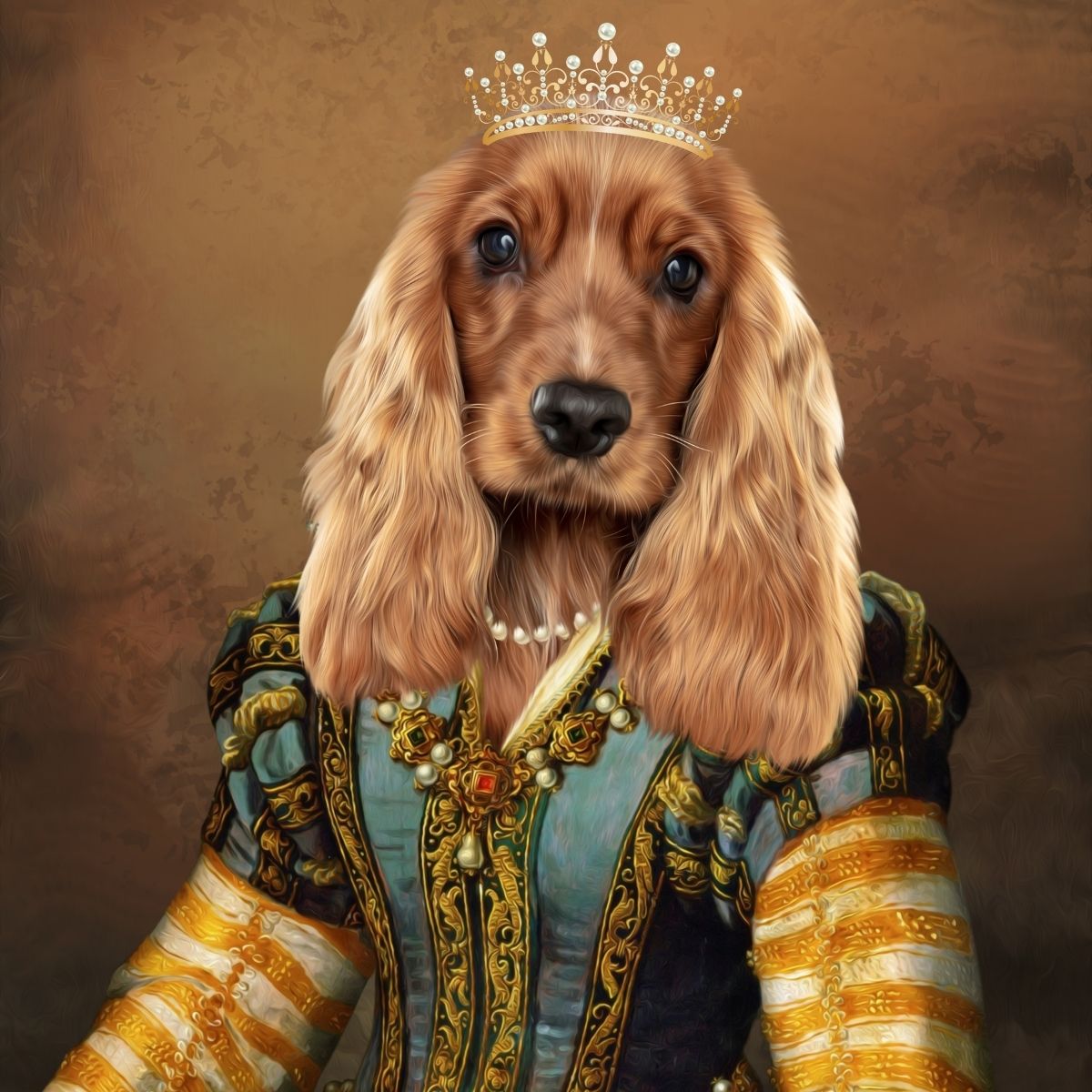
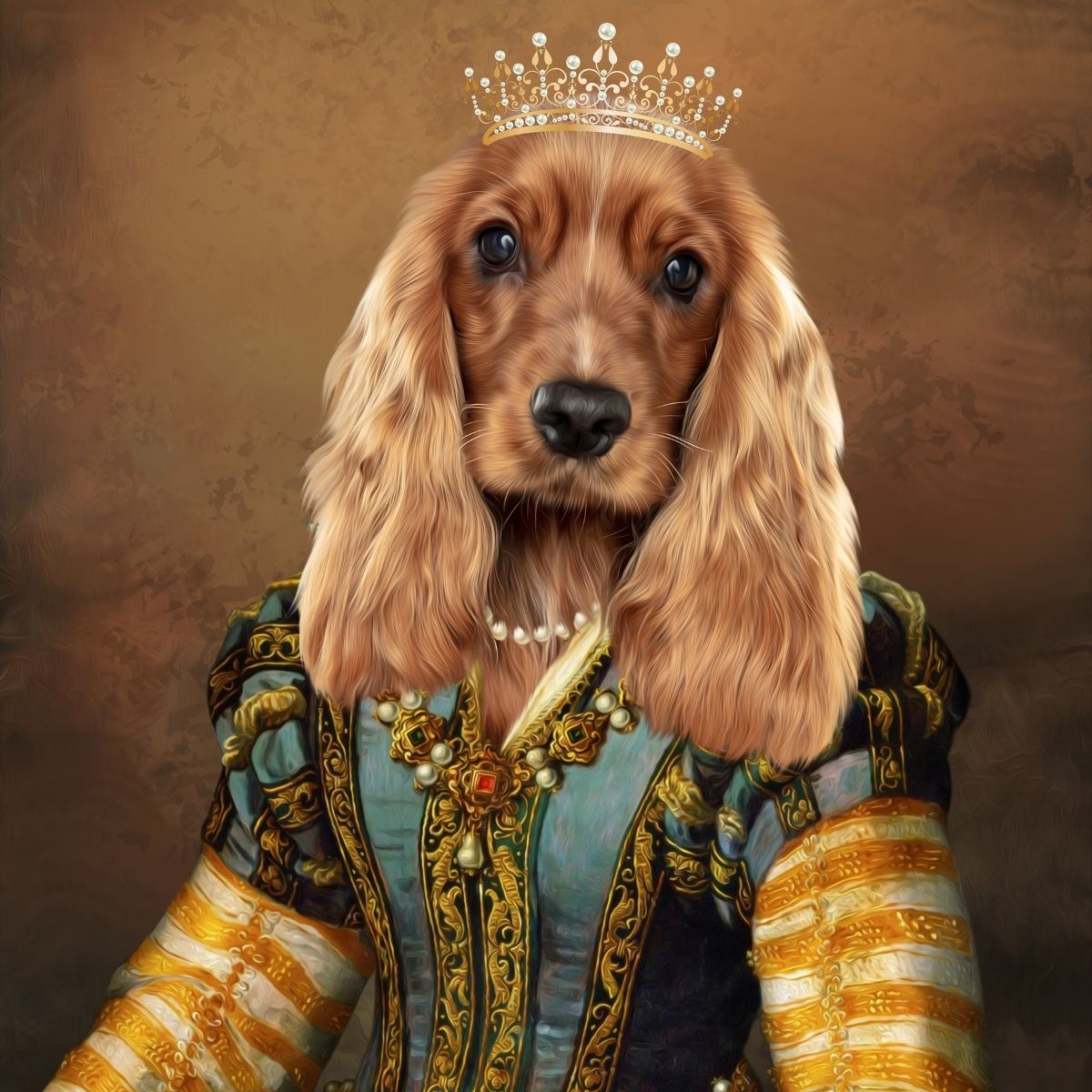
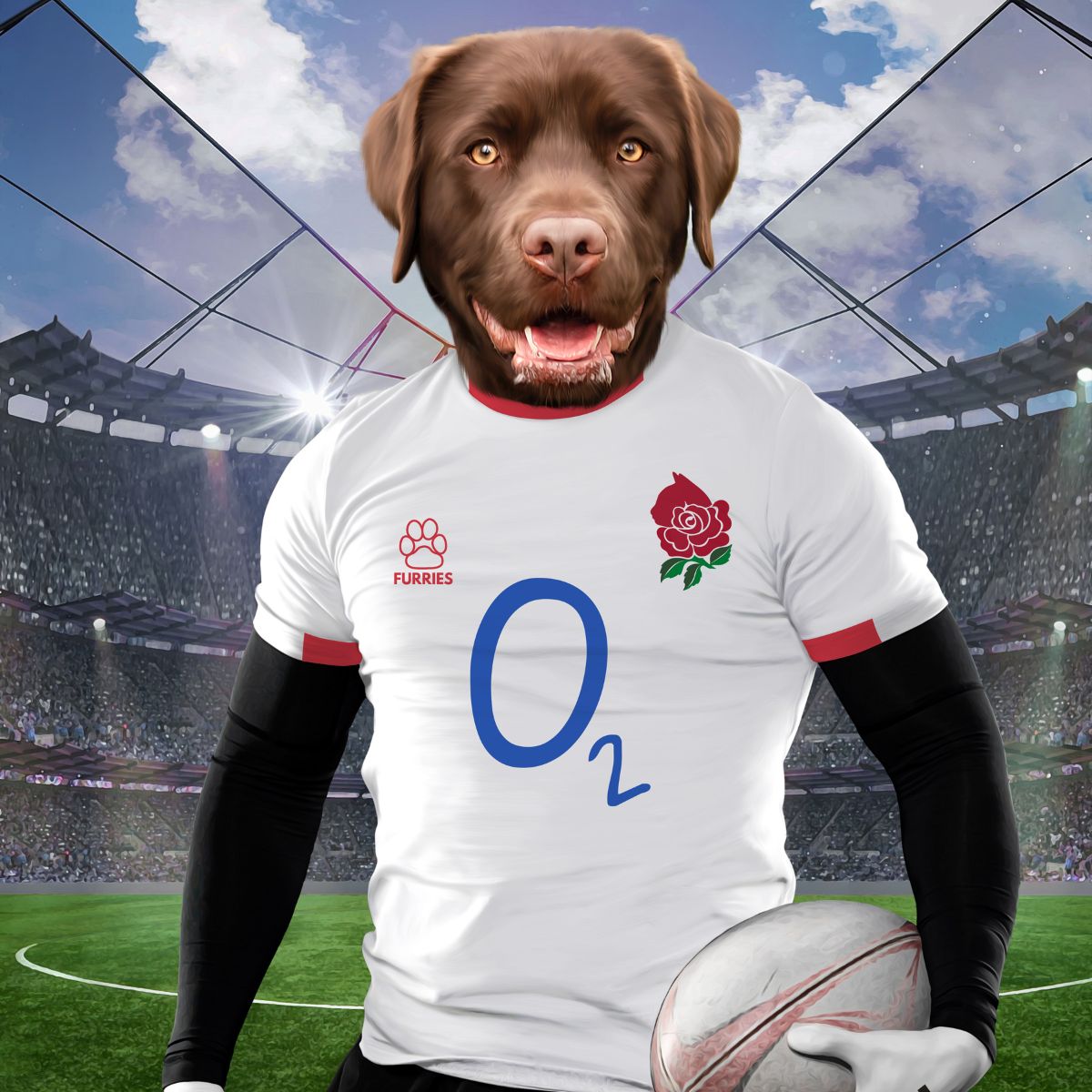
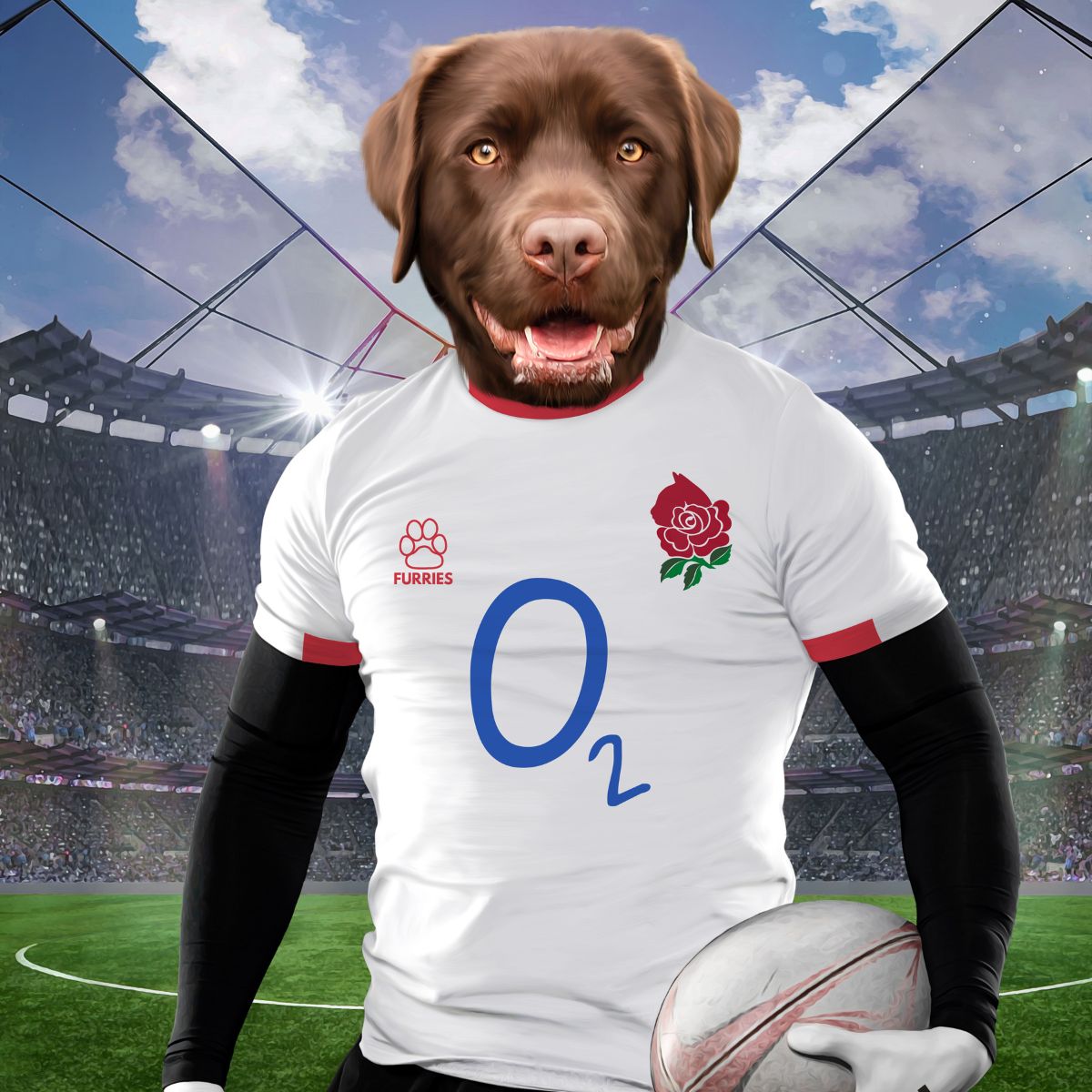
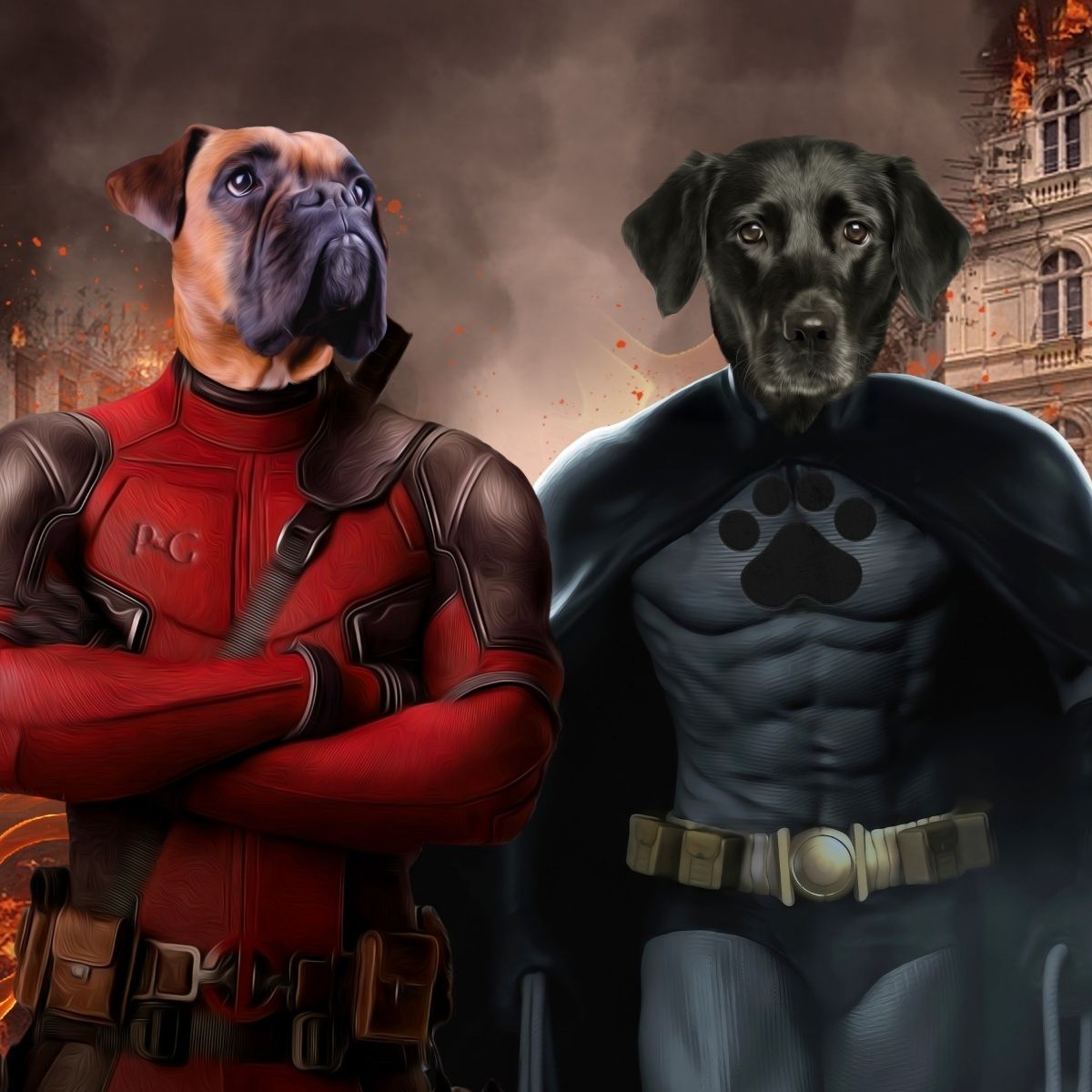
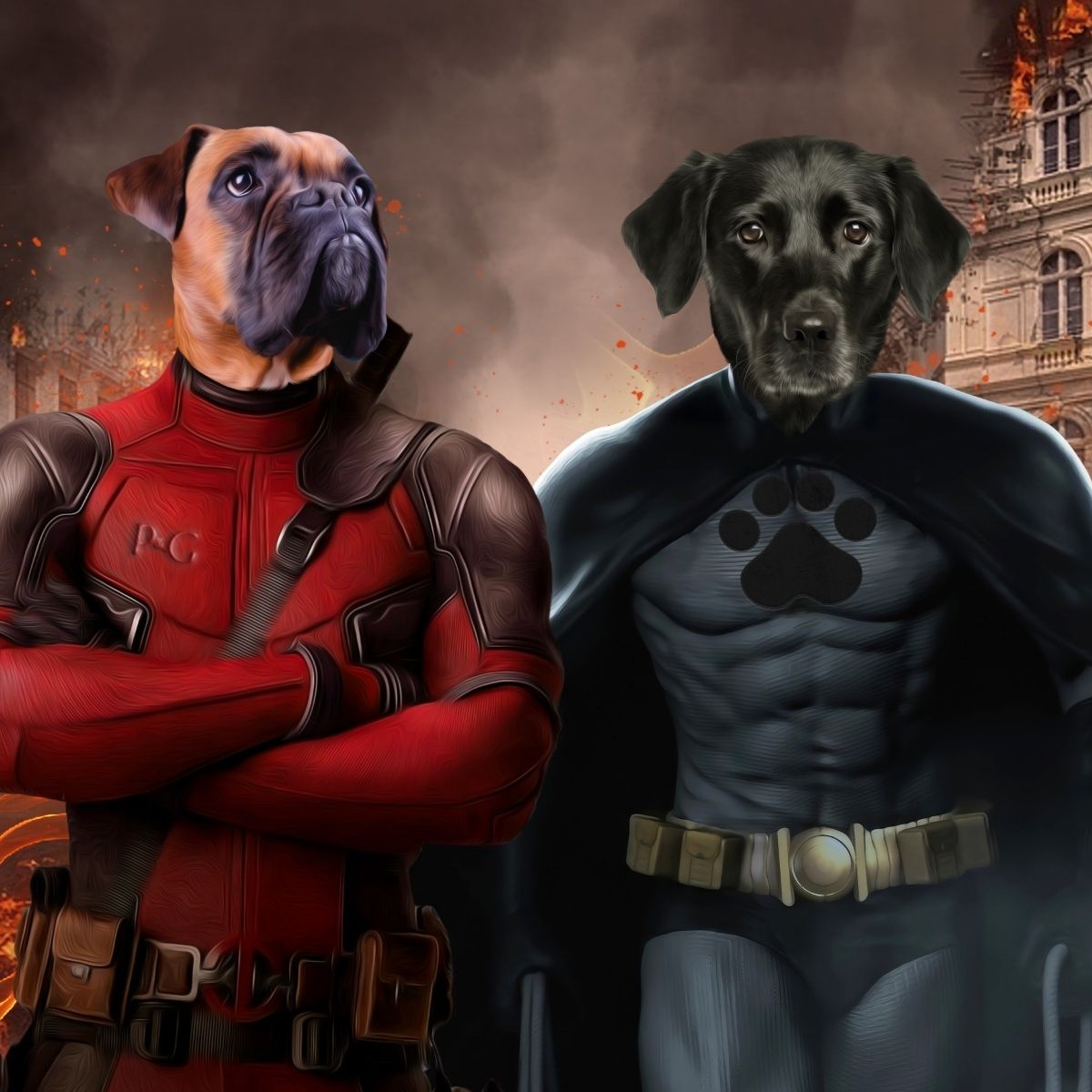
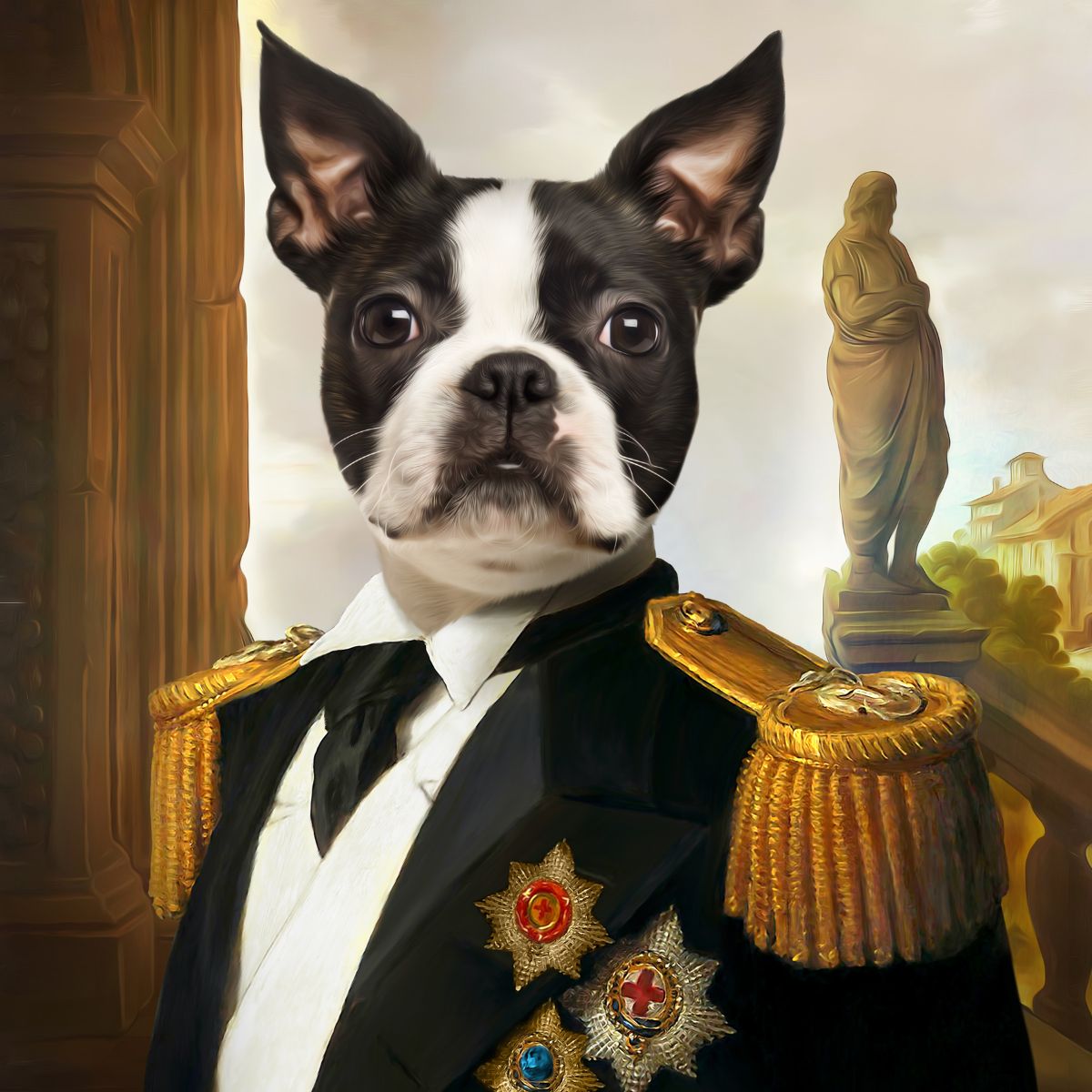
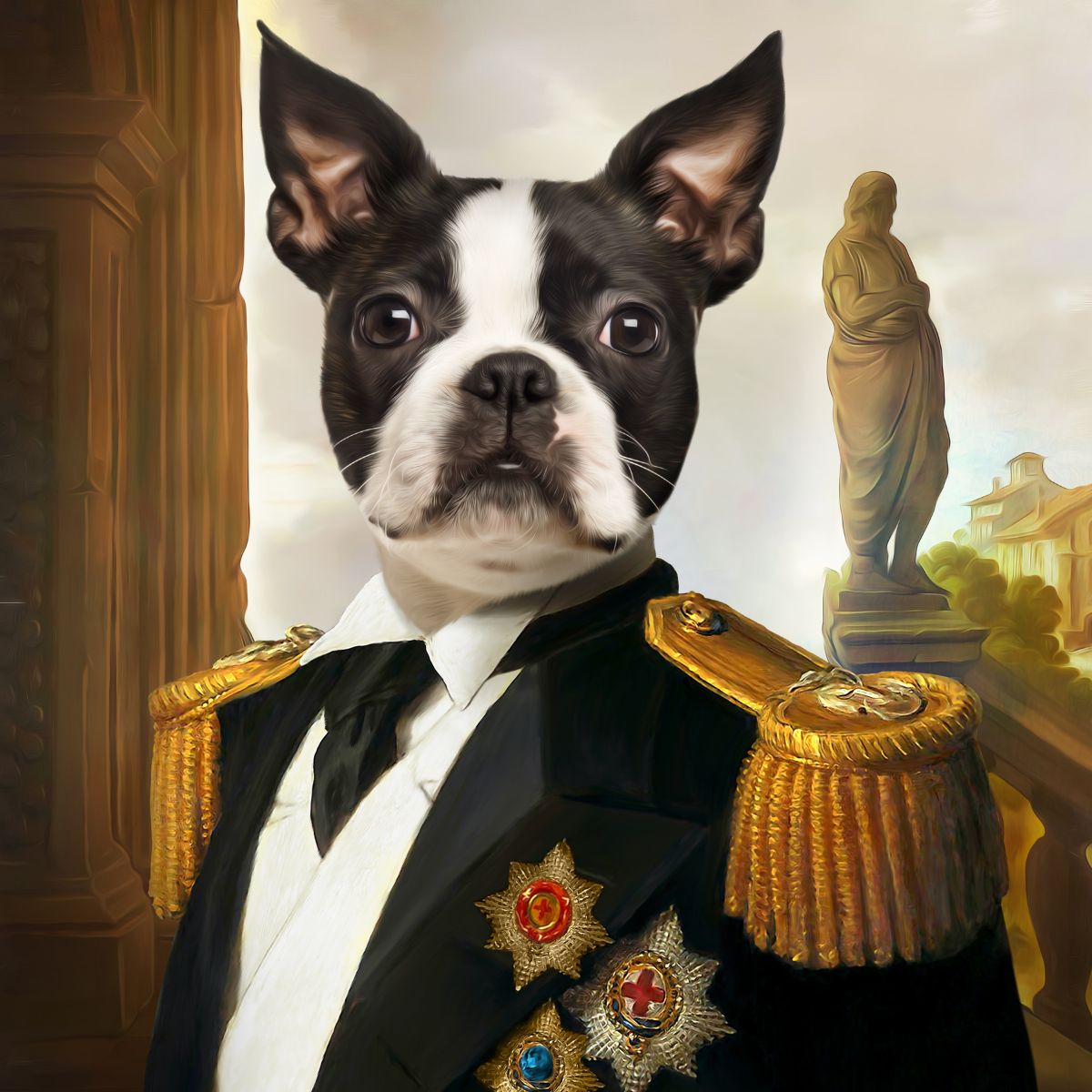
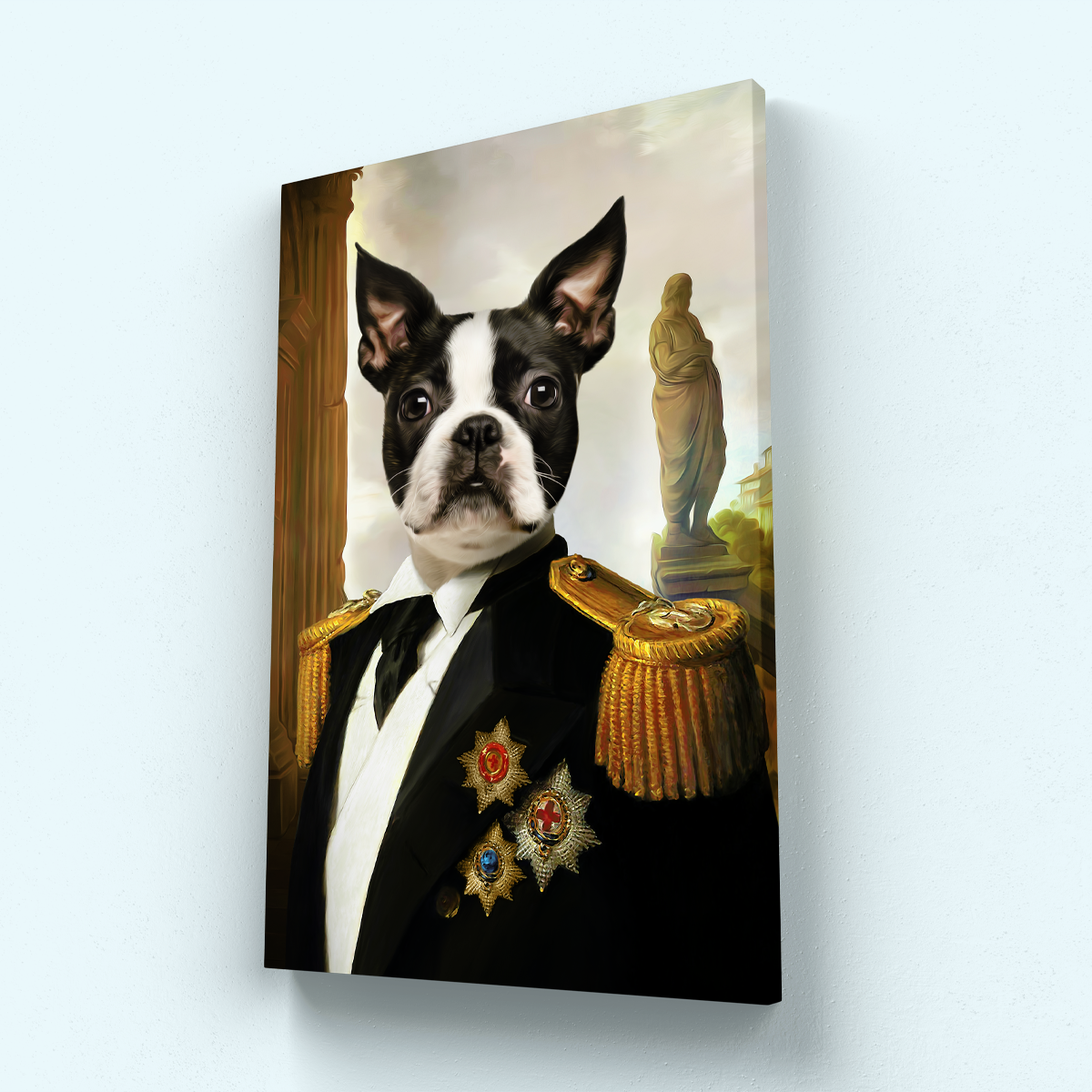
They can also be useful later if you decide to turn a favourite image into a custom dog portrait. The useful photographs are often not the most polished ones. They are the ones that show the dog clearly and feel unmistakably like them.
A newly adopted shelter dog may be excited, cautious, tired, overwhelmed or some impressive combination of all four. Do not force eye contact, costumes, props, cuddles or poses for the sake of a photograph.
If the dog chooses to rest under a table for three days, the table has temporarily won. Let it.
Use your phone quietly when the dog is already relaxed and comfortable. If taking photos seems to make them uneasy, stop. There will be more days and, with luck, considerably more trust.
Take one simple picture on the day your dog arrives, even if it is not technically brilliant. It might show them investigating the kitchen, sitting beside the front door or falling asleep after a very large day.
This is a memory photo, not a portrait reference. Years later, its value is that it marks the beginning.
One of the nicest milestones with a rescue dog is the moment they stop merely resting and begin sleeping as if they personally pay the mortgage.
Photograph that first deep, comfortable sleep without disturbing them. It captures something a formal portrait cannot: the point at which the new environment starts to feel safe enough to switch off.
When your dog is settled and naturally looking towards you, take a clear front-facing photo in soft daylight. Try to keep both eyes visible, the ears inside the frame and the face large enough to see properly.
This is one of the most useful images for a future dog portrait from photo. It records eye shape, muzzle, ear position, blaze markings and facial proportions without asking the dog to do anything theatrical.
If you want a more detailed checklist, our dog portrait photo guide covers common problems such as blur, backlighting and over-cropping.
Take another photo with the dog looking slightly to one side. A three-quarter angle can show the shape of the muzzle and face more naturally than a straight-on image while still keeping both eyes visible.
It is also a useful supporting photo if your favourite image later turns out to hide part of an ear or marking. Dogs are remarkably committed to obscuring one important anatomical detail at the exact moment the camera appears.
A calm profile photo is useful for recording nose length, forehead shape, ear position and neck markings.
Do not manufacture the pose. Photograph it when your dog is naturally watching something through a window or looking across the yard. The point is documentation, not obedience theatre.
If your dog has a white chest patch, one dark ear, speckled legs, a brindle pattern or any other detail that makes them recognisable, take a clear photo of it.
These details matter if you later commission a personalized pet portrait, particularly when the main reference image does not show the whole coat.
For brindle, merle and spotted dogs, see our guide to photographing complex coat patterns.
Within a few weeks, most dogs begin appointing parts of the house to senior management positions. A particular rug, corner of the couch, patch of sun or section of hallway suddenly becomes theirs.
Take a photograph there. The location itself may not matter for portrait artwork, but it becomes part of the story of their first month with you.
The strongest pet photos are often the ones where the expression feels familiar: the slight head tilt before a walk, the serious stare at dinner preparation, the relaxed half-smile after exercise.
Take several frames when you see that expression rather than trying to recreate it later. Familiar character usually matters more than a perfect background.
Once your dog is comfortable moving around the home or yard, take one clear full-body image from a sensible distance.
This helps record overall proportions, leg markings, tail shape and body colouring. It can be useful supporting reference material even if you eventually choose a closer head-and-shoulders image for a custom pet portrait.
Around day 30, take another simple photograph in roughly the same place as an early one.
You may notice a looser posture, brighter expression, different sleeping position or a dog who has discovered that the sofa was apparently included in the adoption paperwork.
The comparison is the point. It turns a camera roll into a small record of adjustment and trust.
If you later want to turn one of these images into artwork, start with the photo that combines clarity with character.
A messy room or ordinary background is rarely the main problem. The dog is the useful information. A technically clean photograph of a dog looking unlike themselves can be less helpful than a slightly imperfect picture full of character.
Keep them anyway. Early rescue photos can have emotional value even when they are not ideal portrait references.
If a favourite image is blurry, dark or low resolution, look for clearer supporting photographs showing the dog's eyes, ears, coat colour and markings. Our guide to choosing the best existing pet photo explains how several images can help you judge what is usable.
Adopt a Shelter Dog Month is observed in October in the United States and is promoted by animal welfare organisations including the ASPCA.
You can take quiet candid photos if your dog is comfortable, but settling in should come first. Avoid forcing poses, handling or eye contact for a picture.
Yes. A clear photo showing the dog's face, expression and markings can be a strong reference. Additional photos can help when the main image hides part of the coat or body.
No. A modern phone in good natural light is usually enough to create a useful reference image. Keep the lens clean, avoid heavy digital zoom and save the original file.
The first 30 days with an adopted dog are rarely tidy, coordinated or particularly photogenic on demand. That is rather the point. Photograph the small changes, leave the dog some dignity, and keep the pictures that make you remember how the relationship began.
Comments will be approved before showing up.
September 09, 2026 5 min read
WELCOME TO PAW & GLORY
Get up to 30% off
Join 30,000+ pet owners turning perfectly ordinary photos into gloriously over-the-top works of art.
★★★★★ 2,200+ Five-Star Reviews
Real Artists · Proof Before Print · Unlimited Artwork Revisions