September 09, 2026 5 min read
National Walk Your Dog Week arrives in October, when much of the United States is entering that useful stretch of weather in which a dog walk can involve crisp leaves, decent light and only moderate negotiations about whether every squirrel requires a formal investigation.
If you already walk your dog every day, the week does not require a dramatic lifestyle overhaul. Instead, use one ordinary walk to capture a small set of photographs that actually show how your dog looks and behaves out in the world.
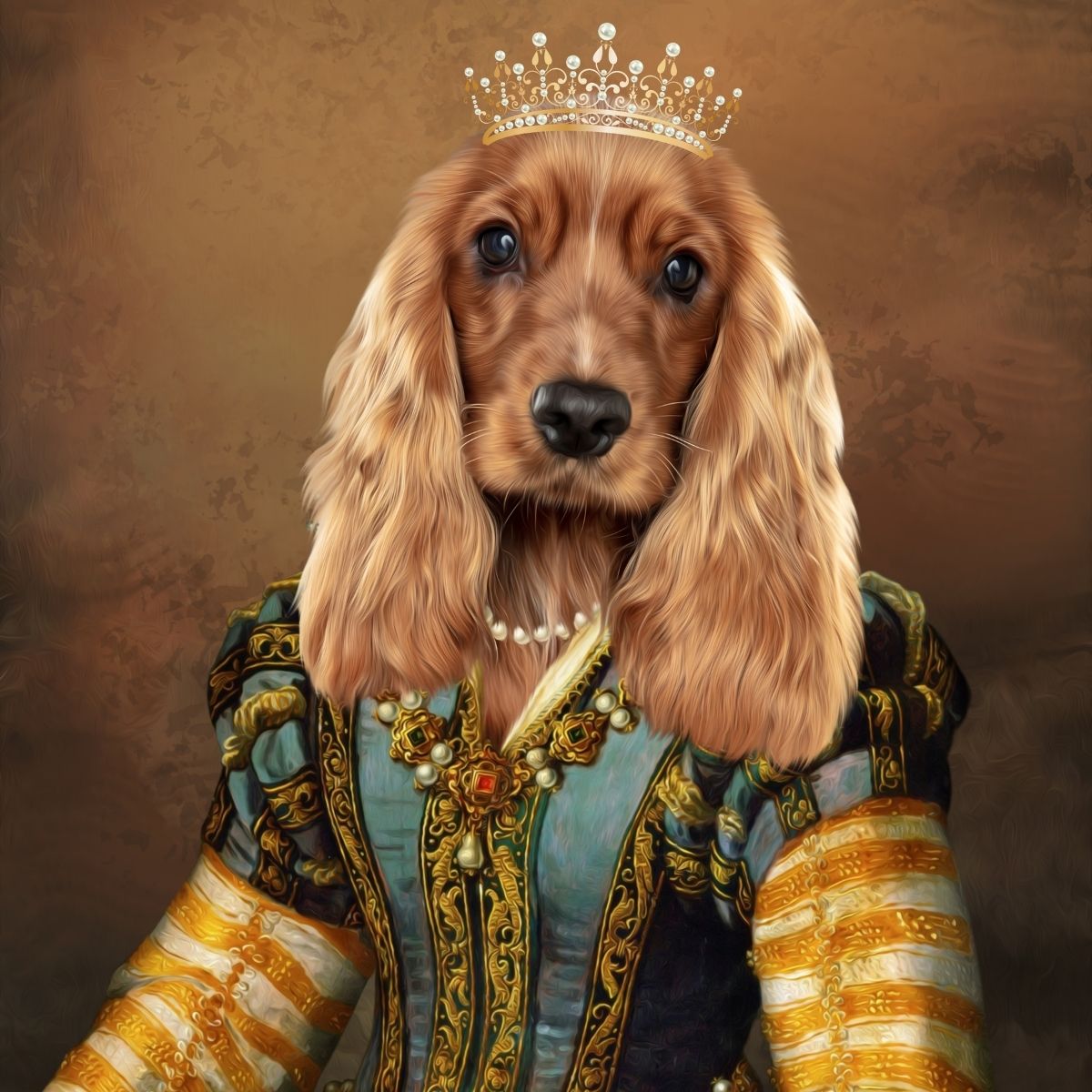
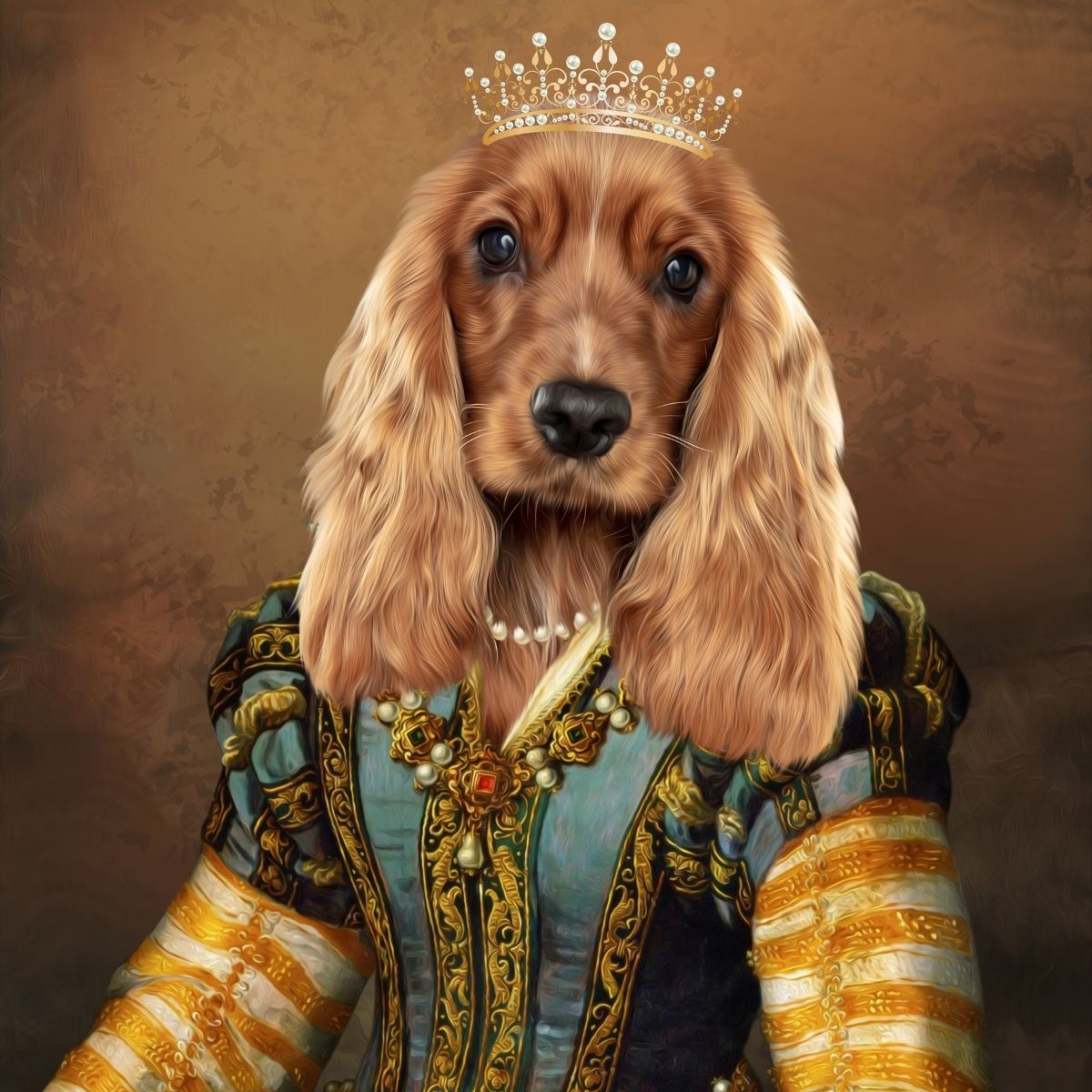
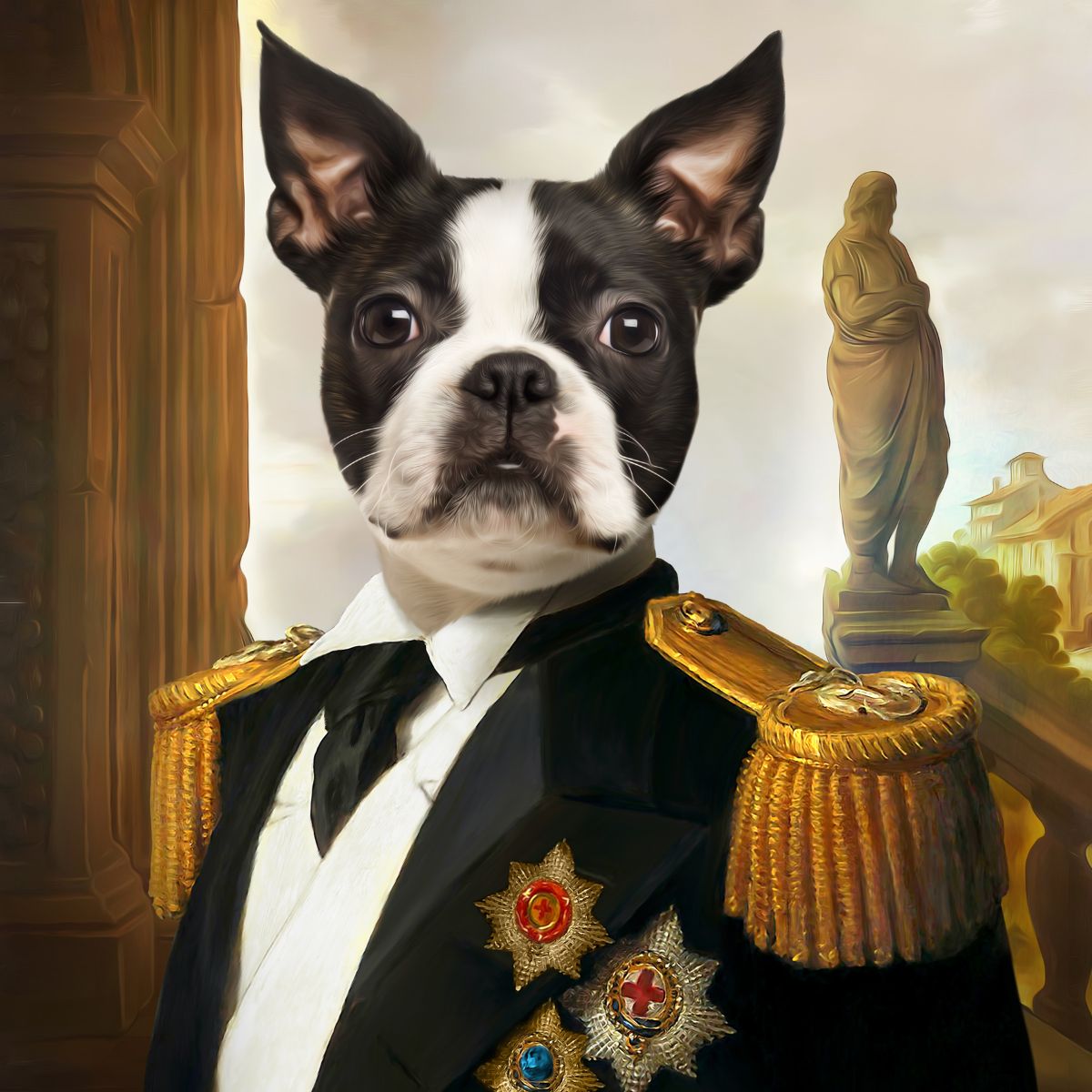
Some will simply be good memories. Others may become useful reference photos if you later order a custom dog portrait.
Dogs often look most like themselves when they are doing something familiar. On a normal walk, ears move naturally, expressions change, posture relaxes and the camera is not the main event.
The trade-off is that outdoor photos can become chaotic quickly. Leads cross faces, shadows hide eyes, the dog turns away, and an innocent trash can assumes unexpected artistic importance.
The aim is not to produce nine flawless photographs. It is to notice nine useful moments.
Before leaving home, photograph the face your dog makes when the lead appears.
For some dogs this is focused joy. For others it is the expression of someone who has been waiting seventeen years despite breakfast having finished six minutes ago.
Stand near a window or doorway with soft light and take a clear head-and-shoulders photo at eye level. This can make an excellent dog portrait from photo reference because the expression is familiar and the face is close enough to show detail.
Once your dog has settled into the walk, pause somewhere quiet and crouch to their eye level. Take a few frames while they naturally look towards you.
Keep both eyes visible if possible and avoid standing so close that a wide-angle phone lens makes the nose look enormous. The nose is important. It does not need its own postcode.
Our outdoor dog photo guide has more detail on light, backgrounds and camera angle.
Have another person photograph the dog walking beside you, or stop and capture a side view while the dog is calmly looking across the path.
A profile records nose length, ear shape, neck, chest and overall proportions. It is particularly useful as a supporting image if your favourite front-facing photo hides the shape of the muzzle.
Dogs have a very specific expression when they hear a sound, spot another dog or notice wildlife at a respectful distance.
If the moment is calm and safe, take the picture. Alert ears and a naturally engaged expression can produce a much stronger personalized pet portrait reference than repeatedly calling the dog's name until everyone involved becomes tired of the project.
When your dog stops naturally, step back and capture the whole body from the side or a gentle three-quarter angle.
Keep all four paws and the tail inside the frame where possible. This photo records proportions and markings that may not appear in a headshot.
Bright midday sun can create harsh highlights and deep shadows, especially on black, white, brindle and merle coats. Open shade usually gives more even detail.
Take one closer image showing the true coat color and any distinctive markings. If your dog has a complex pattern, our brindle, merle and spotted coat photo guide explains what is worth preserving.
Every dog seems to develop a routine that was not included in the owner's original plan.
Perhaps yours carries a stick, waits at the same gate, jumps onto a particular bench or insists on inspecting one shrub with the concentration of a forensic accountant.
Photograph the ritual. It may never become portrait artwork, but it is exactly the kind of ordinary behavior people miss when looking back through old photos.
Ask someone to take a relaxed photo of you together, ideally while you are interacting rather than both staring stiffly at the camera.
Walk side by side, crouch beside the dog or pause for a quiet moment. Natural interaction tends to look warmer than the traditional arrangement in which the human smiles and the dog studies a pigeon three counties away.
For more ideas, see our guide to natural pet-and-owner photos.
At the end of the walk, take one final close-up when your dog is relaxed and pleasantly tired.
A gentle pant, softer ears and a calm expression can be very recognisable. Check that the tongue is not hiding important facial markings and that the eyes are still clear.
Choose the image that best balances personality and usable detail.
If the best expression is in one photo but another shows markings more clearly, keep both. Supporting images can be useful when judging details.
Use them, but do not let the scenery become more important than the dog.
A beautiful fall trail with a tiny dog in the middle is an excellent landscape photograph and a fairly unhelpful close portrait reference. Take the scenic frame, then move closer and take the dog photo too.
This distinction matters if you hope to turn the image into a custom pet portrait. The artwork needs information about the pet, not evidence that Vermont has leaves.
When you get home, save your best photographs in their original resolution. Avoid sending them through apps that heavily compress images before you have kept a full-size copy.
If you are unsure which frame is strongest, our existing-photo selection guide explains how to compare sharpness, angle, expression and markings.
No. An ordinary familiar route can be better for natural photos because your dog is more likely to behave normally and settle into the environment.
Yes, provided the dog is large enough in the frame, the face is reasonably sharp and the important markings are visible. Soft daylight is often very helpful.
Do not remove a lead where it would be unsafe or inappropriate. Safety matters more than a clean frame. Instead, position the lead so it does not cross the face if you can do so naturally.
They can capture brilliant personality, but motion blur may reduce facial detail. Take the action shot for the memory and add a calm close-up as supporting reference.
A good dog walk already contains most of the photographs worth taking: anticipation, movement, curiosity, routine and the deeply satisfied face afterwards. National Walk Your Dog Week merely provides an excuse to notice them before your camera roll returns to screenshots and accidental pictures of the floor.
Comments will be approved before showing up.
September 09, 2026 5 min read
WELCOME TO PAW & GLORY
Get up to 30% off
Join 30,000+ pet owners turning perfectly ordinary photos into gloriously over-the-top works of art.
★★★★★ 2,200+ Five-Star Reviews
Real Artists · Proof Before Print · Unlimited Artwork Revisions