October 20, 2021 3 min read
Autumn and winter can be excellent seasons for taking a dog photo for a custom pet portrait. Softer daylight, richer colours and fewer harsh midday shadows can help, provided the photograph still shows the details that make your dog recognisable.
The useful question is not whether the photograph looks festive. It is whether an artist can clearly see the eyes, ears, face shape, markings and expression. Leaves are lovely. A dog reduced to two eyes somewhere inside a hedge is less helpful.
Bright summer sun can create hard shadows across a dog's face. Autumn and winter often provide softer outdoor light, especially on lightly overcast days. Position your dog so the face is evenly lit rather than placing the brightest light directly behind them.
If you are photographing near a window indoors, turn your dog towards the light and avoid relying on a dark room with one bright window behind them.
Black and very dark fur can lose texture when the camera exposes for a bright sky, pale wall or snow-covered background. Tap or focus on the dog's face on a phone camera and check that you can still see the eyes, muzzle and changes in the coat.
For more detailed guidance, use our black dog and cat photography guide.
A low winter sun can produce a beautiful background and a useless reference photo at exactly the same time. If the dog's face becomes too dark, change your angle or move so the light falls more evenly across them.
Autumn leaves, frosty grass and winter clothing can add atmosphere to a photograph, but they do not have to appear in the finished artwork. Choose the source image primarily for the dog's likeness.
If you want the finished artwork to feel seasonal, think separately about the background and colour palette. Our pet portrait background colour guide can help with that decision.
Wet fur can alter the outline of a fluffy dog, flatten ears and make coat markings look different. That may be exactly the expression you want to remember, but if the portrait should show their usual appearance, take additional dry-coat photographs too.
Phones are very good at taking many photographs quickly, so use that advantage. Take a short sequence rather than expecting one frame to contain perfect focus, open eyes and the expression you wanted. Review the photographs at full size afterwards.
Photographing from standing height can make the head look larger and the body recede. A lower viewpoint usually gives a more natural view of the face and proportions. You do not need to lie in a puddle for art. Kneeling has been invented.
Bare branches, fallen leaves, coats, leads and winter clutter can make a photograph visually busy. For reference purposes, the dog's outline should be easy to read. Step sideways, move closer or choose a simpler patch of background if possible.
If outdoor conditions produce only blurred or very dark frames, a clear photograph beside a bright window can be more useful. A plain indoor background is not a problem if the face is sharp and well lit.
A strong portrait reference set might include a close facial photo, a slightly wider image showing chest markings, and another frame that captures the dog's normal expression. More useful information gives you better choices when selecting the final reference.
For the full checklist, read how to choose a pet portrait photo. If the only image you have came through a message or social app, see whether a screenshot or WhatsApp photo can work.
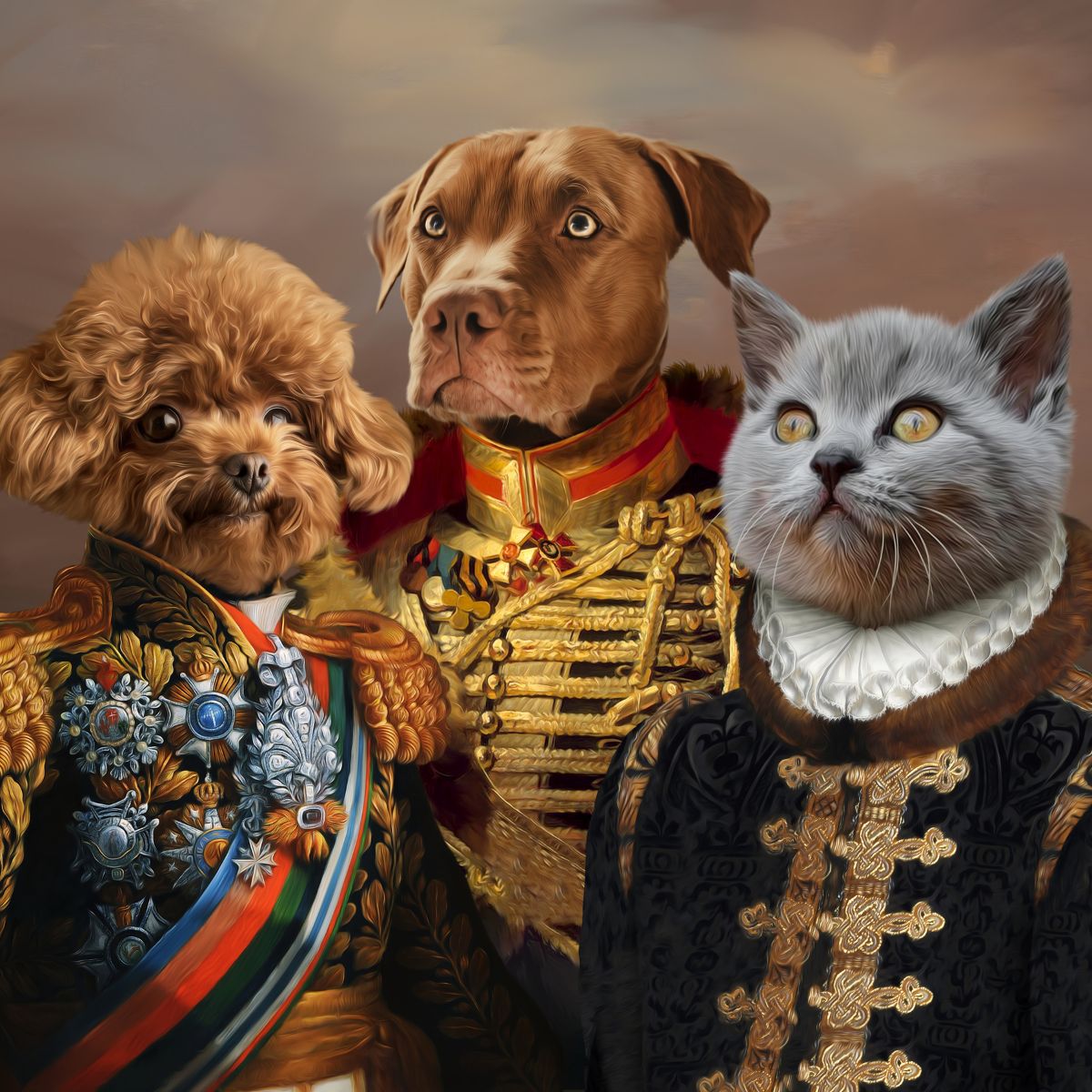
Once you have the right reference, you can browse the current custom pet portrait collection.
Comments will be approved before showing up.
September 09, 2026 5 min read
WELCOME TO PAW & GLORY
Get up to 30% off
Join 30,000+ pet owners turning perfectly ordinary photos into gloriously over-the-top works of art.
★★★★★ 2,200+ Five-Star Reviews
Real Artists · Proof Before Print · Unlimited Artwork Revisions