August 01, 2024 4 min read
Turning a pet photo into a custom portrait is not simply a matter of copying every pixel. The finished artwork can change the background, crop, styling and composition, but the features that make the animal recognisable still need to survive the transformation.
Paw & Glory’s current custom portrait range is hand-illustrated from customer photographs. Customers review an artwork proof before physical production, with artwork edits available before approval on the current range.
This guide focuses on the design transformation itself. If you want the customer-order stages from proof through delivery, see what happens after you order a custom pet portrait.
The photograph gives the artist the reliable information about the pet: eye shape, muzzle, ears, coat colour, markings, proportions and expression.
A professional photo is not required. A clear phone image can be a strong reference when the face is large enough to inspect and the colour is reasonably natural.
Use our pet portrait from photo guide to choose the strongest image.
Not every individual hair carries equal visual importance. The features people use to recognise their own pet usually include:
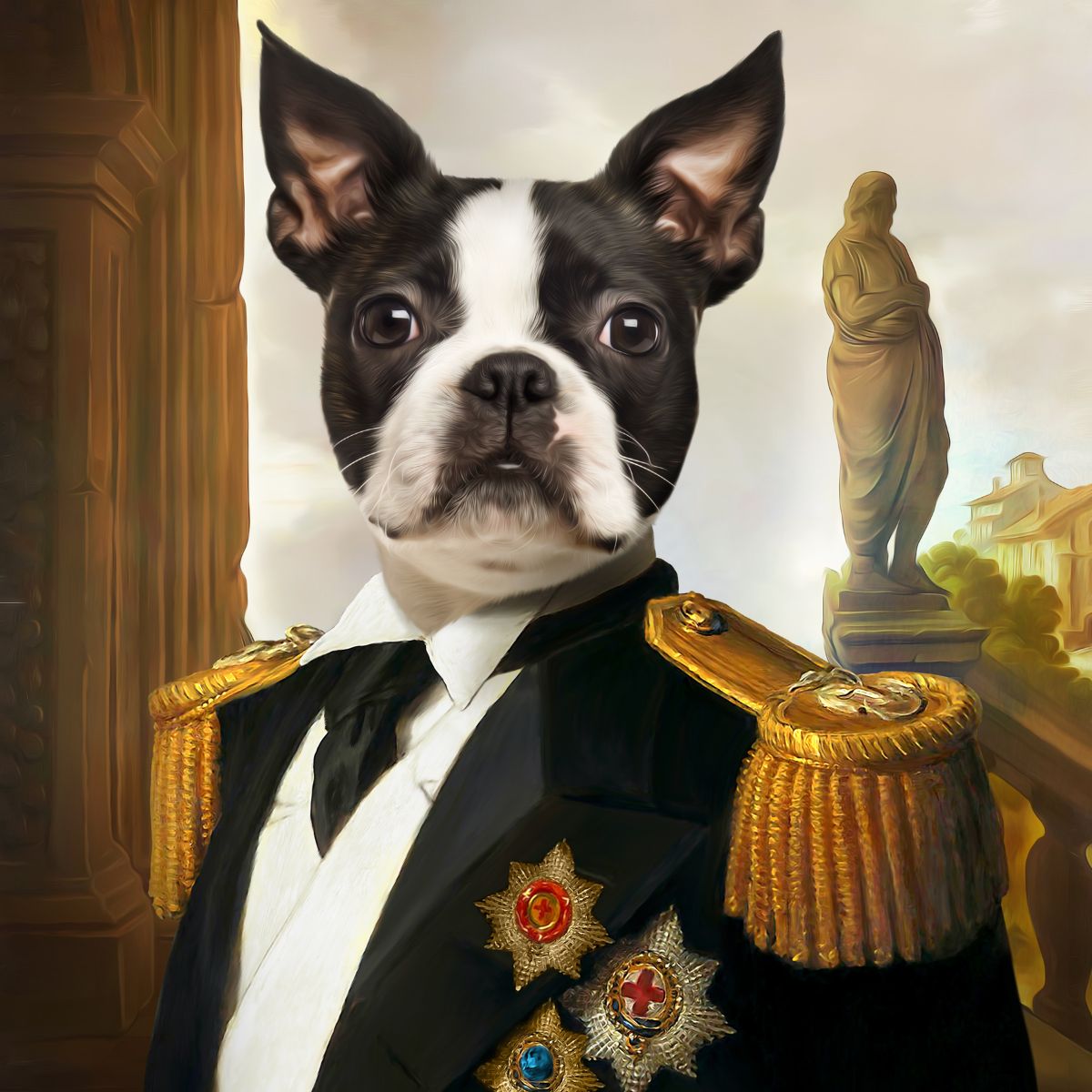
A successful stylised portrait can change the setting dramatically while keeping those recognition anchors intact.
A photograph taken beside a laundry basket is not a legally binding commitment to preserve the laundry basket in the finished artwork.
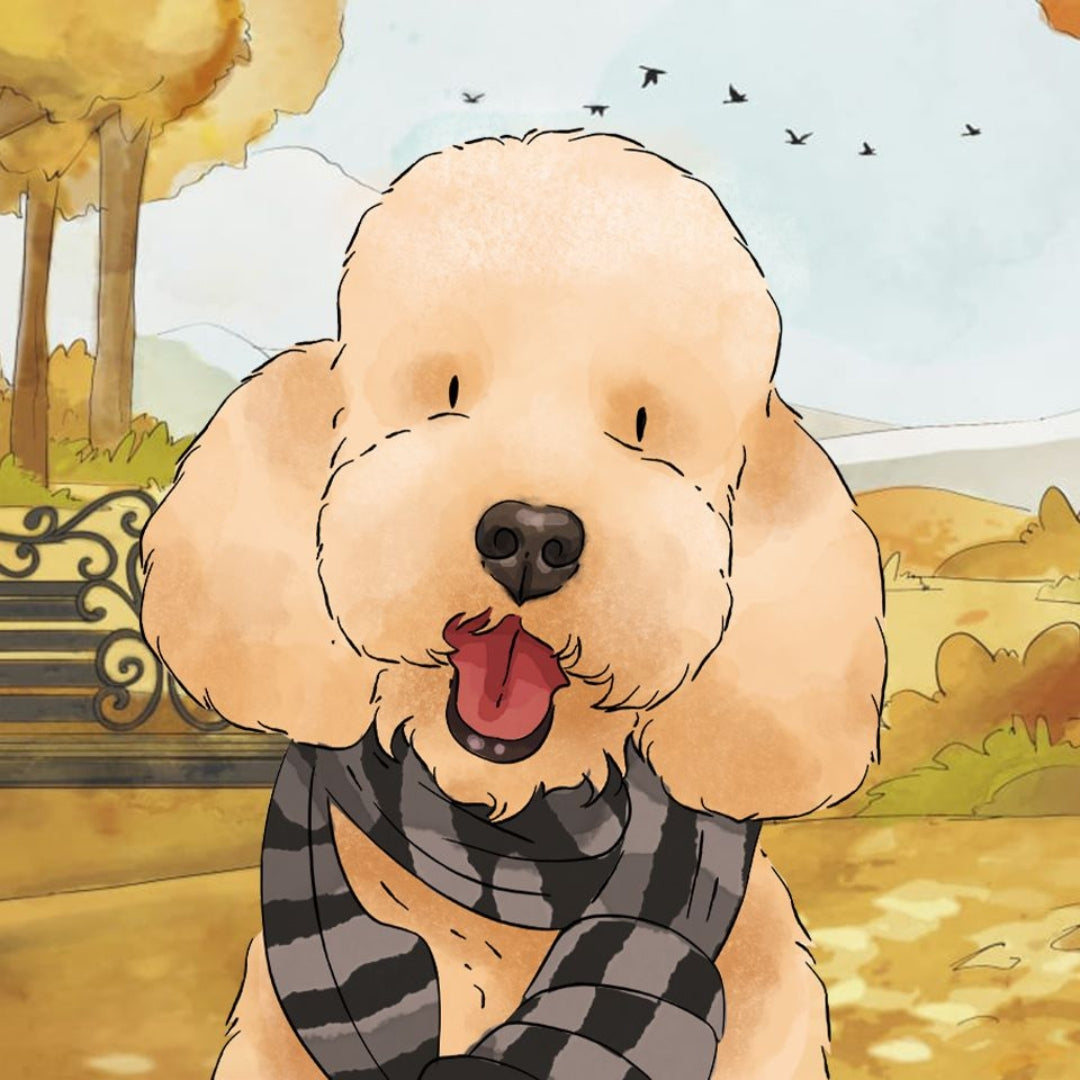
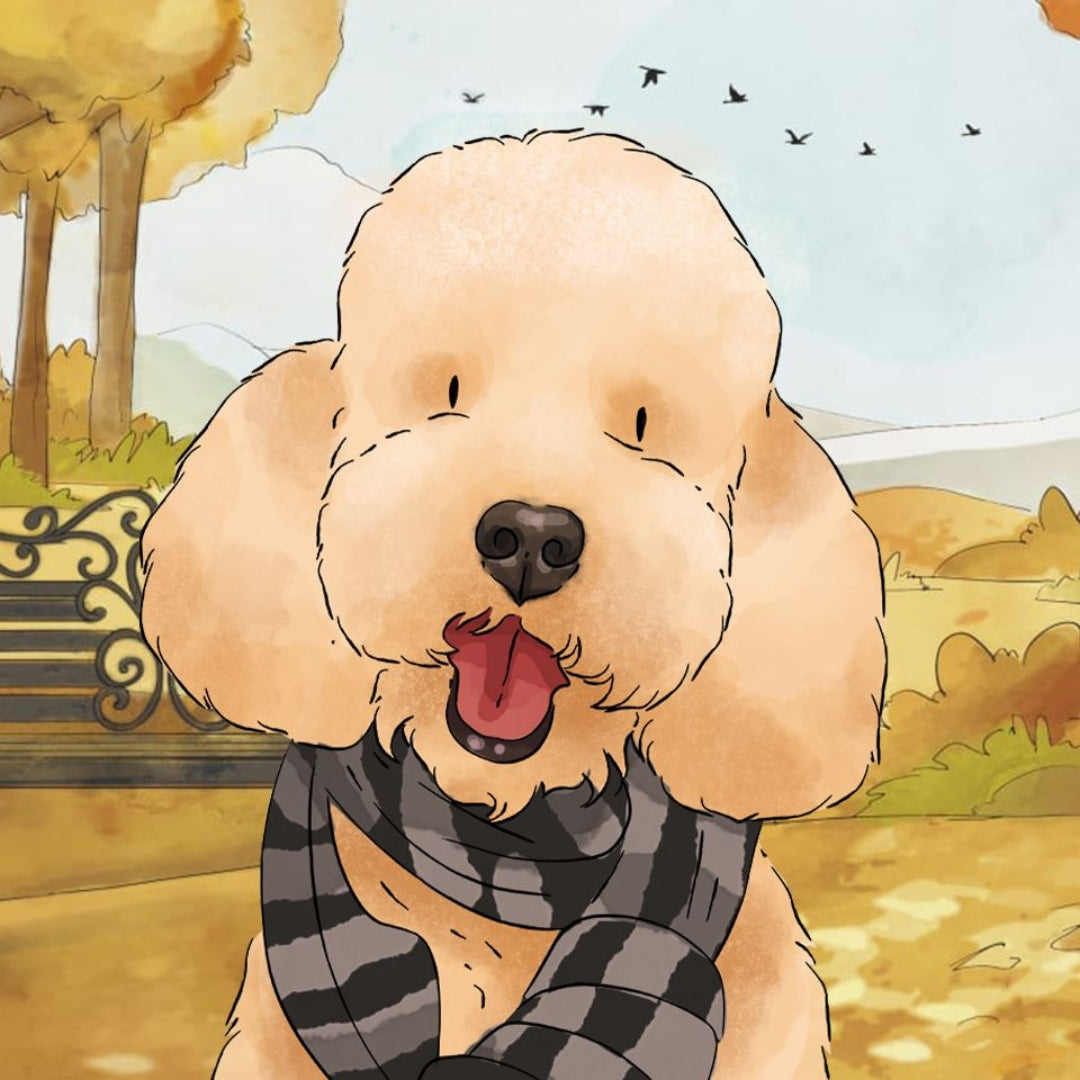
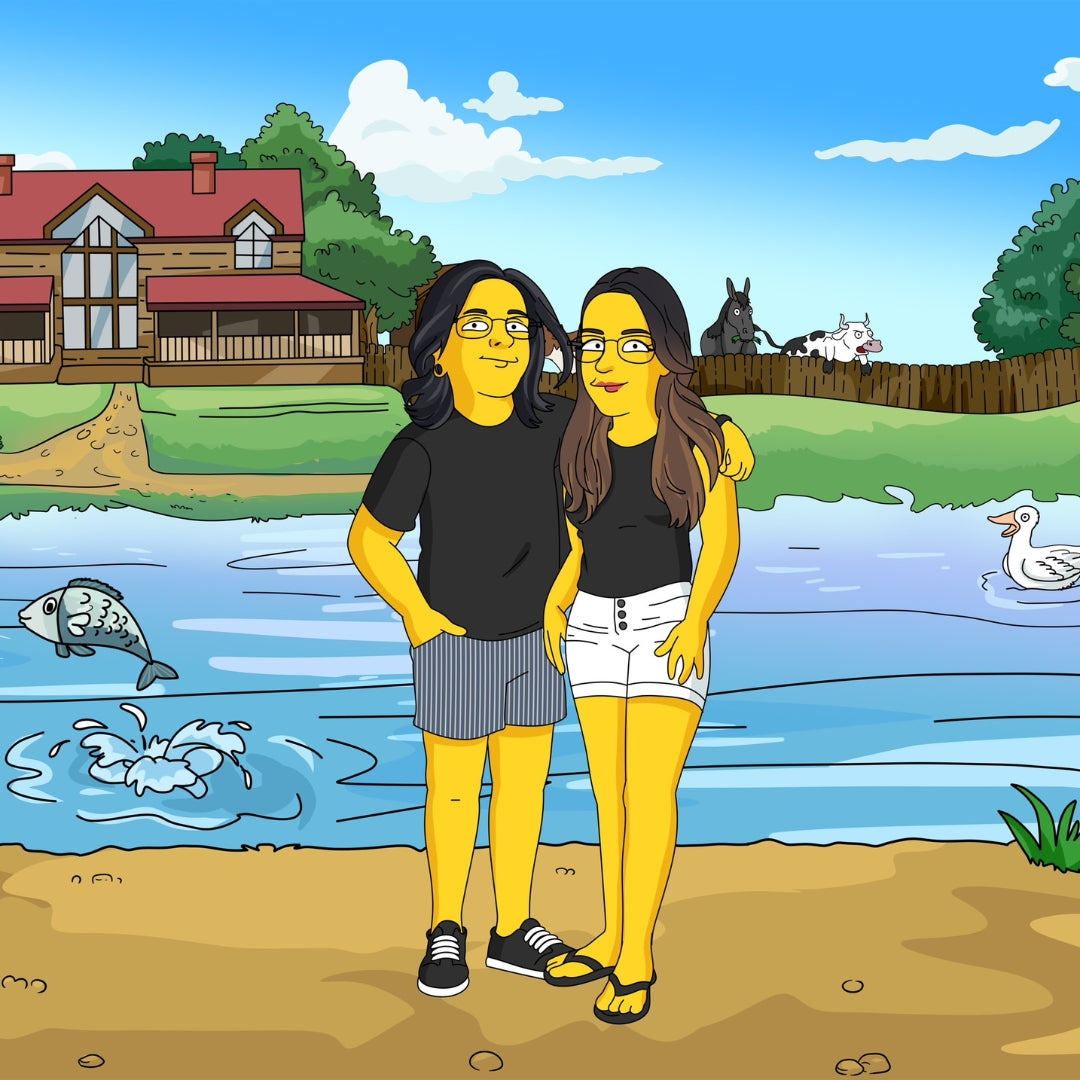
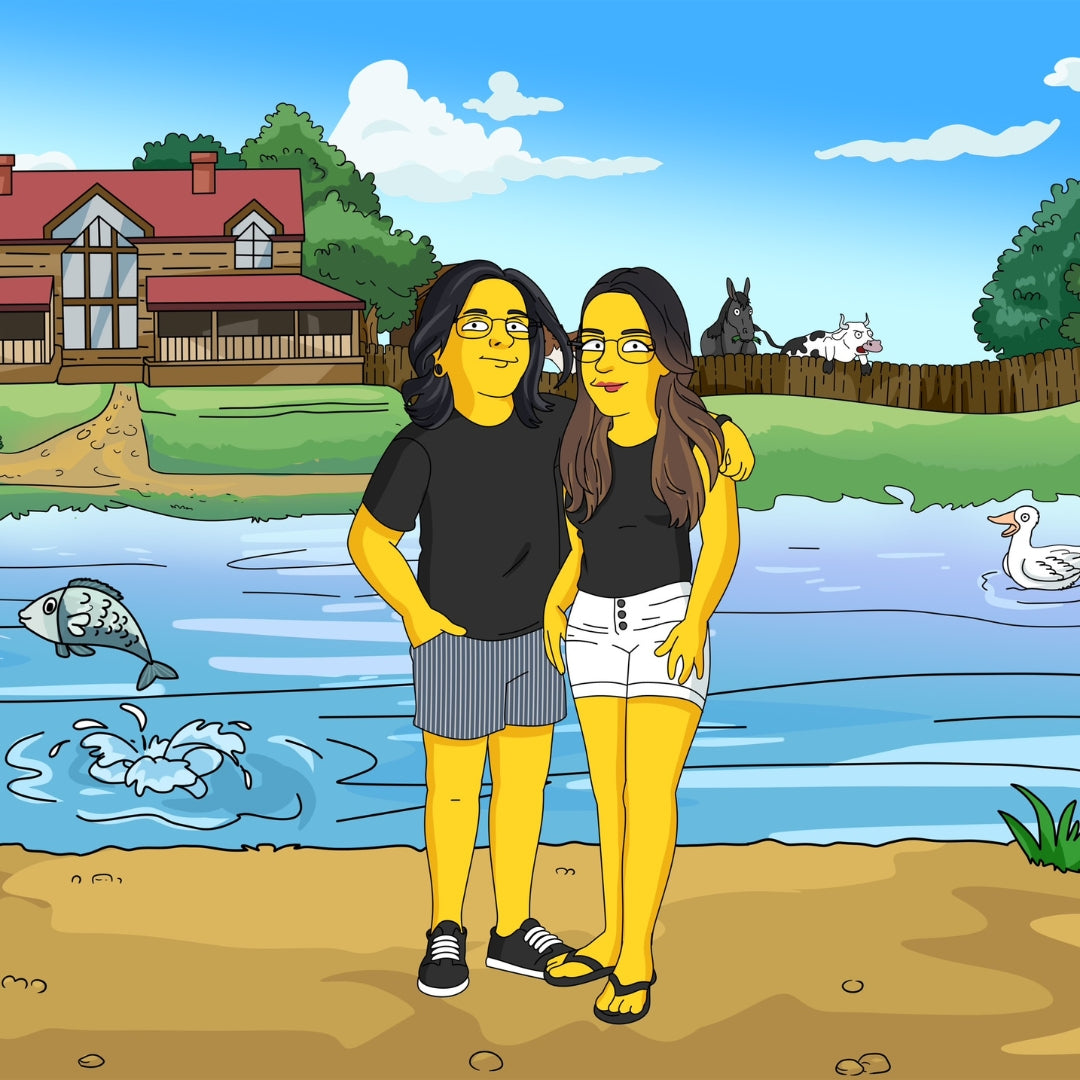
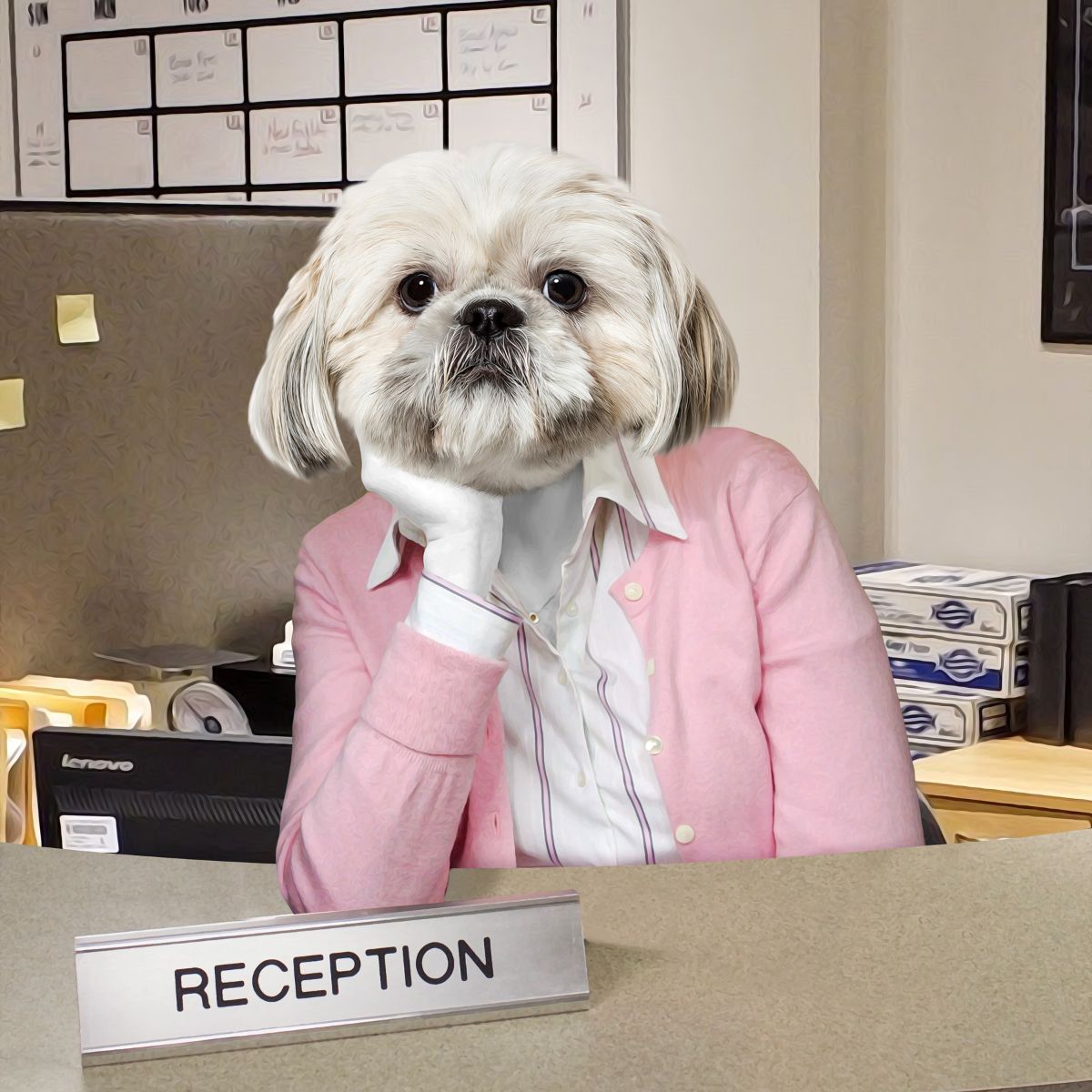
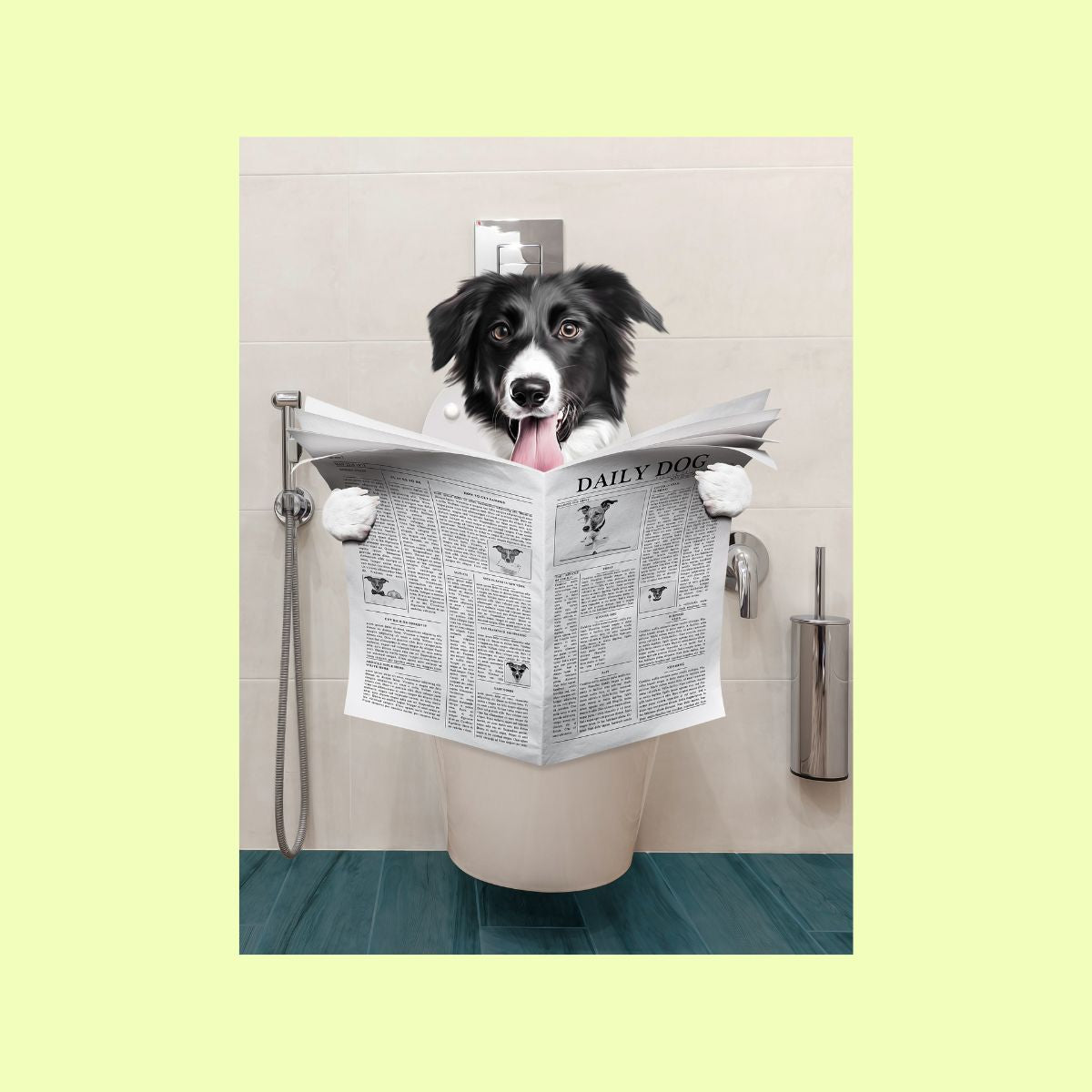
Depending on the portrait design, the original setting can be simplified or replaced by the composition attached to the artwork style. The important point is keeping enough of the original file to preserve useful information around the ears, neck and body.
See our guide to removing a person, leash or messy background and our pet portrait background ideas guide.
A tighter head-and-shoulders composition puts more attention on the face and expression. A wider composition gives more room for clothing, setting or several pets.
The crop should not remove features that are important to recognition. If ears or markings are already missing from the main photograph, add a supporting image that shows them.
Our background, crop and colour guide explains how those design choices work together.
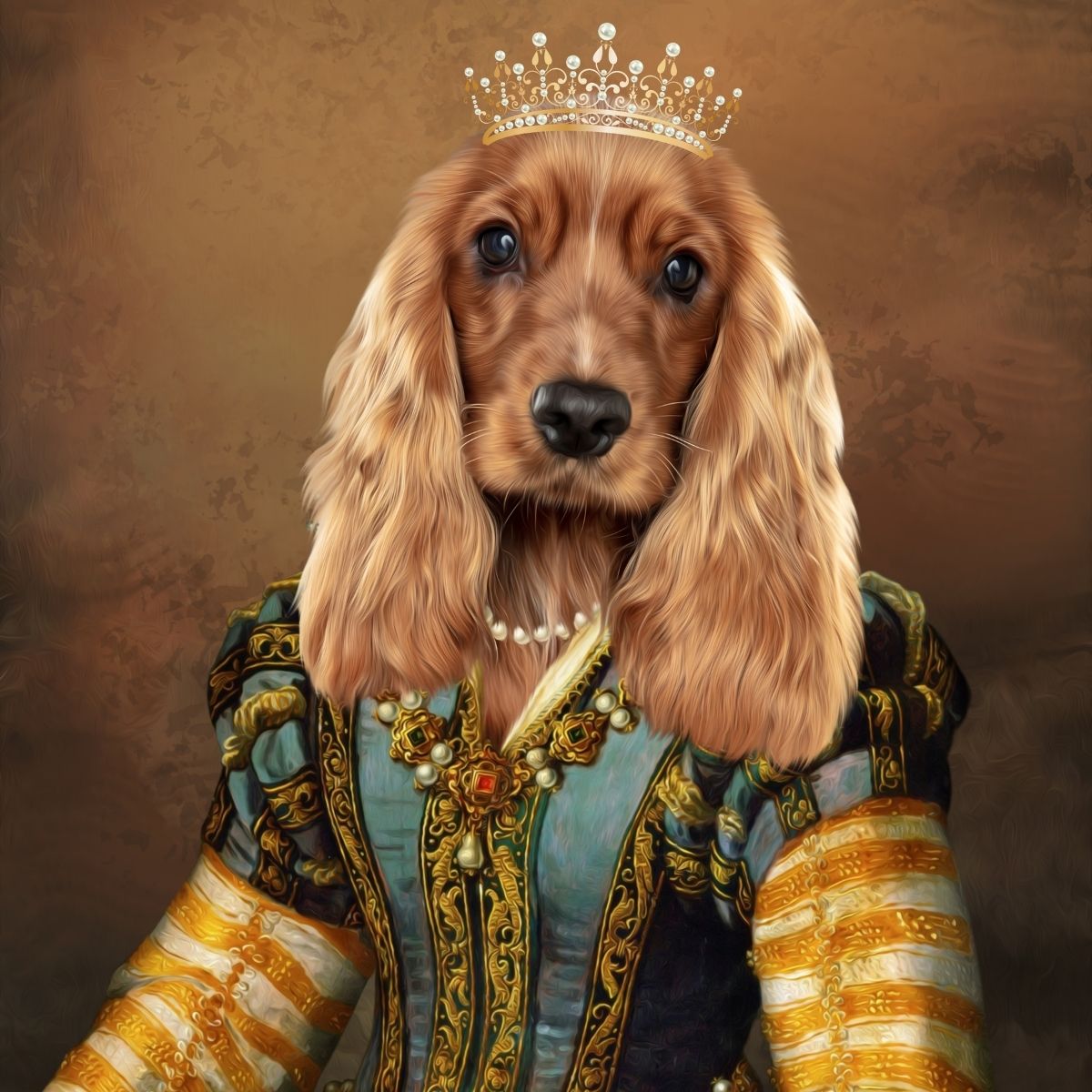
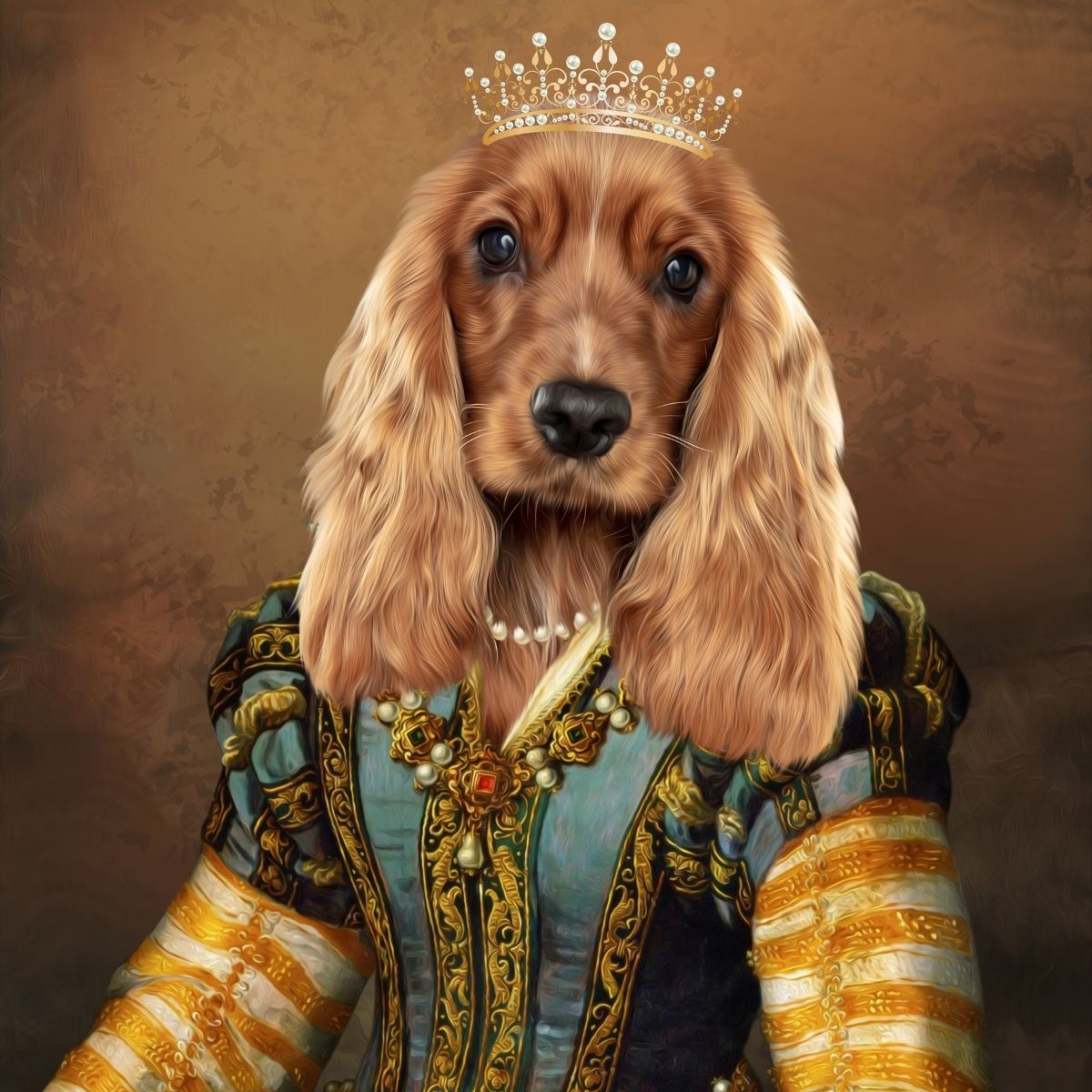
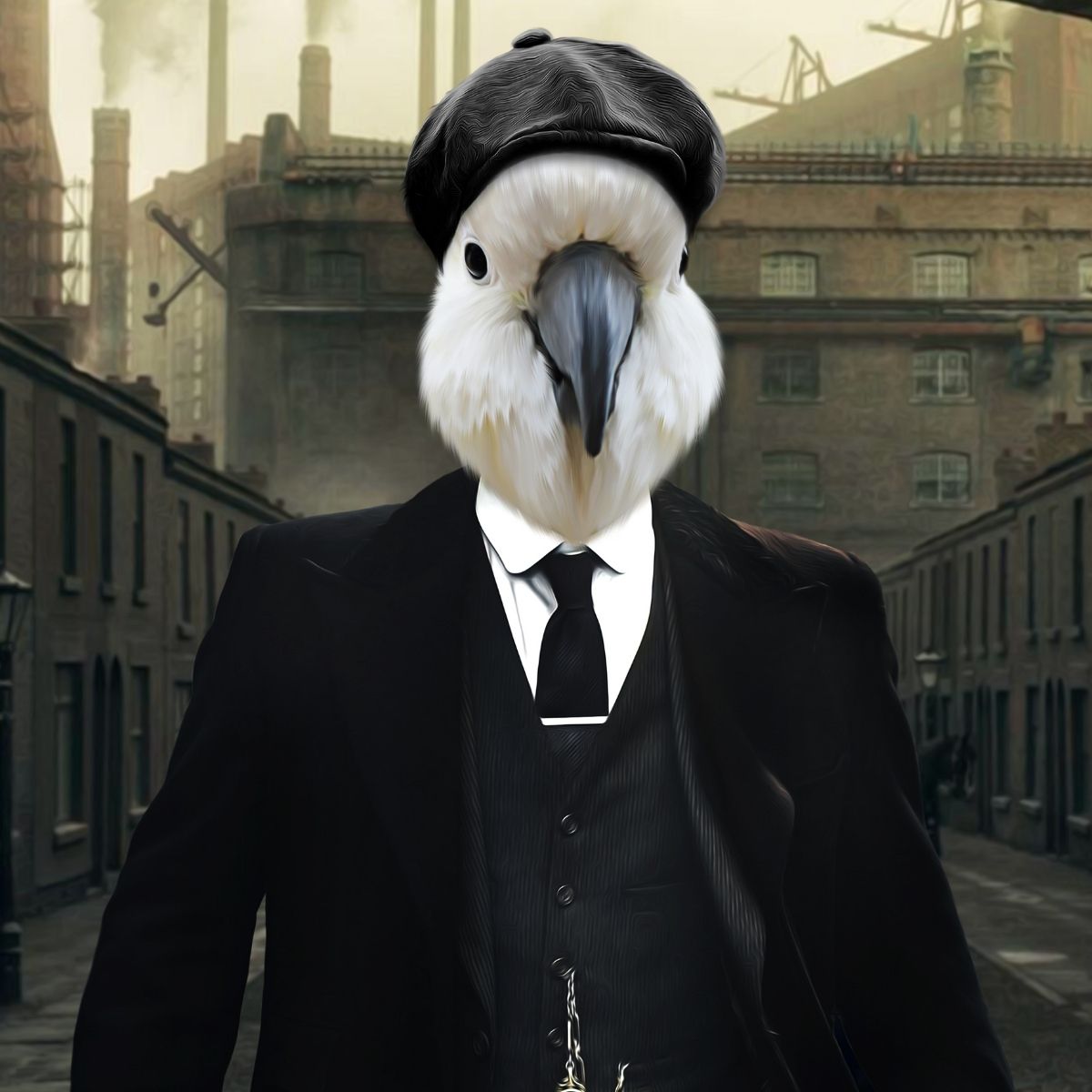
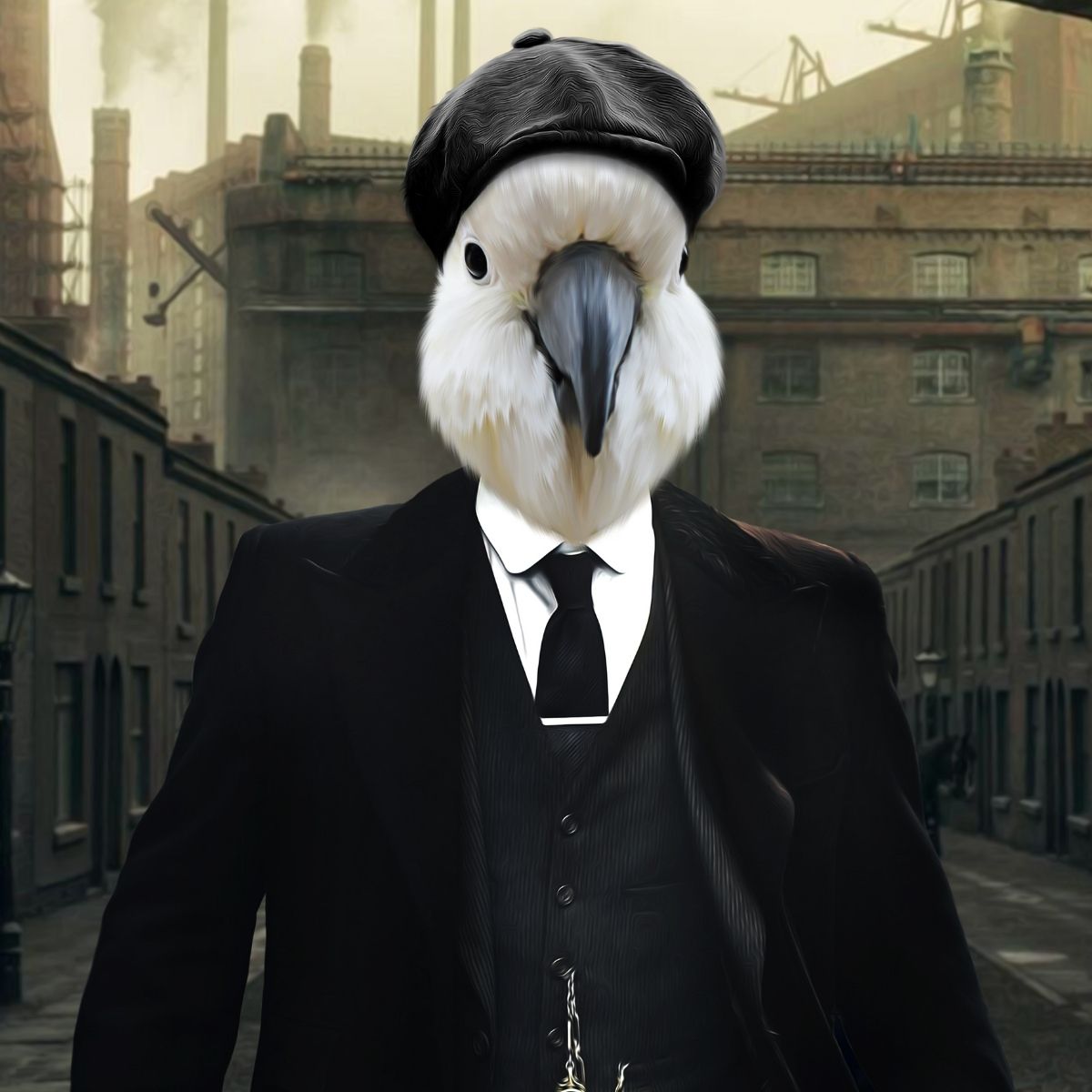
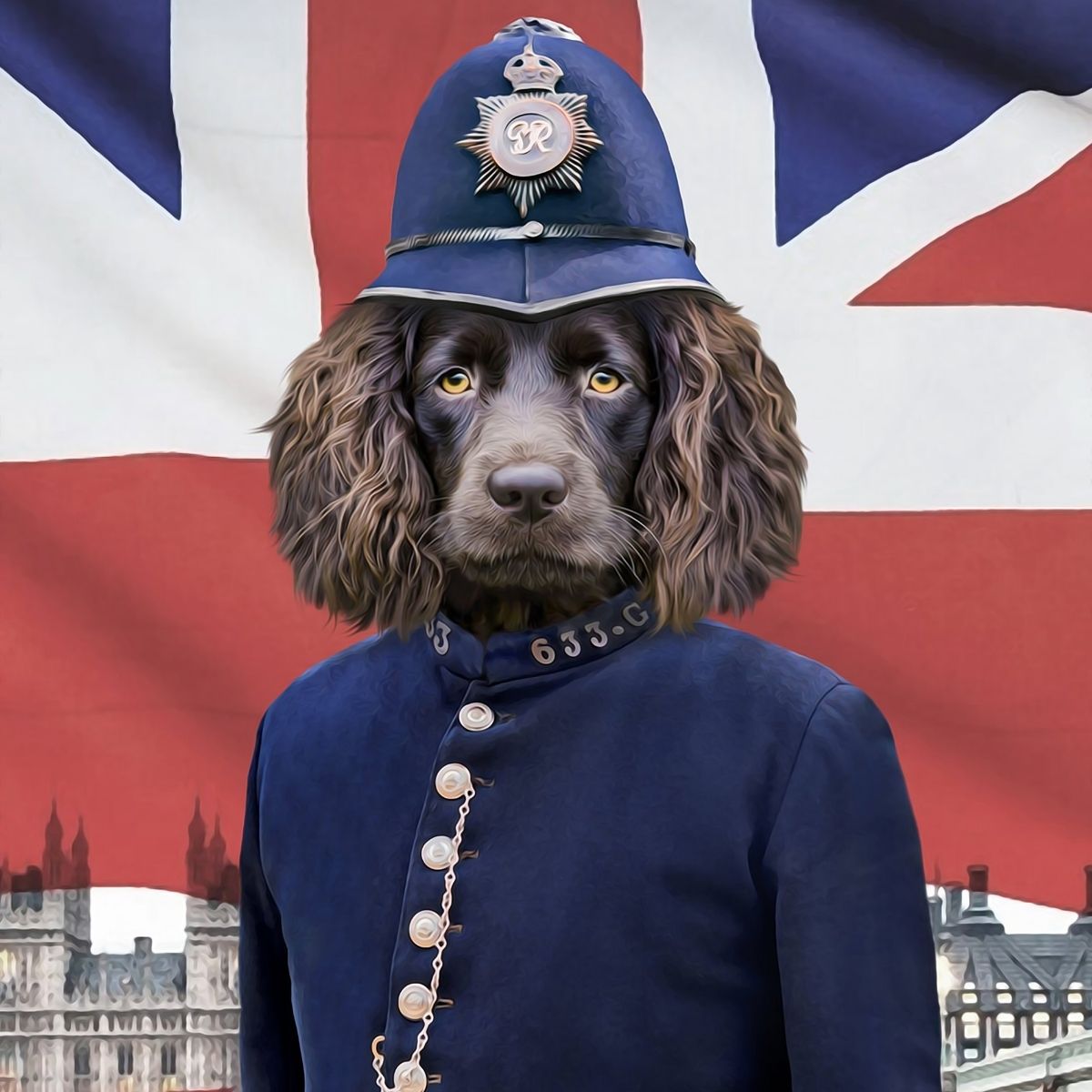
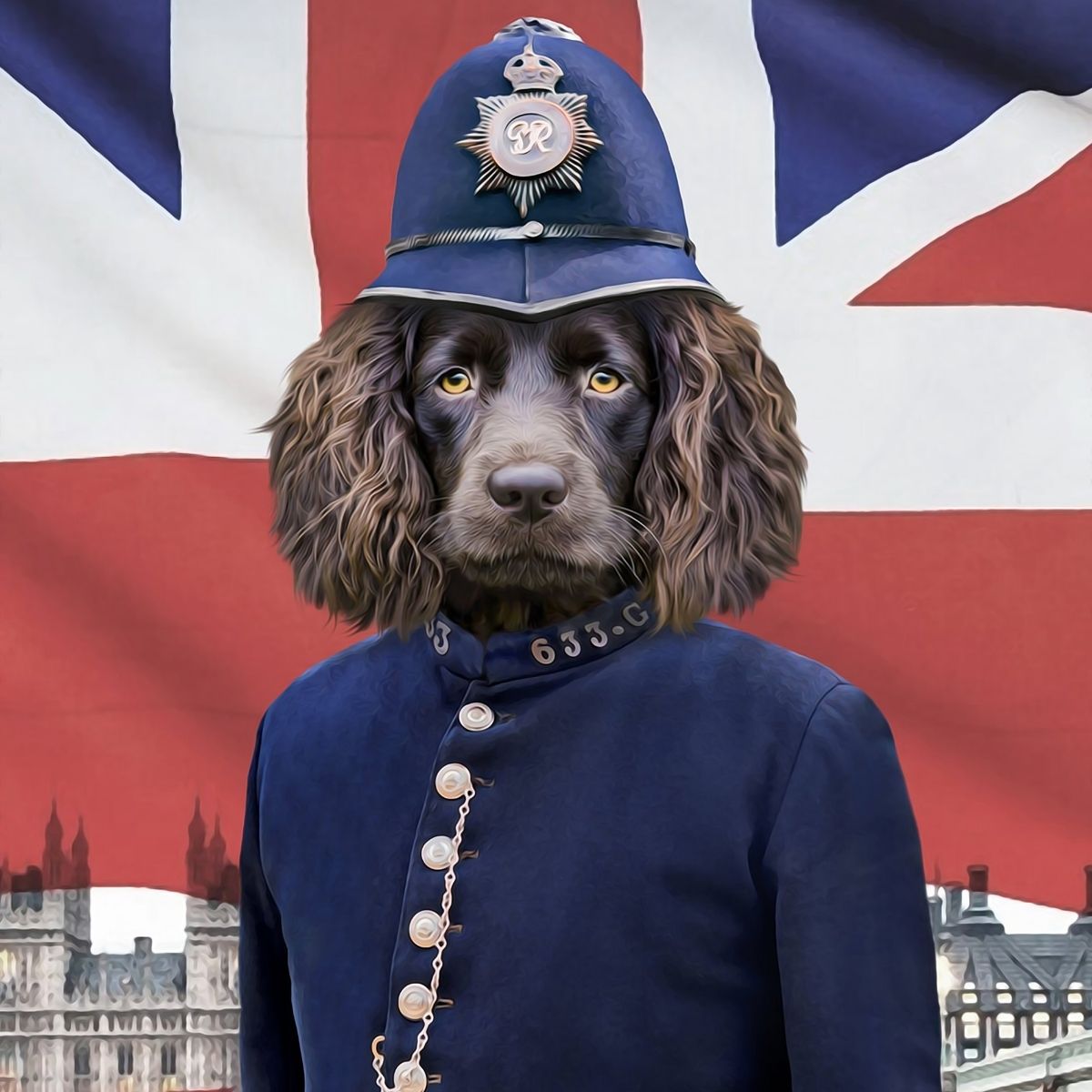
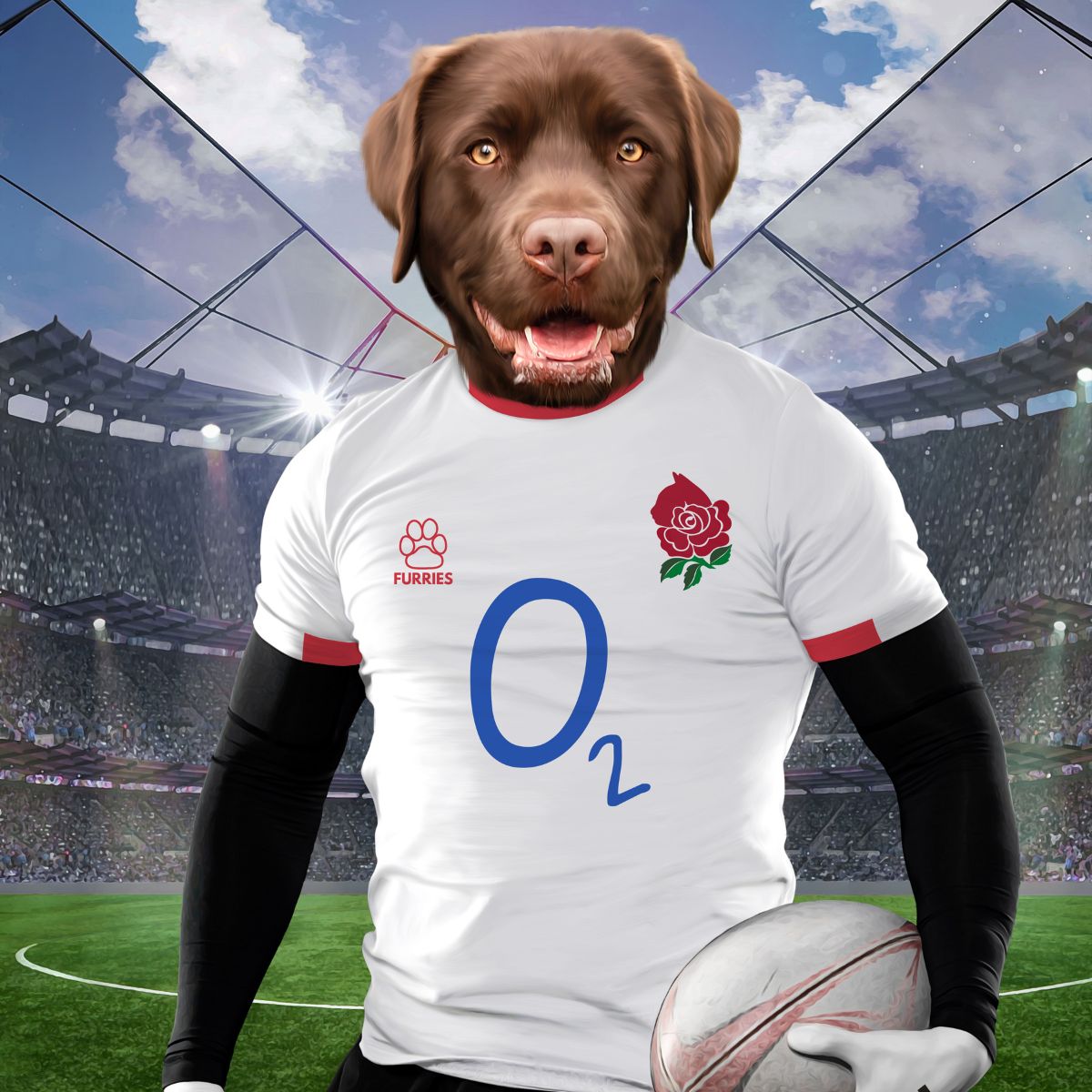
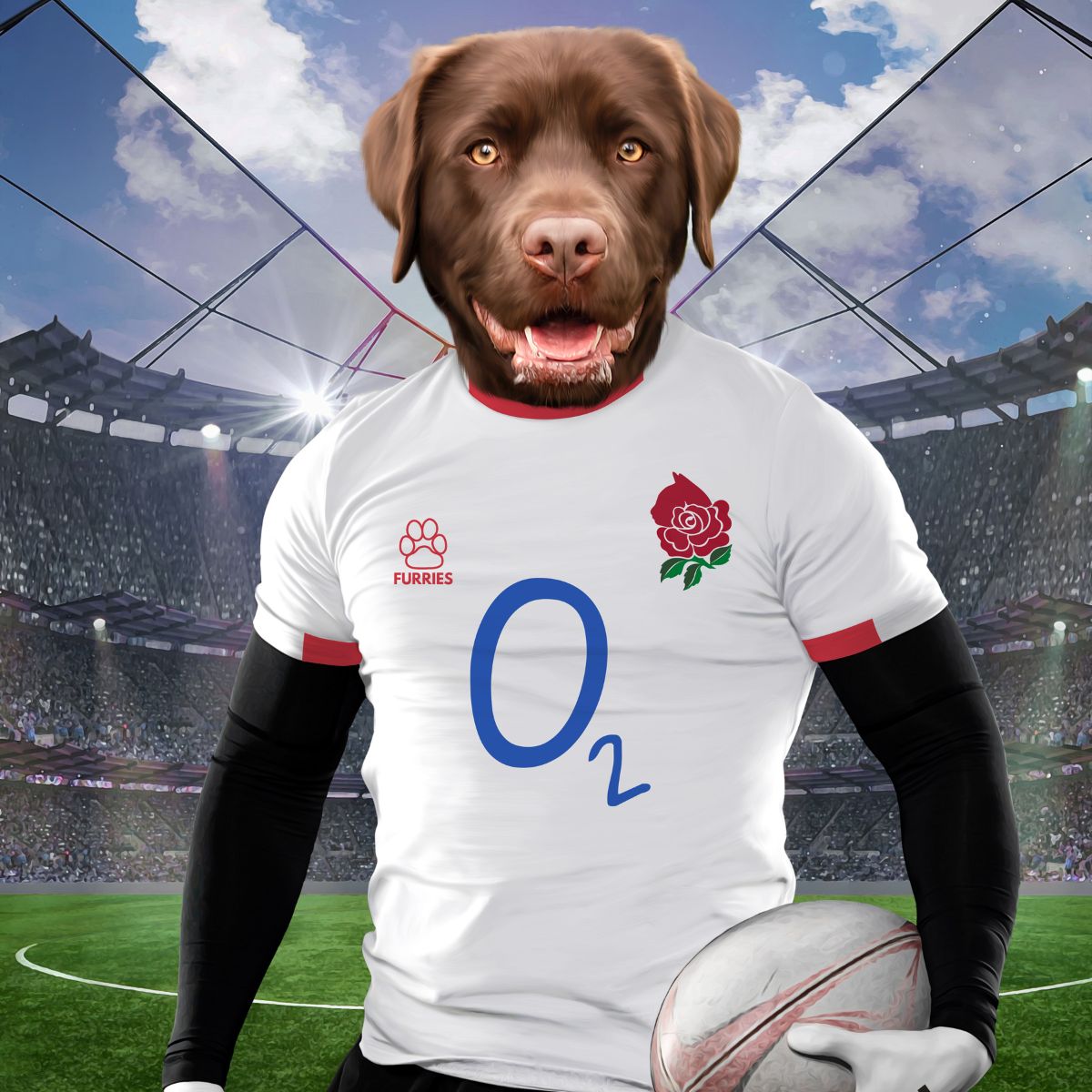
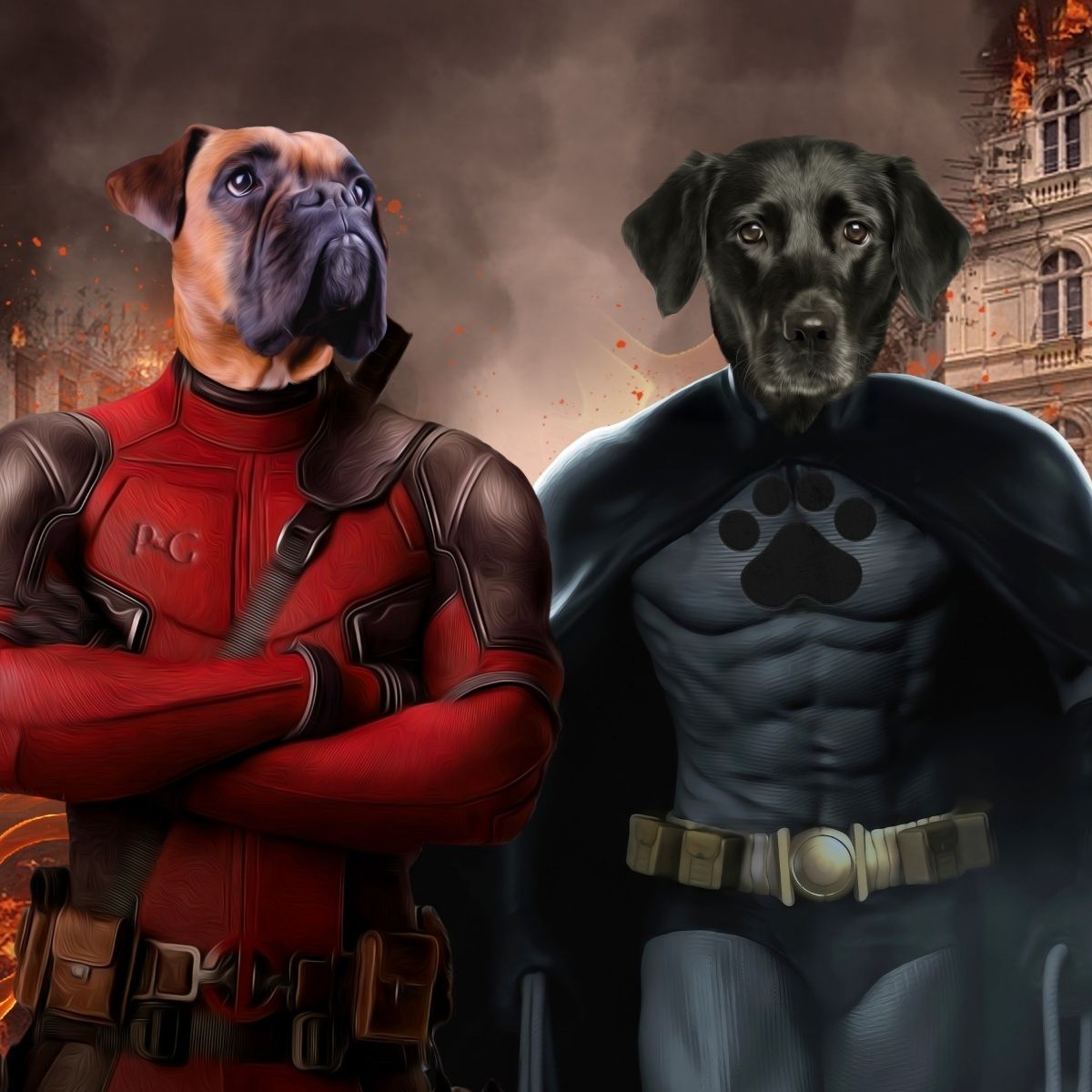
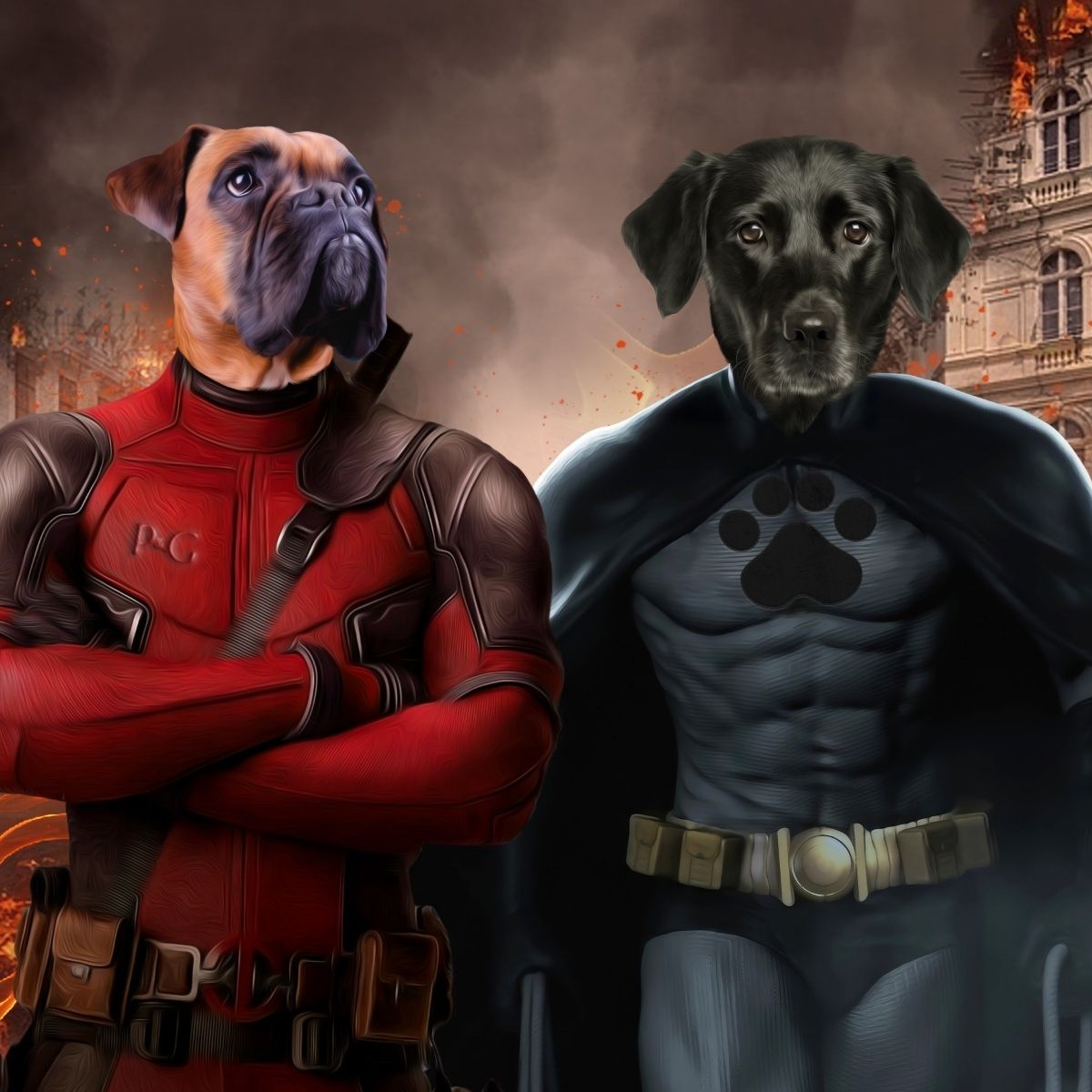
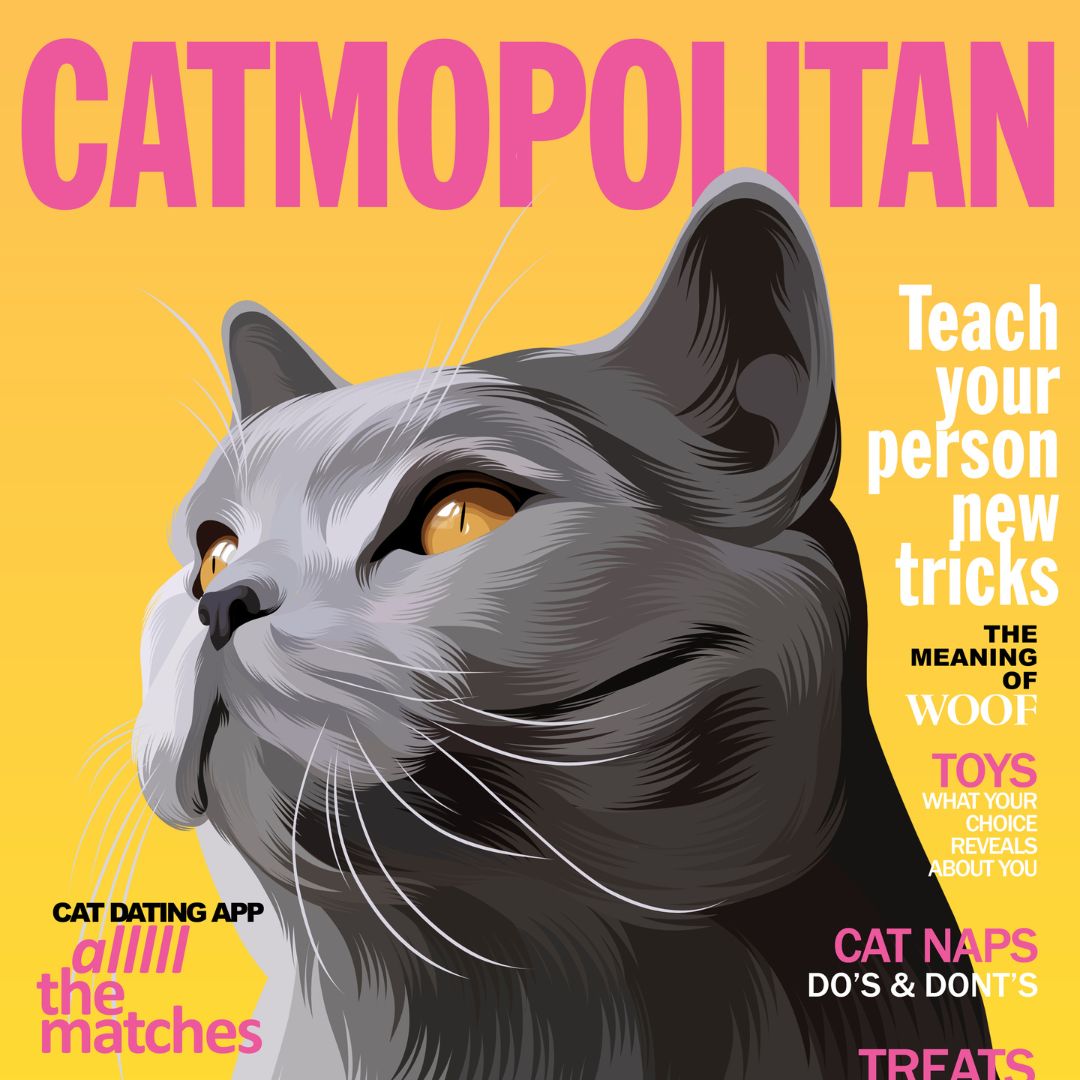
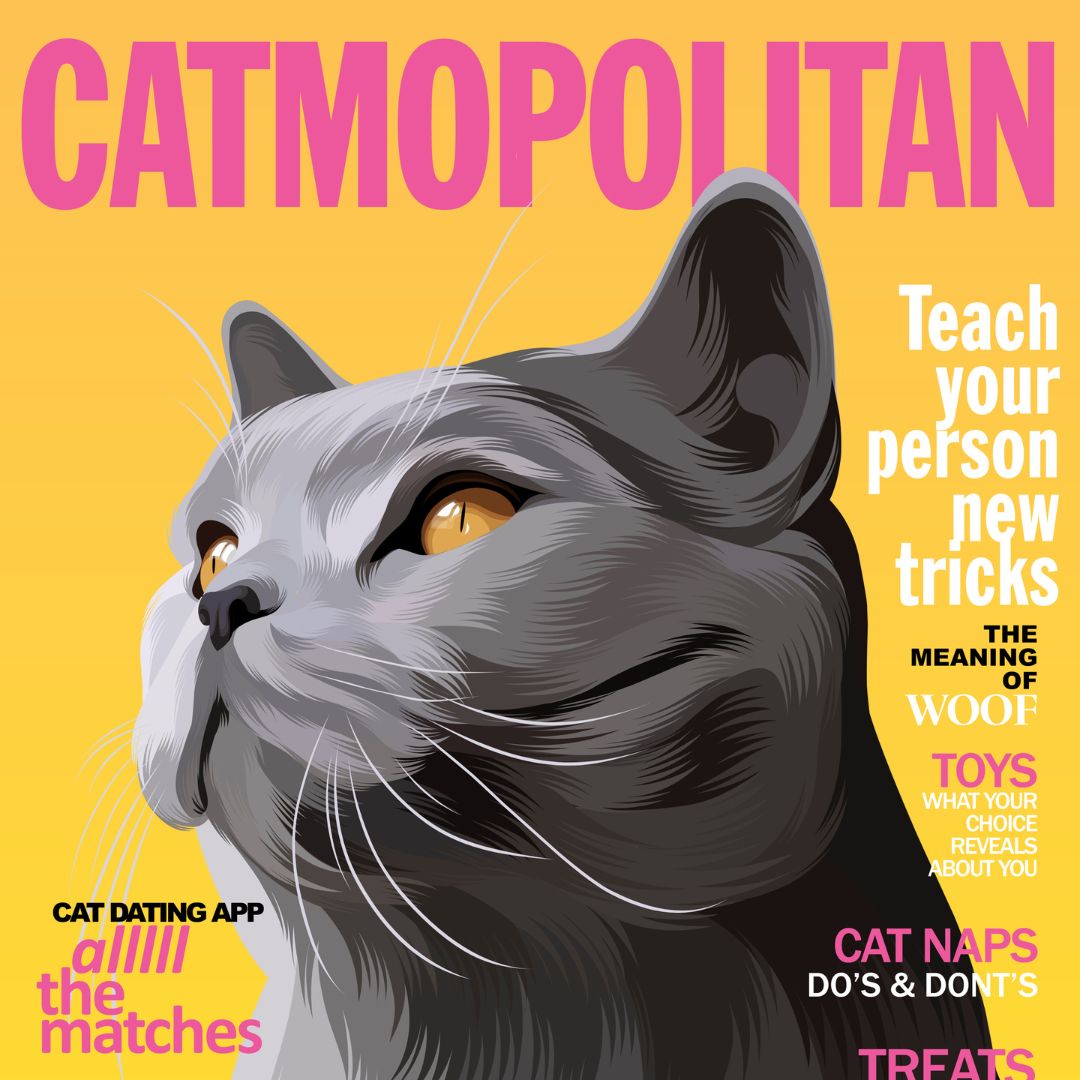
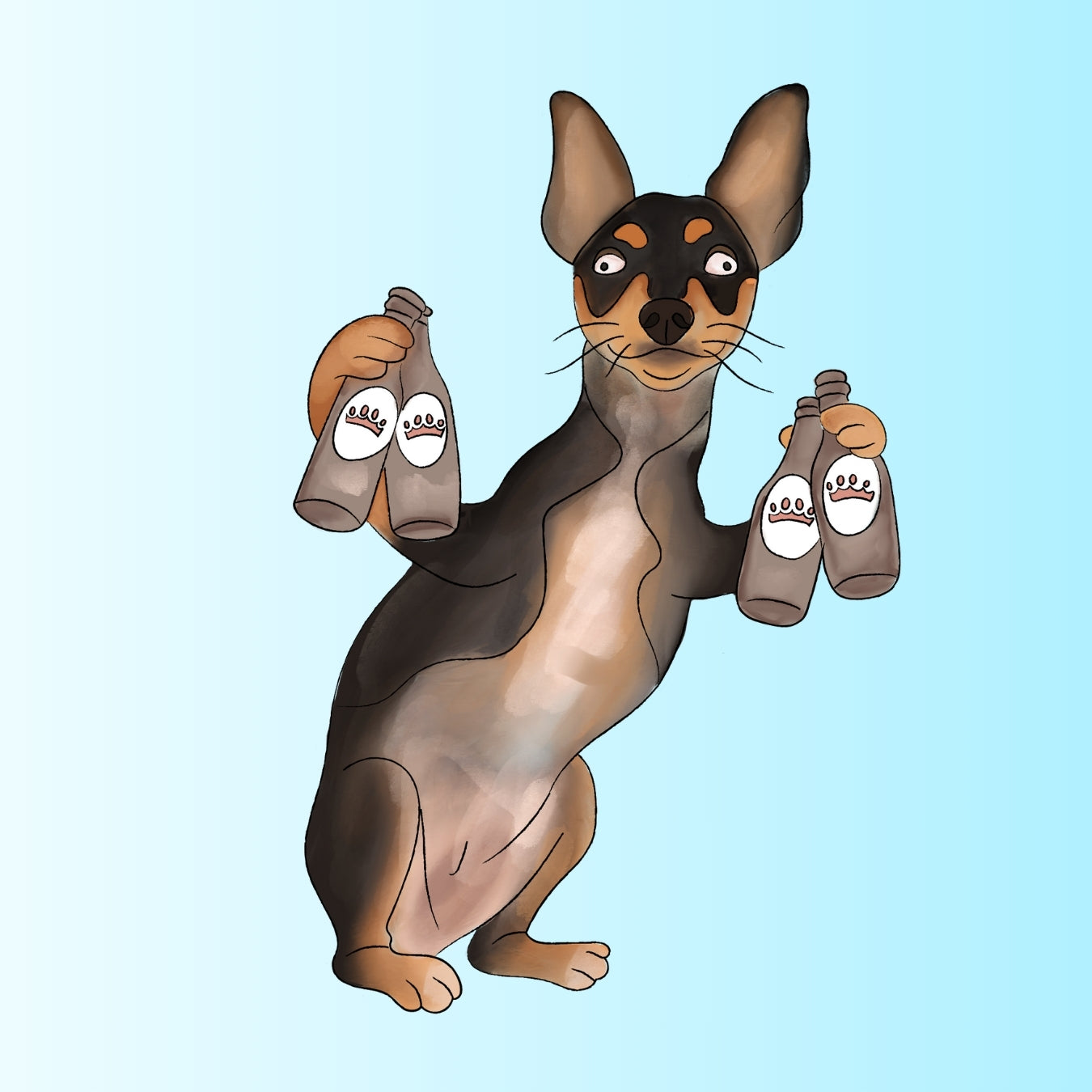
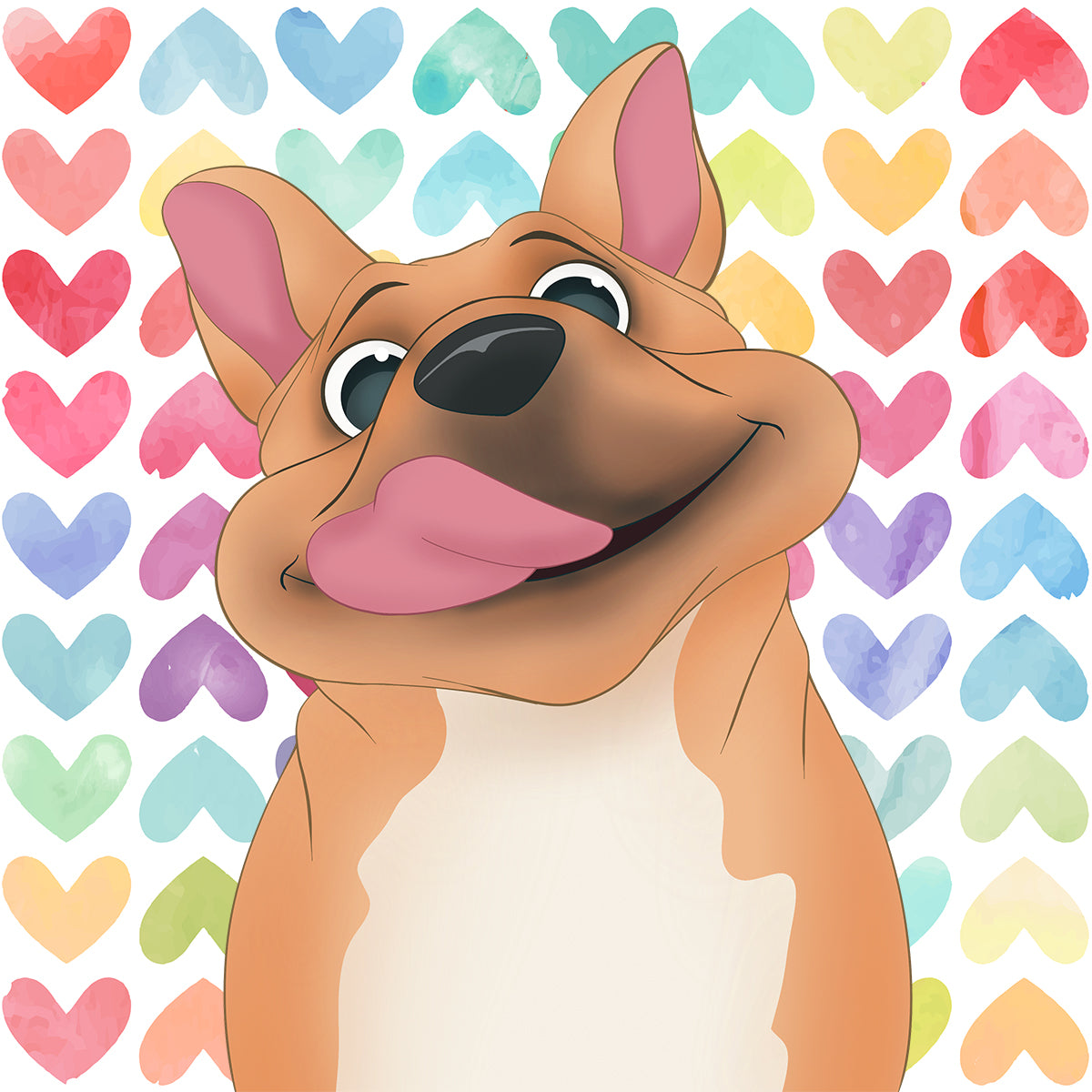
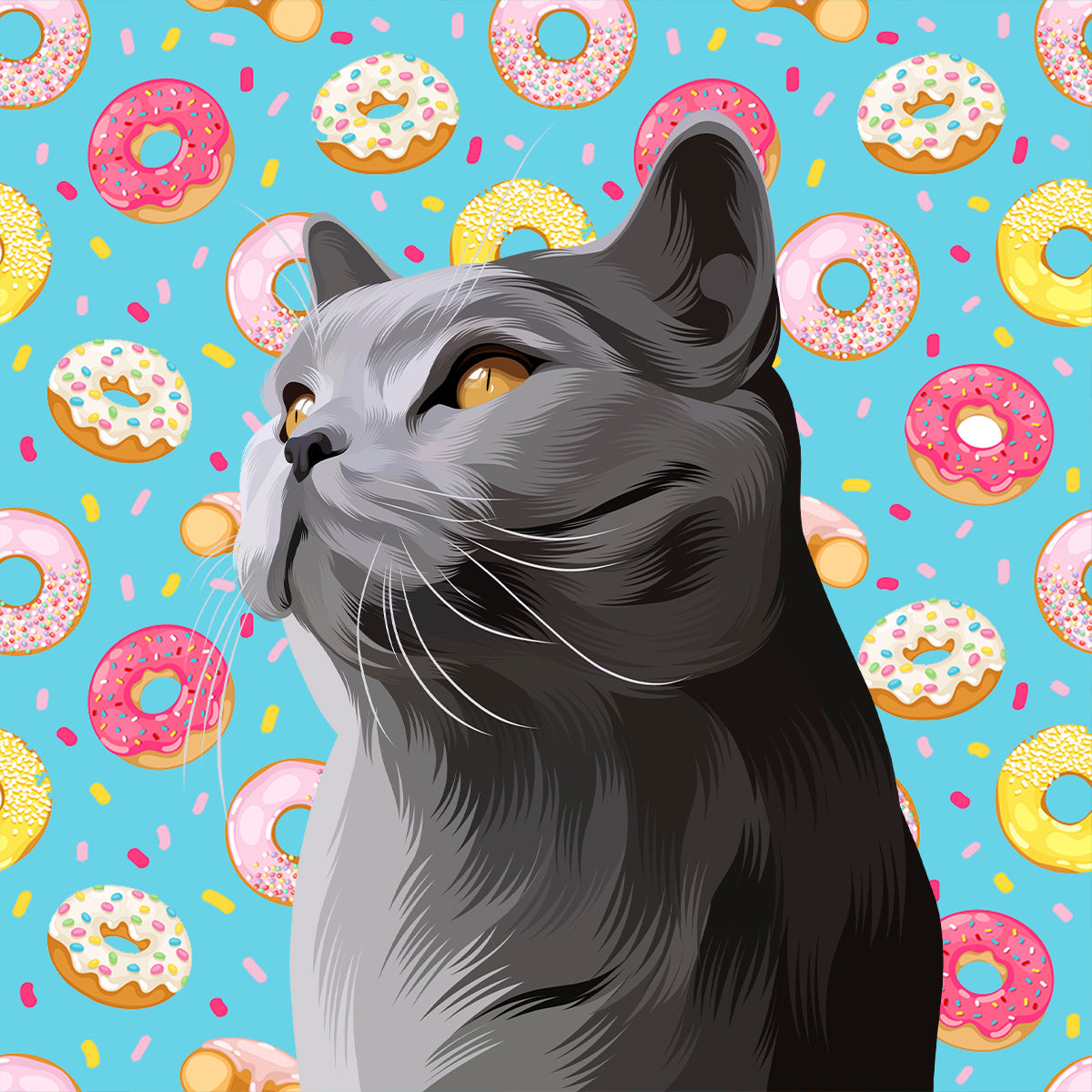
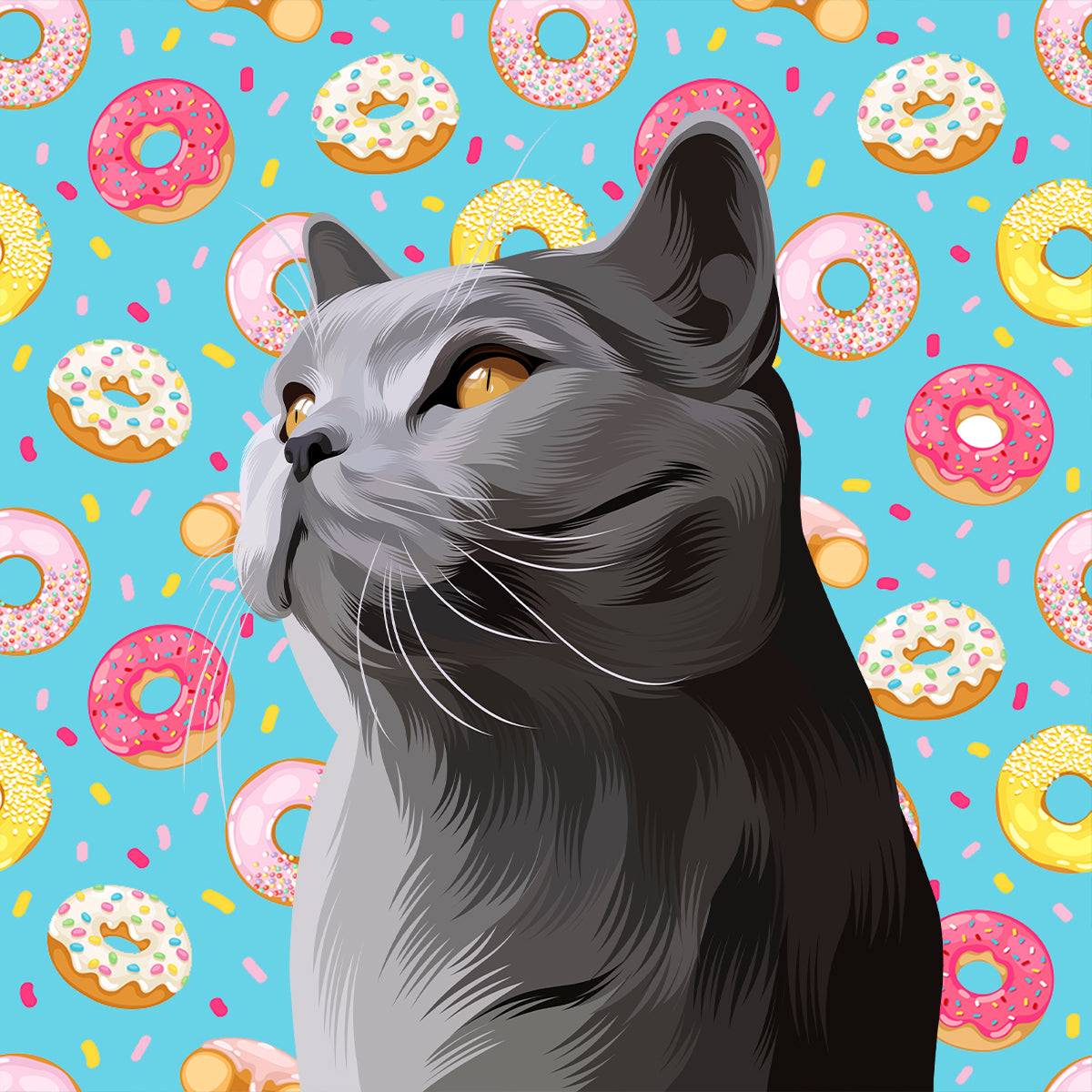
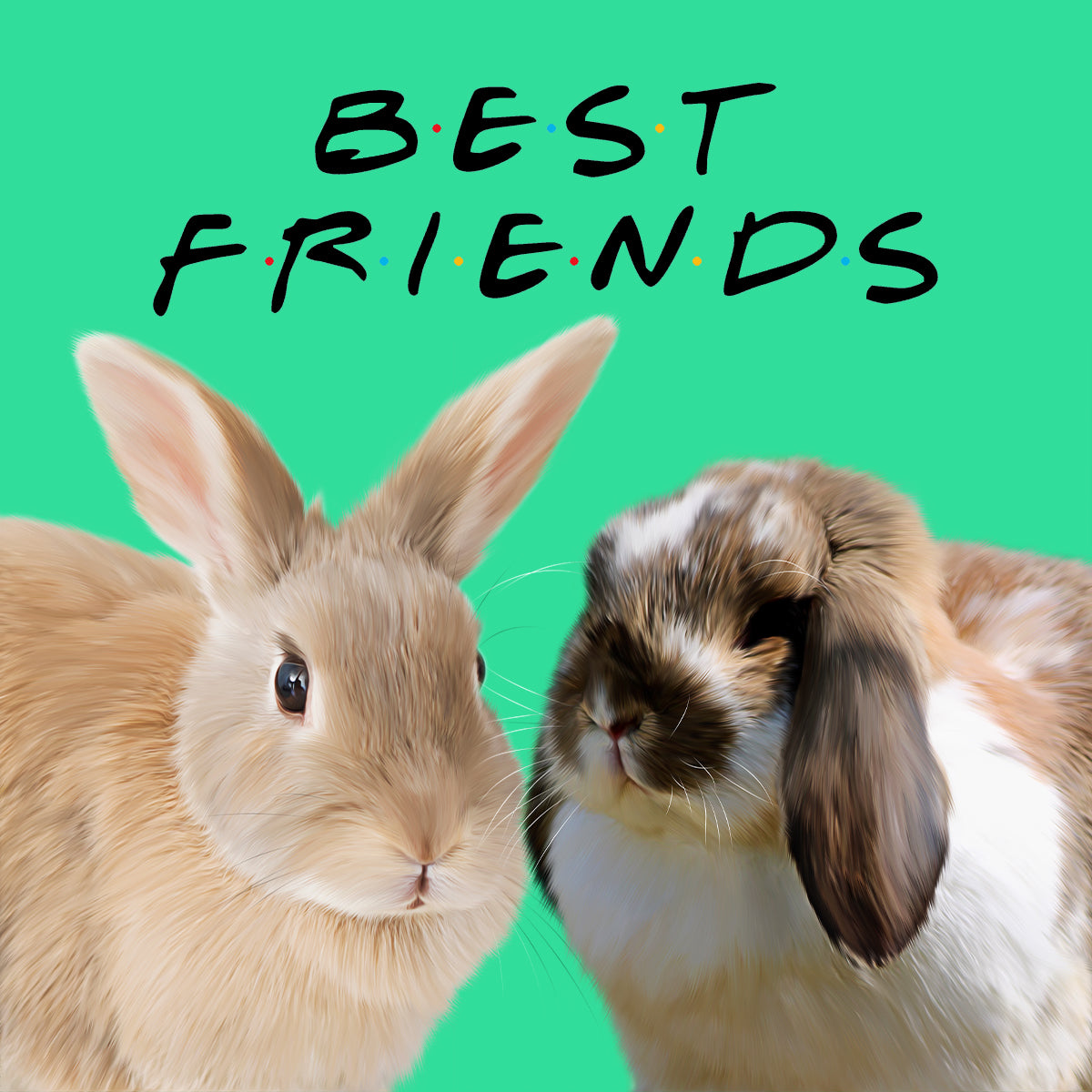
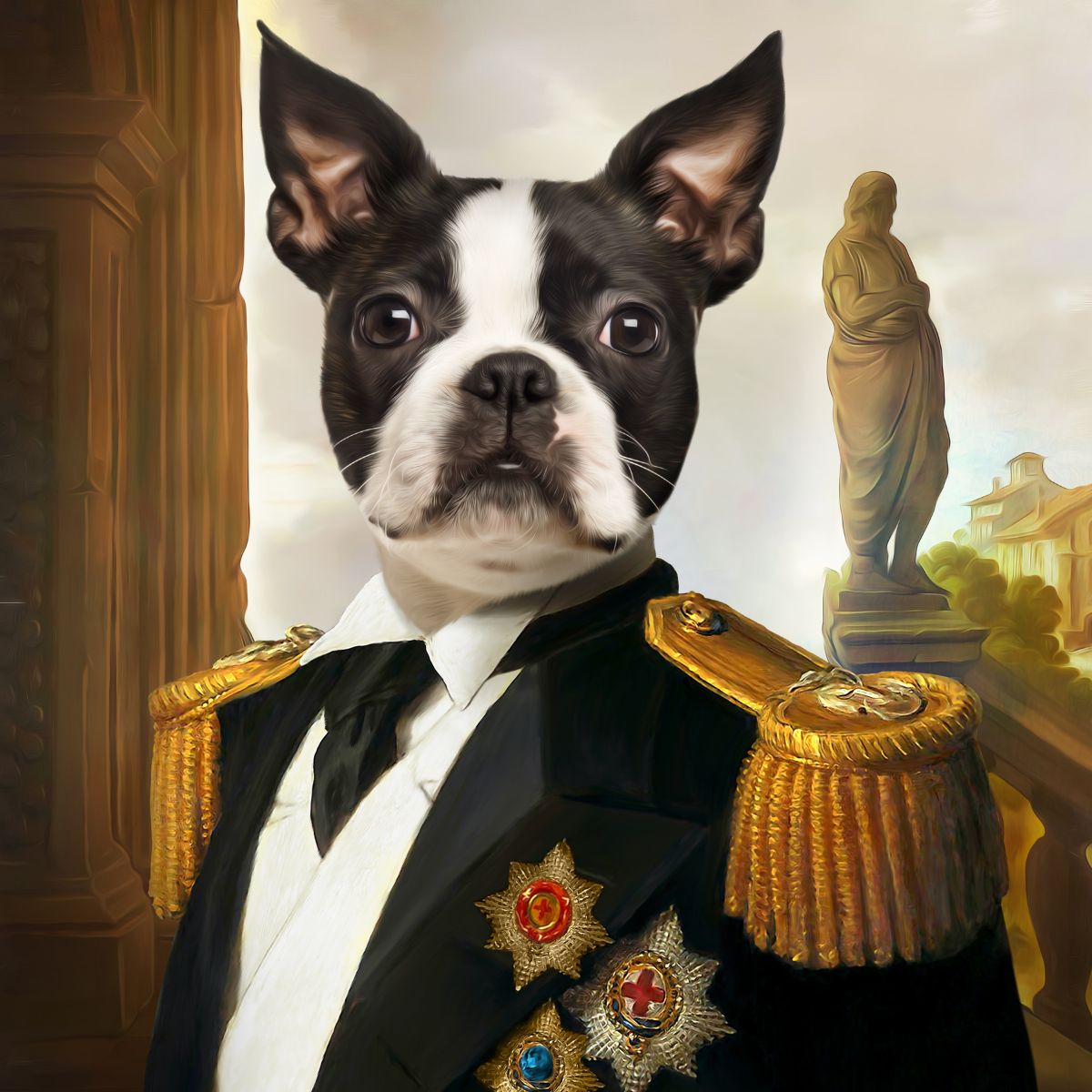
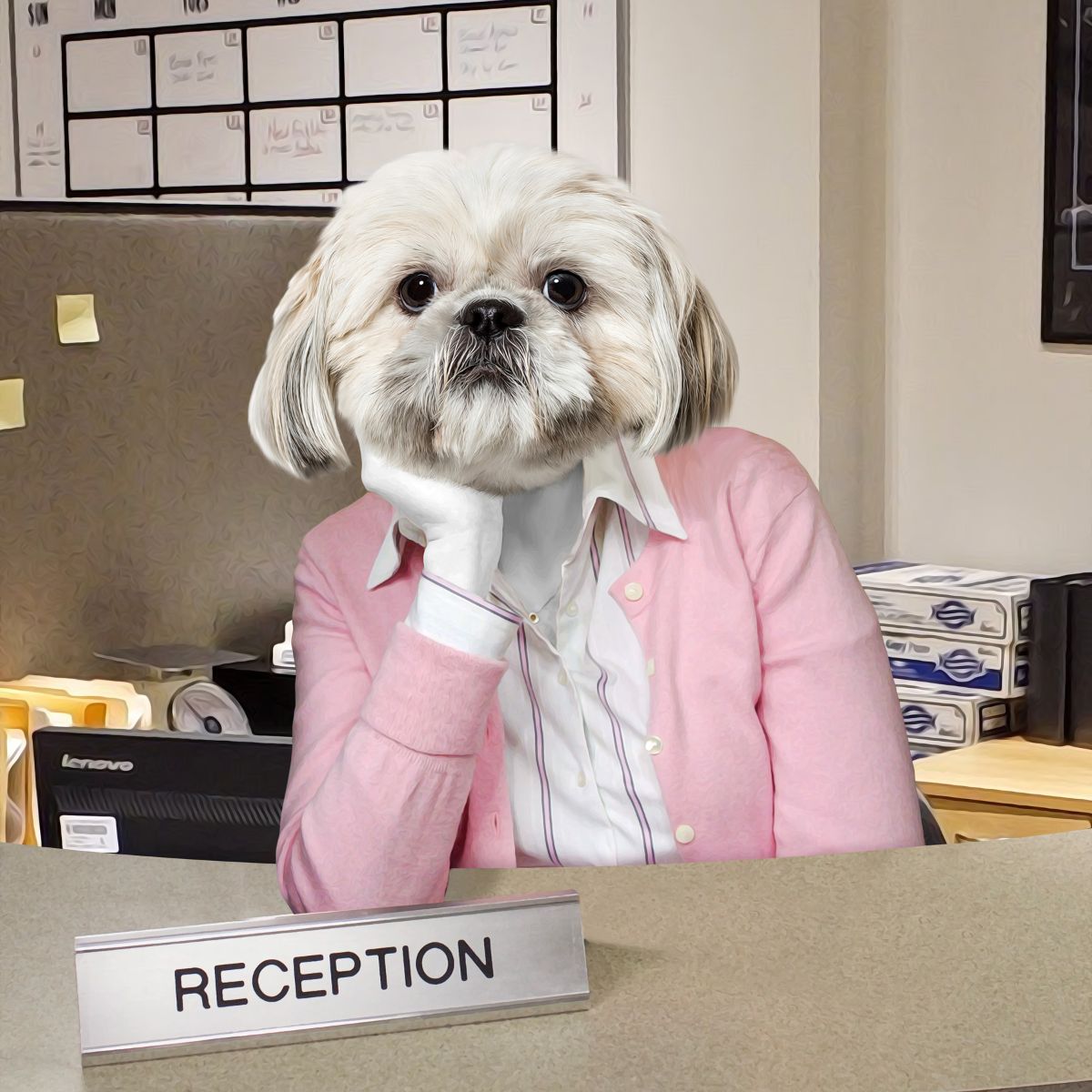
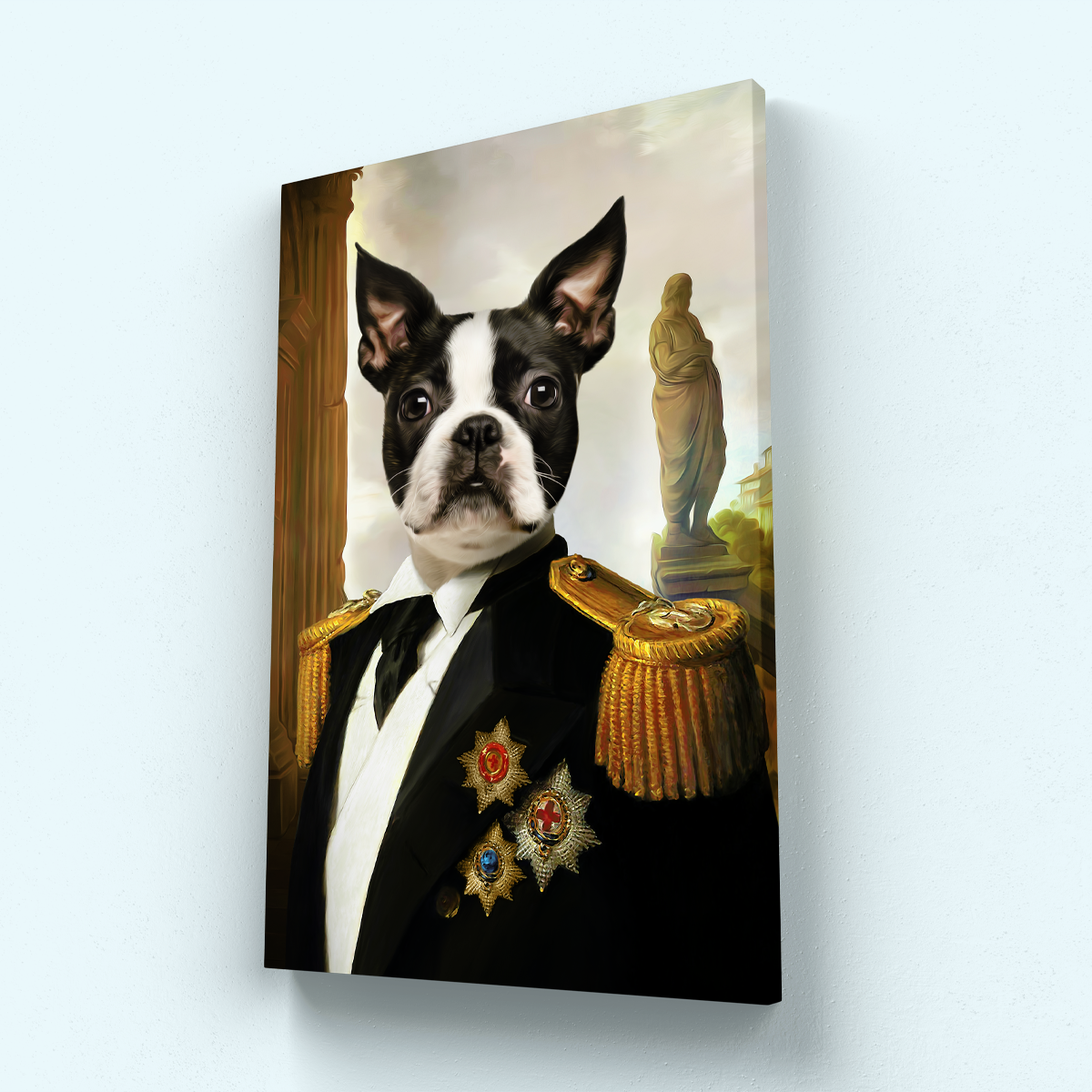
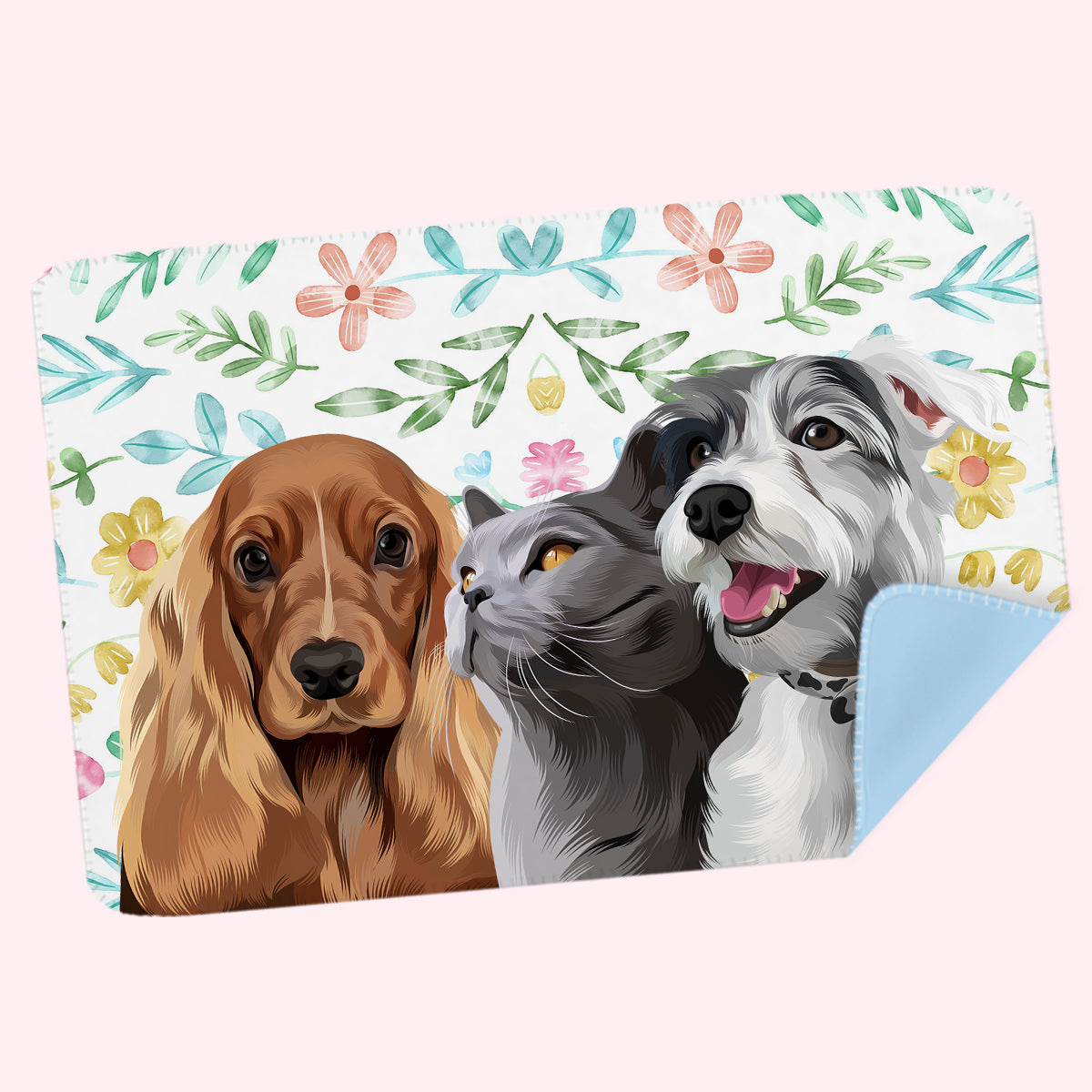
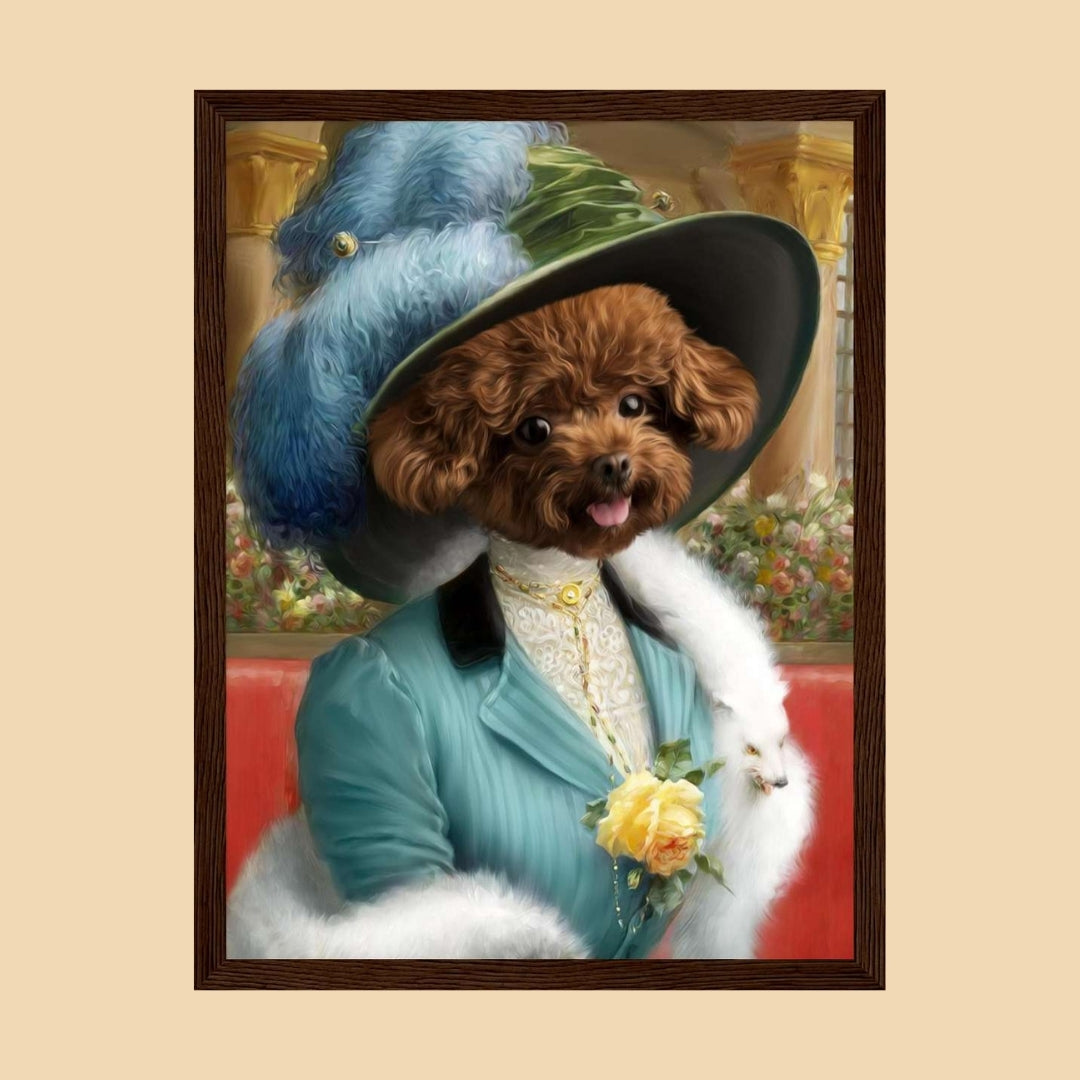
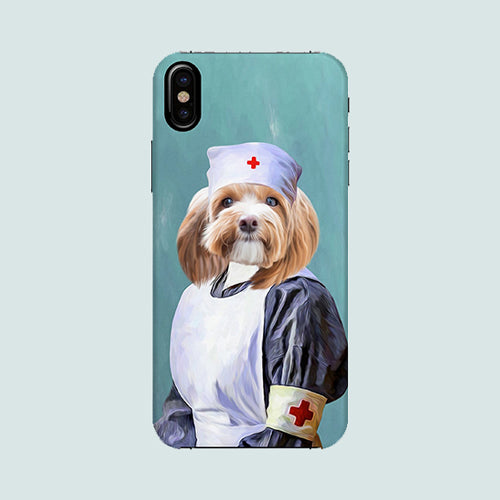
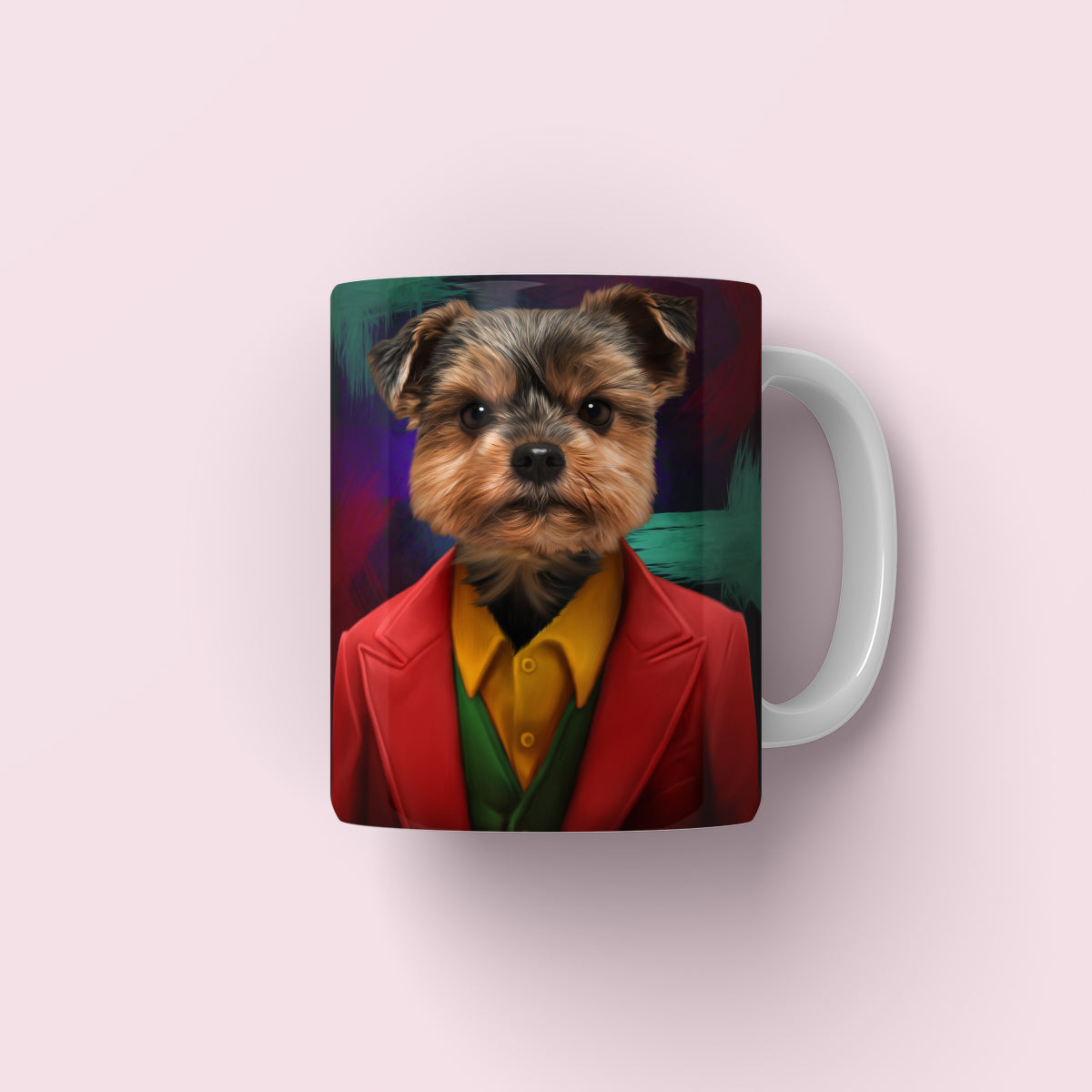
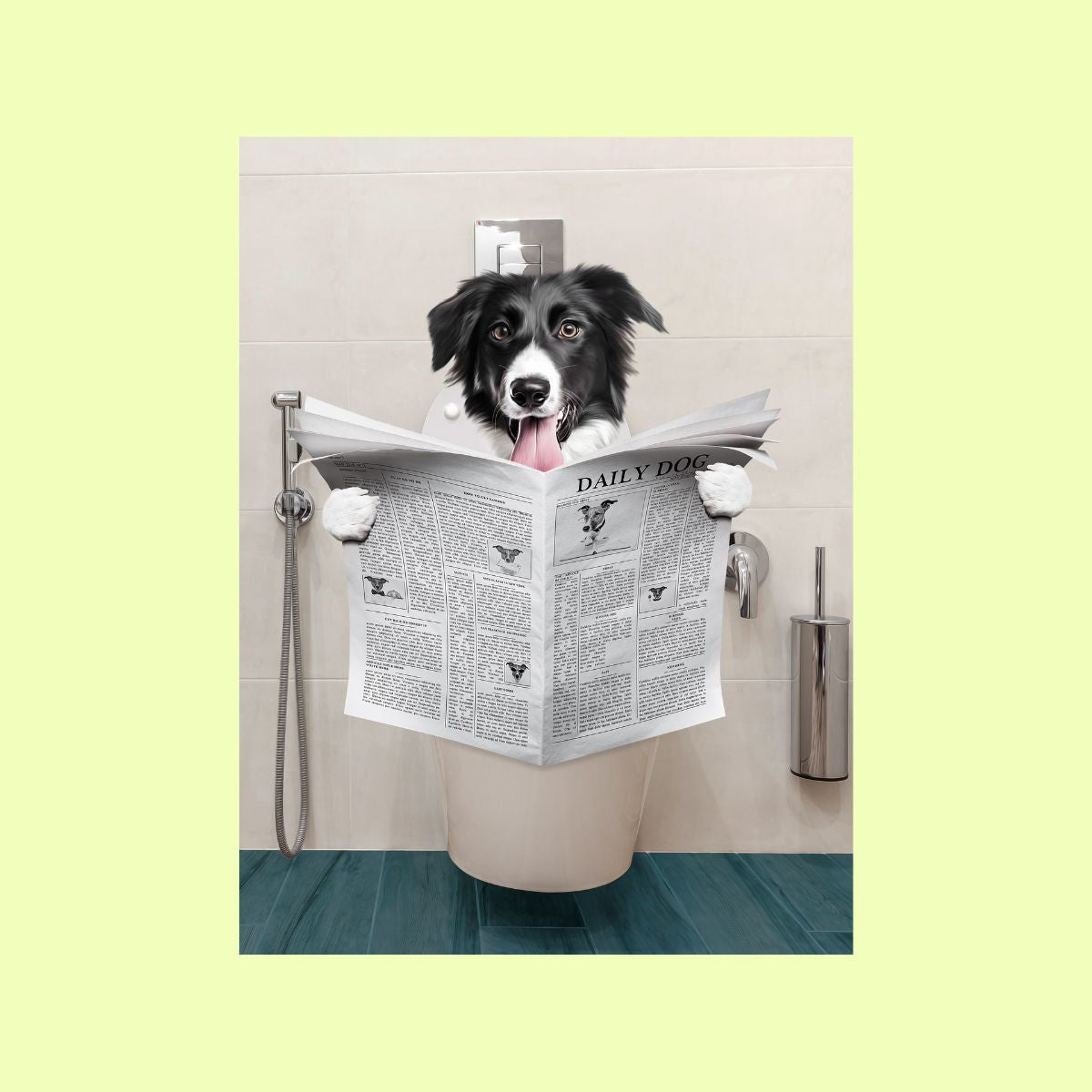
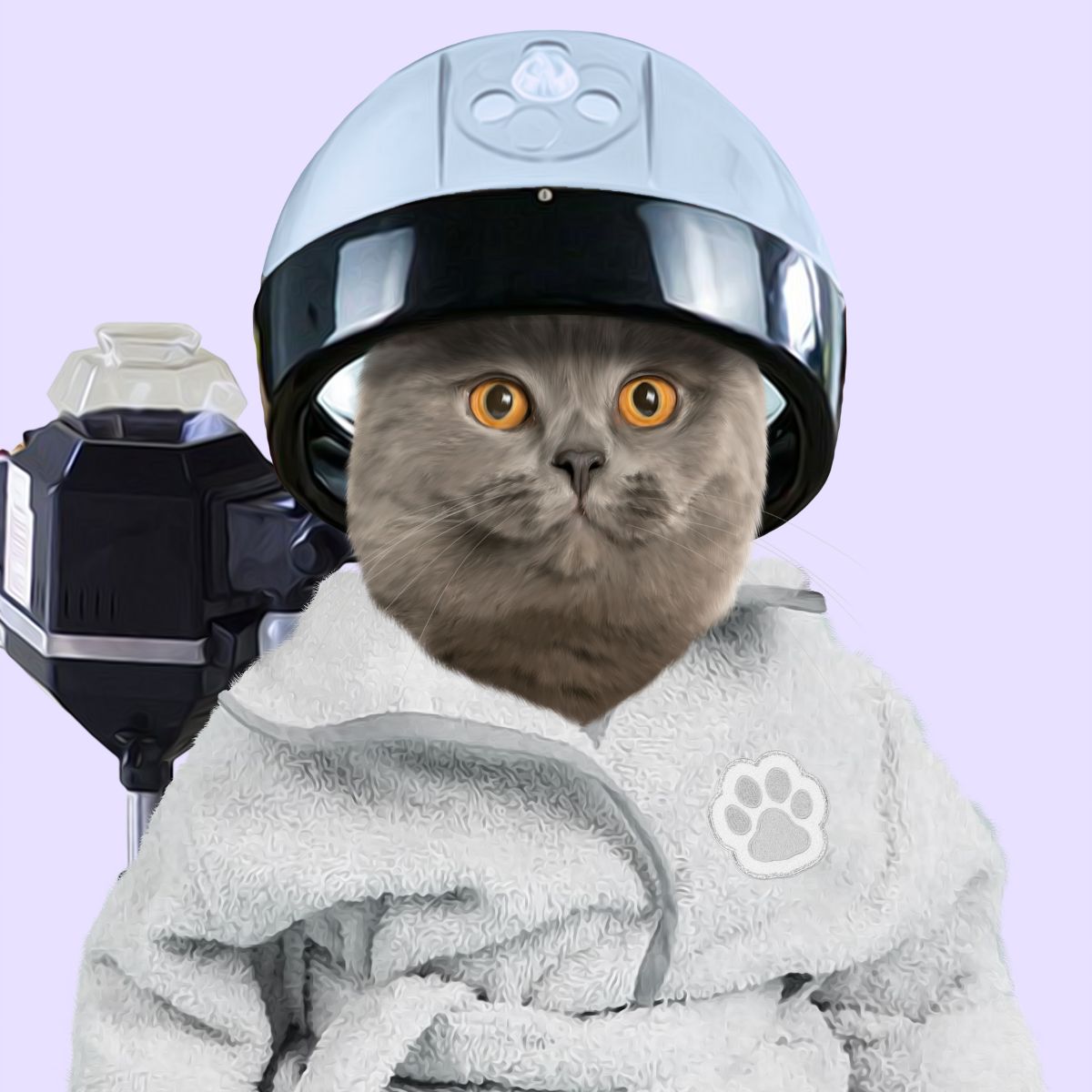
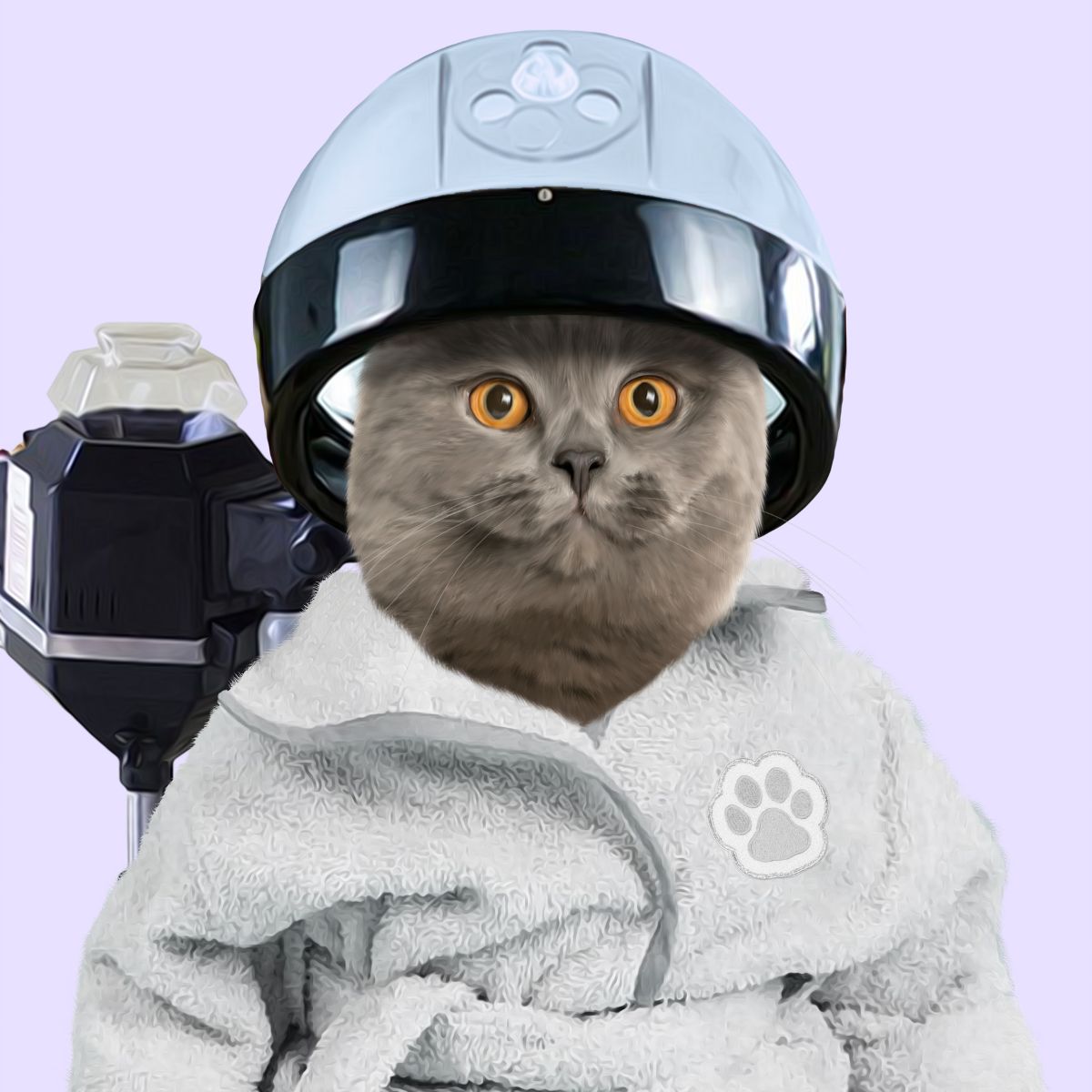
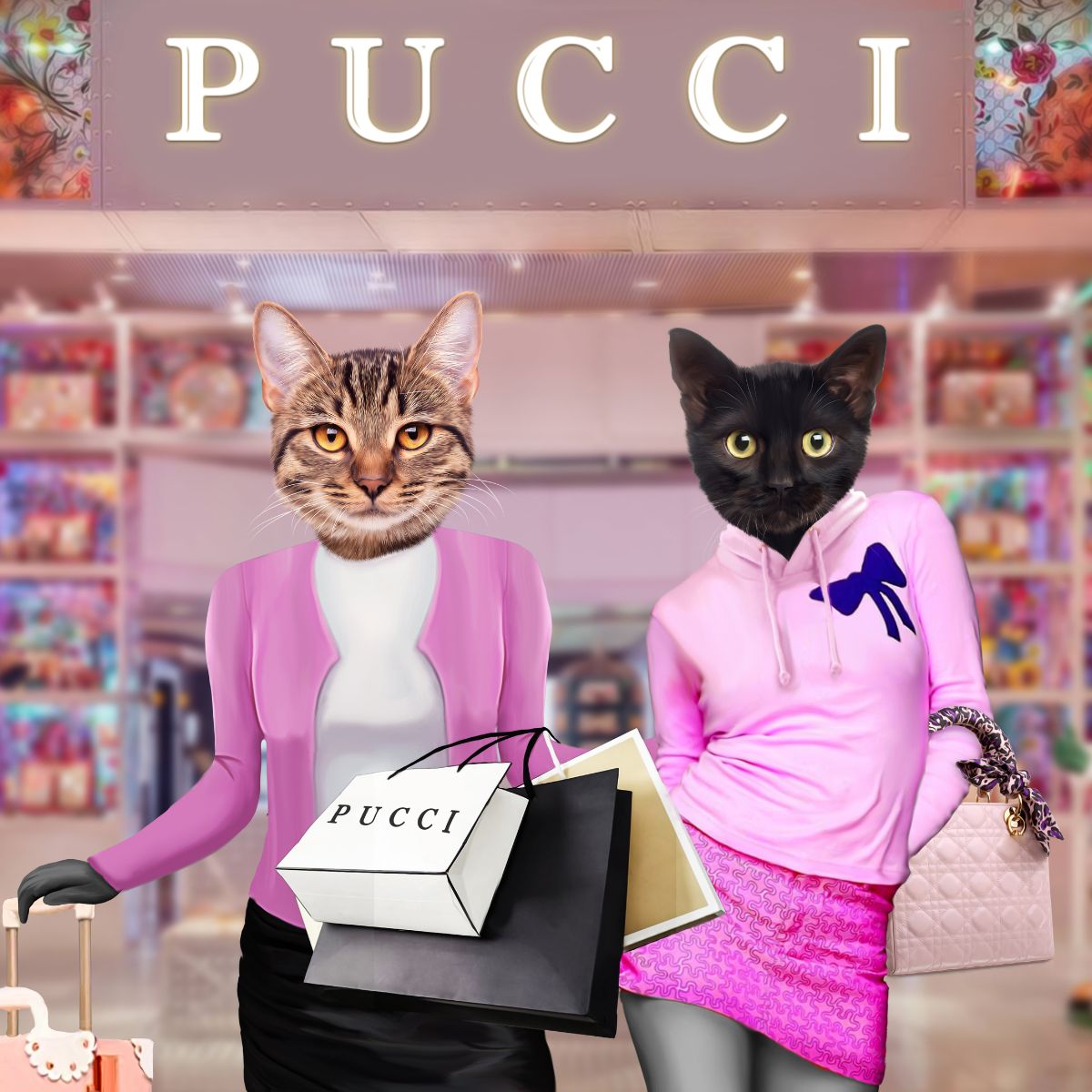
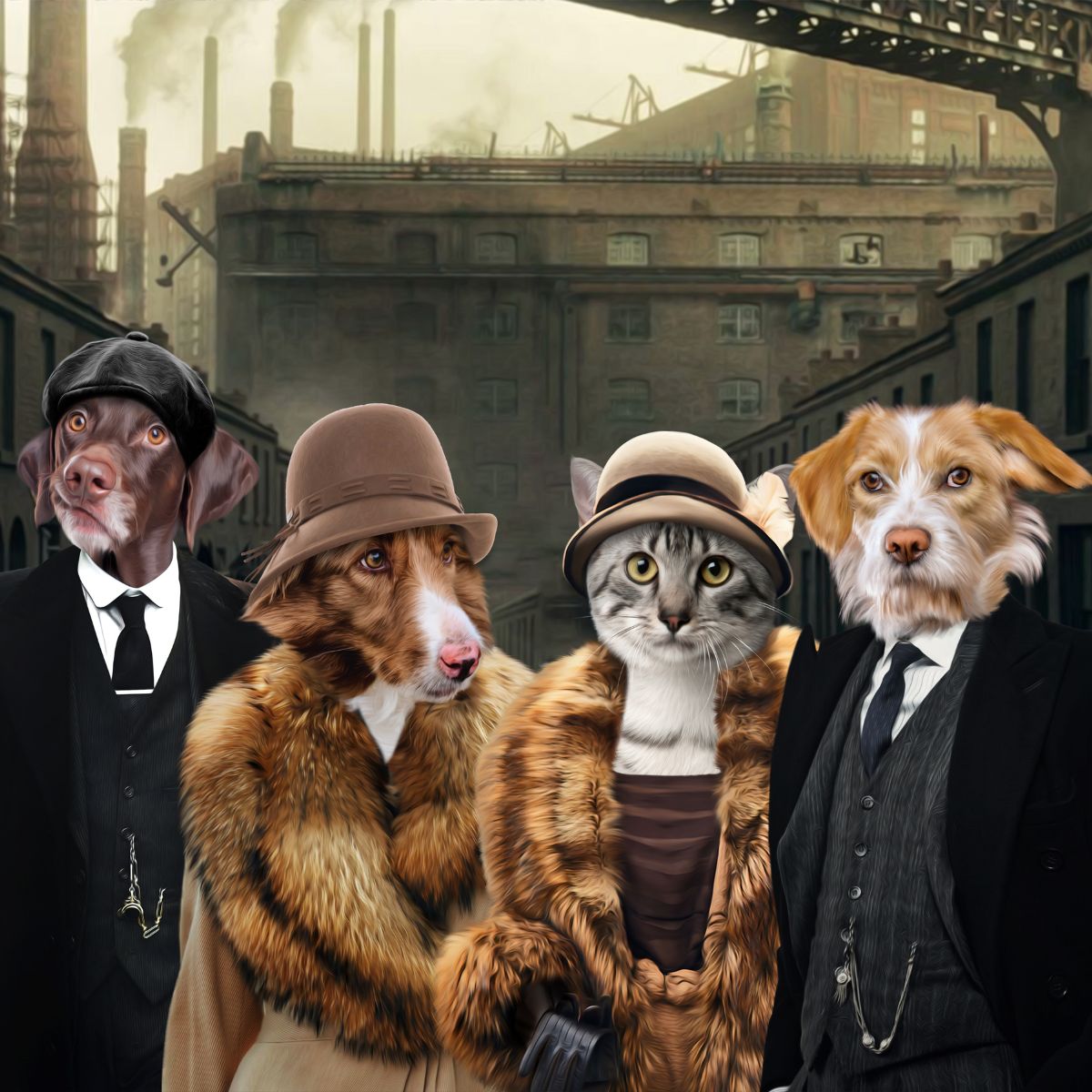
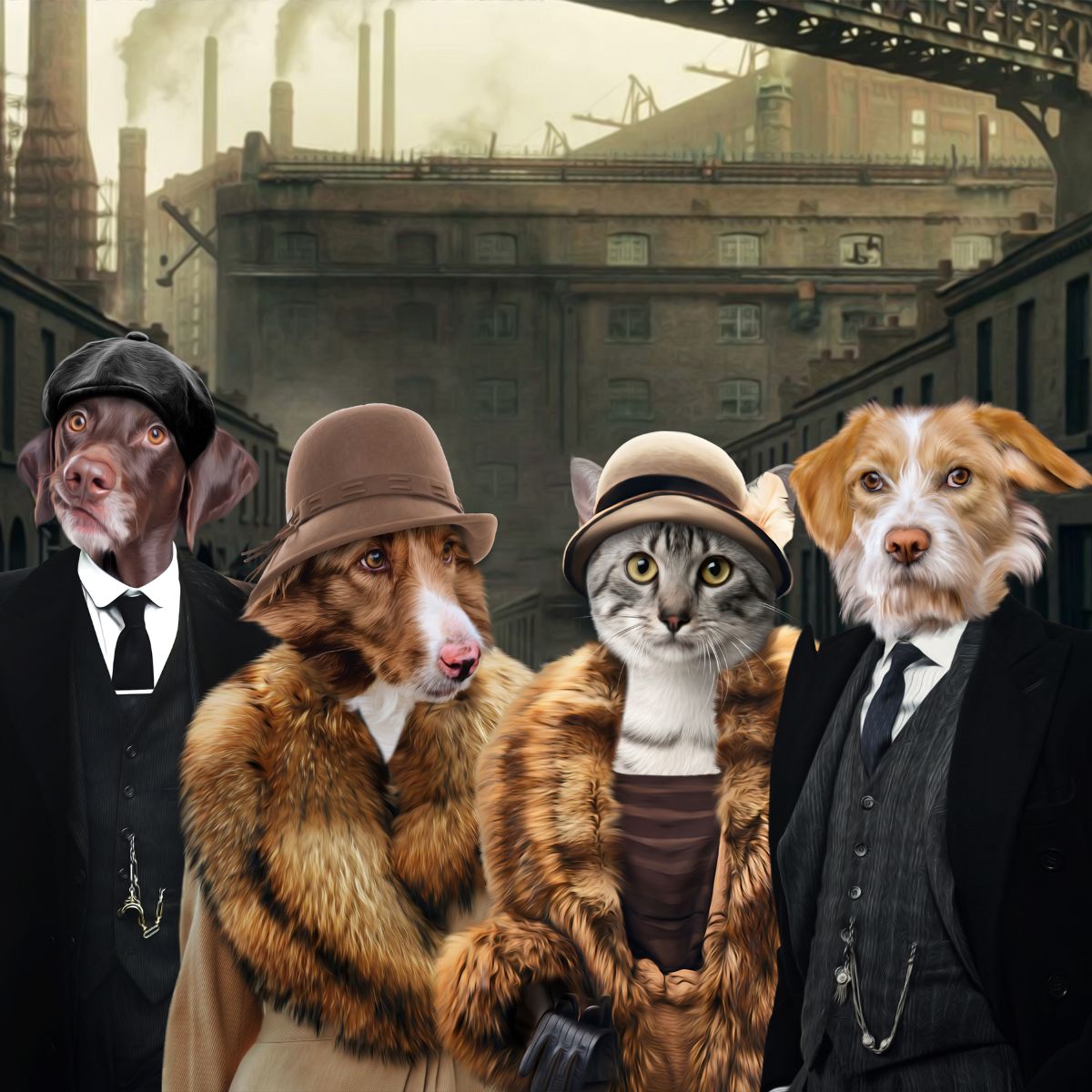
The same pet can feel very different in a clean modern portrait, a colourful pop-art composition or a formal royal design. Style changes the mood, colour and setting; it should not erase the pet underneath it.
Compare the main options in our pet portrait styles UK guide.
A familiar collar or tag may be part of how you recognise the pet. In other portraits, removing a harness or lead creates a cleaner composition.
The decision should be deliberate. If an accessory hides part of the pet, keep another photograph that shows the missing area.
See our guide to collars, tags and harnesses in pet portraits.
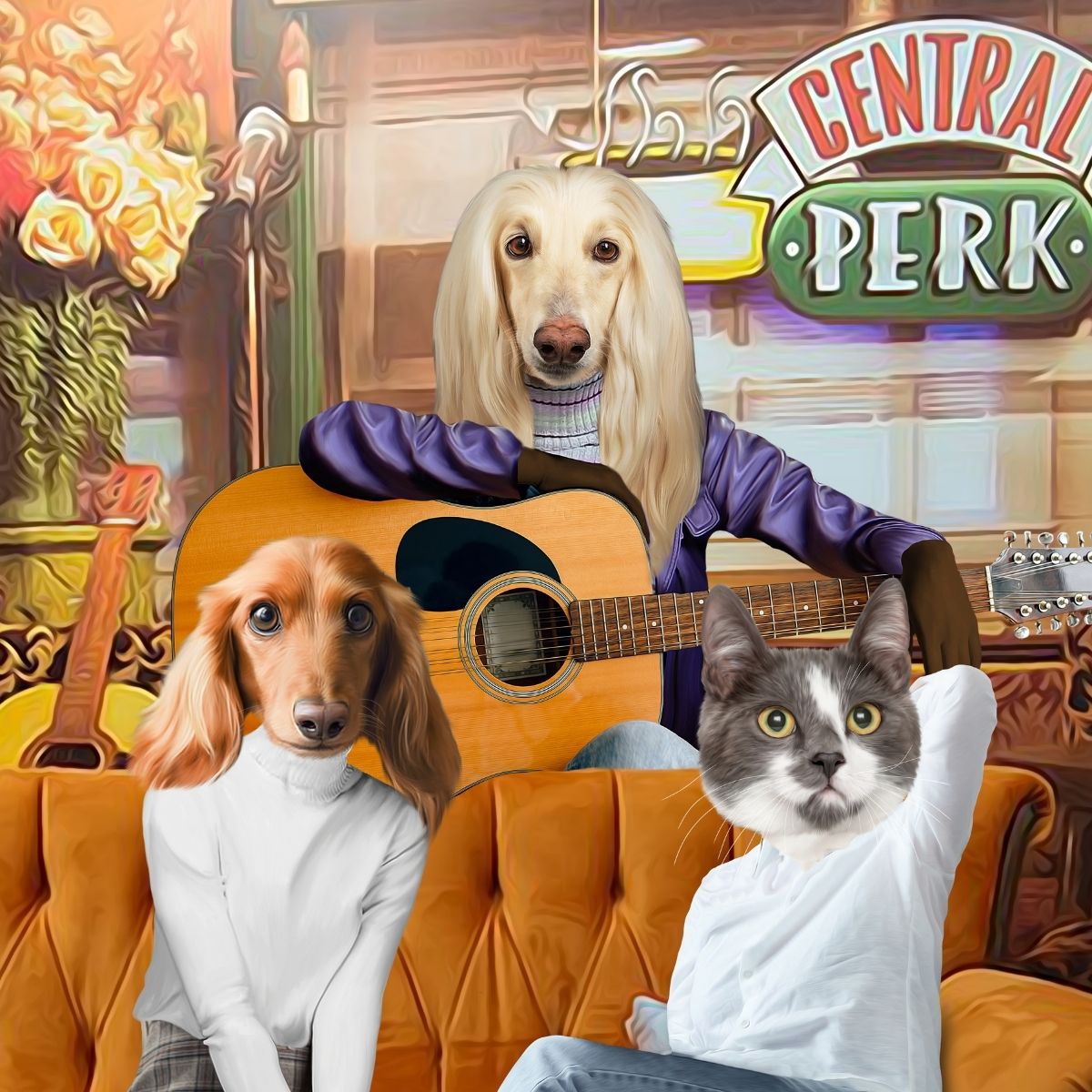
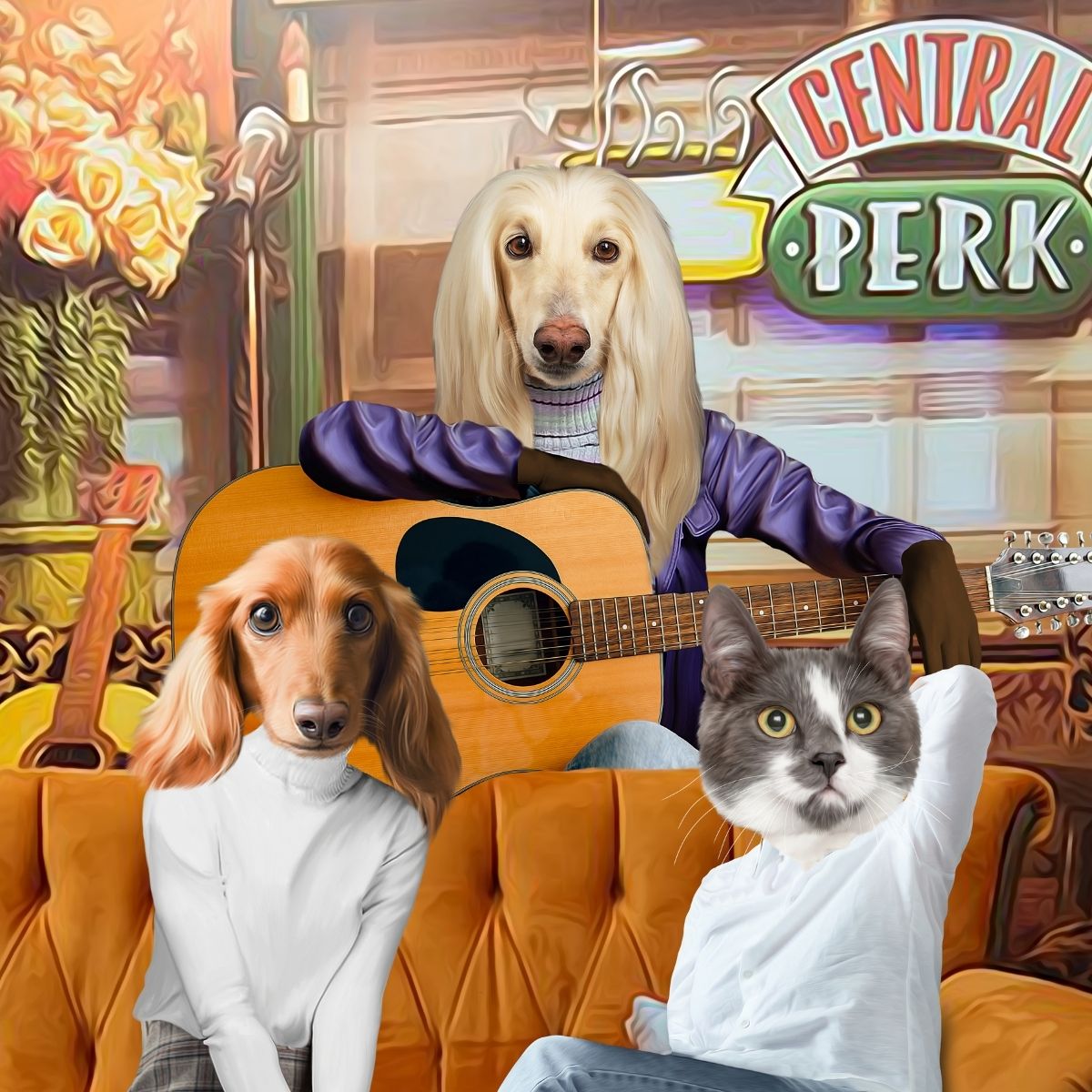
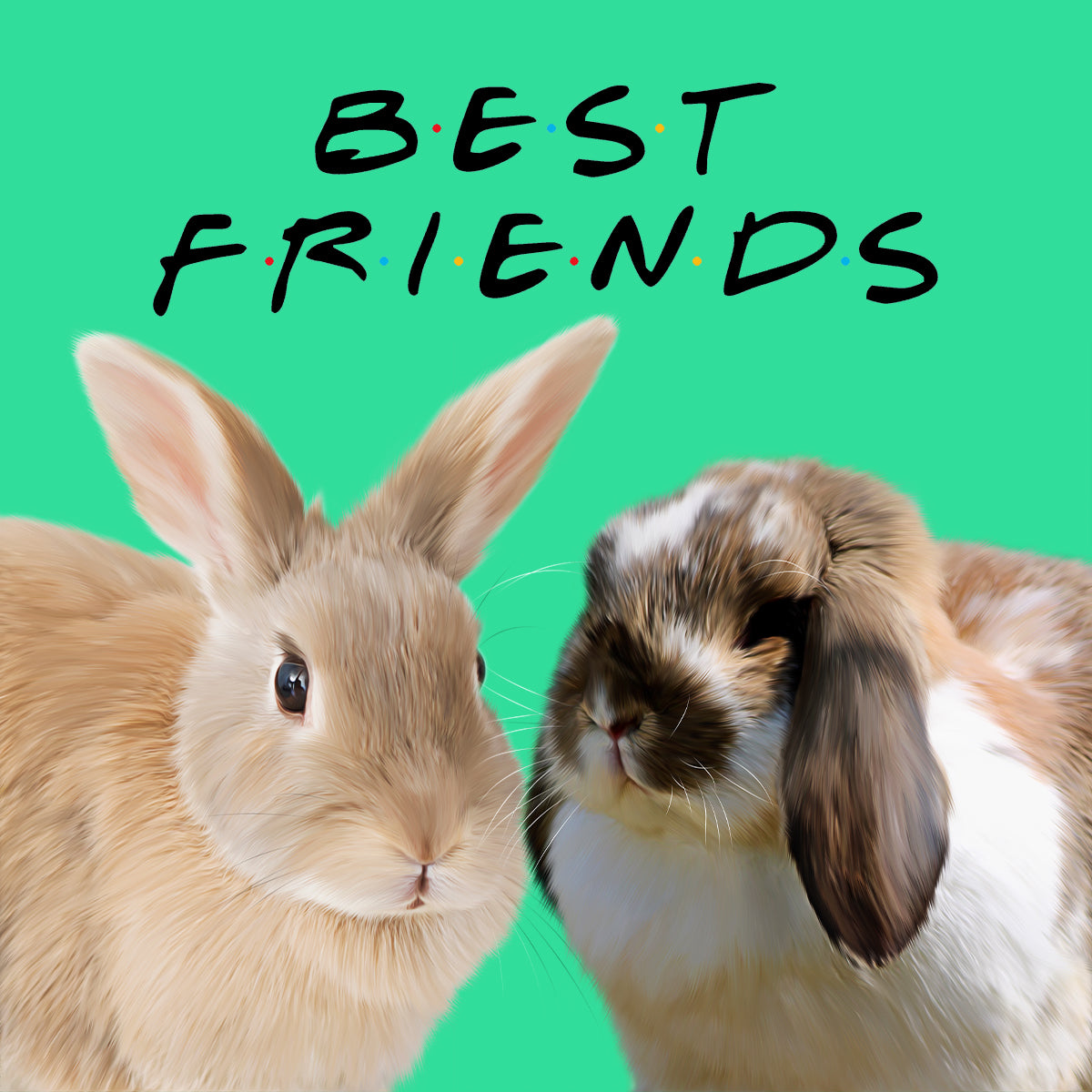
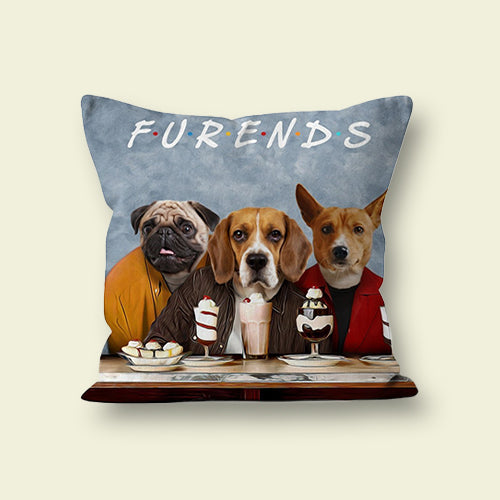
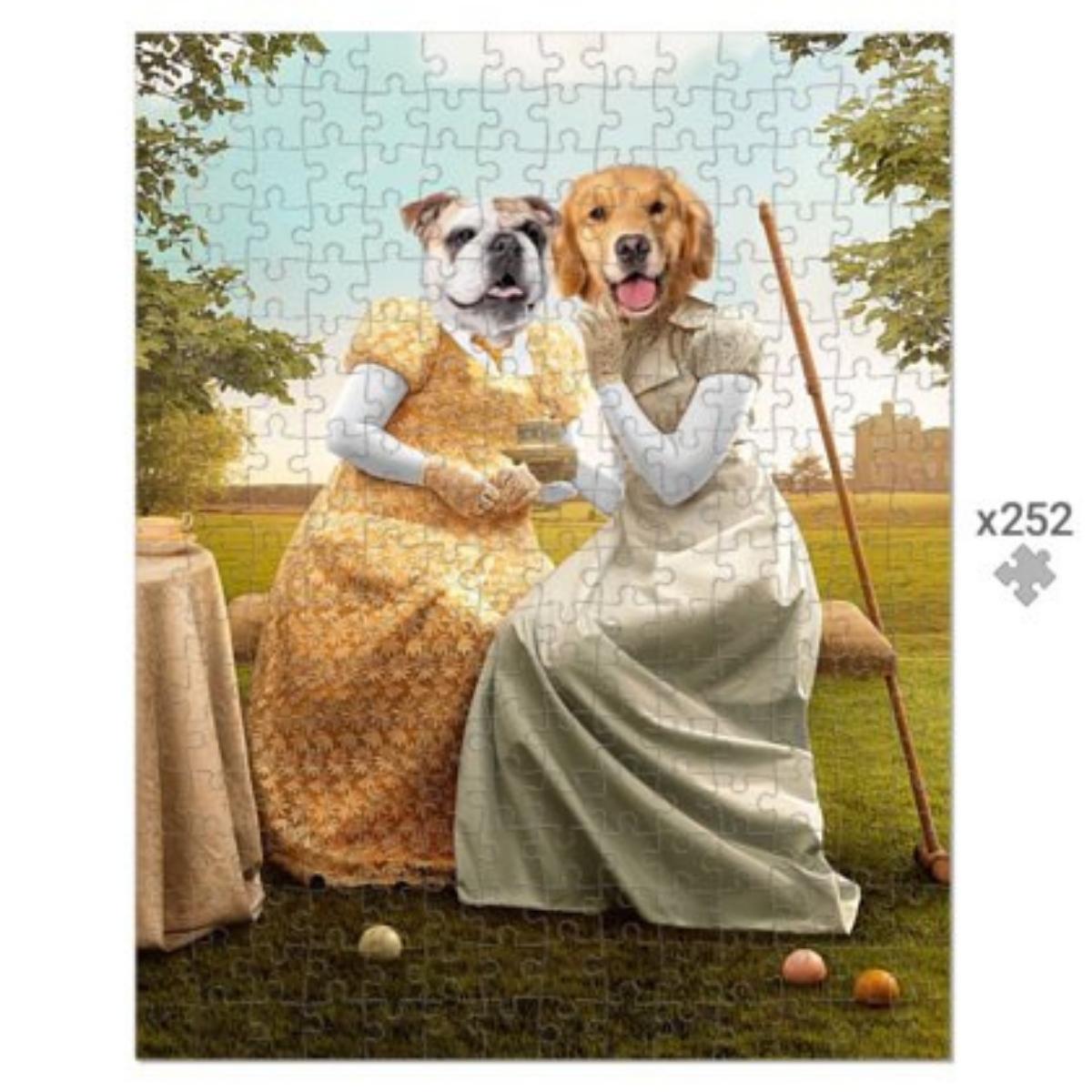
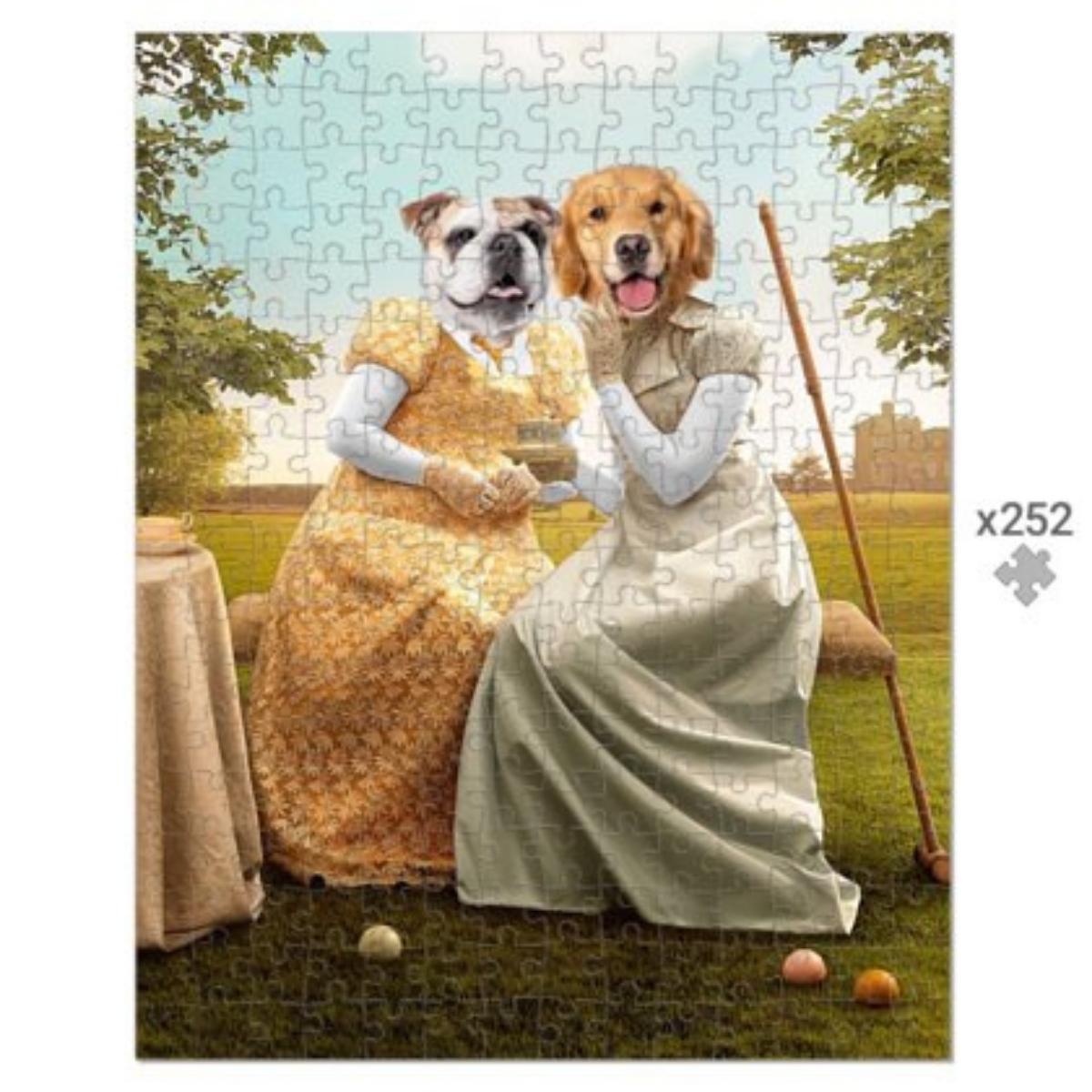
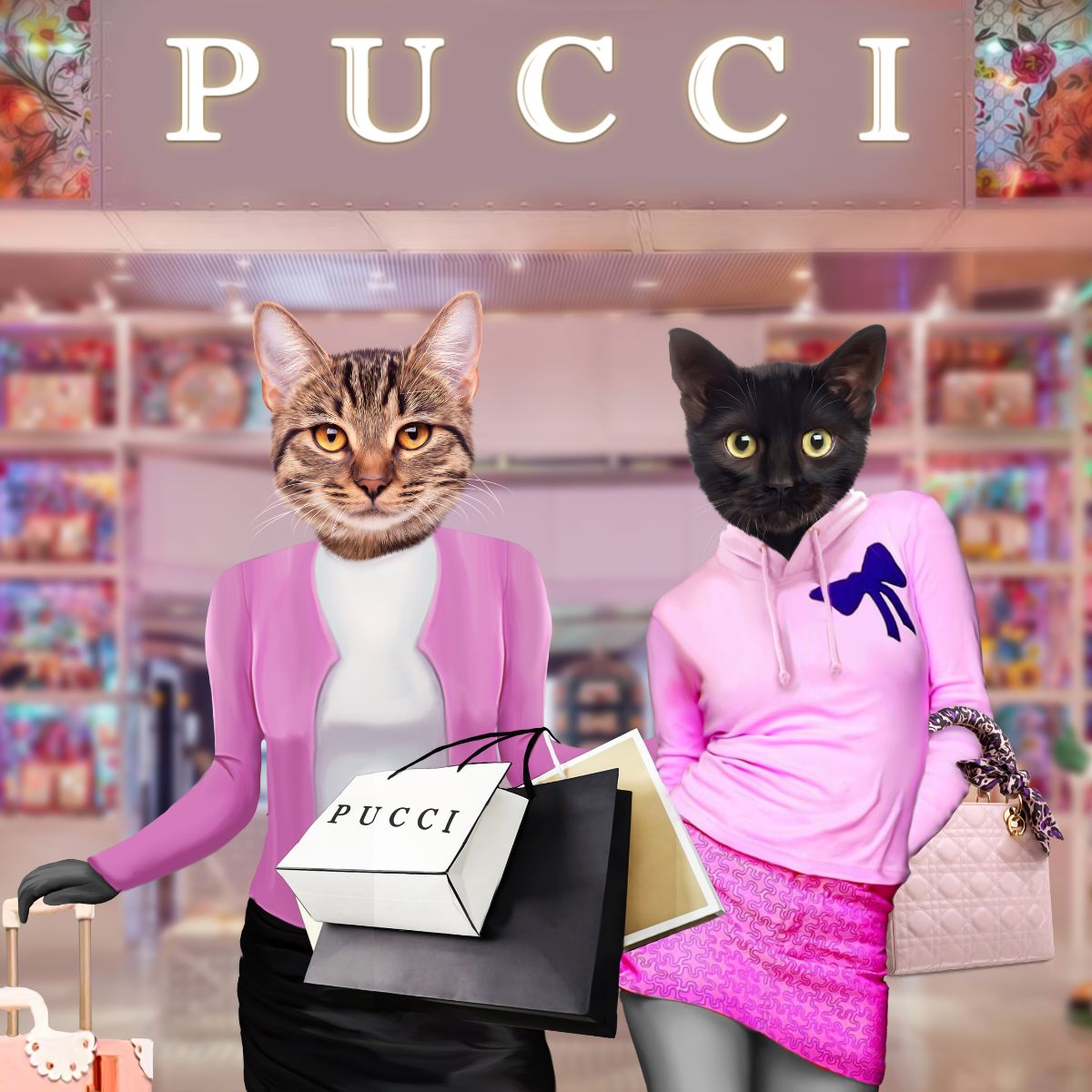
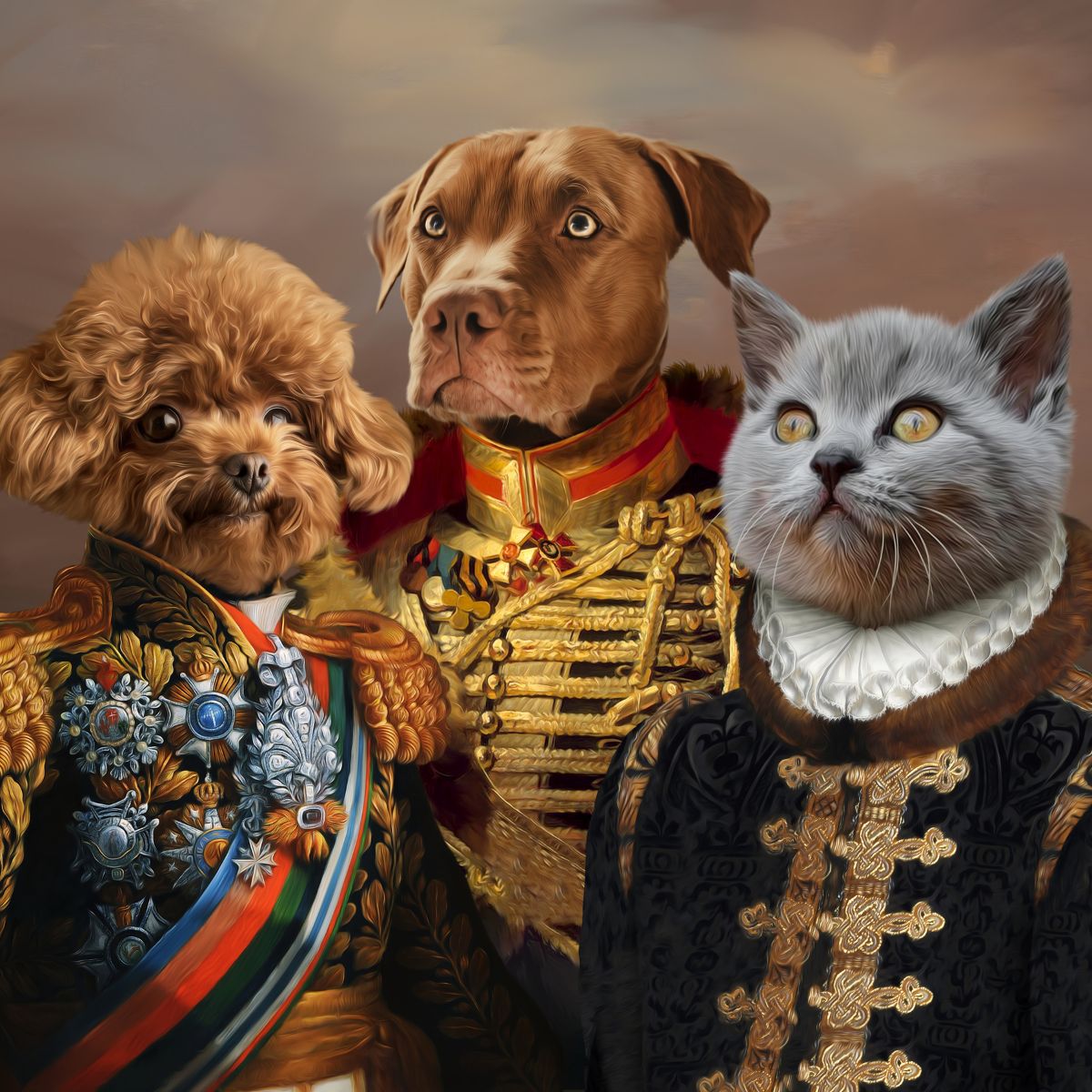
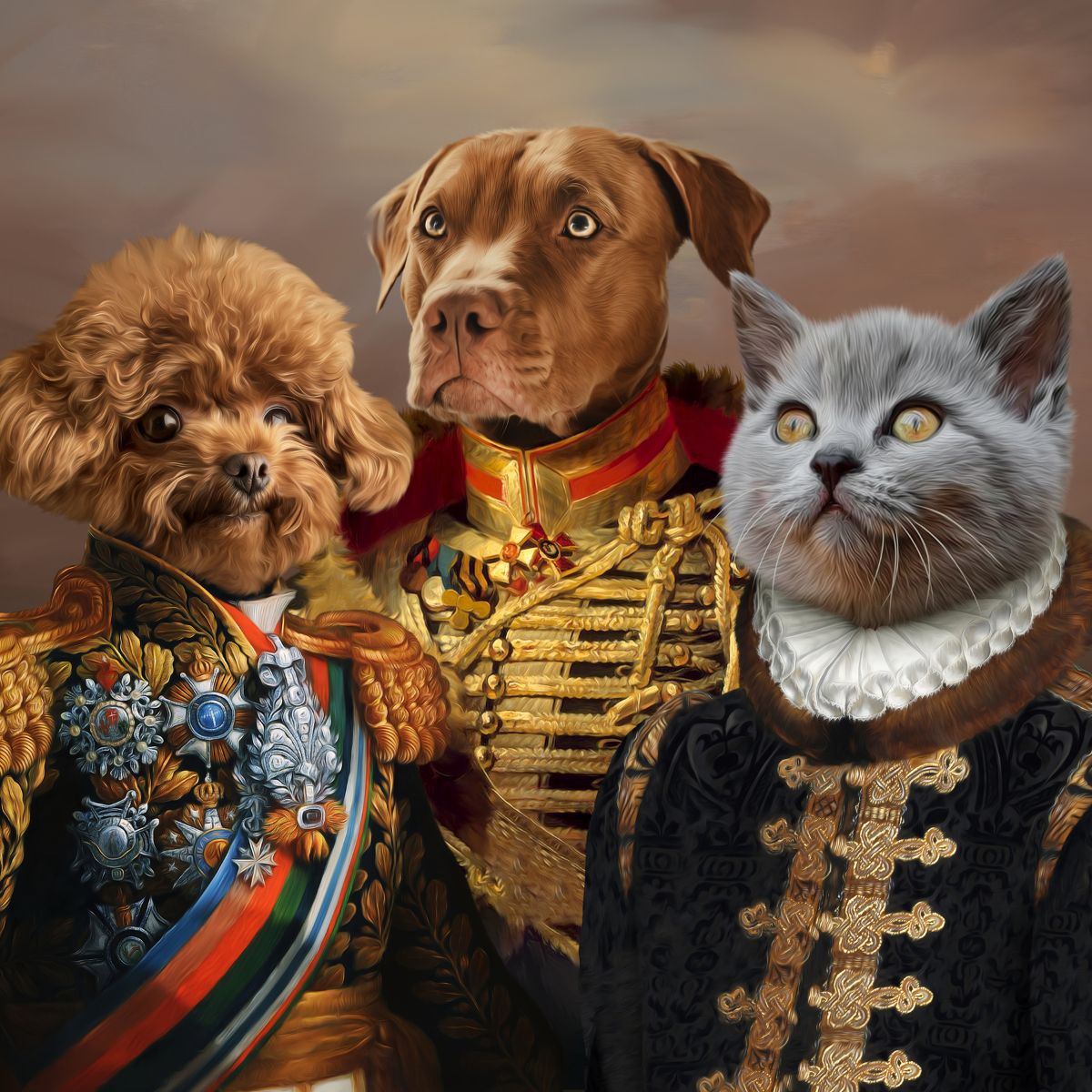
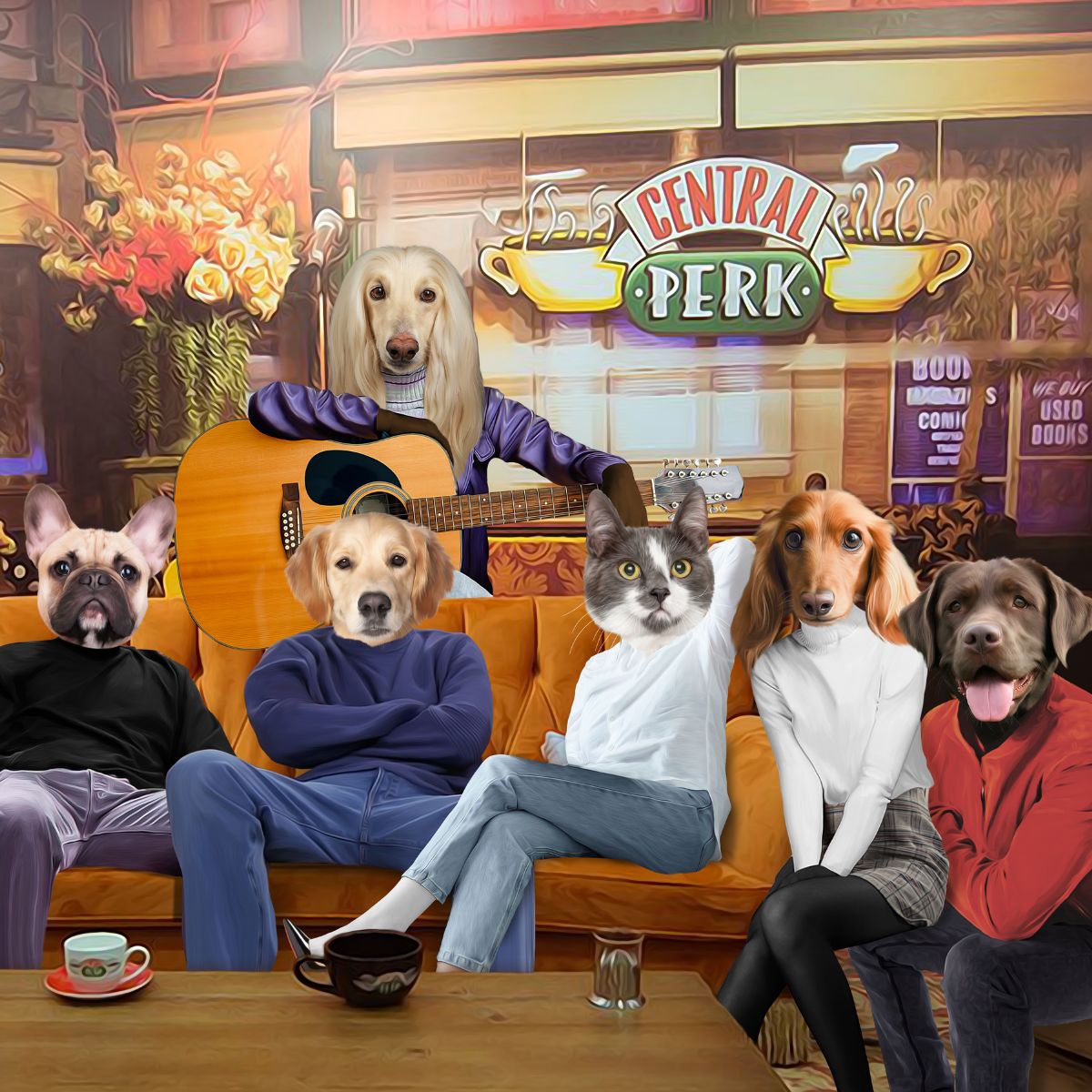
For many multi-pet portraits, separate reference images can be more useful than one weak group photo. Each pet can be chosen from a clear source image, then arranged within the selected composition.
Try to use reasonably compatible camera angles and make the relative size of the animals clear if that matters to you.
Our multi-pet portrait guide covers separate references in more detail.
The background palette or surrounding design may be very different from the original photograph, but the pet’s own coat and distinctive markings should remain recognisable.
This is why heavily filtered source photos can cause problems. If a filter changes a golden coat to orange or a black coat to blue-grey, the reference is giving misleading information.
Use our background colour guide for coat-and-backdrop contrast.
One favourite photograph can remain the main reference while a second image confirms a hidden marking, ear shape or true coat colour.
If the only main copy is a screenshot or messaging-app image, see our guide to screenshots and WhatsApp pet photos before deciding whether a better original can be found.
The artwork proof is the point where you stop thinking about the process in theory and look at the actual personalised result.
Check the features that matter: overall likeness, expression, markings, face shape, pet positioning and any names or text. If something needs changing, specific feedback is much more useful than a general sense that “something is off”.
For the full review process, read our artwork proofs and revisions guide.
No. The background can change according to the portrait design. Keep the original photograph intact so useful pet detail is not lost before the artwork begins.
Supporting photos can help clarify markings, colour or features hidden in the main image.
Yes, depending on the portrait product. Separate clear references can be useful for multi-pet compositions.
Paw & Glory’s current custom portrait workflow includes an artwork preview before production, with artwork edits available before approval.
The point of custom artwork is not to preserve every accidental detail in the original photograph. It is to preserve the pet while deliberately changing the visual presentation around them.
Start with a clear reference, decide which details matter most, then browse the current custom pet portrait collection for the style that gives those details somewhere useful to go.
Comments will be approved before showing up.
September 09, 2026 5 min read
WELCOME TO PAW & GLORY
Get up to 30% off
Join 30,000+ pet owners turning perfectly ordinary photos into gloriously over-the-top works of art.
★★★★★ 2,200+ Five-Star Reviews
Real Artists · Proof Before Print · Unlimited Artwork Revisions