August 16, 2026 3 min read
You have found the photograph for your pet portrait. The face is sharp, the light is good and your dog is, for once, looking in roughly the same direction as the camera.
Then you notice the fluorescent walking harness, a dangling address tag and a collar that seemed perfectly normal in real life but has somehow become the visual centre of the photograph.
Should those details stay in the portrait? There is no universal answer. The best choice depends on whether they are part of your pet's identity or simply happened to be attached when the photo was taken.
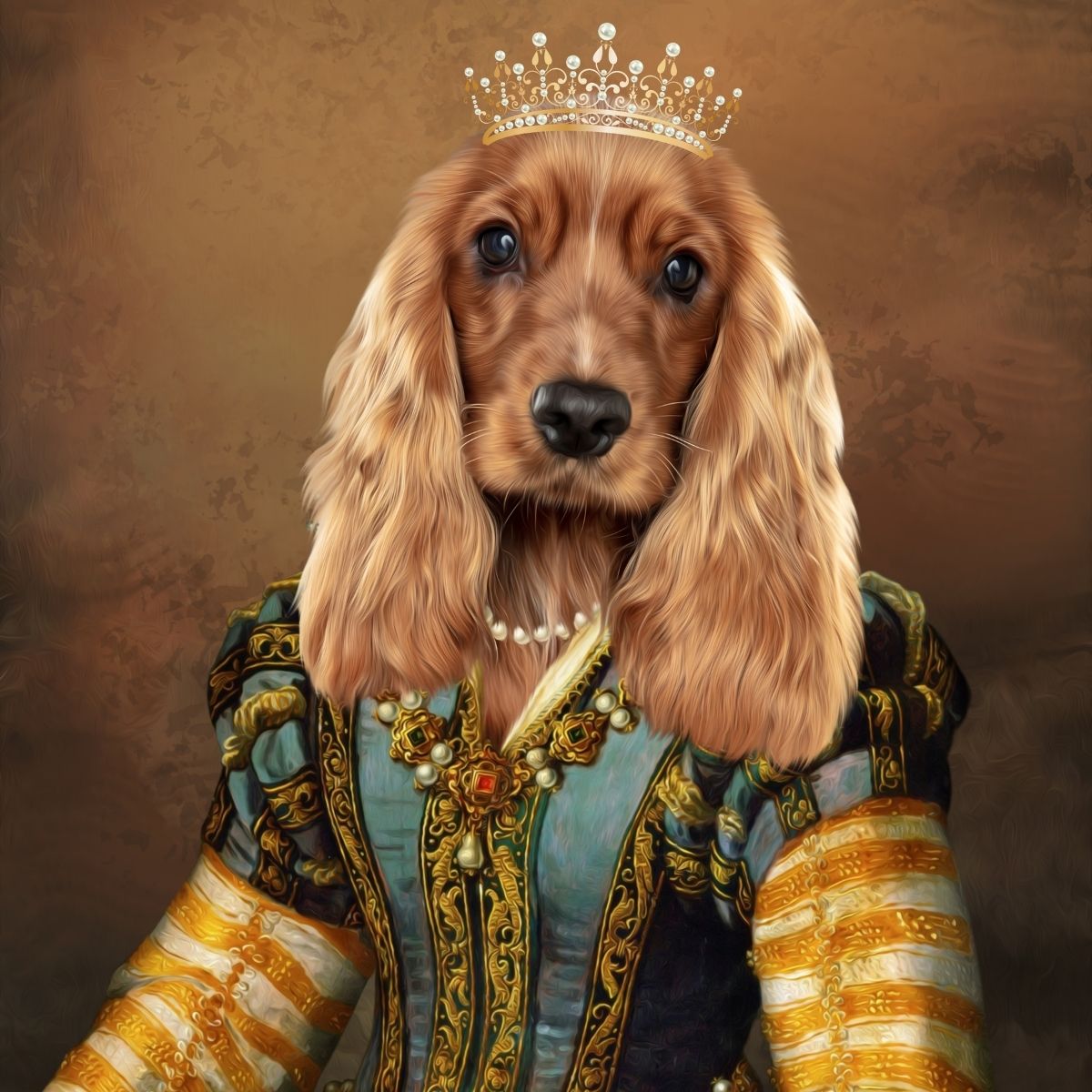
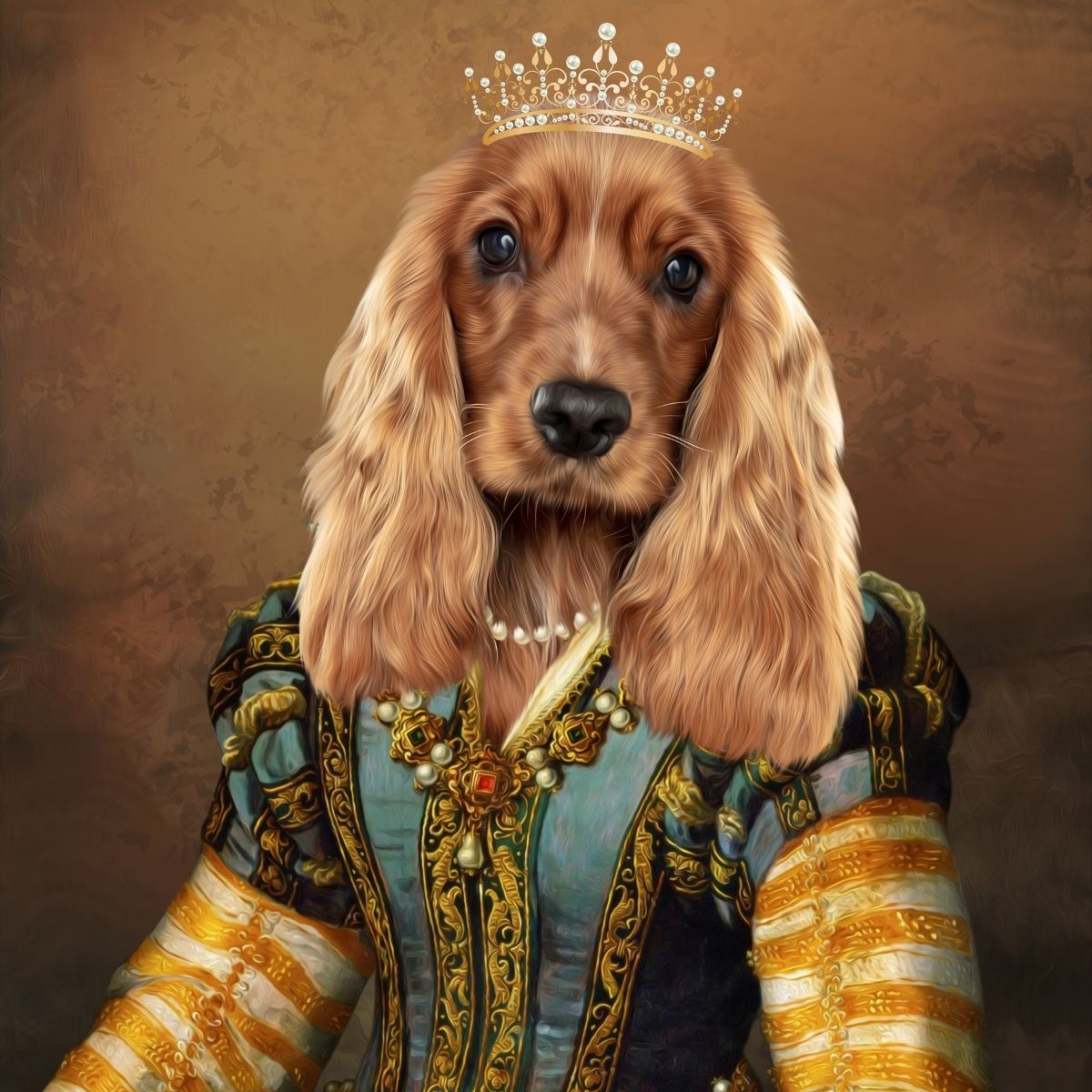
Some collars are immediately recognisable. Perhaps your dog has worn the same red leather collar for years, your cat has a distinctive little bow, or the tag has sentimental meaning.
In those cases, keeping the detail can make the portrait feel more personal. The accessory is not visual clutter; it is part of how you remember the animal.
This can matter particularly in memorial artwork. Tiny familiar details sometimes carry far more emotional weight than anyone outside the family would expect.
Other accessories are purely practical. Reflective walking harnesses, training leads, temporary medical collars and bulky clips may dominate the photograph without saying anything meaningful about the pet.
If the accessory cuts across the neck, hides important fur markings or changes the silhouette dramatically, a cleaner portrait may put more attention back on the face.
That does not mean every collar should disappear. It means the finished portrait should look intentional rather than like the photograph happened to be taken four seconds before a muddy walk.
Pet tags can contain phone numbers, addresses or other personal information. Even when the writing is tiny in the source photograph, think about whether you actually want those details reproduced or visible in finished artwork, especially if you plan to share photos of the portrait online.
If the tag itself is meaningful but the contact information is not, ask whether the chosen portrait style can keep the look of the tag without reproducing private details.
Harnesses have more visual impact than collars because they cover a larger part of the chest and shoulders. The decision is partly about the composition you want.
Keep the harness if it is genuinely part of the story: an assistance-dog harness, a distinctive piece of equipment or something strongly associated with the pet.
Consider leaving it out when it is simply walking gear and you want the finished portrait to focus on the animal's natural colouring and shape.
Do not automatically throw away the strongest photograph just because it contains a collar or harness. A clear, well-lit face is usually more valuable as reference material than a poor photograph with a perfectly bare neck.
If you would like a detail changed, make that request clearly when ordering and check what the particular portrait design can accommodate. Do not assume every accessory can be removed cleanly from every photograph or every style.
The same principle applies to bows, bandanas, coats and festive accessories. If the item is part of the reason you love the picture, keep it. If it is merely blocking useful detail, flag it.
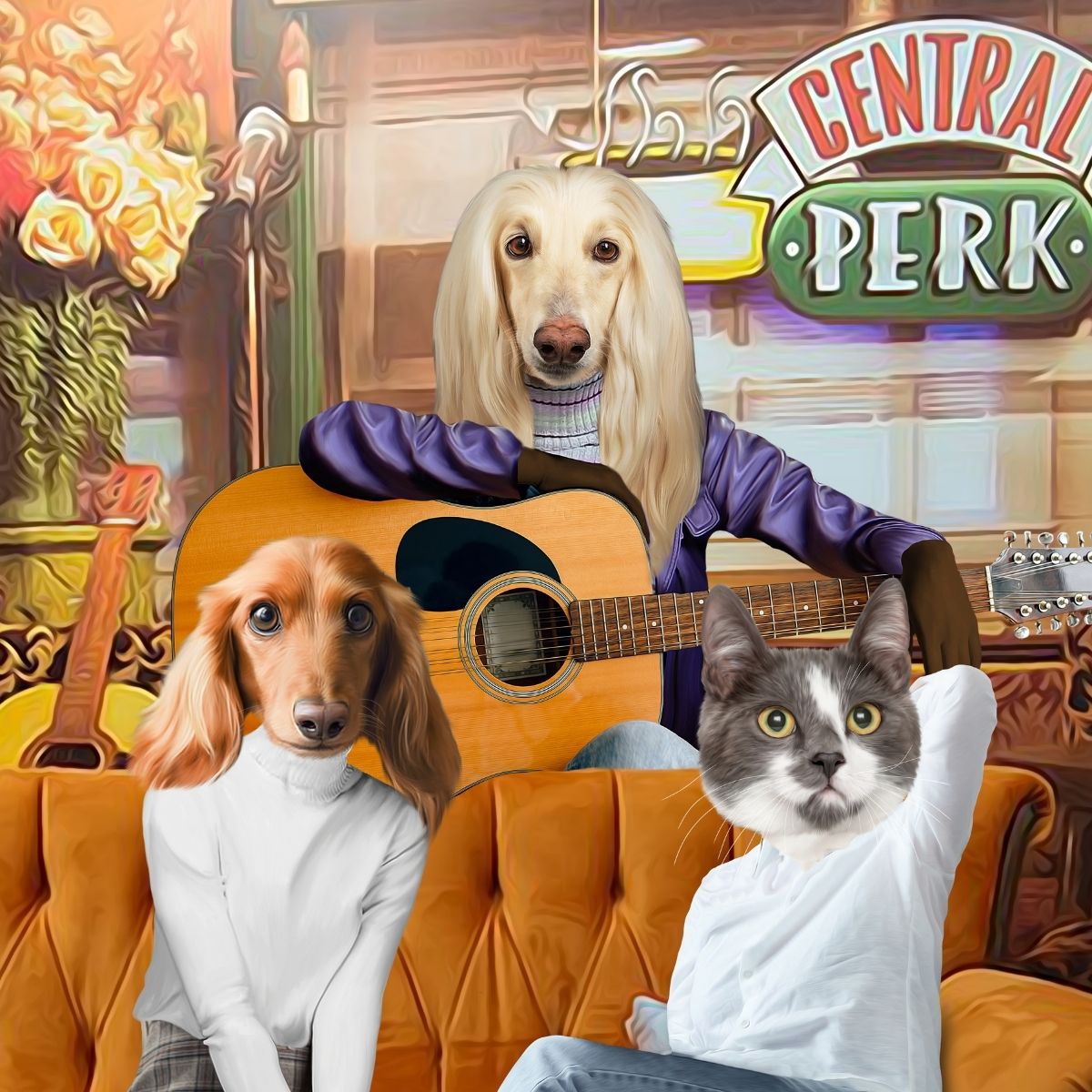
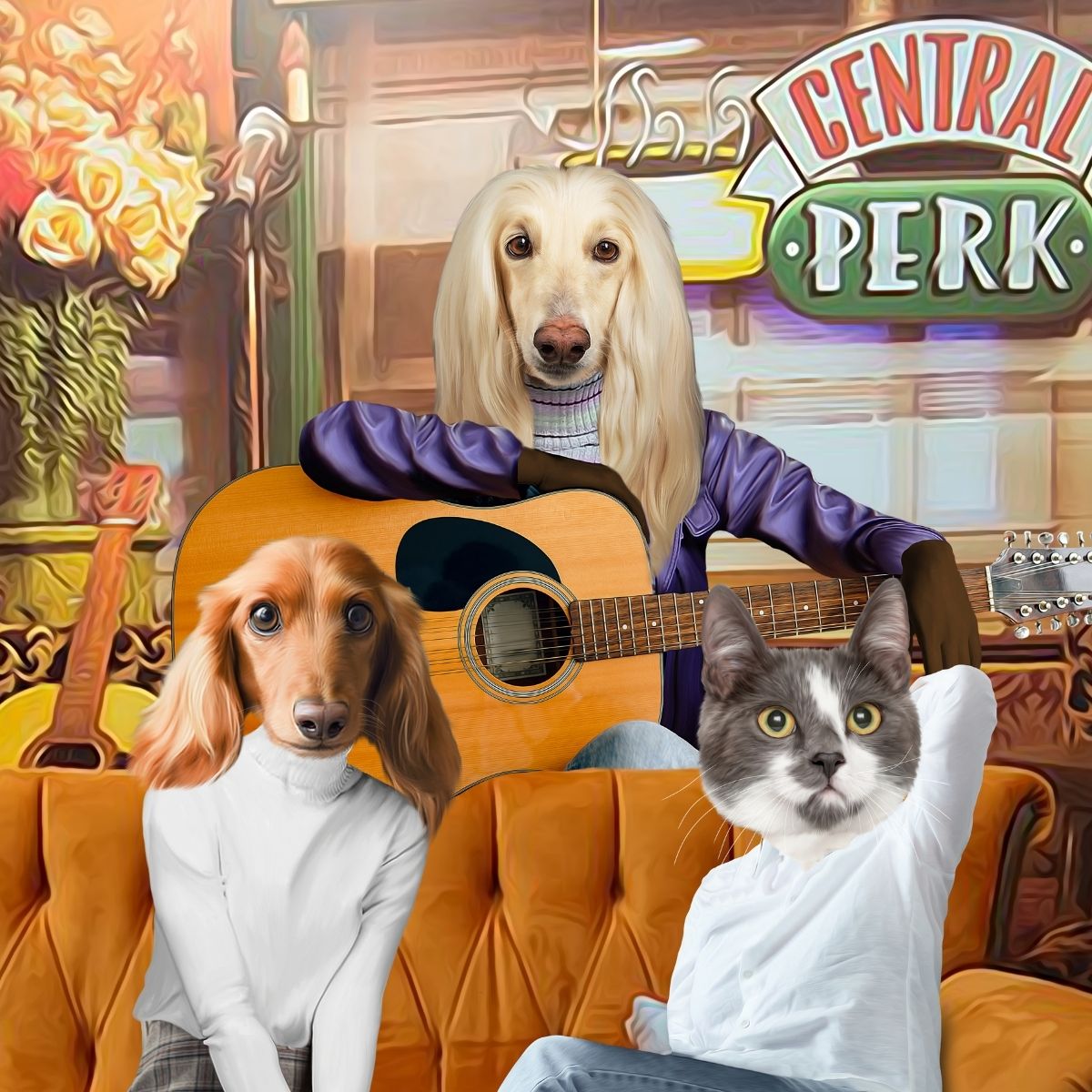
If two or more pets appear in the same portrait, they do not necessarily need matching collars or identical styling. In fact, individual accessories can help distinguish pets with similar colouring.
On the other hand, if one pet is wearing an enormous harness and the other has no accessories at all, the composition may feel visually uneven. Decide whether the accessories add character or simply add noise.
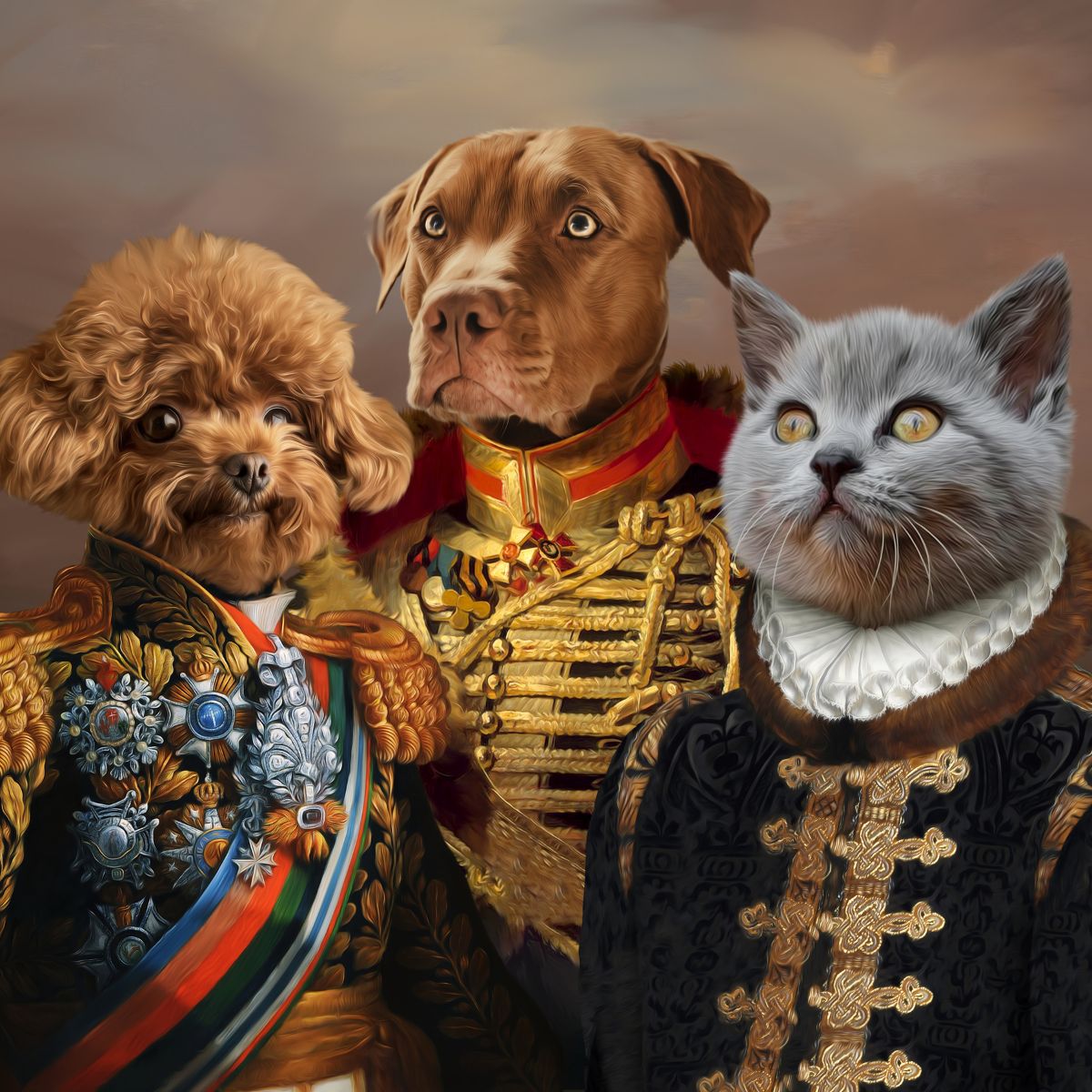
If you are combining pets from different photographs, read our guide on putting more than one pet in a custom portrait.
Before deciding, ask:
A good pet portrait should feel recognisable, not artificially perfect. Sometimes the slightly battered collar is exactly right. Sometimes the neon harness can quietly leave the building.
Choose the version that feels most like your pet, then browse our custom pet portraits to find a style that gives those details the right amount of attention.
Comments will be approved before showing up.
August 18, 2026 6 min read
Learn how to photograph a black or dark-coated dog or cat for a custom pet portrait, with simple tips on soft light, backgrounds, exposure, eye detail and phone photos.
August 18, 2026 6 min read
Can a screenshot, WhatsApp image or compressed phone photo work for a custom pet portrait? Use this practical checklist to decide when the image is good enough and when to find the original.
August 17, 2026 2 min read
WELCOME TO PAW & GLORY
Get 15% off your first order
Join 30,000+ pet owners turning perfectly ordinary photos into gloriously over-the-top works of art.
★★★★★ 2,200+ Five-Star Reviews
Real Artists · Proof Before Print · Unlimited Artwork Revisions