August 30, 2026 5 min read
For pet portraits of long-haired dogs and cats, the best reference photo is one that clearly shows the eyes, face shape, direction of the coat and the pet's familiar silhouette. Soft, even light usually gives you more useful fur detail than harsh sunshine or a dim indoor snapshot, and the pet should look like the version of themselves you recognise every day.
Long fur is beautiful in a portrait, but it can hide the very features that make an animal instantly recognisable. A little care when choosing the reference image makes a large difference.
With a short-coated pet, the outline of the face, ears and body is often easy to read. Long-haired dogs and cats can be more visually complex. Fur can cover part of the eyes, merge the ears into the head, change the apparent shape of the muzzle or create a soft silhouette that varies dramatically depending on grooming and weather.
The goal is not to photograph every individual hair. It is to provide enough information to understand the larger coat patterns: where the fur changes direction, which areas are darker or lighter, how the ears sit and which wisps or tufts are part of the pet's familiar look.
The eyes are one of the strongest anchors of a recognisable pet portrait. With long fringes, fluffy brows and heavily feathered faces, they can disappear surprisingly easily in photographs.
Try taking the picture when your pet is facing a window or another source of soft natural light. Move yourself rather than forcing the pet into an unnatural pose. If one eye is hidden completely behind fur in your favourite image, keep that photo as an expression reference but consider supplying a second image that shows the eye area more clearly.
You do not need to trim or alter your pet just for the photograph. The useful question is simply whether the image contains enough information for the face to be understood.
Bright midday sun can create very pale highlights on one side of a fluffy coat and deep shadow on the other. At the opposite extreme, a dark indoor photograph can turn layers of fur into one indistinct mass.
Soft daylight, especially near a large window or outdoors in open shade, tends to show the transitions between different areas of the coat more clearly. This is particularly helpful around the ears, chest, tail and muzzle where long fur often changes direction.
If your pet has a very dark coat, our guide to photographing a black dog or cat for a pet portrait covers exposure and eye detail in more depth.
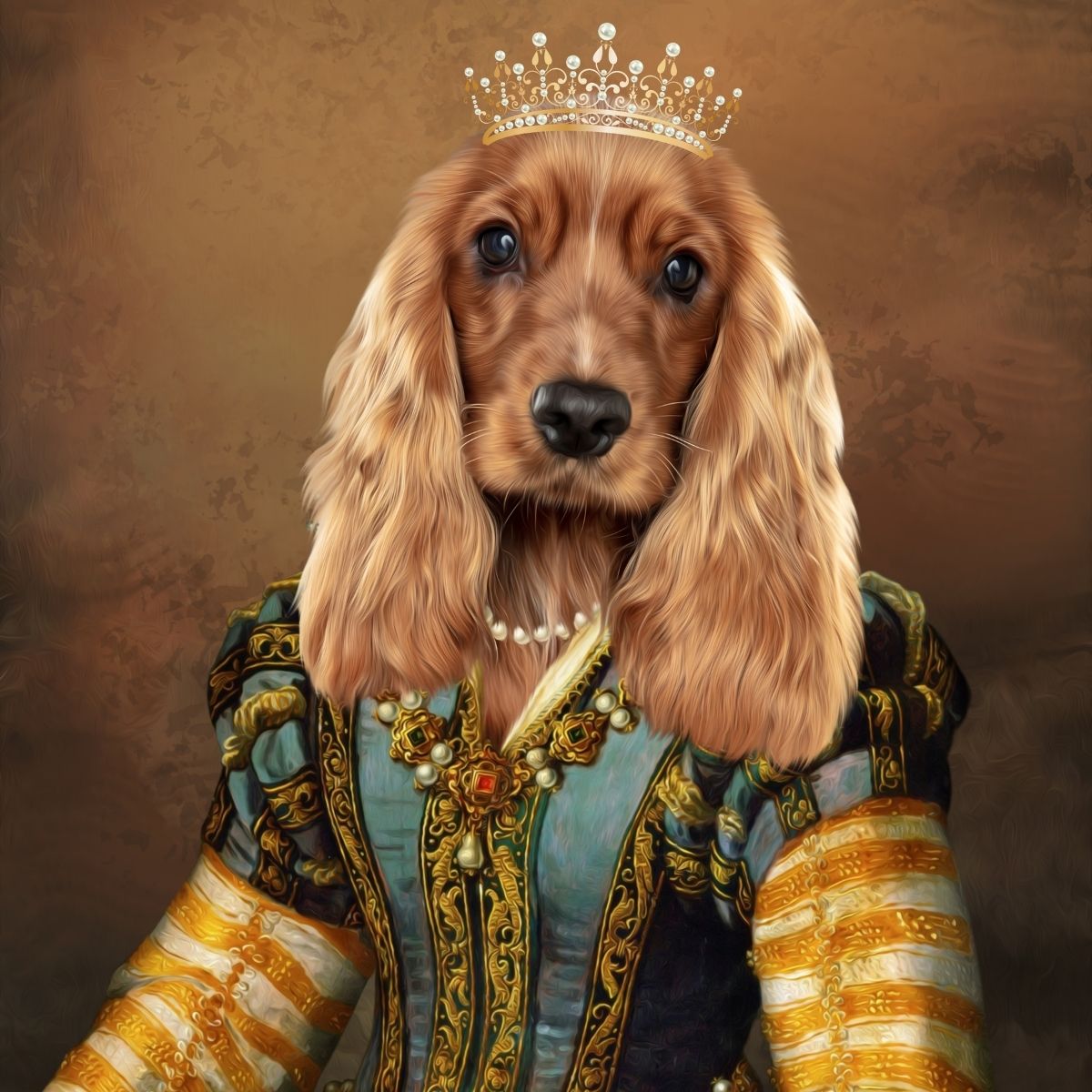
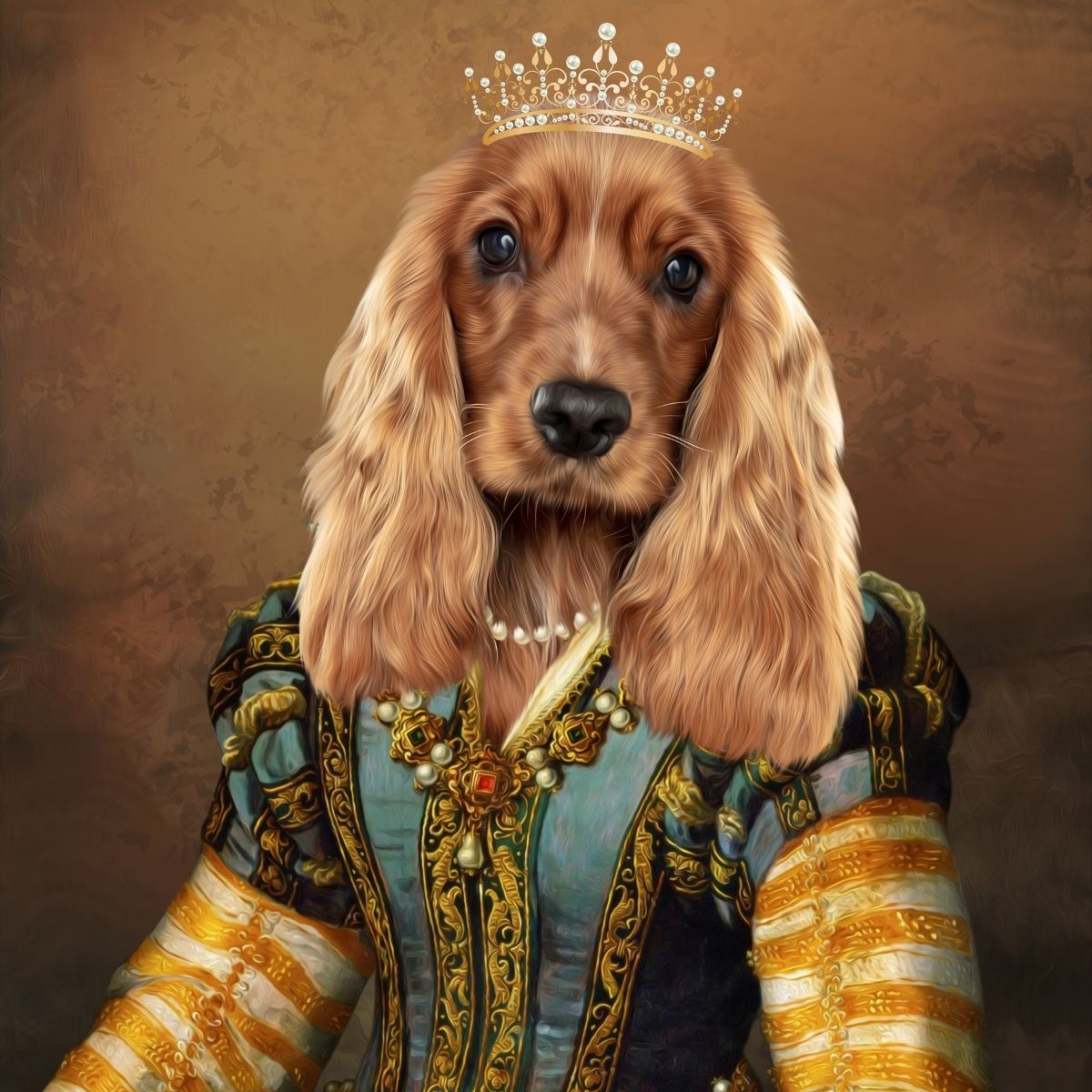
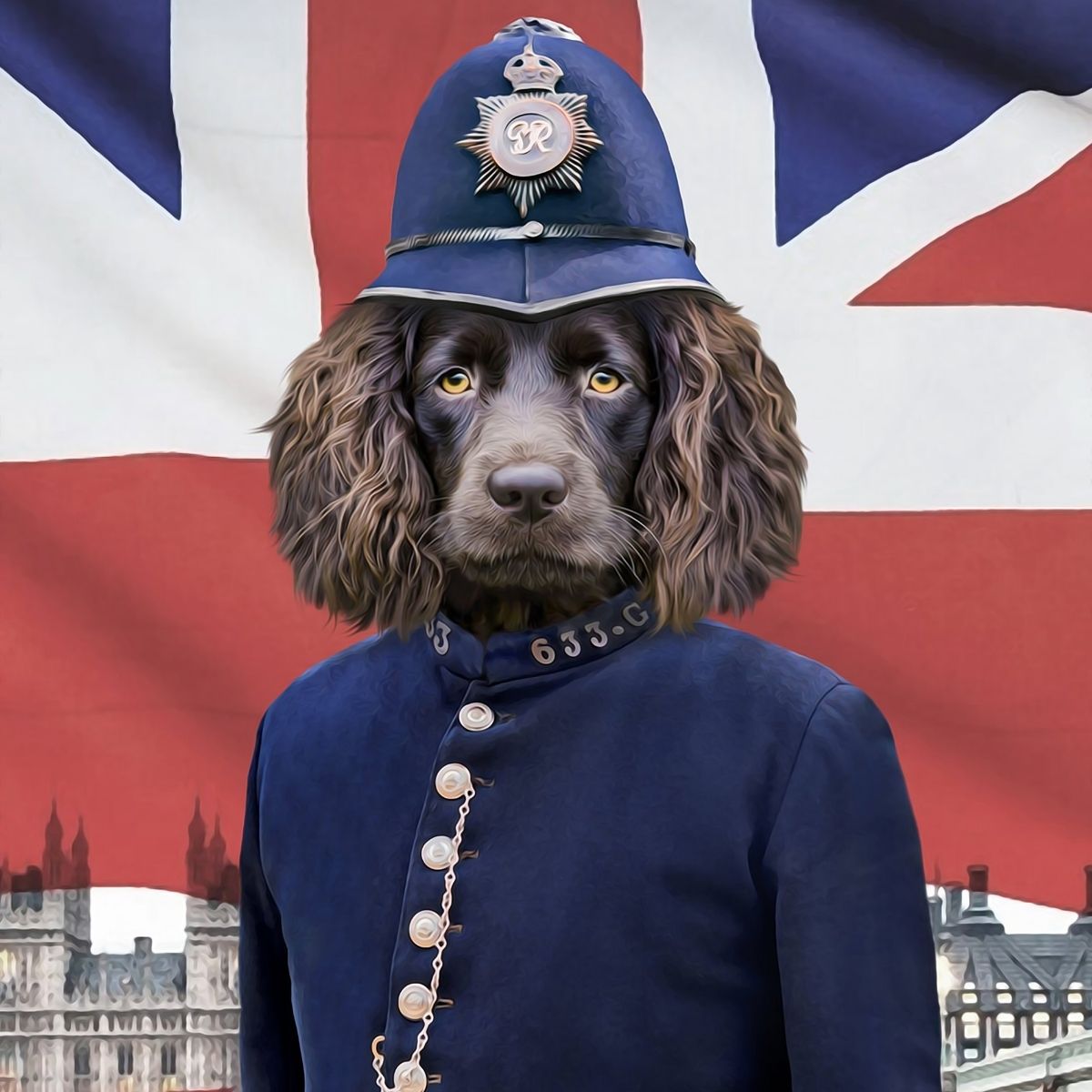
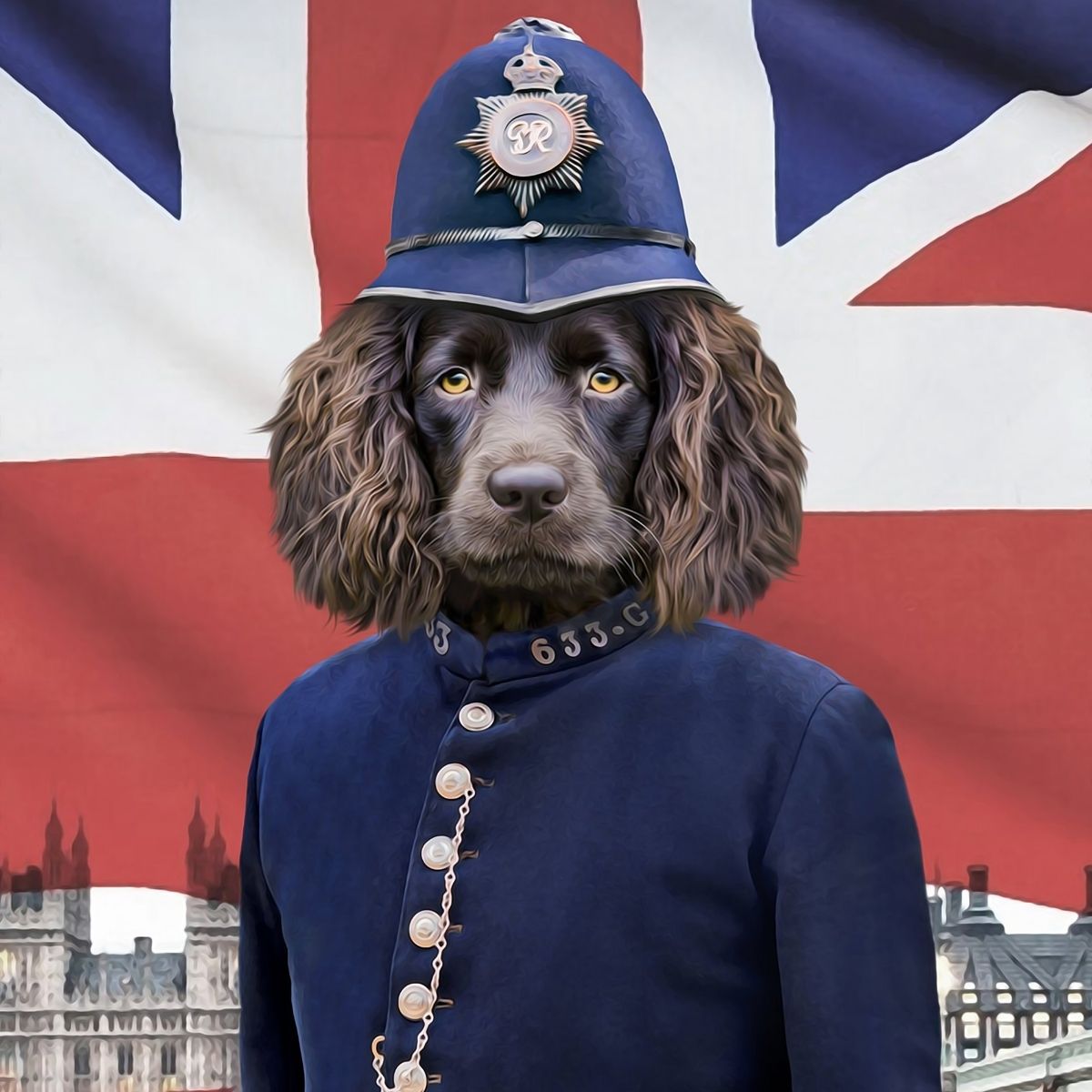
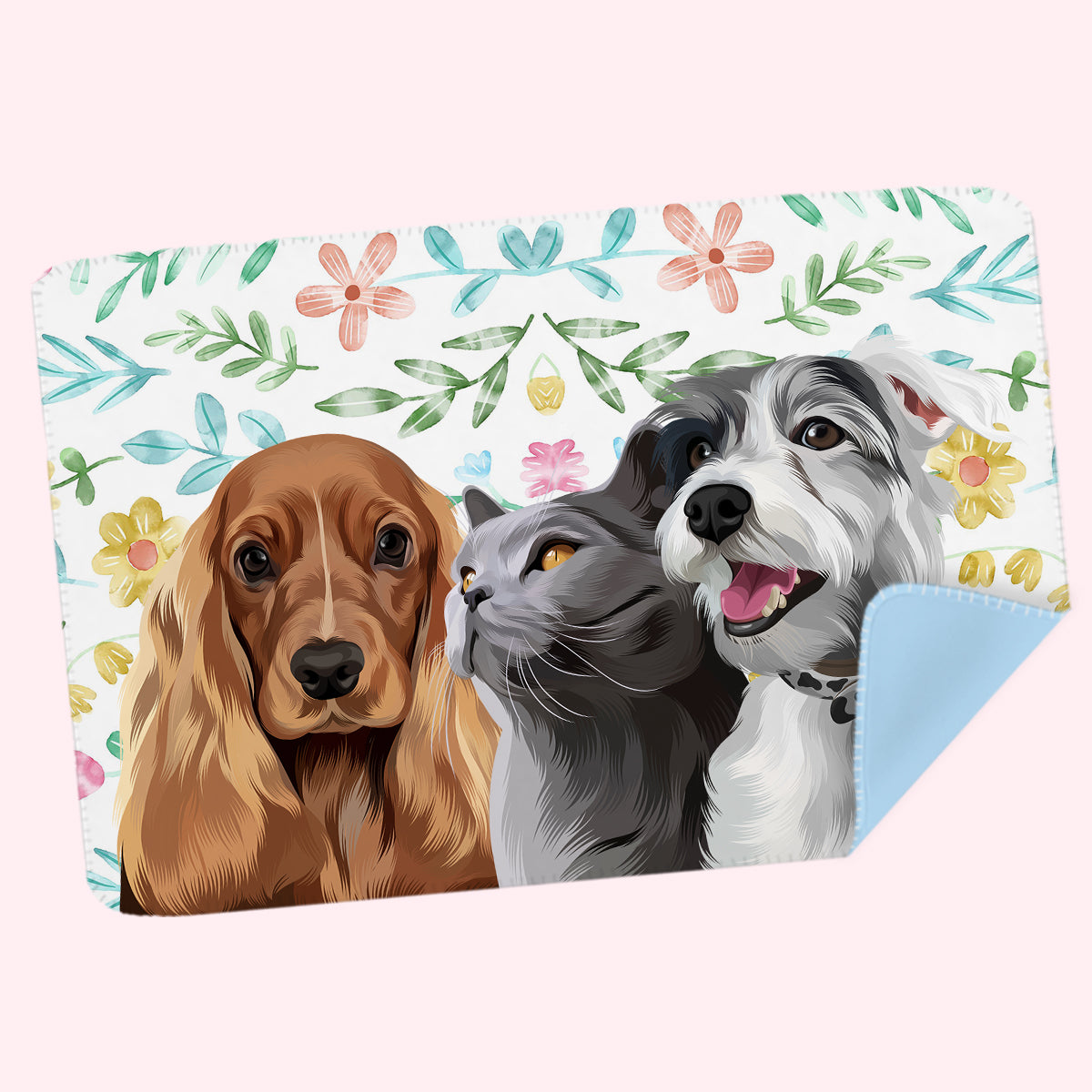
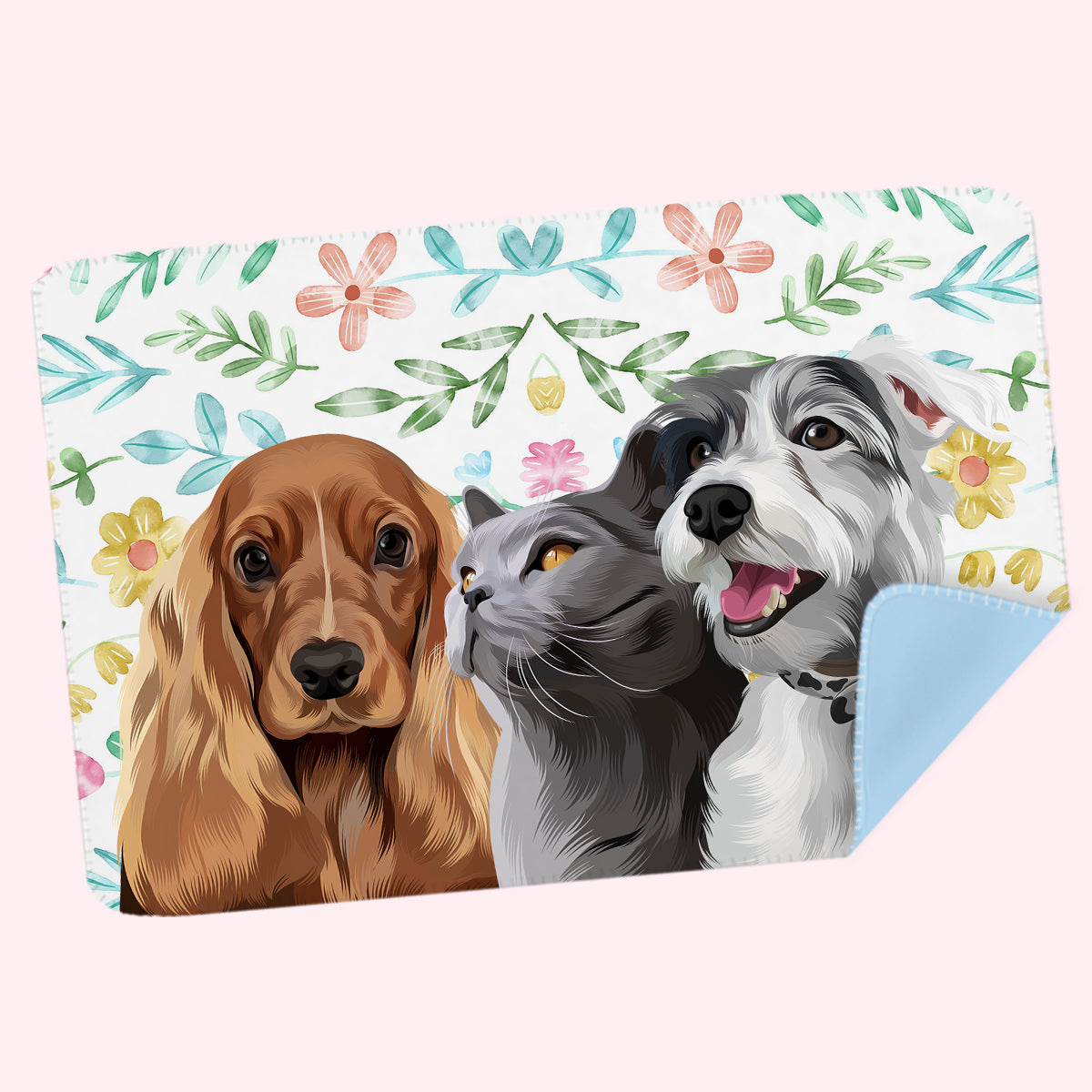
Two pets can have almost identical coat colours but completely different texture and movement. A cocker spaniel's feathering, a collie's ruff and a long-haired cat's cheek and chest fur all create distinct shapes.
Choose a main photo in which the fur looks naturally separated rather than flattened into the body. A slight turn of the head can sometimes show the direction of ear or neck fur more clearly than a perfectly straight-on pose.
Side lighting should still be gentle, but a little change in direction can reveal layers and texture that flat, low-quality lighting hides.
A portrait should represent the version of your pet that feels familiar to you. If your dog normally has a shaggy coat, a photograph taken immediately after an unusually short groom may be technically sharp but emotionally wrong. The same applies to a long-haired cat photographed when the coat is unusually flattened or ruffled.
Look through several photos and ask which one captures the normal outline of the face, ears, chest and body. Familiarity matters more than chasing a theoretically perfect photograph.
If you have useful detail spread across several pictures, that is not automatically a problem. See our guide to using multiple photos for one pet portrait for choosing a main image and supporting references.
Phone filters can make a photograph look punchier while quietly removing useful information. Heavy contrast can swallow shadow detail, beauty-style processing can smooth fine texture and aggressive sharpening can create false edges around fur.
Portrait-mode background blur can also make mistakes around wispy ears, tails and feathered coats because the phone has to guess where the pet ends and the background begins. If you have the original unfiltered image, send that rather than a screenshot of the edited version.
A plain photograph that accurately shows your pet is more useful than one that has been enthusiastically processed into submission.
If possible, choose one image to establish the main pose and expression. Supporting photos can then clarify features that are difficult to see in that image, such as the colour behind an ear, the shape of a tail or markings hidden by the angle.
Supporting photos work best when they explain the same pet rather than presenting contradictory instructions. If the coat changed significantly between seasons or grooming styles, make it clear which appearance you want the finished portrait to follow.
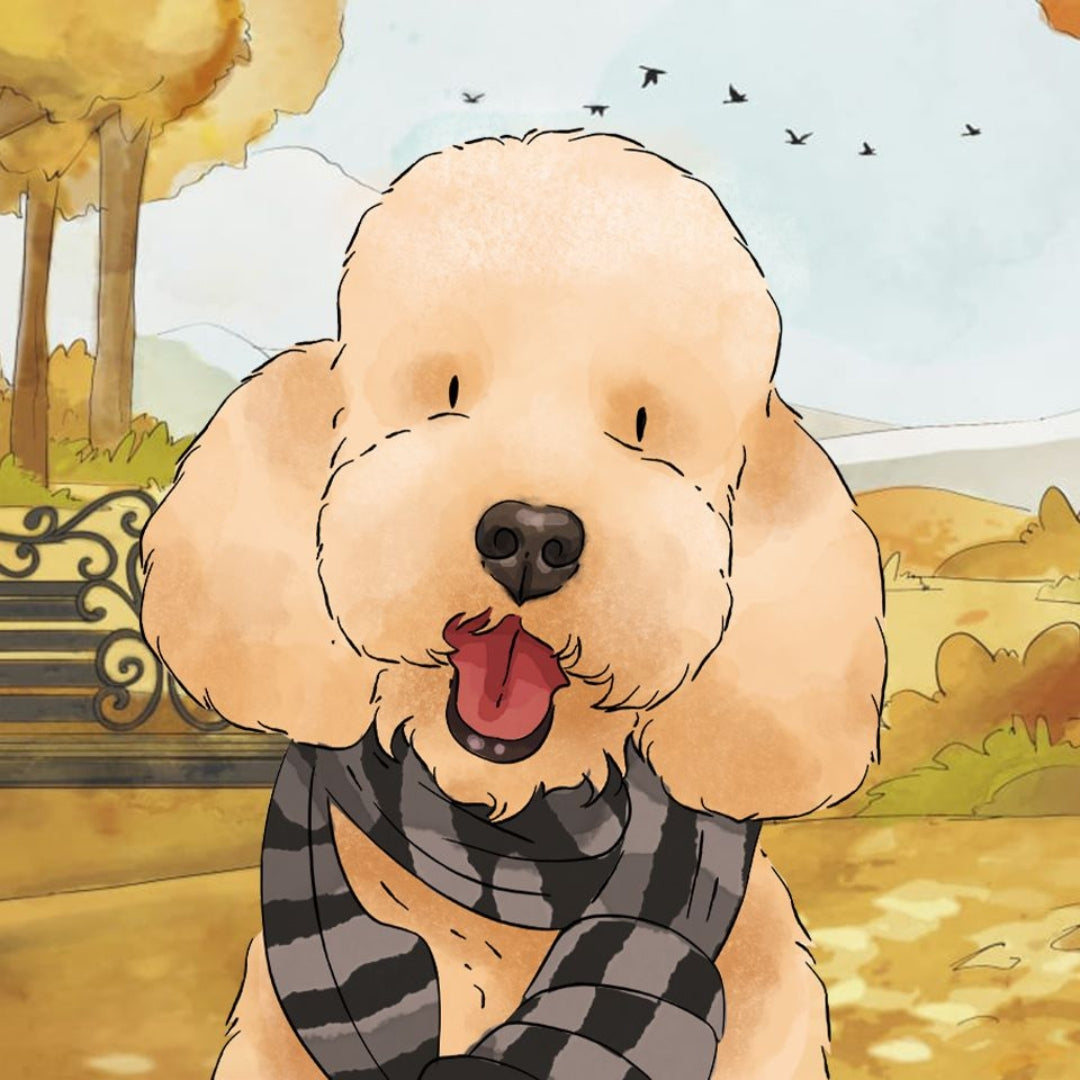
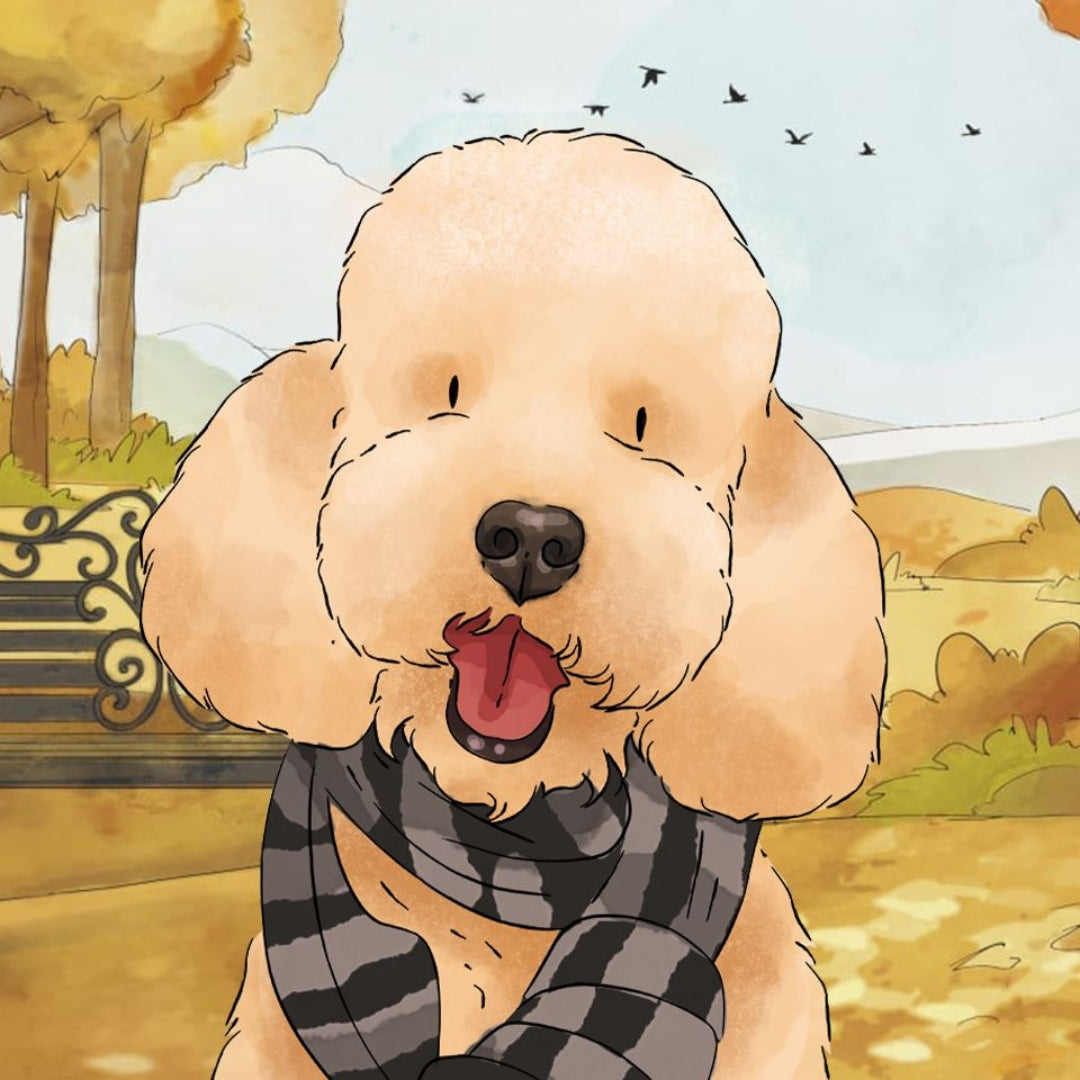
For long-haired dogs, pay particular attention to feathered ears, eyebrows, beard or muzzle hair and the shape of the chest. These areas often create much of the dog's recognisable outline.
A photo taken too far away may show a charming pose but leave those details tiny. If the full-body image is your favourite, add a closer facial photo as supporting reference. Our pet photo angle guide can help when deciding which view is strongest.
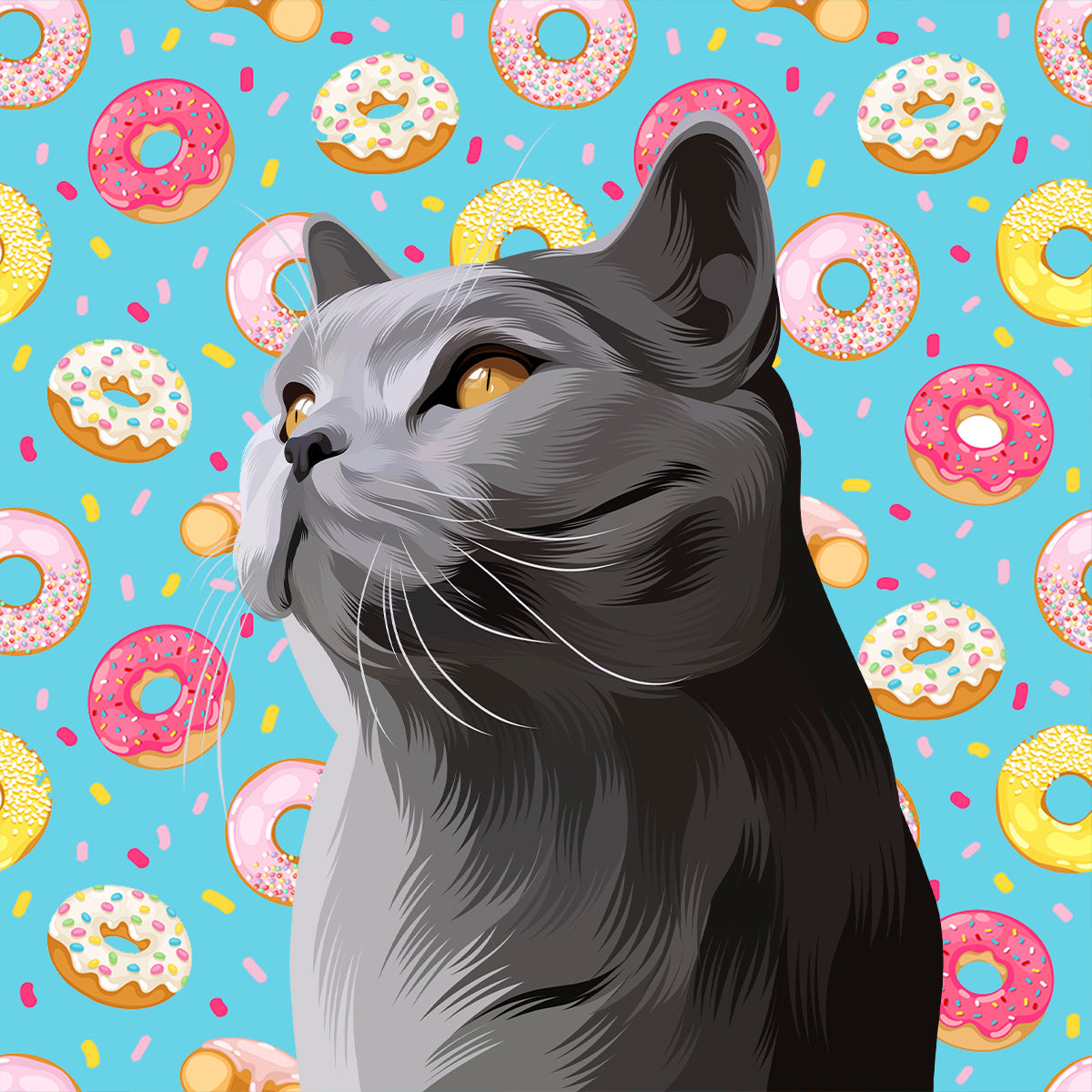
Long-haired cats can appear to change shape depending on posture. Sitting upright can create a broad chest and ruff, while lying down can merge the body and tail into a single cloud of fur. Neither is wrong, but the pose should match what you want the portrait to communicate.
Choose an image where the eyes and nose remain clear and where the ears have not vanished into the background. If facial markings are subtle, a closer supporting photo can be particularly valuable.
Very pale or white fur can lose texture when the brightest areas of a photograph are overexposed. Look for an image where you can still see changes in tone across the forehead, cheeks, chest and ears rather than a featureless patch of white.
Likewise, choose a background that gives some separation from the coat. The reference photo does not need to be a studio portrait; it simply needs to make the pet's edges and features readable.
Paw & Glory pet portraits are hand-illustrated from the photos you submit. You receive an artwork proof before production, so you can review how the likeness, coat and other recognisable details have been interpreted before the portrait is finalised.
For a long-haired pet, start with the photograph that best captures expression and familiar appearance, then add supporting images where they genuinely clarify fur, markings or colour.
For general photo-selection advice, read our pet portrait from photo guide, or browse the current range of pet portraits when you are ready to choose a style.
Comments will be approved before showing up.
August 31, 2026 4 min read
August 31, 2026 6 min read
WELCOME TO PAW & GLORY
Get 15% off your first order
Join 30,000+ pet owners turning perfectly ordinary photos into gloriously over-the-top works of art.
โ โ โ โ โ 2,200+ Five-Star Reviews
Real Artists ยท Proof Before Print ยท Unlimited Artwork Revisions