August 27, 2026 3 min read
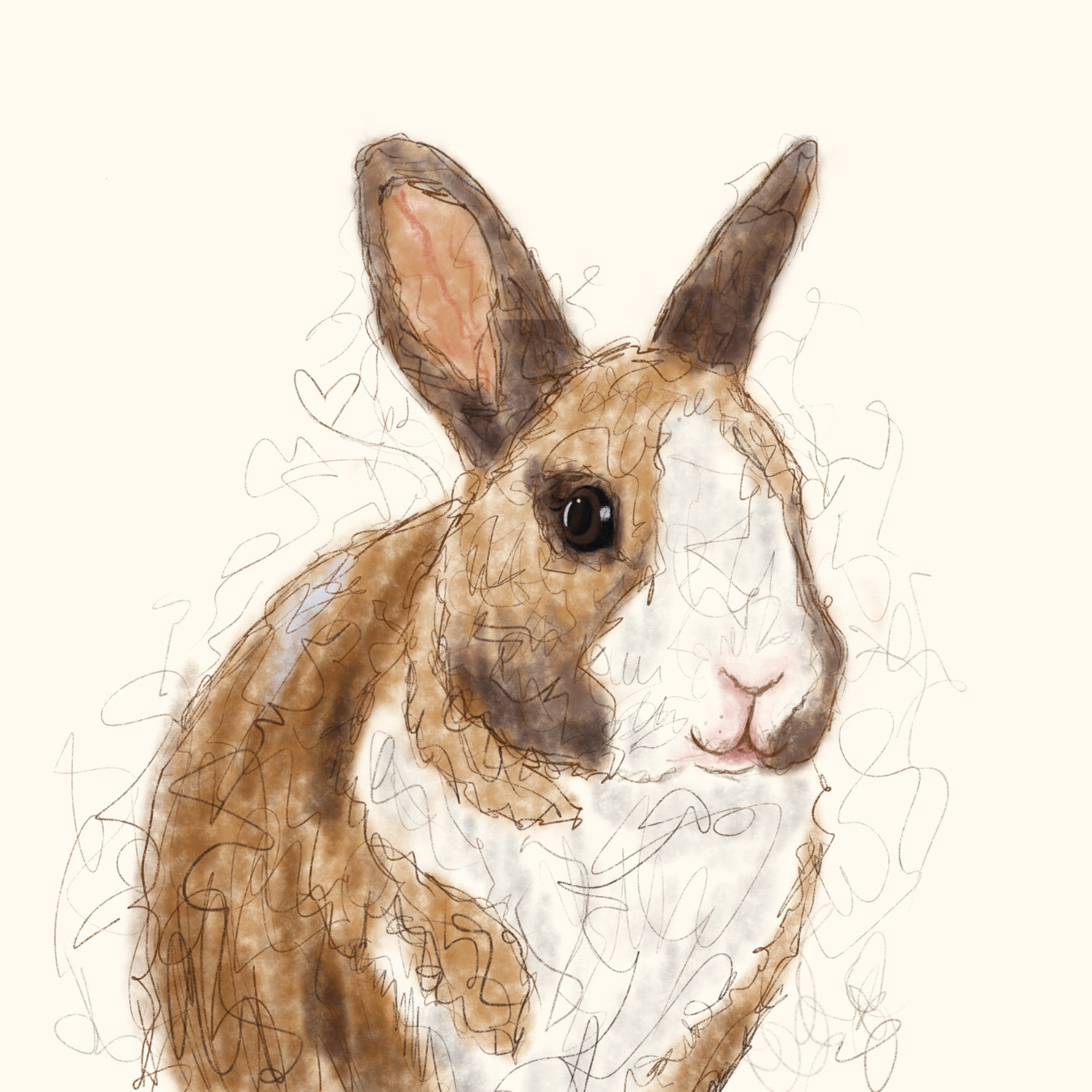
For a rabbit memorial portrait, choose a photograph that clearly shows the rabbit's face, ear shape, coat markings and the posture that feels most familiar to you. Rabbits can look surprisingly different from one photograph to another, so the best reference is not always the cutest image. It is the one that makes the individual rabbit recognisable.
Small details matter. An ear that tips slightly, a darker nose, an uneven blaze or a particular sitting posture can do more for likeness than an elaborately staged background.
A useful reference photograph should show at least one eye clearly and give the artist enough information to understand the shape of the face and muzzle.
Very dark photographs can hide the line between the eye and surrounding fur, while strong sunlight can wash out pale coats. Soft daylight is helpful when you have a choice, but do not discard a meaningful older photograph simply because the lighting is imperfect.
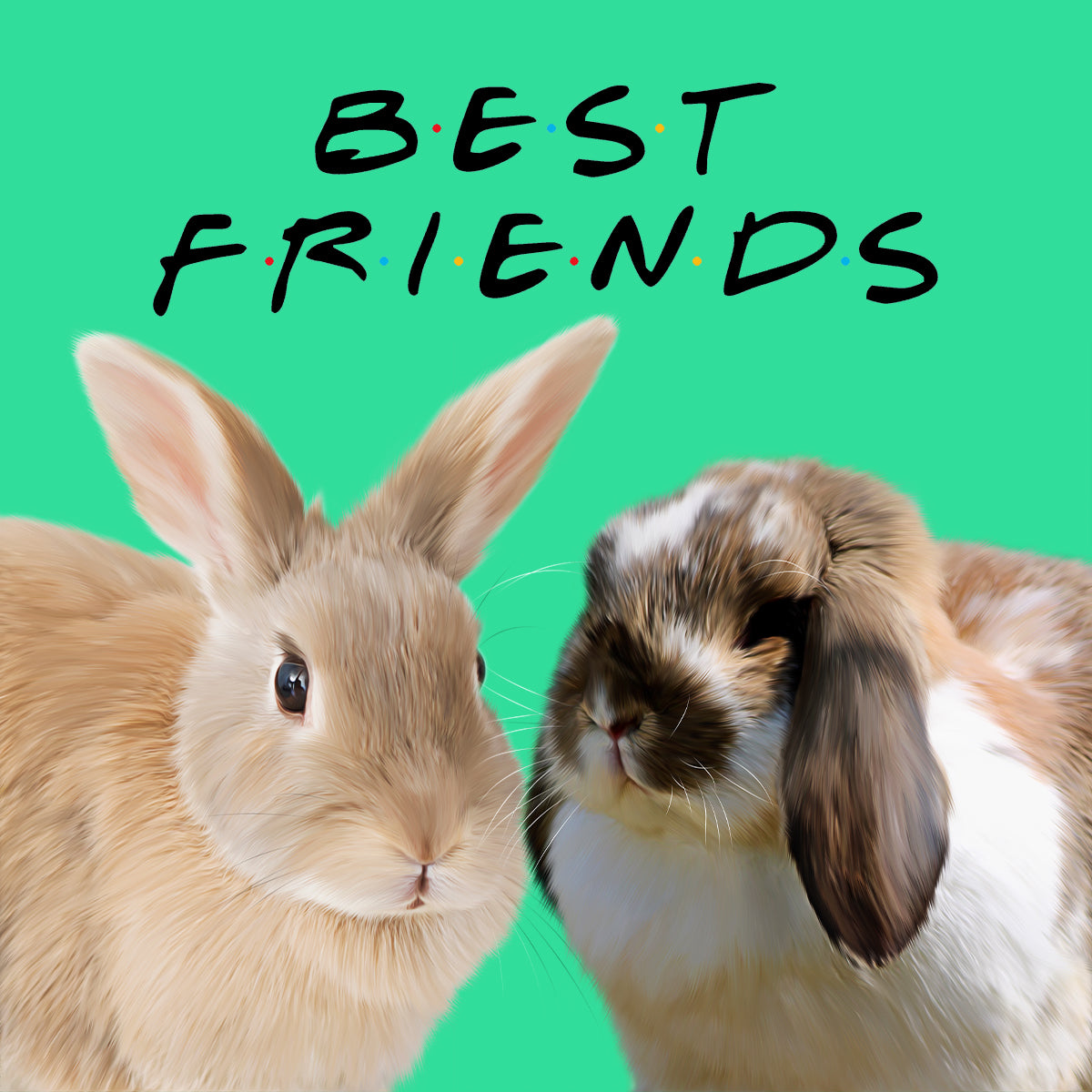
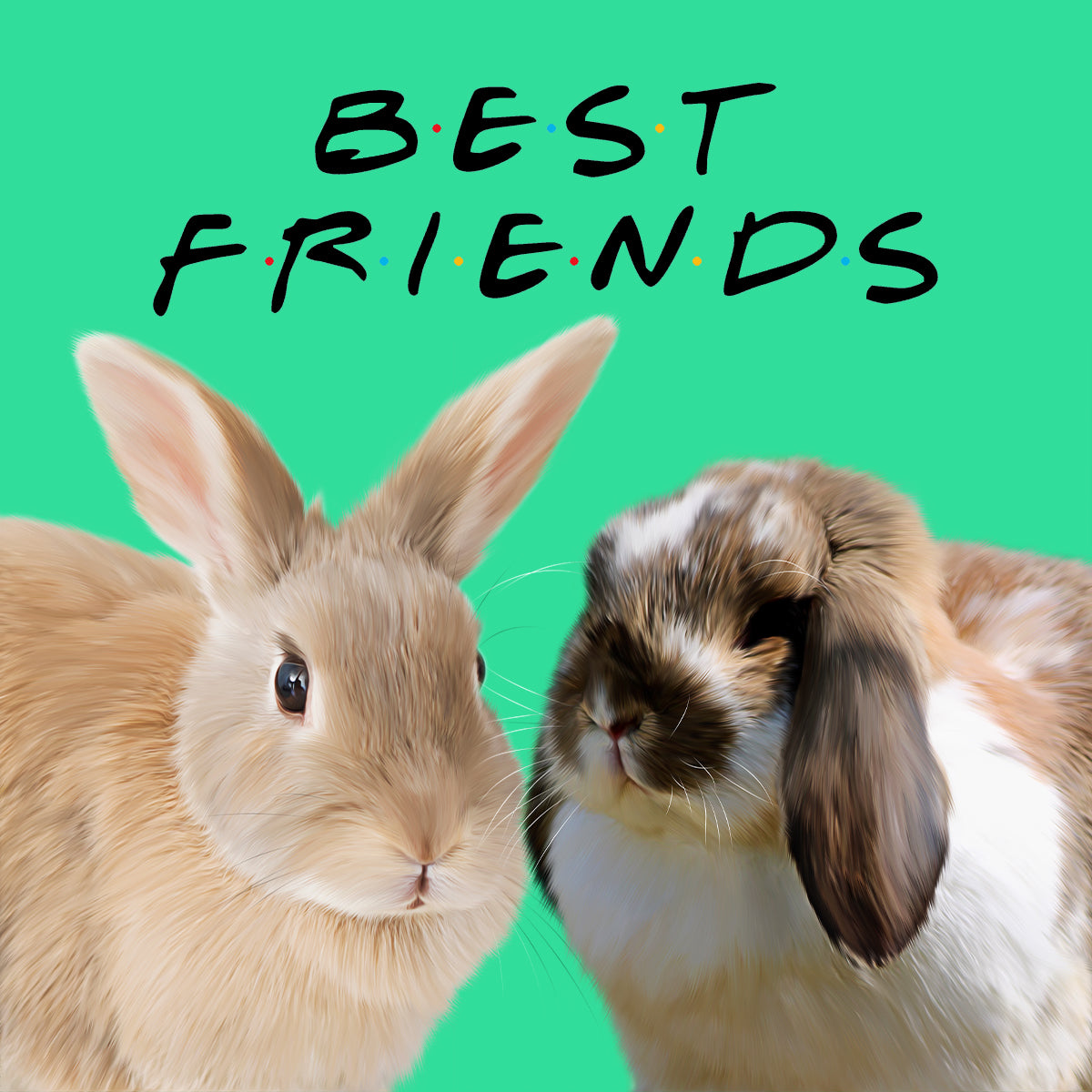
For rabbits, the ears are a major part of the silhouette. Upright ears, lop ears, asymmetry and the way the rabbit normally holds them can all affect whether a portrait feels right.
If the main photograph crops the ears, provide a second image showing their full shape. A supporting photograph does not need to match the main pose exactly. Its job is to provide factual detail.
Look for photographs that show distinctive patches, facial markings, nose colour and changes in tone across the coat. This is especially important for rabbits with mixed colours, broken patterns or subtle shading.
If the coat changed over the rabbit's lifetime, decide which stage you want the portrait to represent. Our guide to choosing a life stage for a memorial pet portrait can help with that decision.
A close portrait gives more room for facial detail. A wider reference can be better if the rabbit's body shape, sitting position or markings across the back are important.
You can also use one image for the main pose and another for missing details. Paw & Glory can work from reference photographs rather than requiring every useful detail to exist in one miraculous picture. Our multiple-photo memorial portrait guide explains how to choose a lead image and supporting references.
It may still be usable. Check whether the important information remains visible: eye placement, nose shape, ear type, coat colour and distinctive markings.
Avoid relying on heavy automatic enhancement that invents detail. A sharpened image can look more impressive while quietly changing the features you were trying to preserve. If necessary, supply the original plus clearer supporting photos.
See our guide to creating a memorial pet portrait from an old or blurry photo for a more detailed checklist.
That depends on how you want the finished piece to feel. Some owners prefer the portrait alone. Others want the rabbit's name, dates or a short line included.
Keep text secondary to the likeness, and double-check spelling and dates before approval. Our guide to memorial portrait names, dates and quotes covers the options.
Paw & Glory portraits are hand-illustrated from the supplied pet photo, with an artwork proof provided before production. You can browse the pet memorial portrait collection or read our broader guide to choosing a meaningful memorial pet portrait.
A rabbit memorial portrait succeeds when the small, familiar details survive the translation from photograph to artwork. The ears absolutely count. Rabbit owners already knew that.
Comments will be approved before showing up.
August 28, 2026 3 min read
August 27, 2026 3 min read
WELCOME TO PAW & GLORY
Get 15% off your first order
Join 30,000+ pet owners turning perfectly ordinary photos into gloriously over-the-top works of art.
★★★★★ 2,200+ Five-Star Reviews
Real Artists · Proof Before Print · Unlimited Artwork Revisions